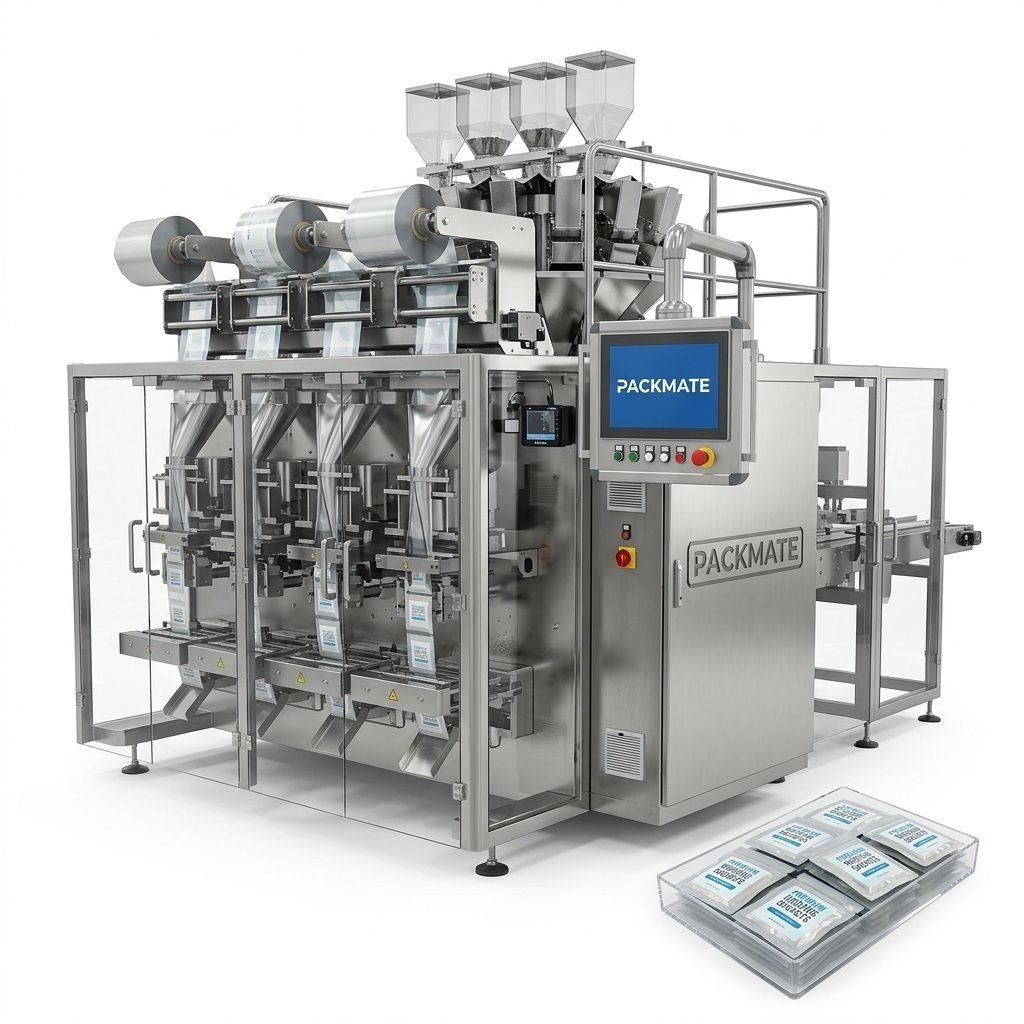
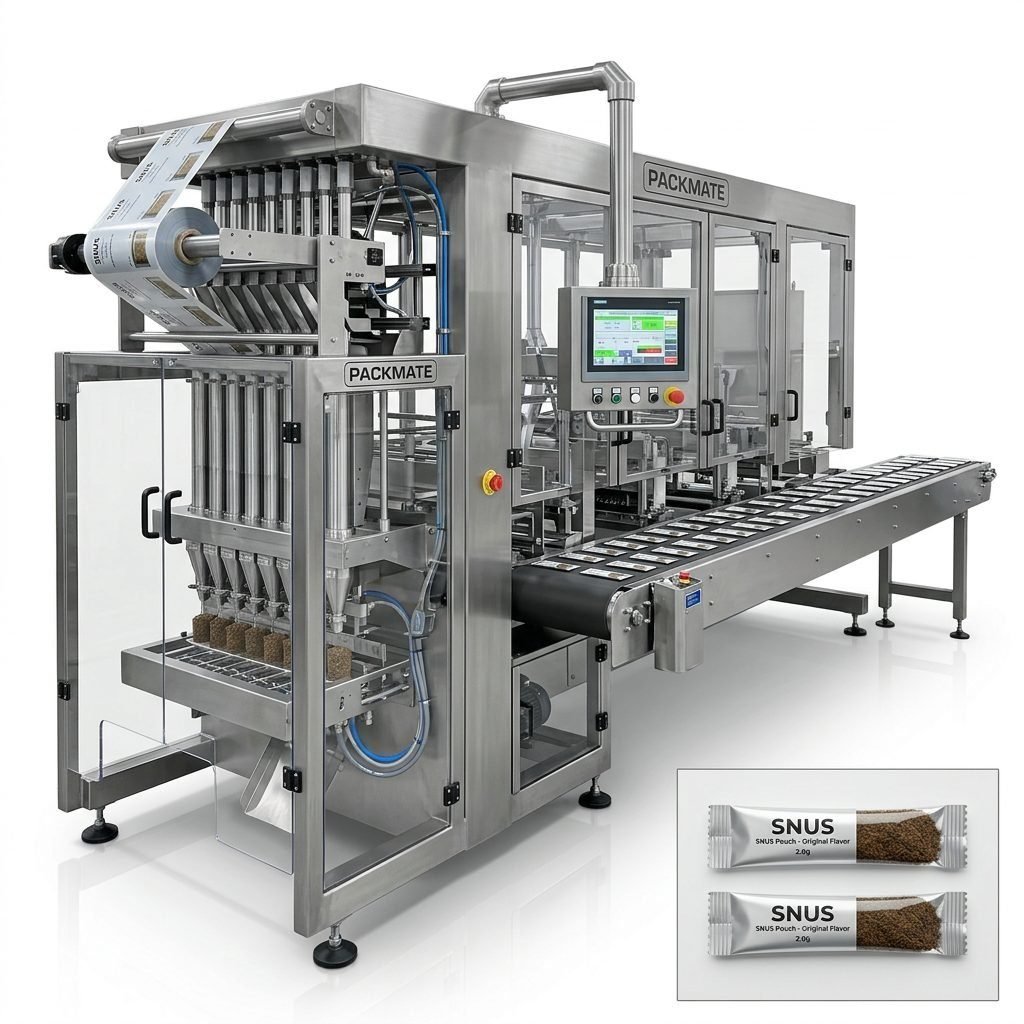
Choosing the right snus packaging machine for your Australian production line is a critical decision that impacts product quality, regulatory compliance, and profitability. This guide walks you through the essential considerations—product type, production volume, packaging format, machine capabilities, regulatory needs, supplier reliability, and long-term service—so you can make an informed investment.
Understand Your Product and Packaging Requirements
Start by defining the physical and chemical characteristics of your snus or nicotine pouch product. Is your product a powder, granule, or a moist pouch? Does it require a foil-lined sachet or a simple paper pouch? The chosen machine must be compatible with the product form, hygroscopic behavior, and required shelf life. A mismatch between product and equipment leads to downtime, waste, and poor sealing integrity.
Key product questions to document:
- Form: pouch, powder, paste, or liquid
- Target dose per pouch
- Moisture sensitivity and packaging barrier needs
- All required prints, barcodes or serialization
Determine Your Production Capacity and Layout
Production throughput defines machine selection: low-volume producers may opt for single-lane, compact machines while large brands or contract manufacturers need multi-lane, high-speed lines. Consider both current and projected volume for the next 3–5 years. Plan for a 20–30% buffer to accommodate demand spikes and product trials.
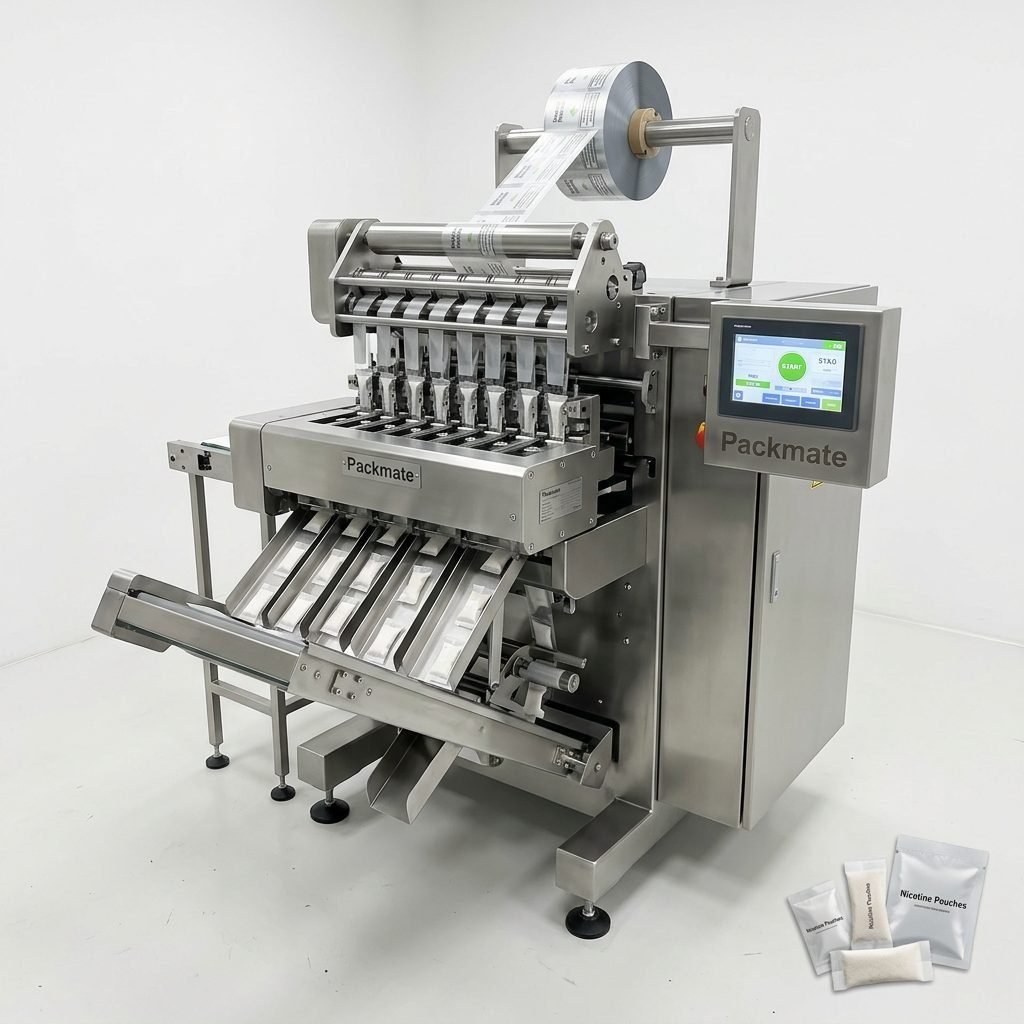
For help exploring configurations, check product families like Snus & Nicotine Packaging Machines and Sachet & Stick Pack Machines, which illustrate common capacities and lane options.
Choose the Right Packaging Format and Machine Type
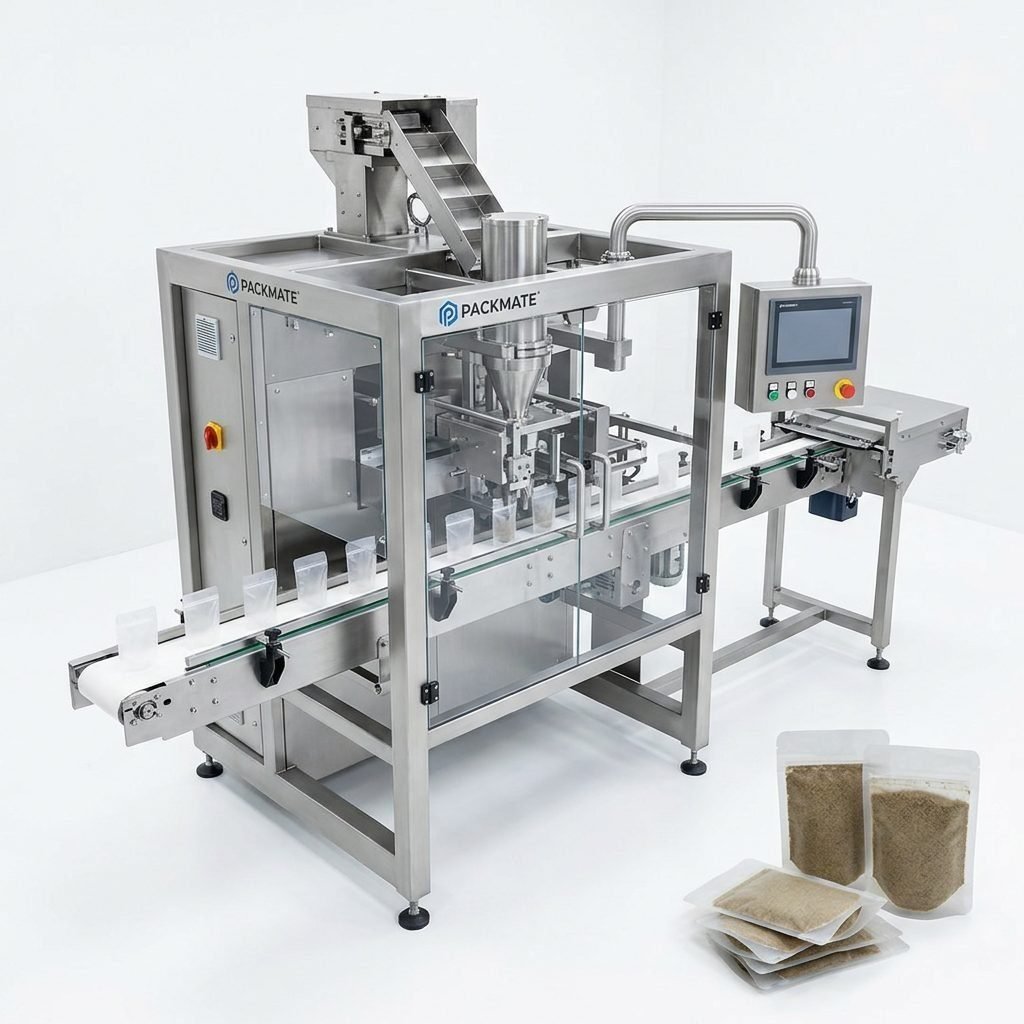
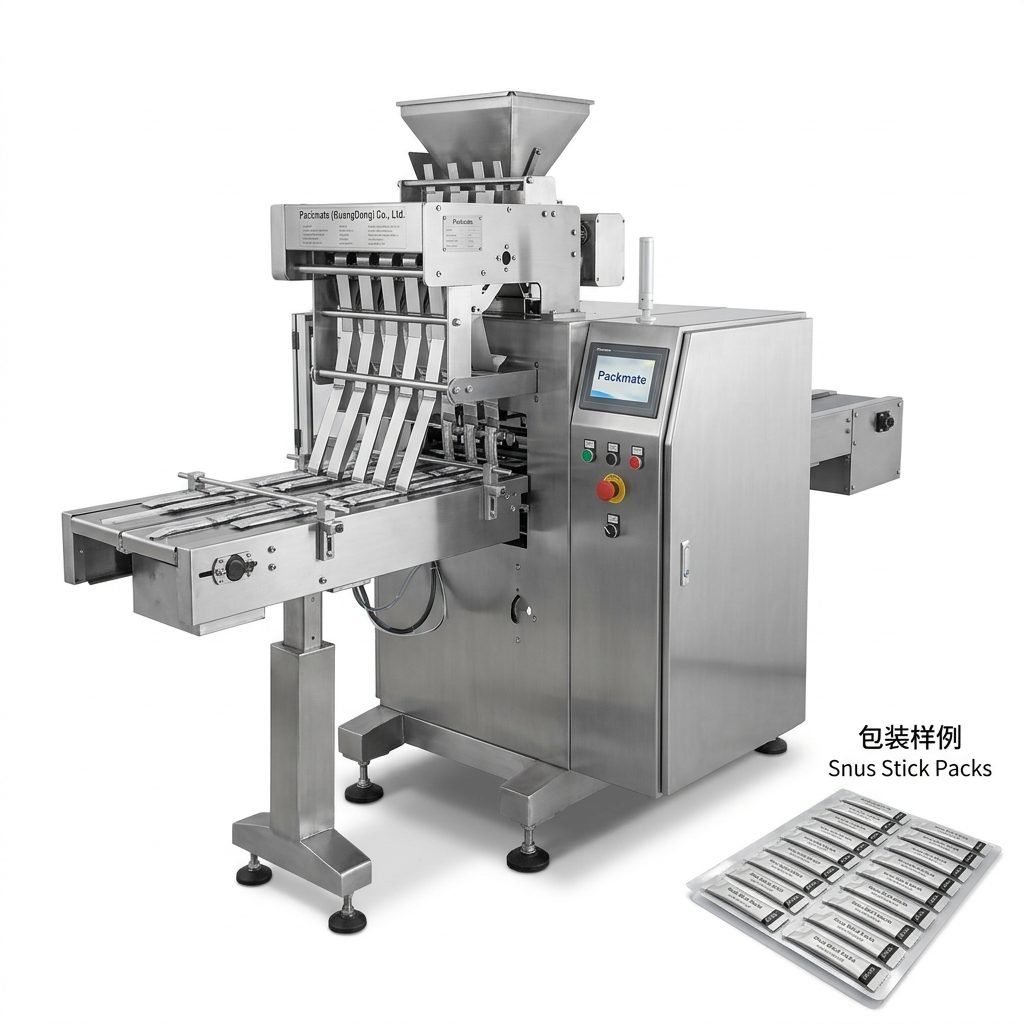
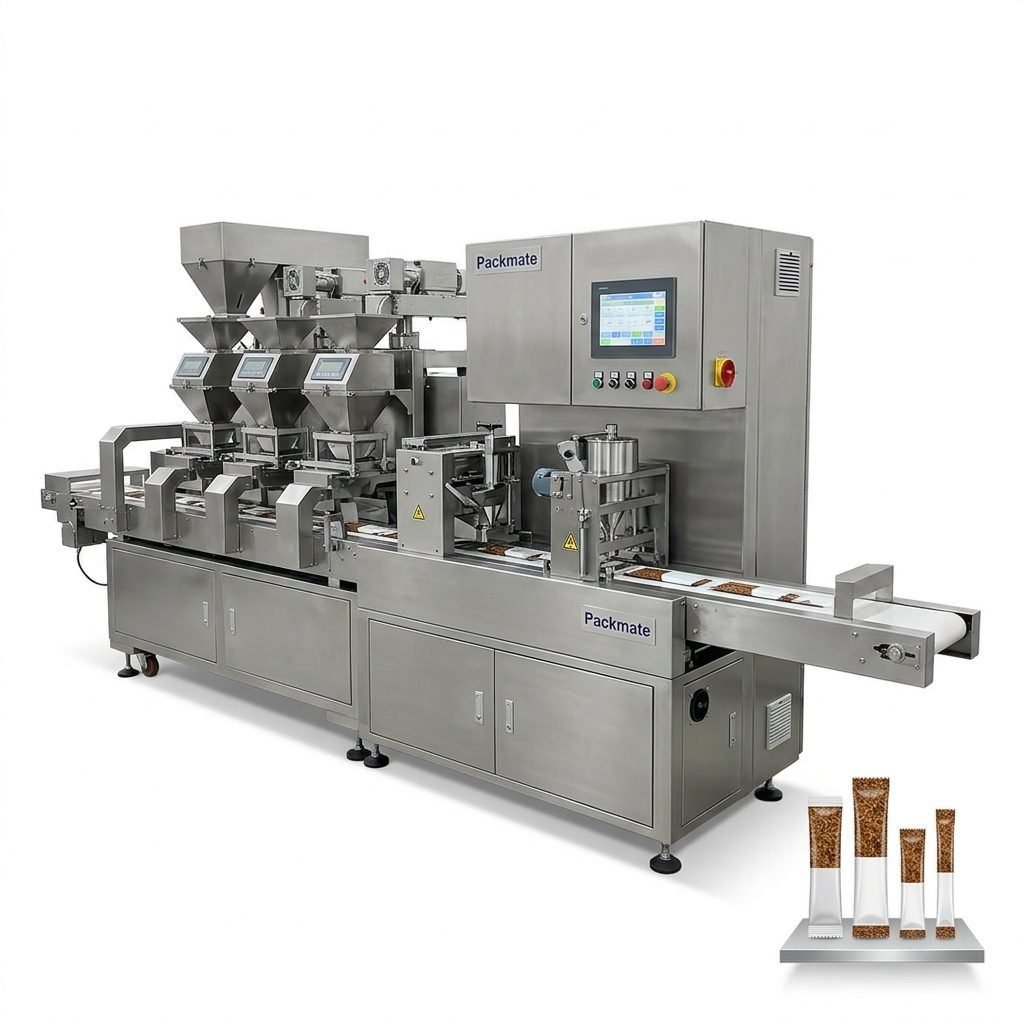
Typical formats include stick packs, sachets, and pre-made pouches. Each format demands a compatible machine:
- 🔹 Stick pack machines: compact, ideal for single-dose formats and high-speed lanes.
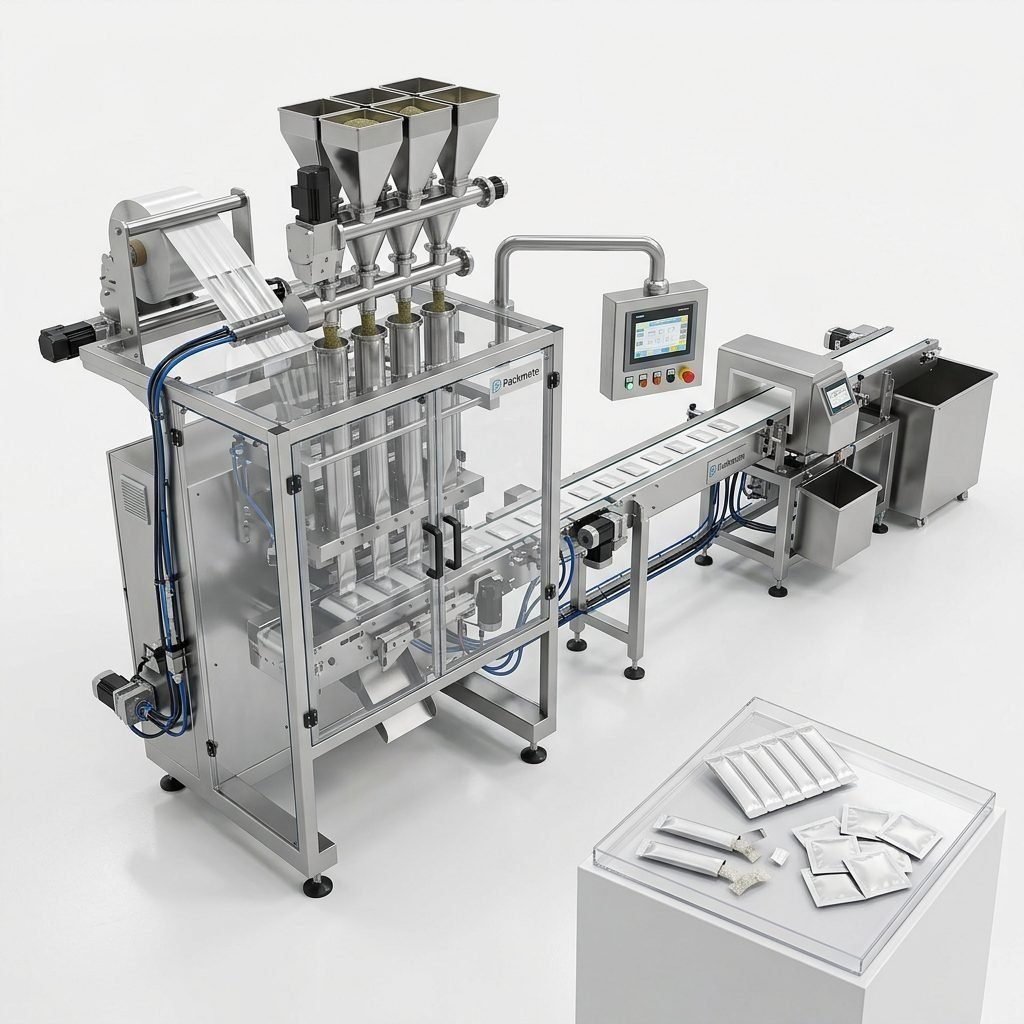
- 🔹 Sachet machines: flexible for powders and small pouches; good for complex sealing requirements.
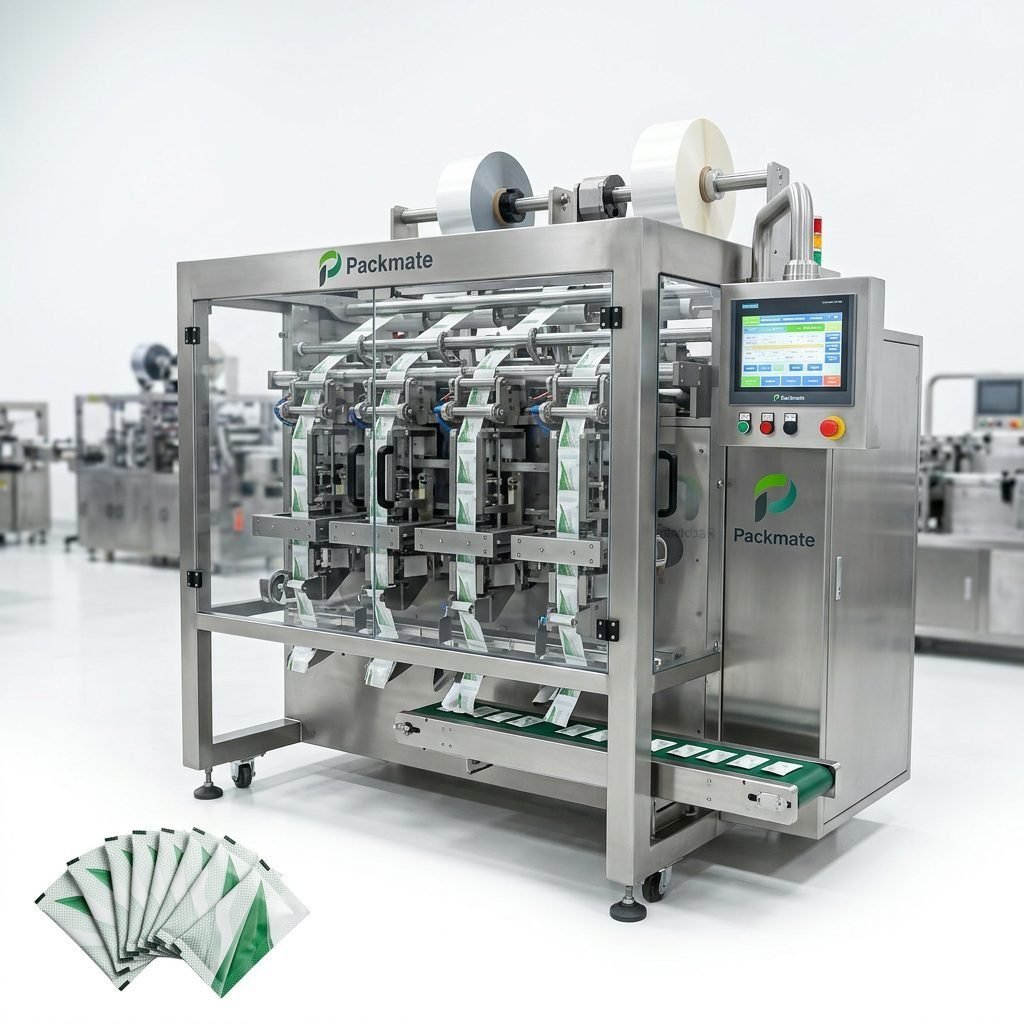
- 🔹 Multi-lane systems: best for scaling production and reducing footprint per unit throughput.
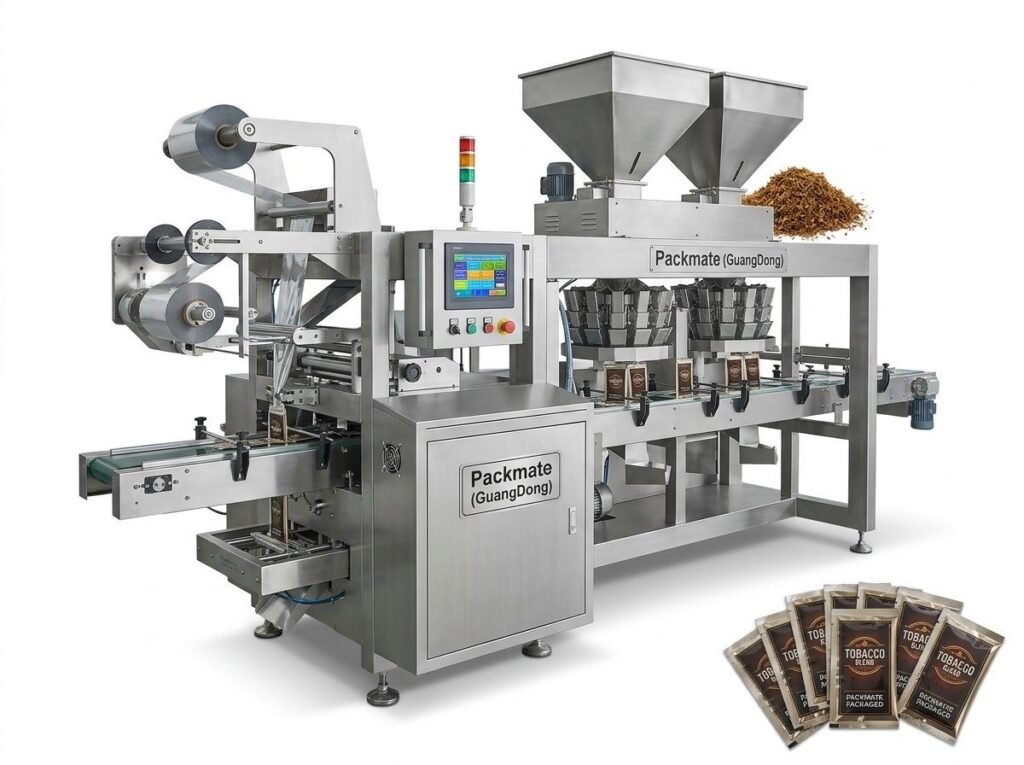
If you need modular options or combined lines (weighing + filling + sealing), explore Weighing & Packaging Systems and Filling & Packaging Lines to see turnkey solutions.
Regulatory and Compliance Considerations in Australia
Australia has strict rules around nicotine products—ensure your packaging machine can support tamper-evident seals, child-resistant features, and compatibility with labeling/serialization requirements. Machines should meet hygiene standards, be easy to clean, and avoid cross-contamination. Always verify machine documentation and certifications.
Certifications and Quality Assurance
Seek suppliers whose equipment complies with international standards (CE, ISO). Suppliers with strong factory capabilities, advanced CNC machining, and precision assembly typically deliver more reliable machines. Packmate Snus Machine highlights include a 20,000㎡ facility and CE/ISO compliance—factors that matter for long-term reliability and spare parts availability.
Automation Level and Integration Needs
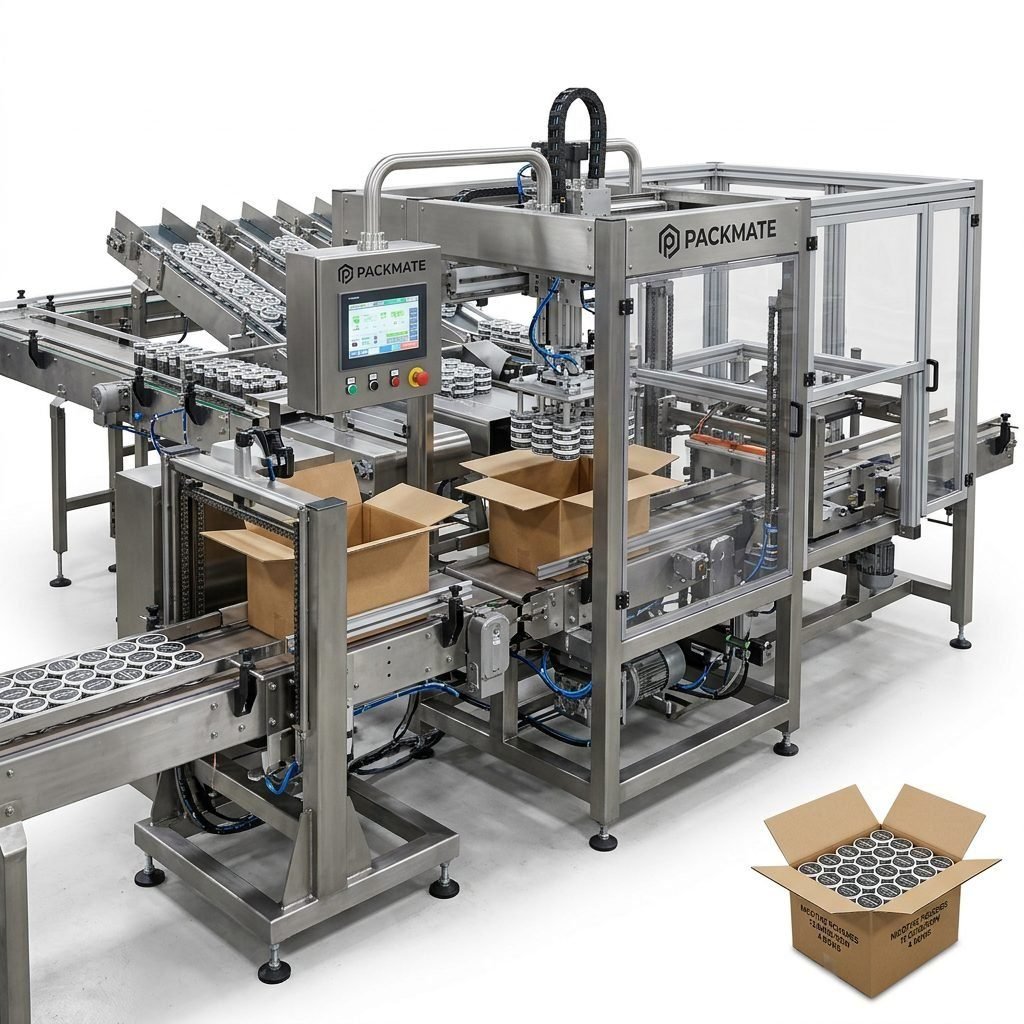
Decide on the required automation level: manual loading vs fully automated feeding and packaging. Integration with upstream and downstream equipment (weighers, cartoners, labeling machines) reduces labor and errors. Look for PLC/HMI controls, recipe management, and quick changeover features to speed product changeovers.
Uptime, Maintenance and Spare Parts Strategy
Maintenance-friendly design means fewer production stoppages. Important features:
- 🔧 Easy-access wear parts and standardized components
- 🕒 Local spare parts stock or guaranteed lead times
- 📘 Clear maintenance manuals and remote support capability
Tip: Negotiate a spare-parts kit and regular preventative maintenance plan in your initial purchase agreement to protect production continuity.
Supplier Evaluation: What to Ask Potential Manufacturers
When evaluating suppliers, include these questions in your RFQ and technical review:
- 🔍 Can you provide references or case studies of similar snus lines? (Case)
- 🔍 What certifications and factory audits support quality control?
- 🔍 Do you provide FAT (Factory Acceptance Testing) and SAT (Site Acceptance Testing)?
- 🔍 What is included in standard warranty and after-sales service?
- 🔍 Can the machine be customized for Australian labeling and safety specifications?
Factory Strength and Global Support
A manufacturer’s production capacity, machining accuracy, and assembly experience are strong indicators of machine longevity. Packmate’s 20,000㎡ facility, advanced CNC centers, and 30+ years of experience illustrate how factory strength matters for consistent delivery and technical support. For more about the company, view About Packmate.
Installation, Commissioning and Training
Successful commissioning includes site layout, utilities verification, mechanical installation, software setup, and operator training. Ensure the supplier offers on-site commissioning or qualified remote support. A clear training plan reduces user errors and accelerates production start-up.
Cost vs. Total Cost of Ownership (TCO)
Purchase price is only part of the equation. Calculate TCO by including:
- Energy consumption and utility requirements
- Maintenance labor and spare parts costs
- Expected machine lifetime and salvage value
- Downtime risk and its impact on revenue
ROI example: A higher-capacity multi-lane machine may cost more upfront but reduce per-unit labor and footprint, delivering lower per-unit costs within 12–24 months for high-volume lines.
Customization, Upgrades and Future-Proofing
Packaging trends evolve: demand for child-resistant features, recyclable barrier films, and serialization grows. Choose a vendor that offers modular upgrades and R&D collaboration. Suppliers with extensive model ranges—like those offering Bag & Pouch Packaging Machines—can adapt standard platforms to your future needs.
Site Preparation and Utilities Checklist
Prepare your facility layout and confirm utilities before the machine arrives:
- Electrical supply and grounding
- Compressed air quality and capacity
- Drainage and waste handling
- Operator access and ergonomic flow
- Safety zoning and emergency stops
Why Exhibition and Field Trials Matter
Seeing machines in operation at exhibitions or case studies helps validate claims. Attend demonstrations (for example at major global exhibitions) or ask for video walkthroughs and reference site visits. Visit Our Exhibition to view live demos and meet suppliers in person.
Making the Final Decision
Summarize your requirements, compare technical offers, arrange FAT, and request a full TCO comparison. Prioritize suppliers with:
- Proven snus/nicotine packaging experience
- Strong factory and quality control
- Clear after-sales service and spare parts plan
- Modular machines and future upgrade paths
If you need a full line evaluation or tailored turnkey proposal, consider contacting the manufacturer’s service team for consultation: Service | Contact Us.
Final Practical Checklist Before Purchase
Use this checklist to finalize your procurement:
- Obtain machine specifications and FAT videos.
- Confirm spare parts and lead times for critical wear items.
- Validate certifications and compliance documents.
- Plan for installation, operator training and commissioning.
- Agree on warranty, service response times, and remote diagnostics.
Summary
Selecting the best snus packaging machine in Australia is a balance of technical fit, production scalability, regulatory compliance, and supplier reliability. Prioritize machines that are proven with snus/nicotine products, backed by strong factory capabilities and international certifications, and supported with clear after-sales service. With careful planning and a focus on total cost of ownership, you can secure a packaging solution that safeguards product quality and supports business growth.
Frequently Asked Questions
Q1: What machine type is best for low-volume snus production in Australia?
A1: For low-volume production, a single-lane stick pack or sachet machine provides cost-effective flexibility and small footprint. Ensure it supports quick changeovers and reliable sealing for moisture-sensitive products.
Q2: How do I ensure compliance with Australian packaging regulations?
A2: Work with suppliers that provide documentation for hygienic design, CE/ISO compliance, and can adapt machines for child-resistant or tamper-evident features. Validate labeling and serialization support during FAT.
Q3: What after-sales support should I expect from a reputable manufacturer?
A3: Expect clear warranty terms, availability of spare parts, remote diagnostics, on-site commissioning, and operator training. A reliable supplier will also share case studies and reference installations.
Q4: Can I see real-world examples of snus packaging lines before purchasing?
A4: Yes. Request case studies, FAT videos, or site visits. Manufacturers often present live demos at industry exhibitions—see their exhibition pages for upcoming events.
Q5: How do I calculate the expected ROI for a packaging line?
A5: Calculate ROI by comparing the machine’s upfront cost plus installation and spare parts against labor savings, reduced waste, expected throughput gains, and the projected operational lifetime. Factor in downtime risks and maintenance plans to get a realistic timeline to breakeven.