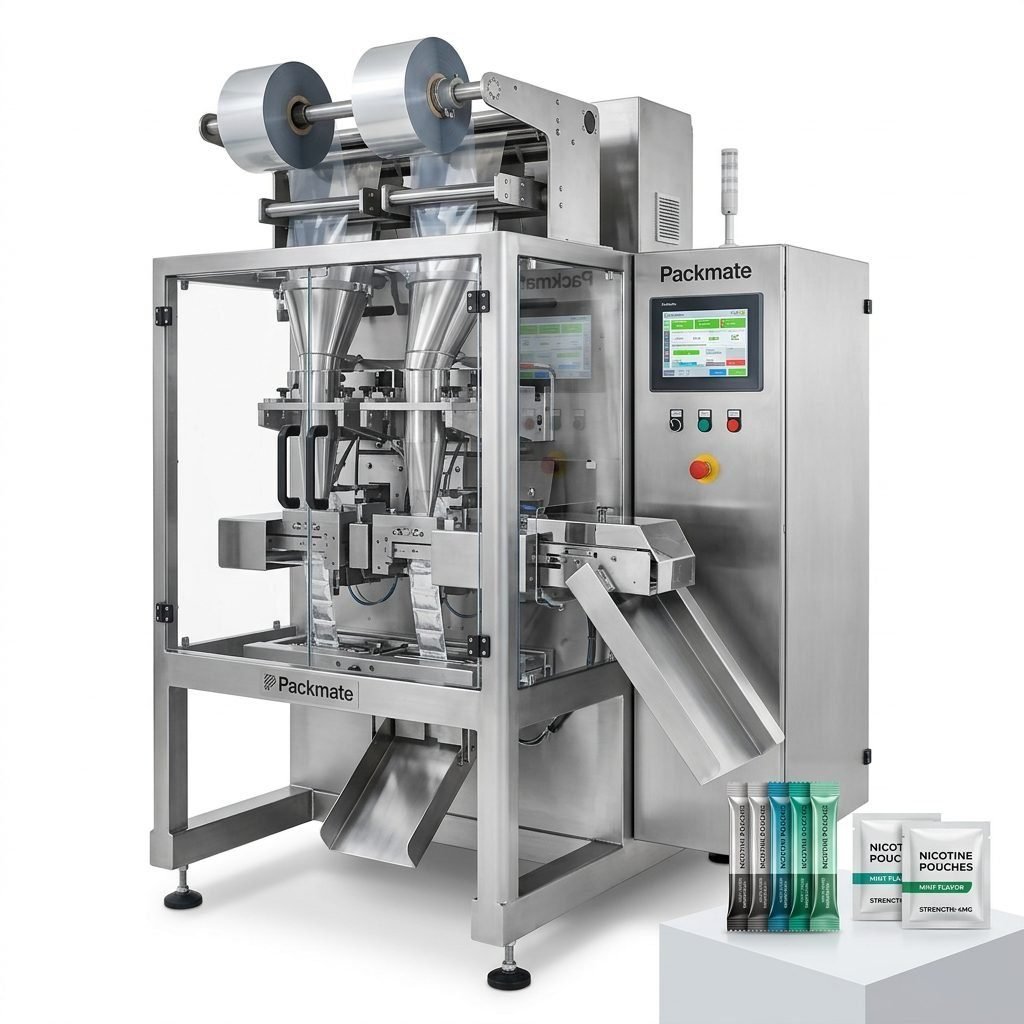
Entering the snus and nicotine pouch market in Hungary requires careful planning and the right packaging equipment. Whether you are launching a new brand or scaling up production, choosing the best snus packaging machinery supplier will shape your line efficiency, product consistency, regulatory compliance, and long-term costs. This guide walks you through the essential steps and local considerations to select a supplier who fits Hungary’s market nuances and your production goals.
Understand Hungarian Market & Regulatory Context
Hungary, as an EU member, follows stringent product safety and labeling rules. While snus is less traditional in Central Europe than in Nordic countries, demand for nicotine pouches is rising among adult consumers. Buyers and regulators in Hungary typically expect:
📌 Compliance and certification: CE and ISO certifications are often required or strongly preferred for imported equipment and for demonstrating compliance to partners and authorities.
📌 Local customs: Hungarian manufacturers and buyers value robust machinery, predictable lead times, and clear service arrangements. Consider suppliers who understand EU electrical and safety standards and offer documentation suitable for local customs clearance.
Key Machine Types and Production Formats
Identify which packaging formats match your product strategy. Common options:
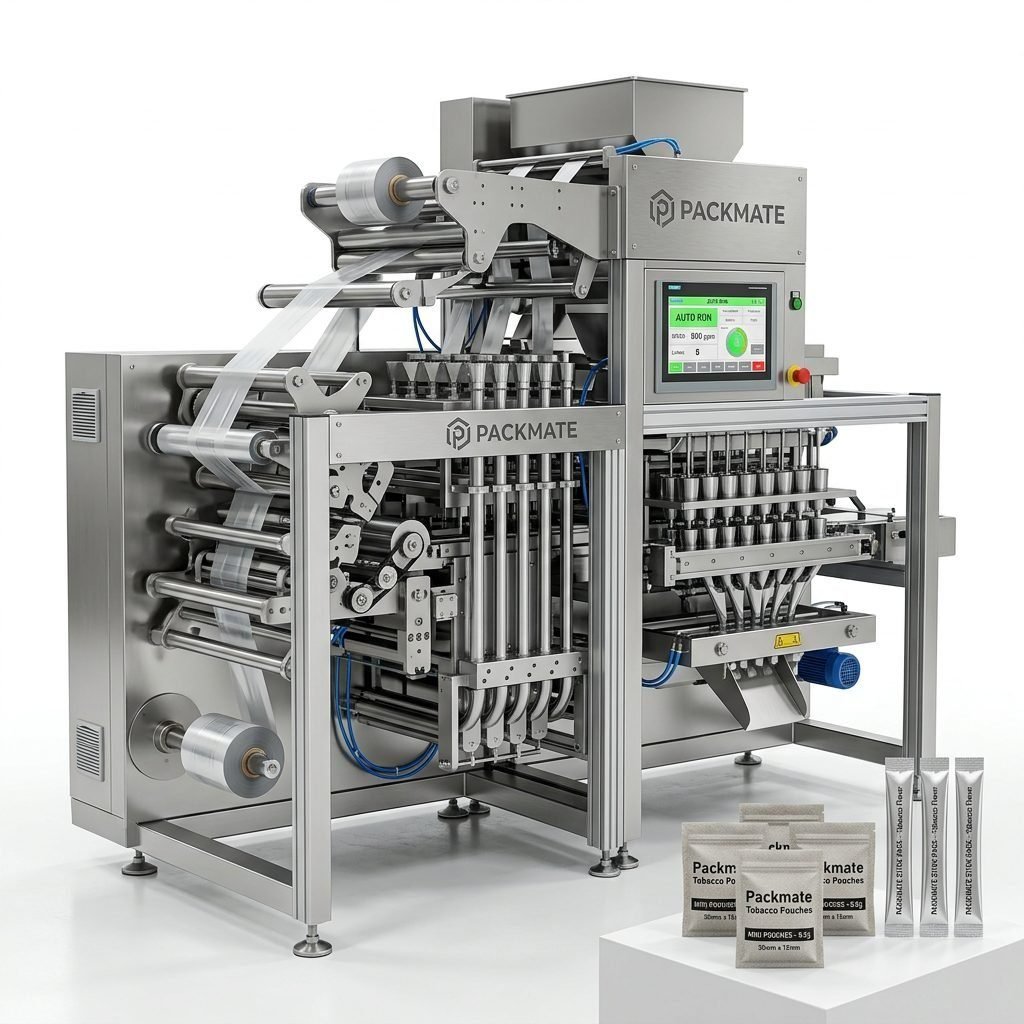
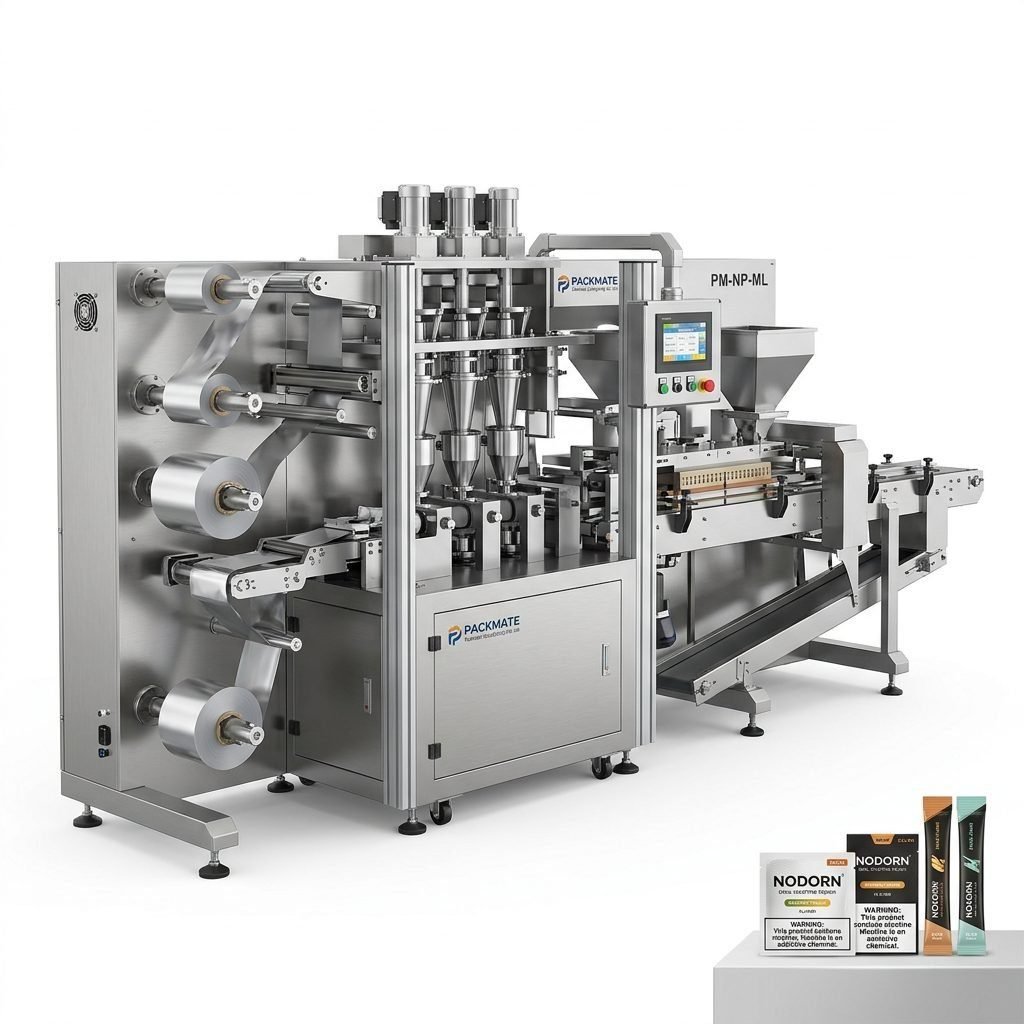
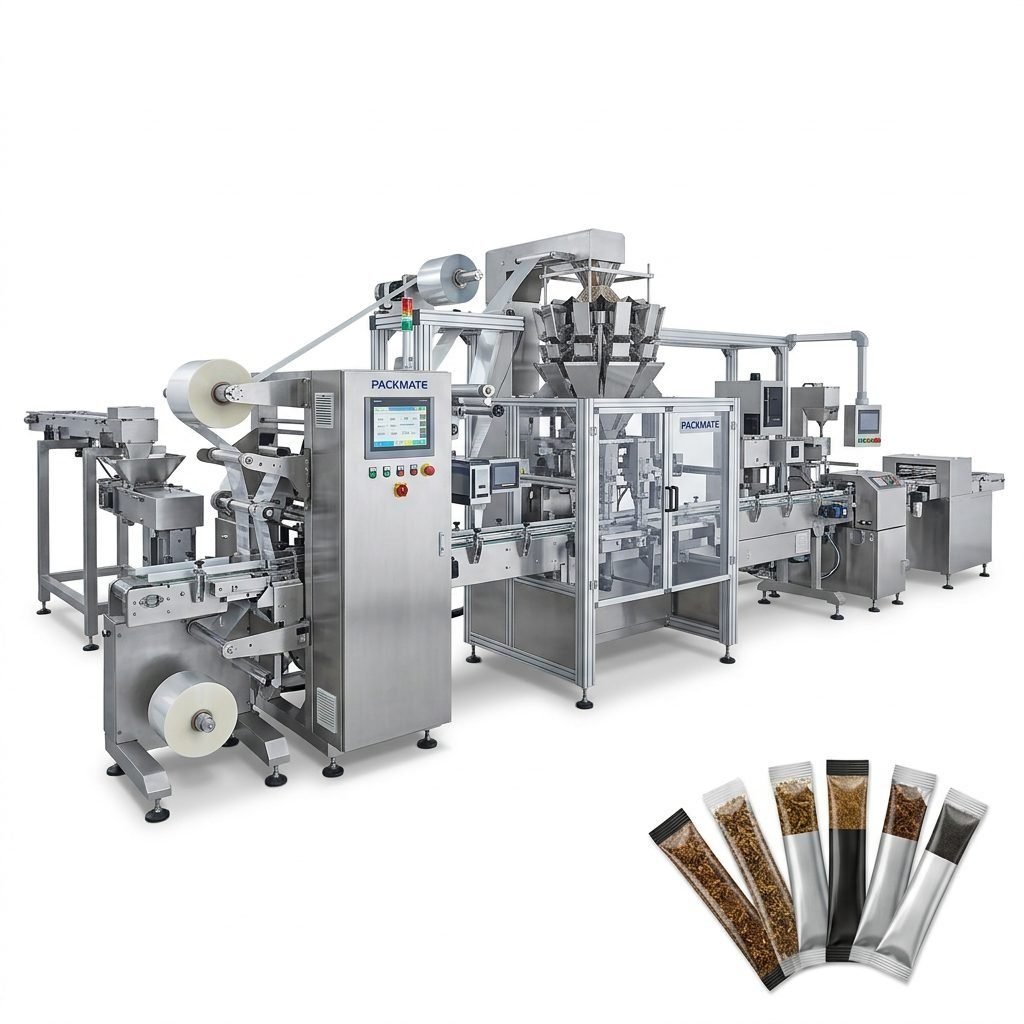
- ✅ Stick pack machines for single-dose convenience formats.
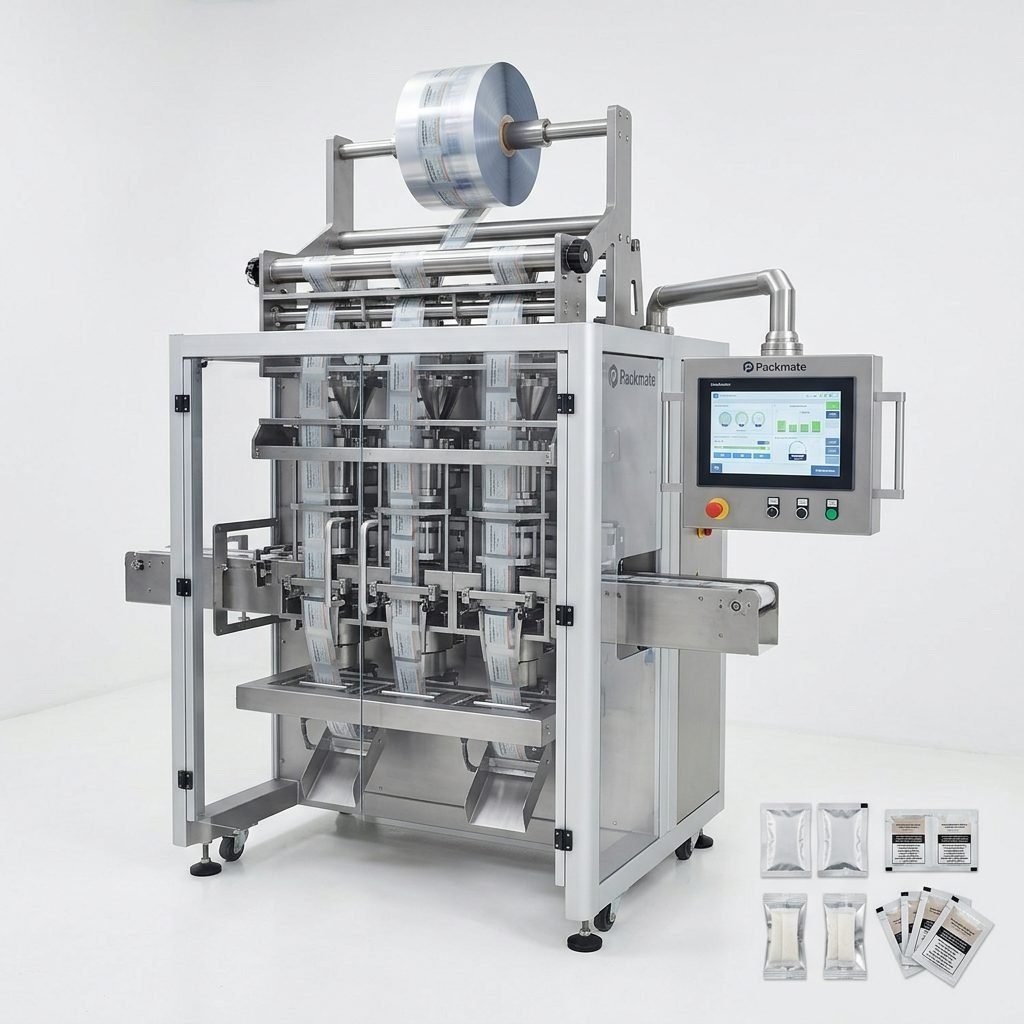
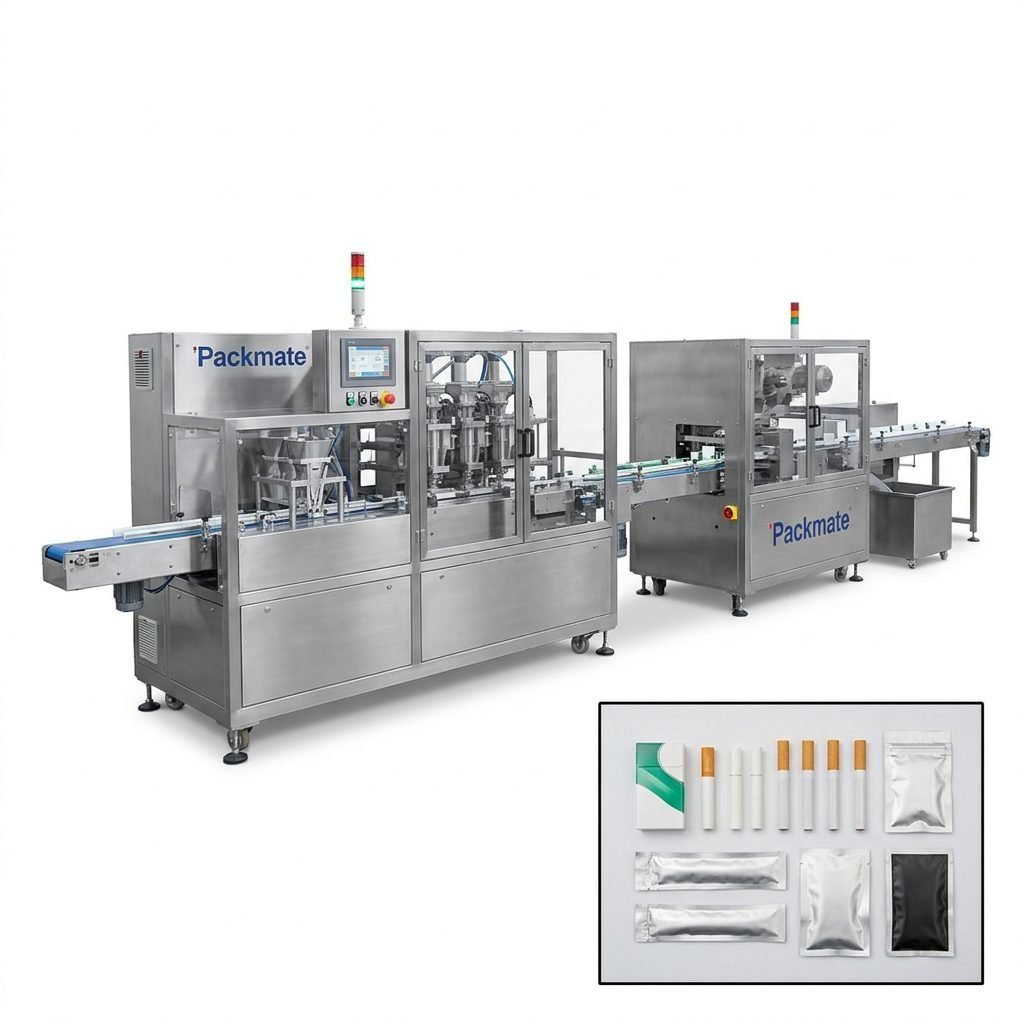
- ✅ Sachet packaging machines for compact pouches.
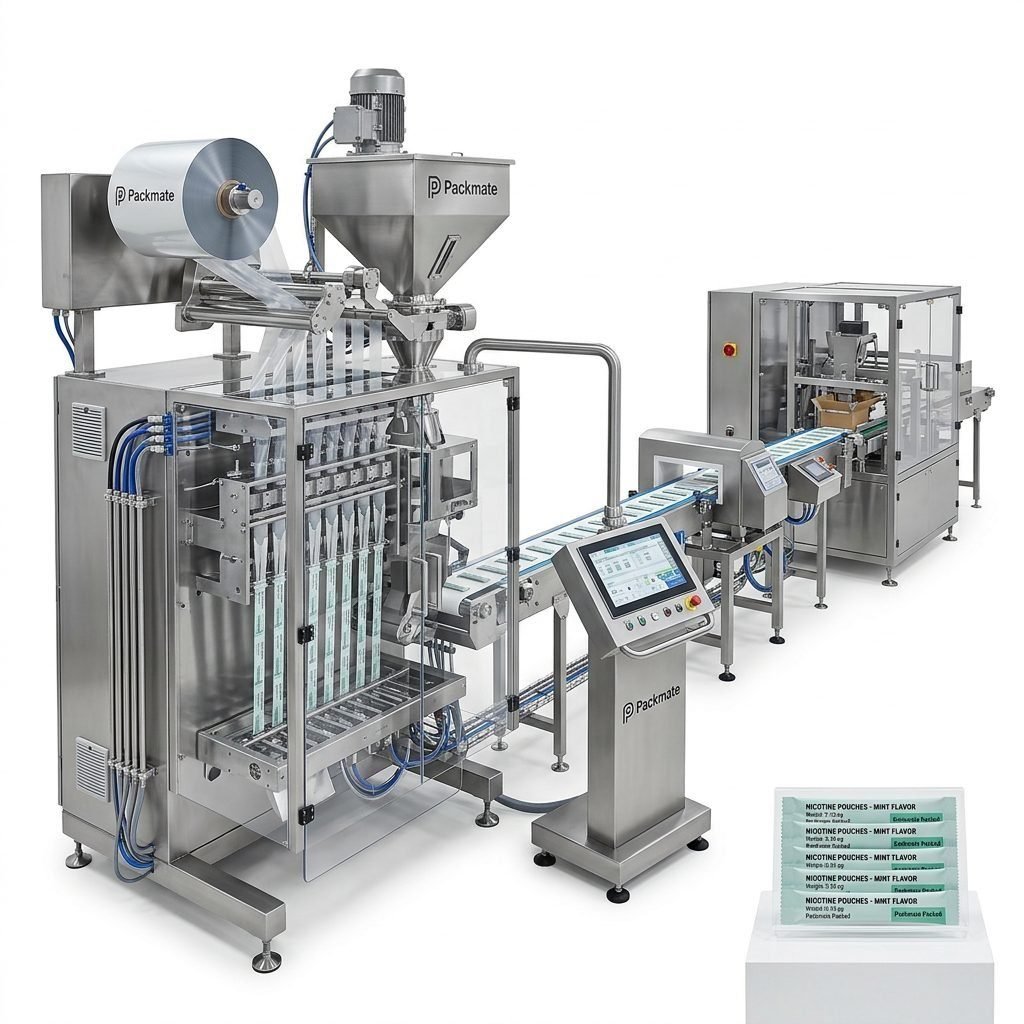
- ✅ Multi-lane systems for high-volume small-dose pouch production.
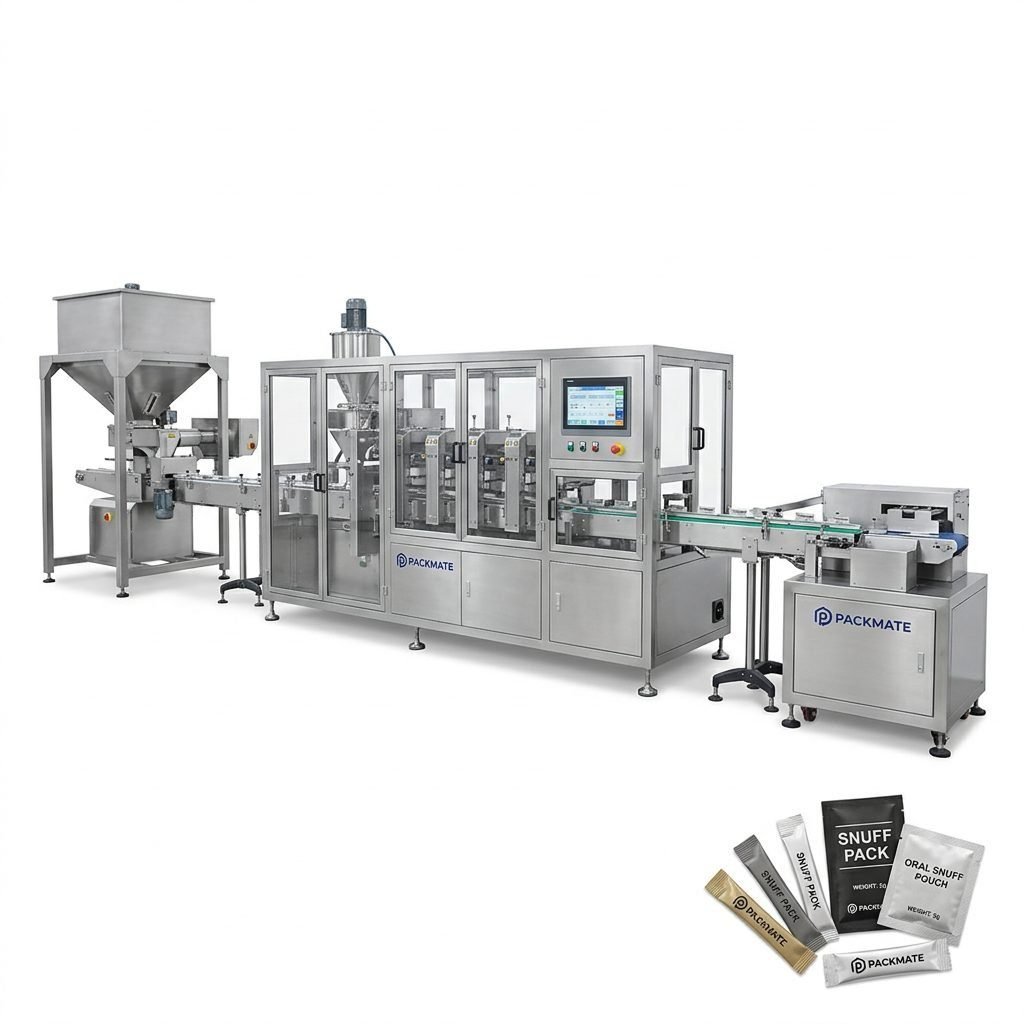
- ✅ Integrated weighing and filling systems for precise nicotine dosage control.
Supplier Evaluation Checklist
✔️ Technical capability: Ensure the supplier has deep experience with snus/nicotine pouch lines — ask for machine models, line layouts, and references. Suppliers with multi-lane pouch experience can help scale efficiently.
✔️ Factory strength: Look for manufacturers with advanced CNC machining and precision assembly lines to ensure parts accuracy and long-term reliability.
✔️ Certifications & testing: Request CE, ISO documentation and evidence of testing protocols for nicotine pouch lines.
✔️ After-sales & spare parts: Confirm spare parts availability, warranty terms, and response times for on-site service in Hungary or nearby European regions.
Ask the Right Questions During Supplier Meetings
A focused RFP and a short list of technical questions will reveal a supplier’s readiness. Important questions include:
- 📌 What are the typical outputs (pieces/minute) for my exact product format?
- 📌 Can the machine handle the specific pouch materials and thicknesses I plan to use?
- 📌 What tolerance levels do you guarantee for dosing accuracy and seal integrity?
- 📌 Do you provide CE/ISO certification documents, electrical schematics, and machine manuals in English (or Hungarian upon request)?
- 📌 What is the lead time from order to delivery and commissioning?
Performance Metrics That Matter
When comparing offers, evaluate:
- Uptime and mean time between failures (MTBF).
- Changeover time between SKUs.
- Spare part lead times and recommended spare parts list.
- Energy and compressed air consumption (important for operating costs in Hungary).
Customization, Integration & Turnkey Solutions
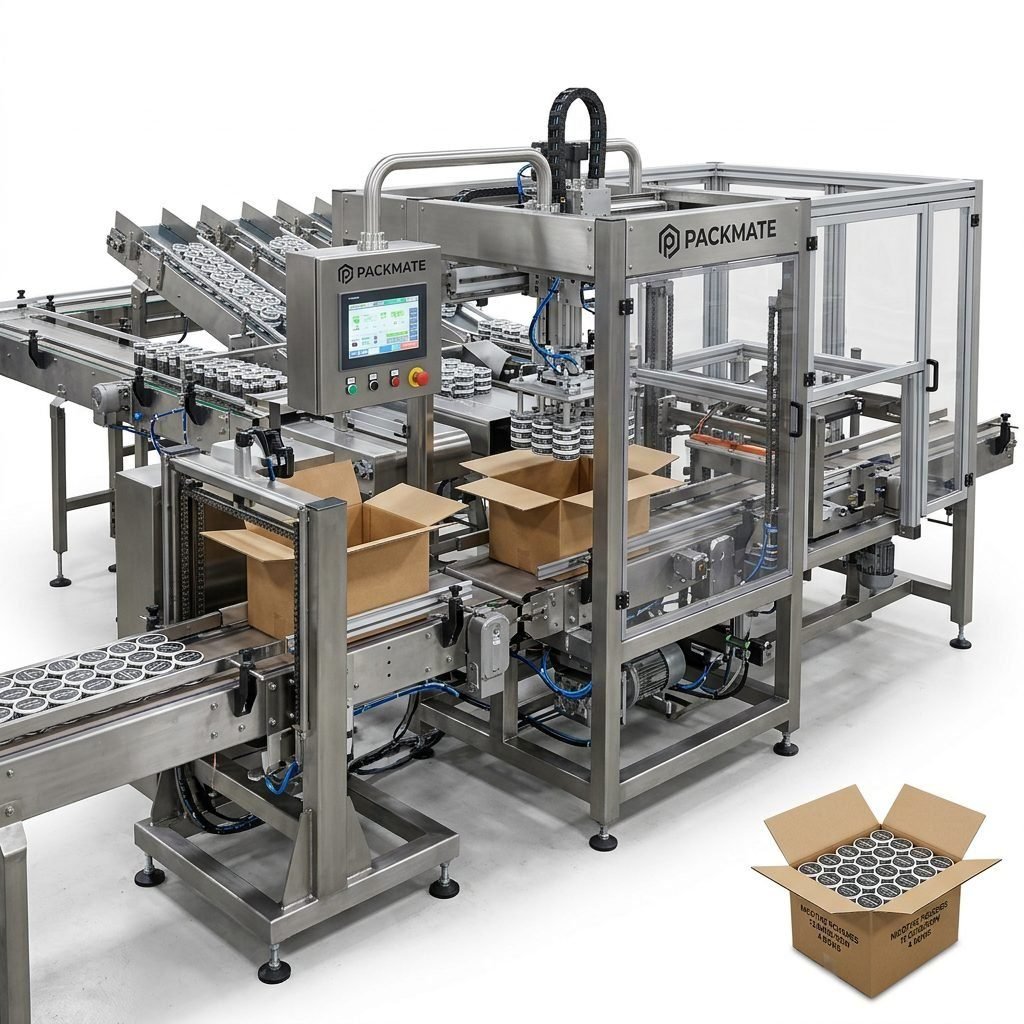
Many producers in Hungary prefer turnkey suppliers who can deliver a complete line: feeding, dosing, packaging, checking, and case packing. Ask whether the supplier offers:
🔧 Integration capability: Ability to combine pouch machines with weighing and auxiliary equipment for automated lines.
🔧 Turnkey project management: Project planning, installation, testing, and operator training for a smooth ramp-up.
Why On-Site Support & Training Matter in Hungary
Hungarian food and manufacturing firms often value hands-on training for operators and maintenance staff. Confirm:
- Whether the supplier provides on-site commissioning and training in Europe or remote support in Hungarian/English.
- Availability of online manuals, remote diagnostics, and spare parts warehousing options in EU locations to reduce downtime.
Logistics, Delivery & Local Partnerships
Choose a supplier experienced in shipping complex machinery into the EU. Important local considerations:
🚚 Customs & documentation: Proper CE/ISO paperwork, packing lists, and compliance certificates speed up clearance at Hungarian ports and borders.
🚚 Local agents or partners: Suppliers with European partners or local service agents can cut response times and support costs.
Cost vs. Value: What to Prioritize
It’s tempting to pick the lowest bid, but long-term value usually comes from reliability and support. Evaluate:
- Lifecycle cost (energy, maintenance, spare parts) rather than just purchase price.
- Warranty terms, spare part guarantees, and training included in the offer.
- Track record — ask for customer references and case studies.
How to Validate a Supplier’s Track Record
Request references and visit installations if possible. Verify:
- Performance data from existing snus or nicotine pouch lines.
- Uptime and service records for similar European customers.
- Examples of multi-lane systems for small-dose production.
Where to Learn More & Supplier Resources
Explore trusted supplier product pages and corporate info to better evaluate fit. For example:
- Snus & Nicotine Packaging Machines — product overview and machine models.
- About Packmate — company background and certifications.
- Case studies — real projects demonstrating multi-lane systems and turnkey solutions.
- Contact & service details — how to reach suppliers for quotes and site visits.
Practical Next Steps for Hungarian Producers
Start with a well-documented RFP including product specs, target output, packaging material samples, and expected compliance needs. Schedule technical calls and request a factory visit or video demonstration. Confirm delivery timelines that align with your product launch and negotiate clear warranty and spare parts terms.
Final tip: prioritize suppliers who combine proven snus packaging expertise with strong European support options — this balance reduces risk and accelerates time-to-market in Hungary.
Frequently Asked Questions (Common Concerns)
Q1: What certifications should I insist on?
A: Request CE and ISO certificates, machine electrical schematics, and documented factory test reports. These facilitate EU customs clearance and show the supplier follows recognized quality systems.
Q2: How important is local spare parts availability?
A: Very important. Local or regional spare parts warehousing significantly reduces downtime. Ask suppliers about EU-based stock or recommended local partners for Hungary.
Q3: Should I buy single-machine units or a turnkey production line?
A: If you plan to scale quickly and minimize integration risk, turnkey lines are ideal. For small startups, a modular approach can be cost-effective while preserving upgrade paths.
Q4: Can suppliers help with regulatory compliance for nicotine products in Hungary?
A: Reputable suppliers typically supply compliance documentation for machinery. For product regulatory advice (e.g., nicotine labeling), engage local consultants familiar with Hungarian and EU rules.
Q5: How do I evaluate long-term support quality?
A: Ask for European references, average response times, remote support capabilities, and details on training programs. Verify warranty coverage and spare parts lead times in writing.