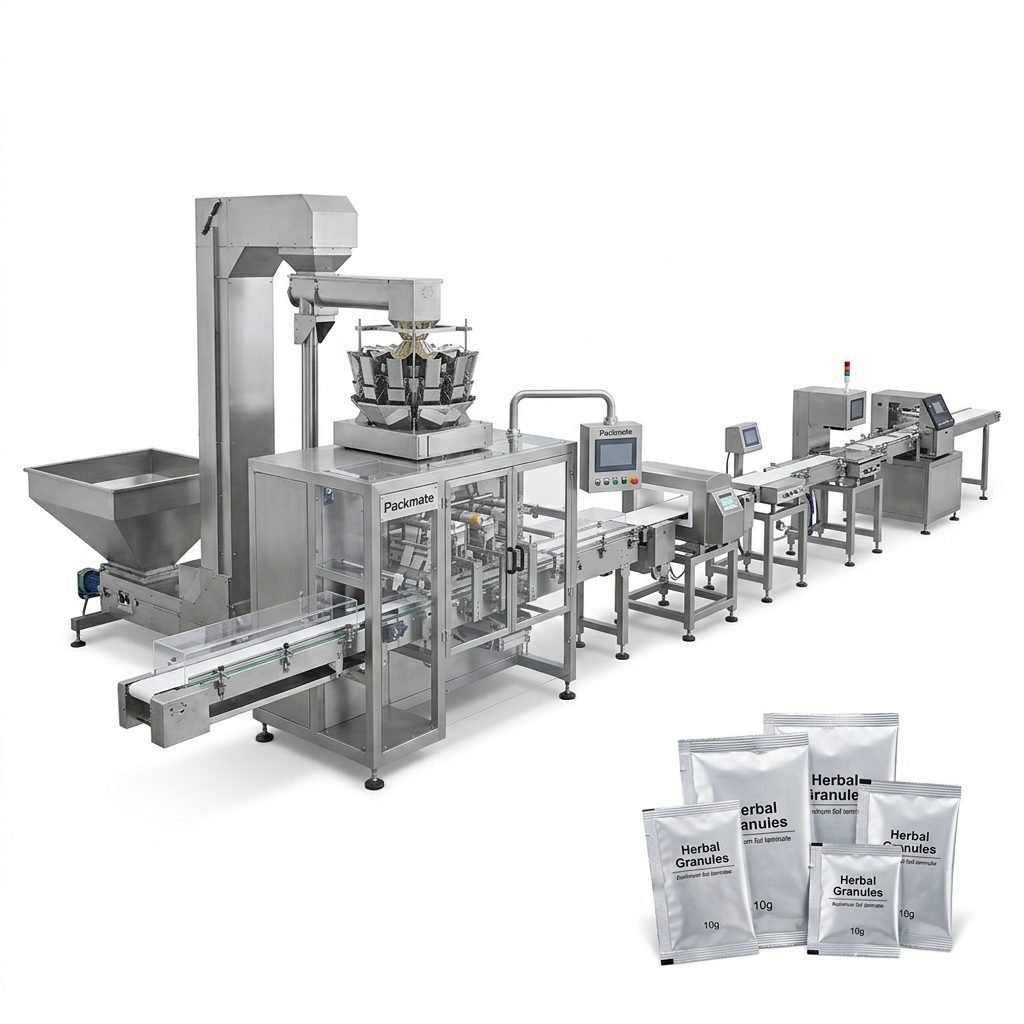
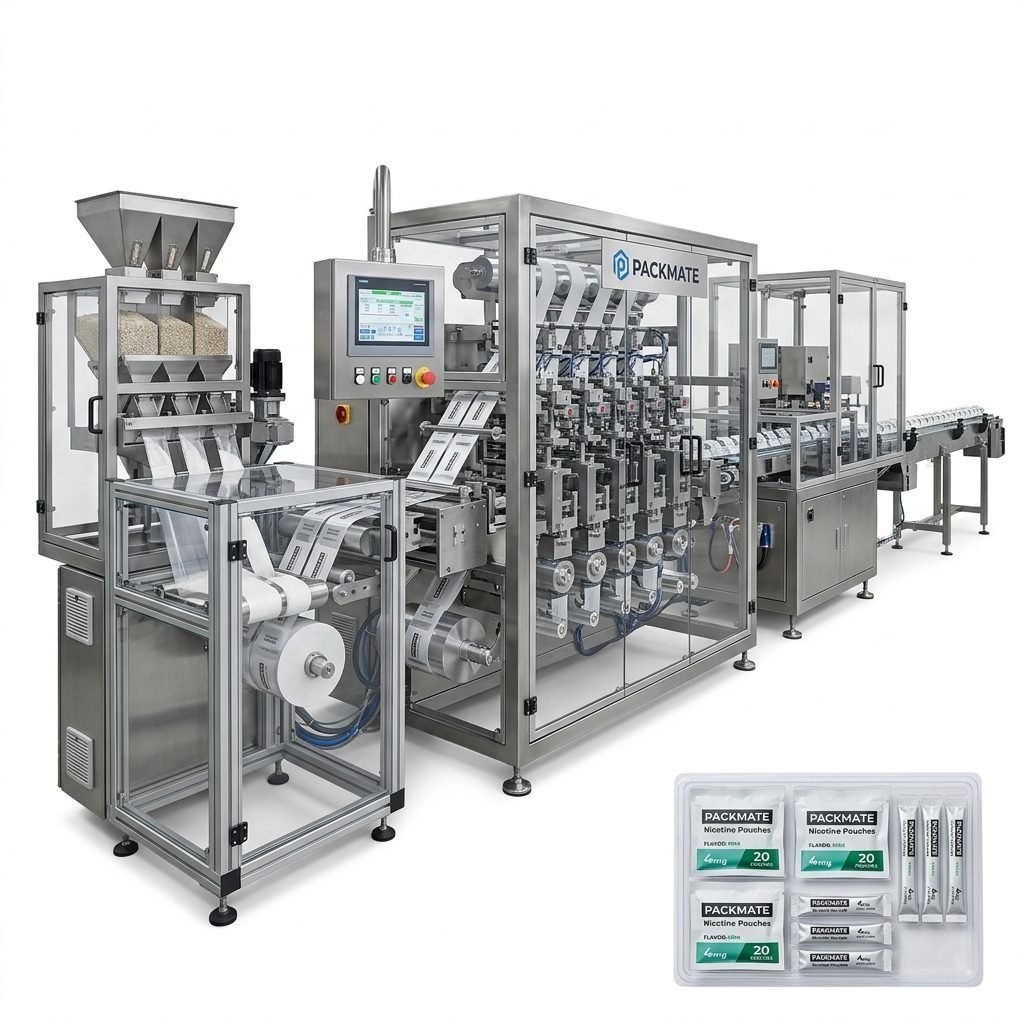
Choosing the right snus packaging machinery manufacturer for your operation in Angola is a strategic decision that affects product quality, regulatory compliance, and long-term profitability. Angola’s market has unique characteristics — Portuguese is the primary language, tropical climate and high humidity can influence packaging integrity, and supply-chain lead times from overseas suppliers must be planned carefully. This guide walks you through practical factors and local considerations so you can select a supplier who delivers reliable machines, responsive service, and a scalable solution tailored to Angolan production conditions.
Understand Your Production Needs First
Before you contact manufacturers, map out your production requirements clearly. Key questions include:
• What is your target daily output (pouches/hour)?
• Which pouch formats will you run (stick pack, sachet, multi-lane pouches for nicotine pouches/snuff)?
• Do you need integrated weighing/filling, or will you use separate upstream equipment?
• What are the expected raw material types (powder, granules, wet blends, or moisture-sensitive tobacco)?
Tip: Capacity planning is crucial in Angola due to import lead times and customs processes. Order with a realistic growth buffer so you avoid early upgrades.
Match Machine Types to Your Products
Different snus and nicotine pouch products require different machines. Consider these common options:
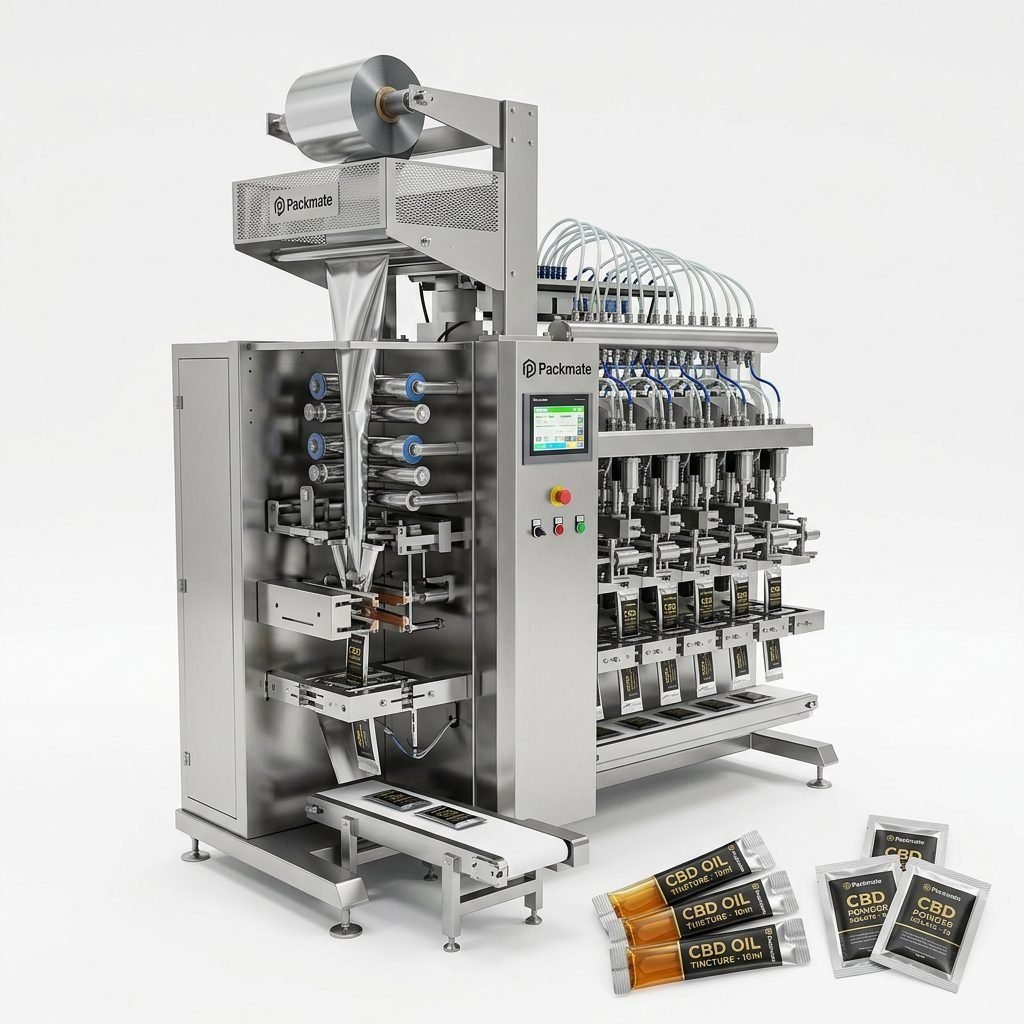
✅ Stick pack machines for single-dose sachets and high-speed, low-material waste production.
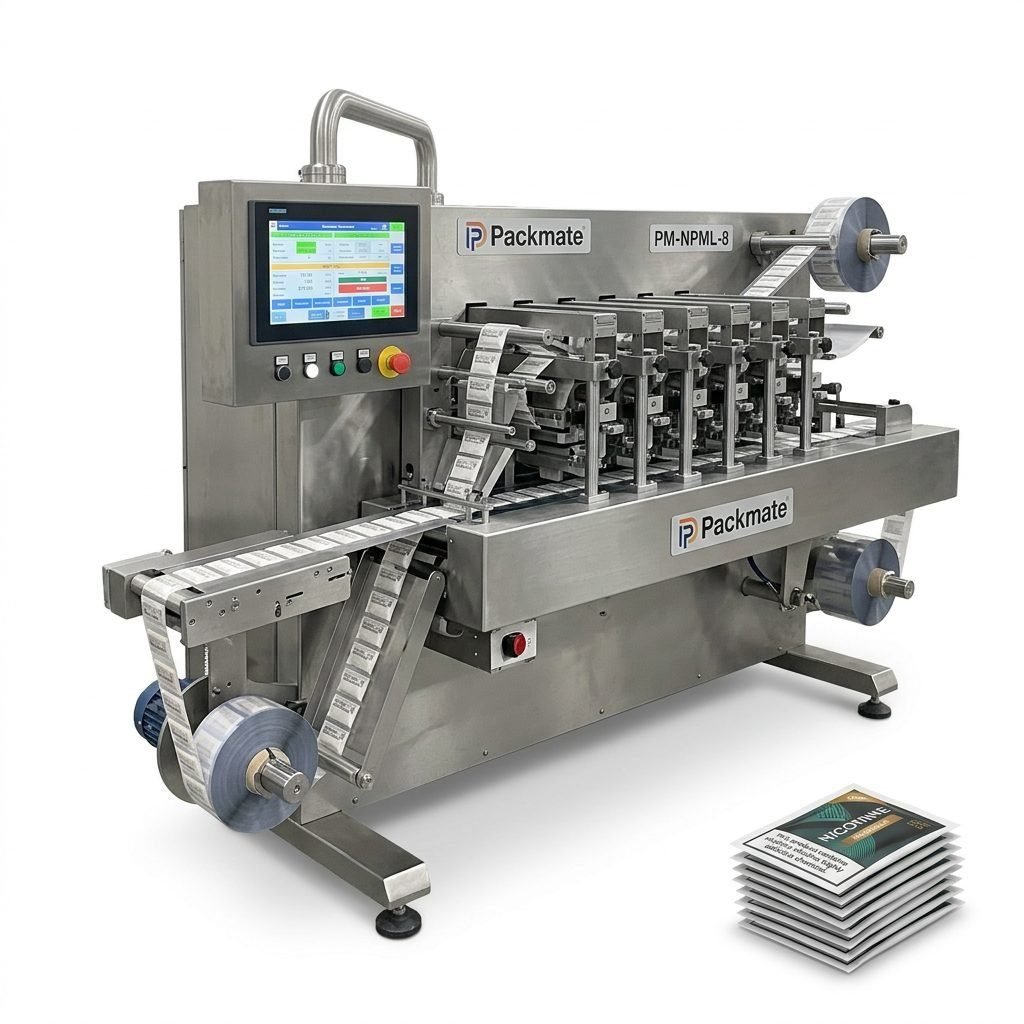
✅ Sachet & stick pack systems support diverse formats and are widely used for single-serve nicotine pouches — see proven designs in suppliers’ product lines like Sachet & Stick Pack Machines.
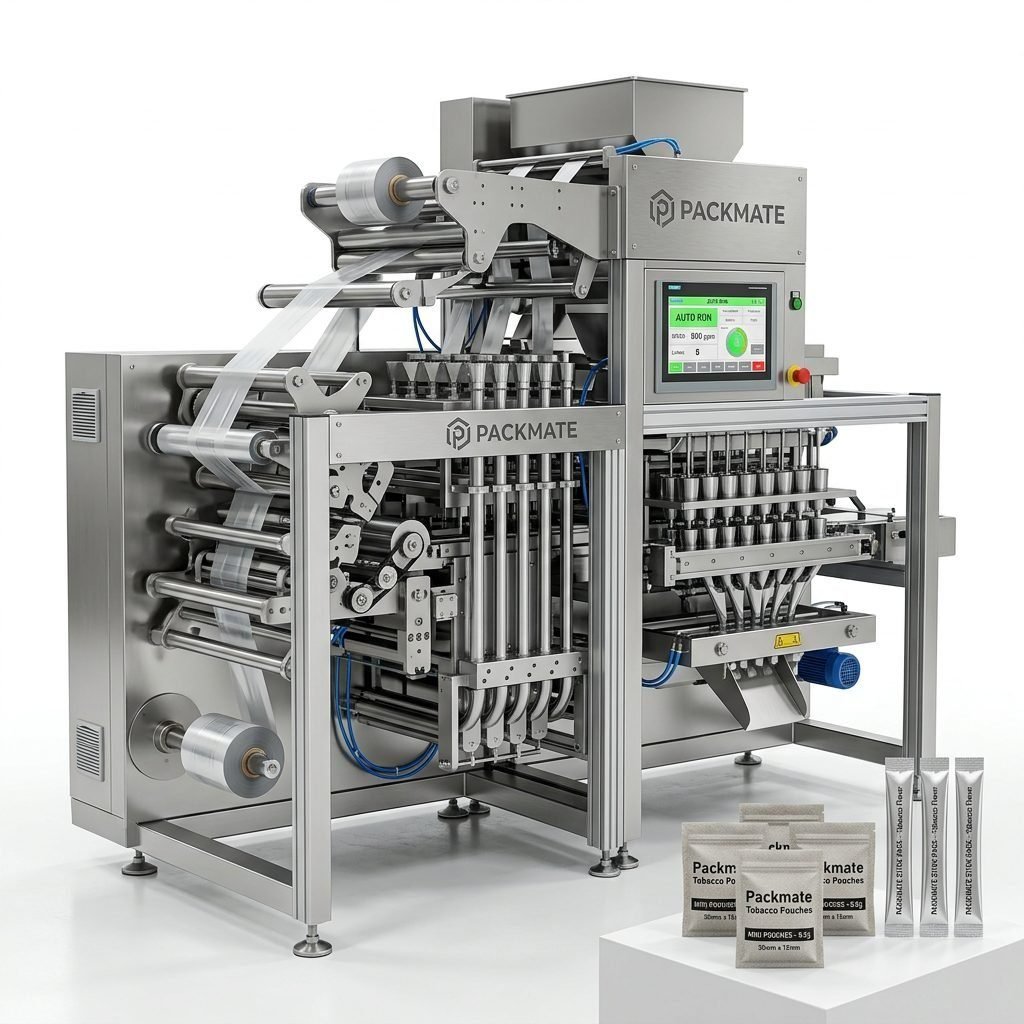
✅ Multi-lane snus pouch machines enable small-dose pouch production on multiple lanes for high throughput and lower per-unit cost.
Quality, Certifications, and Compliance
Regulatory oversight and product safety are essential in Angola. Look for manufacturers whose equipment meets international standards such as CE and ISO. These certifications help with import approvals and give confidence that the machinery is built to globally recognized safety and quality standards.
Must-have documentation: machine CE/ISO certificates, electrical drawings, spare parts lists, user manuals (preferably in Portuguese or with Portuguese translation), and FAT (Factory Acceptance Test) reports.
Evaluate Manufacturer Experience and Manufacturing Strength
Experienced manufacturers deliver machines with better stability, easier maintenance, and refined automation. Ask for:
– Track record in snus/nicotine pouch packaging and turnkey lines.
– Real-world case studies and references from clients in similar climates or markets.
– Details about factory capabilities (CNC centers, precision assembly, quality control).
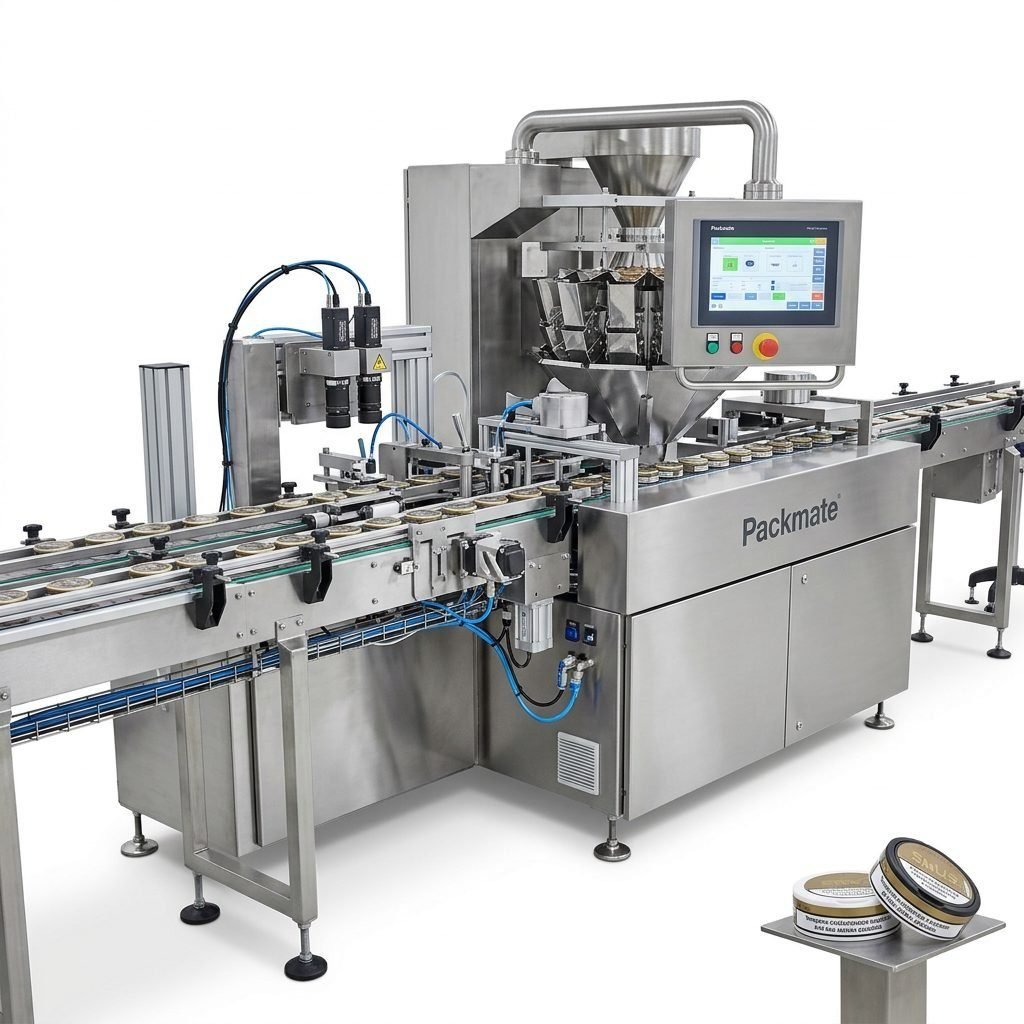
Packmate Snus Machine, for example, highlights 30+ years of engineering experience, a 20,000㎡ facility, and 50+ machine models — information that helps reduce supplier risk and ensures mature production capability. See more on the company’s profile at About Packmate.
Service, Spare Parts, and Local Support
After-sales service is critical in Angola, where remote locations and inconsistent logistics can delay repairs. Prioritize suppliers who offer:
– Quick spare parts supply and clear parts catalogs.
– Remote support tools (video guidance, remote PLC access) and training in Portuguese.
– Commissioning and on-site training packages for operators and technicians.
Local considerations
It’s beneficial if the manufacturer can coordinate with local agents, or provide dedicated spare parts kits on shipment. Ask for a recommended spare-parts list for the first 12 months and expected consumption rates.
Customization and Turnkey Solutions
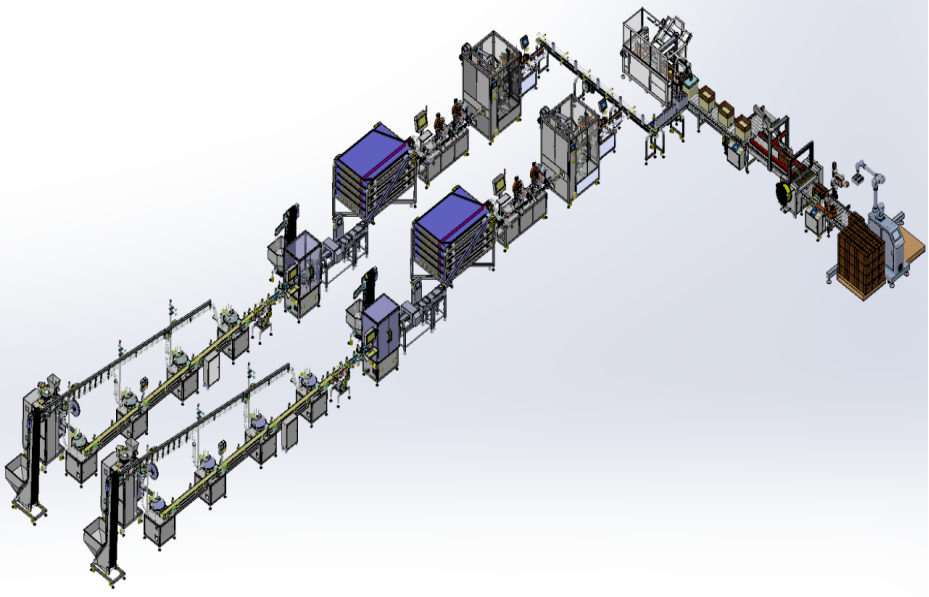
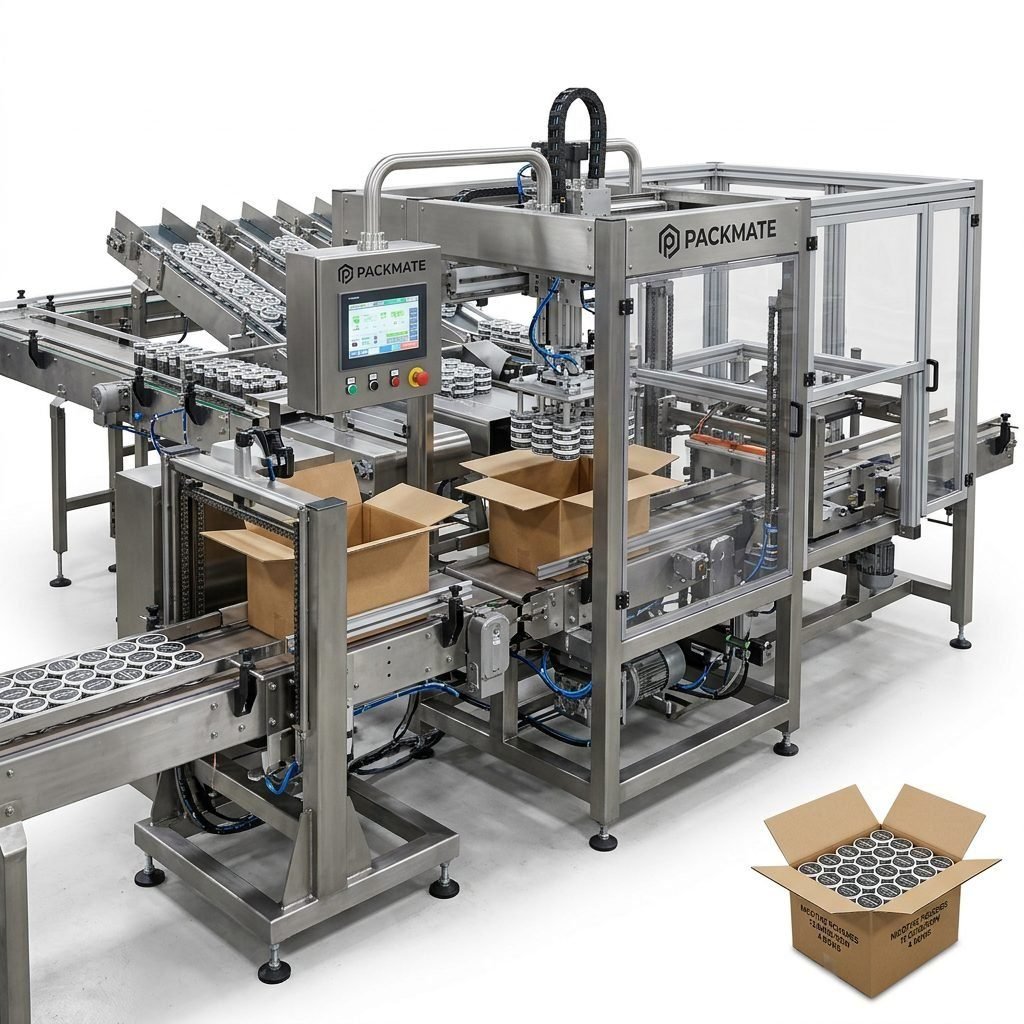
Angola’s market may require different package languages, labeling, or regulatory-marking options. A manufacturer that offers turnkey solutions — from filling lines to final case packing — reduces integration headaches.
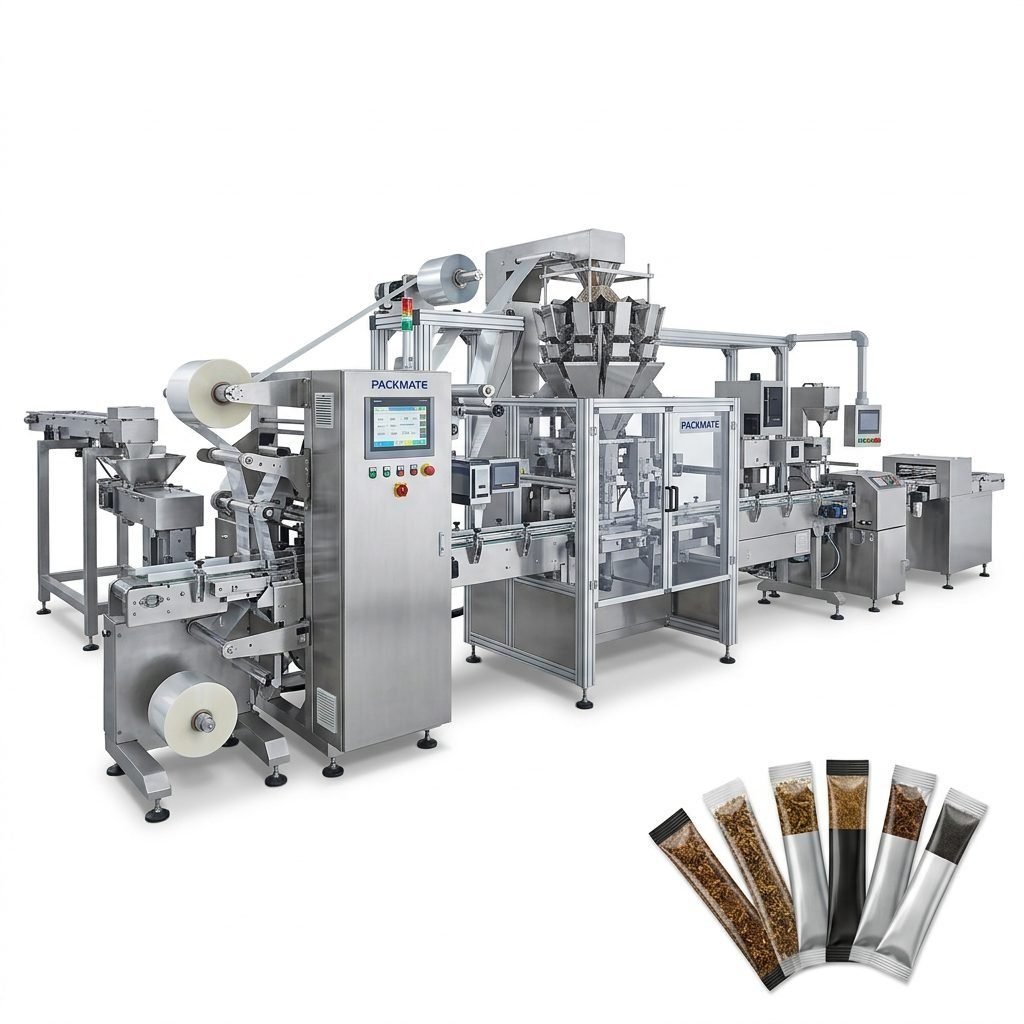
If you plan to expand into adjacent products (e.g., tea sachets or powder products), a flexible supplier that provides multi-format lines or modular add-ons is an advantage. Explore broader machine families such as Snus & Nicotine Packaging Machines and Bag & Pouch Packaging Machines for cross-category needs.
Must ask: Can the manufacturer deliver a FAT video or host an on-site FAT? Will they provide machine HMI and manuals in Portuguese? These items accelerate validation and training.
Machine Reliability, OEE and Downtime Metrics
Request real-world performance numbers: average OEE (Overall Equipment Effectiveness), MTBF (Mean Time Between Failures), and average changeover times. Suppliers who can demonstrate long-term field reliability reduce operating risk and unplanned costs.
Cost vs. Value — Don’t Focus Only on Price
Low upfront price may mean higher operating costs later. Evaluate total cost of ownership:
– Energy consumption and spare part costs.
– Local service availability and travel time for technicians.
– Expected throughput and product yield (reduce material waste with better sealing and dosing accuracy).
Value indicator: Machines with advanced servo systems and precise dosing can reduce nicotine pouch weight variance and packaging waste — delivering savings over time.
Factory Acceptance Testing and Warranties
Insist on FAT with video evidence and factory testing with real materials. A clear warranty (12 months minimum) and defined response times for warranty claims protect your investment.
Logistics, Import, and Local Regulations in Angola
Angola’s import procedures require careful planning: customs clearance, taxes, documentation, and transport from major ports like Luanda. Manufacturers who can manage export documentation and provide CIF or DDP options simplify the process. Also consider:
– Voltage and power compatibility (confirm 220V/380V configurations and required frequencies).
– Corrosion-resistant materials and coatings for humid coastal regions.
– Language support: Portuguese documentation and training are preferable.
Cultural and Market Nuances
Angola’s business culture values relationships and clear communication. Plan for face-to-face meetings where possible, attend trade fairs, and use bilingual contracts (Portuguese and English). Also, consumer preferences may differ: package size, portion format, and labeling expectations should reflect local tastes and regulatory demands.
How to Vet Suppliers — A Checklist
Use this practical checklist during evaluation calls and site visits:
- Factory tour or virtual factory video showing CNC centers and assembly lines.
- Customer references in similar product categories and climates.
- Detailed spare parts list and lead times.
- Training and commissioning plans, including language support.
- Warranty terms, service-level agreements, and remote support capability.
- Proof of certifications (CE/ISO) and FAT documentation with real-material tests.
Pro tip: Ask for a live demonstration or recorded run with nicotine pouch material similar to yours. A supplier’s ability to fine-tune dosing and sealing with your product is a strong reliability signal.
Selecting a Long-Term Partner
Look for a manufacturer that not only sells machines but supports growth — offering multiple machine models, turnkey lines, and expansion paths. Companies with strong global presence and exhibition participation demonstrate market commitment — review their case studies and exhibition history to gauge maturity. For a deeper look at real-world projects, consider reviewing supplier cases such as those available at Case.
Negotiating Contracts and Safeguarding Your Operation
When negotiating, include:
– Clear acceptance criteria (throughput, weight tolerance, sealing quality).
– Delivery milestones, shipment terms (Incoterms), and penalties for missed dates.
– Training and transfer-of-knowledge clauses, including Portuguese-language materials.
– Spare parts kits included with shipment and lead-time guarantees for replacement parts.
Useful Resources and Next Steps
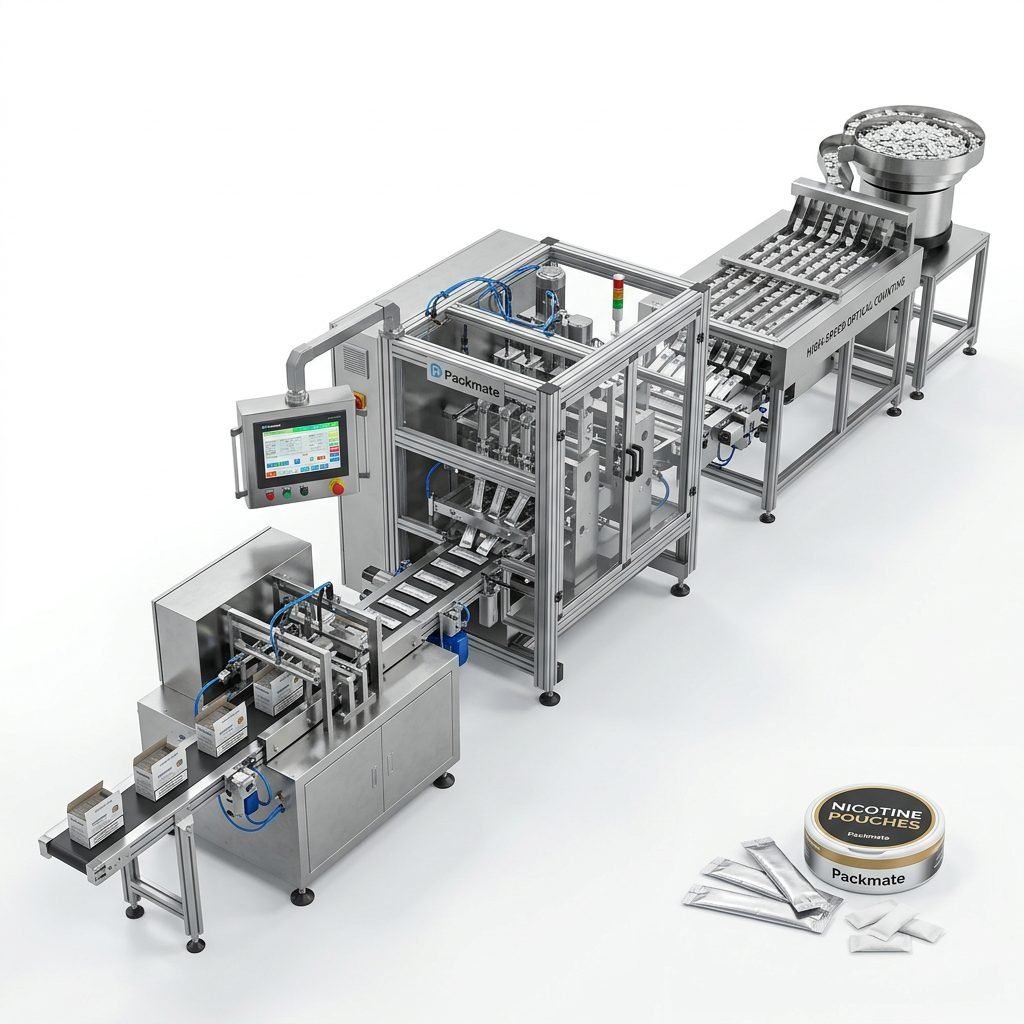
If you want to explore proven packaging platforms, check supplier product pages to compare machine families and technical specifications. Examples include complete filling and packaging lines at Filling & Packaging Lines and auxiliary equipment for integration at Auxiliary Packaging Equipment.
Ready to take the next step? Reach out to suppliers with a clear technical brief and request a commercial offer and FAT schedule. For direct contact details and support, visit Contact Us.
Final Recommendations for Angola
– Prioritize manufacturers that provide Portuguese language support and documentation.
– Account for humidity and choose corrosion-resistant materials or protective coatings.
– Specify spare parts stocking and clear warranty terms before shipment.
– Validate machines with samples under FAT and request recorded runs showing consistent pouch quality.
– Build a relationship with a supplier offering scalable, modular systems to support future product diversification.
Summary
Selecting the best snus packaging machinery manufacturer for Angola combines technical fit, service capability, local-market understanding, and long-term partnership potential. By clarifying production needs, insisting on documented FATs, and securing Portuguese-language support and parts availability, you protect your investment and set the stage for reliable, high-quality production.
Frequently Asked Questions (FAQs)
Q1: What machine type is best for small-batch nicotine pouches in Angola?
A1: For small-batch and flexible production, servo-driven multi-lane machines or sachet/stick pack systems with quick changeover are ideal. They allow multiple formats and are easier to scale.
Q2: How important are certifications and FAT for imports into Angola?
A2: Very important. CE/ISO certifications streamline customs and compliance expectations. FAT with real-material runs documents performance and reduces disputes at installation.
Q3: Can manufacturers provide training in Portuguese?
A3: Many global suppliers now offer localized training. Confirm language support and request translated manuals or on-site interpreters before finalizing the purchase.
Q4: What spare parts should I stock for the first year?
A4: Stock wear parts: belts, sealing jaws, dosing nozzles, sensors, and a small set of electrical components (fuses, relays). Request a recommended 12-month spare-parts kit from your supplier.
Q5: How do I get started with a trustworthy supplier?
A5: Prepare a detailed technical brief, request FAT and reference customers, confirm certification and warranty terms, and ask for Portuguese-language support. Use guided vendor evaluation to compare offers fairly.