Choosing the right snus packaging machinery for a small island market like Tonga is more than a technical decision — it is a strategic investment that must account for local customs, import logistics, environmental conditions, and long-term support. This guide walks manufacturers and contract packers through the practical steps to select the best equipment for nicotine pouch and snus production in Tonga, with clear checklists, local considerations, and supplier evaluation tips.
Understand Tonga’s Market & Consumer Habits
Tonga’s population is small and community-oriented, with strong family networks and cultural events that influence consumption patterns. While traditional oral tobacco use exists, nicotine pouches and modern snus products require education, discreet packaging, and careful distribution planning. Volume demands may be modest at first, so prioritize flexible, scalable machines that can run frequent small batches efficiently.
Tonga’s humid tropical climate and island logistics mean packaging materials and machine choice must resist moisture effects and allow for easier maintenance with limited local spare-part availability.
Define Your Product Profiles First
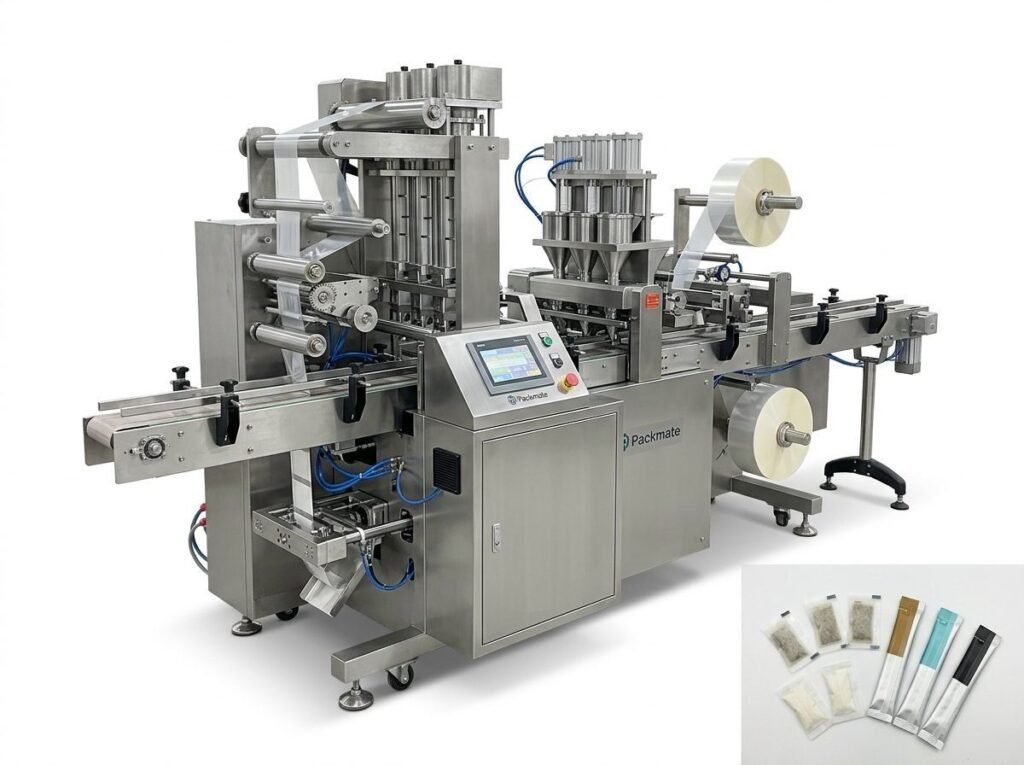
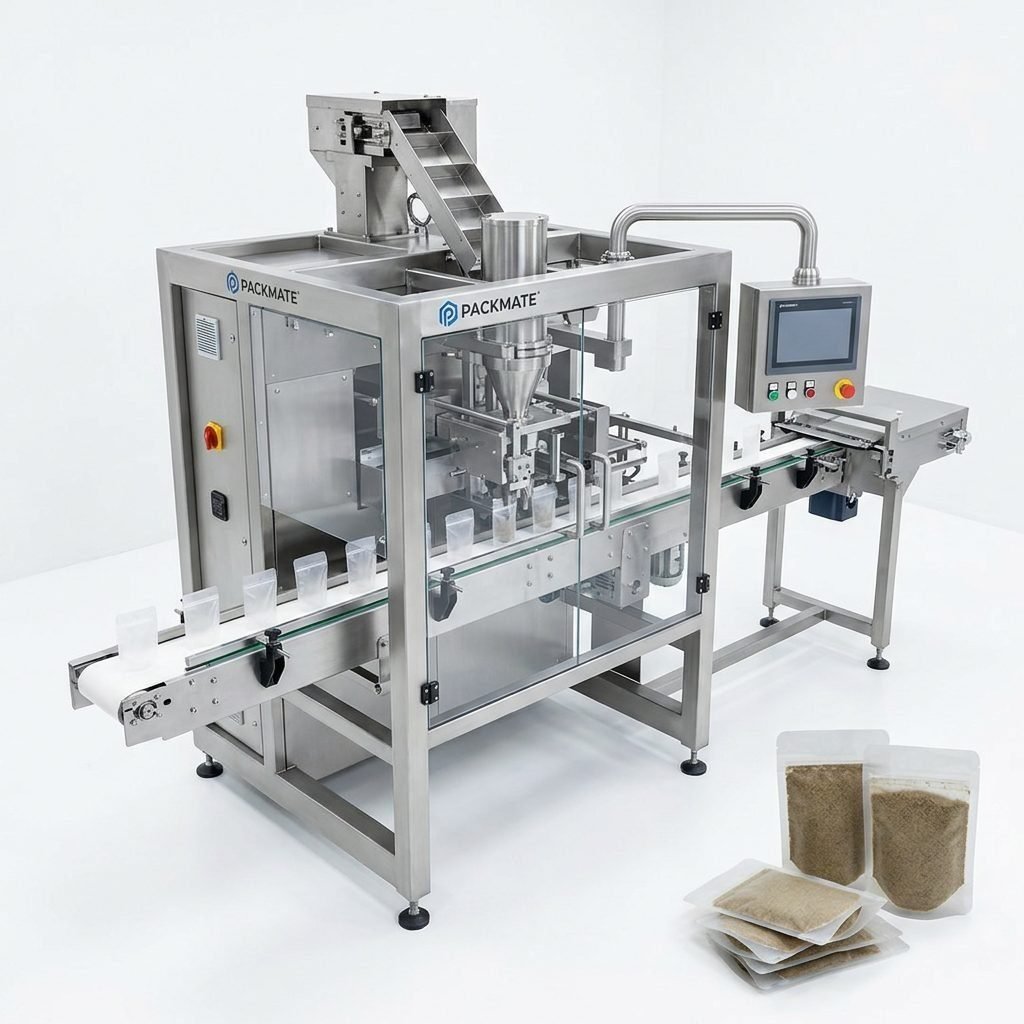
Before selecting equipment, specify product attributes: pouch size, dose (mg), fill material (powder, granules, moisture level), pouch format (round, rectangular, sachet-style), and secondary packaging (boxes, jars, flow-wrapped multipacks). Machines optimized for nicotine pouches often differ from general sachet equipment — choose models that assure precision for small-dose fills and gentle pouch forming.
Common pouch and product variables to list
• Target pouch weight range and tolerance
• Pouch dimensions and sealing method (heat-seal, ultrasonic)
• Desired production speed (pouches/min and lanes)
• Required dosing accuracy (±% tolerance)
• Presence of moisture, oils, or extractives that affect sealing
Choose the Right Machine Type
Several machine families suit snus and nicotine pouch production. Evaluate them by capacity, adaptability, and maintenance complexity.
Sachet & Stick Pack Machines
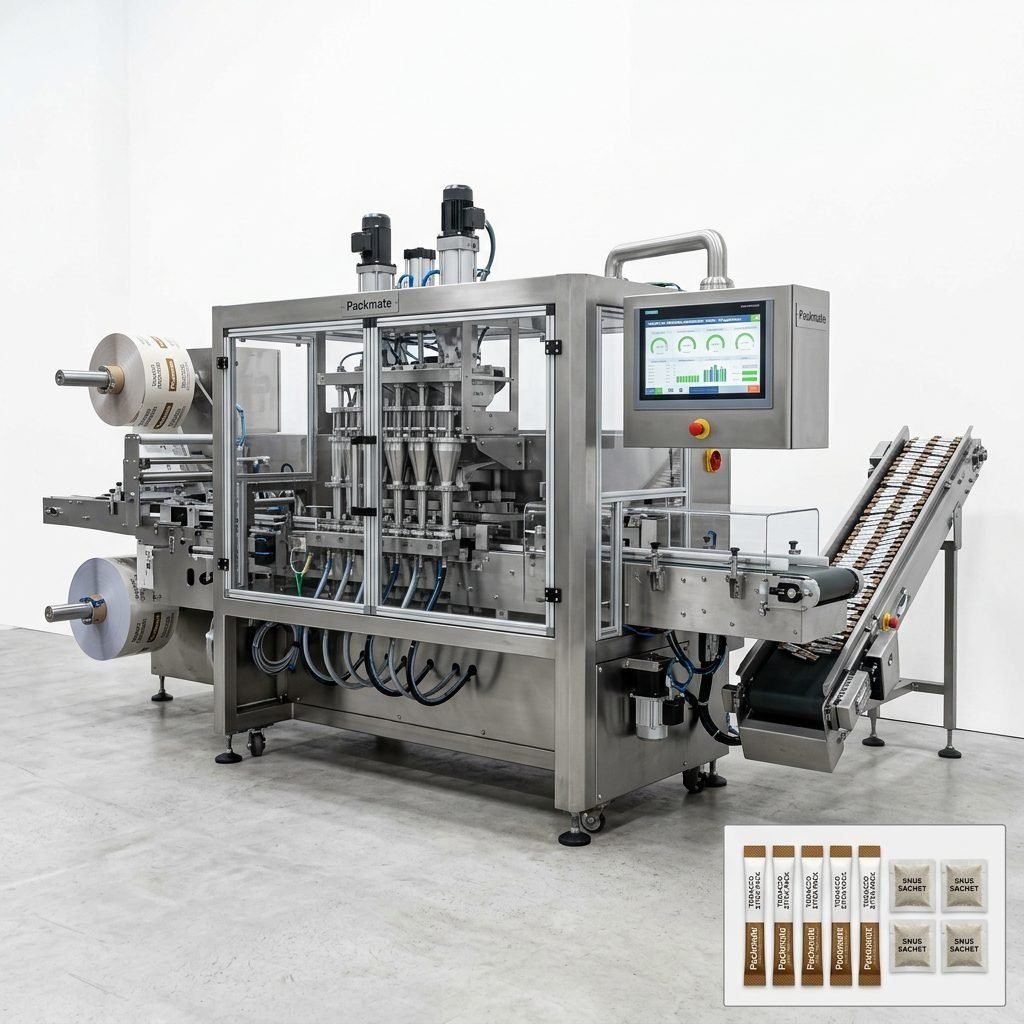
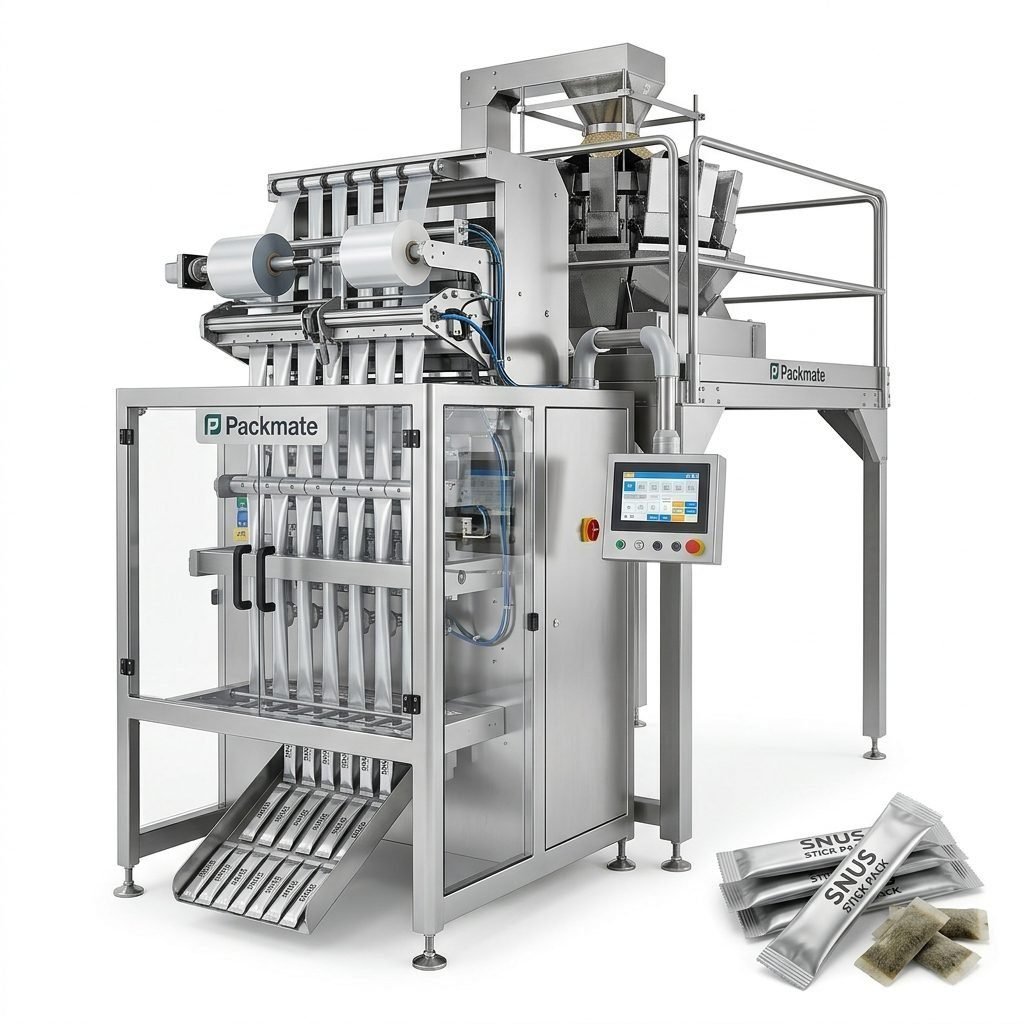
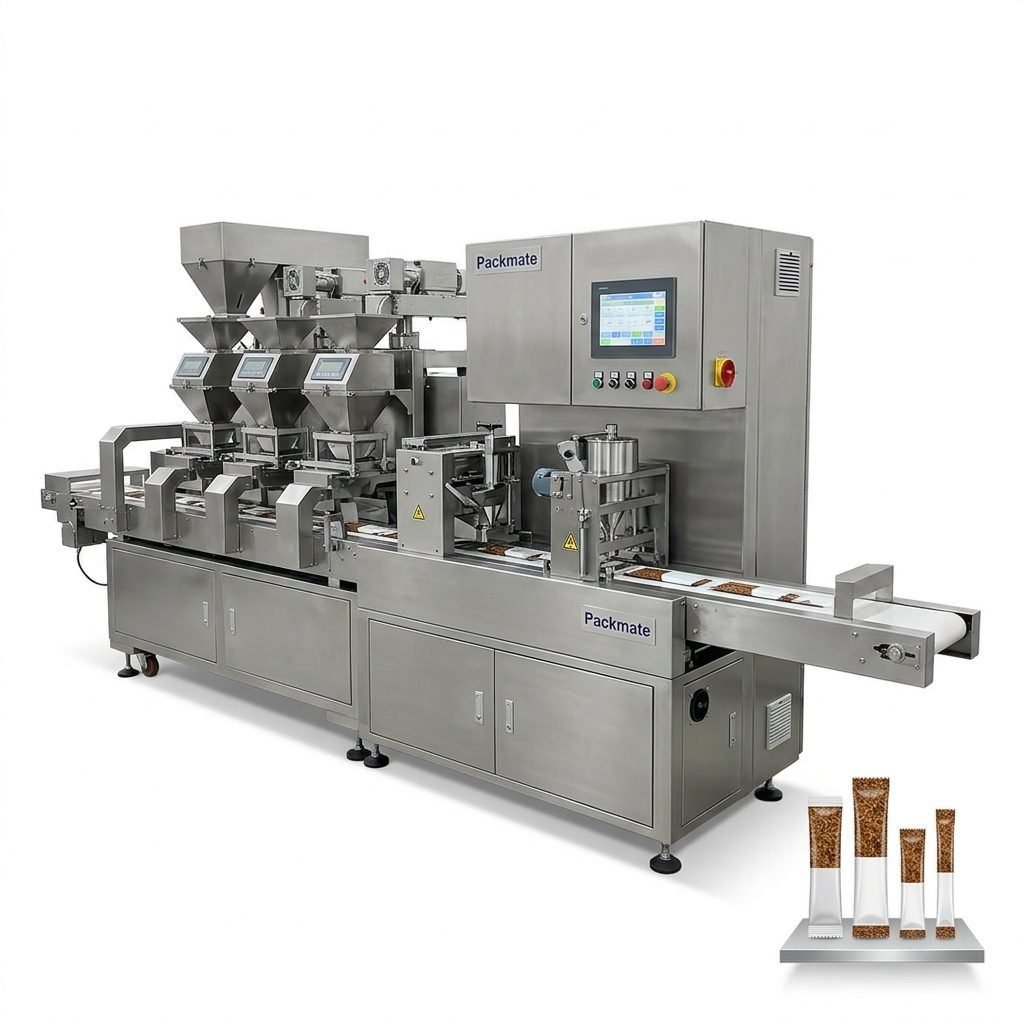
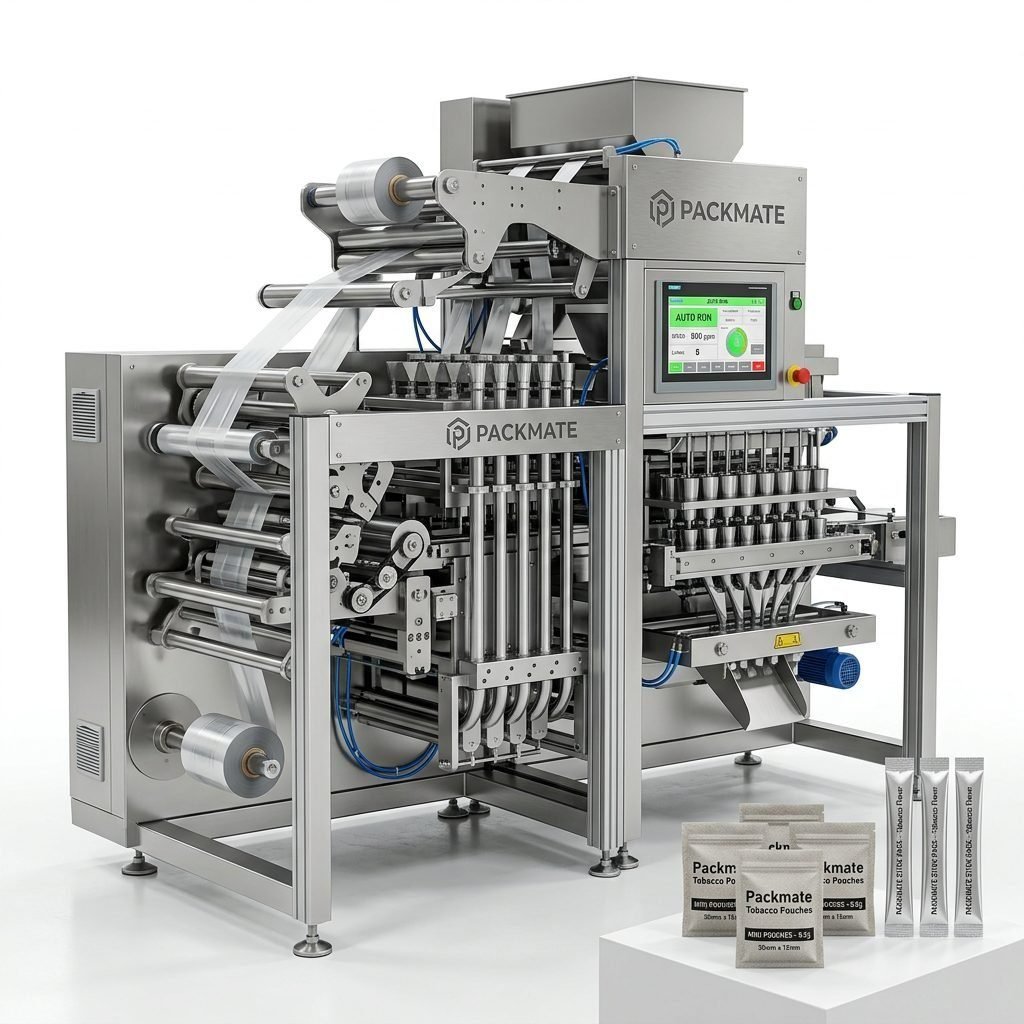
Stick pack and sachet machines are common for single-dose nicotine products. They are compact, cost-effective for smaller volumes, and can be a good choice for startups or limited-run seasonal products.
Multi-Lane Pouch Machines (High-Throughput)
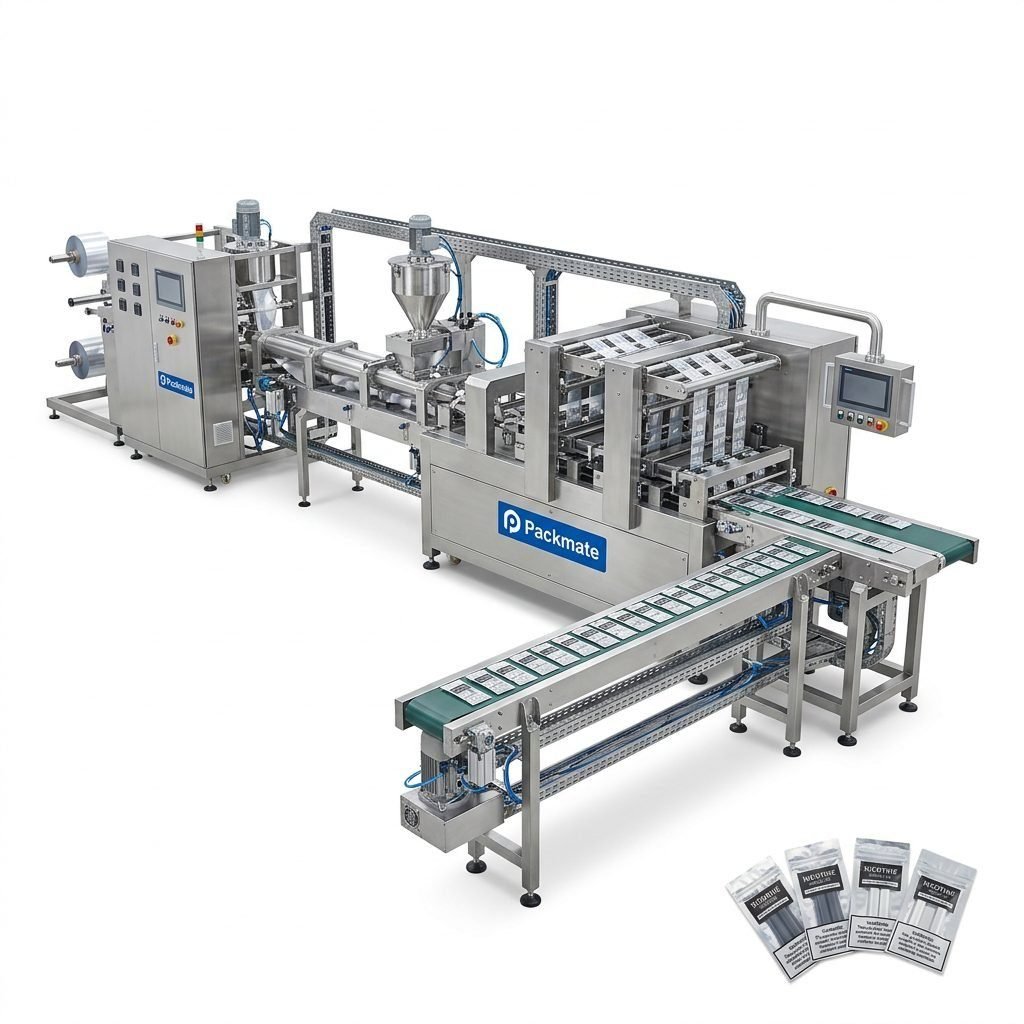
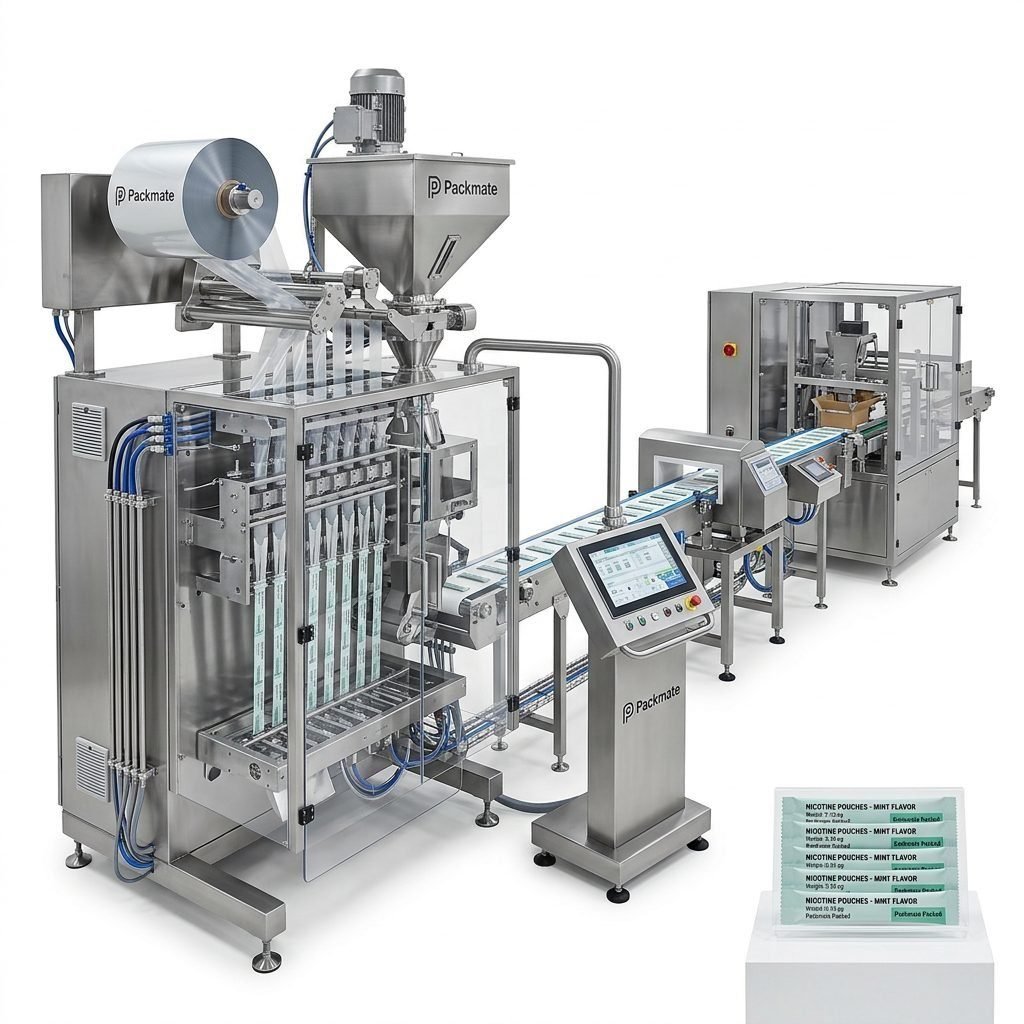
If you anticipate growth or supplying regional markets, multi-lane systems increase throughput while keeping footprint reasonable. These systems excel at synchronized filling and sealing across multiple lanes with high consistency.
Fully Automated Turnkey Lines
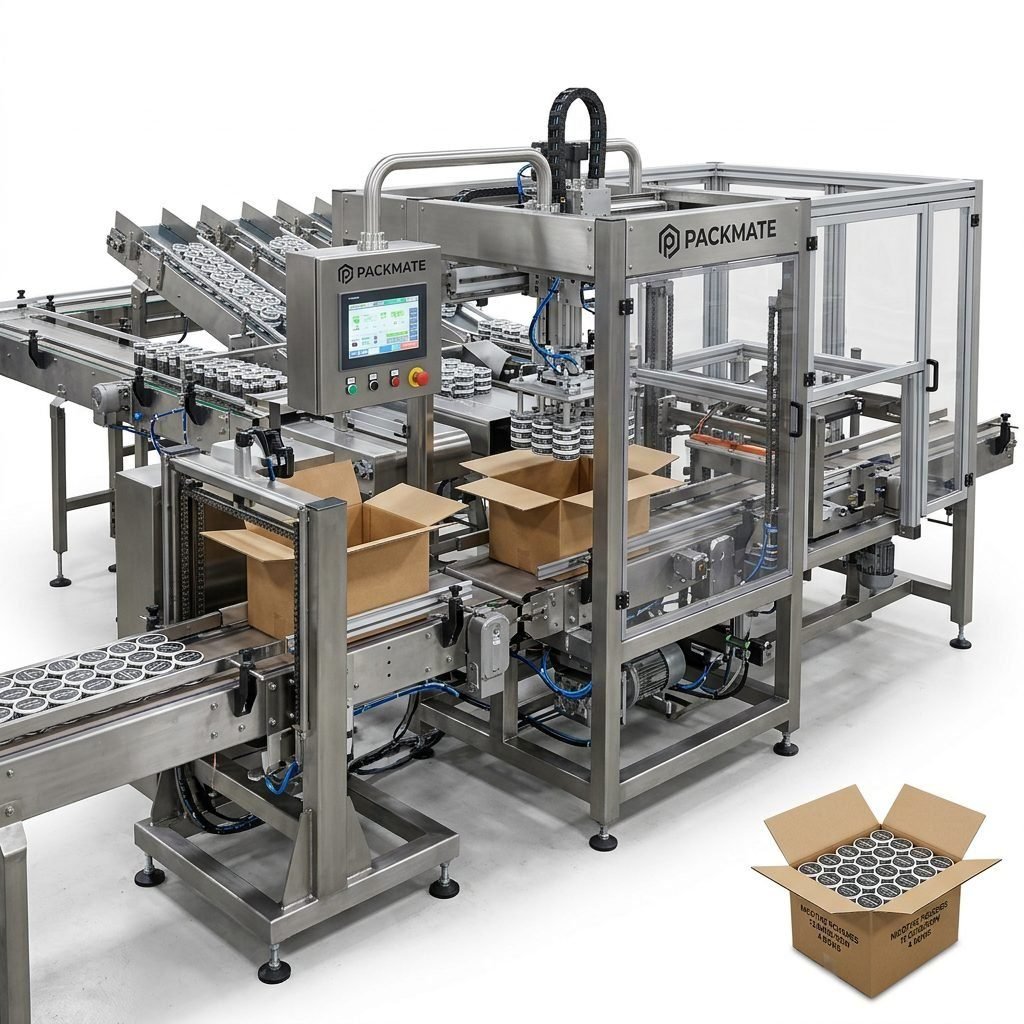
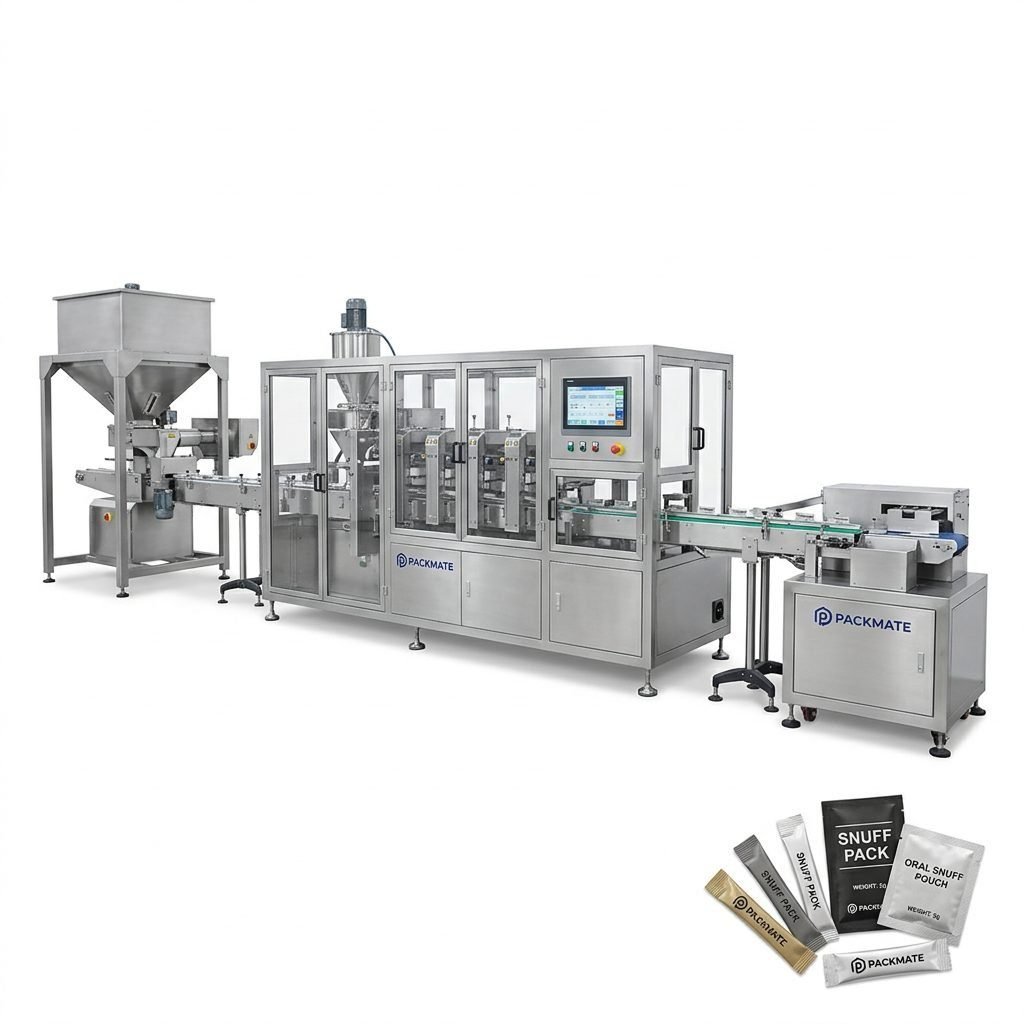
For manufacturers seeking end-to-end automation — from dosing and form-fill-seal to counting and case packing — turnkey lines reduce manual handling and improve traceability. They require higher upfront investment but deliver predictable output and lower labor needs.
Start with a flexible machine that can be upgraded to multi-lane capacity as demand grows — this is especially suitable for Tonga where initial volumes may be modest but export potential exists.
Technical Specifications to Prioritize
When comparing suppliers, ask for detailed specifications and test data. Key technical parameters to inspect:
• Filling accuracy and tolerance under different speeds
• Sealing quality under variable humidity and film types
• Changeover time between pouch sizes and products
• Available lanes and maximum output per lane
• HMI controls, recipe memory, and remote diagnostics
• Power requirements and compatibility with local supply
Environmental robustness
Machines destined for Tonga should have corrosion-resistant finishes and sealed electrical cabinets to withstand coastal humidity and salt air. Consider IP-rated drives and stainless-steel contact parts where possible.
Evaluate Suppliers: What to Look For
Selecting a trustworthy supplier is as important as choosing the right machine. Look for manufacturing credibility, quality systems, and global support networks. Packmate Snus Machine, for example, emphasizes 30+ years of engineering, a 20,000㎡ facility, and CE/ISO compliance — attributes that matter when importers in Tonga need reliable equipment and documentation.
When auditing suppliers, request:
- Machine performance data and inspection reports
- Factory photos or a video walkthrough of production
- Case studies or references from similar regions
- Warranty, spare-parts policy, and lead time commitments
- Availability of installation and commissioning services
Explore machine families and product lines for detailed specs:
Snus & Nicotine Packaging Machines,
Bag & Pouch Packaging Machines,
About Packmate.
Installation, Training & After-Sales Support
For Tonga, after-sales support is critical due to remote location and limited local specialists. Confirm the supplier provides:
• On-site installation and commissioning or remote guided set-ups
• Training for operators and maintenance staff with documentation in English
• A stocked spare-parts kit that ships with the machine
• Remote diagnostics capability and software updates
• Clear escalation pathways and estimated shipping times for parts
Local partner strategy
Consider engaging a regional distributor or service partner in the South Pacific or New Zealand/Australia for faster parts delivery and local field service. Evaluate suppliers who exhibit a global service footprint or long-term partner relationships.
Power, Utilities & Factory Layout Considerations in Tonga
Tonga’s infrastructure varies by island — assess power stability, available voltage, and backup options. Machines with flexible power inputs or generator-ready configurations reduce downtime risk. Temperature control and dehumidification are often necessary to maintain product quality and machine reliability.
Layout tips:
- Plan adequate airflow and simple access for maintenance.
- Design for staged upgrades: space for adding lanes or modules.
- Include storage for desiccant packs and moisture-barrier packaging near the filling line.
Materials, Films & Local Packaging Preferences
Packaging materials must resist humidity and remain intact during long sea shipments. Consider laminated films with high barrier properties and evaluate local suppliers for cartons and secondary packaging. Tonga’s consumer preferences lean toward discreet, compact packs for portability — compact pouch packaging and resealable options may perform well in retail.
Ensure spare seals, belts, and sensors are included in the first-year spare kit and that maintenance manuals are available in digital format for quick reference.
Costing, Financing & Return on Investment
Total cost includes machine price, shipping, import duties, installation, local utilities upgrades, and operating costs (labor, materials, maintenance). For Tonga, factor in higher logistics costs and potential warehousing. Run ROI scenarios for conservative demand and a growth case to justify multi-lane or turnkey investments.
Negotiation tips
Negotiate bundled terms: installation, spare parts, training, and extended warranty. Ask suppliers about staged payments tied to milestones like FAT (Factory Acceptance Test), shipment, and commissioning.
Regulatory Compliance & Labeling
Tonga’s regulatory framework for nicotine products may require health warnings, ingredient listings, and age-restriction controls. Confirm labeling requirements and ensure your packaging line can print variable batch codes, manufacture dates, and lot numbers clearly. Plan for serialization if export markets demand traceability.
Selecting a Trusted Case & Customization Partner
Customization — including specific pouch shapes, multi-lane configurations, and ancillary devices like metal detectors or check weighers — is often necessary. Evaluate suppliers that offer modular auxiliary equipment and have experience supplying similar configurations. Look at case studies showing completed lines and multi-market deliveries.
For references and past projects, review supplier case pages and exhibition history to verify capability:
- Case demonstrations
- Certifications and compliance evidence: Certificate
- After-sales & service offerings: Service
Procurement Checklist: Quick Buyer’s Guide
Use this checklist when finalizing your purchase:
- Documented machine specs and FAT data
- Warranty terms and spare-parts list
- Installation, commissioning, and training plan
- Power and utility requirements vs. local capability
- Packaging film compatibility and supplier contacts
- Local support or regional service partner
- Clear payment milestones and shipping schedule
- Regulatory labeling capabilities and printing integration
Favor suppliers with demonstrable experience in nicotine pouch lines and flexible configurations — this reduces risk when adapting to Tonga’s unique market and logistic constraints.
Why Packmate Can Be a Consideration
Packmate Snus Machine has over 30 years of experience and a wide machine portfolio covering snus, sachet, stick pack, and multi-lane systems. Their factory capabilities and global turnkey solutions make them a candidate for manufacturers looking for both standard and highly customized packaging lines. For direct inquiries about models and support, use the supplier’s contact resources.
Explore more about product lines and get in touch:
Sachet & Stick Pack Machines ·
Weighing & Packaging Systems ·
Contact Us
Implementation Roadmap for Tonga
1) Market validation and product specs → 2) Pilot equipment selection (single-lane or stick pack) → 3) FAT & materials validation with barrier films → 4) Shipping and customs clearance planning → 5) On-site commissioning, operator training, and validation → 6) Scale-up to multi-lane or turnkey line when demand justifies expansion.
Cultural & distribution considerations
Respect for Tongan community structures and retail channels matters. Partner with local distributors who understand retail shelves, community norms, and age-restricted product placement. Packaging that supports small, discreet purchases and clear health information will be better received.
Maintenance Best Practices for Island Operations
Create a preventive maintenance schedule emphasizing cleaning in humid conditions, timely replacement of wear parts, and calibration routines for dosing heads. Store critical spares locally and maintain digital documentation backed up off-site to avoid downtime from lost manuals.
Robust supplier communication and a clear spare-parts plan are essential for sustainable operations in Tonga.
Conclusion
Selecting snus packaging machinery for Tonga requires blending technical requirements with local realities: humidity resistance, logistics planning, small-batch flexibility, and reliable after-sales support. Prioritize adaptable machines, verify supplier credentials, and prepare for higher logistics and service lead times. With the right partner and a phased growth plan, manufacturers can establish a resilient production setup that serves both local demand and regional export opportunities.
Common Questions
Q1: What machine type is best for a startup in Tonga?
A1: Begin with a flexible sachet or stick pack machine that supports small batches and quick changeovers; upgrade to multi-lane as demand grows.
Q2: How important is environmental protection for machines shipped to Tonga?
A2: Extremely important — choose machines with stainless-steel contact parts, sealed electrical cabinets, and corrosion-resistant finishes to withstand humidity and salt air.
Q3: What after-sales services should I require from a supplier?
A3: On-site commissioning or guided remote setup, operator training, a first-year spare kit, remote diagnostics, and clear spare-part lead times.
Q4: Are turnkey lines worth the investment for small markets?
A4: Turnkey lines are valuable when you aim for export or high consistency; for very small or uncertain markets, modular or upgradable systems are often more cost-effective initially.
Q5: Where can I see examples of completed snus packaging lines?
A5: Review supplier case studies and exhibition records to verify completed projects — for example, check supplier case pages and exhibition histories for real-world examples.