Choosing the right snus packaging machine for operations in Kiribati demands a practical mix of technical understanding, supplier trust, and logistics planning. This buyer’s guide walks you through the essential considerations — from machine types and production capacity to certifications, installation and after-sales support — so you can make a confident, cost-effective purchase.
Understand the Local Context in Kiribati
Kiribati presents unique operational challenges: remote island logistics, variable power quality, and specific import procedures. Before selecting equipment, evaluate local infrastructure, available skilled labor, and customs timelines. Plan for longer lead times and clear logistics partners who have experience shipping heavy machinery to the Pacific islands.
Key practical questions to ask early
• What is your monthly production target (pouches per month)?
• Can your facility support the machine’s electrical and spatial requirements?
• Do you need single-lane simplicity or high-output multi-lane capability?
Tip: If you are new to snus/nicotine pouch production, start with a flexible, semi-automatic line that can be upgraded to a multi-lane system as demand grows.
Types of Snus Packaging Machines
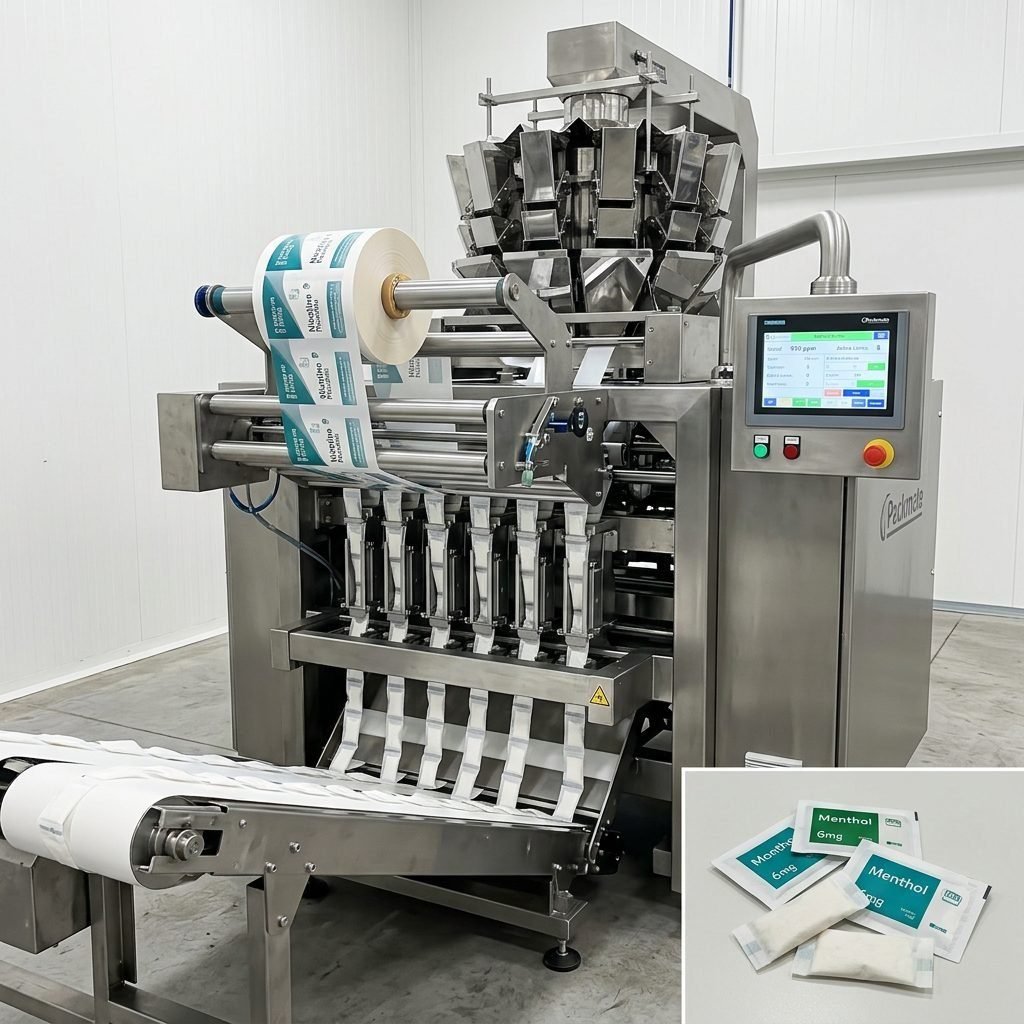
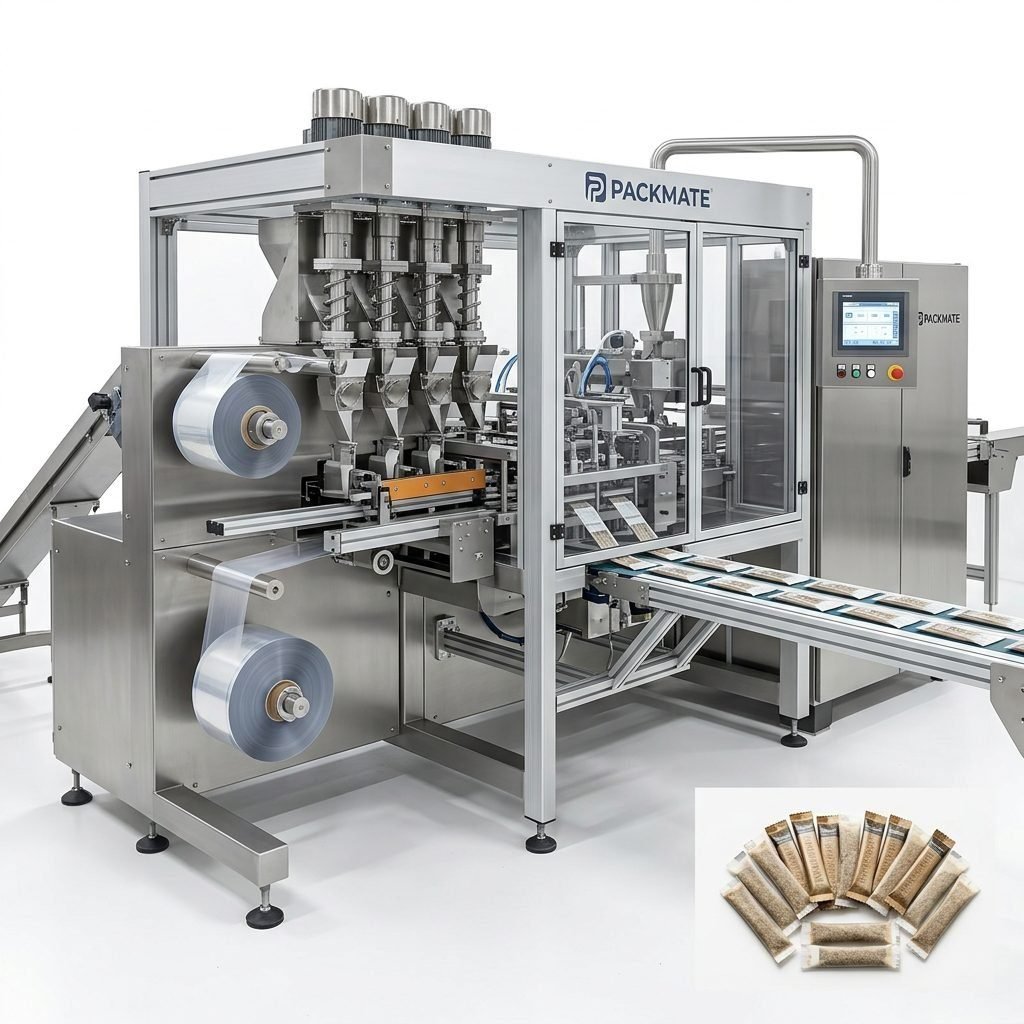
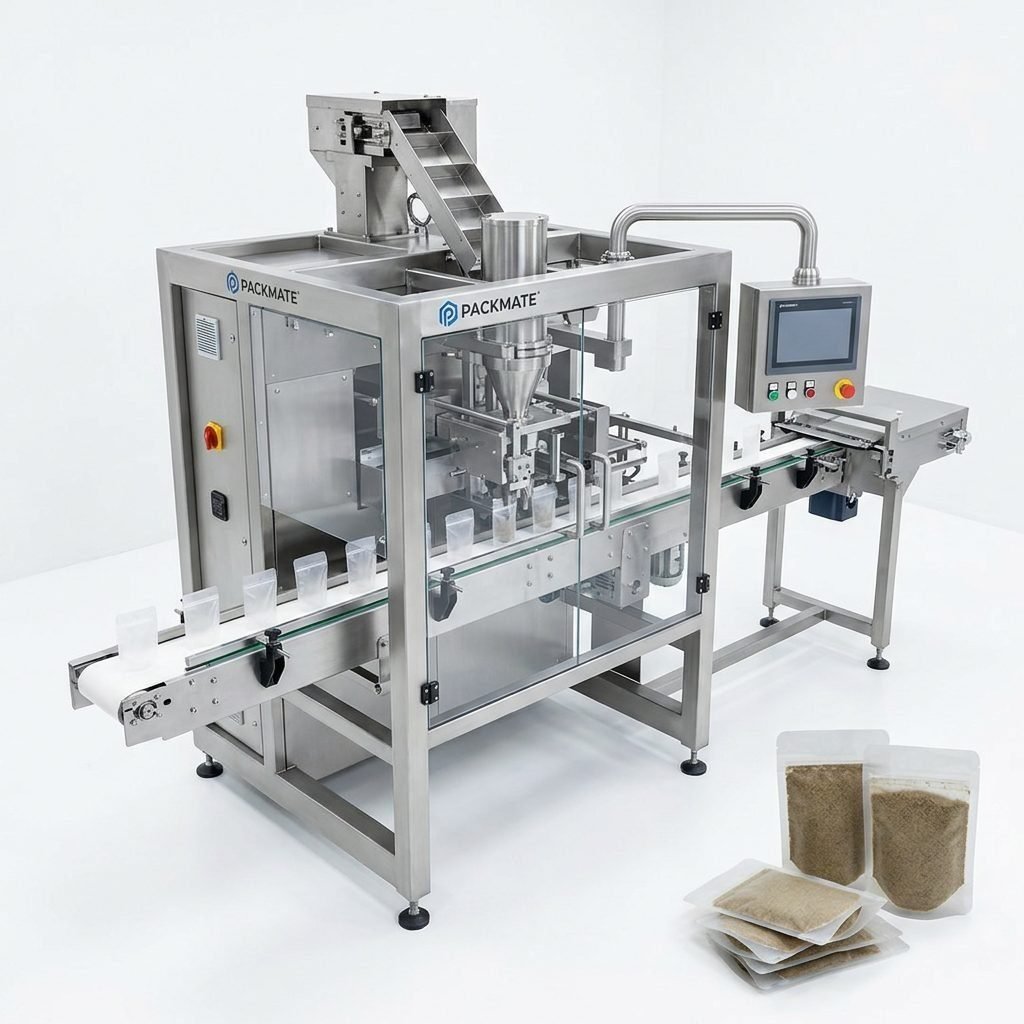
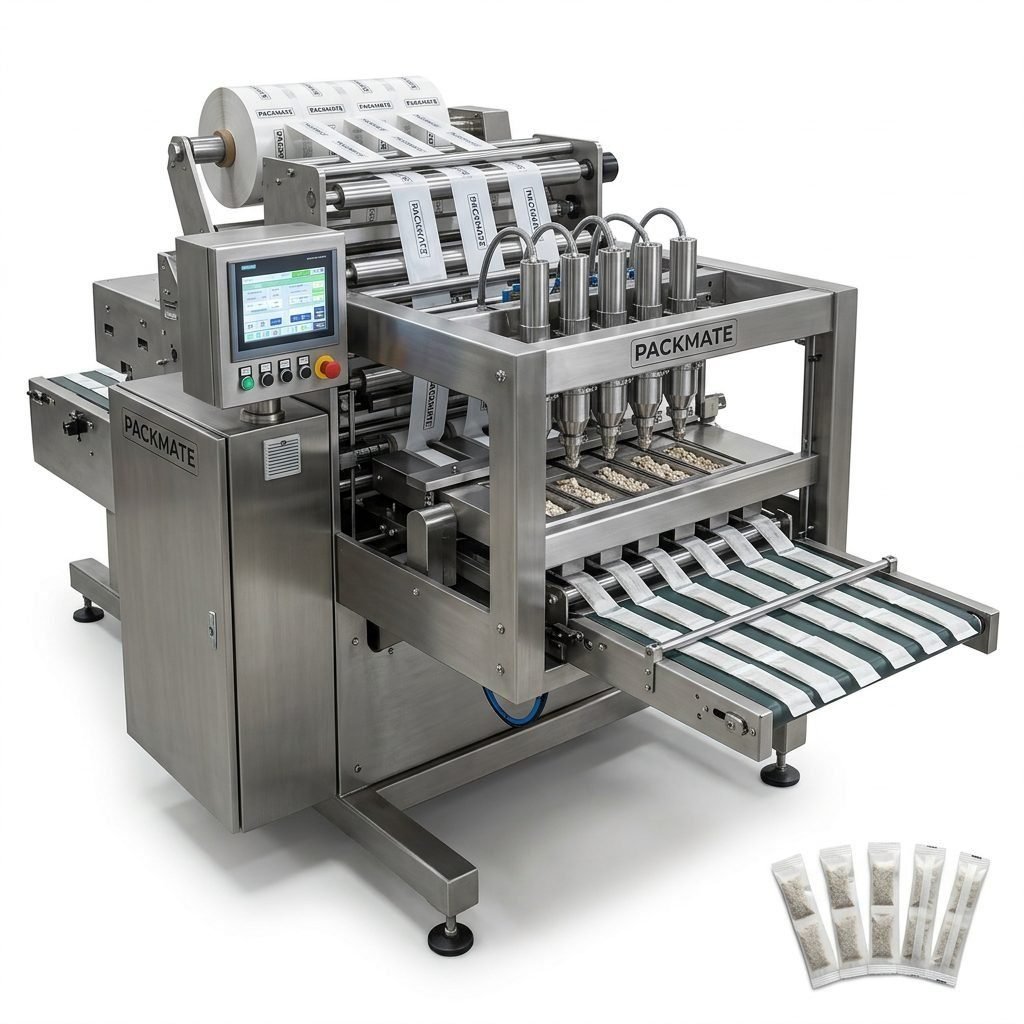
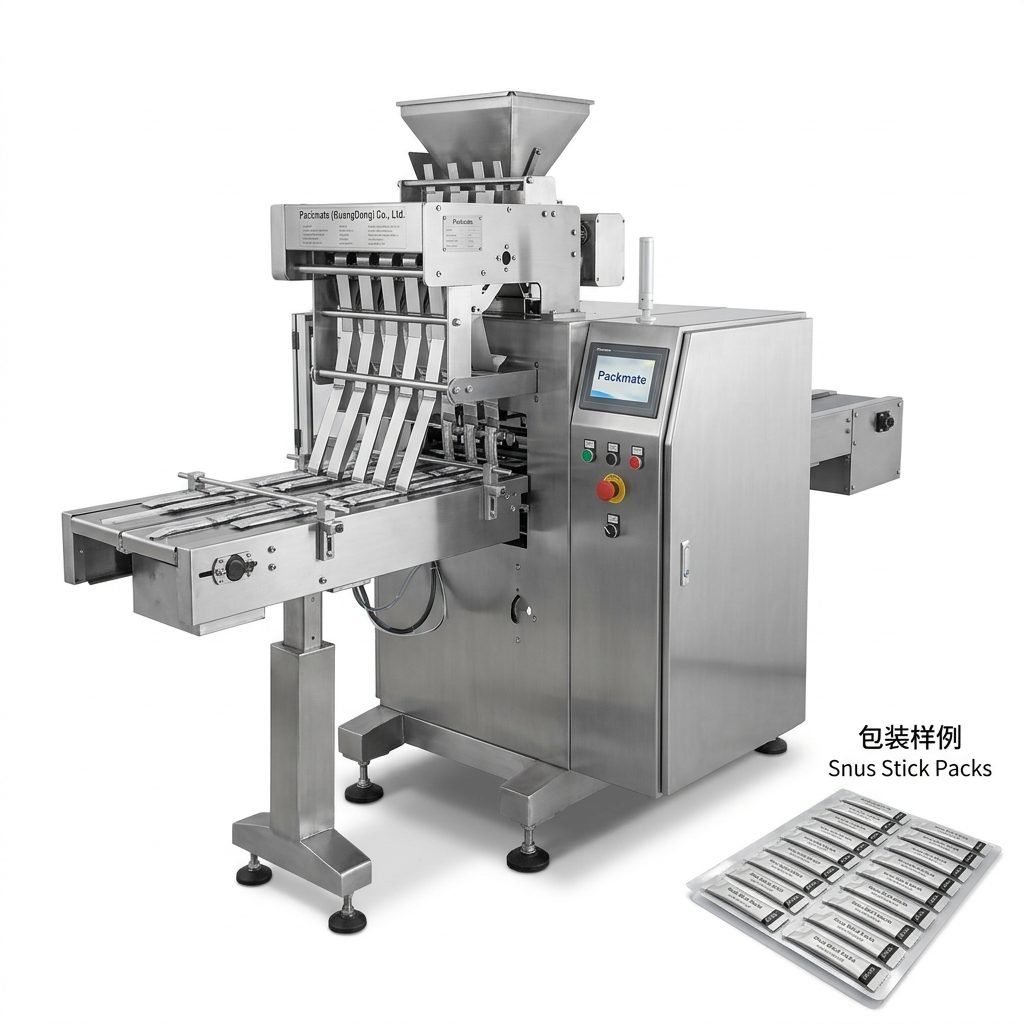
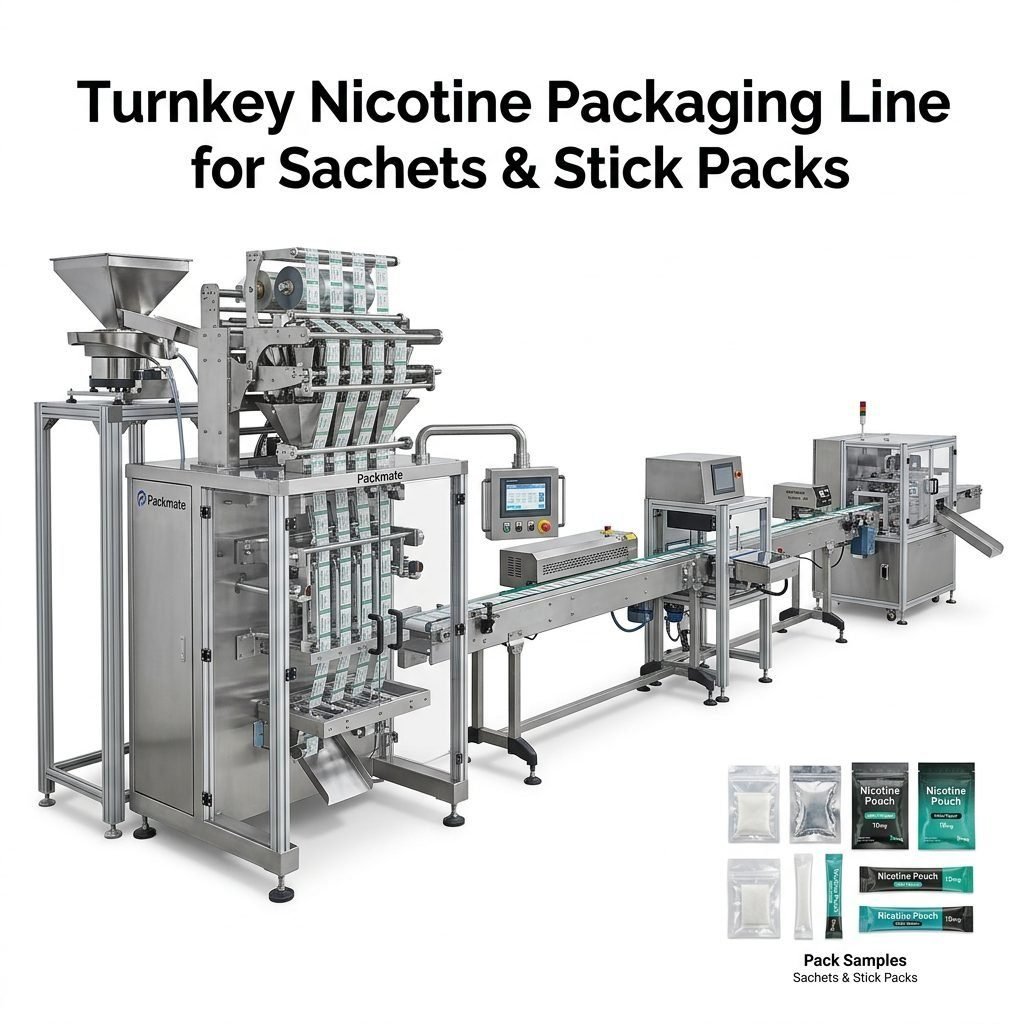
Selecting the right machine type is foundational. Common machine styles include stick pack, sachet, pouch, and multi-lane systems for nicotine pouches. Each has strengths depending on product format and throughput needs.
Stick Pack & Sachet Machines
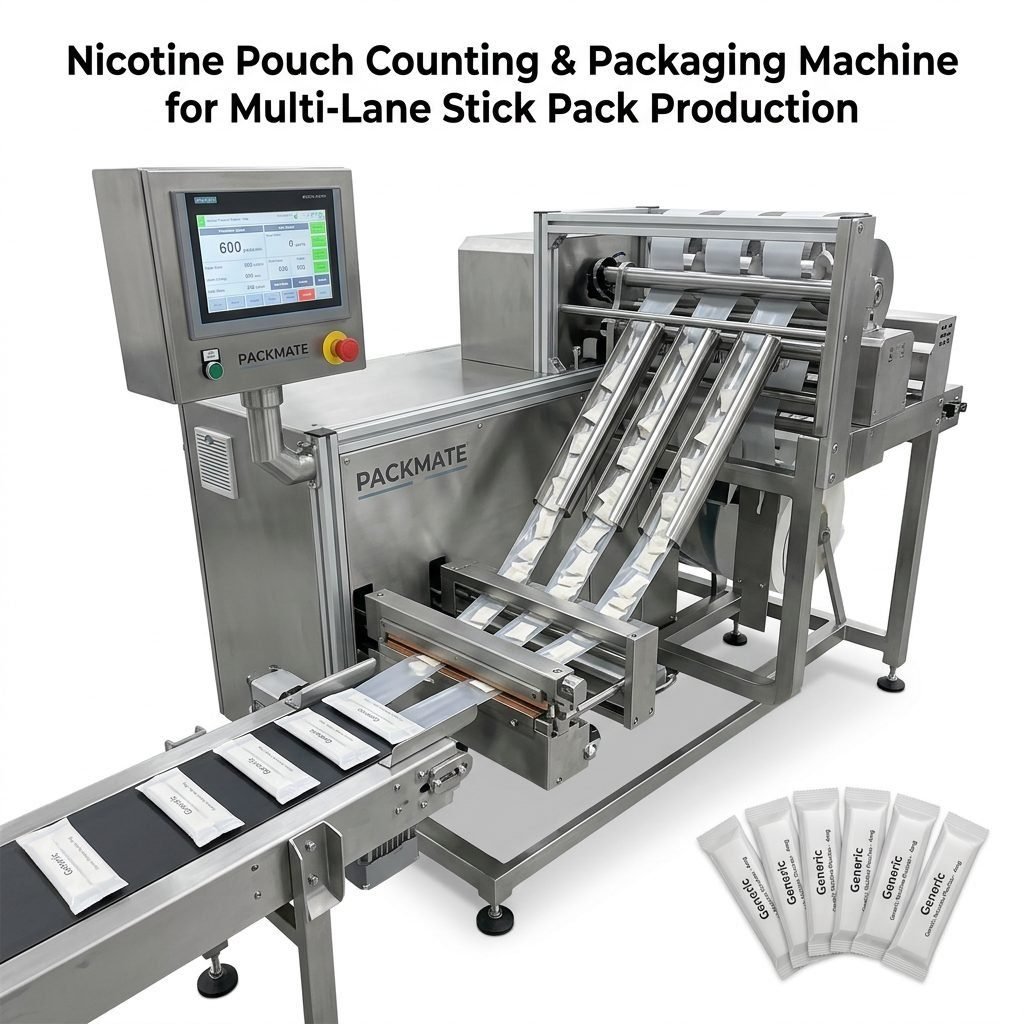
Ideal for single-dose or small sachet formats. These machines are compact, relatively low-cost, and suitable for small- to medium-scale production runs.
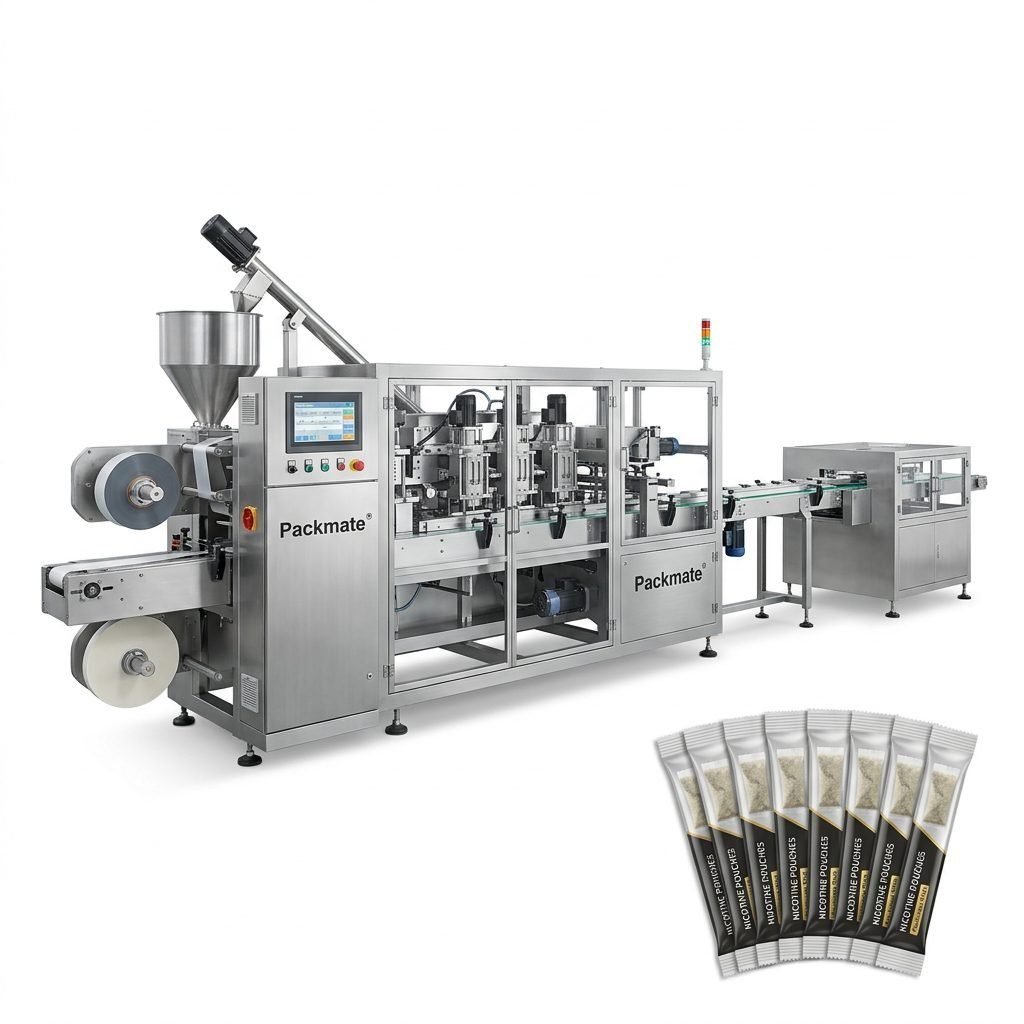
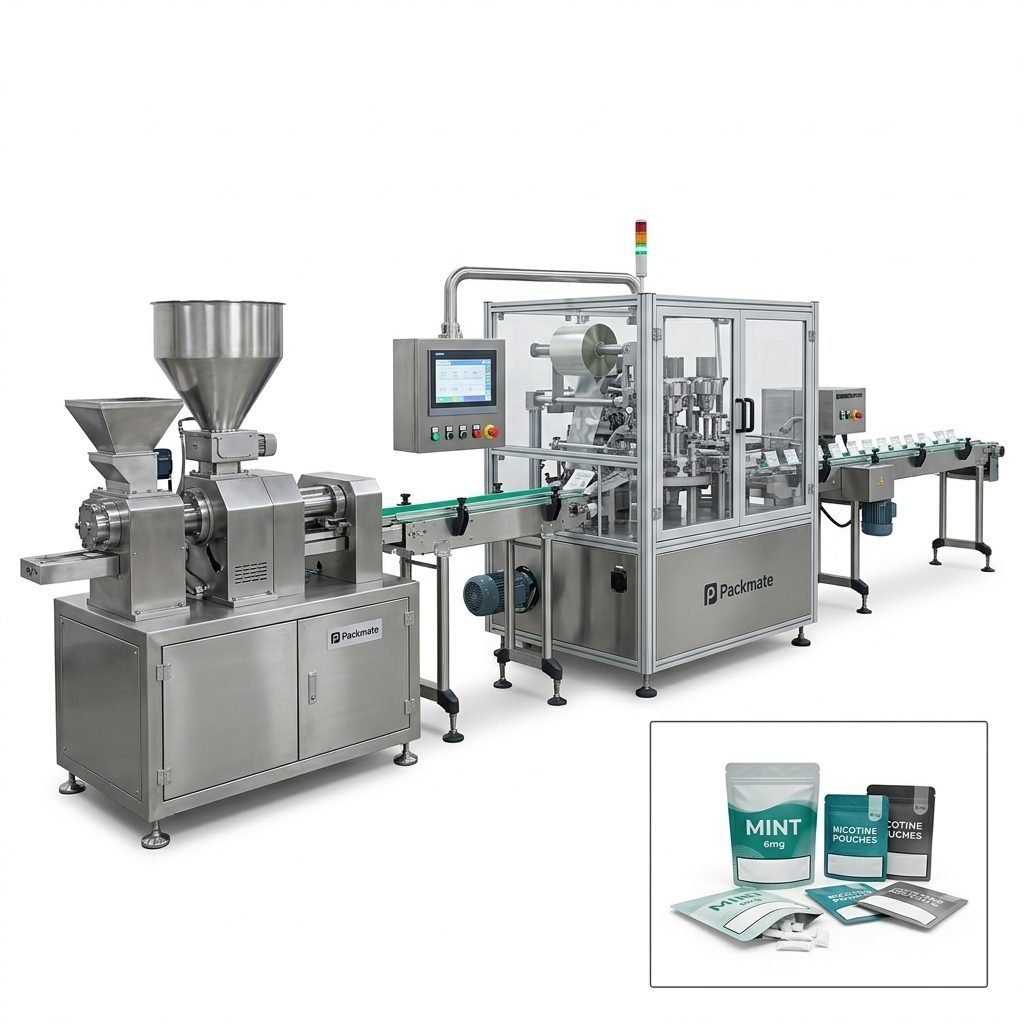
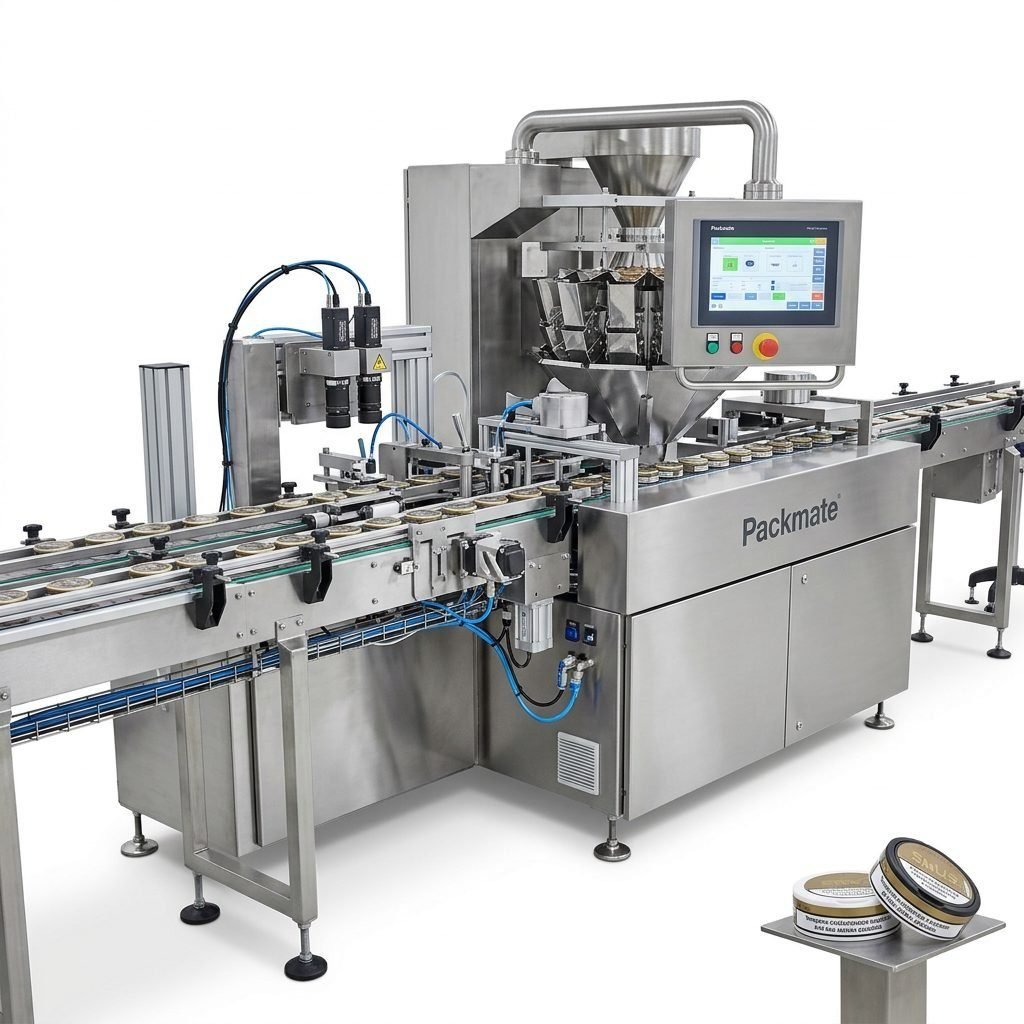
Pouch & Multi-lane Systems
Multi-lane pouch machines offer higher throughput for mass production of nicotine pouches and snus. If your business plans to scale quickly, multi-lane systems deliver the best output-per-square-meter.
Explore real machine categories and models at the manufacturer product pages:
Snus & Nicotine Packaging Machines,
Bag & Pouch Packaging Machines,
Sachet & Stick Pack Machines.
Key Technical Specifications to Compare
When comparing models, focus on measurable specs that affect daily operation and long-term ROI.
- Throughput: pouches per minute and daily capacity.
- Accuracy: weighing and filling tolerance for nicotine content.
- Lane count: single vs. multi-lane — affects footprint and scalability.
- Material compatibility: powder, fibers, liquids, or granules.
- Changeover speed: time to switch formats and sizes.
Automation, Controls & Operator Friendliness
Modern machines offer PLC/HMI touch controls, recipe storage, and remote diagnostics. For Kiribati operations, prioritize intuitive controls and remote support capability so vendor technicians can troubleshoot without frequent on-site visits.
Must-have features: HMI recipe management, error logging, and remote diagnostic ports (Ethernet/VPN).
Quality, Standards & Certifications
Regulatory compliance matters both for safety and market acceptance. Look for machines and suppliers with CE and ISO certifications and clear documentation for electrical, mechanical, and safety compliance. Packmate Snus Machine emphasizes CE/ISO compliance across product lines, which helps simplify import approvals and workplace safety planning.
Documentation to request
• CE Certificate, ISO quality certificates
• Electrical diagrams and power requirements
• Spare parts lists and recommended maintenance schedule
Factory Strength & Customization Options
Choosing a manufacturer with deep experience and a large engineering capacity reduces technical risk. Vendors with robust CNC machining, precision assembly and a long history in snus packaging are preferable. Packmate’s 20,000㎡ facility and 30+ years of experience indicate strong manufacturing capability and the ability to supply customized turnkey solutions.
If you need turnkey lines that include weighing, filling, sealing and secondary packaging, review integrated solutions such as weighing & packaging systems and complete filling lines:
Weighing & Packaging Systems,
Filling & Packaging Lines.
After-sales Support, Spare Parts & Training
After-sales service is critical given Kiribati’s remoteness. Confirm the supplier provides:
- Remote diagnostics and regular firmware updates
- Spare parts kits that can be shipped quickly
- Operator and maintenance training (on-site and virtual)
- Clear warranty terms and service level agreements
Red flag: Suppliers who cannot provide a spare parts list or who require long spare part lead times may create unacceptable downtime risk.
Site Preparation & Installation Checklist
Before equipment arrives, ensure the following are in place to speed commissioning:
- Concrete floor with specified load capacity and leveled foundation
- Electrical supply matching machine requirements and stable voltage
- Compressed air quality and flow (if pneumatic systems used)
- Clear material flow for raw input and finished product
- Local customs clearance plan and temporary storage
Need help with installation or local logistics? Contact the manufacturer’s service team for coordinated shipping and on-site commissioning plans:
Contact Us.
Pricing, ROI & Total Cost of Ownership
Initial machine price is only part of the story. Factor in installation, training, spare parts, consumables (films, adhesives), shipping, customs duties, and expected downtime. Use a simple ROI model:
Estimated annual production × margin per pouch − (annualized machine cost + annual OPEX) = annual profit contribution. A machine with slightly higher price but better reliability and lower scrap often delivers superior ROI.
Negotiation & Purchase Tips
• Request clear lead times and Incoterms.
• Ask for a performance test report and video of the exact model running your product type.
• Negotiate spare parts stock and training as part of the contract.
• Confirm warranty coverage for international shipments and who covers travel for service engineers.
Checklist before signing: Model number, acceptance criteria, spare parts list, training schedule, warranty terms, lead time, shipping Incoterm.
Why Choose an Experienced Manufacturer
Experienced manufacturers bring proven designs, tested components and the engineering depth to customize solutions. Packmate Snus Machine, with decades of R&D and a wide product range, provides examples of multi-lane and turnkey solutions that reduce time-to-market. For more details on company capabilities and cases, review the manufacturer’s profile and case studies:
About Packmate |
Case Studies.
Final Recommendations
1) Start by defining production targets and product specs. 2) Choose a machine type (single-lane for starters, multi-lane for scale). 3) Prioritize suppliers with certified machines, solid spare parts support and experience shipping internationally. 4) Include training and remote support in the purchase contract. 5) Plan site preparation early to avoid commissioning delays.
Quick Action Plan: Define target output → shortlist 2–3 suppliers → request video tests → confirm spare parts & warranty → finalize logistics and commissioning timeline.
Helpful Resources & Next Steps
Explore product lines and auxiliary equipment to build a complete production line:
• Auxiliary Packaging Equipment
• Meet the team at exhibitions to see live demonstrations and discuss shipping and training options.
Common Pitfalls to Avoid
• Buying solely on initial price without assessing lifecycle costs.
• Overlooking spare parts availability and lead times.
• Failing to verify electrical and site readiness — this causes commissioning delays.
Frequently Asked Questions
Q1: How long does delivery and installation typically take for Kiribati?
A1: Delivery depends on factory lead time and shipping; expect longer transit and customs clearance for Pacific islands. Plan for 8–16 weeks typical lead time plus sea freight and customs.
Q2: What certifications should I insist on?
A2: At minimum, request CE and ISO quality documentation. Also verify electrical safety and any local regulations for nicotine product equipment.
Q3: Can machines be customized for different pouch sizes?
A3: Yes. Most suppliers offer modular designs and quick-change tooling. Confirm changeover times and required spare parts for each format.
Q4: What after-sales services are essential?
A4: Remote diagnostics, initial operator and maintenance training, readily available spare parts, and clear warranty/service level agreements are essential.
Q5: Where can I see real examples and request a quote?
A5: Review product lines and request a quote via the manufacturer’s product pages and contact portal:
Snus Machines and
Contact Us.