Choosing the best snus packaging machine supplier is a strategic decision that affects product quality, regulatory compliance, production uptime, and long-term profitability. Whether you are producing nicotine pouches, traditional snus, or developing a new small-dose format, the right supplier delivers machines, integration expertise, and dependable after-sales support. This guide walks you through practical steps to evaluate suppliers worldwide, with clear checkpoints, technical considerations, and negotiation tips to ensure you select a partner who guarantees quality and reliability.
Why the supplier choice matters more than the machine price
Machines are capital investments that should be judged by total cost of ownership rather than initial purchase price alone. Downtime, spare parts lead time, software updates, and process optimization support add up over years. A trusted supplier reduces risk with consistent build quality, global certifications, and a clear service network.
Understand product format and line capacity
Start by defining your product: nicotine pouch, loose snus, stick pack, sachet, or multi-lane small doses. Machines optimized for one format won’t perform equally well for another. Consider:
- Target output (pouches per minute / lanes)
- Package types and materials (foil, laminate, paper)
- Filling accuracy requirements (especially for nicotine products)
- Future scalability and modular upgrades
Machine types and technical capabilities
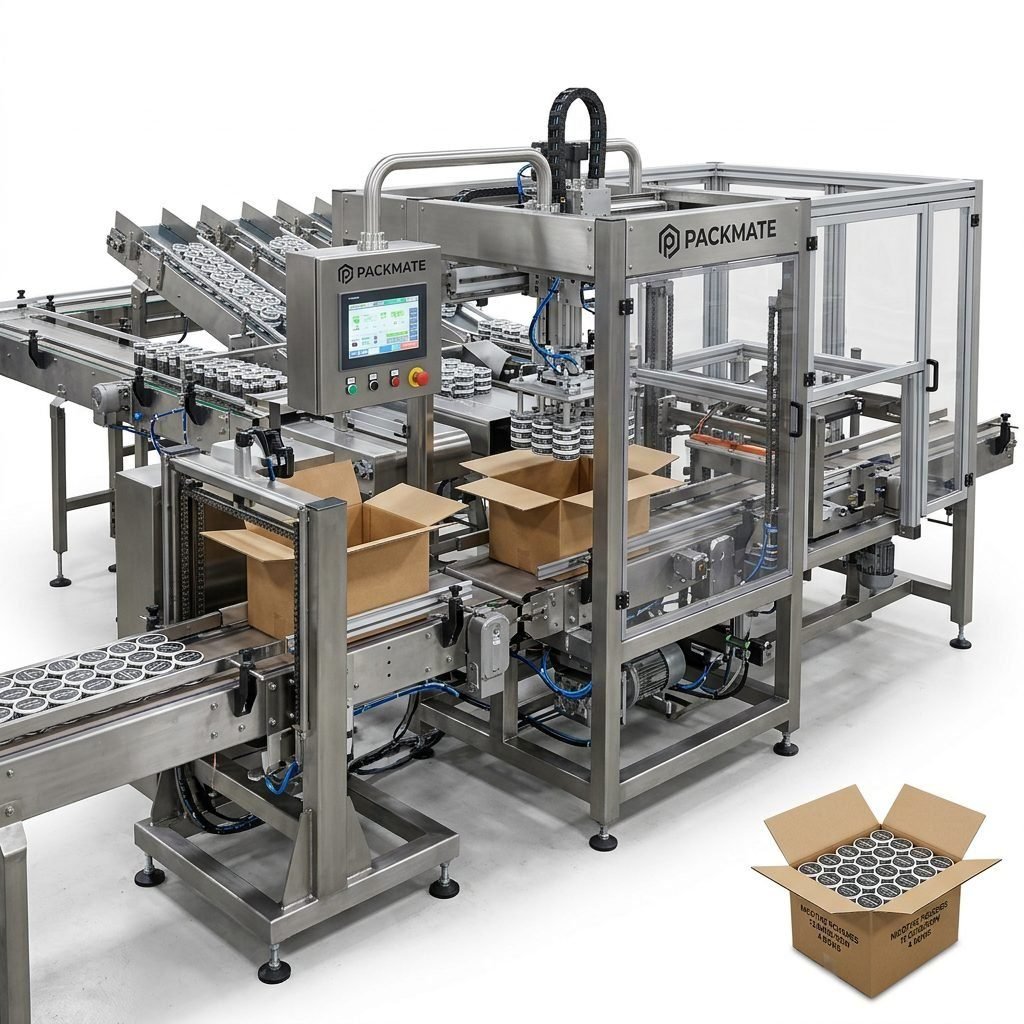
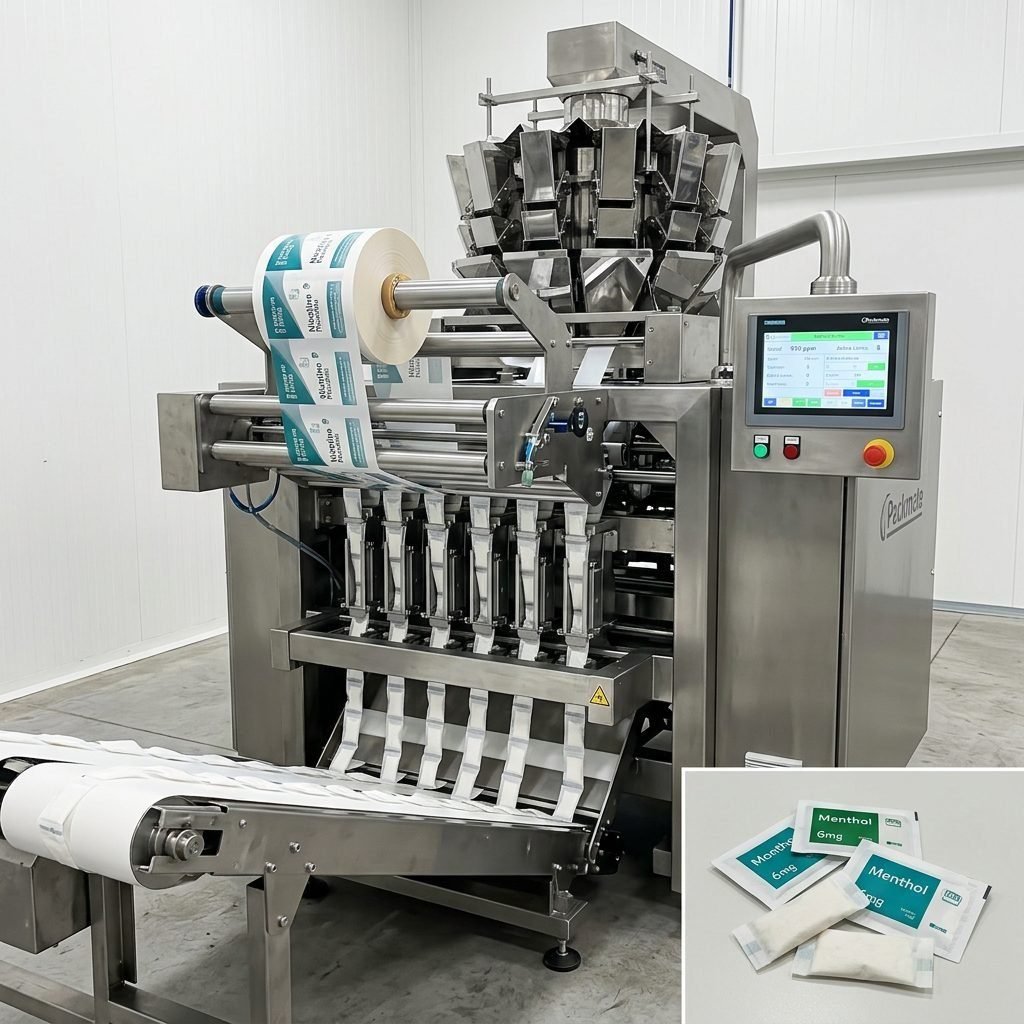
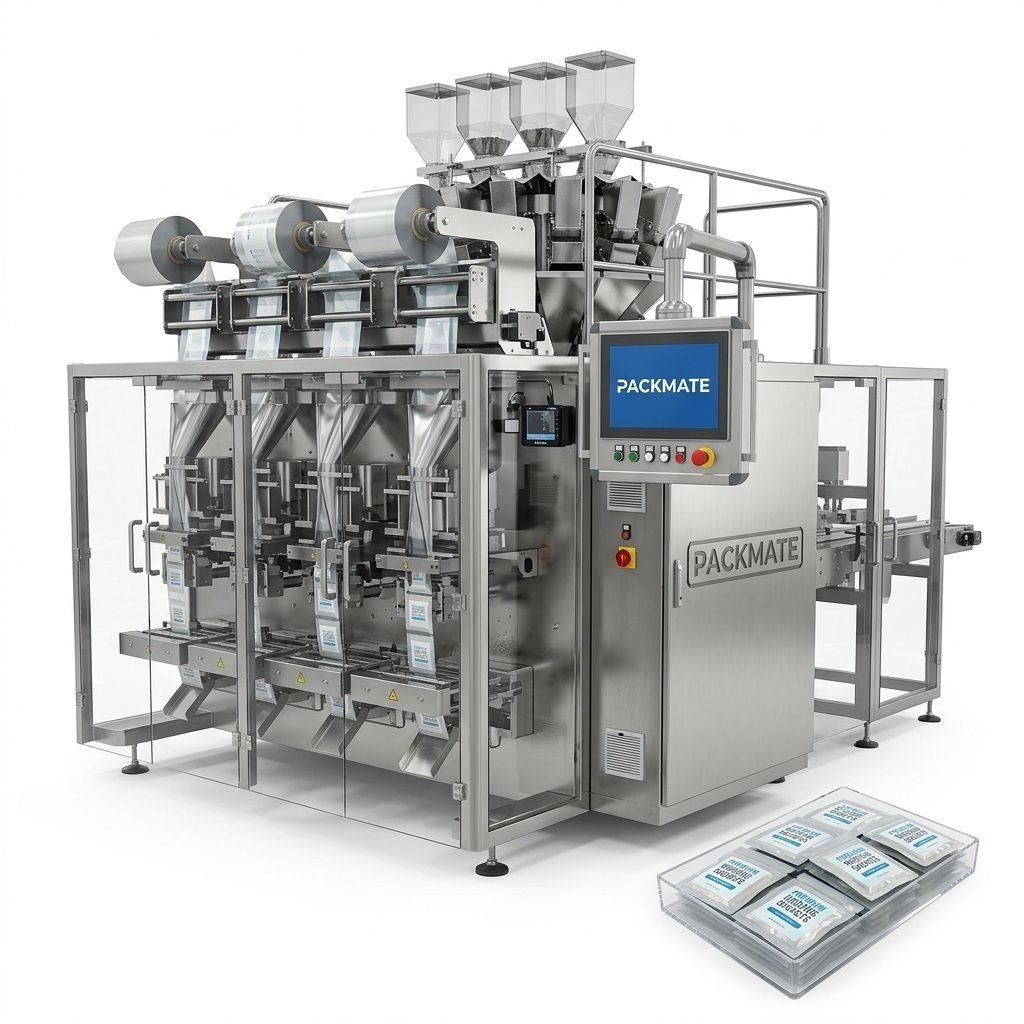
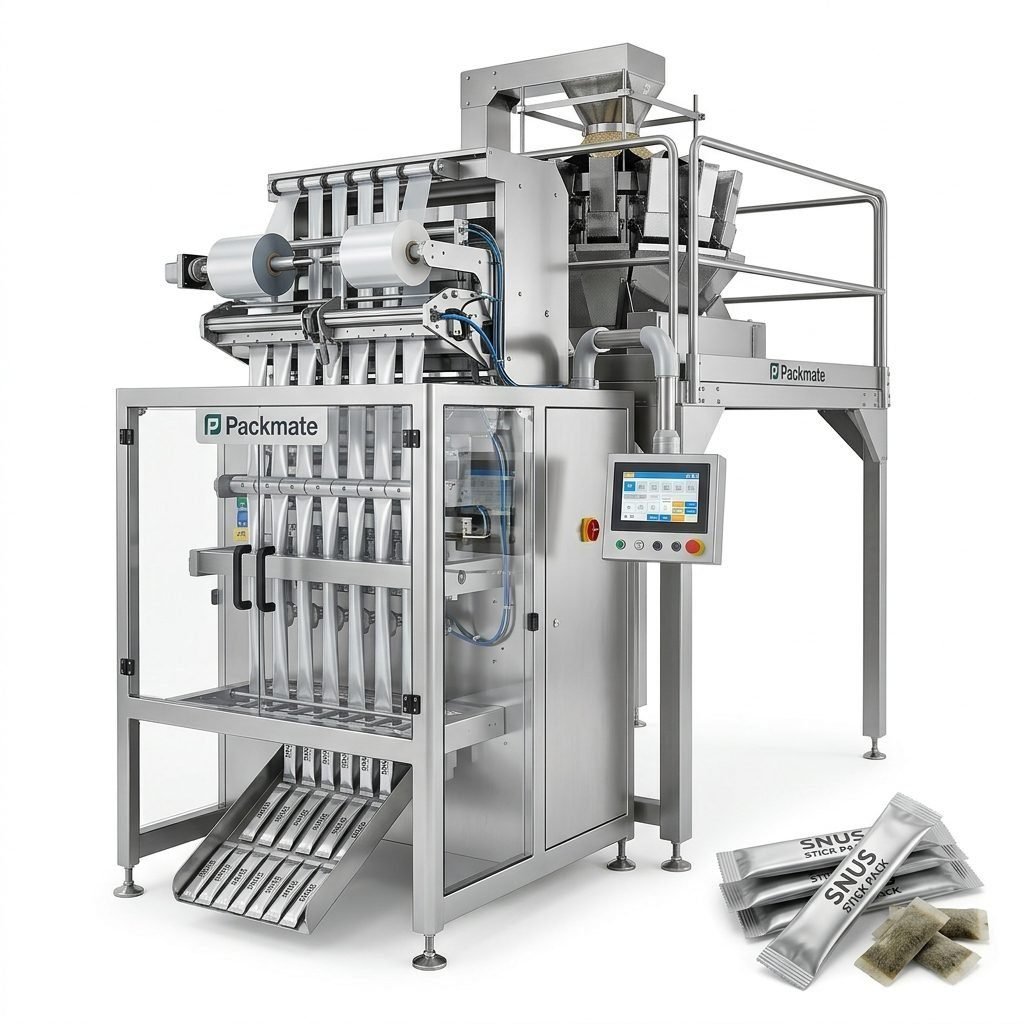
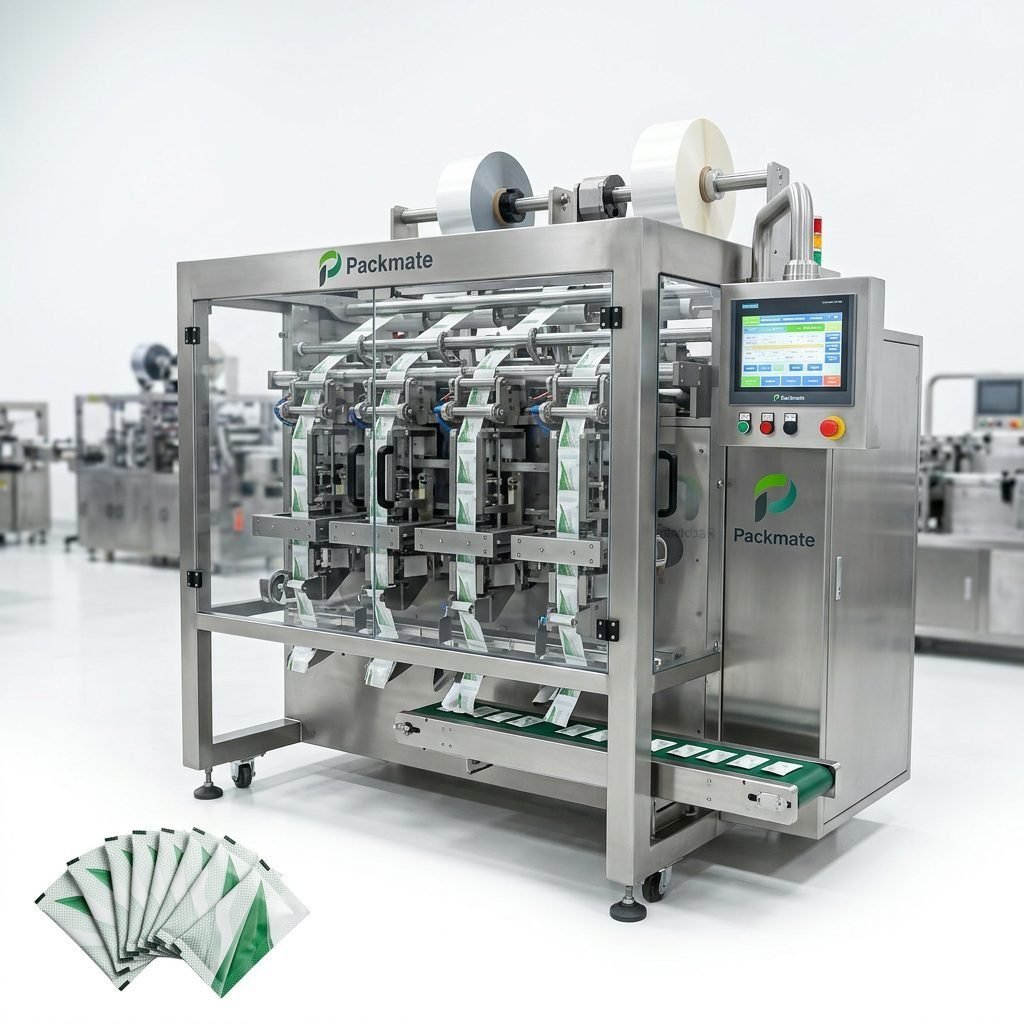
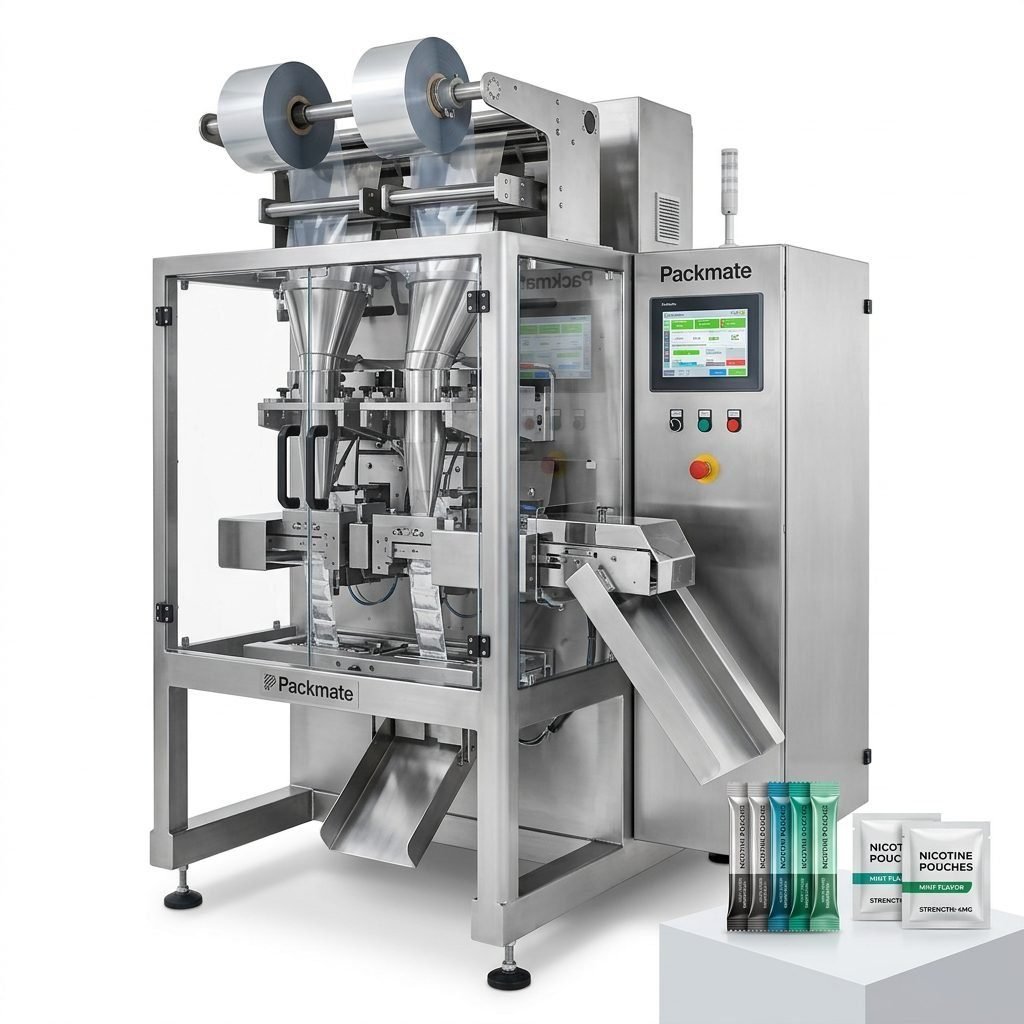
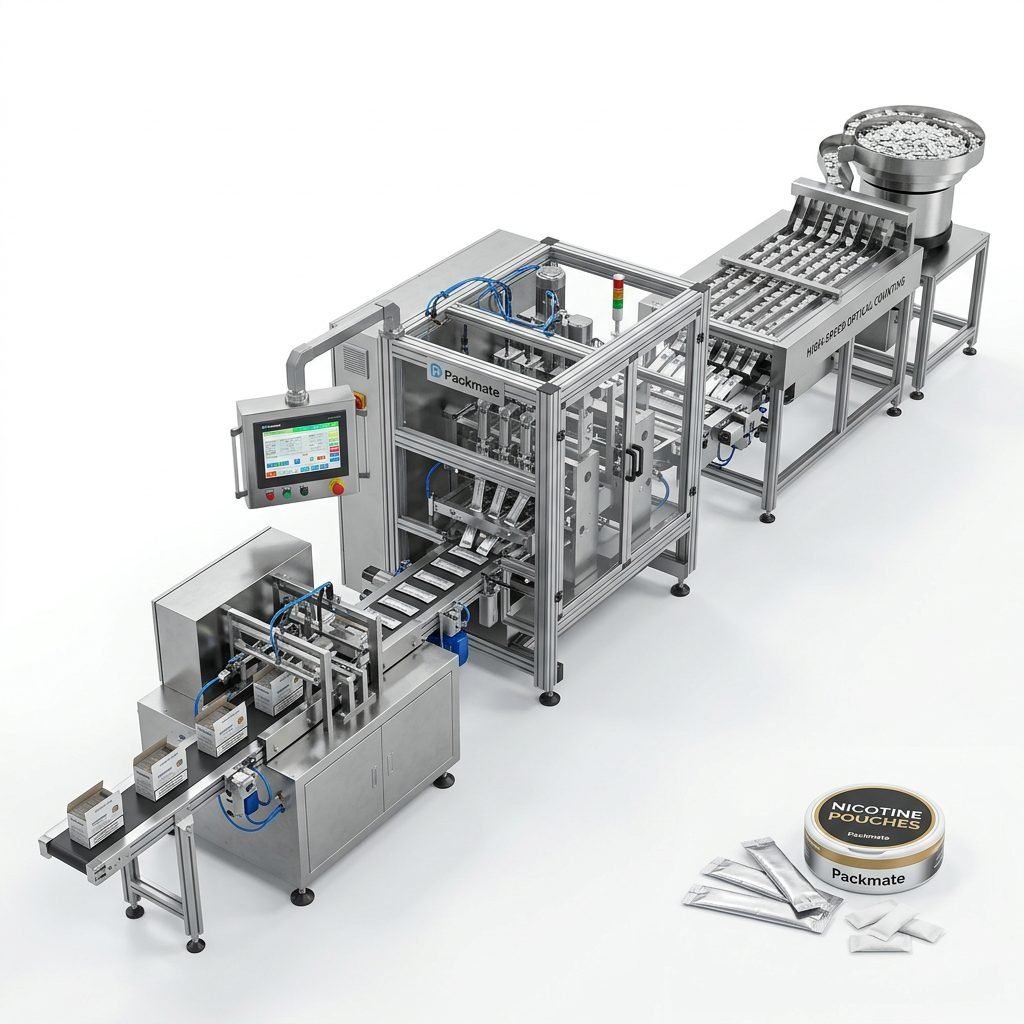
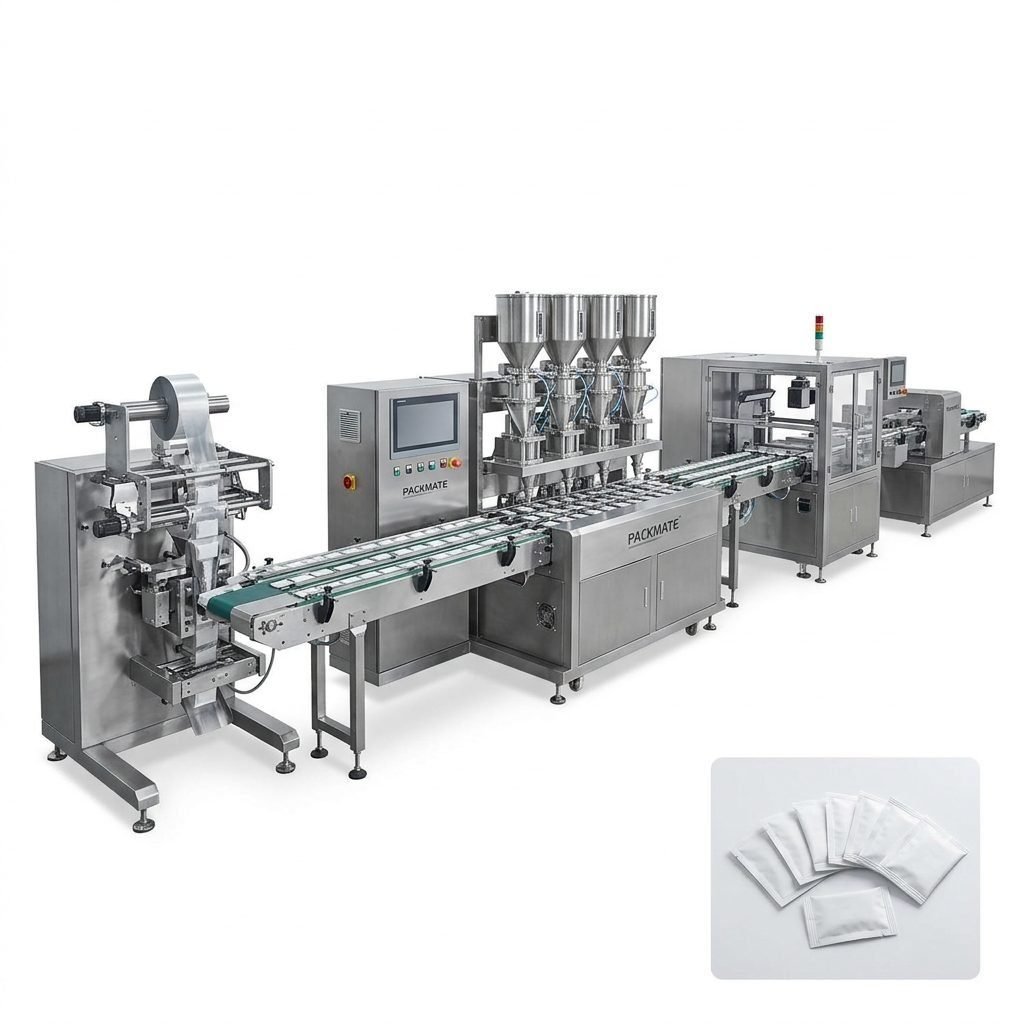
Look for suppliers that provide a range of machines and proven platforms. For example, manufacturers that cover complete lines — from dosing and filling systems to sealing and secondary packing — help ensure compatibility and simplified integration. Explore supplier product pages such as
Snus & Nicotine Packaging Machines
and
Sachet & Stick Pack Machines
to verify technical breadth.
Tip: If a supplier offers only one off-the-shelf model, ask for references where similar products run 24/7. High uptime on pilot lines is a strong indicator of reliability.
Factory strength, quality control and certifications
A supplier’s manufacturing capability correlates with consistency and lead times. Critical indicators include factory area, in-house CNC machining, assembly lines, and QC labs. Insist on documentation like CE and ISO certificates — these are baseline for global markets. For a deeper look at company credentials and history, see the supplier’s
About Packmate
and
Certificate
pages.
Key evaluation questions to ask potential suppliers
Use a consistent questionnaire to compare suppliers objectively. Below are high-impact questions you should not skip.
- What is the machine’s guaranteed uptime and typical MTBF (mean time between failures)? ⚙️ Reliability metrics matter
- Can you provide factory acceptance test (FAT) videos and live machine demos? 🎥 Proof beats promises
- What spare parts are considered wear items and how fast can they be shipped? 📦 Spare parts strategy
- Is the control software open or proprietary, and what remote support options exist? 🔌 Support & connectivity
- Do you provide turnkey integration (weighing, conveying, pouch forming)? See examples under Filling & Packaging Lines.
Service, training and global support network
After-sales service is where many projects fail or succeed. Prioritize suppliers who offer:
- On-site installation and commissioning with clear acceptance criteria
- Operator and maintenance training packages
- Fast-response remote diagnostics and software updates
- Local spare parts warehouses or clear shipping pathways to your region
A supplier that participates in industry exhibitions and publishes case studies is easier to trust. Review their live demonstrations and customer stories, for example via their
Our Exhibition
and
Case
pages.
Spare parts and lifecycle planning
Machines require consumables and wear parts. Ask for a list of recommended spares for the first 12 months and the supplier’s policy on long-term parts availability. A common best practice is to stock critical wear parts in-house for rapid replacement.
Regulatory and regional considerations
Snus and nicotine pouch markets are regulated differently around the world. Regulatory considerations influence packaging (tamper-evidence, labeling windows), material choices, and throughput:
- Europe and the Nordic countries: snus has deep cultural roots in Sweden and Norway. Packaging must align with local market expectations for portion size and presentation.
- United States: nicotine pouches are growing rapidly; FDA and state-level rules may require specific labeling and batch traceability.
- Emerging markets: prioritize machines that handle local materials and can be serviced locally.
Ensure your supplier can adapt machines for local compliance and supply documentation for audits or registration.
Price negotiation and total cost of ownership
When negotiating, focus on lifetime costs: spare parts, maintenance, energy consumption, and expected uptime. Consider payment terms, warranty length, and the supplier’s willingness to include FAT and training in the contract. A lower upfront price without robust support often becomes expensive.
Must-have contract items: Warranty period, spare parts list and lead times, acceptance testing criteria, training scope, and escalation path for emergency support.
Factory acceptance, installation and commissioning
A full Factory Acceptance Test (FAT) minimizes surprises. Ask suppliers to conduct FAT on your product or an equivalent formulation and provide video evidence. During installation, the supplier should validate performance against agreed KPIs and train your team for autonomous operation.
Documentation and traceability
Demanding full documentation (electrical diagrams, PLC code descriptions, parts lists, and maintenance guides) prevents knowledge lock-in. Ensure the supplier delivers manuals in your language or a lingua franca used by your technical staff.
How to verify supplier credibility quickly
Use this practical verification plan:
- Request FAT videos and live demos; verify product running time and changeover speed.
- Check customer references, particularly those in similar markets or using similar products.
- Confirm certifications, factory capabilities, and whether production is internal (not subcontracted).
- Ask for a pilot order or rental period if unsure about long-term commitment.
Quick selection checklist
✓ Product fit: Machine optimized for your pouch format and materials.
✓ Reliability: MTBF data, FAT evidence, and long-term customers.
✓ Service & parts: Local or fast global spare parts delivery and training.
✓ Compliance: Certificates and documentation for your markets.
✓ Total cost: Energy, maintenance, and upgrade pathway considered.
Final selection and onboarding tips
Once you select a supplier, plan onboarding rigorously:
- Write clear acceptance tests with measurable KPIs for yield, speed, and downtime.
- Schedule operator training during commissioning with evaluated performance checks.
- Create a spare parts plan for the first year and negotiate lead times.
- Establish a support SLA and an escalation matrix.
- Request source files for PLC and HMI where possible, and version control for software updates.
Working with a global supplier: cultural and logistical pointers
Global suppliers often bring robust engineering and economies of scale, but plan for:
- Time zone and language differences — set a primary contact and weekly checkpoints.
- Customs and import regulations — request complete packing lists and certificates in advance.
- Local market nuances — for instance, Northern European customers often prefer smaller portion sizes and higher regulatory transparency, while North American markets may require larger-scale throughput planning for rapid growth.
If you need direct consultation about production lines and systems, suppliers often have product pages for auxiliary equipment; view their
Auxiliary Packaging Equipment
for more integration examples and options.
Conclusion
Selecting the best snus packaging machine supplier requires balancing technical fit, manufacturing strength, after-sales support, and regulatory readiness. Prioritize suppliers that provide evidence — FATs, customer cases, and certifications — and who commit to local support and parts availability. A strong supplier becomes a partner in product development and production excellence, not just a vendor of machines.
Next step
When you are ready, request a tailored proposal, a FAT plan on your specific product, and a visit or virtual demo. If you want to contact a proven global supplier directly, see their
Contact Us
page for details.
Common Questions
Q1: How long does delivery and installation typically take for a complete snus packaging line?
A: Delivery and installation depend on customization and shipping, but typical timelines range from 8 to 20 weeks including FAT, shipping, installation, and commissioning.
Q2: What certifications should I request from a supplier?
A: At minimum, request CE and ISO certificates; for food or nicotine handling, check material safety documentation and local regulatory compliance statements.
Q3: Can machines be upgraded for higher speed or more lanes later?
A: Many modern machines are modular and can be upgraded. Confirm upgrade pathways and costs during negotiation.
Q4: What support is typical after installation?
A: Typical support includes a warranty period, remote diagnostics, spare parts supply, and optional annual maintenance contracts.
Q5: How can I verify a supplier’s on-going reliability before purchase?
A: Request FAT videos, visit their factory if possible, check customer references, and review published case studies and exhibition participation.