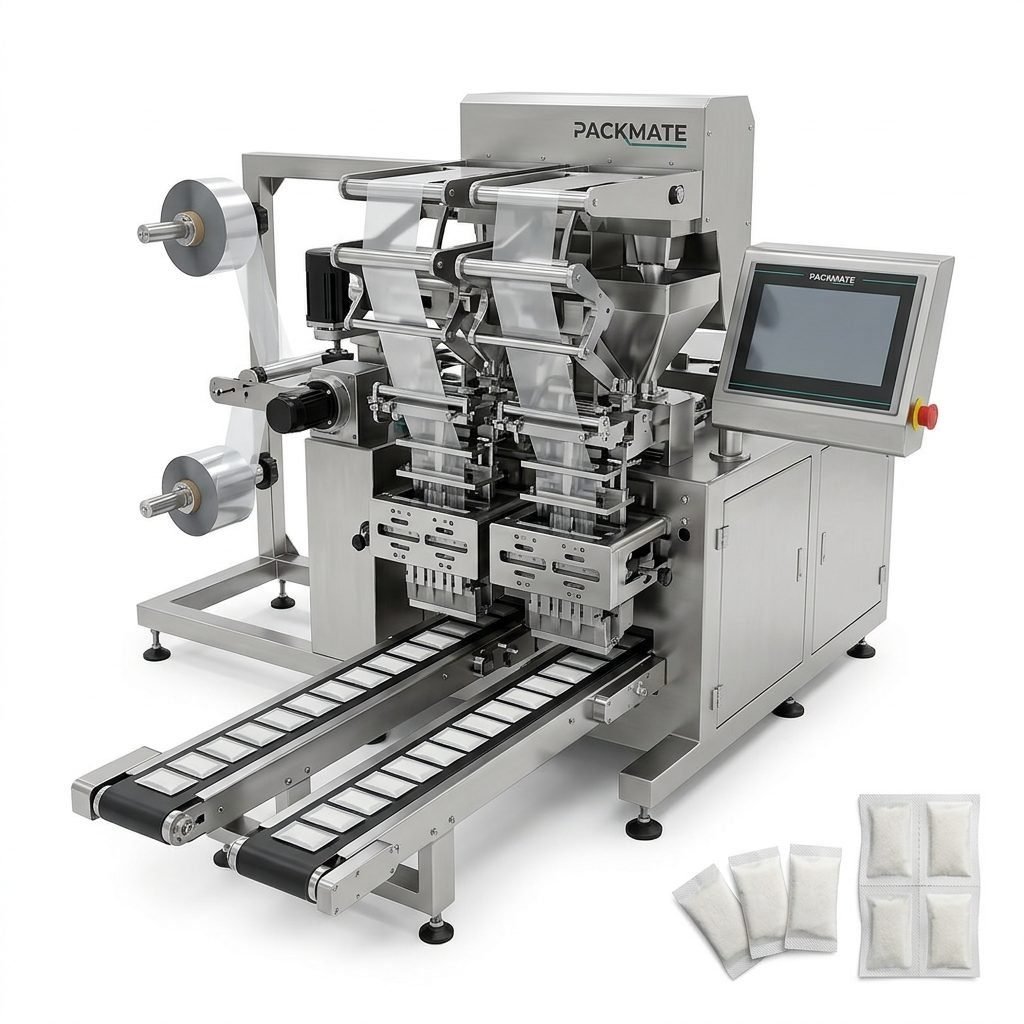
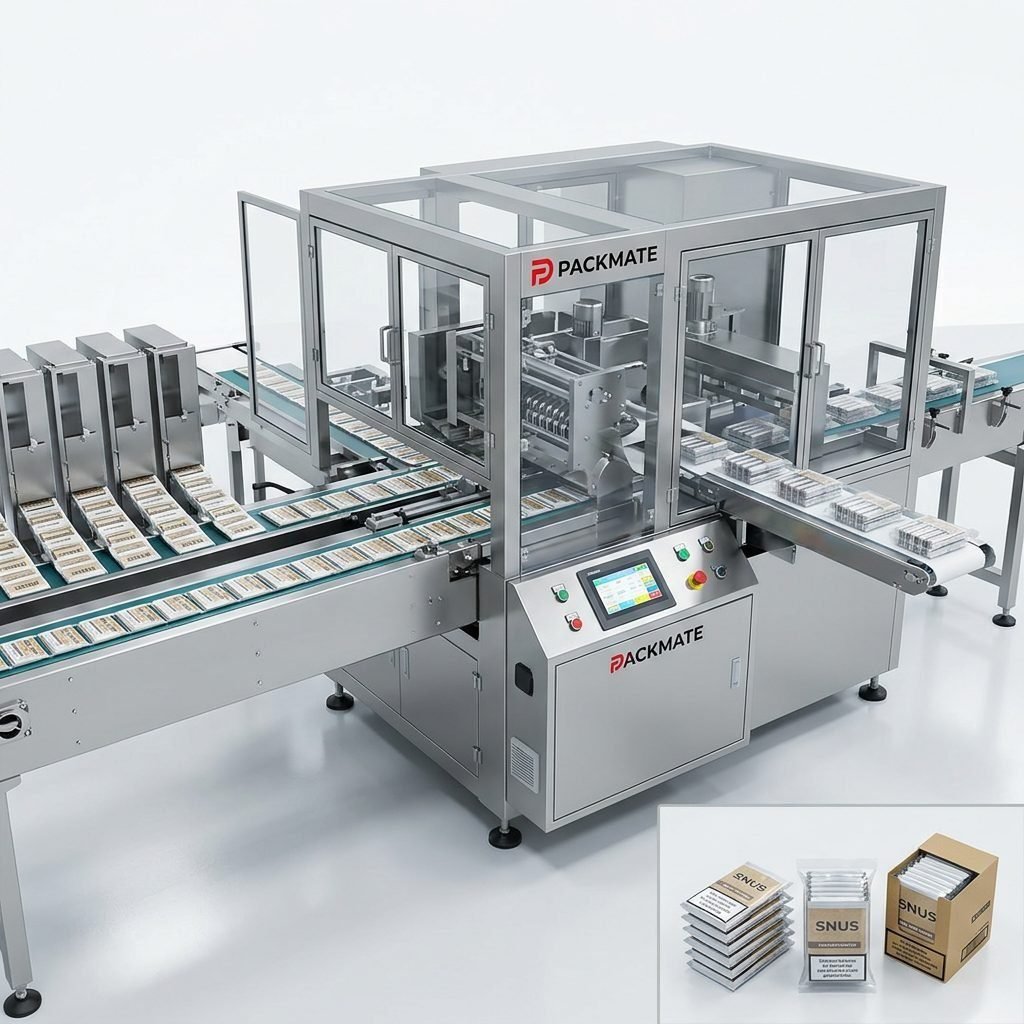
Choosing the right snus packaging machine for a small island market like Tuvalu requires a practical mix of technical understanding, supply-chain planning, and local compliance. This guide walks you through the key factors to evaluate—machine types, production capacity, regulatory issues, installation and after-sales service—so you can make a confident purchasing decision that fits your product, budget, and long-term growth plans.
Understand the Product and Packaging Formats First
Start by documenting your snus or nicotine pouch product specs: weight per pouch, moisture content, particle size (powder, granules), desired pouch type (sachet, stick, multi-lane small-dose pouches), and outer packaging (box, wrap, display). These details determine the machine families you should consider.
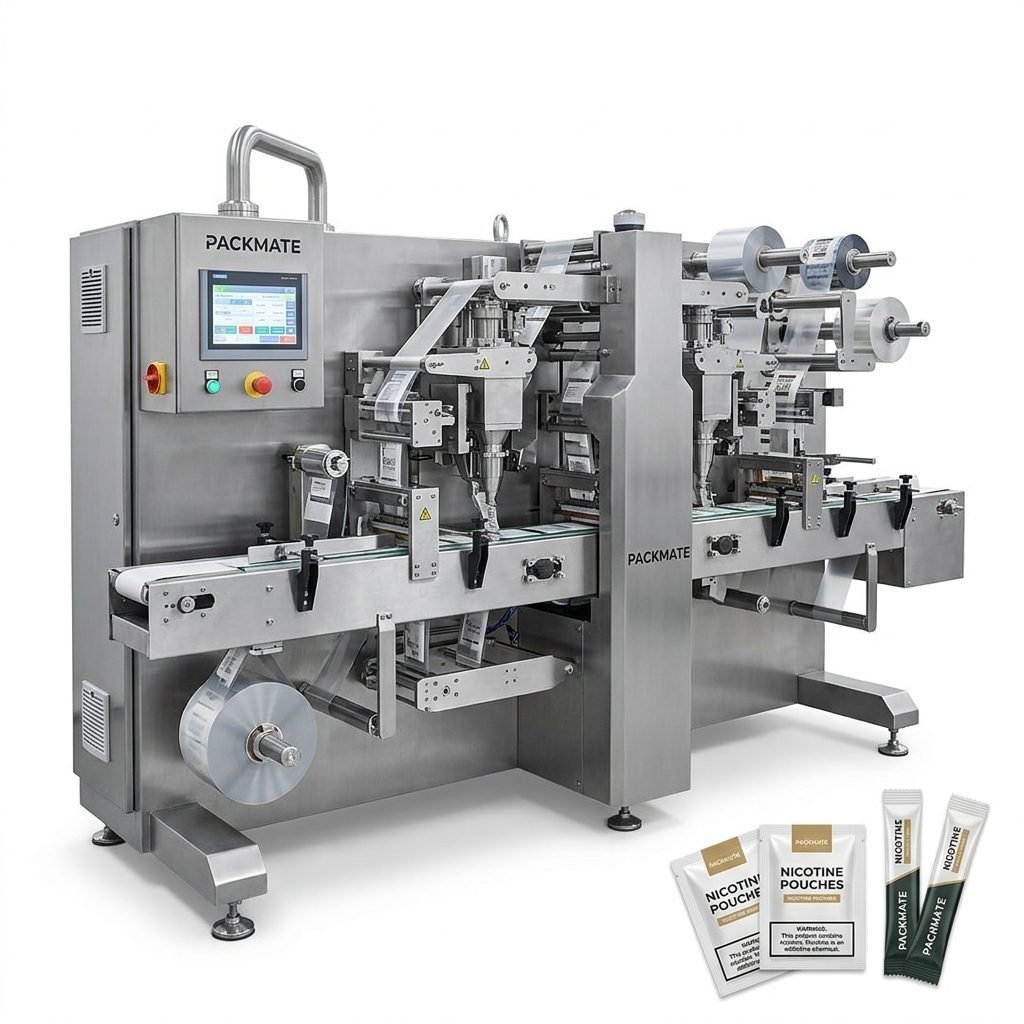
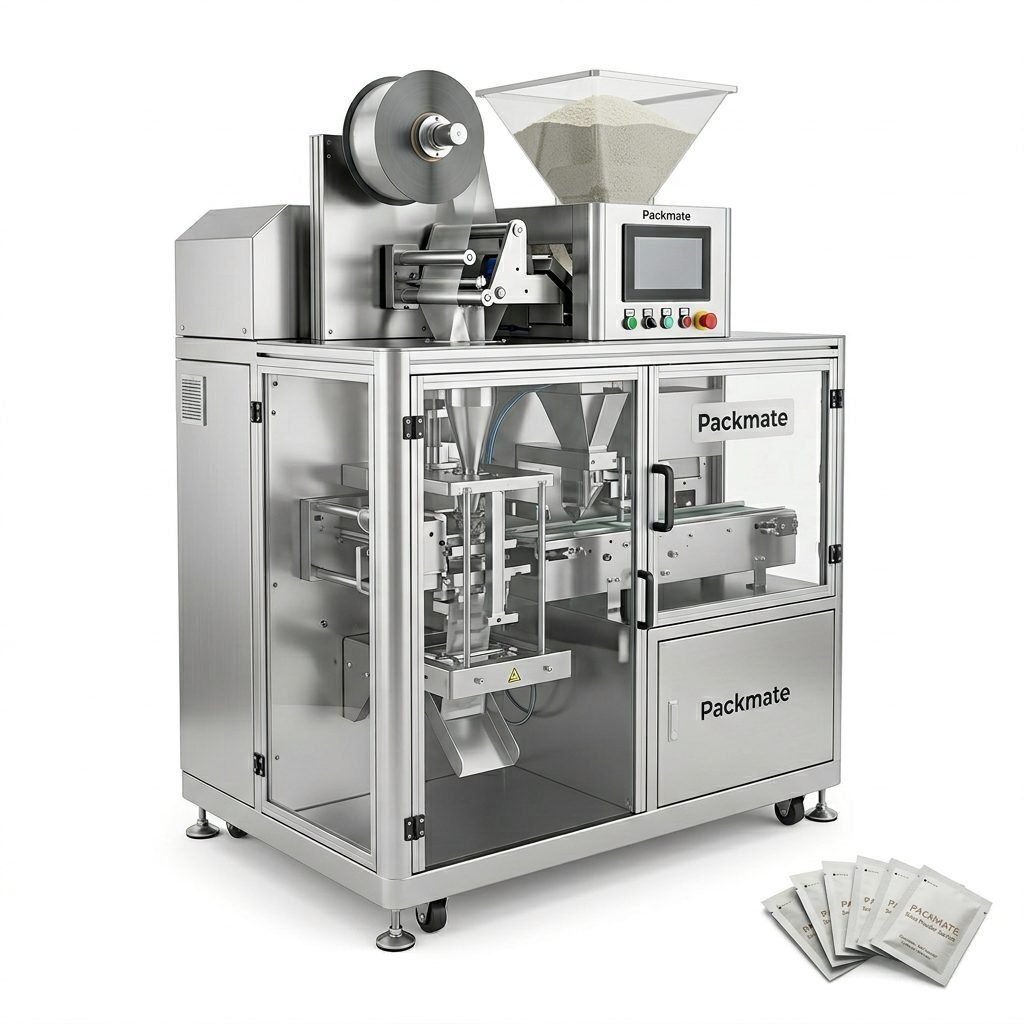
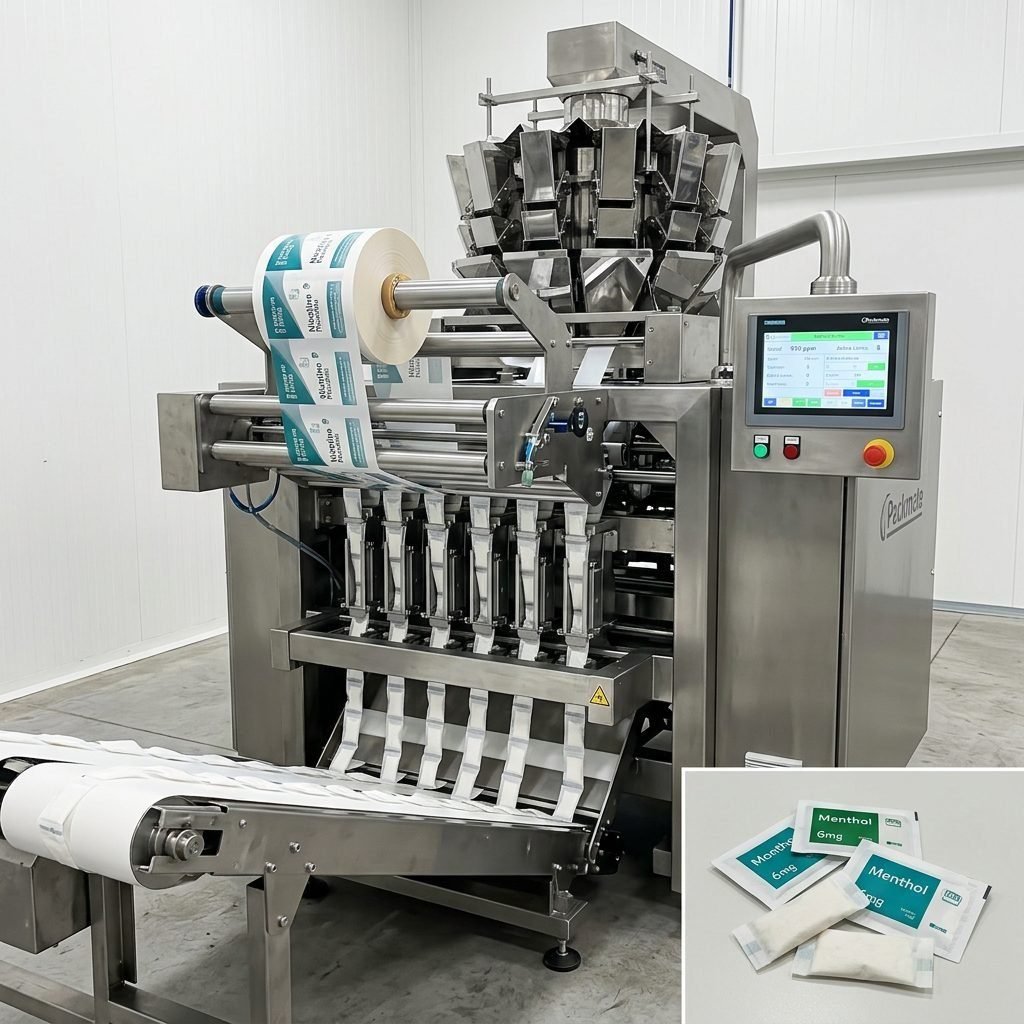
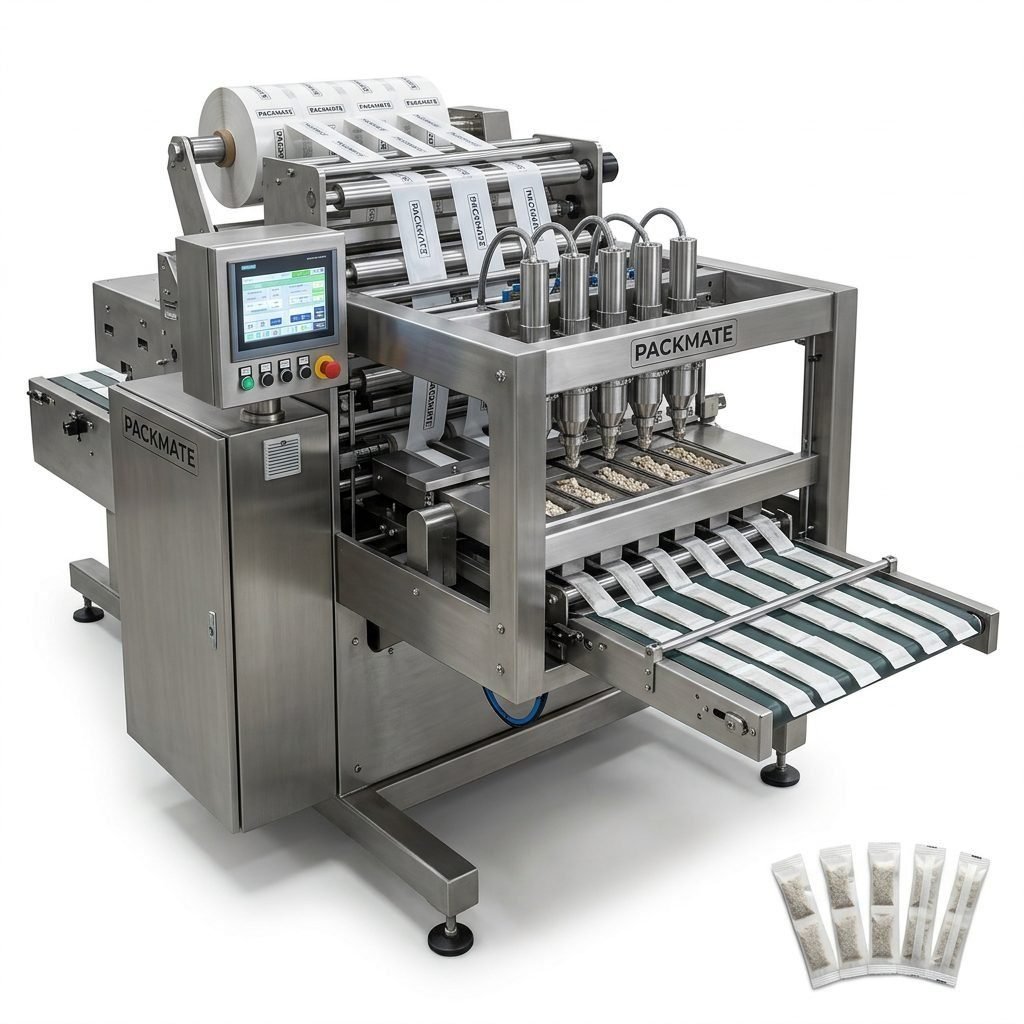
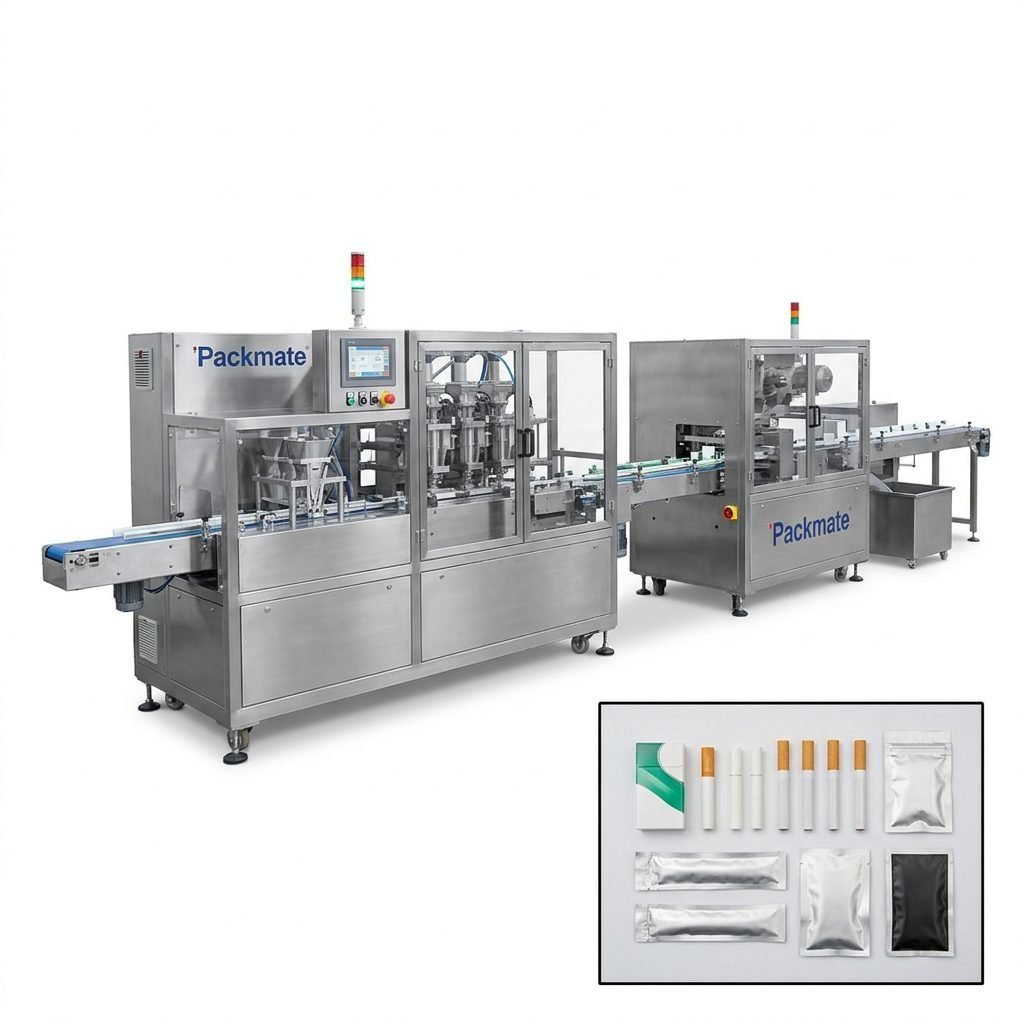
Common machine families used in snus production include continuous stick pack machines, sachet machines, and multi-lane snus pouch lines. For an overview of available equipment and machine configurations, review product categories like
Snus & Nicotine Packaging Machines and
Sachet & Stick Pack Machines.
Why format matters
Different formats require different dosing, sealing, and film handling subsystems. For example, multi-lane small-dose pouch lines prioritize precision dosing and synchronized lanes, while stick packs emphasize fast film transport and vertical sealing. Choosing the right format avoids costly retrofits later.
🔍 Quick checklist: target pouch weight, maximum bag dimensions, film type (laminate/foil), and production speed target (bags/minute).
Capacity, Speed and Scalability
Determine your current daily/weekly production needs and plan for 2–3 years of growth. A machine that meets immediate needs but can scale (e.g., by adding lanes or modules) is often more cost-effective than buying a new line later. Consider whether a single high-speed lane or a multi-lane arrangement will deliver the required throughput within your footprint.
Factor in changeover time between SKUs—if you produce multiple flavors or weights, faster changeovers reduce downtime and improve overall equipment effectiveness (OEE). Ask suppliers for OEE references and real-world cycle data.
Capacity considerations for Tuvalu
Tuvalu presents unique logistics and market-size considerations: local demand may be limited, but export potential to nearby markets could justify higher-capacity equipment. Ensure your supplier can advise on right-sizing the line for local electricity, humidity, and storage constraints.
⚙️ Pro tip: choose modular lines that allow adding lanes or a second dosing head without replacing the entire machine.
Accuracy, Dosing and Weighing Systems
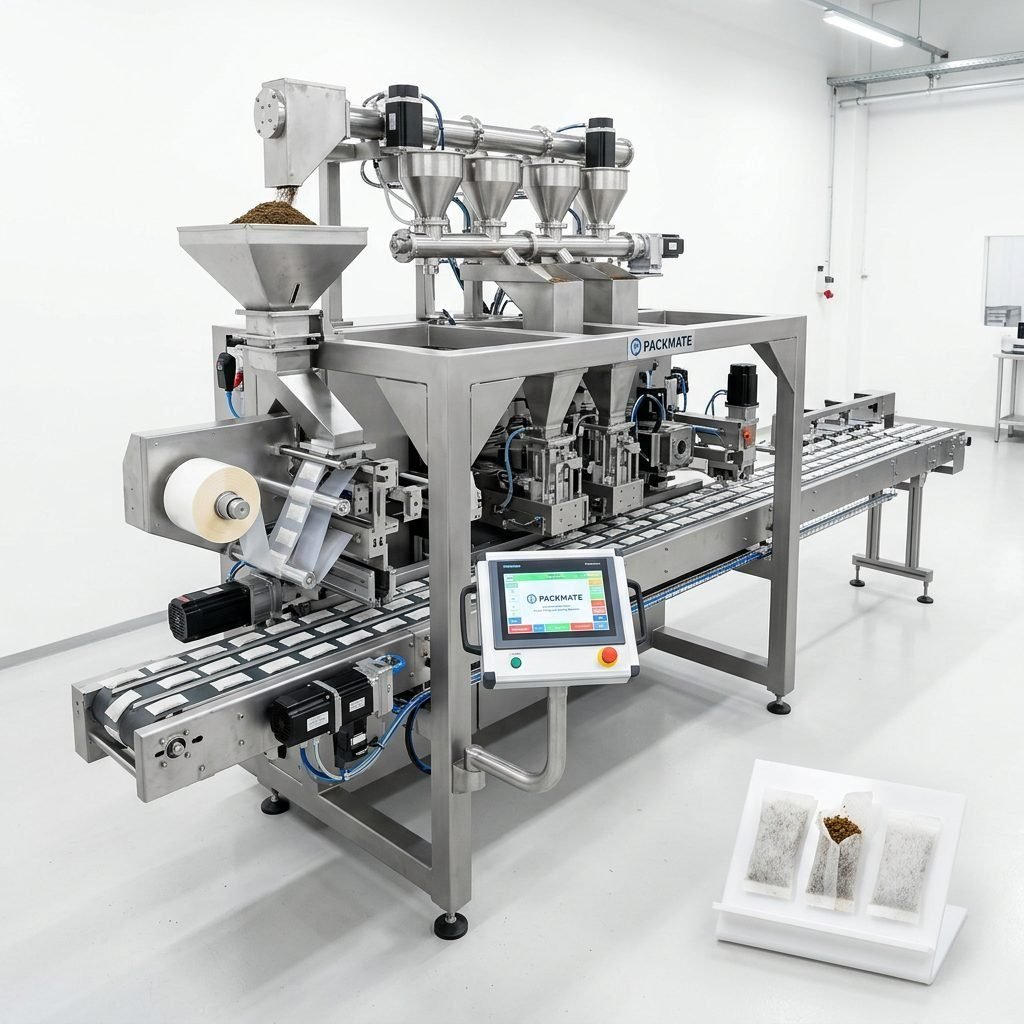
Product consistency is critical for nicotine pouches. Evaluate the dosing and weighing systems: volumetric augers, electronic weighers, or multi-head weighers for granules/powders. Higher-precision systems reduce product giveaway and regulatory risk.
If your product requires strict weight tolerance, request machine test reports or sample runs. Suppliers with integrated weighing & packaging expertise can deliver better accuracy—see offerings under
Weighing & Packaging Systems.
Materials, Film and Sealing Technology
The sealing system must be compatible with your selected film laminate. Whether heat-seal or ultrasonic sealing is used depends on material composition and shelf-life needs. Discuss barrier properties, oxygen/moisture ingress, and any secondary features such as resealable zippers or tear-notches.
Test runs with your actual film are essential. A capable supplier will offer sample testing and machine parameter tuning before shipment.
✅ Must-have: supplier-provided sealing parameter sheets and film compatibility documentation.
Automation Level and Ease of Use
Decide on the degree of automation you need: semi-automatic machines reduce initial cost but require more manual labor; full-automatic lines lower labor needs and increase consistency. Consider HMI usability, recipe storage, PLC control compatibility, and remote diagnostics for faster troubleshooting.
Ask about operator training programs and availability of local technicians. For remote locations like Tuvalu, remote support, video guides, and well-documented manuals are invaluable.
Human factors
Insist on machines with intuitive HMIs and accessible maintenance points. Quick-release parts, tool-free adjustments, and clear SOPs reduce downtime.
Quality, Certifications and Supplier Credibility
Verify supplier credentials: CE and ISO certifications are important for international compliance. Examine factory capabilities—CNC machining, assembly lines, and quality testing systems—which directly affect machine precision and longevity. Packmate Snus Machine highlights manufacturing strength and compliance; learn more on their
About Packmate page.
Request references, case studies, and exhibition participation. Suppliers who demonstrate machines at trade shows often provide live proof of performance—see their
Our Exhibition listings.
📁 Documentation to request: CE/ISO certificates, factory photos, FAT reports, machine inspection checklists, and performance videos.
After-sales Service, Spare Parts and Local Support
For remote markets, robust after-sales service is critical. Check spare-part availability, lead times for shipment to Tuvalu, and whether the supplier offers local partners or authorized service technicians. Confirm warranty terms and options for preventative maintenance contracts.
Consider suppliers that provide training, documented maintenance schedules, and an online spare parts portal to expedite ordering.
Logistics, Installation and Local Conditions
Account for shipping to Tuvalu—including ocean freight schedules, customs clearance, and on-site handling. Machines often ship in crates and may require crane or fork-lift access at the port. Ensure your site has the correct power supply, stable voltage, and controlled humidity for sensitive electronic components and film storage.
Plan for installation: does the supplier include on-site commissioning and operator training? Remote commissioning via video can be a backup where travel is limited.
✈️ Shipping tip: consolidate parts into as few crates as possible to reduce import customs processing and freight costs.
Total Cost of Ownership & Return on Investment
Beyond purchase price, calculate installation costs, spare parts, consumables (film, adhesives), operator wages, maintenance, and expected product giveaway. Faster, more accurate machines often pay back through lower labor and material waste.
Ask suppliers for a simple ROI model based on your production rate, product margin, and expected uptime.
Testing, FAT and Sample Runs
Before shipment, conduct a Factory Acceptance Test (FAT). Request sample runs using your product and film. A reliable supplier will provide video documentation, test reports, and allow third-party inspection if required.
If possible, visit the factory to see machines in operation—this reveals build quality and manufacturing practices. Packmate’s factory capabilities (20,000㎡, CNC machining, precision assembly) reflect the kind of infrastructure to look for in a supplier.
FAT checklist
Include functional tests, speed validation, sealing integrity checks, dosing accuracy reports, and HMI recipe creation during FAT. Insist on recorded evidence for each test.
Optional Auxiliary Equipment and Integration
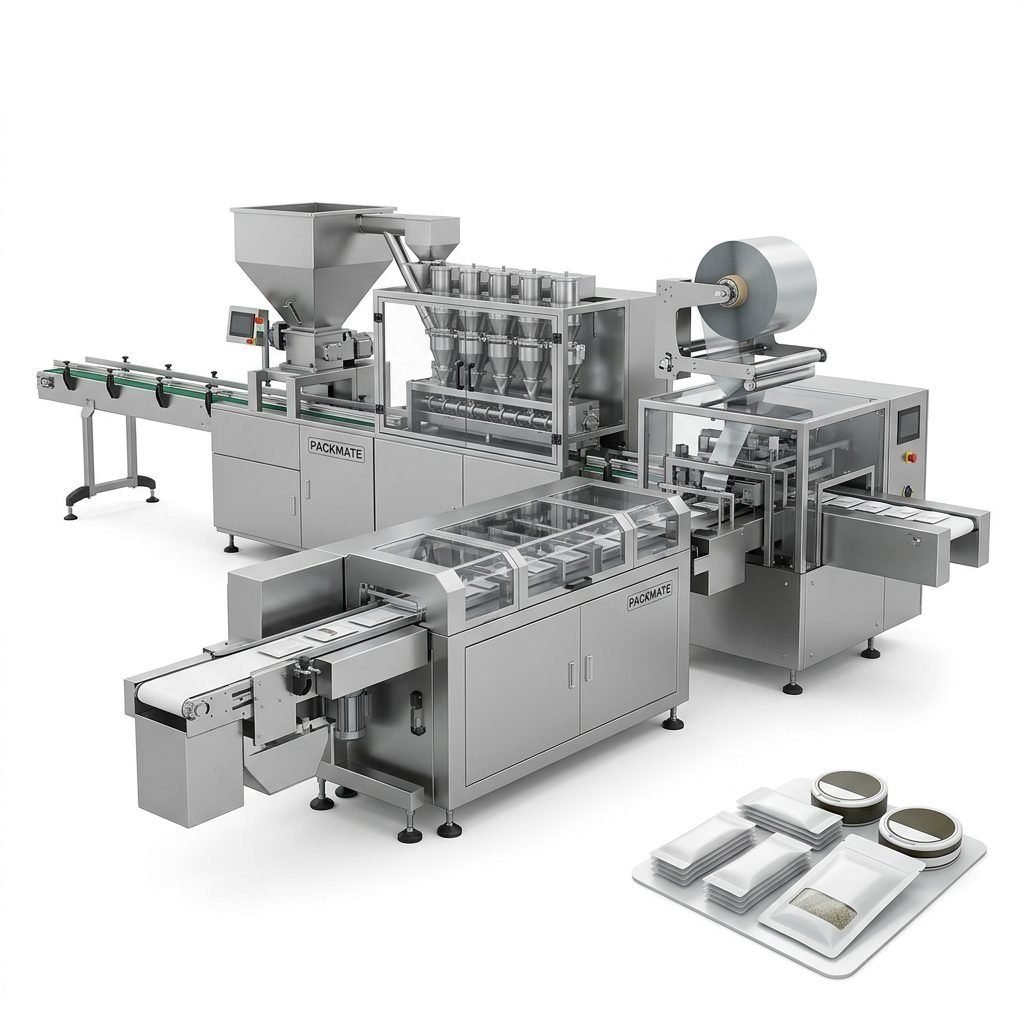
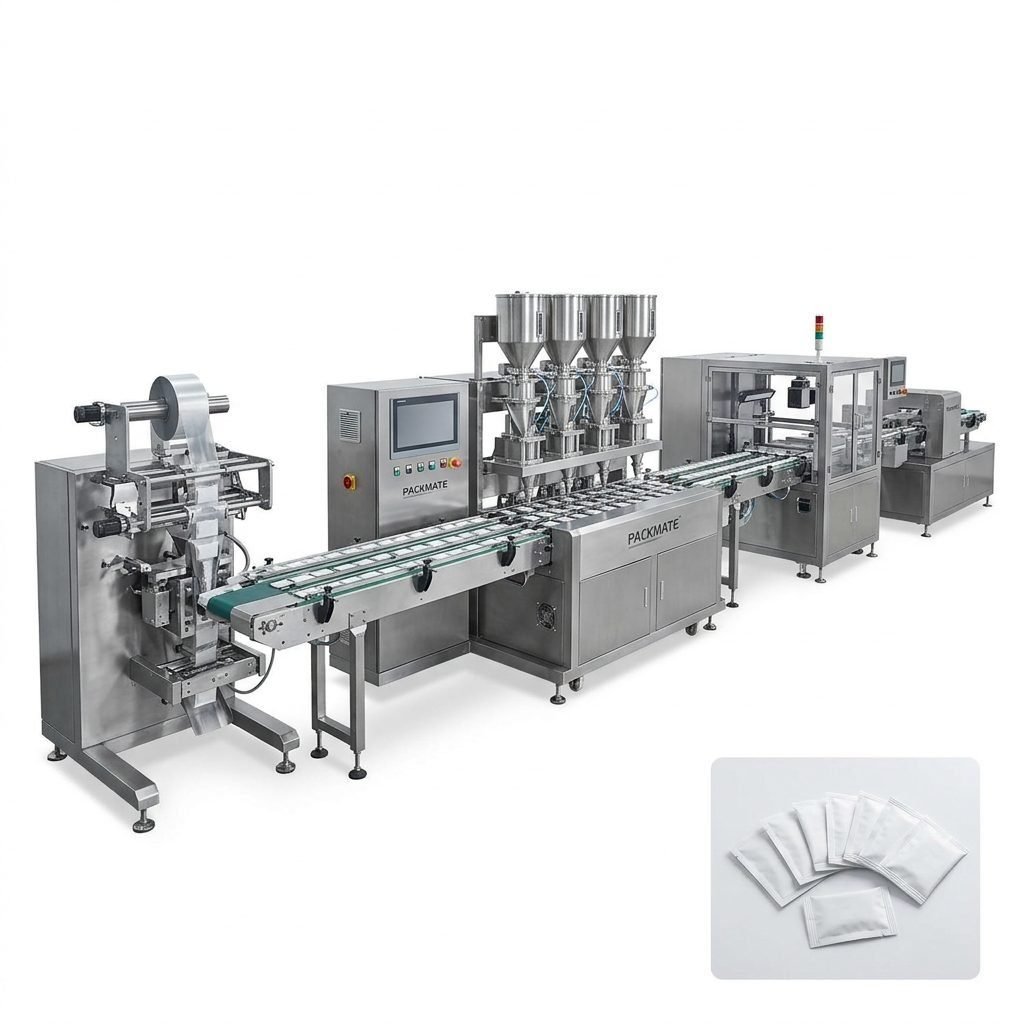
Consider upstream and downstream equipment: feeders, vibratory dosing, metal detectors, checkweighers, and cartoning machines. Integration reduces manual handling and improves traceability. Explore complementary solutions in suppliers’ auxiliary product lines like
Auxiliary Packaging Equipment.
🔗 Integration tip: standardize communication protocols (e.g., Ethernet/IP, Modbus) to simplify future automation upgrades.
Negotiation, Lead Times and Payment Terms
Negotiate clear delivery milestones, FAT timelines, partial payments linked to milestones, and spare parts kits. Confirm expected lead times and shipping windows to Tuvalu—these can be significant for specialized equipment.
Consider requesting a small spare-parts package with the initial order to avoid extended downtime if components wear out or are damaged during transit.
Why choose an experienced manufacturer
Manufacturers with decades of experience and a broad product range can offer tailored turnkey solutions that match your goals. Review manufacturer case studies and global cooperation examples—reliable vendors will have repeat customers worldwide and documented success across markets.
If you want to explore complete packaging lines and turnkey designs, suppliers often list case references and catalogs—see their
Case pages and
Catalog.
🏭 Factory strength matters: look for factories with CNC machining, precision assembly lines, and rigorous QC processes to ensure consistent machine performance.
Practical Buying Checklist
Use this checklist during supplier evaluation:
● Product format compatibility and sample testing
● Dosing accuracy and weighing reports
● FAT documentation and machine videos
● CE/ISO certifications and factory audit information
● Spare parts lead times and local support options
● Clear warranty terms and maintenance agreements
Next Steps: How to Engage a Supplier
1) Prepare a Request for Quotation (RFQ) with your product specs, target speed, and expected daily throughput. 2) Ask for a Bill of Materials, FAT plan, and reference customers. 3) Schedule sample runs or request machine videos. 4) Verify shipping and installation plans to Tuvalu, including local power and handling requirements.
If you need direct contact, use the supplier’s official channel on their
Contact Us page to request quotations, FAT booking, and spare parts kits.
📞 Action item: prepare 3–5 key SKUs and request sample packaging runs to be performed during FAT—this is the single most effective way to validate a machine.
Conclusion
Selecting the right snus packaging machine for Tuvalu hinges on aligning product specifications with machine capabilities, ensuring supplier credibility, planning for logistics and local support, and validating performance through FAT and sample runs. By following the technical and commercial checkpoints in this guide, you can reduce risk, optimize TCO, and build a production line that supports your market strategy.
Frequently Asked Questions
Q1: What machine type is best for small-dose multi-pouch snus production?
A1: Multi-lane snus pouch machines designed for small-dose pouches are typically best. They provide synchronized dosing across lanes and high throughput for small units. Request sample runs to confirm dosing accuracy and lane synchronization.
Q2: How important is FAT and can it be done remotely?
A2: FAT is critical. It verifies machine performance with your product and film. While remote FAT (video-based) is possible, in-person FAT or third-party inspection provides the highest assurance.
Q3: What spare parts should I order with my first shipment?
A3: Order consumables and wear parts such as sealing jaws, belts, knives, bearings, sensors, and an electrical spares kit. Discuss recommended quantities with your supplier based on expected runtime.
Q4: Can packaging machines be adapted for different pouch sizes?
A4: Yes—many machines are modular and support quick changeovers with dedicated tooling kits. Verify the supplier’s changeover time and request a tooling kit for each SKU.
Q5: Where can I find more product details and support documentation?
A5: Visit supplier product pages and documentation hubs like their product categories and FAQ pages for technical specs, case studies, and support resources. For example, explore product families and service resources on the manufacturer’s site to learn more.