Choosing the right nicotine packaging machinery supplier for a factory in Benin requires more than comparing prices. You must evaluate technical capability, after-sales support, regulatory knowledge, and logistics tailored to Benin’s market and operating environment. The guidance below walks you through a practical, factory-focused selection process so you can secure stable production, minimize downtime, and scale with confidence.
1. Define your factory’s production profile and priorities
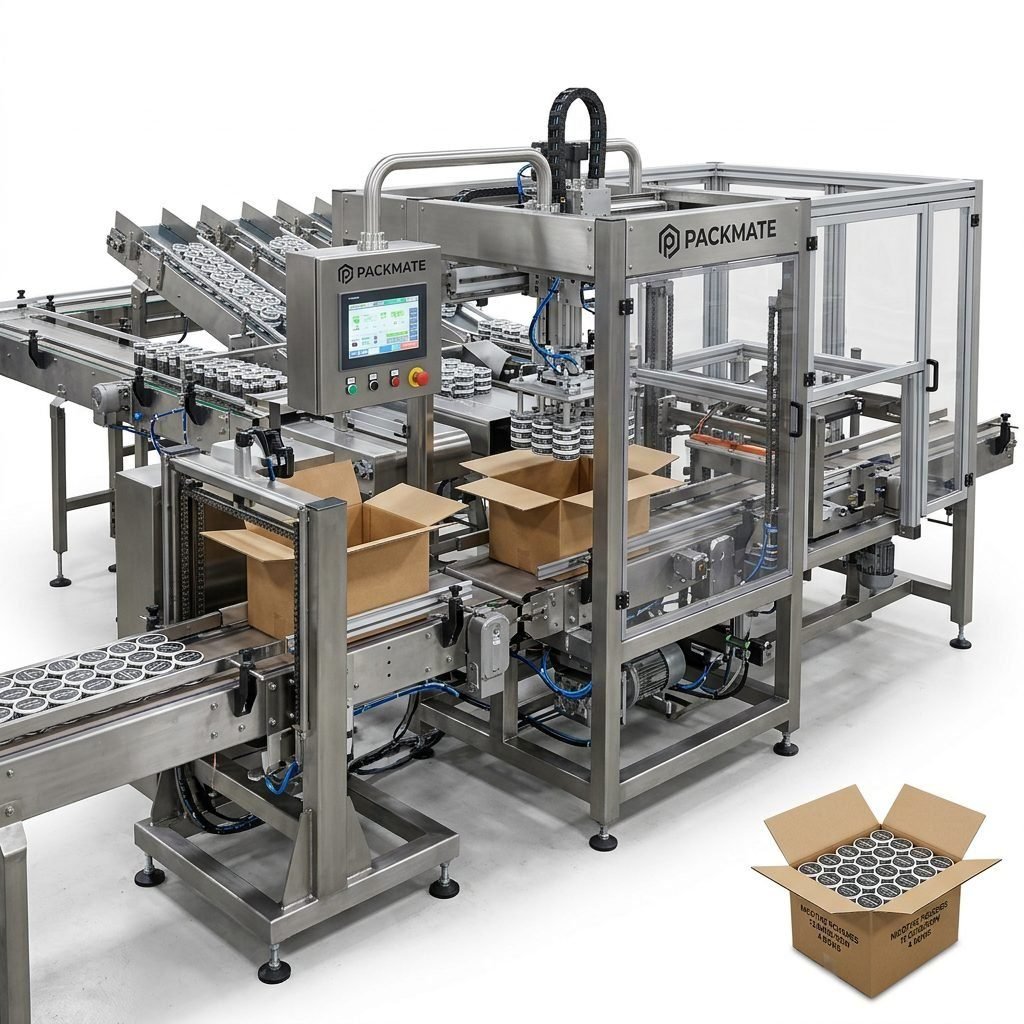
Start with a clear summary of what your production line needs: daily output targets, pouch formats (single-lane or multi-lane), nicotine pouch weight range, material types (foil, barrier films), and any secondary packaging (cartons, trays). Include future growth plans so your supplier can propose scalable solutions.
Checklist: production inputs to document
• Target daily/shift output
• Product format(s) and weight tolerance
• Packaging film/material specifications
• Required hygiene and cleaning regimes
• Available factory power and space constraints
2. Evaluate supplier experience and proven models
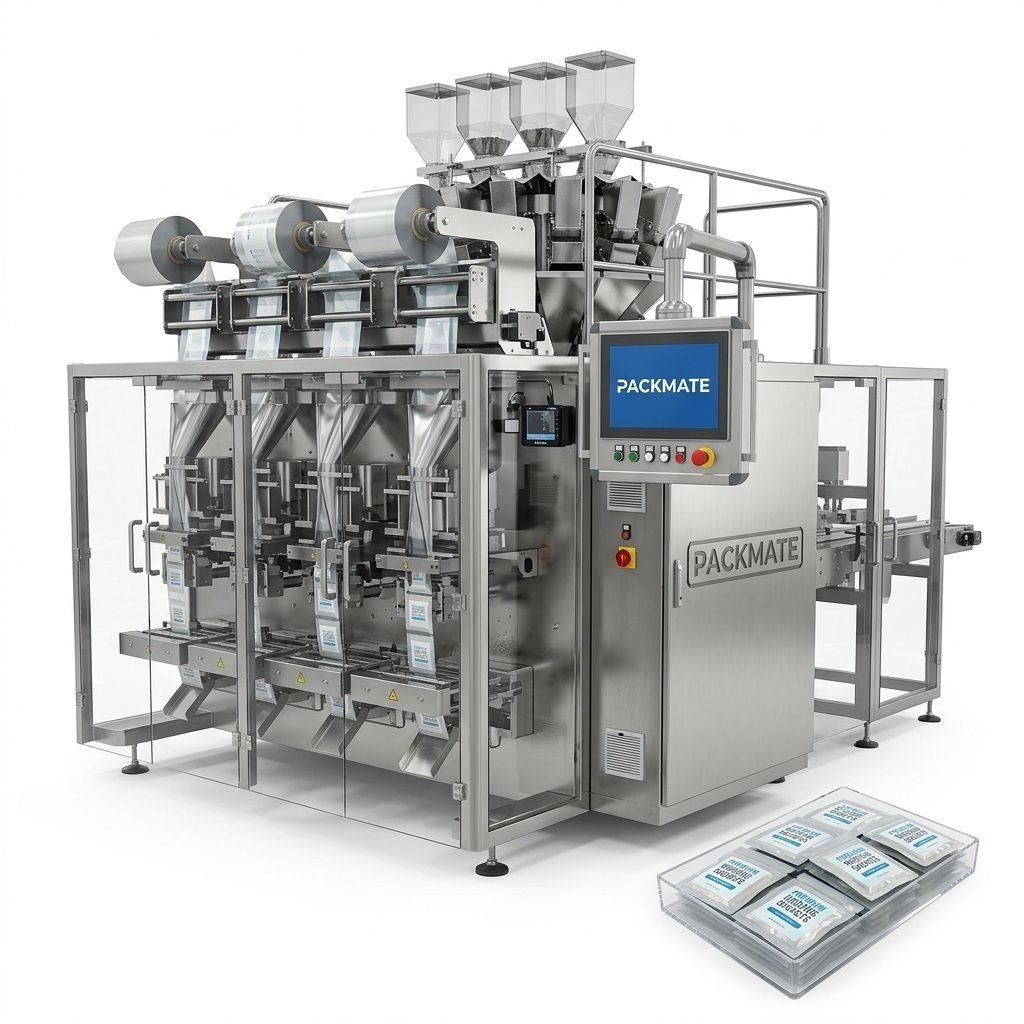
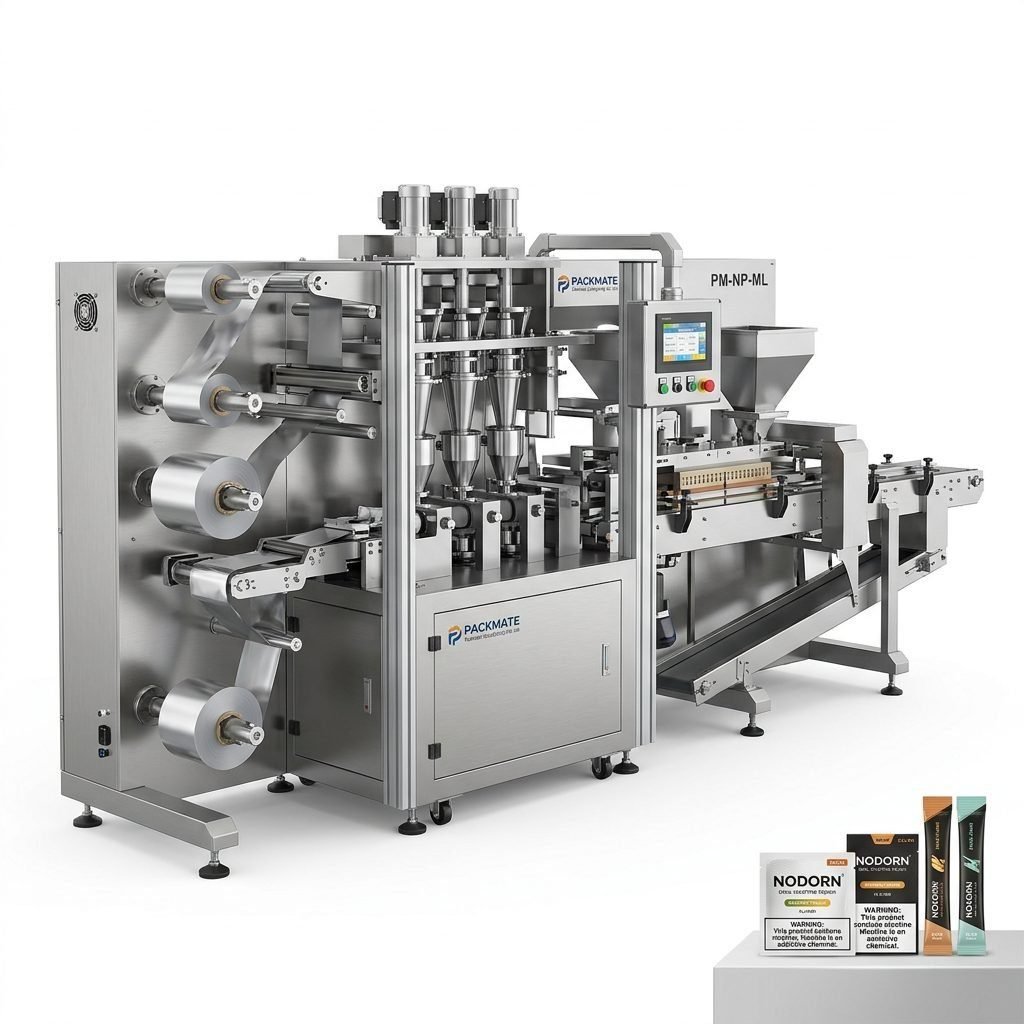
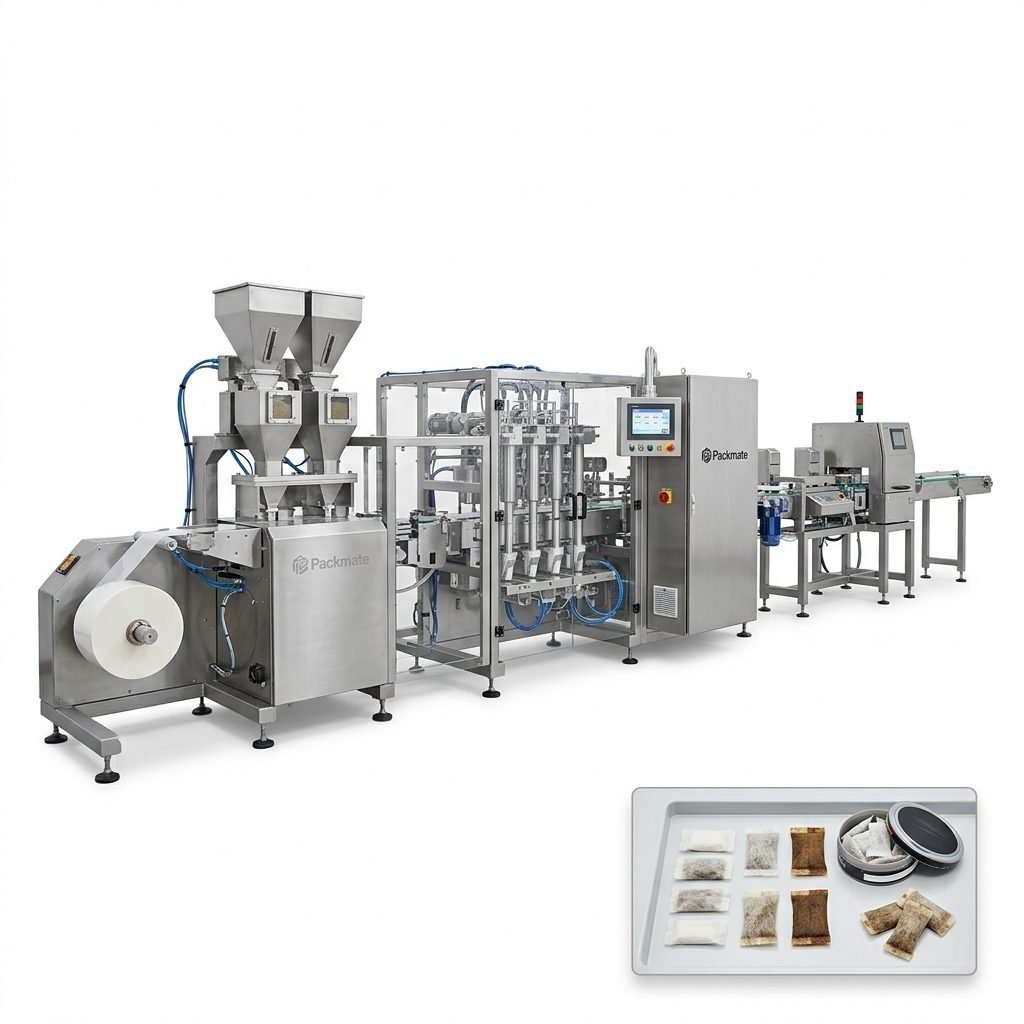
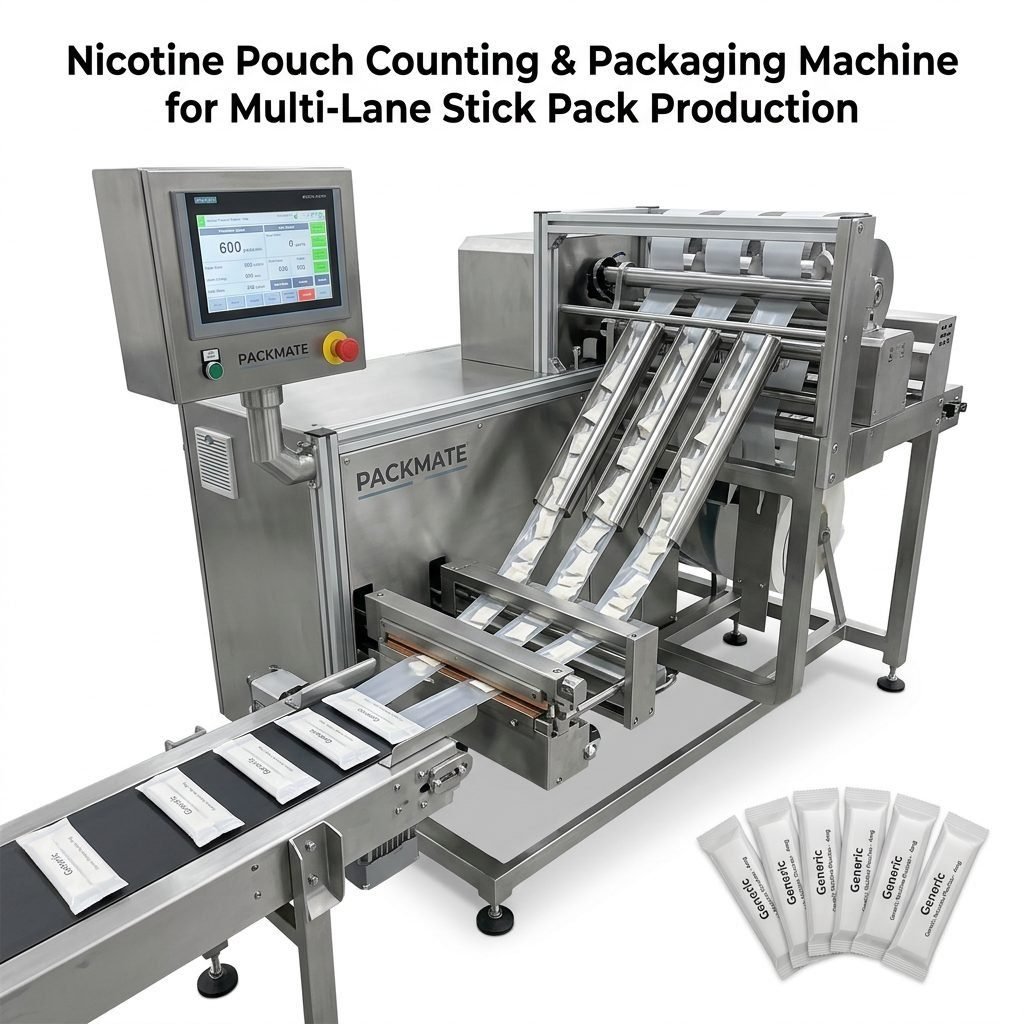
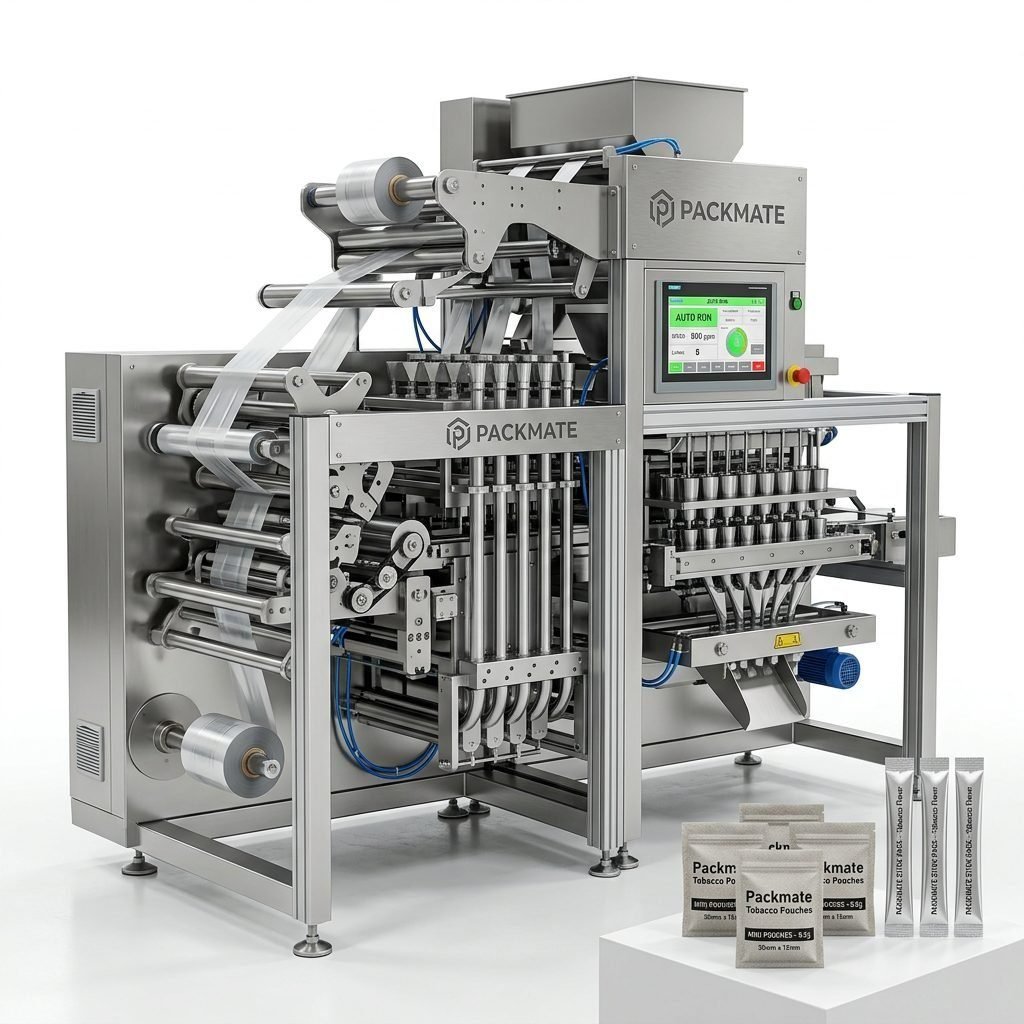
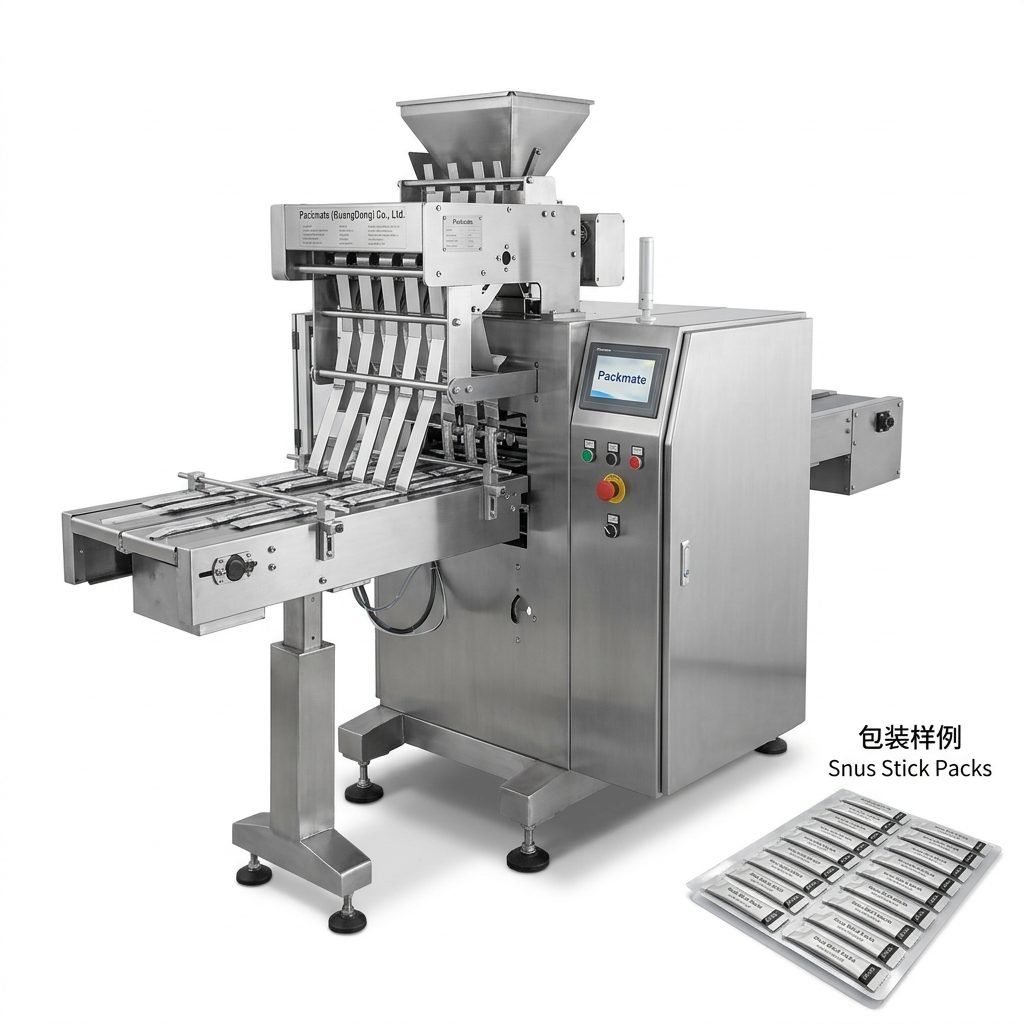
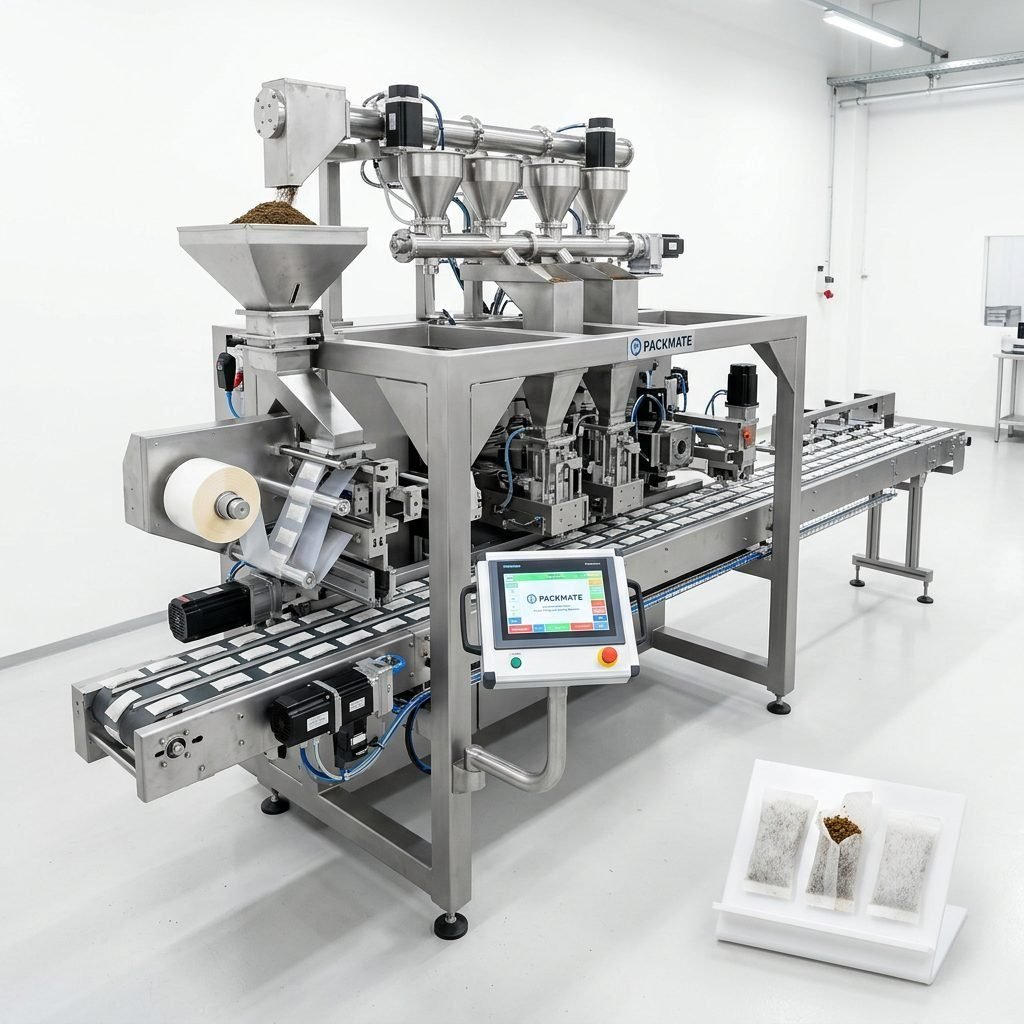
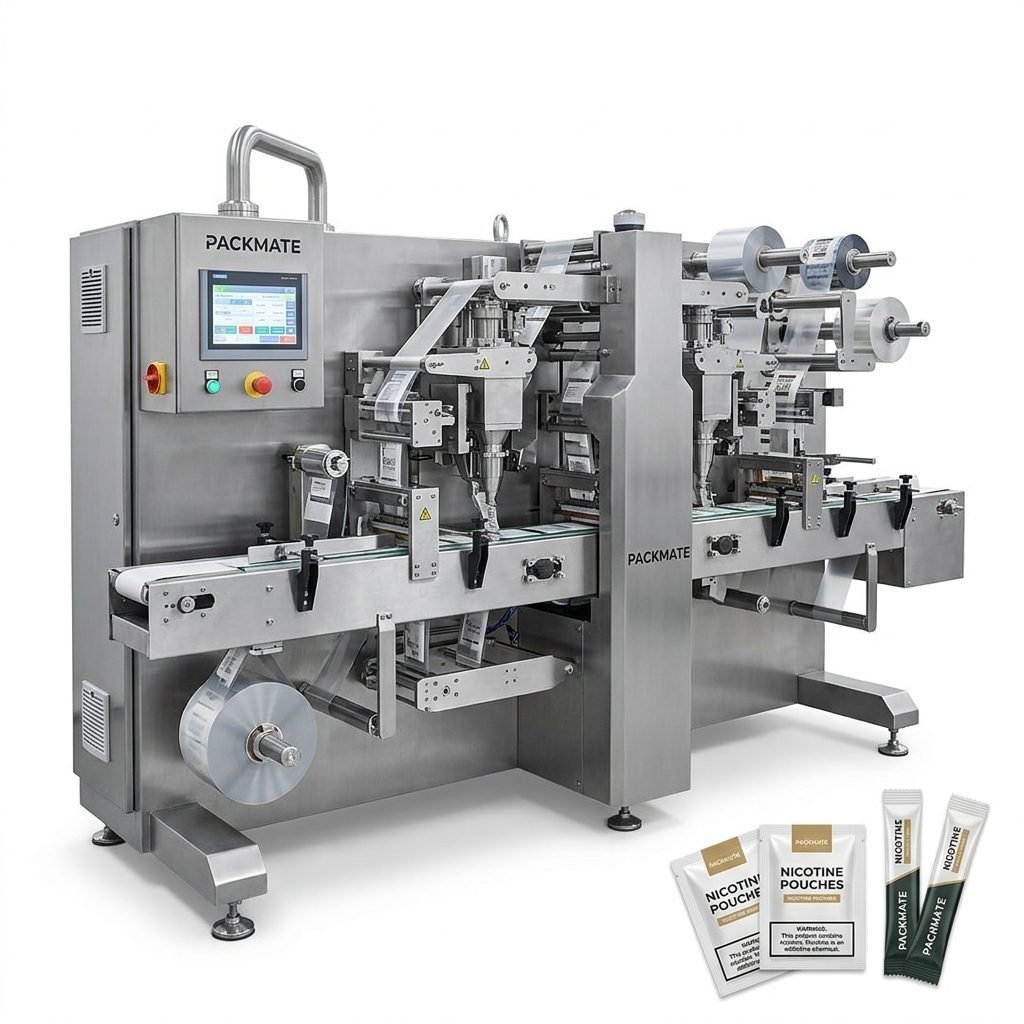
Prefer suppliers with a track record in snus and nicotine pouch equipment. Manufacturers with decades of engineering experience tend to offer more stable machines and mature automation. For example, companies like Packmate Snus Machine emphasize long-term R&D in snus packing lines and provide multi-lane solutions tailored for small-dose pouches.
Review case studies and request references. Seeing machines running in conditions similar to Benin (climate, power stability, workforce skill level) helps predict real-world performance. Visit supplier case pages or request video demonstrations of the exact model you intend to buy. See Packmate’s global projects for reference: Case.
3. Technical specifications that matter
When comparing machines, pay attention to:
🔶 Production speed: actual output at your target pouch format (not just max theoretical speed).
🔶 Filling accuracy: important for nicotine dosage compliance and cost control.
🔶 Material compatibility: ability to handle your selected films/laminates without frequent jams.
🔶 Changeover time: quick SKU changes minimize downtime.
🔶 Automation level: PLC and HMI features for recipe storage and fault diagnostics.
4. Certifications, quality standards and compliance
Ensure the equipment adheres to international safety and quality standards. CE and ISO certifications are important indicators of design and manufacturing discipline. Ask for test reports, material certificates, and photocopies of certificates. For a supplier profile and certifications overview visit: Certificate.
5. After-sales service, spare parts, and training
After-sales support is critical in Benin where local service networks may be limited. Key considerations:
✔️ Local spare parts availability or guaranteed fast shipping from the manufacturer.
✔️ Remote troubleshooting via PLC/HMI remote access and clear service SLA.
✔️ Operator and maintenance training either onsite in Benin or at the supplier factory before shipment.
6. Logistics, customs, and local installation in Benin
Benin’s primary gateway for imports is the Port of Cotonou; shipping and customs clearance should be a planned part of procurement. Ask suppliers for:
• Detailed packing lists and weight/dimension declarations for container planning.
• Assistance with documentation for customs clearance (commercial invoice, packing list, certificate of origin).
• Optional door-to-factory delivery and local partner installation support.
⚠️ Power and environment: Benin typically uses 220V/50Hz supply; confirm machine compatibility, and consider a stable power backup and humidity controls to protect electronic components and packaging films.
7. Local market and regulatory considerations specific to Benin
Benin is a French-speaking country with a business culture that values relationships and trust. When working with local partners:
• Prepare documentation and product labeling in French to meet distribution expectations.
• Build local relationships—suppliers who can provide French-language manuals or on-site training will reduce friction.
• Regulatory landscape for nicotine products can vary across West Africa; consult local legal advisors and customs agents for labeling, health warnings, and import rules.
When evaluating suppliers, ask if they have experience exporting to West Africa or servicing clients from nearby markets.
8. Payment terms, warranties, and total cost of ownership
Compare not only machine purchase prices but also the warranty length, consumable costs, expected maintenance intervals, and availability of consumables (sealing jaws, knives, sensors). Negotiate:
• Clear warranty scope (parts vs. labor)
• Spare parts kit for initial run-in period
• Training included in purchase price
• Payment terms that reduce risk (partial on order, balance on acceptance)
Sample clause to request
Request: A 12-month parts warranty, 24/7 remote support for the first 6 months, and a spare parts starter kit sufficient for 3 months of production.
9. Factory acceptance testing (FAT) and commissioning
A proper FAT verifies the machine performs to agreed specifications before shipment. Request:
• Video of full-speed runs with your film and dummy product
• Measured weight accuracy and reject rates
• Demonstration of changeover and alarm handling
• Signed acceptance checklist before release
If possible, visit the supplier factory for FAT. If travel is limited, insist on a live video session and a detailed test report.
10. Long-term partnership: service contracts and upgrades
A supplier who provides continuous improvement, spare parts forecasting, and upgrade paths will help your factory stay competitive. Explore options for:
• Annual preventative maintenance contracts
• Remote monitoring or IoT-enabled performance dashboards
• Training refreshers and on-site troubleshooting visits
Supplier resources and catalogs
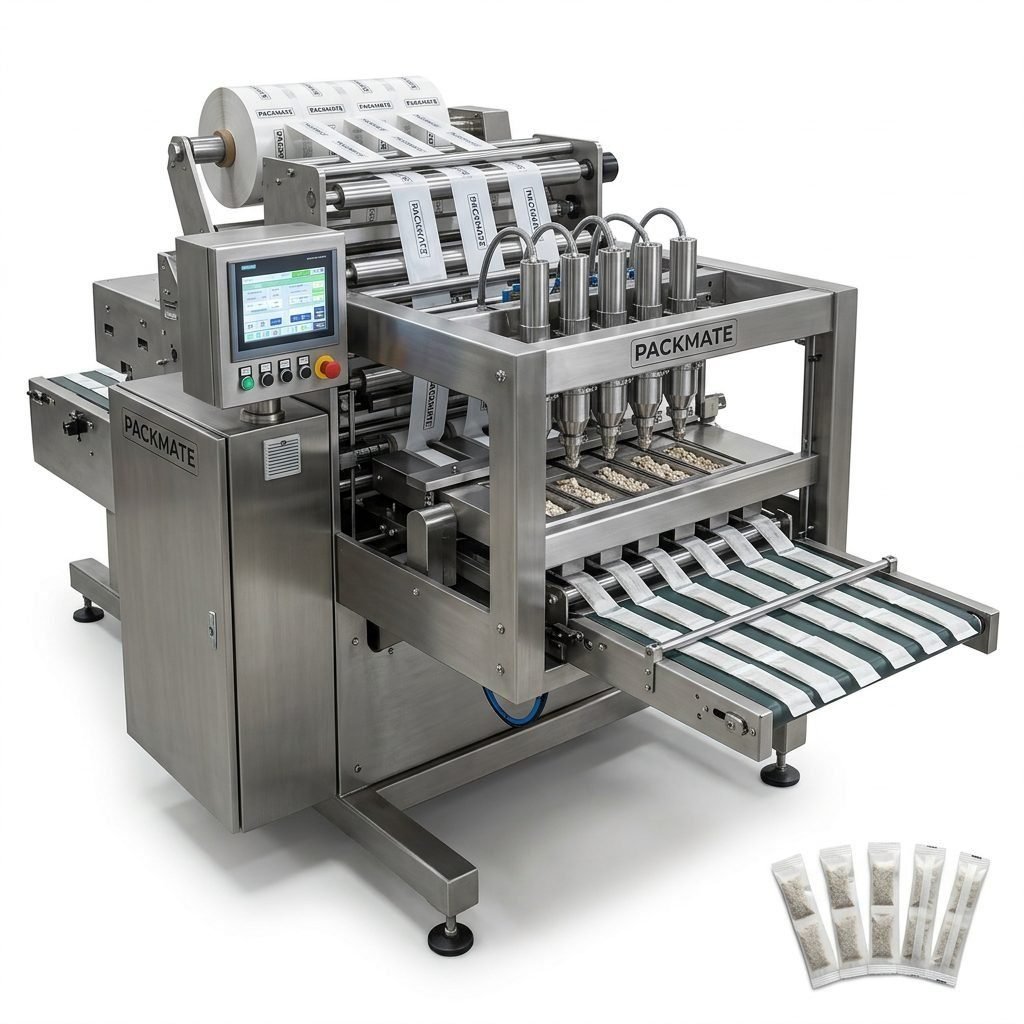
Review product pages and catalogs to match equipment lines to your needs. For example, you can explore technical families like snus/nicotine packaging machines, sachet & stick pack machines, and auxiliary equipment:
• Snus & Nicotine Packaging Machines: product list
• Sachet & Stick Pack Machines: product list
• Auxiliary Packaging Equipment and turnkey lines: more
11. Negotiation and cultural tips for Benin
In Benin, business is often relationship-driven. Prioritize clear, respectful communication and allow time to build trust. French is the official language—suppliers offering French-language documentation and local support will create smoother interactions. When negotiating delivery dates and installation timelines, factor in local holidays and potential customs delays at the Port of Cotonou.
12. Quick vendor comparison matrix (example)
Vendor A – Strong local service partner, moderate price, shorter delivery.
Vendor B – Established manufacturer with CE/ISO, robust multi-lane models, longer lead time.
Vendor C – Low initial cost but limited spare parts support; higher long-term risk.
Final selection checklist
• Confirm machine fits your target output and product specs.
• Verify CE/ISO and request FAT documentation.
• Agree on warranty, spare parts kit, and training.
• Plan logistics and customs with local partners for smooth import via the Port of Cotonou.
• Ensure French-language manuals or translation support if needed.
Reliable partners and next steps
If you want a turnkey partner experienced in snus/nicotine lines and global exports, review manufacturer profiles and request quotations with specific FAT conditions. Learn more about manufacturers’ capabilities and contact options on their About page or contact channels: About Packmate | Contact Us.
Frequently Asked Questions
Q1: How do I ensure a supplier’s machine will run in Benin’s environment?
A: Request FAT videos with your packaging materials, confirm electrical compatibility (220V/50Hz), and plan humidity controls in your factory. Ask about proven exports to similar climates.
Q2: What level of local support should I require?
A: At minimum, require a spare parts starter kit, remote troubleshooting, and one initial onsite commissioning visit. Longer-term, consider an annual maintenance contract.
Q3: Are there labeling or language considerations for Benin?
A: Yes. Benin is French-speaking—prepare labels, manuals, and training in French and confirm compliance with any local product regulations through a local consultant.
Q4: Which documents should accompany shipment to Benin?
A: Typical documents include commercial invoice, packing list, bill of lading, certificate of origin, and any test/certification copies required by customs.
Q5: Where can I see real machine examples and specs?
A: Explore product lines and technical details on supplier pages such as Snus & Nicotine Packaging Machines and Sachet & Stick Pack Machines to match models to your needs: Snus & Nicotine Packaging Machines | Sachet & Stick Pack Machines.