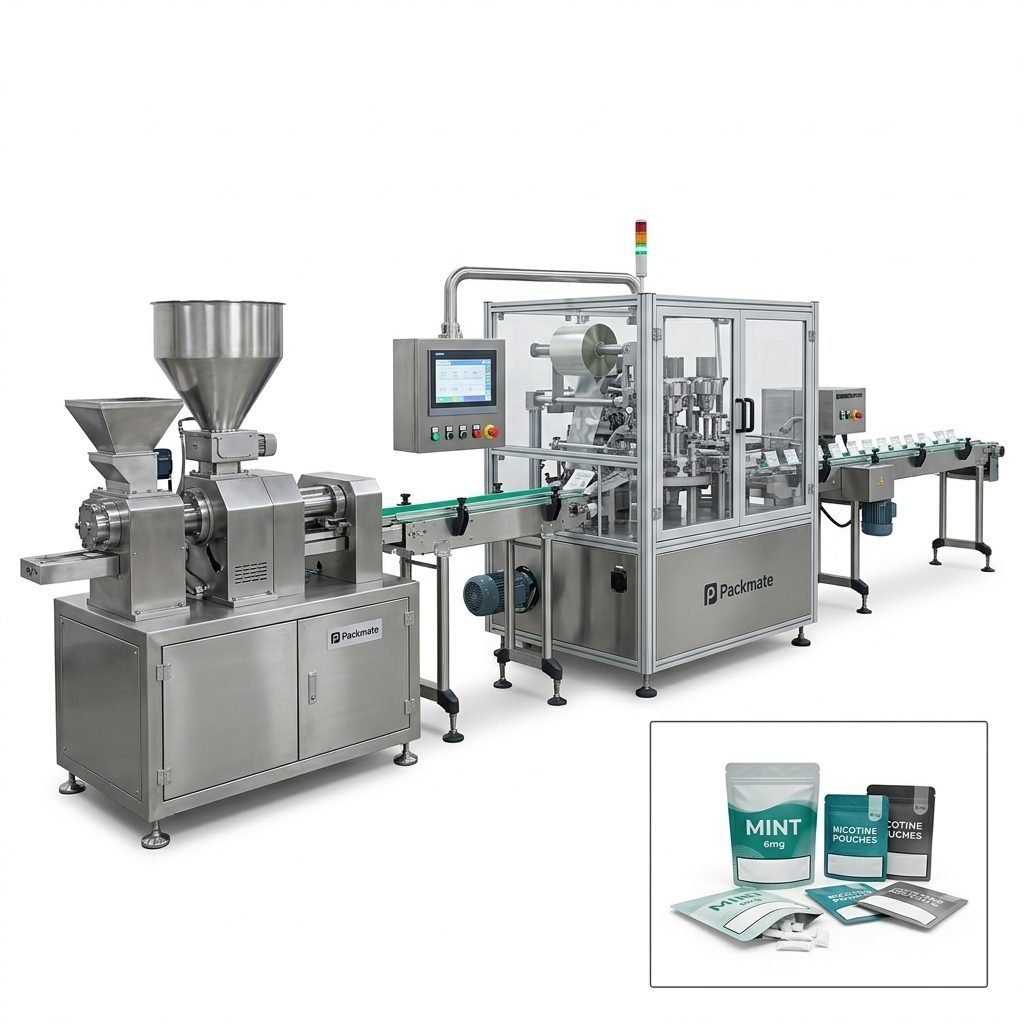
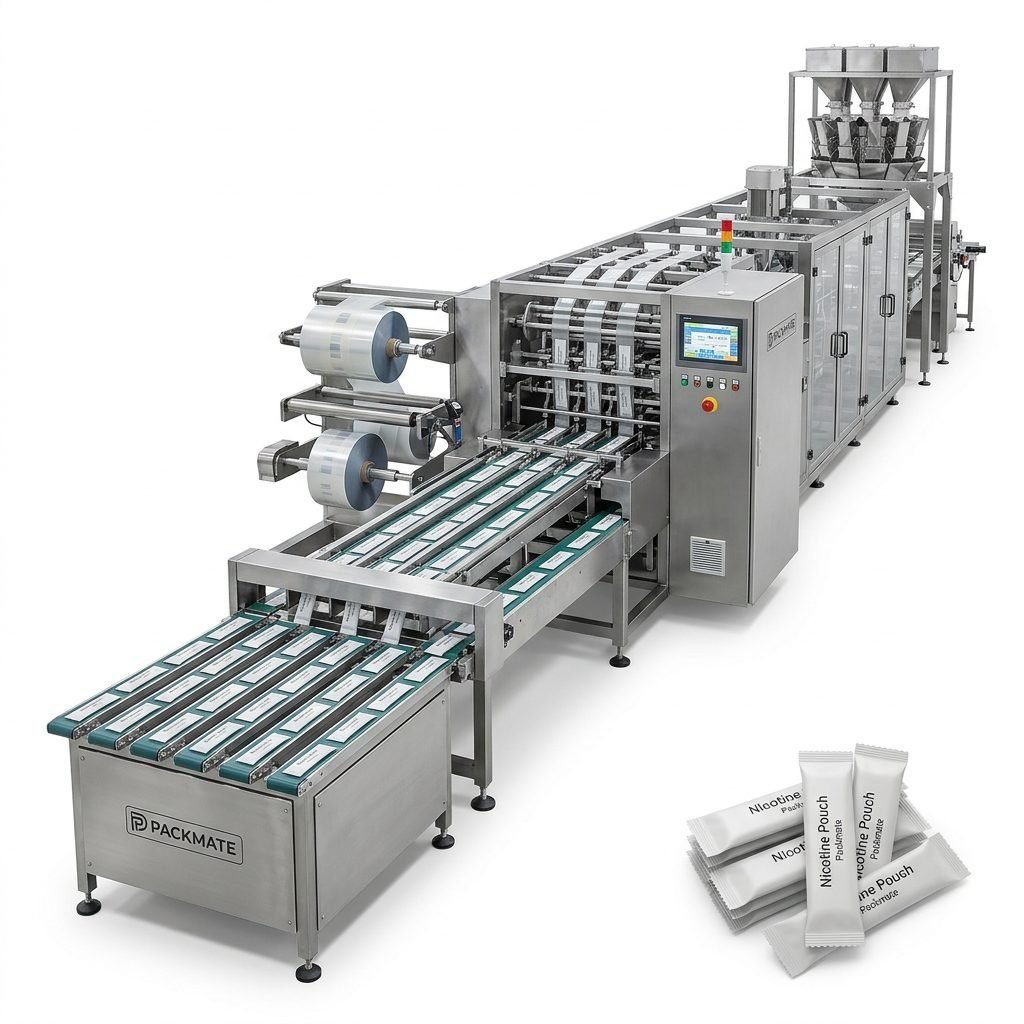
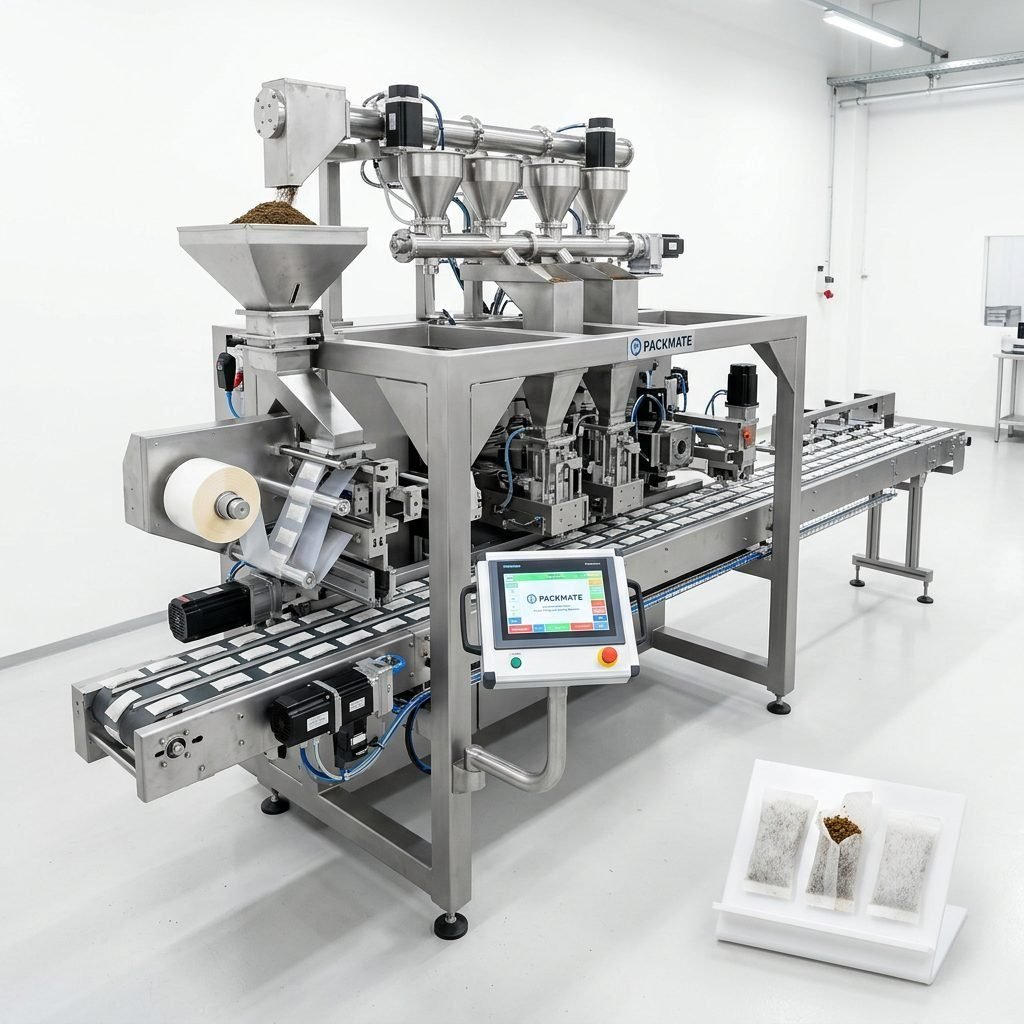
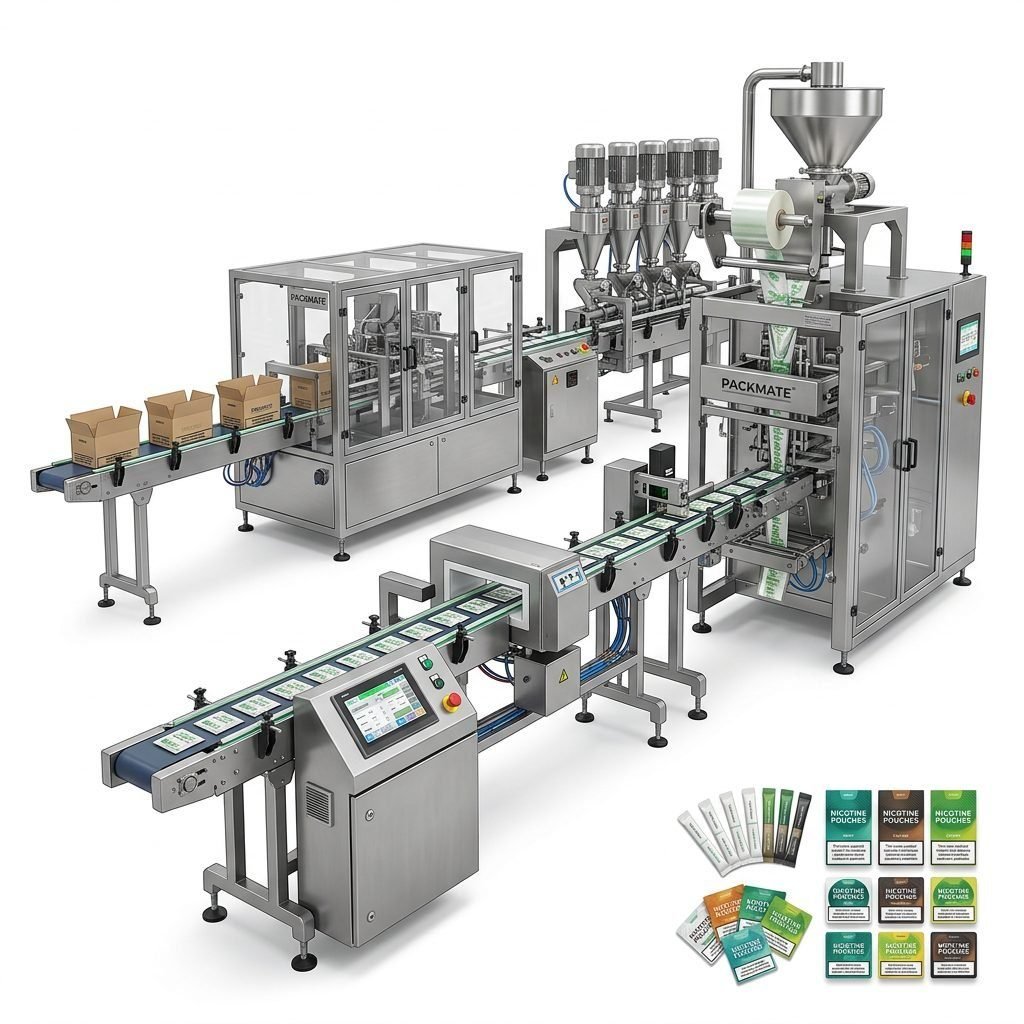
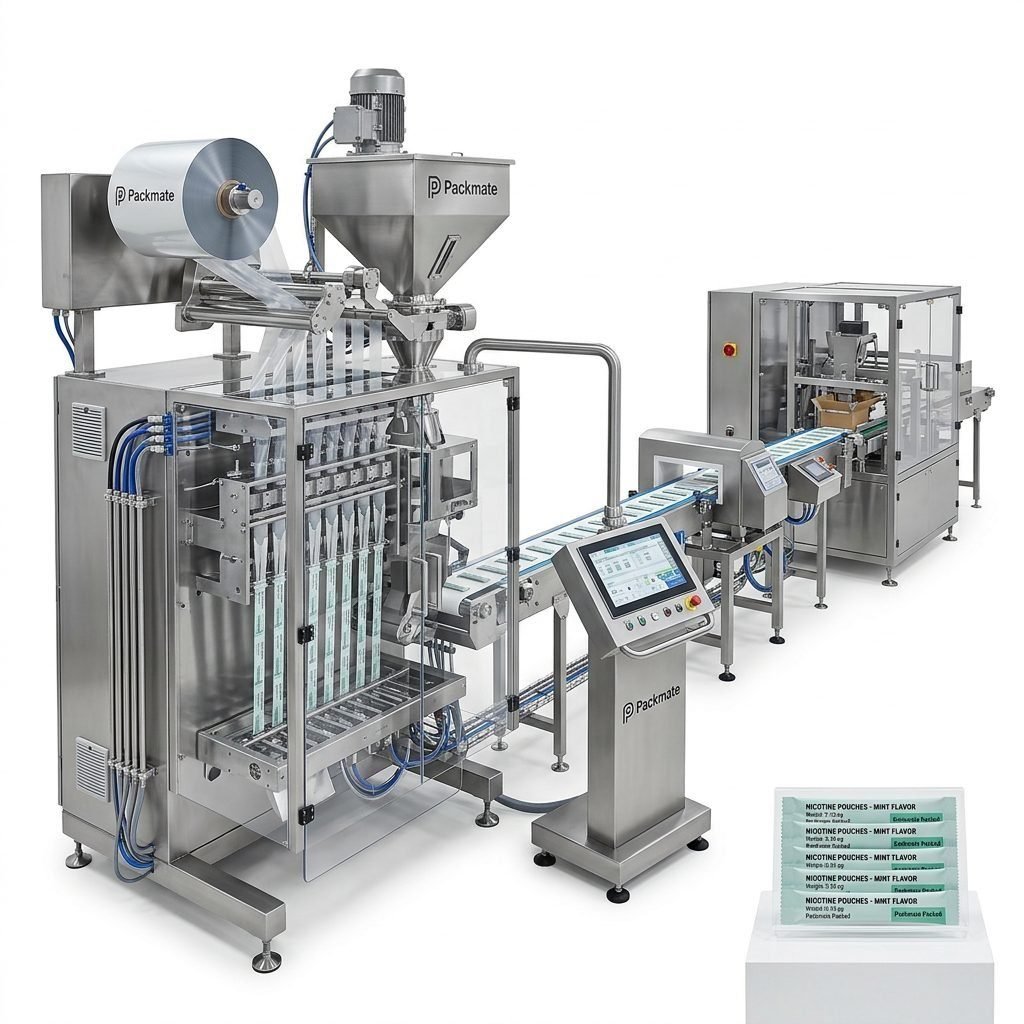
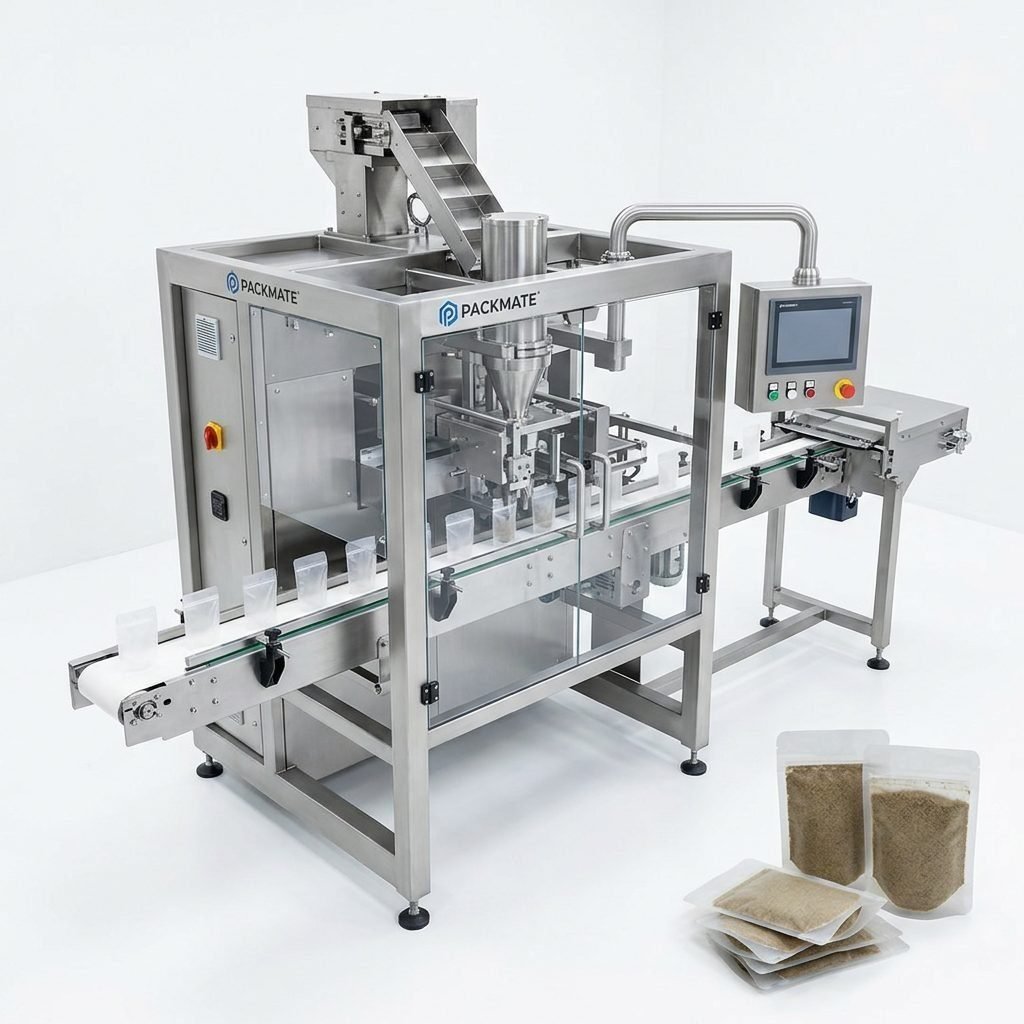
Choosing the right snus packaging machine supplier in the Philippines is more than a purchase — it’s a strategic decision that affects product quality, regulatory compliance, production efficiency, and your brand reputation in a market shaped by local customs, climate, and distribution channels. This guide helps manufacturers, distributors, and entrepreneurs evaluate suppliers and select the best partner for snus and nicotine pouch packaging needs in the Philippine market.
Why the supplier choice matters for the Philippine market
The Philippines presents specific challenges and opportunities: tropical humidity, diverse retail outlets from convenience stores to sari-sari shops and strong mobile commerce adoption. A supplier with relevant experience can help ensure packaging solutions that preserve product integrity, meet local labeling and tax requirements, and match consumer preferences in design and convenience.
📌 Key result:
A well-chosen supplier reduces downtime, improves shelf life, and speeds your route-to-market in the Philippines.
1. Define your production and product requirements
Before contacting suppliers, clearly document your product specs: pouch size and shape, material (foil, paper-laminates), target throughput (pieces/minute), number of lanes, intended packaging formats (stick pack, sachet, multi-lane snus pouches), and required filling technologies (weight-based, volumetric, or auger). In the Philippines, demand patterns may favor small pack sizes for affordable retail, so multi-lane, high-precision machines can be advantageous.
Points to record
✅ Desired daily/weekly output • ✅ Product viscosity/texture • ✅ Preferred packaging material • ✅ Batch coding & printing needs • ✅ Cleanability and maintenance accessibility
2. Technical features that matter
Evaluate technical capabilities carefully. Machines must balance speed, accuracy, and gentle handling for small-dose pouches. Important features include servo-driven controls, accurate weighing or filling systems, multi-lane synchronization, adaptive changeover tools, and compatibility with local power and climate conditions.
🔧 Technical checklist:
Servo control • Multi-lane options • Easy tool-free changeover • Accurate dosing • GMP-friendly design
3. Quality, certifications and compliance
Machines must meet international quality and safety standards to operate in diverse markets. Ask for CE, ISO, and any additional test certifications. For Philippine operations, ensure the supplier understands local labeling requirements and can assist with traceability and serialization if needed.
4. Manufacturing capability and factory strength
Visit or audit the supplier’s factory (or request a virtual tour). A modern plant with CNC machining centers, precision assembly lines and in-house testing reduces lead time and improves parts availability. Suppliers with large-scale manufacturing and strict quality control can support faster customizations and long-term spare parts supply.
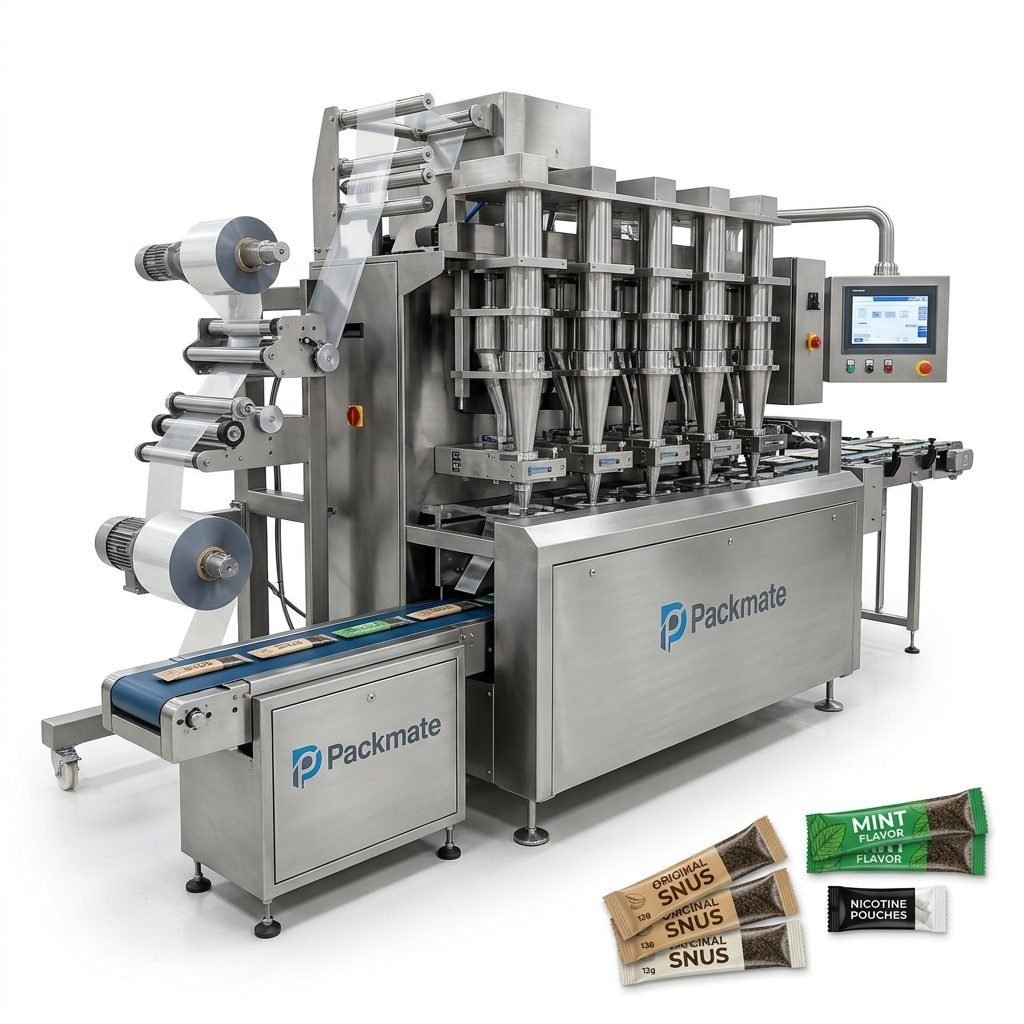
Packmate Snus Machine (for example) operates a 20,000㎡ facility with advanced CNC centers and more than 50 machine models, which typically means quicker turnarounds and robust quality assurance for clients worldwide.
5. After-sales support, spare parts, and training
After-sales service is critical. In the Philippines, remote islands and logistical challenges make local or regional support networks and fast spare parts delivery vital. Confirm response times, remote troubleshooting options, on-site technician availability, and training packages for your operators and maintenance teams.
📦 Support essentials:
Documentation, spare parts lead times, training sessions, preventive maintenance schedules
6. Customization and turnkey solutions
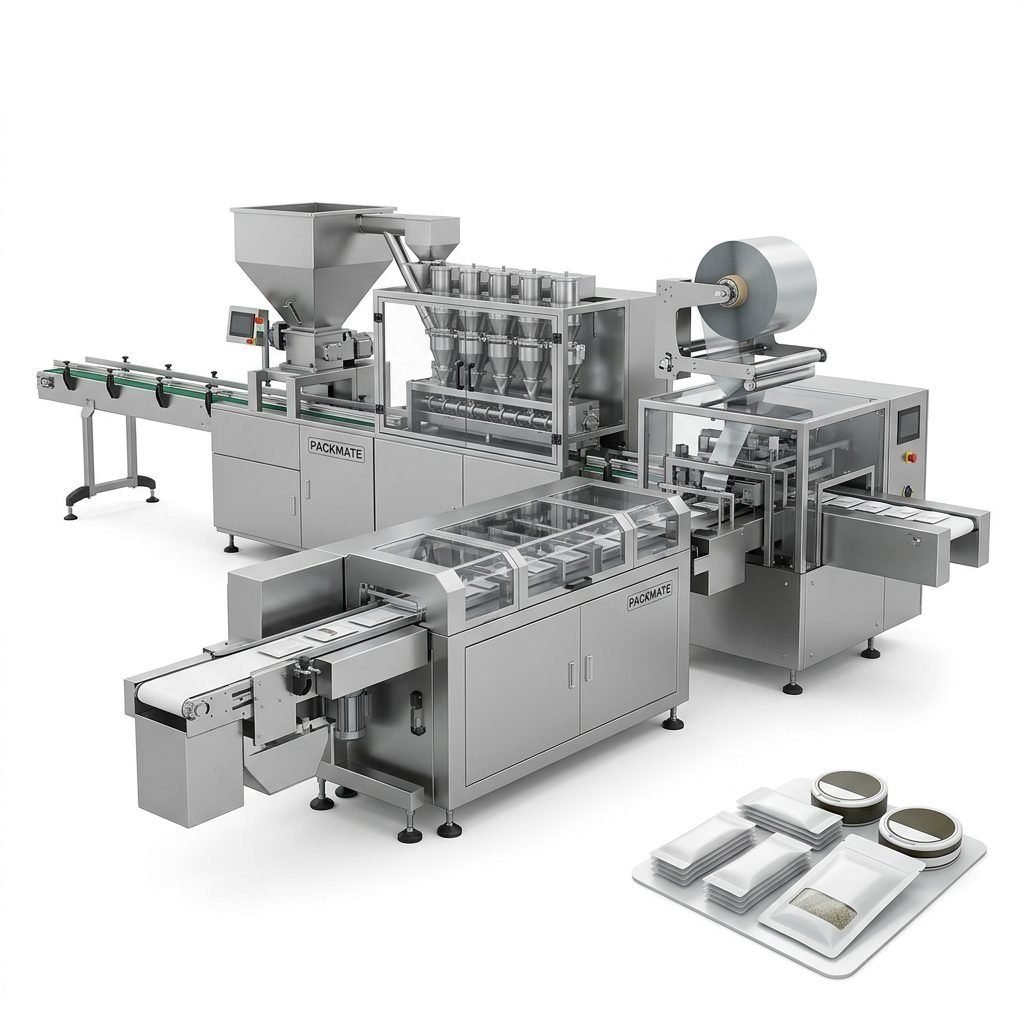
A supplier capable of delivering turnkey lines — from weighing and filling to pouch forming and final packaging — will reduce integration risks. If you need specific pouch formats or unique materials favored by Filipino consumers, make sure your supplier offers customization and example references.
Explore product categories such as Snus & Nicotine Packaging Machines and Bag & Pouch Packaging Machines to match your format needs.
7. Cost, ROI and lifecycle considerations
Evaluate total cost of ownership, not just the purchase price. Include installation, training, spare parts, energy consumption, downtime risk, and expected service life. A higher-quality machine with better accuracy can reduce product waste and lower regulatory risk in labeling and dosing errors — improving ROI over time.
8. Logistics, installation and local conditions
Philippine logistics often require flexible shipping and local handling. Confirm supplier experience with shipping to Manila, Cebu, Davao, and other ports, and check if the supplier arranges local clearance or partners with local agents. Also consider packaging design for humid conditions — sealed pouches, desiccants, and robust sealing quality become more important in tropical climates.
9. Regulatory and cultural considerations in the Philippines
The Philippines has evolving tobacco and nicotine regulations. Make sure labeling supports local language needs (English and Filipino), tax statements, health warnings if applicable, and traceability codes. Respect local retail preferences: many consumers purchase smaller single-use packs, and packaging designs that highlight convenience and privacy tend to perform well.
10. Evaluating supplier transparency and references
Request references, factory photos, sample videos of running machines, and case studies. A supplier that can show customers in similar operating environments is more likely to understand your challenges. Review technical catalogs and product pages for detailed specs and operational videos.
You can learn more about supplier capabilities and case examples from resources like Case and company background at About Packmate.
11. Practical steps to selecting the right supplier
1) Shortlist suppliers based on product match and certifications. 2) Request machine trials or videos of the exact model running similar products. 3) Ask for a site visit or virtual factory tour. 4) Clarify warranty, spare parts, and service SLAs. 5) Run a pilot batch before full investment.
⚠️ Negotiation tip:
Include spare parts kits and a defined training plan in the purchase agreement to avoid unexpected downtime.
12. Testing, acceptance and commissioning
Insist on a factory acceptance test (FAT) and a site acceptance test (SAT) showing the machine running at target speed and packaging your product or a close analog. FAT videos are especially useful if travel is limited. Confirm acceptance criteria in the contract and the plan for handling deviations.
13. Long-term partnership considerations
Select a supplier that views the relationship as a long-term partnership. Regular updates, hardware upgrades, spare parts availability and quick remote support will keep your line productive. Suppliers who attend international exhibitions and publish case studies demonstrate market commitment — check their exhibition participation and certifications for added confidence.
For ongoing learning, explore resources such as Our Exhibition and Certificate.
14. How Packmate Snus Machine can support Philippine buyers
Packmate has decades of packaging engineering experience and offers specialized snus and nicotine pouch packaging equipment, including multi-lane systems and turnkey lines. Their facility and product range typically enable tailored solutions for companies entering or expanding in the Philippines.
If you need direct contact or pre-sales consultation, consider reaching out through their contact page: Contact Us.
Summary: Quick supplier selection checklist
✅ Must-have items:
• Factory capacity and CNC capabilities • Clear FAT/SAT procedures • CE/ISO certifications • Local logistics and spare parts plan • Training & warranty terms
Frequently Asked Questions
Q1: What machine types are best for small-dose snus pouches in the Philippines?
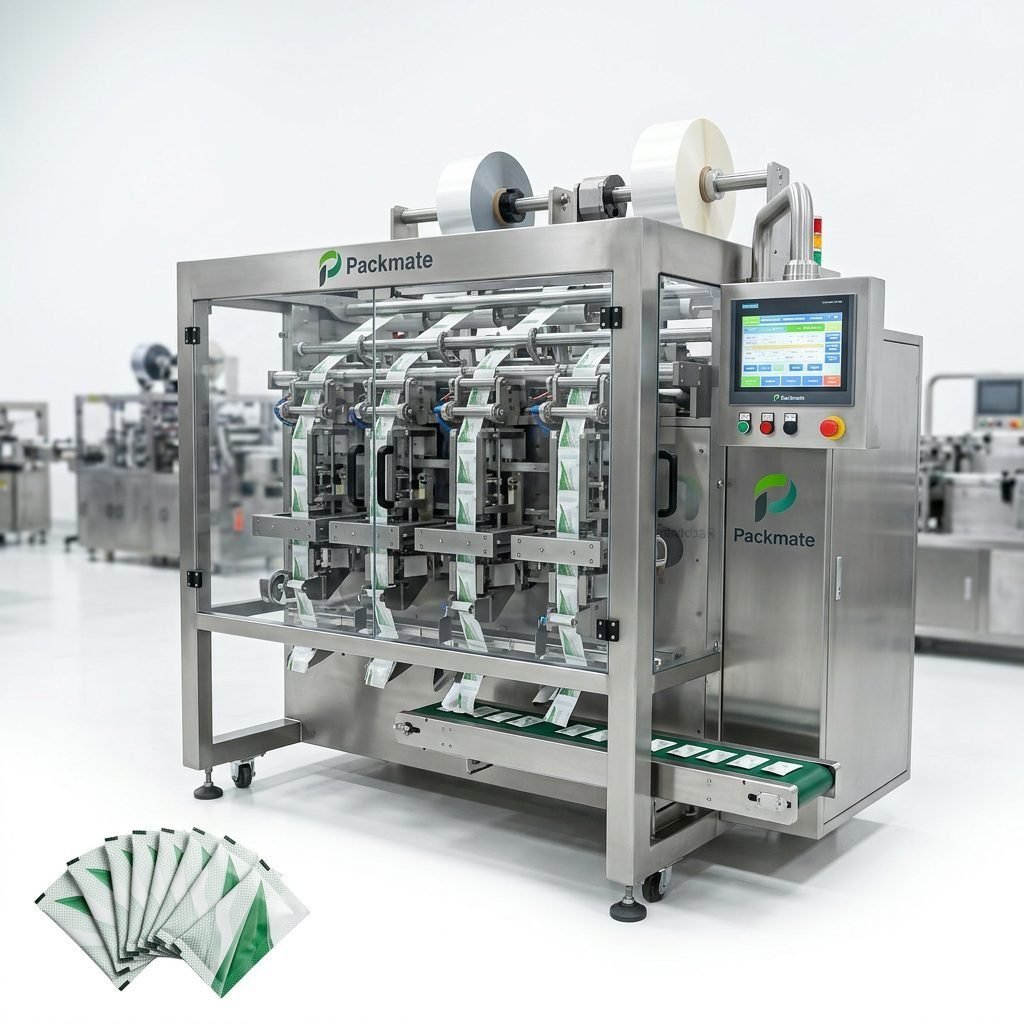
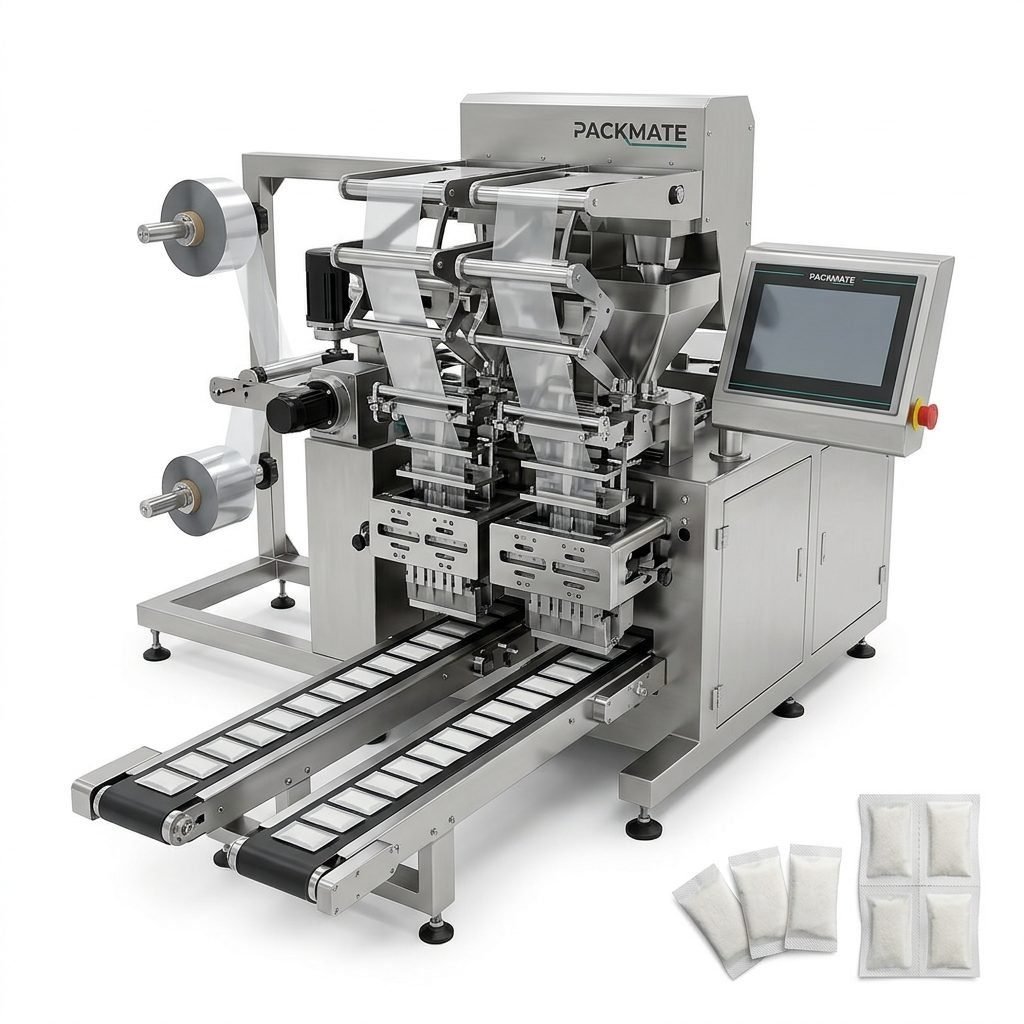
Multi-lane snus pouch machines and stick-pack systems with precision filling and sealing are common choices. Multi-lane formats maximize throughput for small-dosed products often sold in affordable retail packs across the Philippines.
Q2: How important is humidity control for snus packaging?
Very important. Tropical humidity can affect pouch integrity and product stability. Choose machines that provide consistent sealing quality and consider packaging films and secondary packaging designed to resist moisture.
Q3: What after-sales services should I demand from a supplier?
Fast spare parts delivery, remote troubleshooting, on-site commissioning, operator and maintenance training, and clear warranty terms are essential. Ask for service-level agreements with defined response times.
Q4: Can suppliers handle full turnkey packaging lines?
Yes — many experienced suppliers provide full lines including weighing, filling, pouch forming and final pack aggregation. Verify integration experience and request references for turnkey projects similar to your requirements.
Q5: Where can I find reliable machine models and technical catalogs?
Review product pages and catalogs from reputable suppliers. For a starting point, explore detailed product lines like Sachet & Stick Pack Machines and Weighing & Packaging Systems.
🇵🇭 Final advice: Prioritize suppliers who demonstrate technical knowledge, local logistical experience, and long-term support. These factors often deliver greater value than the lowest initial price when launching snus products in the Philippines.