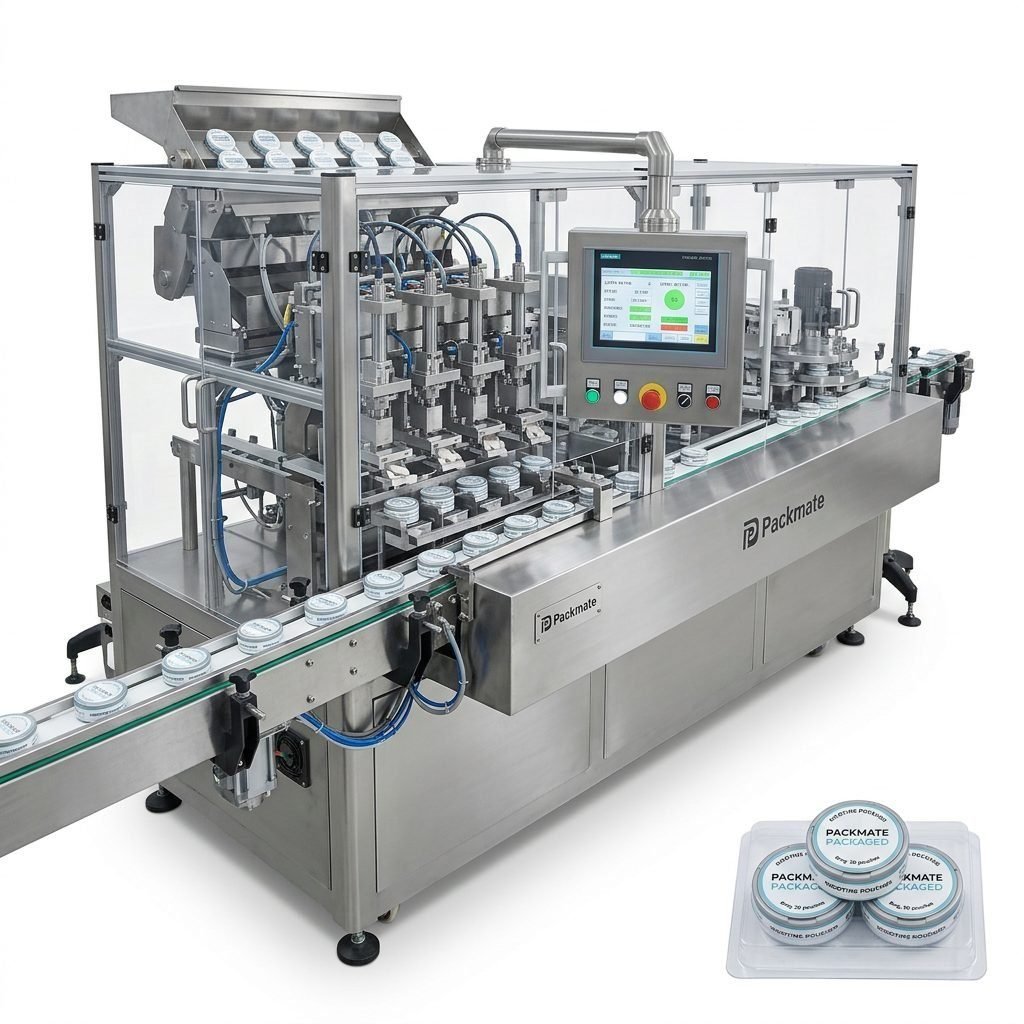
Choosing the right nicotine packaging machine in Jamaica requires more than comparing specs on paper — it demands an understanding of local market dynamics, climate challenges, regulatory expectations, and the practical realities of running a production line on the island. This guide walks you through the key factors to consider so you can select a packaging solution that fits your production goals, protects product quality in a humid tropical environment, and delivers long-term reliability.
Understand Your Production Needs and Market Position
📌 Start by defining your target output and positioning. Are you producing premium single-portion nicotine pouches for urban retailers in Kingston and Montego Bay, or value-oriented multi-packs for wide distribution across supermarkets and small kiosks? Production scale drives machine choice: small-batch artisanal brands may favour compact, semi-automatic systems, while established brands planning national distribution should consider high-speed multi-lane lines.
Consider product format and presentation. Common formats include single sachets, stick packs, and multi-pouch trays — each requires specific filling, forming, and sealing technologies. If you plan a diverse SKU range, prioritize machines with flexible format changeover features and easy tooling swaps.
Types of Nicotine Packaging Machines
🔧 Knowing the machine categories helps narrow options:
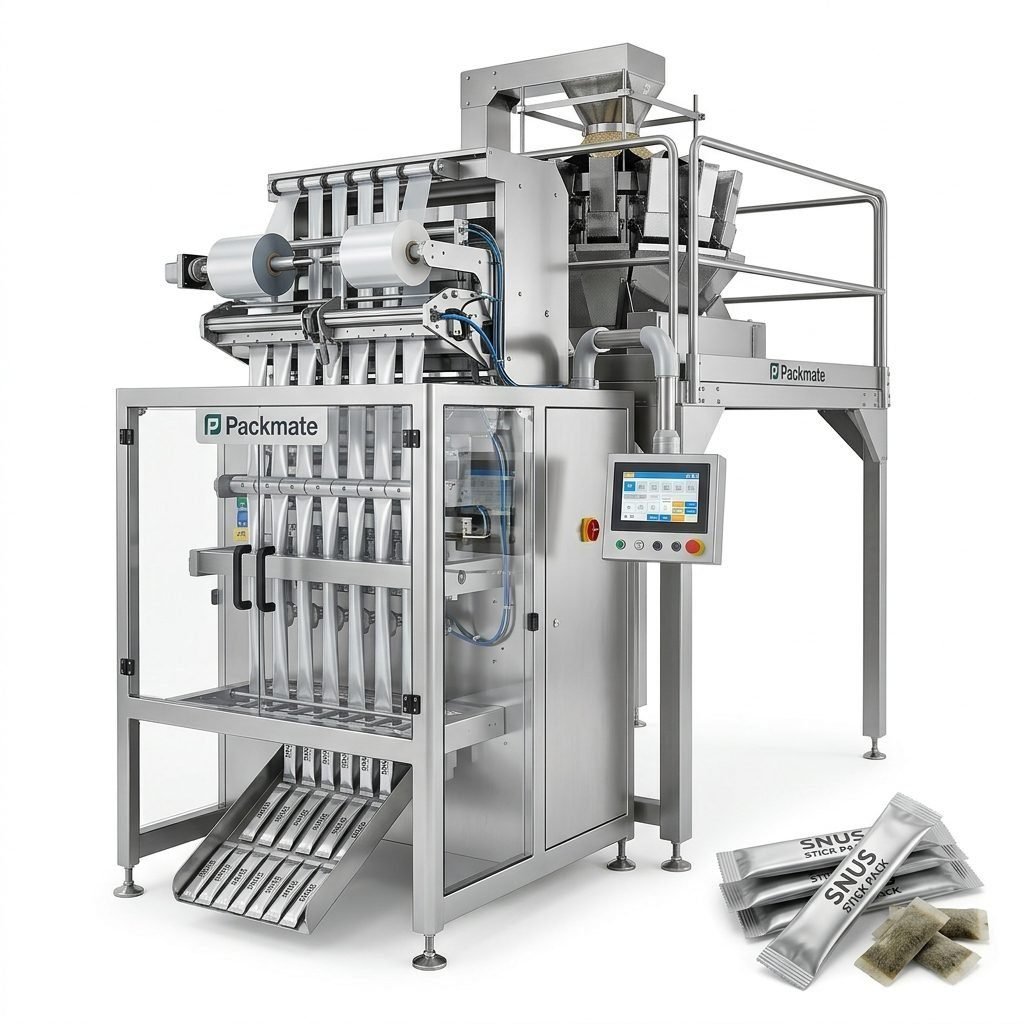
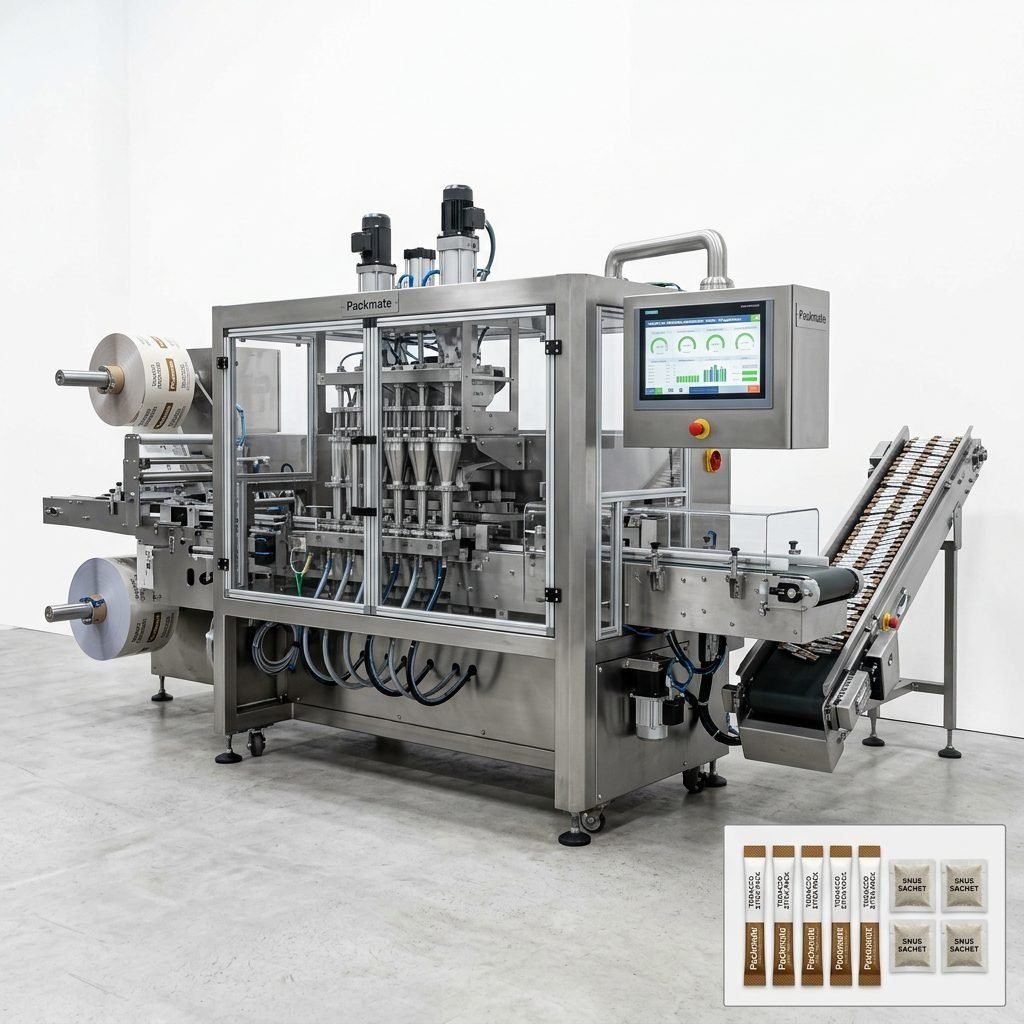
- Sachet & stick pack machines — ideal for single-portion, high-speed production.
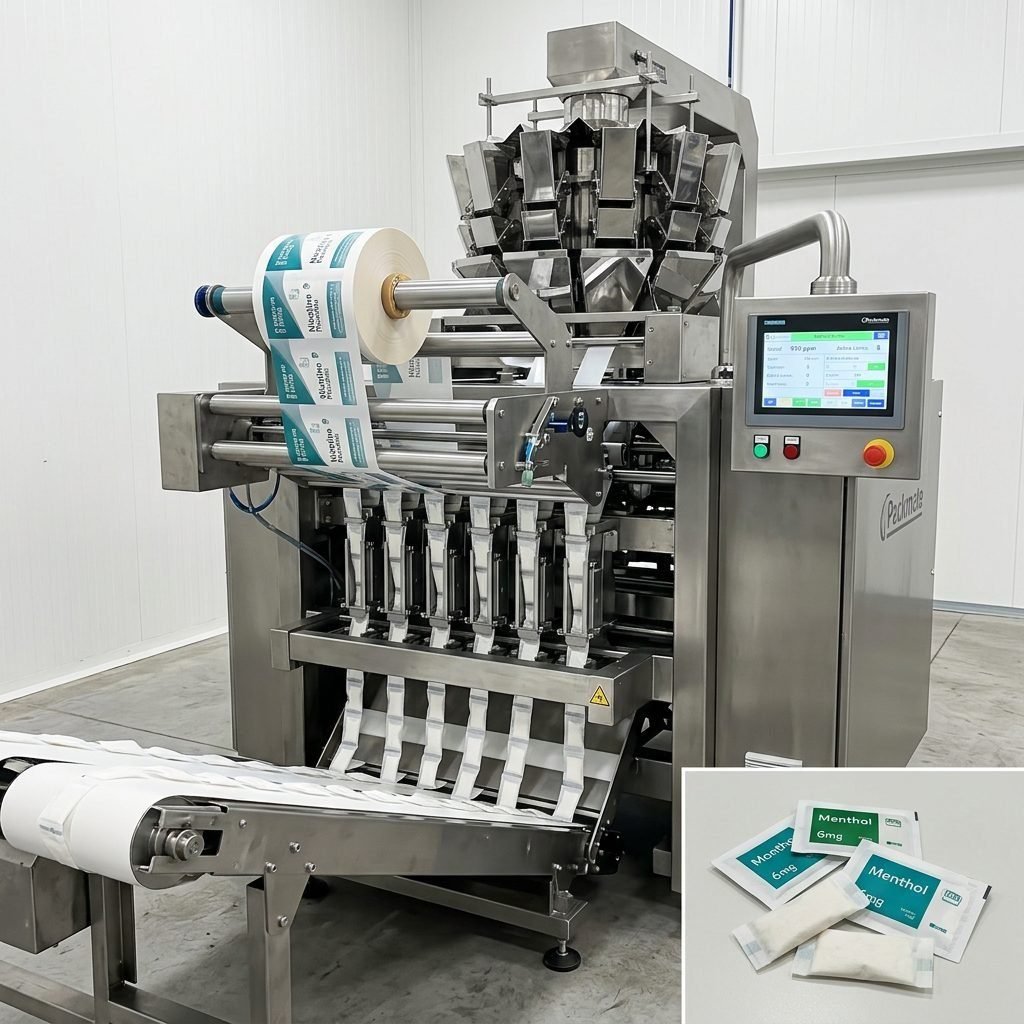
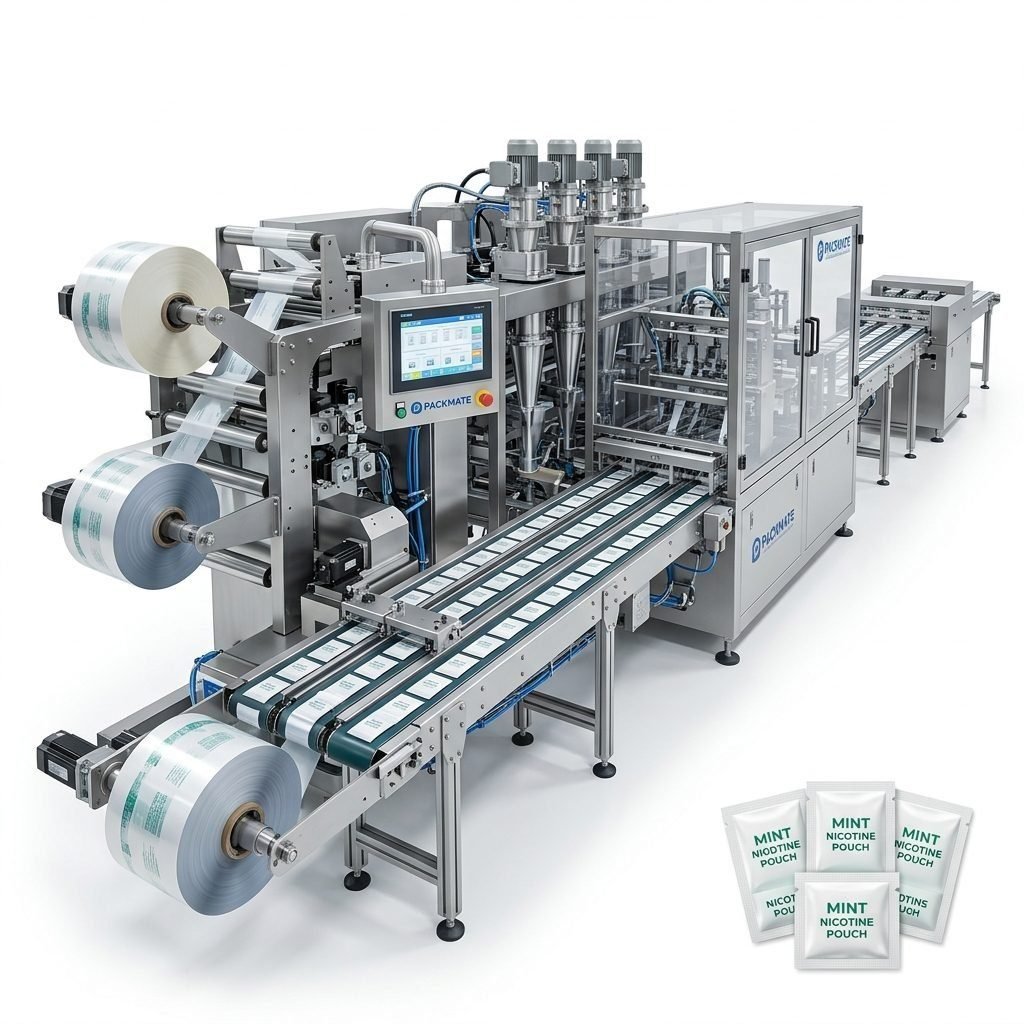
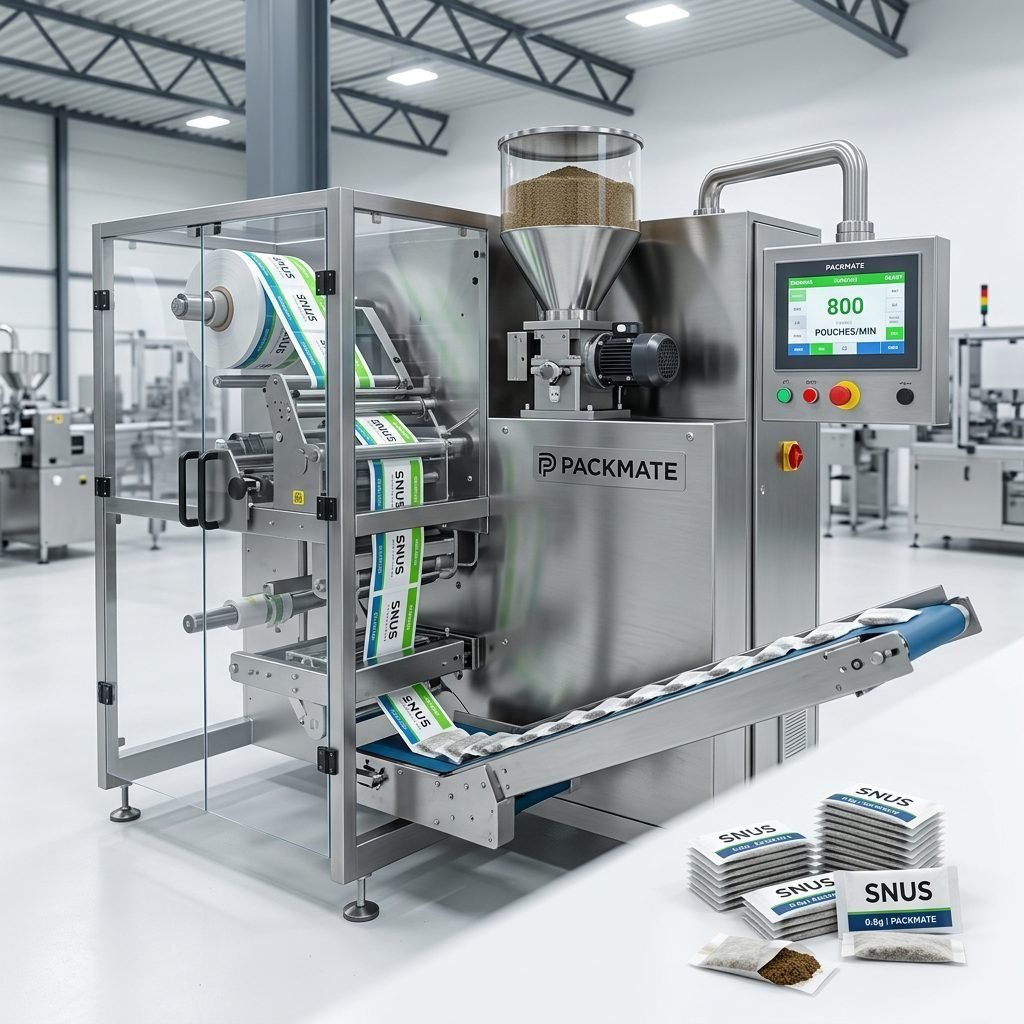
- Snus & nicotine pouch-specific machines — designed for small-dose pouches with precise metering.
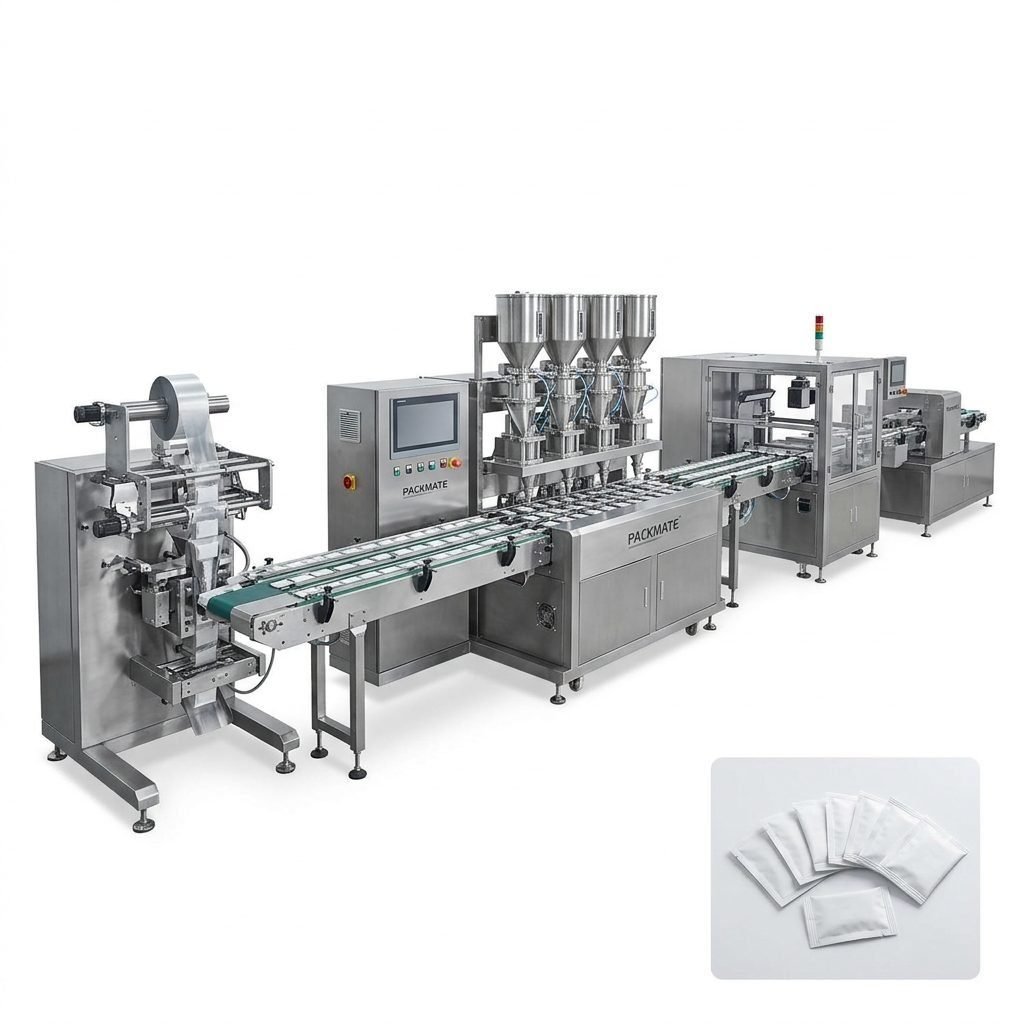
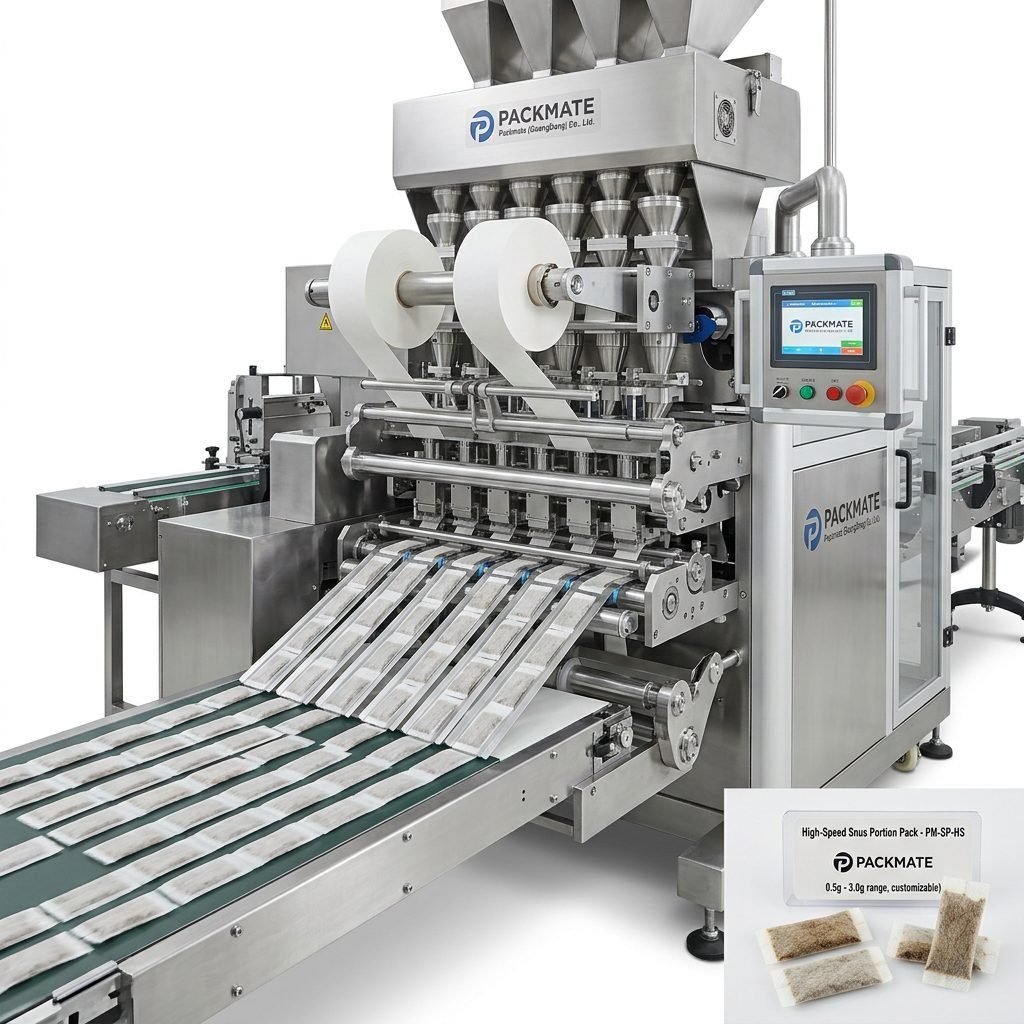
- Multi-lane packaging machines — boost throughput by running several lanes in parallel.
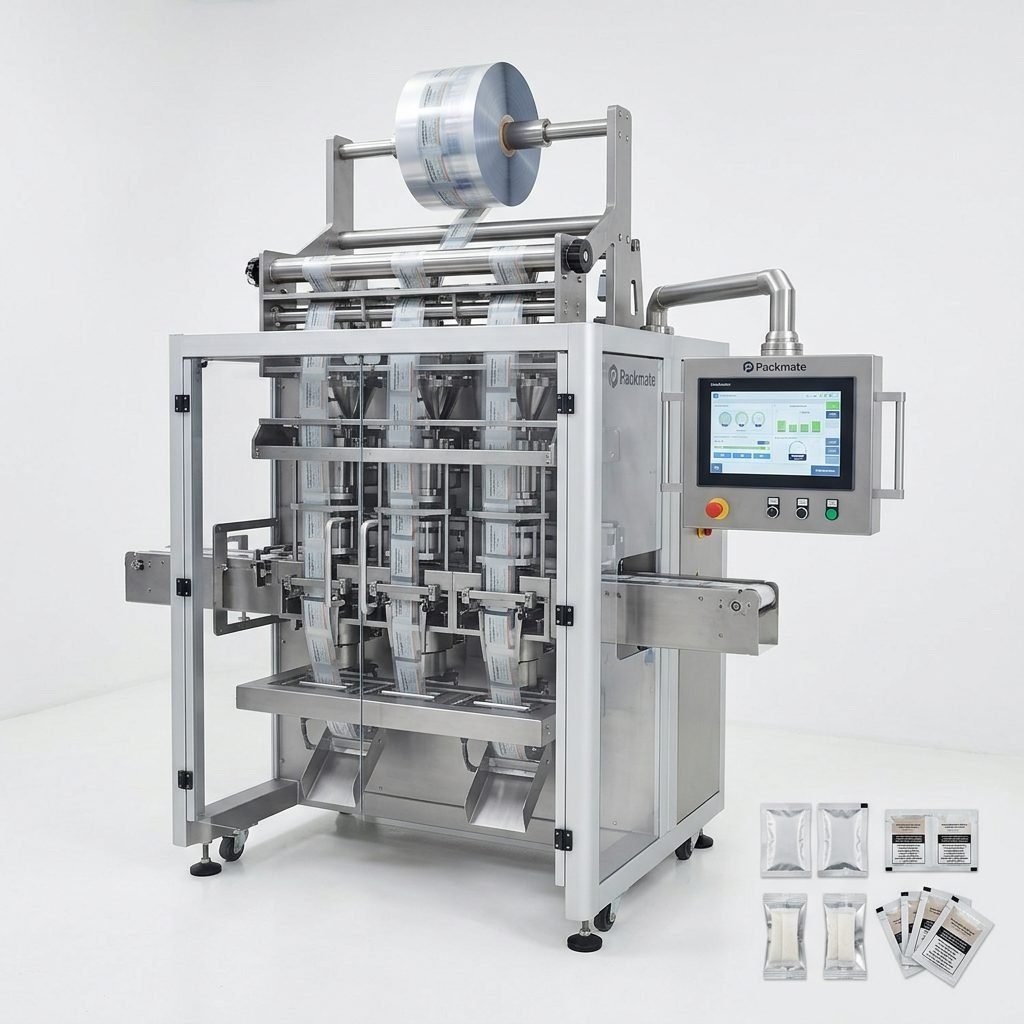
- Bag & pouch machines — for multi-pouch retail packs or display bags.
For an overview of specialized equipment, explore manufacturer lines such as Snus & Nicotine Packaging Machines and Sachet & Stick Pack Machines. These pages illustrate the differences between dedicated pouch systems and more general stick pack or sachet lines.
Production Capacity & Speed
⚡ Match machine throughput to realistic demand forecasts. A machine rated for 200 pouch/minute can be overkill for a regional launch but necessary for national distribution. Don’t forget to factor in line uptime, maintenance windows, and operator skill levels when estimating daily output.
Product Characteristics and Filling Technology
Your nicotine pouch formulation (powdery, granular, moisture level) influences filler selection — auger fillers, servo-controlled volumetric dispensers, or multi-head weighers. Hygroscopic blends and products with oils need gentle handling and precise dosing to maintain consistency and shelf life.
Important: In tropical climates like Jamaica, controlling moisture during filling and sealing is critical. Look for machines with integrated drying, nitrogen flushing, or high-speed sealers that minimize exposure time to humid air.
Climate, Storage and Packaging Material Considerations in Jamaica
Jamaica’s warm and humid climate can accelerate product degradation and compromise seals. When choosing machinery and packaging materials:
- Select materials with strong moisture barriers (e.g., laminated films with aluminium foil layers).
- Consider implementing in-line gas flushing (nitrogen) to extend shelf life.
- Plan for climate-controlled storage and transit; packaging design should mitigate humidity impact during distribution to rural retailers and beachside vendors.
Regulatory and Labeling Requirements — Local Customs & Compliance
In Jamaica, tobacco and nicotine products are subject to public health regulations and labeling requirements. While specifics evolve, manufacturers should:
- Ensure legal compliance for warnings, ingredient listings, and language used on packaging.
- Design packs that meet local restrictions on advertising and display where relevant.
- Work with local legal counsel or regulatory consultants to confirm import, distribution, and sales rules.
Culturally, Jamaican consumers appreciate straightforward, quality-driven branding. Avoid overly complex labeling that might conflict with local advertising restrictions — instead emphasize quality, consistent dosing, and safety in your pack copy.
Supplier Selection: What to Look For
🔎 Choosing the right supplier is as important as selecting the machine type. Key attributes to evaluate:
- Proven industry experience — look for manufacturers with decades of packaging engineering history.
- Customization and turnkey capability so the line can be tailored to specific pouch sizes and production flows.
- Spare parts availability and local technical support arrangements for Jamaica or nearby markets.
- Certifications like CE and ISO indicating manufacturing and safety standards.
Packmate (GuangDong) Co., Ltd. is an example of a supplier with 30+ years of experience, multiple machine models, and turnkey solutions. Learn more on their About Packmate page, and review example product lines under Bag & Pouch Packaging Machines and Snus & Nicotine Packaging Machines.
After-Sales Support and Spare Parts
🛠️ Opt for a vendor that provides training, remote diagnostics, and a clear spare parts supply plan. In island markets, logistics can delay parts delivery — negotiating spare kits or local stocking agreements helps minimize downtime.
Tip: Ask about field commissioning packages and documentation in English, plus training for local operators and maintenance technicians to ensure fast ramp-up.
Automation vs Manual Operation: Finding the Right Balance
Automation reduces labor costs and improves consistency but increases capital expenditure. Evaluate:
- Labor availability and wage expectations in Jamaica — automation can reduce reliance on scarce skilled labor in some regions.
- Flexibility requirements — fully automated lines can be rigid unless designed for quick changeovers.
- Quality control needs — automated vision inspection and rejection systems improve compliance with tight dosing tolerances for nicotine products.
Budgeting, ROI and Total Cost of Ownership
When budgeting, go beyond the machine price. Include installation, training, tooling, spare parts, packaging material testing, and the cost of climate control. Calculate ROI by modelling:
- Expected daily throughput and yield (account for rejects).
- Labor savings through automation.
- Reduced product loss with improved sealing and moisture control.
A higher initial investment in quality equipment often pays off via lower downtime, fewer rejects, and longer service life — critical in island logistics contexts.
Installation, Commissioning & Training
Ensure the supplier includes on-site commissioning and operator training, or provides remote setup support. Language and cultural fit in training materials improves knowledge transfer — request documentation and troubleshooting guides that are easy to follow.
Maintenance Best Practices
Regular preventive maintenance keeps lines running in tropical conditions. Implement checklists for:
- Daily cleaning to prevent dust and powder buildup.
- Weekly lubrication of moving parts and inspection of belts and seals.
- Scheduled calibration of dosing systems and vision inspection cameras.
Maintenance Note: Maintain an on-site spare parts kit for critical wear items — seals, belts, sensors — to minimize downtime caused by import delays.
Testing, Validation and Quality Assurance
Before full production, run validation batches to check dosing accuracy, seal integrity, and package durability under simulated distribution conditions. Test packages for humidity resistance and perform shelf-life evaluations if possible.
Real-World Examples and Supplier Resources
Explore supplier case studies and exhibition demos to see how machines perform in similar climates and markets. Packmate showcases global projects and exhibition appearances that can give practical insight into machine performance and configuration options — see their Case and Our Exhibition pages for examples.
Checklist Before Purchase
📋 Use this purchase checklist to finalize decisions:
- Production rate confirmed with realistic uptime assumptions.
- Filler type validated for product consistency.
- Sealing and barrier materials tested for humidity resistance.
- After-sales support plan and spare parts availability confirmed.
- Budget includes commissioning, training, and spare kits.
Why Packmate Could Be a Good Fit
Packmate brings 30+ years of packaging engineering experience, a broad portfolio of snus and nicotine-specific machines, and turnkey production lines that can be customized to your product needs. Their factory capacity, CNC machining, and quality systems support reliable machine delivery and global service — useful when planning a sustainable nicotine pouch operation in Jamaica. Contact options and service details are available on their Contact Us page.
Final Recommendations
In summary, select a machine that balances throughput, flexibility, and environmental controls. Prioritize moisture management, reliable dosing, and local support. Factor in customs, storage, and distribution realities of Jamaica: robust barrier packaging, climate-controlled storage, and regional logistics planning will protect product quality and brand reputation. Partner with an experienced supplier who understands snus/nicotine pouch nuances and can provide end-to-end solutions.
Next Steps
If you are ready to evaluate specific models, request detailed specifications, ROI models, and references from the supplier. Inspect machine videos, request virtual demonstrations, and confirm spare parts lead times. For a wider view of packaging systems that may fit adjacent needs, explore Filling & Packaging Lines and Auxiliary Packaging Equipment.
Frequently Asked Questions
Q1: How do humidity and heat in Jamaica affect my choice of packaging machine?
A1: Humidity can compromise seal integrity and product stability. Choose machines with fast sealing, in-line drying, and the option for inert gas flushing. Also test barrier film performance under local humidity cycles.
Q2: What support should I expect after purchasing a machine for Jamaica?
A2: Expect supplier support for commissioning, operator training, documentation, spare parts sourcing, and remote troubleshooting. Negotiate guaranteed response times and spare kit supply to mitigate island logistics delays.
Q3: Can a single machine handle multiple pouch sizes and formats?
A3: Many modern machines offer modular tooling and quick-change features to handle multiple formats, but verify changeover times and the cost of additional tooling. For high SKU variety, prioritize flexibility and automation that supports quick set-up.
Q4: Are there local regulatory challenges for nicotine pouch packaging in Jamaica?
A4: Regulations evolve; always consult local authorities and legal counsel. Prepare labeling, warning placement, and compliance documentation in advance, and design packaging to be adaptable to future regulatory changes.
Q5: What is the typical lead time for ordering and installing a turnkey line?
A5: Lead times vary by configuration and customisation; basic machines may ship faster, while turnkey multi-lane systems require longer manufacturing and testing. Discuss realistic timelines with suppliers and include commissioning time for on-site installation.