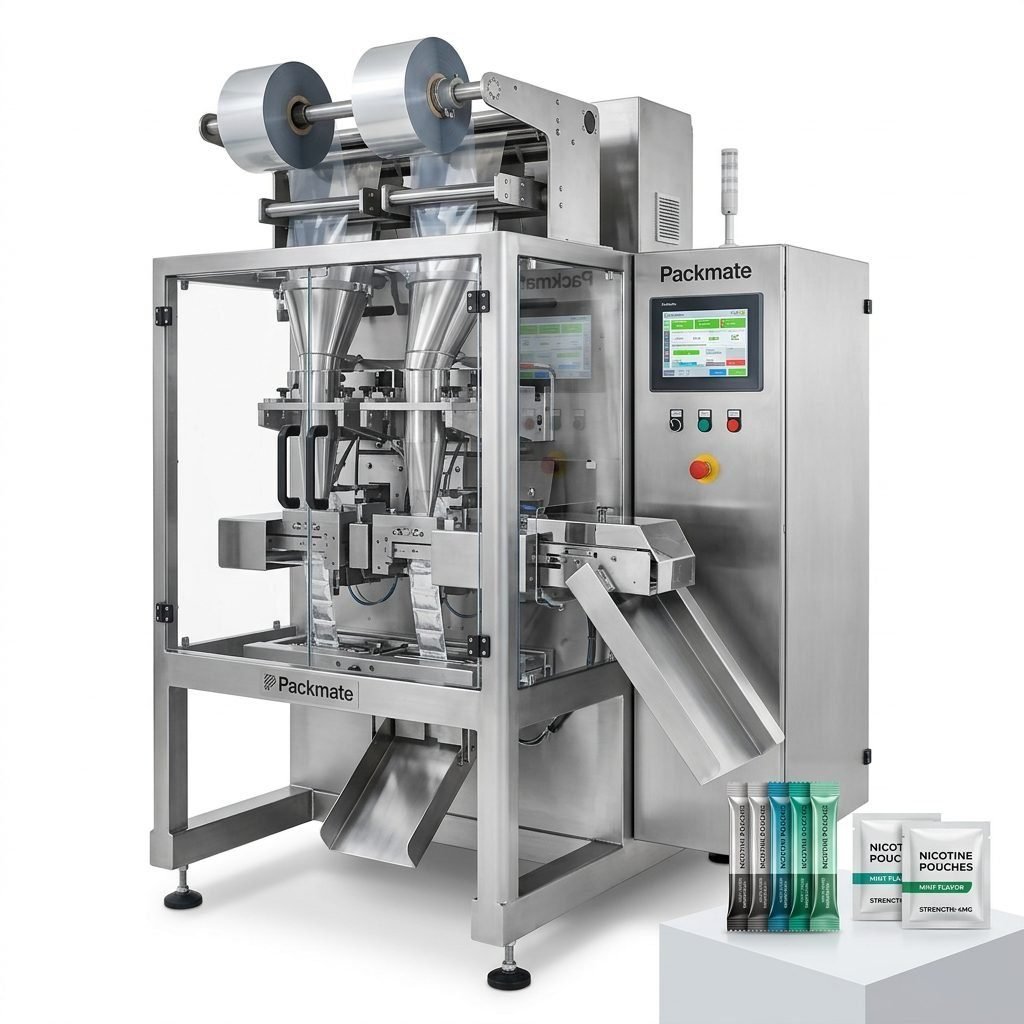
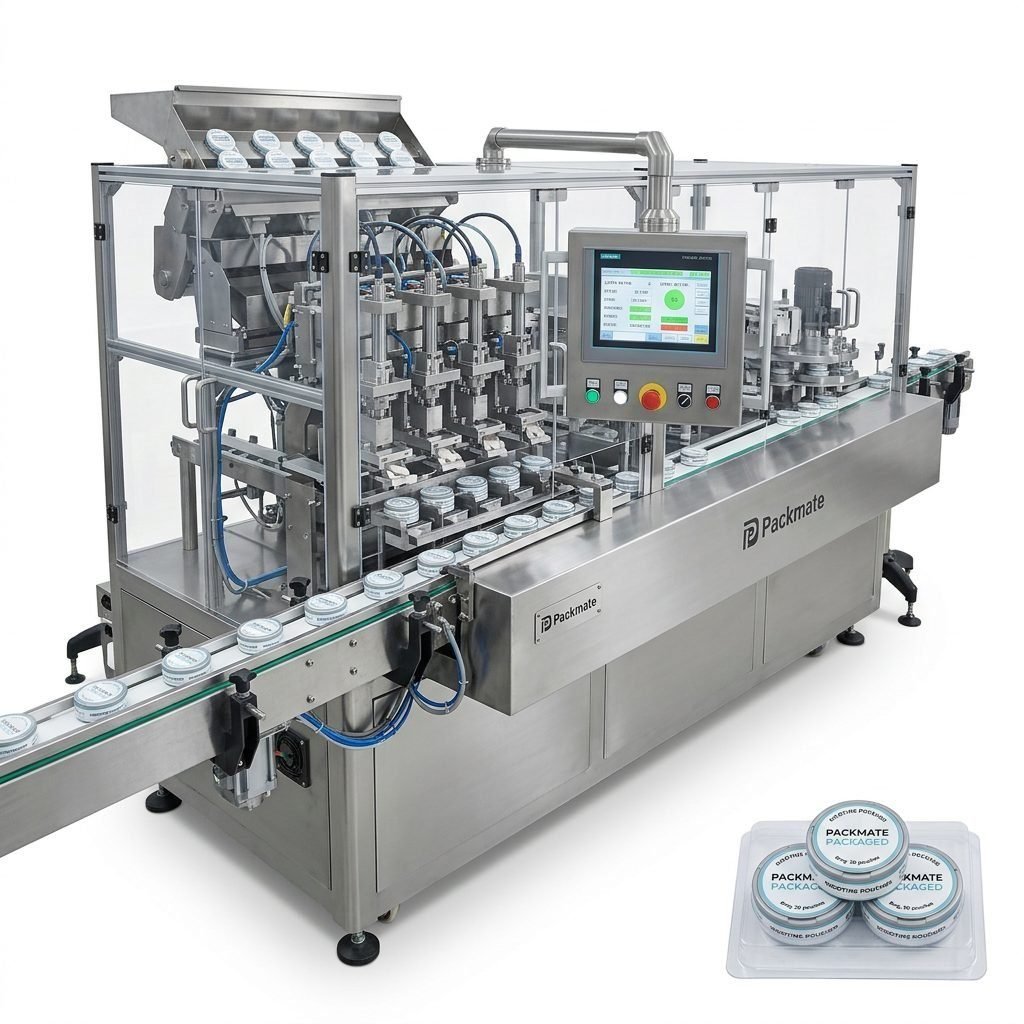
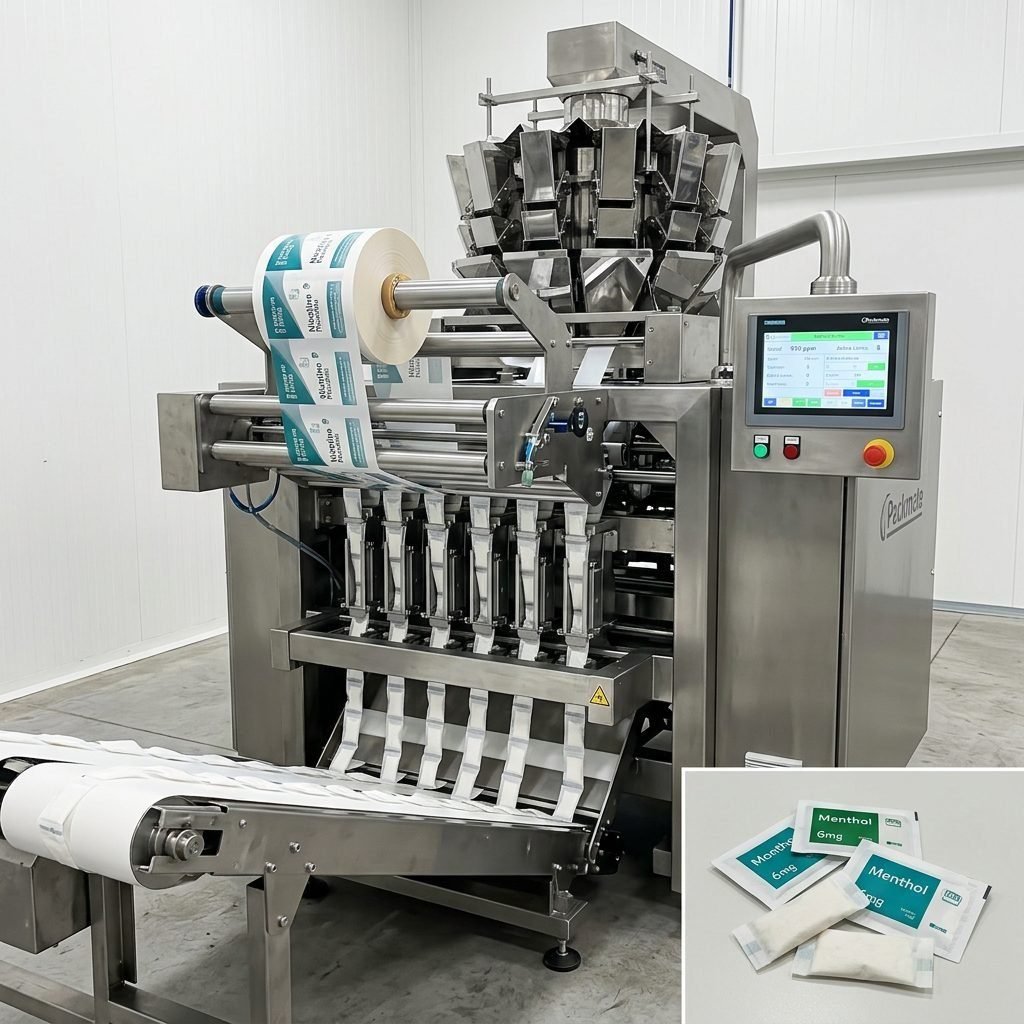
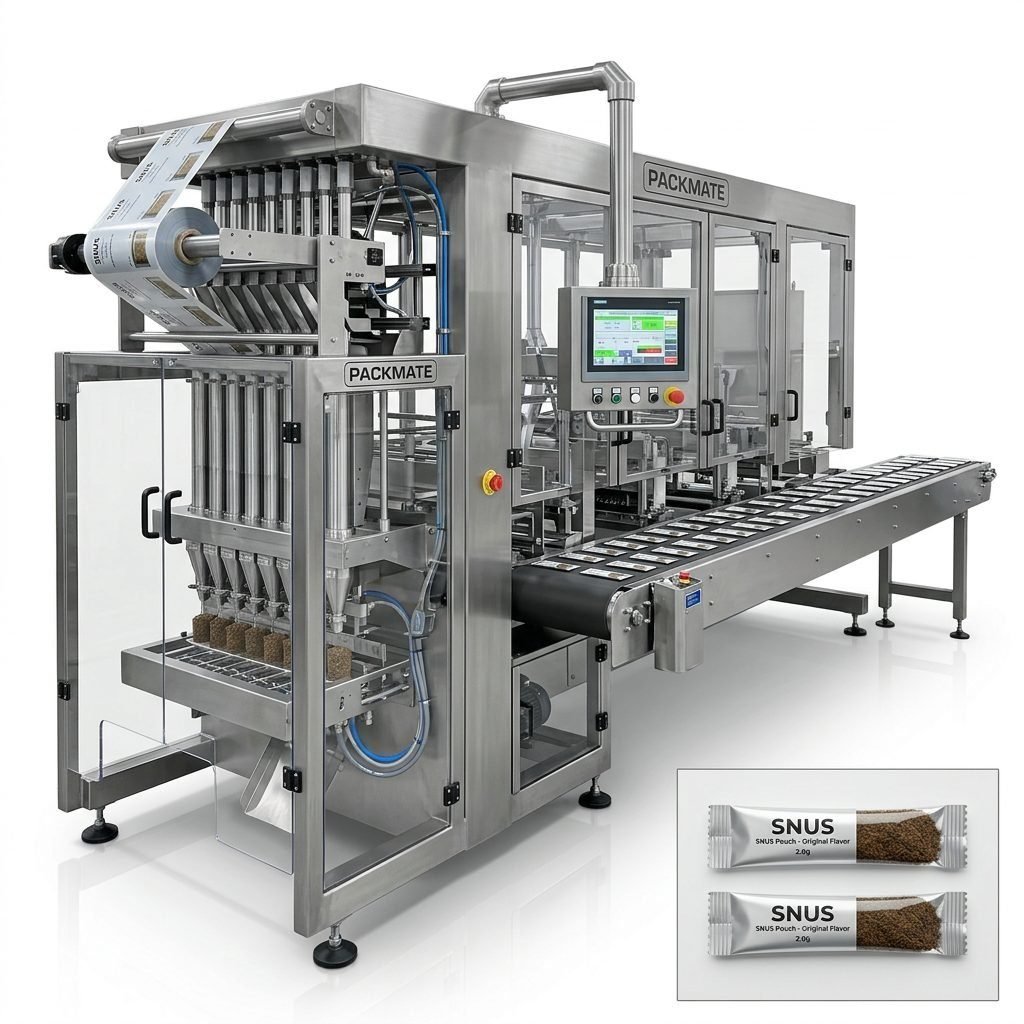
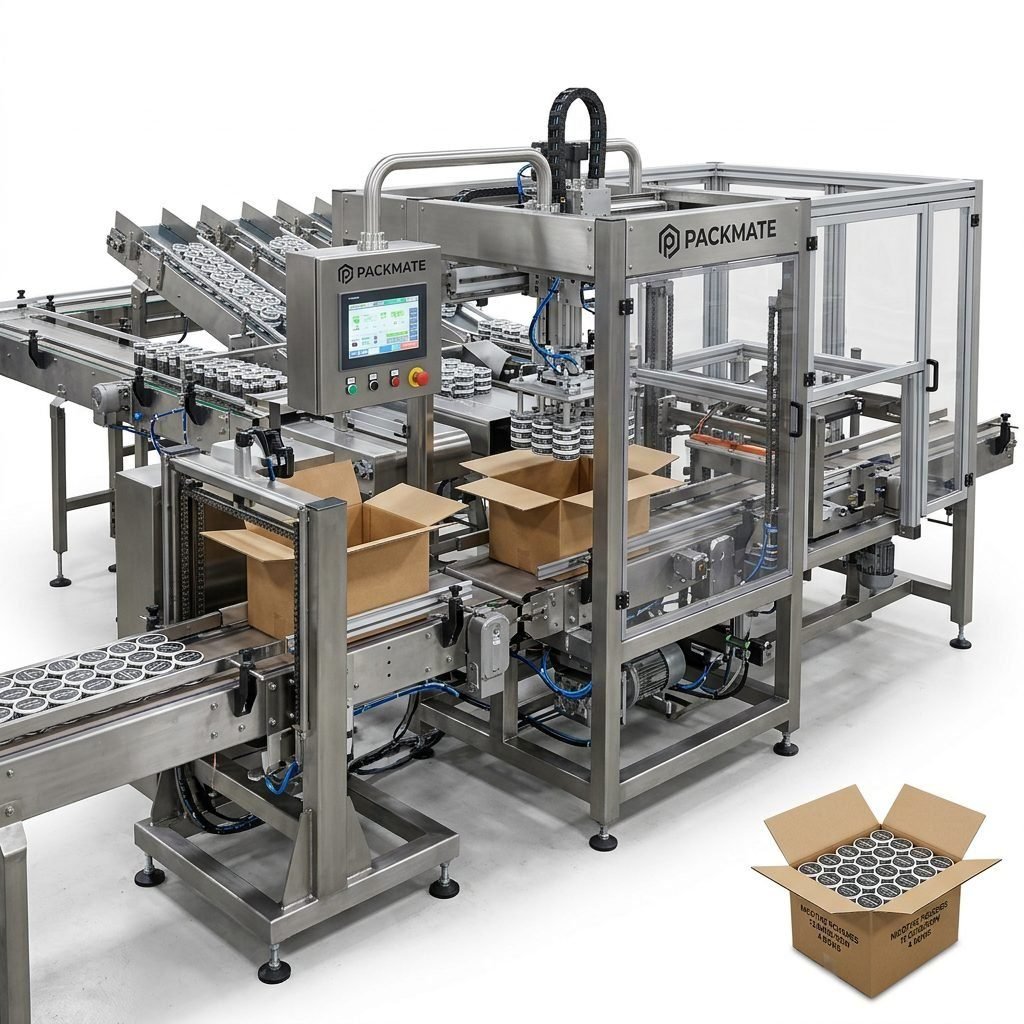
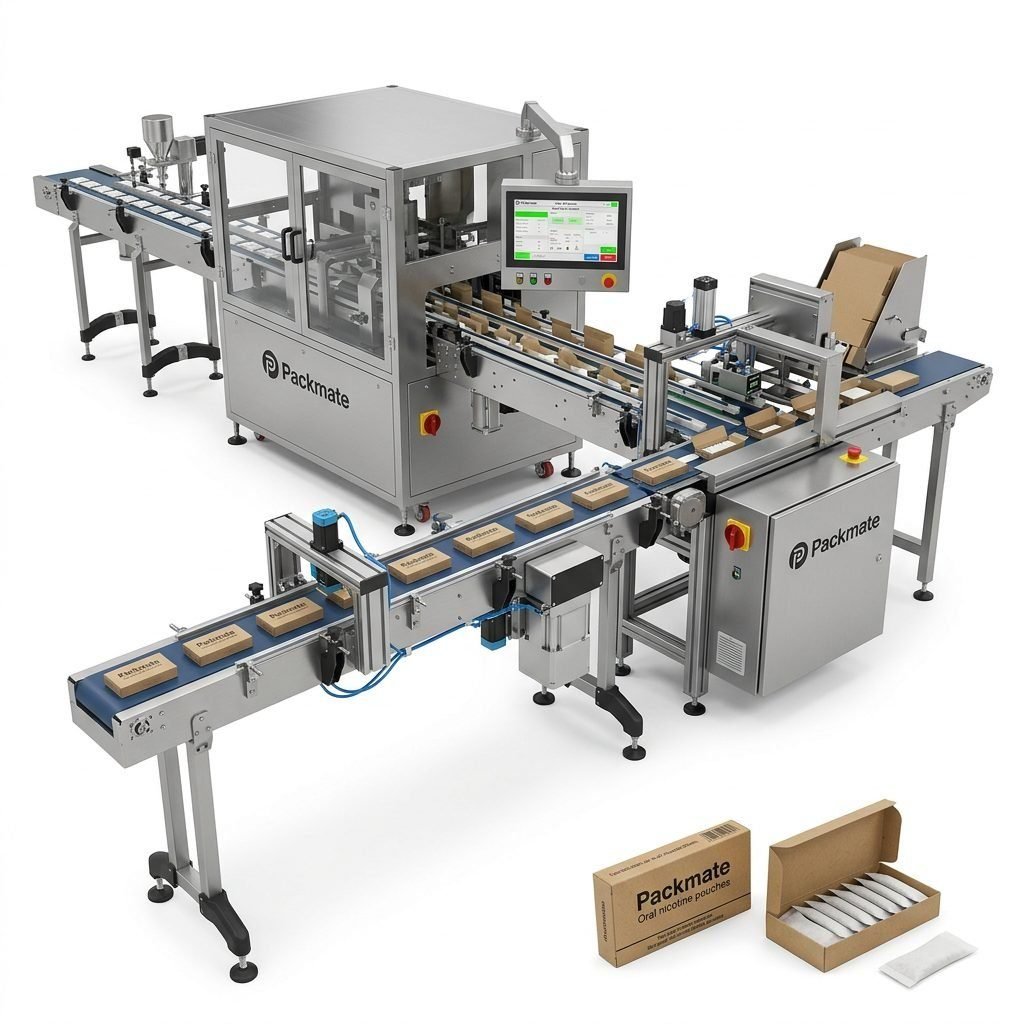
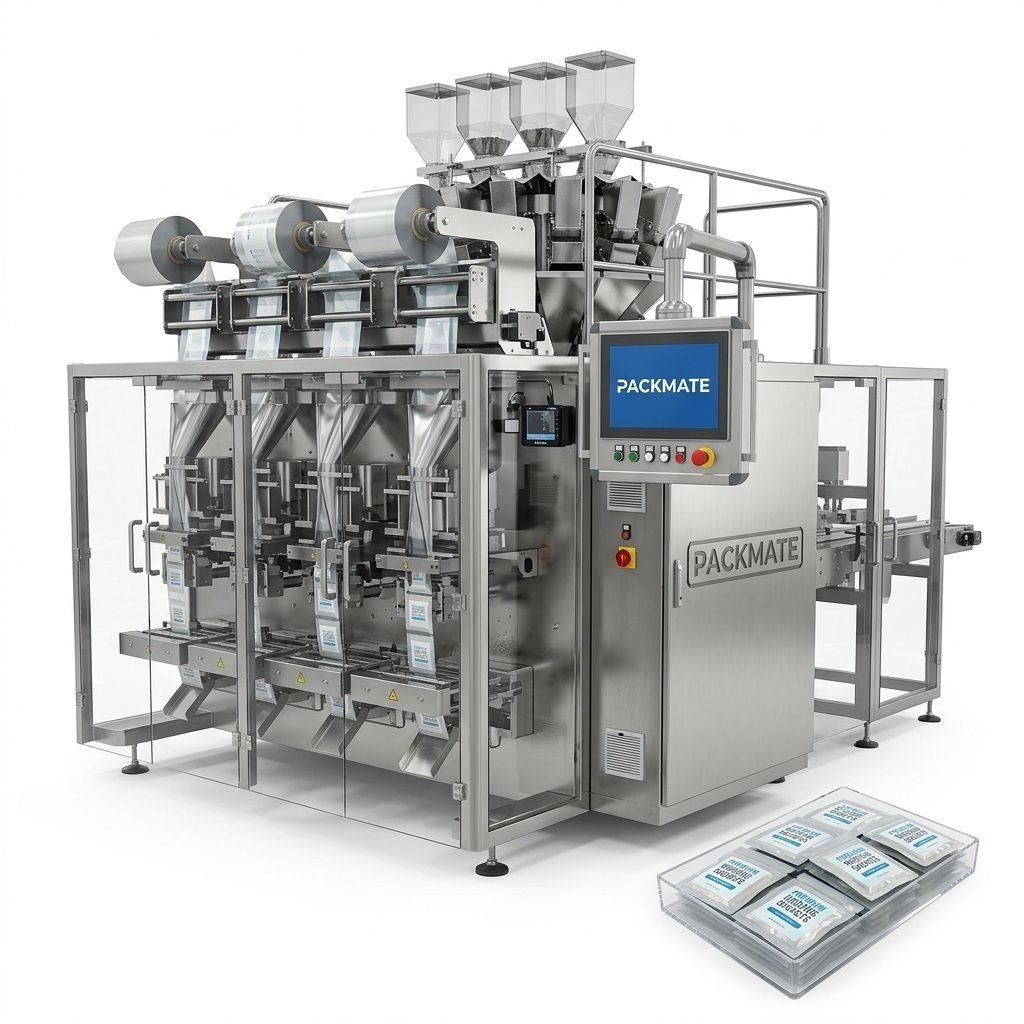
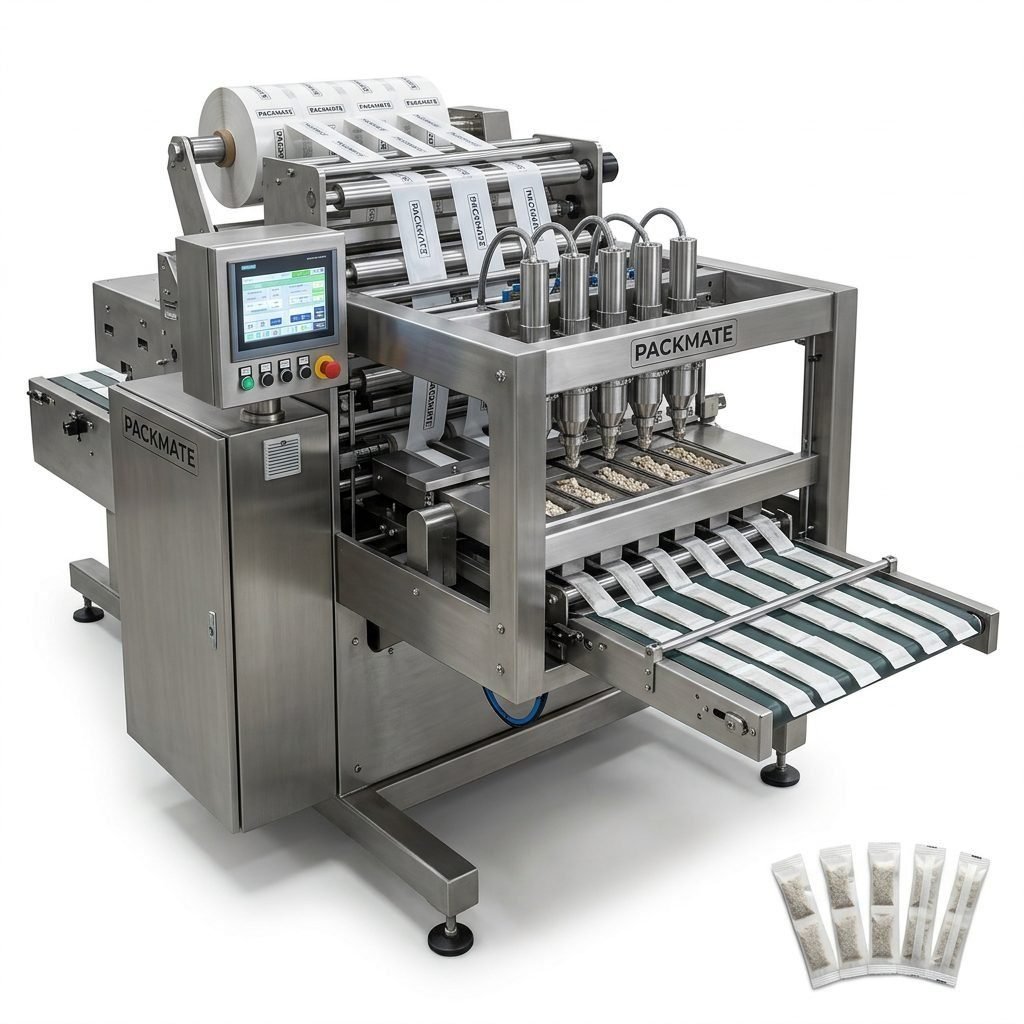
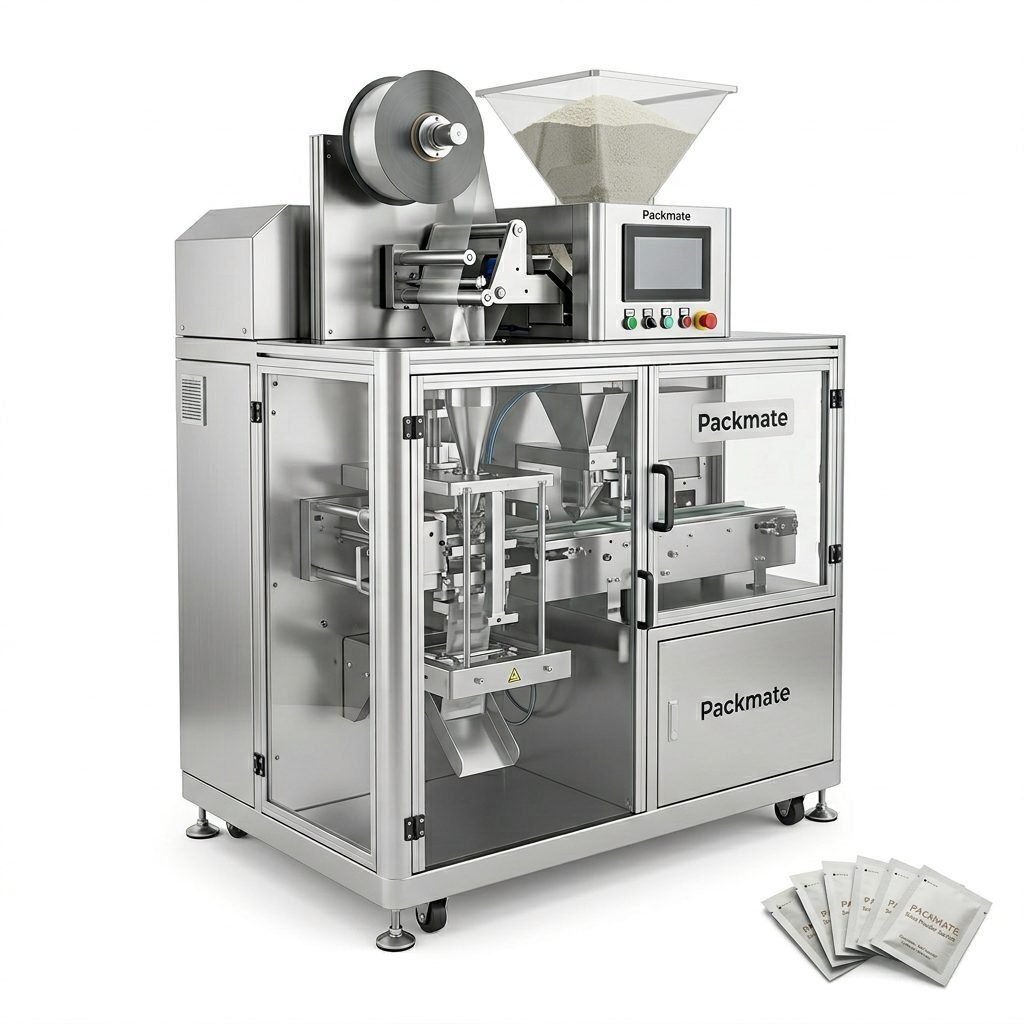
Choosing the right nicotine packaging machinery manufacturer in Serbia is a strategic decision that affects product quality, compliance, and long-term operational costs. This guide walks through practical selection criteria, local considerations for Serbian businesses, inspection checkpoints, logistics and after-sales factors, and why long-standing suppliers with turnkey capabilities are often the best partners for growing nicotine pouch production lines.
Understanding Your Production Needs in Serbia
Serbia’s tobacco and nicotine product market has its own regulatory landscape and cultural purchasing patterns. When selecting a manufacturer, start by mapping your production targets: daily output, product formats (loose snus, nicotine pouches, sachets, stick packs), pouch weight variability, and any plans for multi-flavor or multi-size SKUs. Local habits such as strong interest in imported European-style products and a growing preference for discreet nicotine formats mean flexibility and consistent quality are priorities for Serbian customers.
Regulatory & market context
Serbian import rules, labeling requirements, and health-related regulations can affect machine specifications (e.g., hygienic design, dust control, material compatibility). Manufacturers with CE and ISO-compliant equipment provide easier paths to meeting both Serbian and EU-adjacent expectations. If you plan to export to neighboring markets, pick equipment that follows international norms.
Key Criteria to Evaluate Manufacturers
① Experience & Proven Projects — Look for manufacturers with decades of engineering experience and a portfolio of nicotine pouch installations. Longevity indicates refined mechanical design and problem-solving capability.
② Technical Capability & Model Range — A wide model range (single-lane to multi-lane lines, stick pack, sachet, pouch and sealing types) means you can scale or switch formats without replacing the entire line. Check for advanced CNC manufacturing and precision assembly facilities.
1. Production experience and references
Industry leaders with 20–30+ years track records often supply robust machines for nicotine pouch manufacturing. Request case studies or references showing uptime, line speeds, and troubleshooting records. If possible, ask for European or regional references to understand service timelines for Serbia. Companies that exhibit at global trade shows demonstrate transparency and confidence — look for exhibition records when verifying suppliers.
2. Machine types & adaptability
Evaluate whether a manufacturer offers: multi-lane snus machines, pouch and sachet machines, stick pack options, and flexible dosing systems. Multi-lane lines are essential for small-dose pouches to achieve high throughput. Confirm changeover times between SKUs and the ease of adjusting fill weights.
3. Quality assurance & certifications
Ensure the manufacturer provides documented quality control, ISO, and CE certifications. These indicate adherence to manufacturing standards and safer integration into Serbian production environments. Ask for factory test reports and FAT (Factory Acceptance Test) procedures to validate performance before shipment.
4. After-sales support & spare parts
Local service is a critical factor in Serbia. Confirm response times for spare parts, remote diagnostic options, and on-site commissioning support. Manufacturers who train operators and provide clear maintenance plans will reduce downtime and protect production continuity.
5. Turnkey solutions & customization
For new production sites, turnkey capabilities (weighing systems, conveyors, packaging, and end-of-line solutions) reduce the complexity of integration. Check the manufacturer’s ability to customize specifications for local packaging preferences, dosing tolerances, and line layout constraints found in many Serbian facilities.
Practical Evaluation Checklist (What to Ask)
Use this set of targeted questions during sales meetings or factory visits to quickly assess if the manufacturer is the right fit for your Serbian operation:
🔎 Production capacity: Can the line meet your daily/weekly output targets at acceptable quality levels?
⚙️ Changeover time: How long to switch formats and what tooling is required?
📄 FAT & SAT plans: Will the vendor perform FAT and support SAT (site acceptance) in Serbia?
🧰 Spare parts: Typical lead times for critical spares and whether kits are pre-configured.
Why a Manufacturer Like Packmate May Fit Serbian Buyers
Packmate Snus Machine brings 30+ years of engineering and a factory footprint of 20,000㎡ with advanced CNC machining and precision assembly. Their product range covers multi-lane snus machines, sachet and stick pack options, and complete filling & packaging lines — which aligns well with Serbian producers who need scalability and turnkey delivery.
For technical details and models, review the manufacturer’s product pages such as Snus & Nicotine Packaging Machines and Sachet & Stick Pack Machines. Learn about their factory and certifications at About Packmate and Certificate.
Factory Visit & Acceptance Testing
Whenever possible, schedule a factory visit. Observing production, assembly practices, and quality checks reduces procurement risk. During FAT, validate: target line speed, pouch weight consistency, sealing integrity, and upstream/downstream integration. Ask the vendor to run your exact product or a very similar formulation in testing.
Logistics, Installation & Local Customs in Serbia
Serbia’s logistics network is generally efficient for heavy equipment shipments, but you should prepare for customs documentation, VAT handling, and potential temporary storage. Factor in crating, inland delivery to your site, and relevant import duties. Many Serbian factories prefer vendors that offer on-site installation guidance and operator training — suppliers who attend European exhibitions or work through regional partners can often provide faster in-country support.
Installation timeline expectations
A typical schedule: shipping and customs (4–8 weeks), on-site installation and commissioning (1–3 weeks depending on complexity), and operator training (2–5 days). Plan to keep production buffers during the commissioning phase.
Maintenance, Training & Spare Parts Strategy
Prioritize manufacturers who provide clear maintenance schedules, downloadable manuals, and training programs for operators and maintenance staff. Keep a local inventory of critical spares (seals, belts, sensors) to minimize downtime. Remote diagnostics, video support, and a predefined escalation path are valuable for Serbian sites that may not have immediate on-site vendor representation.
Multi-lane vs Single-lane: Making the Right Choice
Multi-lane systems are ideal for high volumes of small-dose nicotine pouches — they multiply output while keeping per-pouch costs lower. Single-lane machines may suit artisanal or small-batch producers who need frequent format changes. Assess your expected SKU proliferation and whether future expansion is planned; modular systems allow you to add lanes or modules as demand grows.
Cost Considerations Beyond Purchase Price
Total cost of ownership includes spare parts, maintenance, electricity consumption, installation, operator training, and potential downtime costs. Cheaper initial quotes can mask higher long-term expenses. Seek clarity on warranty coverage, consumables, and a spare parts price list before finalizing the purchase.
How to Finalize a Contract with Confidence
A well-drafted contract should include technical specifications, warranty terms, acceptance criteria, delivery and installation milestones, payment terms, and an explicit spare parts and service agreement. If you are unfamiliar with industrial procurement, engage technical advisors or request an independent inspection during FAT.
Useful Vendor Links & Resources
For deeper product research, consult vendor product pages such as Snus & Nicotine Packaging Machines, Weighing & Packaging Systems, and the company case studies at Case to verify real-world installations and customer feedback.
Final Recommendations
In summary, choose a manufacturer that combines deep snus/nicotine experience, robust after-sales support, and a range of machine types that match your production roadmap. For Serbian operations, prioritize vendors who are transparent about logistics and who can provide timely spare parts and training. A vendor with certified equipment and global turnkey experience reduces your long-term risk and helps you scale confidently.
Frequently Asked Questions
Q1: What certifications should I insist on for nicotine packaging machines?
Ask for CE and ISO certificates, factory quality inspection reports, and documented FAT procedures. These demonstrate compliance with international manufacturing and safety standards and simplify regulatory acceptance in Serbia and neighboring markets.
Q2: How long will it take to commission a snus packaging line in Serbia?
Typical timelines range from 4–8 weeks for shipping and customs, plus 1–3 weeks for on-site installation and commissioning, depending on line complexity and local site readiness. Allocate time for operator training and initial optimization runs.
Q3: Should I buy multi-lane machines for small-dose pouches?
If you aim for high throughput with low per-unit costs, multi-lane systems are recommended. For smaller batches or frequent format changes, single-lane machines may be more flexible. Consider modular systems to balance both needs.
Q4: How can I ensure fast spare parts delivery in Serbia?
Negotiate spare parts kits and minimum stock levels during purchase. Choose vendors with regional warehouses or reliable international shipping partners, and verify typical lead times for critical components before signing.
Q5: Where can I see live demonstrations or meet suppliers?
Attend industry exhibitions where manufacturers demonstrate machines and speak directly to engineers. You can check vendor exhibition pages such as Our Exhibition to find upcoming events and live demos.