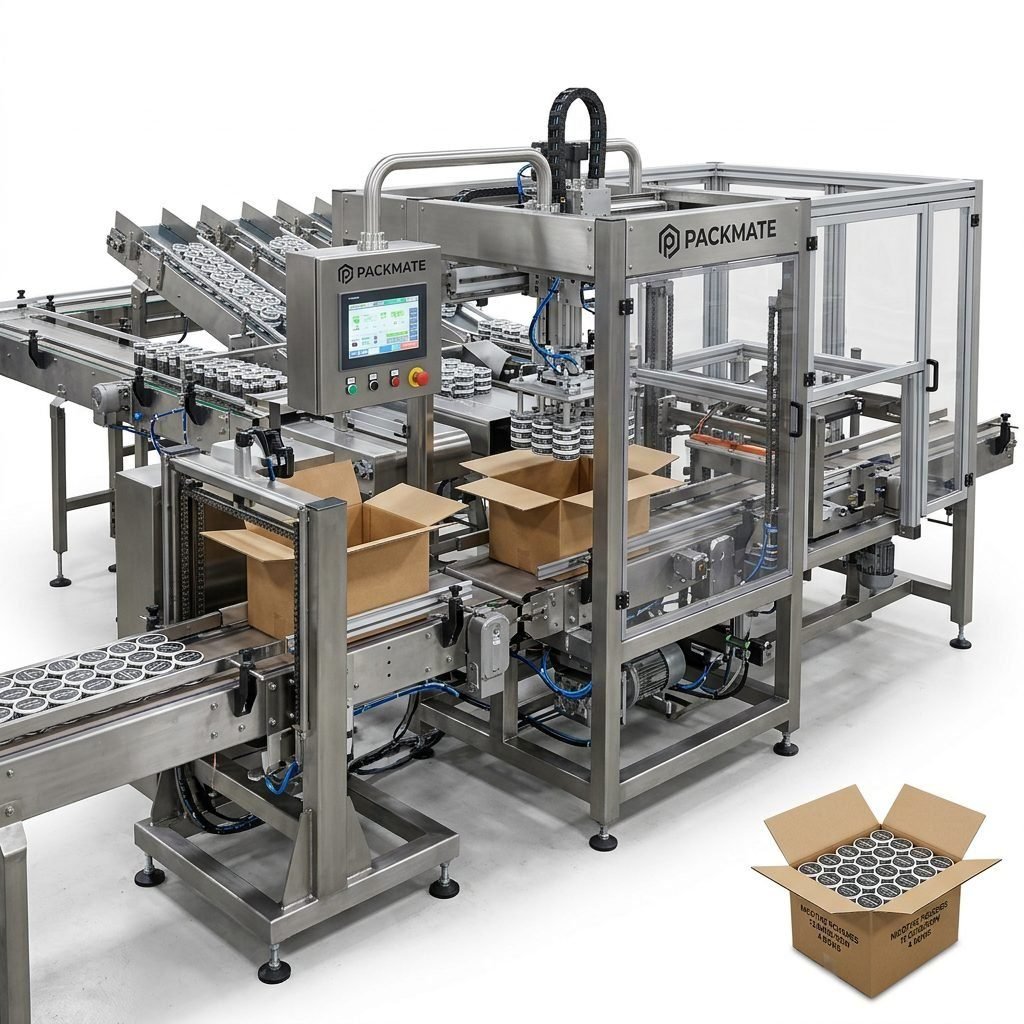
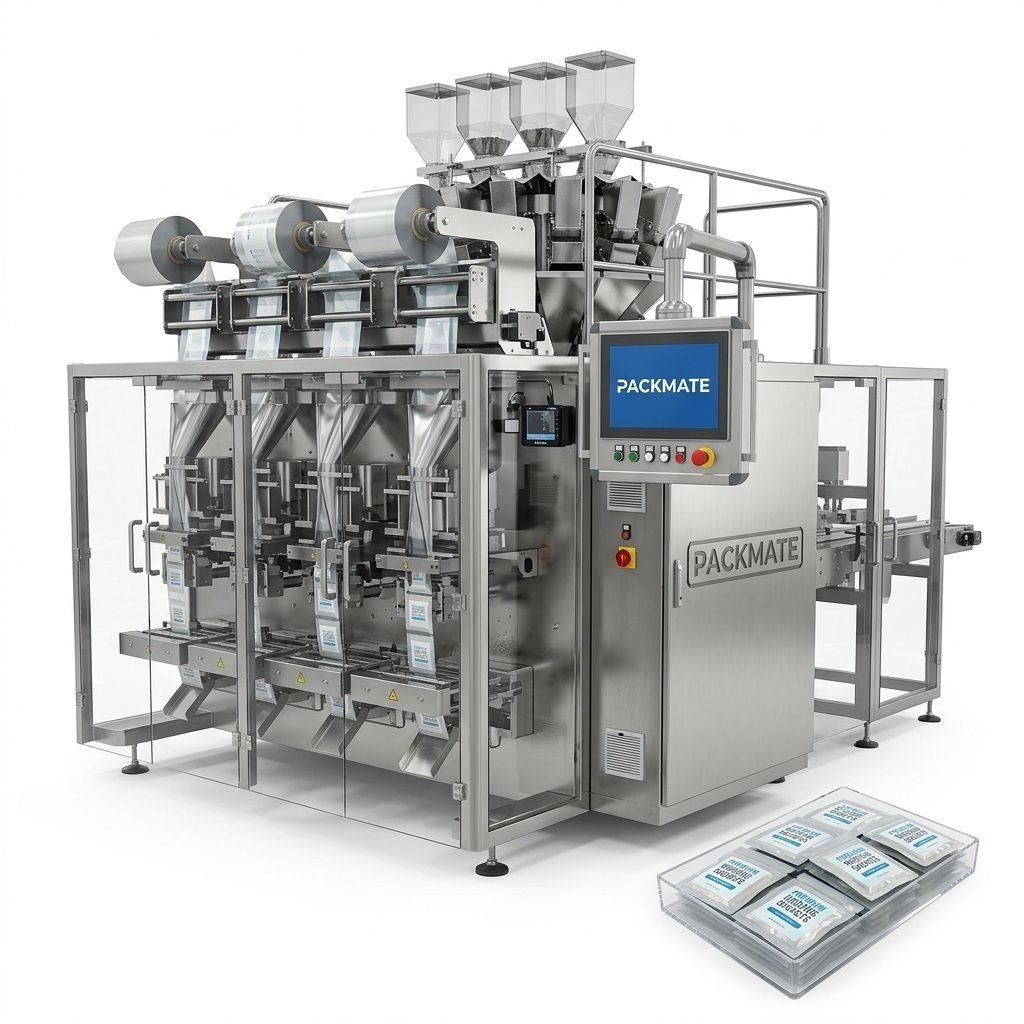
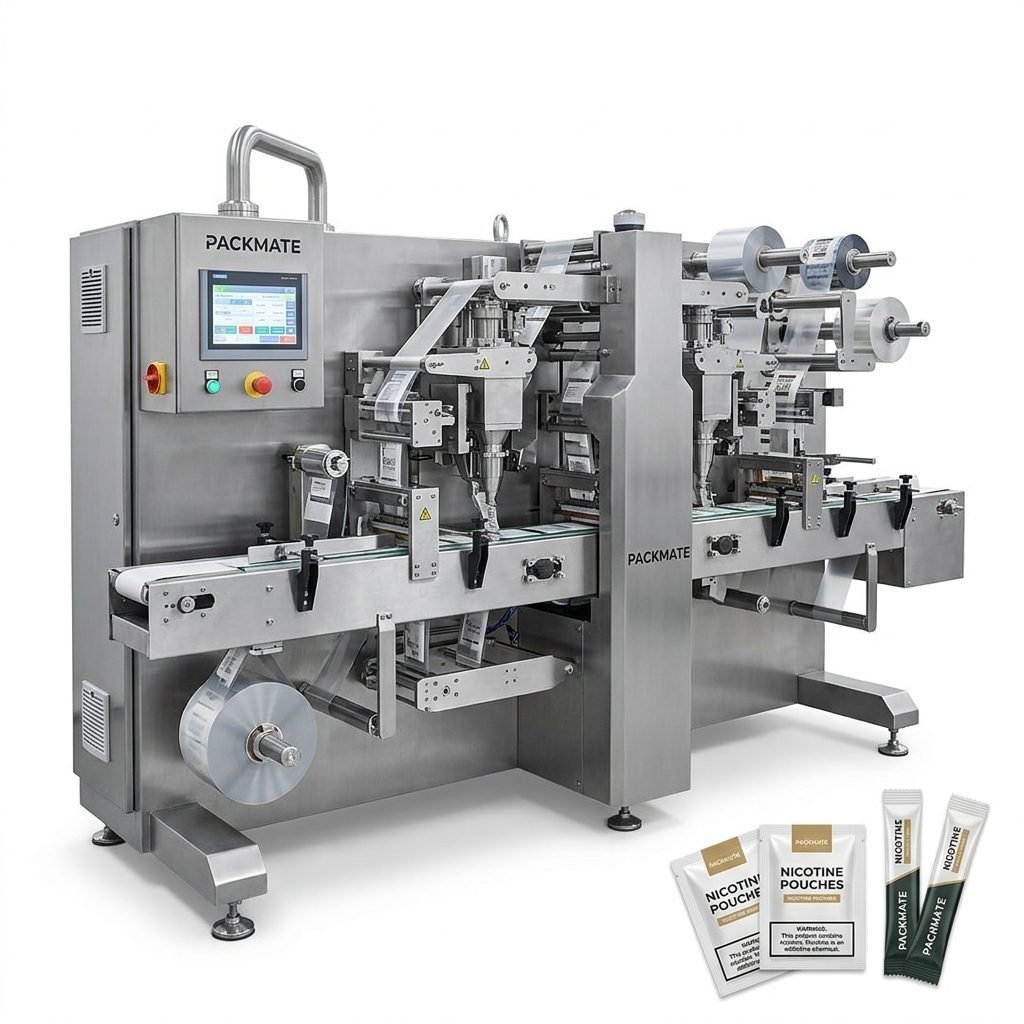
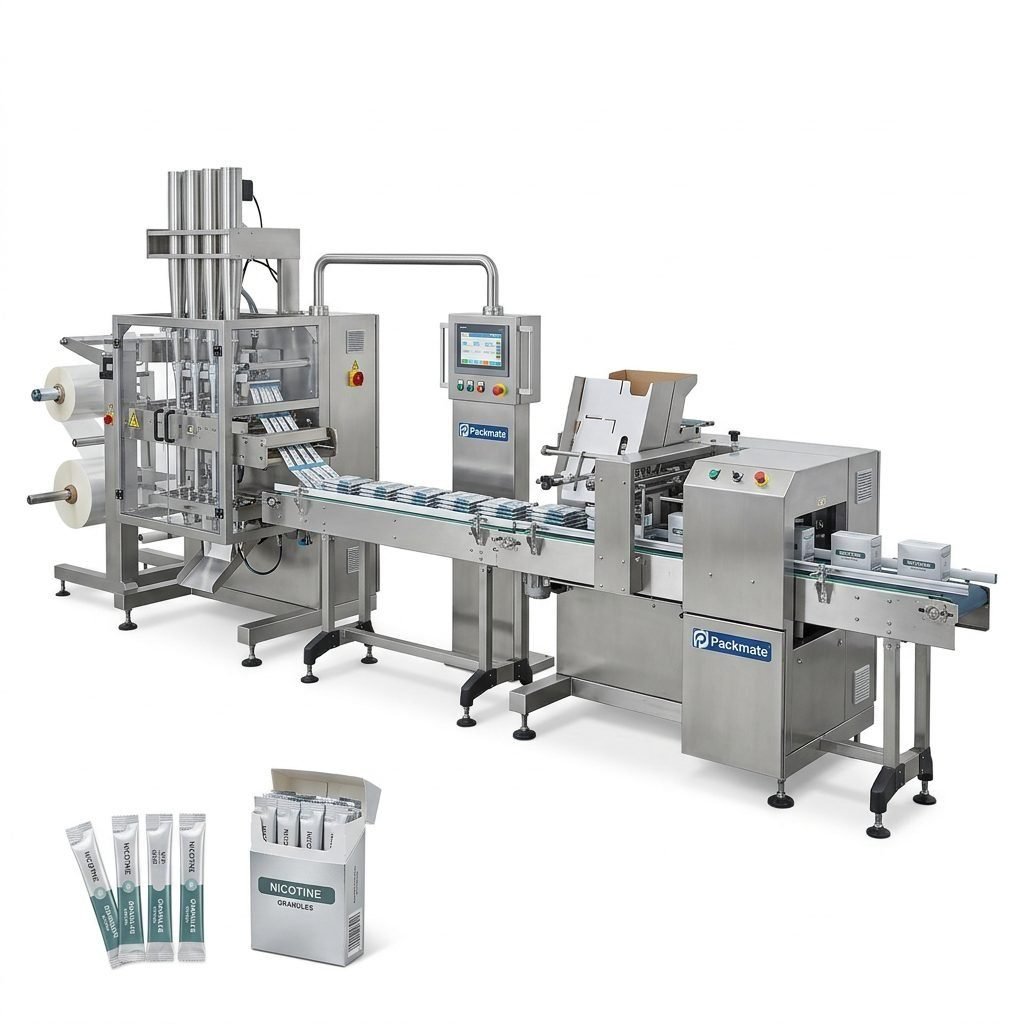
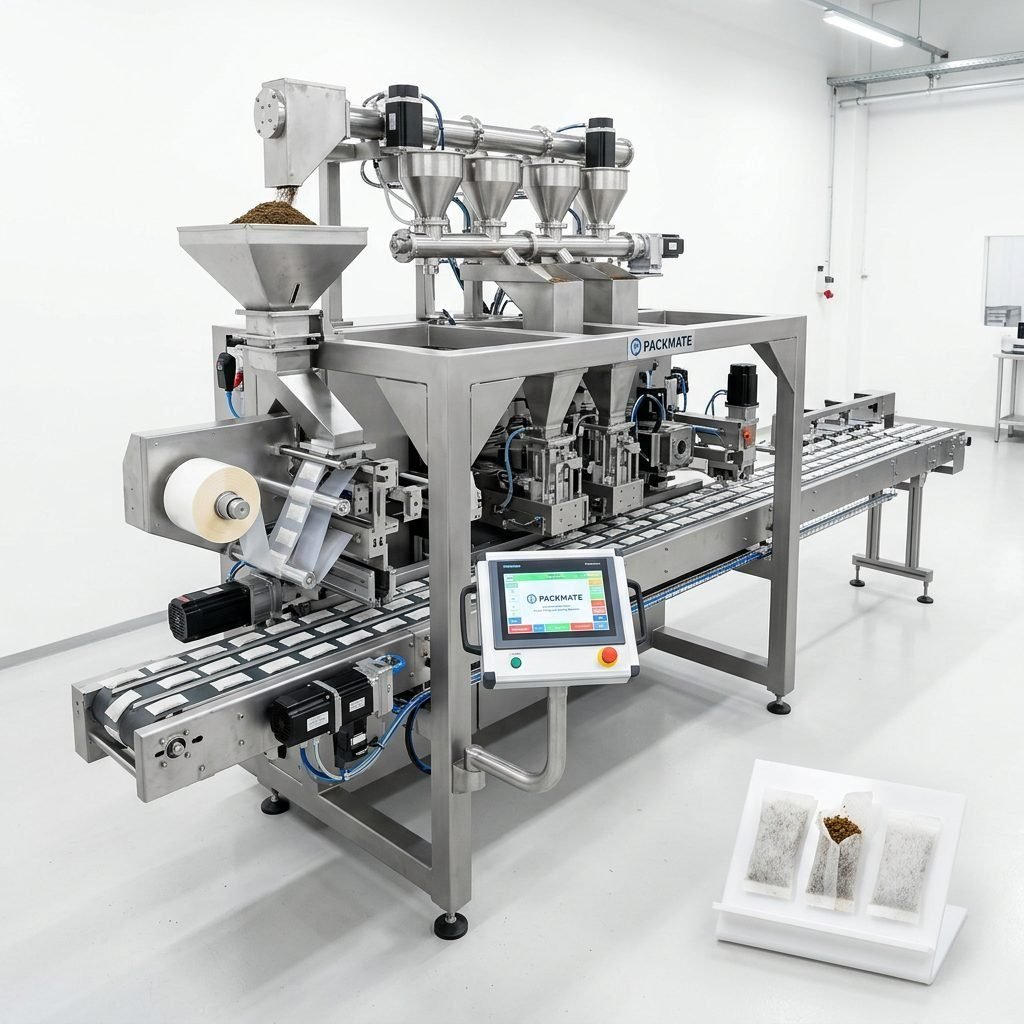
Choosing the right snus packaging machine manufacturer for your business in France is a strategic decision that affects production efficiency, regulatory compliance, and long-term profitability. This guide walks you through practical evaluation criteria, the France-specific factors to consider, and a step-by-step decision process so you can confidently select a partner who can deliver reliable snus and nicotine pouch packaging solutions.
Why the Manufacturer Choice Matters
A packaging machine is a major capital investment. The right manufacturer not only supplies equipment but also impacts product quality, uptime, maintenance costs, and compliance with European standards. Poorly chosen equipment can lead to production bottlenecks, high downtime, and regulatory risks. Conversely, a well-matched supplier enables scalable production, predictable maintenance, and reduced total cost of ownership.
Understand Your Product & Production Needs
Before evaluating vendors, clearly define your product specifications: pouch type (stick, sachet, multi-lane pouches), dose accuracy, line speed (pouches per minute), and downstream requirements such as labeling, cartoning, or case packing. Also consider raw material characteristics (powder, granule, moisture) and required hygiene levels. These inputs determine which machine platforms are suitable.
Key Evaluation Criteria
Use the following criteria as a comprehensive checklist when vetting manufacturers. Each point helps you quantify risk and expected performance.
1. Industry Experience & Track Record
Look for manufacturers with proven experience in snus and nicotine pouch packaging. Companies with decades of engineering and deliverable case histories typically provide more mature designs and field-proven reliability. For example, a supplier with over 30 years of engineering experience and a broad portfolio is better positioned to address nuanced product requirements.
2. Machine Portfolio & Flexibility
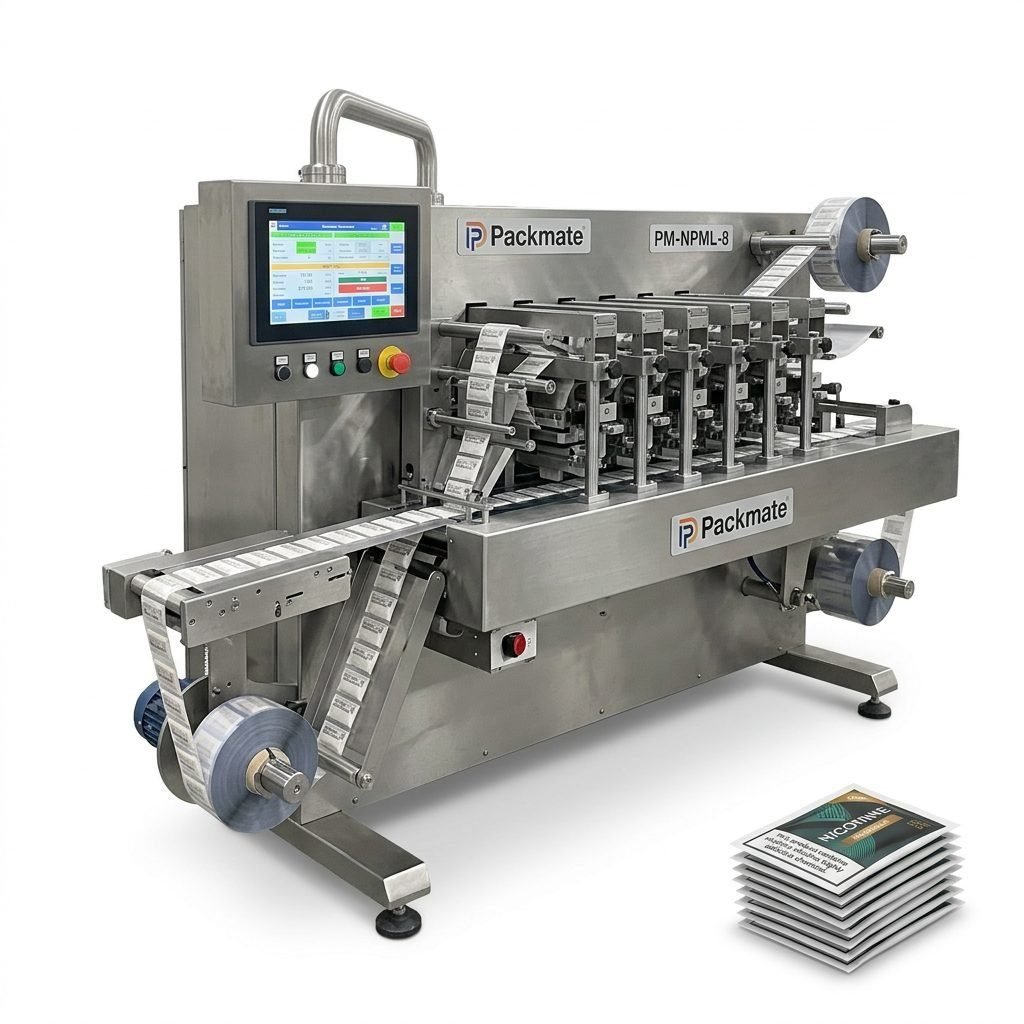
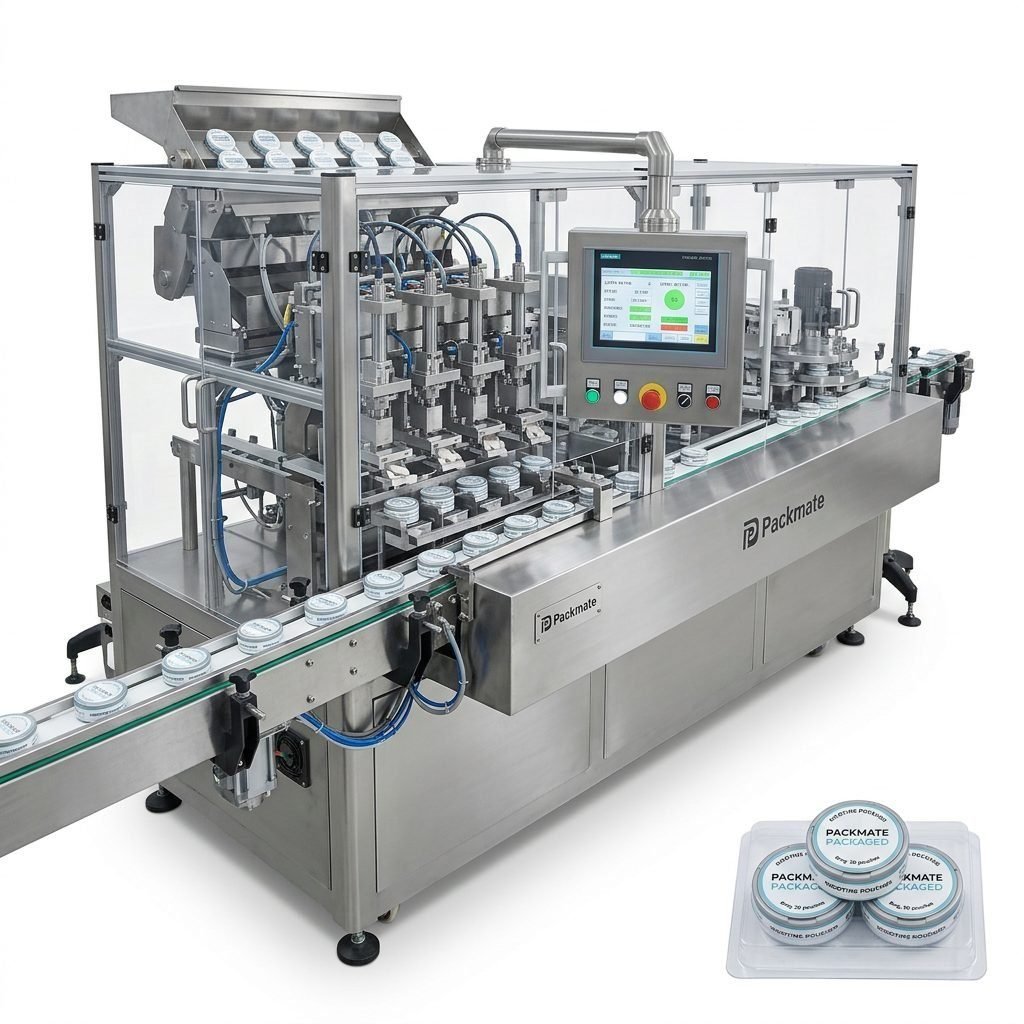
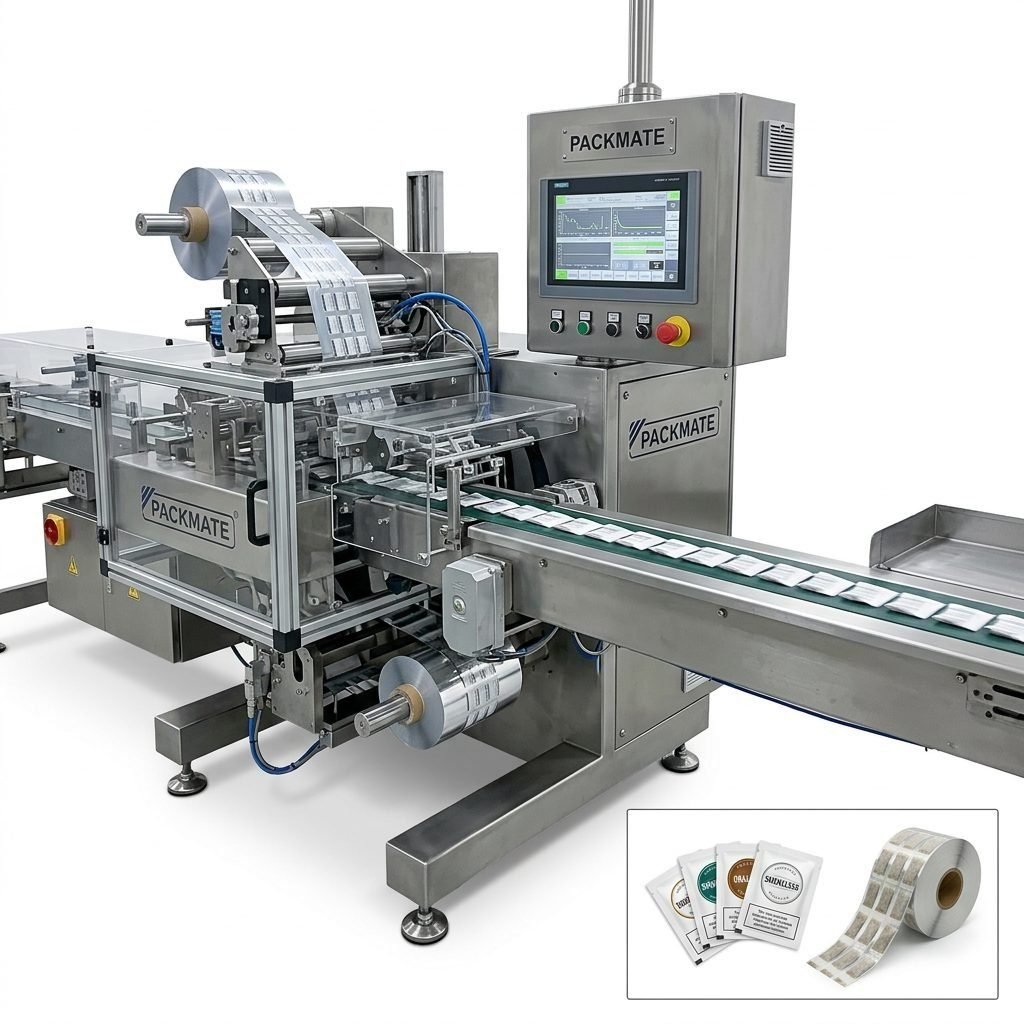
Ensure the vendor offers the right machine types: stick pack, sachet, multi-lane pouch systems, and auxiliary equipment. Manufacturers that provide multiple models and customization options allow you to scale and adapt your line as product SKUs evolve. See product categories such as
Snus & Nicotine Packaging Machines,
Sachet & Stick Pack Machines, and
Bag & Pouch Packaging Machines.
3. Custom Turnkey Solutions
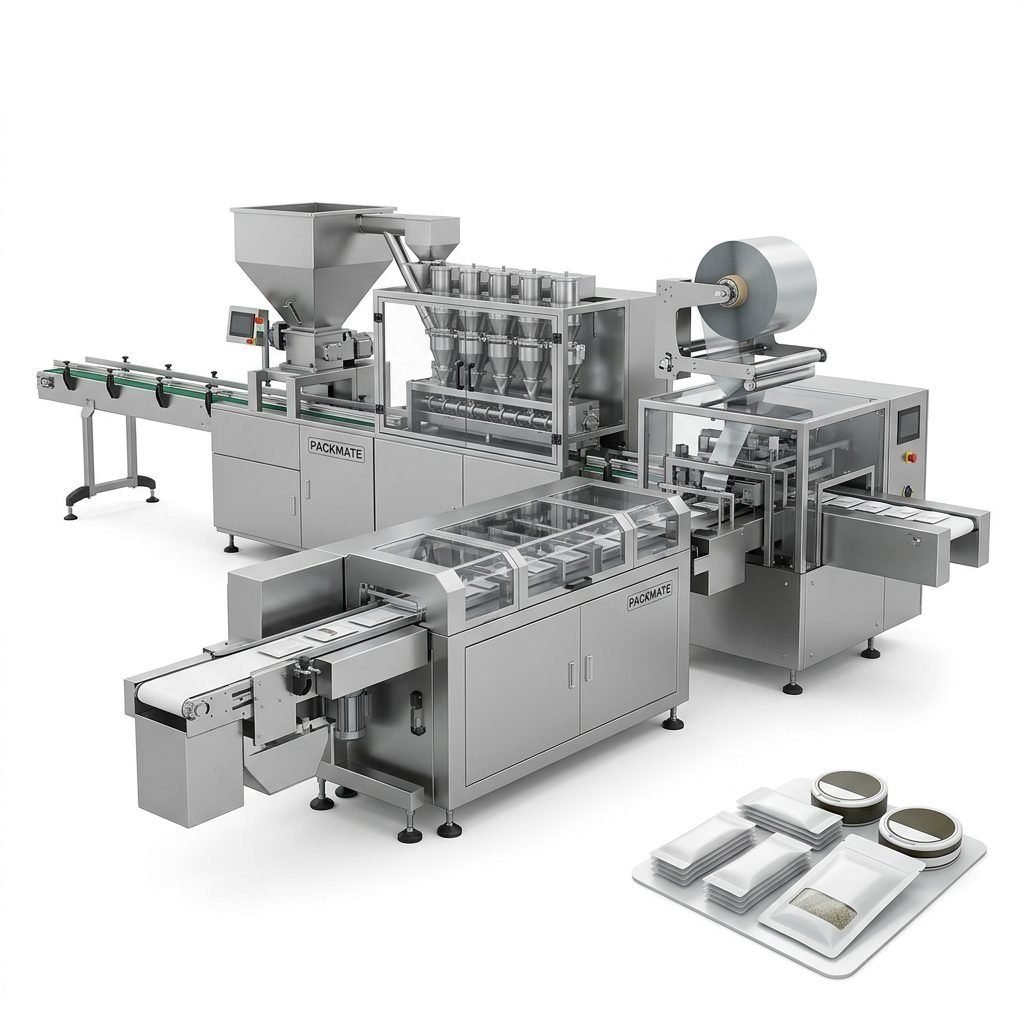
If you need a complete production line (weighing, dosing, filling, packaging, and end-of-line systems), choose suppliers who offer turnkey integration and system engineering. Integrated lines reduce compatibility issues and accelerate commissioning. Review turnkey capabilities like those described under
Filling & Packaging Lines and
Weighing & Packaging Systems.
Quick tip: prioritize vendors who can demonstrate completed turnkey projects and provide references from similar snus or nicotine pouch operations—this reduces commissioning risk.
4. Quality, Safety & Certifications
Verify CE, ISO, and other relevant certifications that ensure compliance with EU safety and quality standards. A manufacturer that implements strict quality testing and precision assembly is more likely to deliver machines with consistent performance. Check their certificates and testing procedures — for example see
Certificate.
5. Factory Capability & Spare Parts Availability
Facility size, CNC machining capabilities, and assembly lines indicate a supplier’s production capacity and precision. A modern 20,000㎡ facility with advanced CNC centers usually ensures better component quality and faster spare parts manufacturing. Confirm spare parts lead times and whether spare components are stocked locally in Europe.
6. After-sales Support, Training & Service
After-sales responsiveness is critical. Ask about warranty terms, local technical support, remote troubleshooting, training for operators and maintenance staff, and availability of installation engineers. Reliable service reduces downtime and improves OEE (Overall Equipment Effectiveness).
7. Total Cost of Ownership (TCO)
Beyond purchase price, calculate energy consumption, maintenance intervals, spare parts pricing, and expected life cycle. A slightly higher upfront cost may yield lower TCO if the machine consumes less energy, uses durable components, and requires infrequent adjustments.
8. Lead Time, Delivery & Logistics
Confirm realistic lead times for machine build and shipping to France, including customs and installation timelines. Suppliers with European logistics partners or regional warehouses can reduce delays and shipping costs.
France-Specific Considerations
Operating in France introduces additional considerations: compliance with EU and French regulations, language support, local service availability, and proximity to trade shows and technical visits. Choosing a supplier that frequently exhibits in Europe or provides multilingual manuals and technicians will simplify integration and compliance.
Attend relevant industry exhibitions to witness live demos. A vendor who participates in global events demonstrates confidence in their solutions and enables you to inspect performance firsthand — see events listed in their exhibition overview at
Our Exhibition.
Regulatory reminder: ensure the machine’s electrical components, labeling systems, and safety guards meet CE directives and local French workplace safety rules.
Practical Steps to Choose the Best Manufacturer
Follow a structured procurement process to minimize surprises and align supplier capabilities with your operational goals.
Step 1 — Define Requirements & KPIs
Create a clear RFP that includes production throughput targets, product specs, acceptable downtime, and integration requirements. Set evaluation KPIs such as accuracy, uptime, and mean time between failures.
Step 2 — Shortlist & Request Demos
Shortlist 3–5 manufacturers based on portfolio and references. Request live demonstrations or video walkthroughs of machines running similar products. Practical demos reveal build quality, changeover time, and operator ergonomics.
Step 3 — Factory & Reference Visits
Visit the manufacturer’s factory if possible to assess assembly practices and quality control. Request customer references and visit end-user sites to validate real-world performance. A robust supplier will gladly provide case studies and introduce you to existing customers — see their
Case page for examples.
Step 4 — Conduct FAT & SAT
Perform a Factory Acceptance Test (FAT) before shipping and a Site Acceptance Test (SAT) after installation. FAT validates machine functions under controlled conditions; SAT verifies integration and performance in your facility.
Step 5 — Negotiate Terms & Aftercare
Agree on delivery terms, warranty, spare parts kit, training, and support SLAs. Include clear acceptance criteria and penalties for missed milestones. Confirm local or regional service coverage to ensure fast response times.
Checklist icon 🔍 Important documents to request: machine datasheets, electrical schematics, spare parts list, FAT protocol, calibration certificates, and maintenance schedule.
Why Work with Experienced Snus Machine Manufacturers
Specialized manufacturers bring deep process knowledge: they understand nicotine pouch behavior, sealing nuances, and dosing challenges. Their R&D history, multi-lane system experience, and ability to provide consistent performance minimize trial-and-error during ramp-up. A seasoned supplier often offers modular upgrades so your line can evolve without major capital replacement.
If you want to learn more about a manufacturer’s capabilities and corporate history, review an About page and technical catalog. For instance, explore
About Packmate and their
Catalog to understand model ranges and factory strengths.
Negotiation Tips & Contract Clauses
Protect your investment with clear contract clauses: acceptance criteria, performance guarantees, spare part pricing for a defined period, training hours, intellectual property for recipe settings, and penalties for late delivery. Specify responsibilities for customs, installation, and commissioning timelines.
Service highlight ✔️ Confirm if the supplier offers preventative maintenance programs and remote diagnostics — these services significantly reduce unplanned downtime.
Making the Final Decision
Weigh technical fit, TCO, service, and vendor stability. A balanced decision prioritizes reliability and local support over the lowest upfront price. Document your scoring matrix and obtain final proposals that include all costs: machine, installation, training, and spare parts.
Conclusion
Selecting the best snus packaging machine manufacturer in France requires a clear requirements definition, due diligence on supplier capabilities, and attention to regulatory and after-sales support factors. Prioritize manufacturers with a proven snus machine portfolio, turnkey integration experience, CE/ISO certifications, strong factory capabilities, and reliable European service. Following the structured steps above will reduce risk and help you secure a partner that supports your production goals and growth.
FAQs
Q1: What is the typical lead time for a snus packaging machine delivery to France?
A1: Lead times vary by machine complexity and customization. Standard models with existing inventory can ship within weeks; fully customized turnkey lines typically require several months for design, manufacturing, FAT, and shipping. Confirm lead times and include them in your contract.
Q2: How important is CE certification for machines used in France?
A2: CE certification is essential for compliance with EU machinery directives and workplace safety regulations. Ensure the manufacturer provides valid CE documentation and relevant test reports.
Q3: Can manufacturers support installation and operator training in France?
A3: Many experienced suppliers provide on-site installation, commissioning, and operator/maintenance training. Verify language capabilities and local presence for faster support. Contact the supplier’s service team or check their
Service and
Contact Us pages for details.
Q4: What spare parts should I stock initially?
A4: Essential spares include wear parts for sealing jaws, sensors, belts, bearings, and critical electrical components. Ask the vendor for a recommended spare parts kit tailored to your production volume.
Q5: How can I validate a supplier’s claims before purchasing?
A5: Request FAT demonstrations, customer references, factory visits, and written performance guarantees. Reviewing case studies and certifications provides additional reassurance—see the manufacturer’s
Case and
Certificate pages.