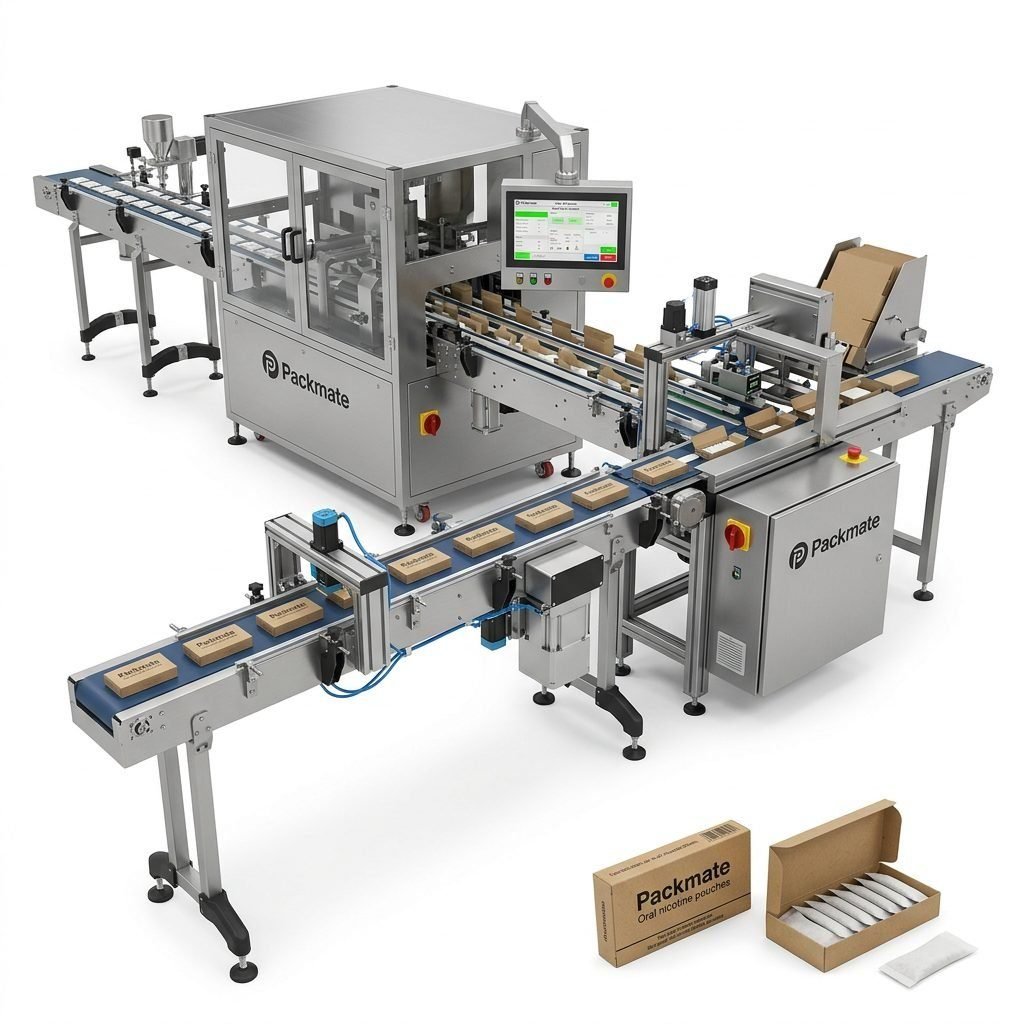
Choosing the right snus packaging machine supplier in New Zealand is a strategic decision that affects product quality, regulatory compliance, time-to-market, and long-term profitability. Whether you’re launching a nicotine pouch brand in Auckland, serving retailers in Christchurch, or supplying a niche Māori market product in regional areas, the supplier you select will shape your production speed, packaging innovation, and after-sales peace of mind. This guide walks you through practical, NZ-specific steps to evaluate and choose the best snus packing machine partner for your business.
🔎 Why the supplier choice matters in New Zealand
New Zealand has a compact but discerning market. Retailers and consumers expect high standards for product presentation, compliance, and environmental responsibility. Local logistics (island geography, remote retail points) and strict labeling requirements mean that a supplier must deliver machines that are reliable, easy to maintain, and flexible enough to meet evolving regulations. A strong supplier will reduce downtime, minimize waste, and help you scale up production to meet seasonal demand or regulatory changes.
Key NZ considerations:
⚡ Robust service and spare parts availability to serve island and rural customers.
📦 Compact, discreet packaging formats preferred by urban consumers.
♻️ Increasing demand for recyclable or minimal plastic solutions.
🧭 Five core criteria to evaluate a snus packaging machine supplier
1) Proven industry experience and product range
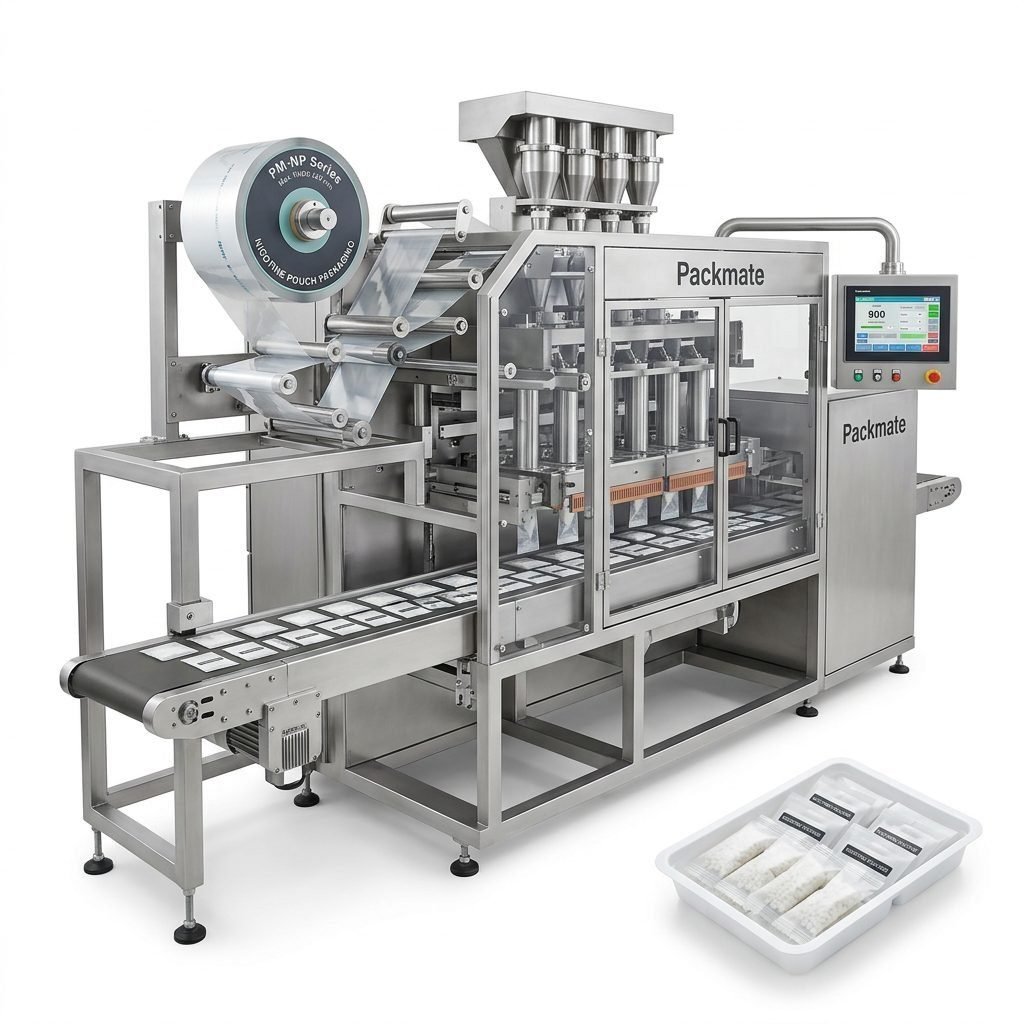
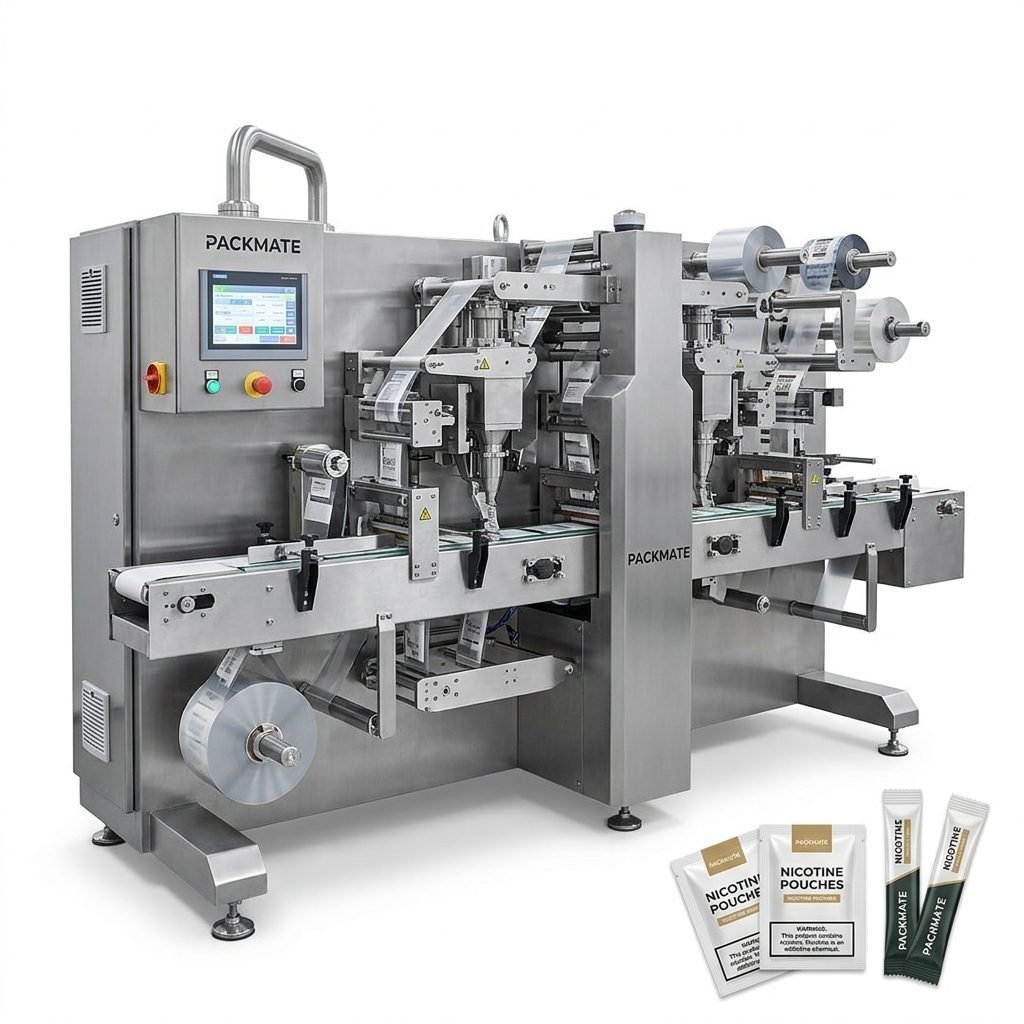
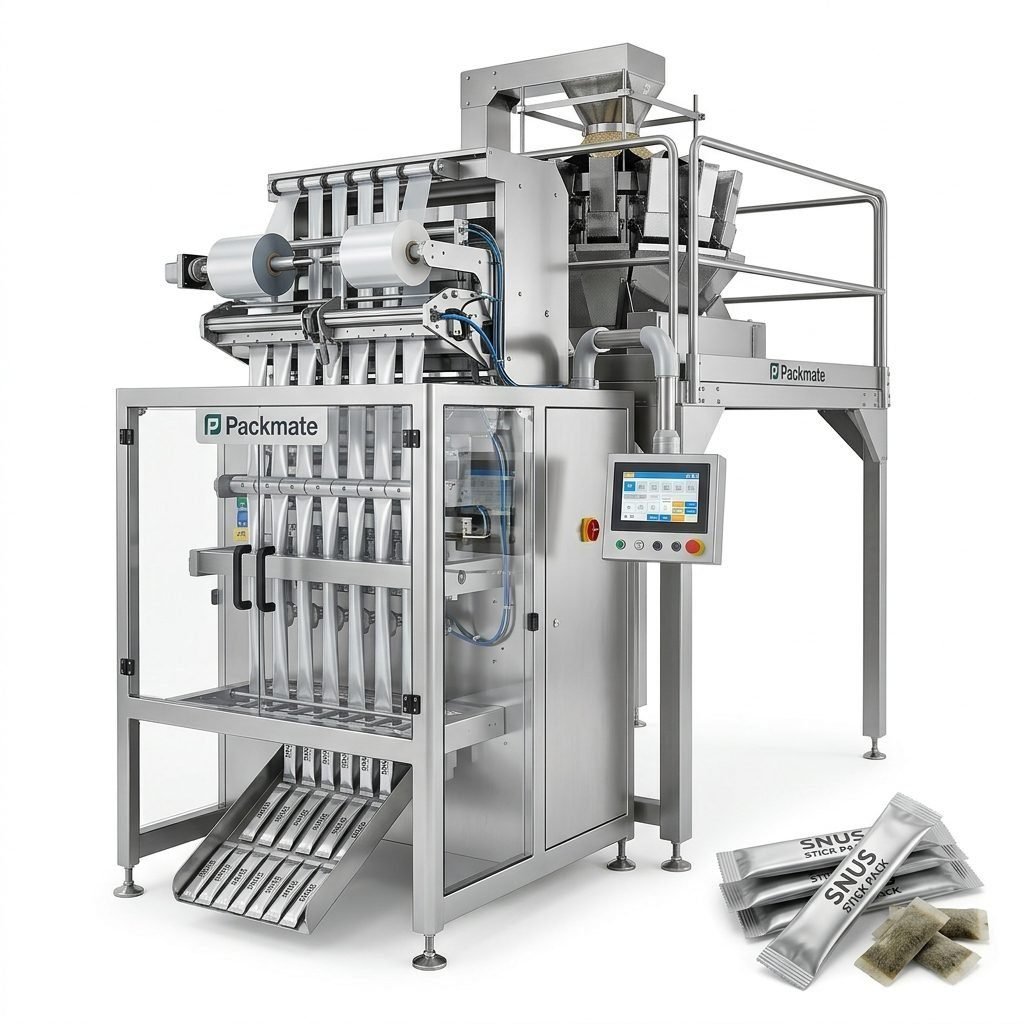
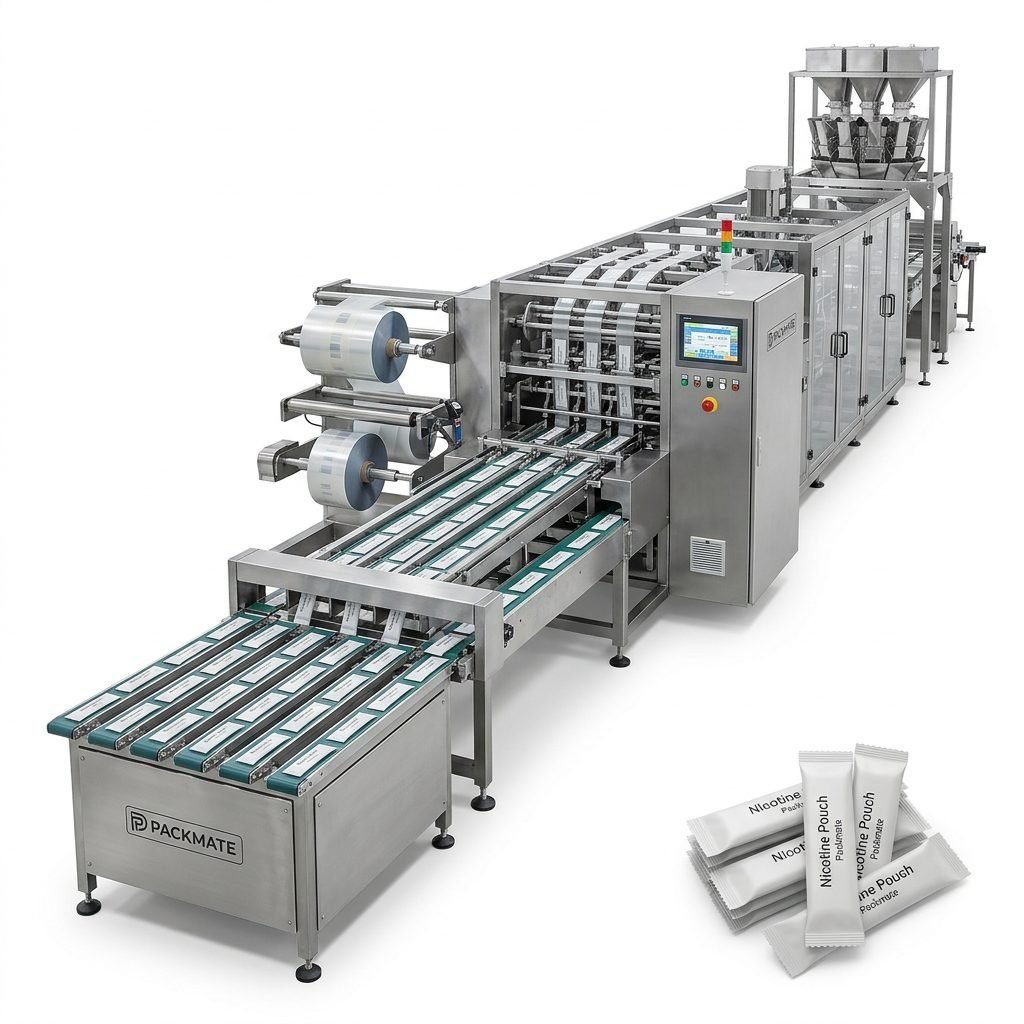
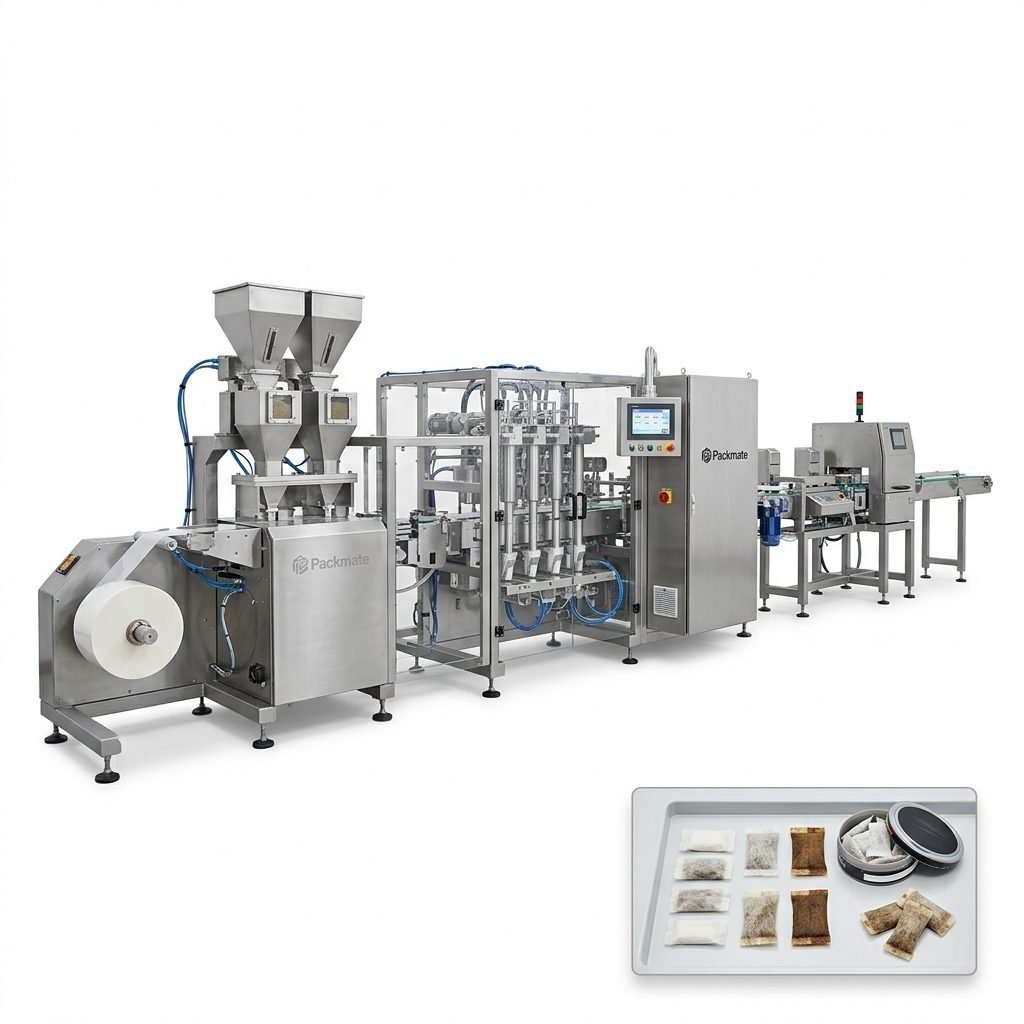
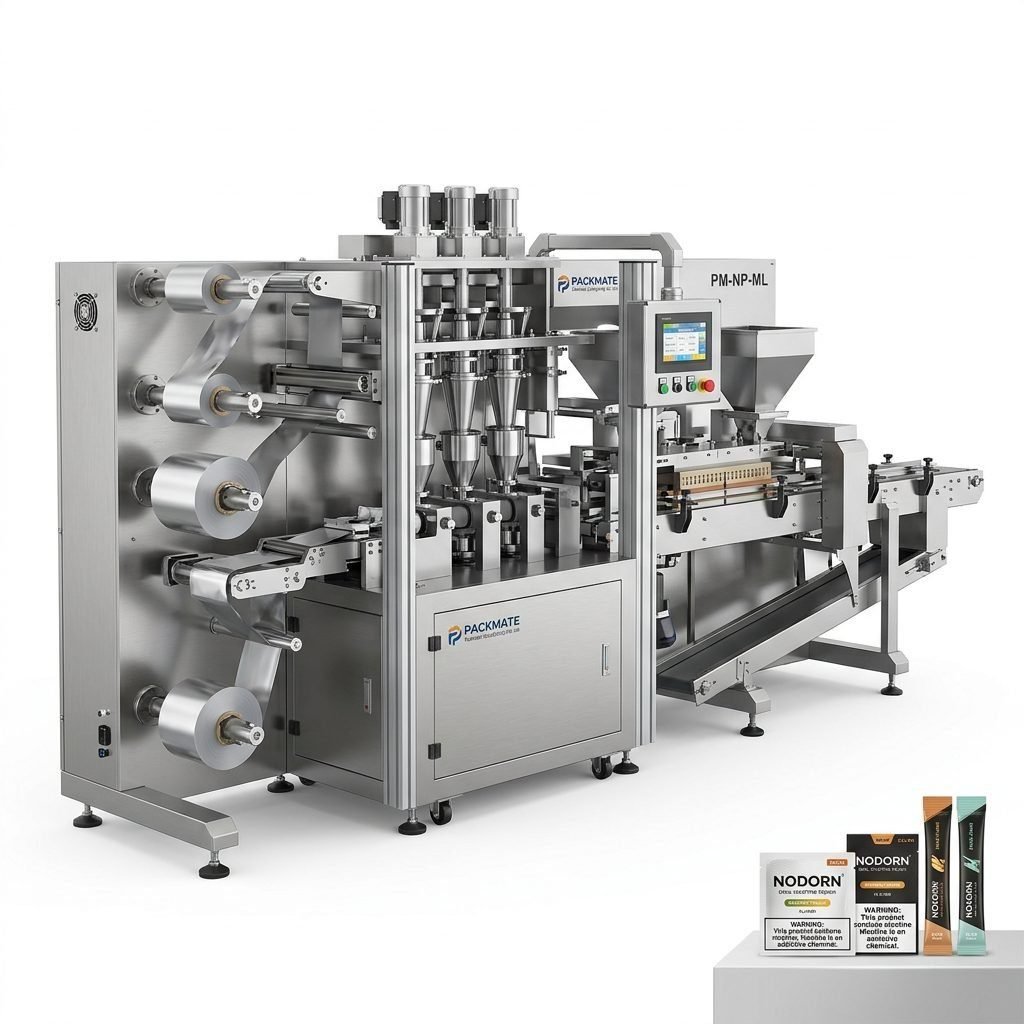
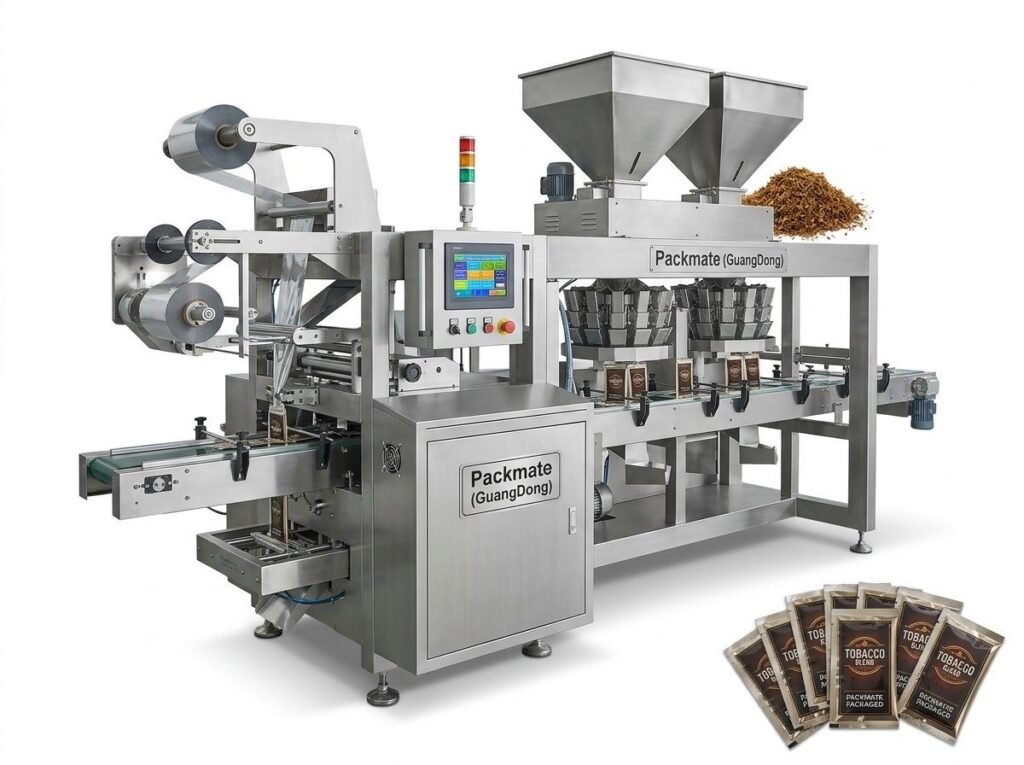
Look for firms with extensive experience in snus and nicotine pouch packaging, not just general packaging machinery. Suppliers who understand small-dose multi-lane systems, stick packs, and sachet formats will better serve the nuances of nicotine pouch production. For example, manufacturers that offer a broad portfolio including Snus & Nicotine Packaging Machines and multi-lane sachet lines can support rapid shifts in product formats.
2) Quality certifications and compliance
Verify certifications such as CE and ISO which indicate rigorous quality and safety management. In the NZ market, documentation that supports clean production, traceability, and safety inspections will streamline import clearance and local regulatory checks.
3) Customization and engineering capacity
Nicotine pouch specifications (weight, moisture, shape, dosing precision) vary across brands. Suppliers with strong R&D, CNC machining capabilities, and a record of custom turnkey lines will offer tailored solutions. Facilities with precision assembly lines and a large footprint (for example, a 20,000㎡ factory) often indicate the ability to scale and customize.
4) After-sales support and spare parts network
Quick access to spare parts and technical service in NZ is crucial. Ask about regional agents, response times for critical failures, and remote diagnostic support. A supplier offering comprehensive service packages, training, and local commissioning will reduce downtime and operating risk.
5) Total cost of ownership (TCO) over upfront price
Machine cost is one component; factor in energy consumption, maintenance intervals, mean time between failures, spare parts pricing, and resale value. A slightly higher initial investment often pays off through lower operating costs and higher uptime.
Tip: Request lifetime cost projections and real-world case studies from suppliers — this helps compare apples-to-apples.
⚙️ Technical features to prioritize for snus & nicotine pouch lines
When evaluating machines, look beyond basic specs. Important technical features include dosing accuracy, multi-lane capability for small-dose pouches, noise and dust control, gentle product handling, quick format changeovers, and automated quality checks (e.g., weight verification, seal integrity). Suppliers that integrate weighing & packaging systems and auxiliary equipment can deliver a smoother production flow — consider reviewing combined solutions like Weighing & Packaging Systems.
🔧 Service, installation and training — the hidden value
Installation quality and operator training influence first-year performance more than many expect. A supplier that provides on-site commissioning, operator training, and preventative maintenance schedules will accelerate production readiness. Ask whether the supplier offers spare parts kits, remote troubleshooting, and local service partners in NZ to avoid extended downtime.
📦 Logistics, import and NZ-specific operational tips
New Zealand’s island geography makes reliable logistics essential. Confirm whether the supplier can prepare export documentation, provide crating for ocean freight, and estimate delivery times to major ports such as Auckland or Lyttelton. For businesses serving remote regions, check machine modularity for easier shipping and local assembly.
Also consider local utilities: voltage standards, compressed air quality, and workshop layout. Suppliers experienced with exports to ANZ usually account for these factors during pre-sale engineering.
🧾 Regulatory, labeling and cultural note for NZ markets
Packaging in NZ should reflect clear labeling in English and, where appropriate for target audiences, include Māori language labeling or bilingual information. Be sensitive to local public health expectations and environmental preferences — recyclable materials and reduced single-use plastics can be an advantage for branding. While suppliers don’t set legal policy, they should be able to design packaging that accommodates required warning labels, batch codes, and traceability features.
📝 Practical checklist to use during supplier evaluation
✅ Can they supply references and live case studies in tobacco or nicotine pouch packaging? (Ask for video tours or performance metrics.)
✅ Are relevant certifications (CE, ISO) available?
✅ Do they provide on-site commissioning, local training, and spare parts kits?
✅ What is the average lead time and shipping plan to NZ ports?
✅ Can the machines handle your target speed, pouch size and material types?
✅ Are environmental-friendly packaging options supported?
📣 How supplier transparency and case studies speed decisions
Suppliers that share detailed case studies, performance data, and customer contact references help you validate their claims. Review projects similar to your scale — multi-lane small-dose lines, for example — to understand expected throughput, uptime, and real maintenance demands. If available, inspect video demonstrations or factory tours and request breakdowns of routine maintenance tasks and parts replacement intervals. For real-world examples, check supplier case showcases like Case.
🤝 Why turnkey suppliers can be a better fit
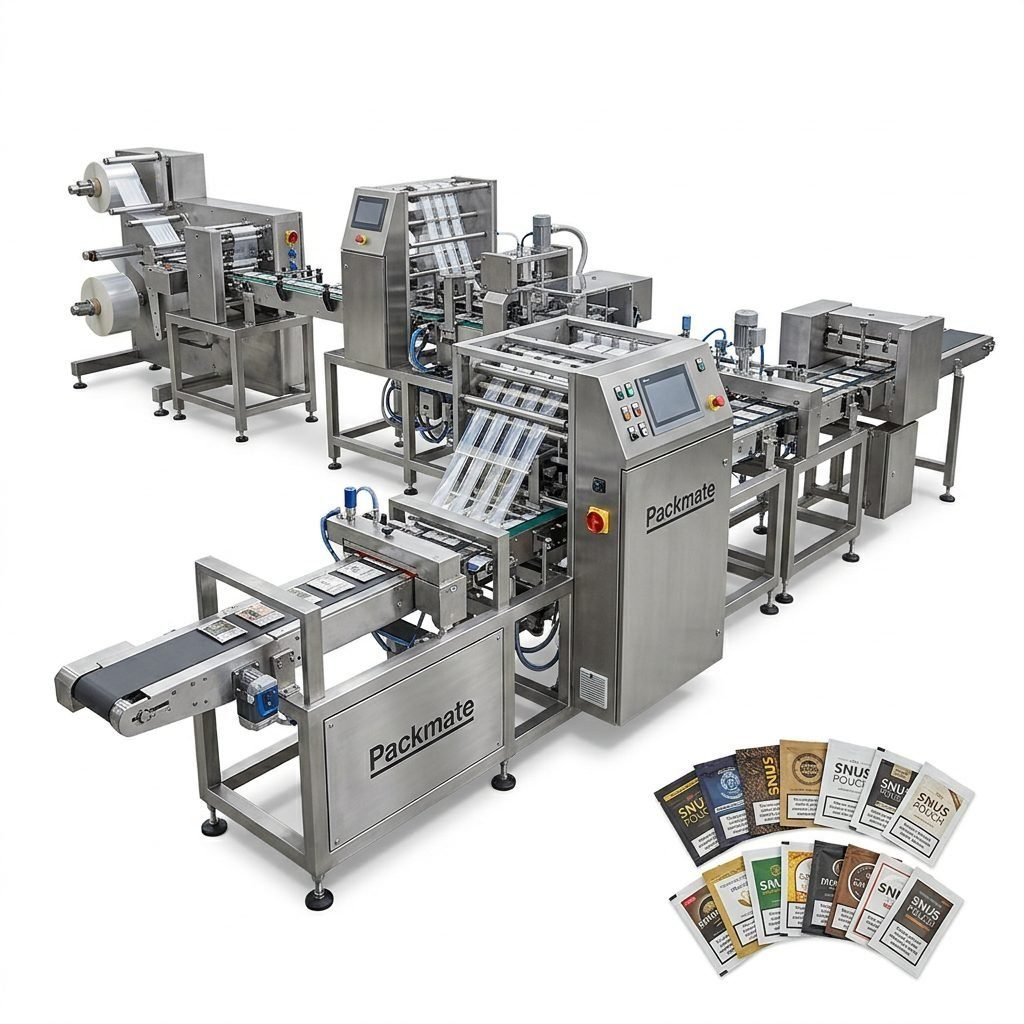
Turnkey suppliers who provide complete solutions — from filling & packaging lines to auxiliary equipment — reduce integration risk. They coordinate production flow, offer synchronized controls, and avoid finger-pointing between different vendors. Explore combined solutions like Filling & Packaging Lines to see how end-to-end systems streamline commissioning and validation.
💬 Questions to ask before signing a contract
Include clear acceptance tests, warranty terms, spare parts delivery timeframes, and a service-level agreement (SLA). Confirm training scope, language for manuals, and whether on-site staff from the supplier will be available during initial production runs. Clarify intellectual property and customization ownership if you request bespoke solutions.
🏷️ Pricing strategy — balancing cost and reliability
Ask for itemized quotes showing machine price, installation, spare parts bundle, training, and travel costs. Cheaper machines may appear attractive but often carry higher lifecycle costs due to frequent maintenance or lower throughput. Consider a Total Cost of Ownership (TCO) model over 3–5 years to compare suppliers objectively.
🏭 Example: What to expect from an experienced manufacturer
A seasoned manufacturer commonly offers:
• A diverse catalog including snus/nicotine pouch machines, stick pack and sachet lines.
• A large precision production facility with CNC machining and assembly lines.
• CE and ISO certifications and a robust quality control process.
• Global exhibition presence and proven export experience.
Suppliers like Packmate are positioned to provide these advantages — review their company overview at About Packmate and available service options at Service.
Local fit example: For brands targeting NZ urban stores, prioritize compact automatic multi-lane machines that produce discreet pouches with tamper-evident seals and exact dosing to meet consumer expectations and reduce returns.
✅ Final selection process — a practical roadmap
1) Shortlist 3–5 suppliers based on experience and references.
2) Request detailed proposals including performance guarantees and acceptance tests.
3) Review factory capabilities (video tours or in-person visits) and ask for trial runs or sample packs.
4) Compare TCO, delivery time, spare parts lead times, and local support plans.
5) Negotiate clear contractual terms for warranty, training, and SLA.
📞 Next steps and where to get help
When you’re ready to move forward, request a technical proposal and a site engineering visit to validate installation needs. If you want to explore proven snus packaging solutions and discuss NZ-specific needs, contact reliable suppliers directly — for instance, visit Contact Us to arrange demonstrations, or browse their equipment portfolio for detailed specs.
Selecting the best snus packaging machine supplier for your New Zealand business is about more than cost. It requires evaluating experience, certifications, customization capabilities, local service readiness, and long-term value. By following the checklist and engaging suppliers that provide transparent case studies and strong after-sales support, you’ll position your brand for reliable production, regulatory compliance, and market success.
Q1: How long does it typically take to install and commission a snus packaging line in New Zealand? — Installation typically ranges from several days to a few weeks depending on complexity and site readiness; allow extra time for customs clearance and local setup.
Q2: What ongoing costs should I budget for beyond the machine price? — Budget for spare parts, consumables (films, pouches), periodic maintenance, electricity, compressed air, and any remote or on-site technical support contracts.
Q3: How can I verify a supplier’s claims about machine uptime and performance? — Request documented case studies, performance data, client references, and, if possible, live machine demonstrations or factory tours.