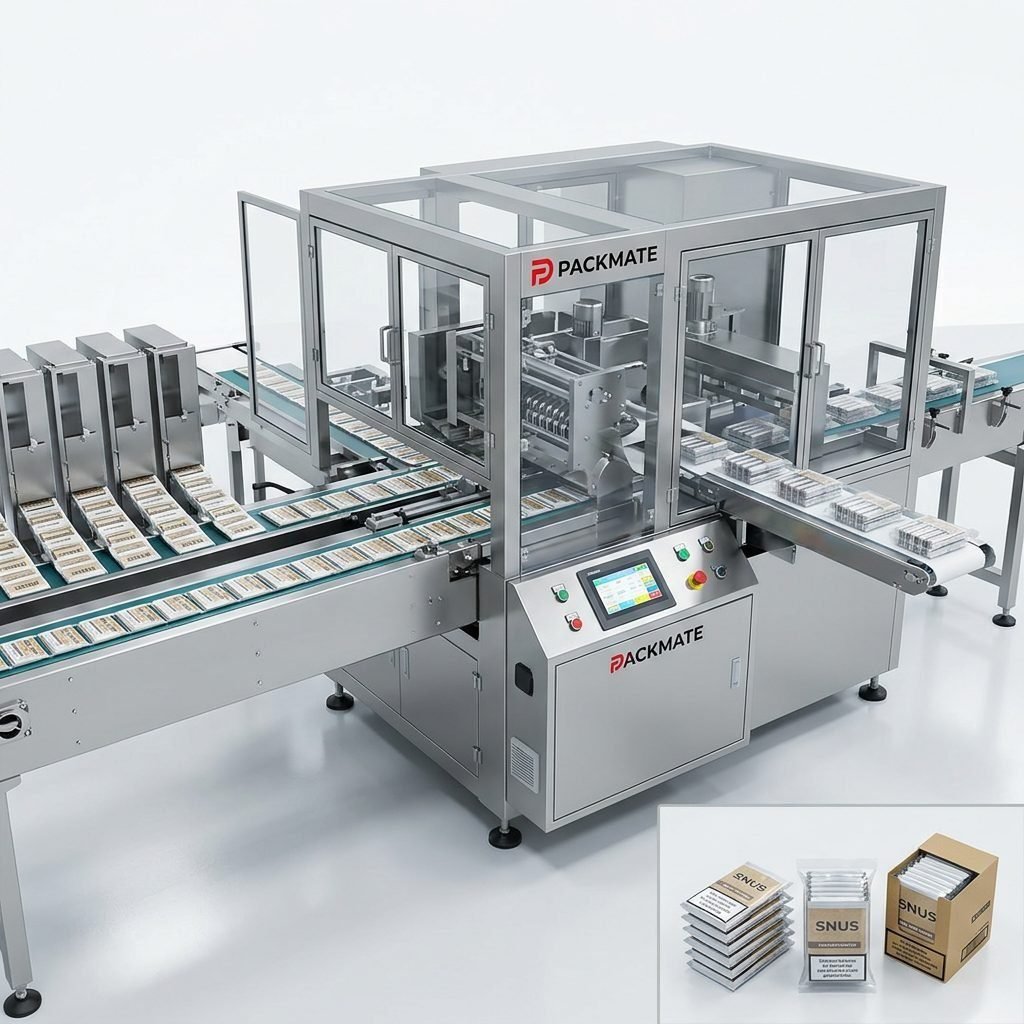
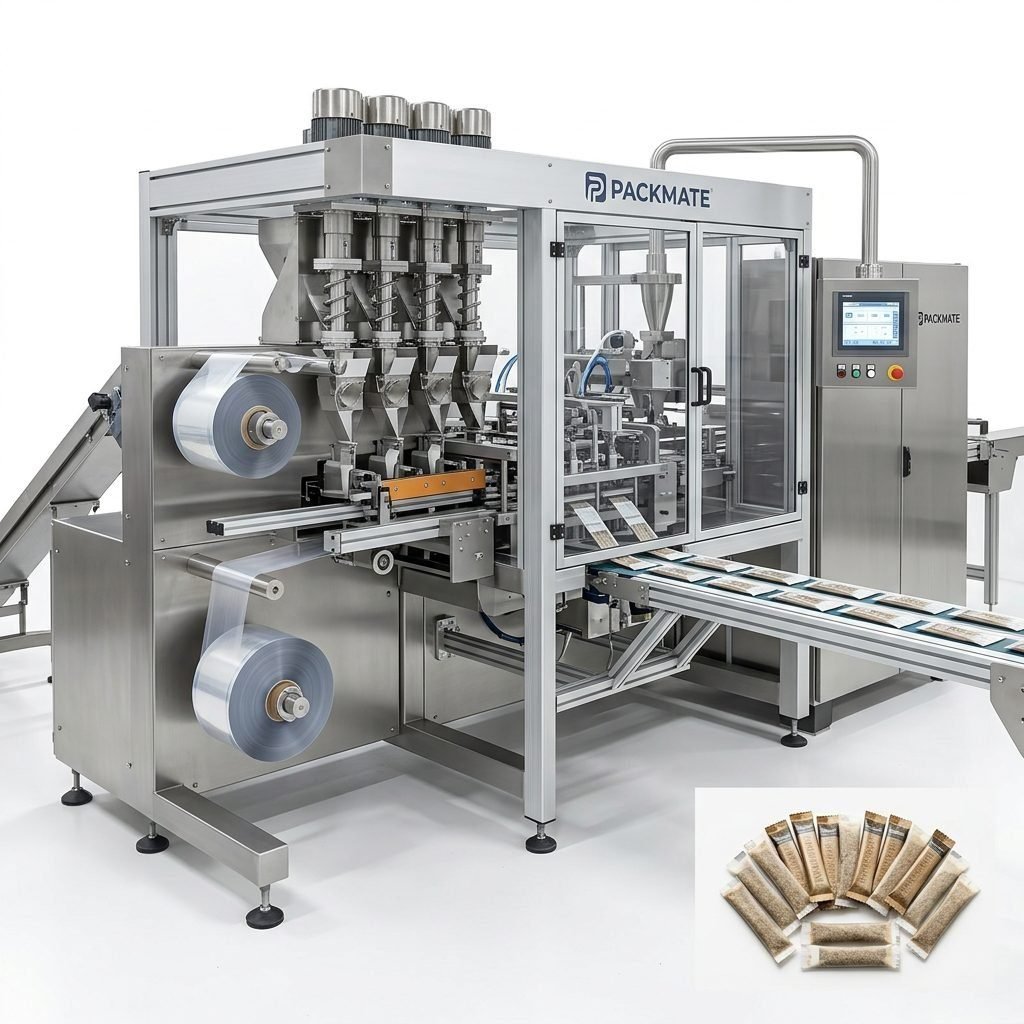
Choosing the right snus packaging machine supplier in Malawi requires more than comparing specs and price tags. Local market habits, climate conditions, regulatory frameworks, and distribution patterns all shape which equipment will deliver the best production uptime and product acceptance. This guide walks Malawi-based entrepreneurs, contract packers, and tobacco-product manufacturers through the most important considerations so you can select a supplier that provides reliable machines, strong after-sales support, and packaging solutions tailored to the Malawian environment.
Understand Malawi’s Market and Consumer Habits
Malawi’s consumer base has unique habits that affect packaging choices. While snus and nicotine pouches are still emerging in many African markets, urban centers such as Lilongwe and Blantyre show rising demand for discreet oral nicotine products among young adults and professionals. Packaging that emphasizes portability, single-dose convenience, and discreet design tends to perform better in these settings. Also consider bilingual labeling (English and Chichewa) for broader acceptance and clearer regulatory compliance.
Tips for local market fit
🔶 Portability matters: Small sachets or multi-dose cans that fit into pockets are popular.
🔶 Durability: Packaging must withstand heat and humidity without compromising pouch integrity.
🔶 Clear labeling: Labels in English and Chichewa help customers understand ingredients and usage.
Key Specifications to Evaluate in a Supplier
When vetting suppliers, focus on machine performance metrics that directly affect yield, product quality, and running costs. Reliable suppliers will provide clear data and references for each metric.
Performance and Accuracy
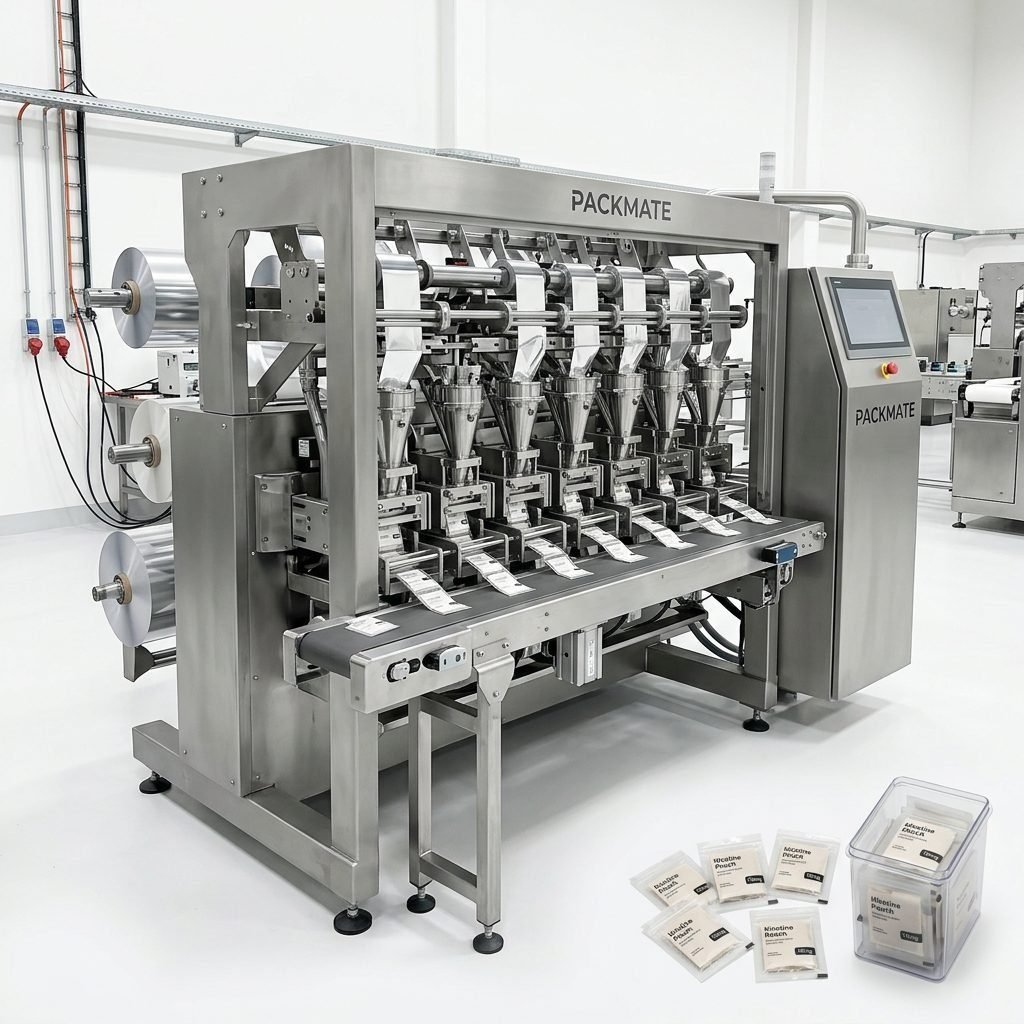
Look for filling accuracy, pouch formation stability, and consistent sealing performance. High-precision multi-lane systems reduce variation across lanes—essential when producing small-dose snus pouches where even minor weight deviations can lead to regulatory or customer complaints.
Throughput and Scalability
Choose a machine that meets current demand but allows scaling. Suppliers that offer modular upgrades or higher-capacity models let you increase output without a full line replacement.
Material Compatibility
Ensure the machine supports materials common in the Malawian supply chain—barrier laminates for humidity protection, recyclable films if needed, and materials suitable for heat-sealing under local temperature ranges.
Supplier Reliability: What to Check
A supplier’s credibility is measured by experience, manufacturing capability, certifications, and after-sales network. Given logistical distances between Malawi and major equipment manufacturers, choose a supplier who can ensure smooth import, installation, and sustained support.
✅ Factory footprint and tools: A well-equipped factory with CNC machining and precision assembly indicates production quality.
✅ Certifications: Look for CE and ISO compliance to ensure safety and international-standard performance.
✅ Track record: Global case studies and exhibition participation demonstrate real-world reliability.
Key Documents and Proofs
Ask for factory photos, production videos, test run reports, spare parts lists, and customer references. A reputable supplier will readily share examples and may invite you to visit the factory or watch a live machine demo at an exhibition.
After-Sales Service and Spare Parts
After-sales support is usually the decisive factor for long-term success. In Malawi, where technical service may require imported components or remote guidance, prioritize suppliers that provide:
- Remote diagnostic tools and clear troubleshooting guides
- Local partners or recommended technicians who can help with on-site service
- Reasonable spare-parts delivery times and availability
Total Cost of Ownership (TCO) — Beyond the Purchase Price
Consider long-term costs: energy consumption, maintenance intervals, consumables, and downtime risk. A cheaper machine with poor stability can lead to higher waste and repair bills—especially critical for snus pouches where packaging failures can cause product loss or hygiene issues.
Energy and Consumables
Check power specifications and whether the machine includes energy-efficient drives. Also verify the compatibility and cost of sealing films, adhesives, and other consumables needed for your product format.
Regulatory Considerations in Malawi
Nicotine-containing products face varying regulations across African countries. In Malawi, ensure your packaging complies with import rules, labeling requirements, and local health regulations. Work with a supplier who understands international regulatory frameworks and can help generate compliant labels and packaging formats.
Why Factory Strength Matters — Example: Packmate Snus Machine
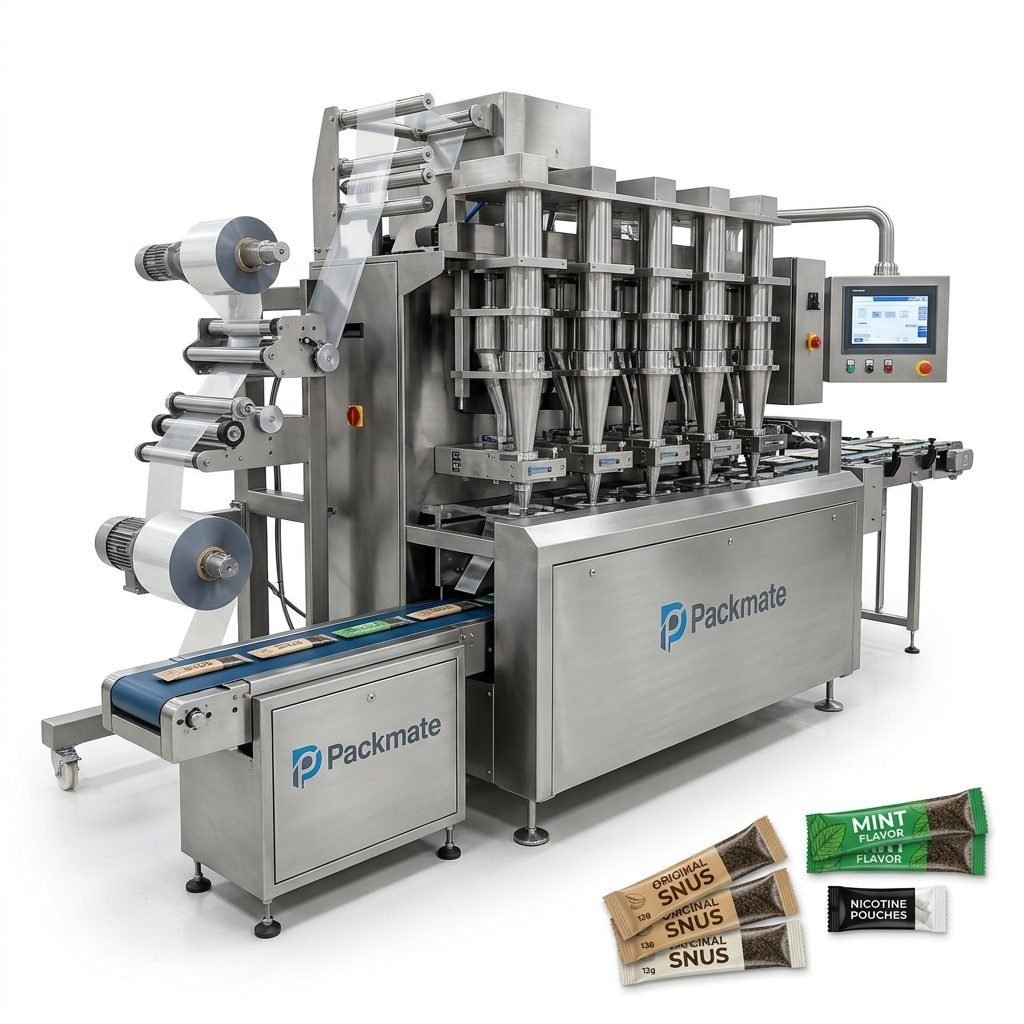
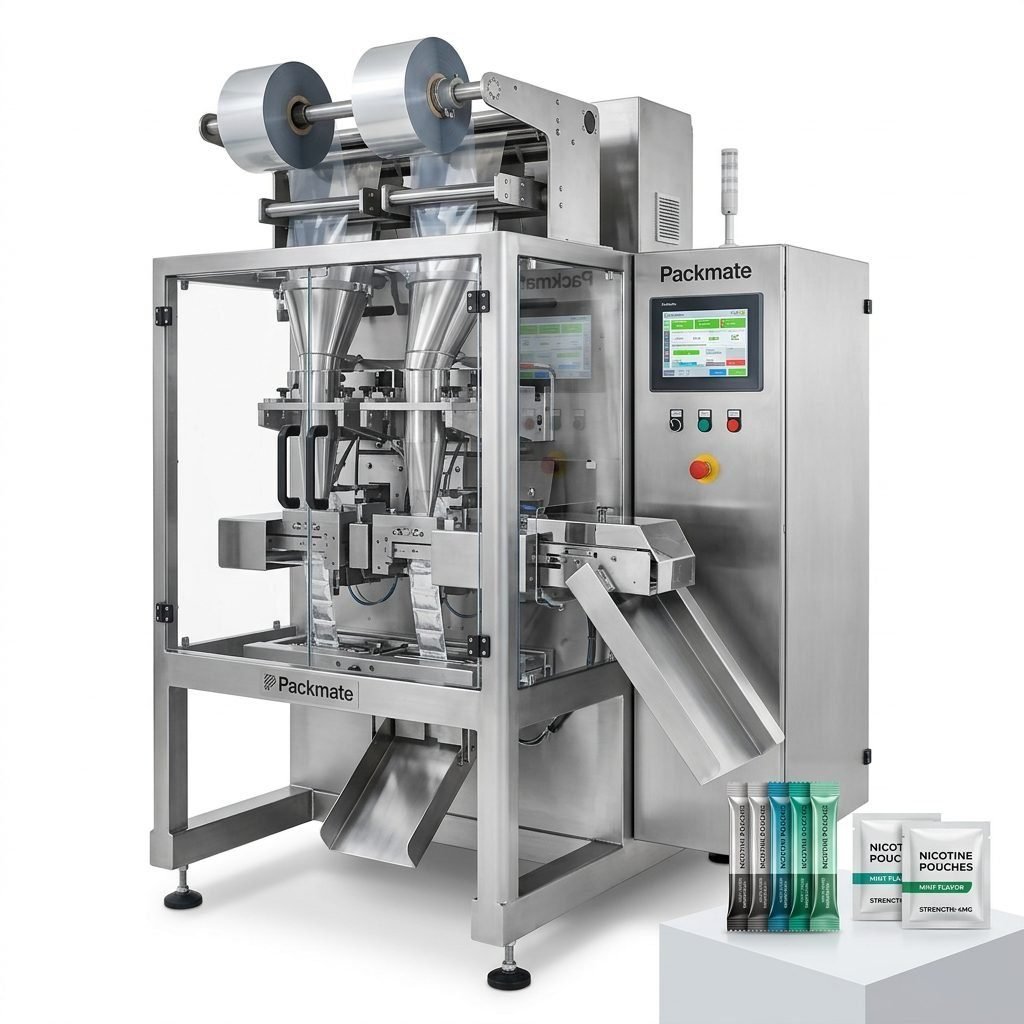
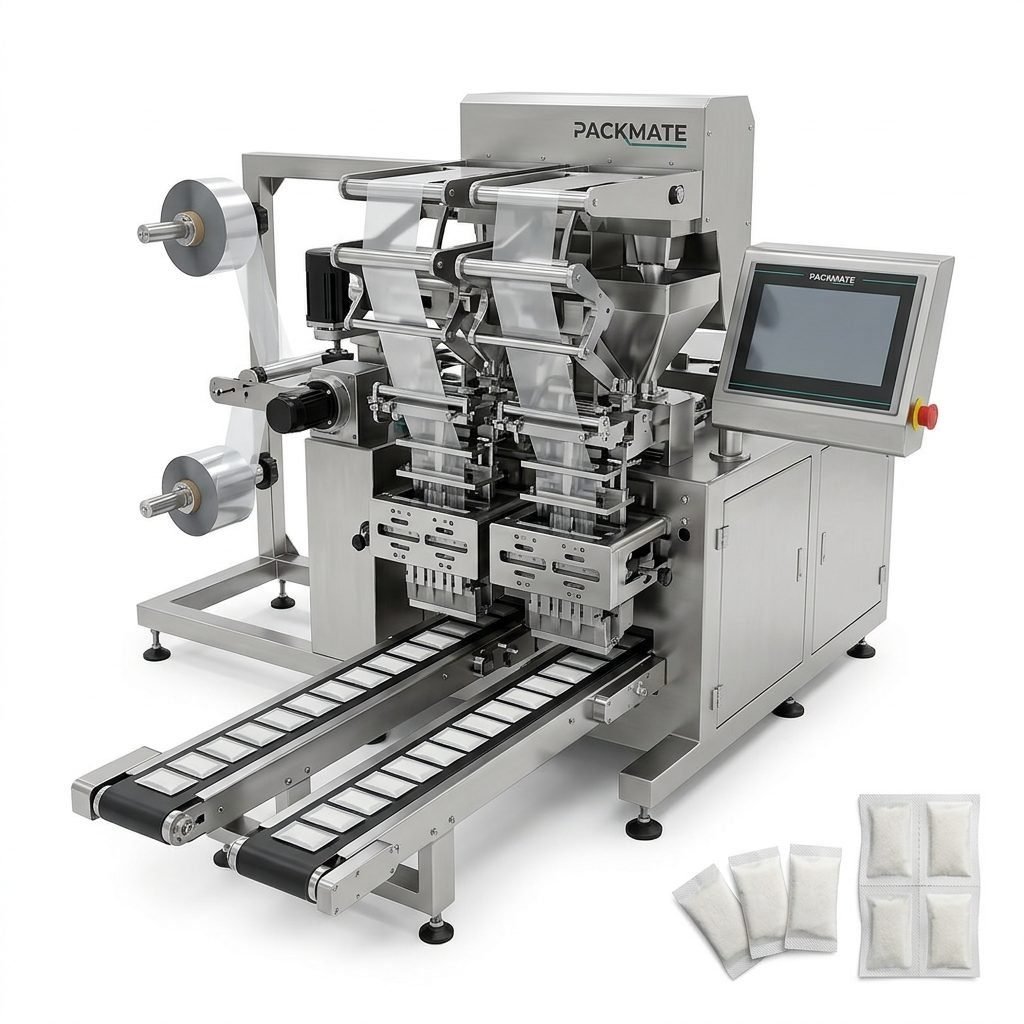
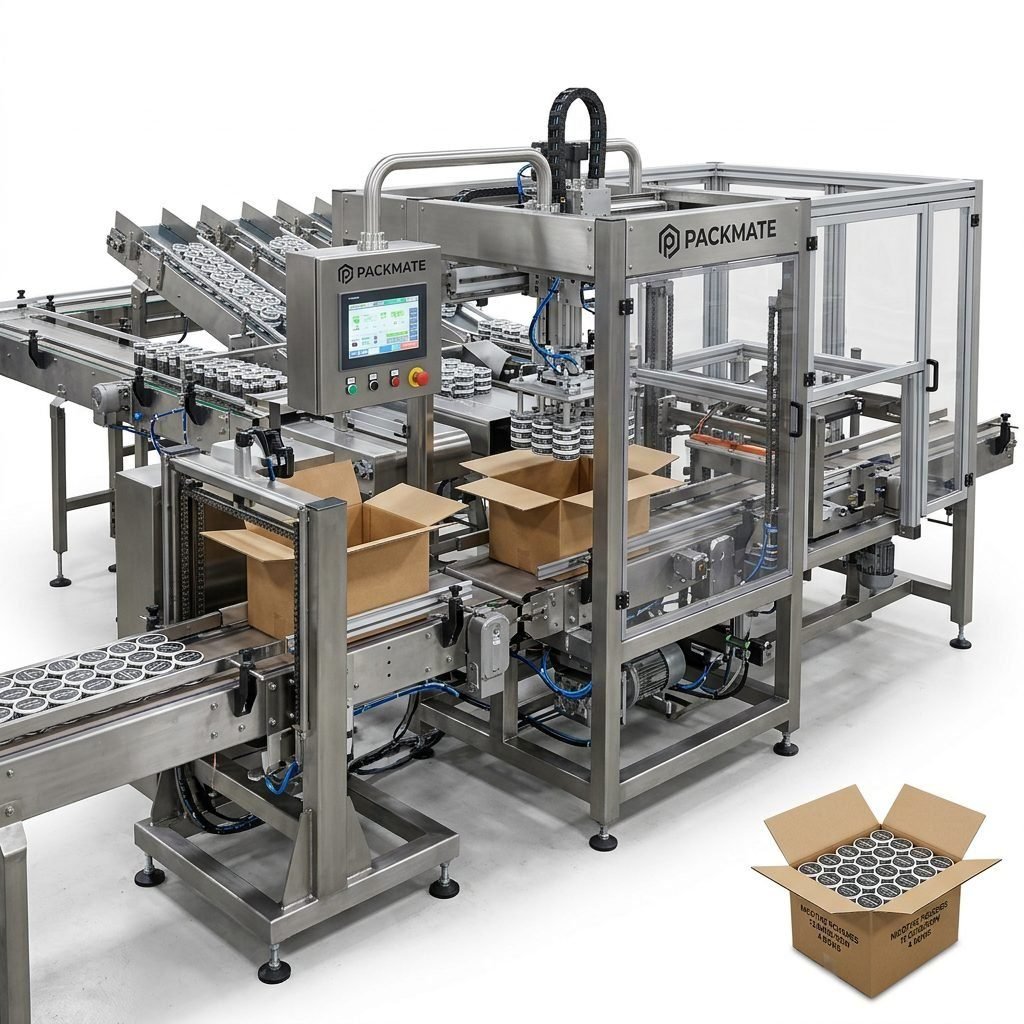
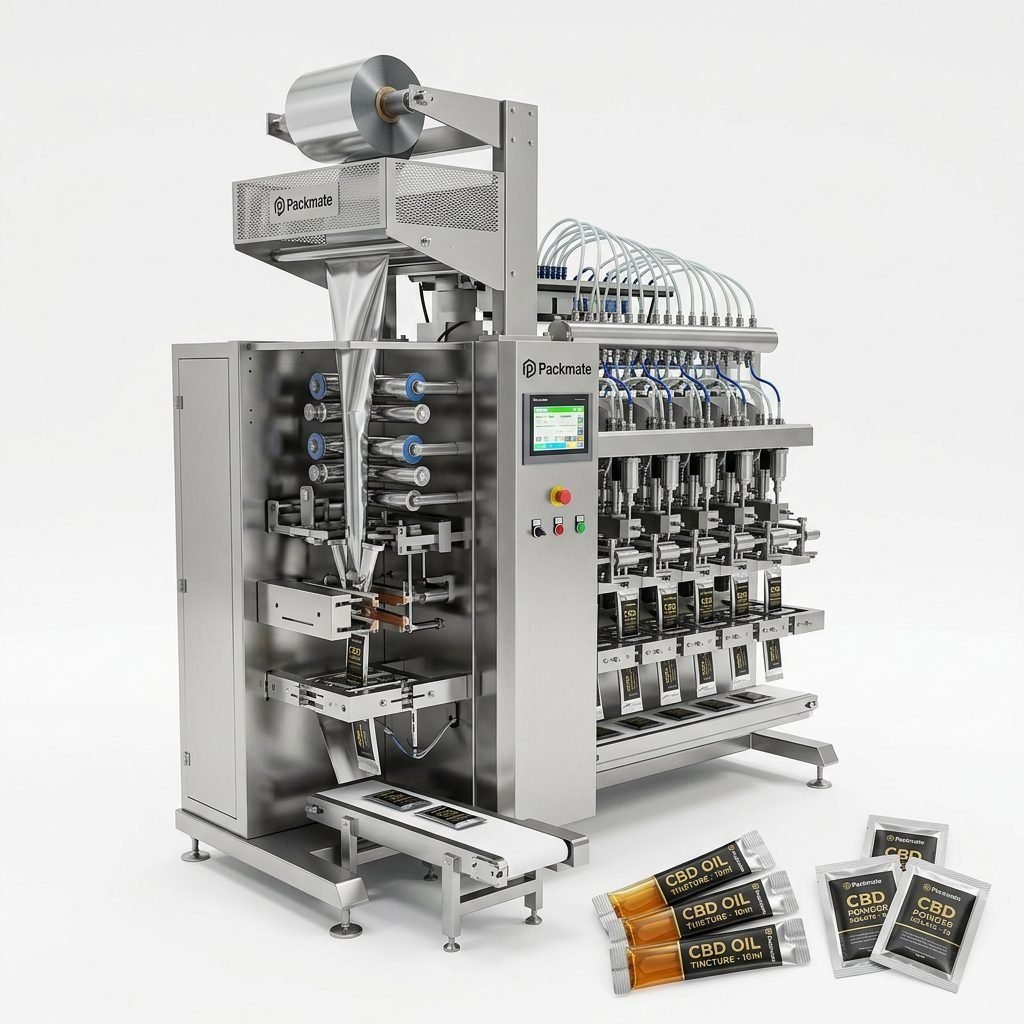
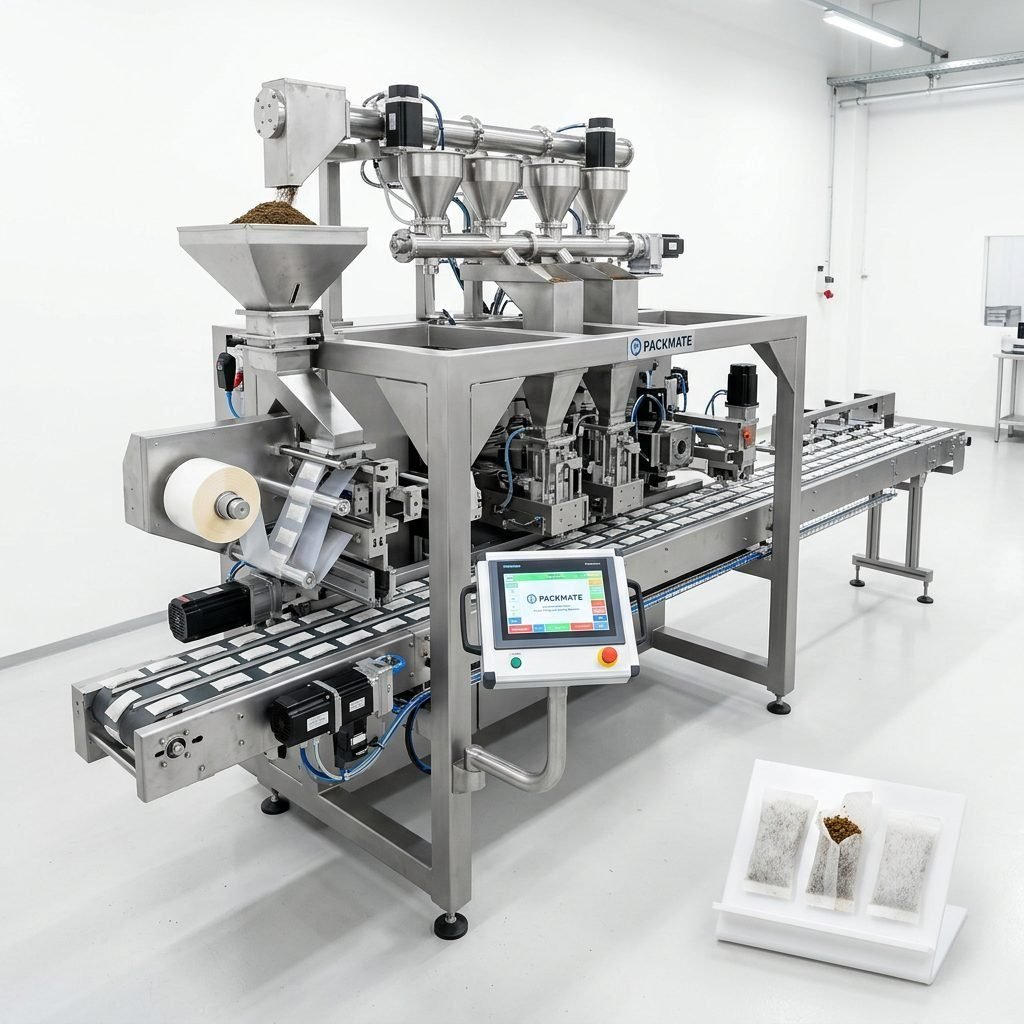
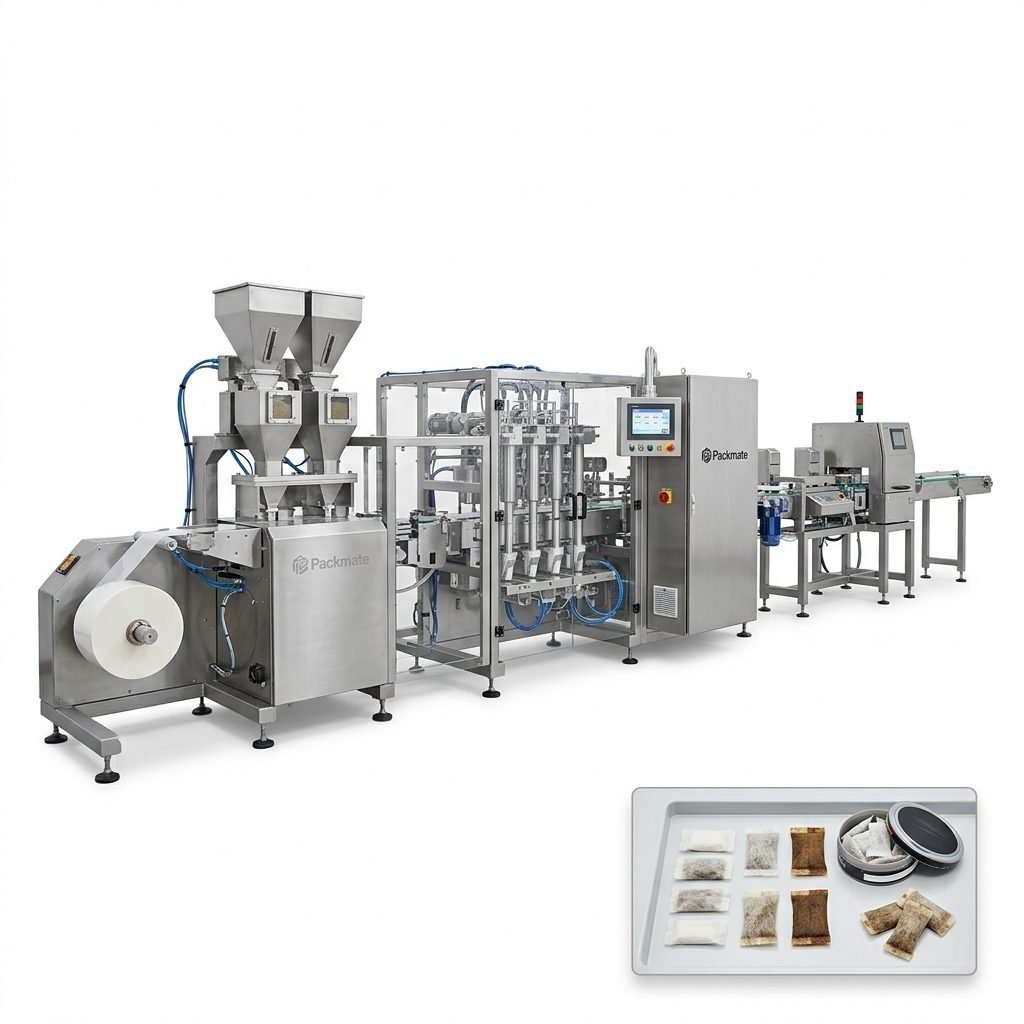
Suppliers with significant manufacturing depth bring advantages: consistent machining accuracy, strict quality checks, and the ability to customize solutions. Packmate Snus Machine, for instance, operates a 20,000㎡ plant with advanced CNC centers and over 30 years of engineering experience—capabilities that matter when you need tailored multi-lane solutions or rapid spare part production.
If you want to explore Packmate’s product range and case studies, review their solutions for snus and related packaging:
– Explore Snus & Nicotine Packaging Machines: https://www.snusmachinery.com/products/snus-nicotine-packaging-machines/
– View global Case examples: https://www.snusmachinery.com/case/
– Learn About Packmate: https://www.snusmachinery.com/about-us/
– Contact for quotes and support: https://www.snusmachinery.com/contact-us/
Installation, Training and Commissioning
A professional supplier provides full commissioning and operator training. In Malawi, where skilled technicians may be scarce, on-site training and clear operation manuals in English (and translated guides if needed) reduce the learning curve and minimize early downtime.
🔧 Commissioning support: Ensure electrical, pneumatic, and product trial runs are included.
📘 Operator manuals & training: Confirm language options and hands-on sessions.
⏱️ SLA for response times: Agree on service-level terms for spare parts and remote troubleshooting.
Selecting the Right Packaging Format for Malawi
Popular snus packaging formats include stick packs, sachets, and multi-dose cans. Each format has advantages depending on retail channels and consumer habits in Malawi:
- Stick packs: cost-effective, single-dose, ideal for sample distribution and convenience stores.
- Sachets: flexible, good barrier properties when using layered films, and reliable for small-dose pouches.
- Multi-dose cans: premium positioning, reusable packaging, and stronger brand presence for urban markets.
How to Vet a Supplier Remotely (When You Can’t Visit the Factory)
If travel is difficult, use a structured evaluation checklist while interacting remotely:
- Request live video demos of the exact model running your product format.
- Ask for machine test reports, spare parts lists, and maintenance schedules.
- Talk with existing customers—especially those exporting to or operating in climates similar to Malawi.
- Confirm shipping, customs support, and estimated lead times for spare parts arrival in Malawi.
Practical Checklist Before You Buy
🔎 Confirm model suitability: Does the machine handle your pouch size, filling range, and film type?
📦 Spare parts availability: What is the lead time for consumables and critical components?
📄 Warranty & SLA: Define warranty coverage and emergency support terms.
💡 Future upgrades: Can the line be expanded for higher speed or additional packaging formats?
Conclusion
Selecting the best snus packaging machine supplier in Malawi is a strategic decision combining technical, commercial, and cultural considerations. Prioritize suppliers with proven manufacturing capability, international certifications, strong after-sales support, and a willingness to adapt machines for the local climate and market. A partner with transparent documentation, reliable spare-part logistics, and training programs will help ensure a smooth start-up and sustainable operations.
Frequently Asked Questions
Q1: What packaging formats are most suitable for Malawi’s market?
A1: Single-dose stick packs and sachets for convenience stores, and multi-dose cans for premium urban consumers—chosen based on distribution channels and target demographics.
Q2: How important are certifications like CE or ISO?
A2: Very important—certifications demonstrate safety, consistent manufacturing standards, and easier acceptance by regulators and business partners.
Q3: Can suppliers support installation and training in Malawi?
A3: Many global suppliers offer commissioning and training; confirm language support, remote troubleshooting, and any local technician partnerships before purchase.
Q4: What should I consider for packaging materials in Malawi’s climate?
A4: Prioritize barrier films with good humidity resistance and reliable seal integrity to prevent product degradation in high temperatures and variable storage conditions.
Q5: Where can I see real machine cases and get supplier contact details?
A5: Review supplier case studies and contact pages for demos and quotations. For example, Packmate Snus Machine provides product pages, case studies, and contact information to help you evaluate solutions suited to your needs.