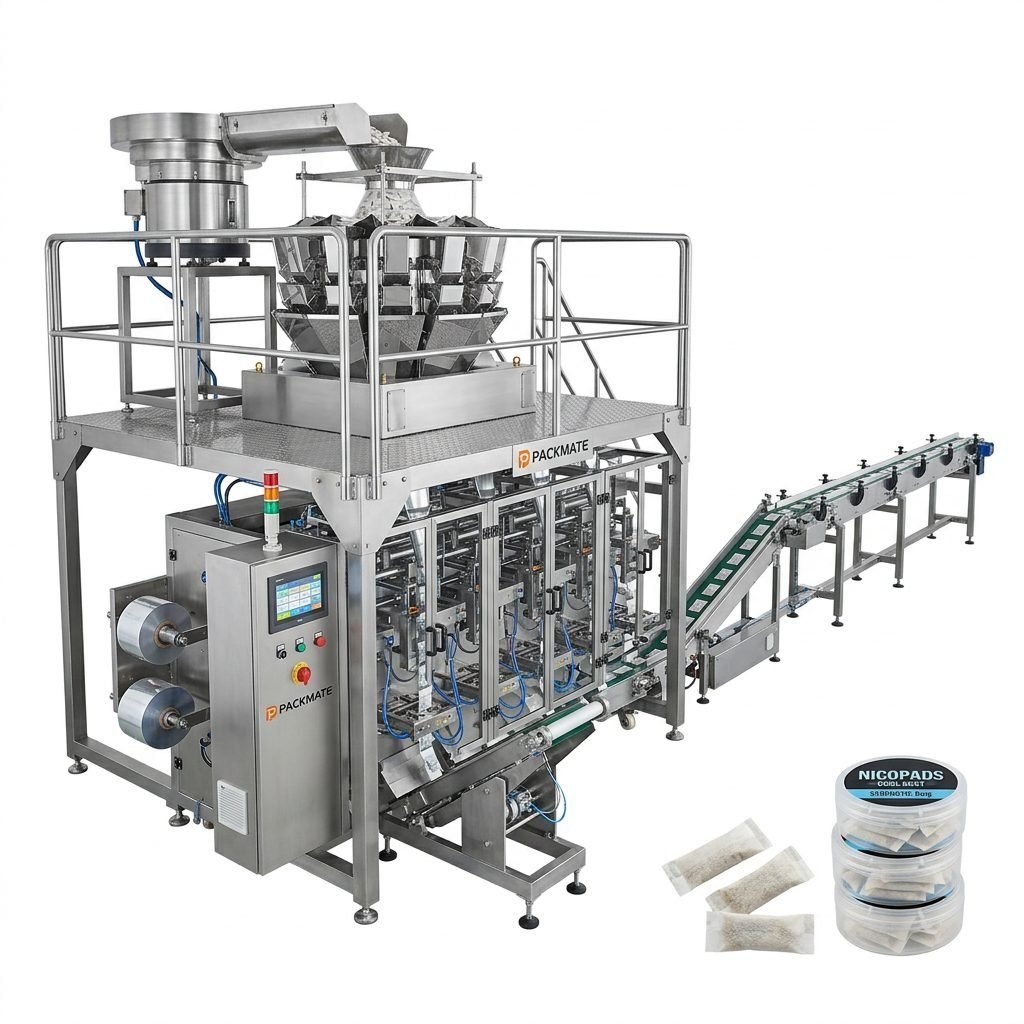
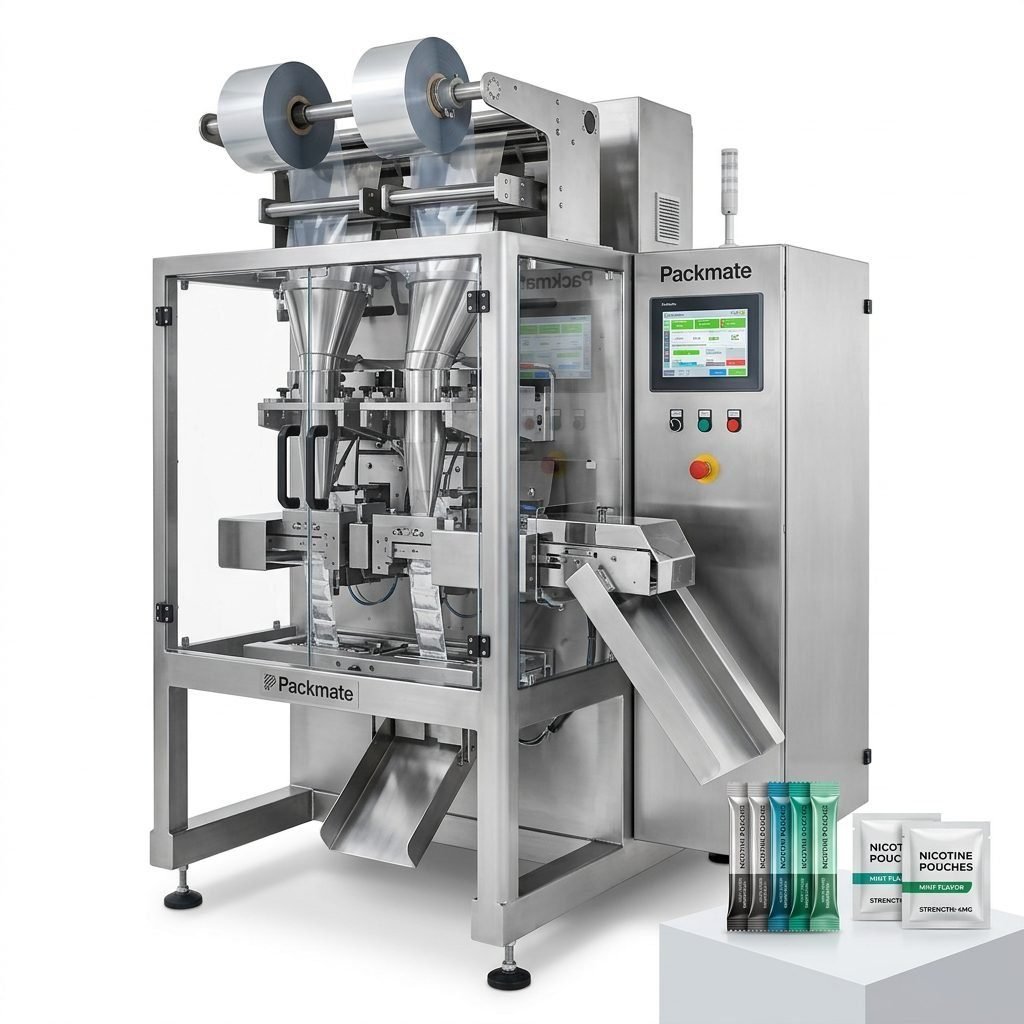
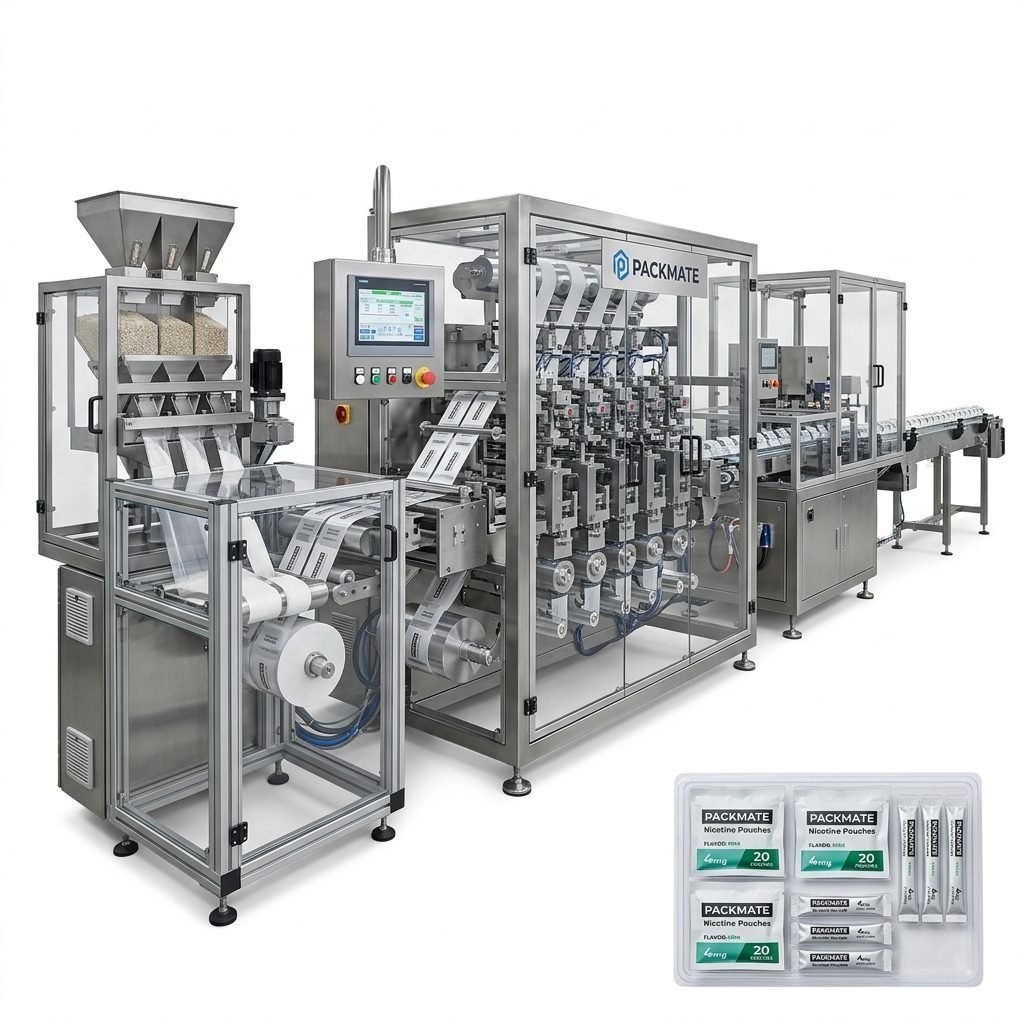
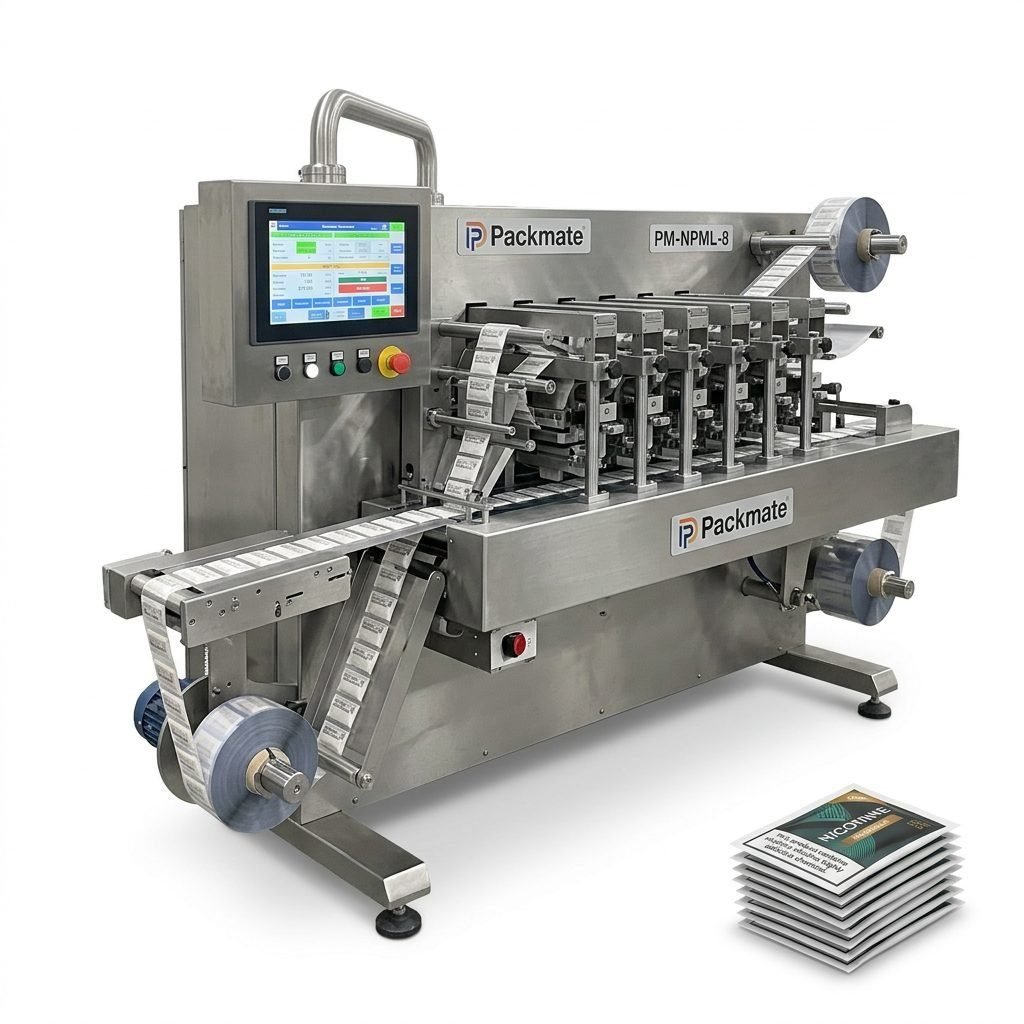
Introducing a high-performance solution for modern pouch producers: the Nicotine Pouch Filling and Sealing Machine — a high-speed automated packaging solution designed for nicotine pouch and snus manufacturers. This article explains how advanced pouch filling and sealing systems increase throughput, improve product consistency, and deliver reliable compliance for global markets. Whether you are scaling production, launching a new pouch SKU, or upgrading legacy equipment, this guide covers design features, production workflows, integration tips, and practical buying considerations.
Overview: What a Nicotine Pouch Filling and Sealing Machine Does
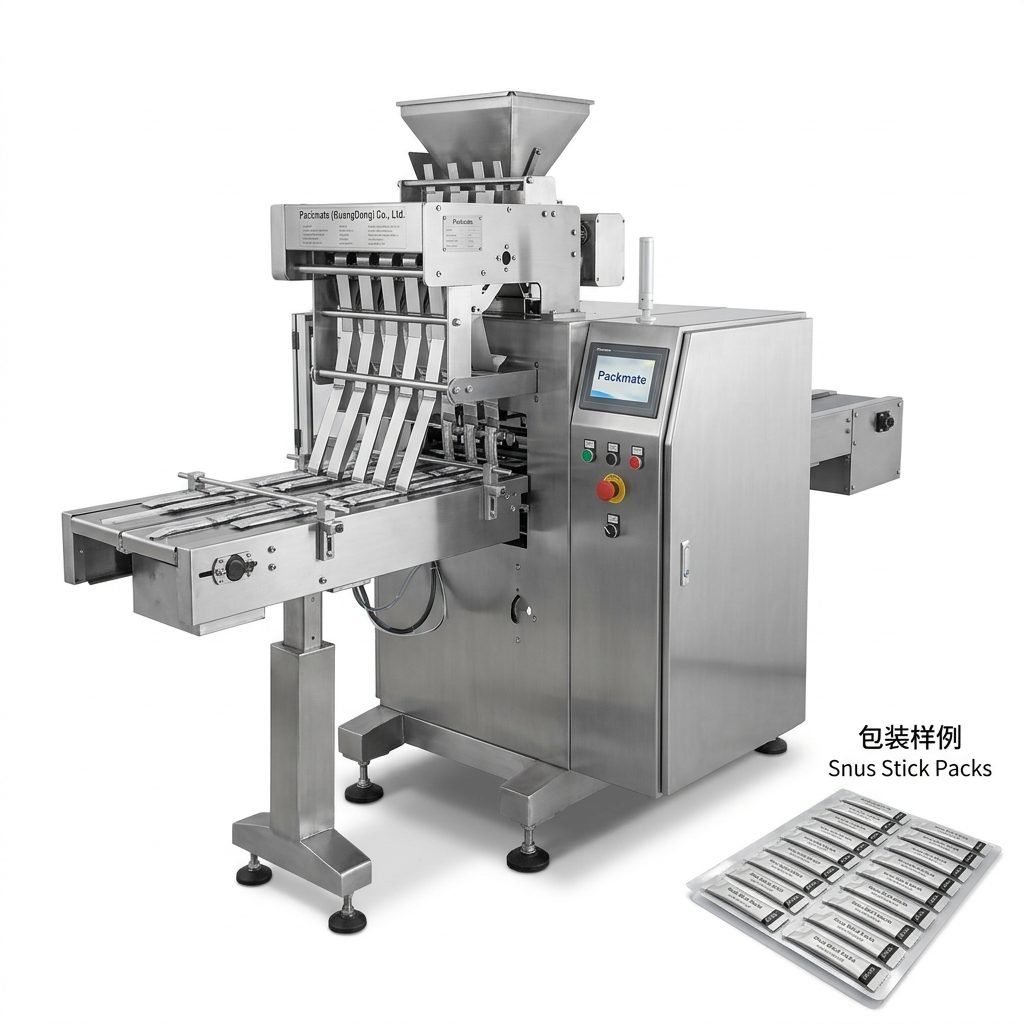
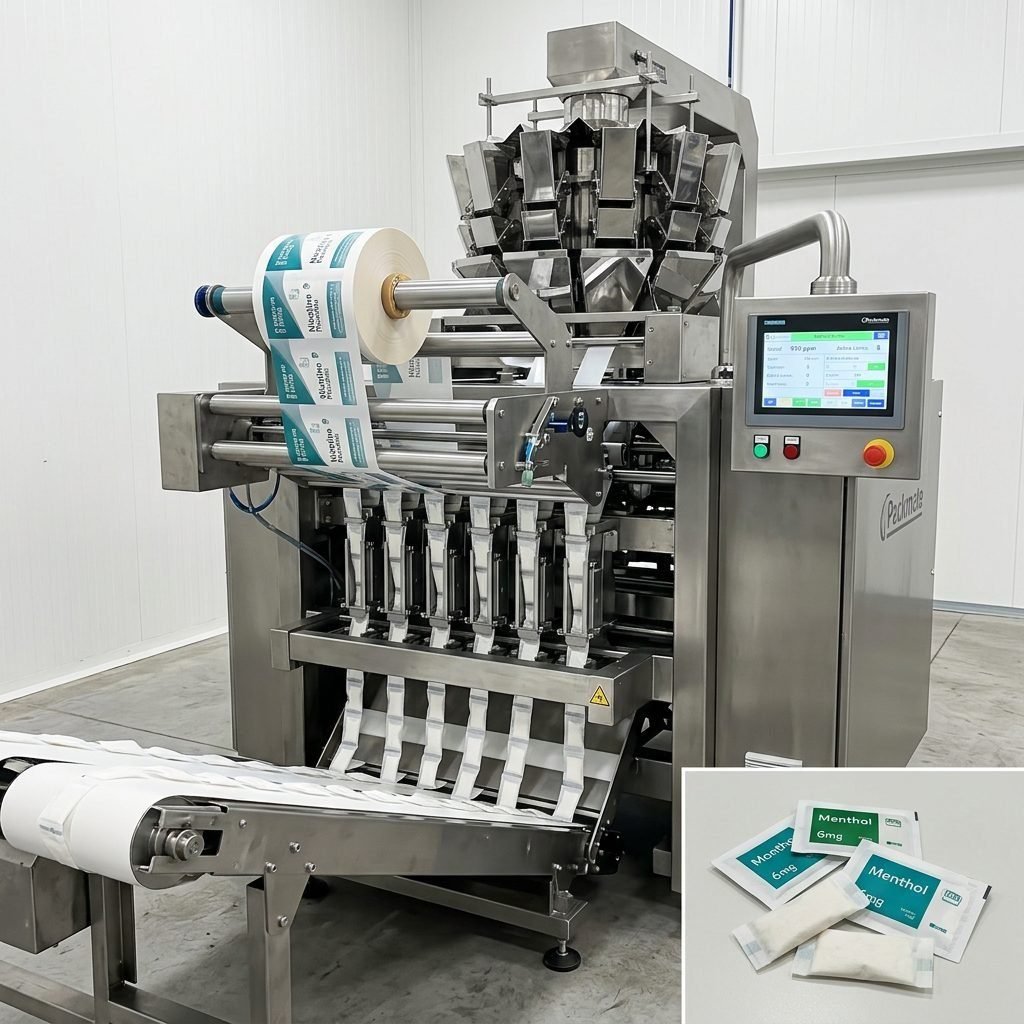
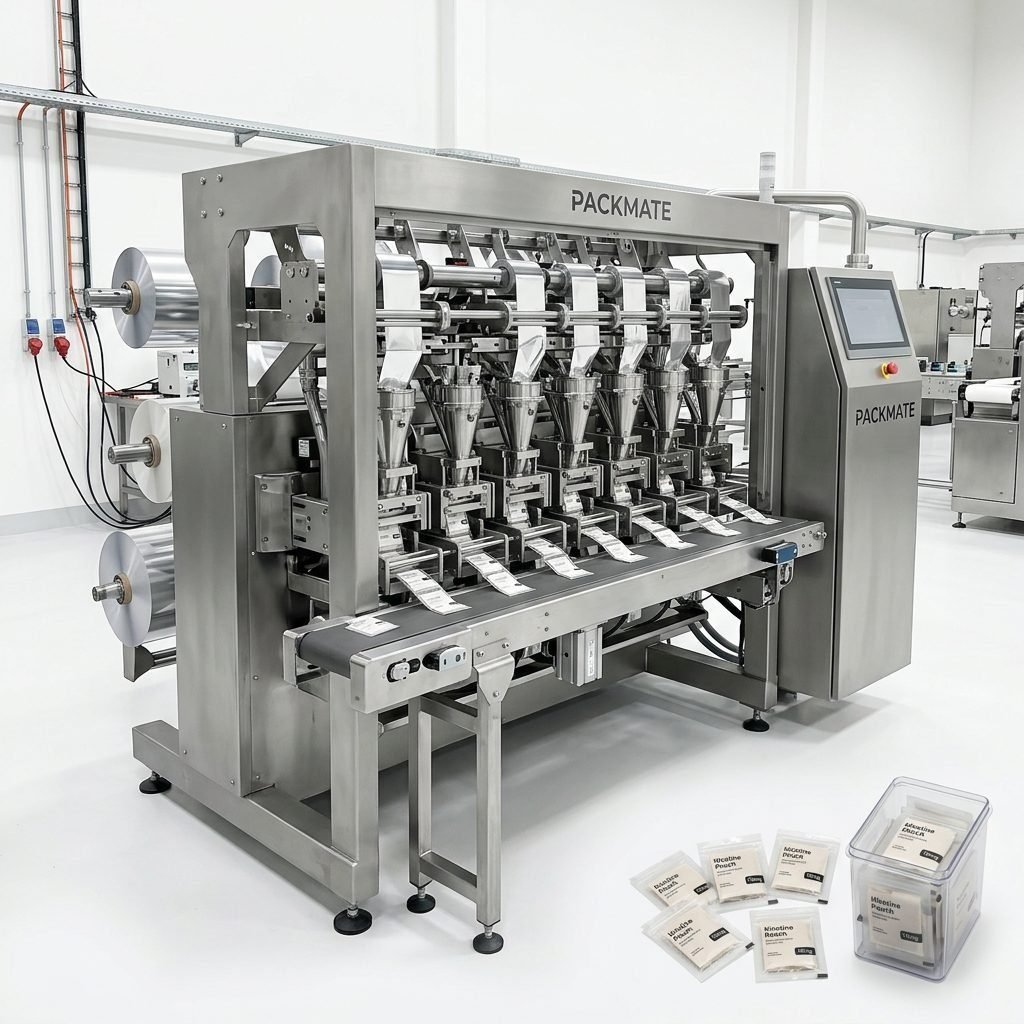
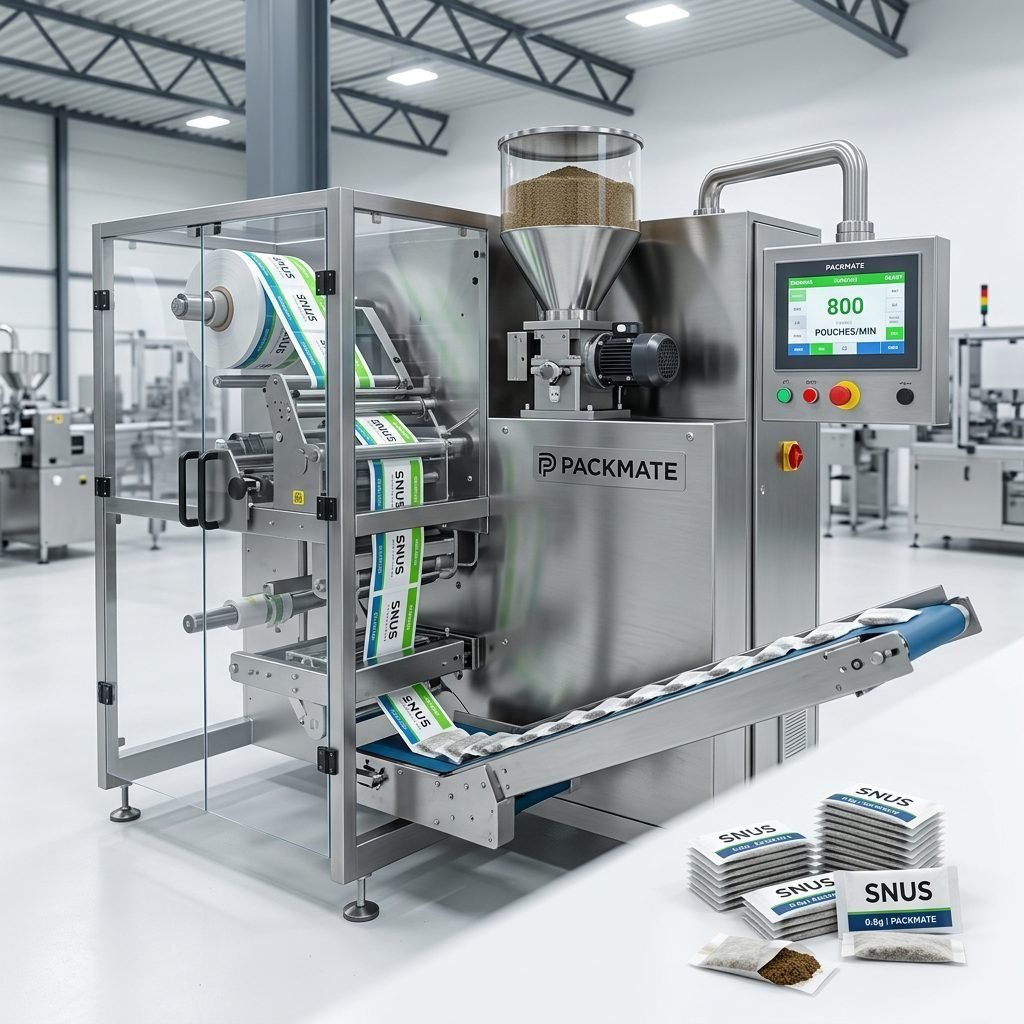
A Nicotine Pouch Filling and Sealing Machine is a specialized packaging system that accurately doses nicotine-containing powder or granules into pre-cut pouches and applies hermetic sealing to ensure shelf stability and regulatory compliance. These machines are engineered for small-dose products and multi-lane high-speed formats, featuring automated feeding, weighing, pouch formation or loading, sealing, date-coding, and discharge. For manufacturers, the result is consistent pouch weight, minimal product giveaway, and scalable output.
🔧 Key capability: precise micro-dosing and synchronized sealing for multi-lane pouch lines — critical for nicotine pouches where dose accuracy is essential for regulatory compliance and user safety.
Core Components and Workflow
Modern nicotine pouch lines combine mechanical precision with electronic control. Typical modules include:
• Bulk hopper and gentle product feeding to maintain powder integrity.
• High-precision multi-head or single-head micro-feeders for dosing.
• Pouch loader or form-fill-seal (FFS) station depending on pre-made pouch or rollstock usage.
• Ultrasonic or heat sealing heads optimized for pouch material combinations (e.g., PE/PA, PET/PE laminates).
• Integrated date/lot coding, metal detection (optional), and vision inspection for pouch integrity.
• Smart HMI with recipe control and quick-changeovers for different pouch sizes and lanes.
Performance Benefits for Manufacturers
Adopting a dedicated nicotine pouch filler/sealer brings measurable improvements:
• Higher throughput with stable output across multiple lanes, reducing labor and per-unit cost.
• Improved dose consistency lowers product give-away and supports regulatory labeling accuracy.
• Reduced downtime with modular design and quick tool-less changeovers for production flexibility.
• Traceability via integrated printing and data capture for compliance with market standards.
✅ Tip: choose a machine with recipe management to switch between product formulas and pouch sizes in minutes, not hours.
Technical Considerations: Dosing, Lanes, and Sealing
When specifying equipment, focus on three technical pillars:
1) Dosing technology — choose volumetric rotary dosing for uniform granules or loss-in-weight feeders for more challenging powders.
2) Lane configuration — multi-lane systems multiply capacity but require precise synchronization; common formats include 4, 8, or 12-lane arrays depending on pouch size.
3) Sealing method — ultrasonic sealing reduces heat load and is ideal for heat-sensitive nicotine formulations; hot bar sealing works for thicker laminates at high speed.
Integration with Upstream/Downstream Equipment
A complete production line may include upstream mixers and weighers and downstream cartoners, secondary packaging, and case packing. Seamless integration minimizes manual handling and contamination risks. Consider solutions that support automated infeed conveyors, servo synchronization, and PLC-level communications for Industry 4.0 readiness.
For a full view of modular options, review our system categories such as Snus & Nicotine Packaging Machines and Bag & Pouch Packaging Machines. These pages explain multi-lane layouts and customization examples that fit different production scales.
Compliance and Safety: Regulatory Considerations
Nicotine pouch production touches on strict regulatory frameworks depending on destination markets. Machines should support:
• Accurate lot and date coding for traceability.
• Sanitary design features (rounded surfaces, quick-disassemble parts) for cleaning and HACCP practices.
• CE/ISO compliance for electrical and safety standards in international trade.
• Optional metal detection and vision systems to ensure product integrity.
⚠️ Reminder: verify local regulations for nicotine-containing products (labeling, nicotine limits, child-resistant packaging where required) before finalizing packaging specifications.
Customization and Turnkey Solutions
Manufacturers often need customized solutions: variable pouch formats, unique materials, or integration with proprietary dosing systems. Suppliers with in-house CNC machining centers and precision assembly lines can provide tailored designs, spare parts, and rapid prototyping. Packmate Snus Machine offers turnkey configurations that include auxiliary equipment, line balancing, and on-site commissioning.
If you’re evaluating full filling & packaging lines, explore Filling & Packaging Lines to see common layouts and complementary modules that simplify line engineering.
Operational Efficiency and OEE Improvements
A properly configured nicotine pouch line delivers greater Overall Equipment Effectiveness (OEE) through:
• Reduced changeover times via quick-change tooling and stored machine recipes.
• Lower rejection rates through inline inspection and precise dosing.
• Predictive maintenance enabled by sensors and machine diagnostics to reduce unplanned downtime.
Service, Spare Parts, and Global Support
Reliable after-sales support is essential. Look for suppliers with:
• Global spare parts availability and clear parts catalogs.
• Remote troubleshooting and software updates.
• On-site commissioning, training, and preventative maintenance agreements.
Packmate’s manufacturing capacity and global service model help reduce lead times and improve lifecycle support.
Read more about the company and capabilities at About Packmate and view real-world installations in the Case section.
🔎 Consideration checklist: dosing accuracy, lane synchronization, seal quality, cleaning access, spare parts, and compliance features.
Practical Buying Guide
When selecting a nicotine pouch filling and sealing machine, follow a structured evaluation:
• Define target output (pouches/min and shifts per day).
• Specify pouch sizes, materials, and maximum pouch thickness.
• Determine dosing tolerance and product flow characteristics.
• Check validation and documentation requirements for regulatory submissions.
• Ask for factory acceptance testing (FAT) and site acceptance testing (SAT) to confirm performance before shipment.
Exhibitions and Live Demos
Seeing machines in action helps evaluate sealing quality, speed, and changeover ergonomics. Visit major trade shows or schedule a live demo. Packmate frequently participates in industry events; details are available at Our Exhibition.
Sustainability and Material Choices
Sustainability considerations are increasingly important. Flexible pouch materials must balance barrier performance with recyclability. Work with your film supplier and machine vendor to optimize seal parameters for thinner films or mono-material laminates that support recycling streams while maintaining product shelf life.
For support on auxiliary equipment and weighing systems that pair with pouch lines, see Weighing & Packaging Systems.
Final Thoughts
Investing in a dedicated nicotine pouch filling and sealing machine yields tangible benefits: stable product quality, better compliance, and scalable throughput. Partnering with a manufacturer that offers turnkey solutions, robust service, and proven multi-lane designs ensures a faster return on investment and smoother production ramp-up.
Contact and Next Steps
If you are evaluating options or need a customized line specification, reach out to the manufacturer directly for a consultation: Contact Us. Request FAT videos, spare-parts lists, and references to confirm fit-for-purpose performance.
Frequently Asked Questions
Q1: How accurate are dosing systems on nicotine pouch machines?
A1: Modern dosing systems achieve tolerances within a few milligrams, depending on product flow and selected feeder technology. Loss-in-weight feeders and precision rotary dosers are recommended for tight tolerances.
Q2: Can the same machine handle different pouch sizes and materials?
A2: Yes — flexible machines with recipe management and modular tooling allow quick changeovers to handle multiple pouch sizes and common laminate types. Verify changeover times and spare tooling costs with the supplier.
Q3: What are common sealing methods and which is best for nicotine pouches?
A3: Ultrasonic and hot bar sealing are common. Ultrasonic sealing reduces heat transfer and is excellent for delicate films; hot bar sealing can be better for thicker laminates. Material compatibility and production speed determine the optimal approach.
Q4: Do these machines meet international safety standards?
A4: Reputable vendors design equipment to meet CE and ISO standards. Always request certification documentation and safety interlock verification as part of the purchase.
Q5: What support is available after purchase?
A5: Look for suppliers providing spare parts catalogs, remote diagnostics, on-site commissioning, and training. Preventative maintenance contracts and spare-kits are recommended to maintain high OEE.