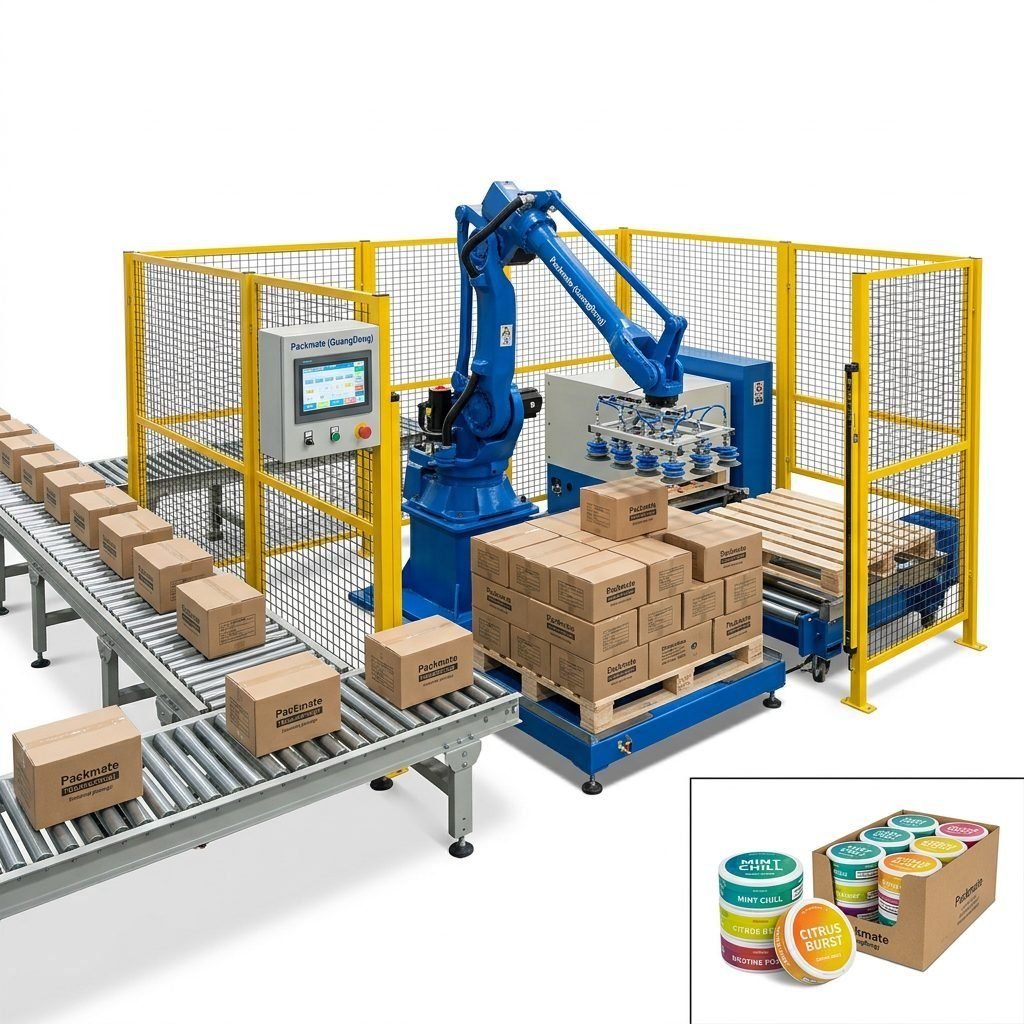
Entering the snus and nicotine pouch market in Burundi requires more than a good product idea — it demands reliable packaging technology, practical logistics planning, and a supplier who understands both global manufacturing standards and local market realities. This guide walks you through how to choose the best snus packaging machine supplier for your business in Burundi, covering technical criteria, supplier vetting, regulatory considerations, logistics routes to Burundi, and after-sales support essentials. Whether you are launching a niche boutique brand in Bujumbura or scaling distribution across East Africa, these practical points will help you select a partner that reduces risk and accelerates your time to market.
Why the right packaging machine supplier matters in Burundi
Choosing the wrong machine supplier can create months of delays and unexpected costs. Burundi’s market characteristics — smaller domestic demand, price sensitivity, and complex import logistics — mean that machinery reliability and local adaptability are crucial. A quality supplier ensures consistent pouch sealing, precise dosing for nicotine content, and low downtime, which are particularly important for compliance and consumer safety. Look for suppliers who combine engineering excellence with experience shipping to countries with developing import infrastructures.
Key takeaway: In Burundi, a dependable supplier reduces downtime, simplifies customs clearance, and helps manage spare parts and training locally — factors that directly affect product availability and brand reputation.
Assess supplier manufacturing capability and pedigree
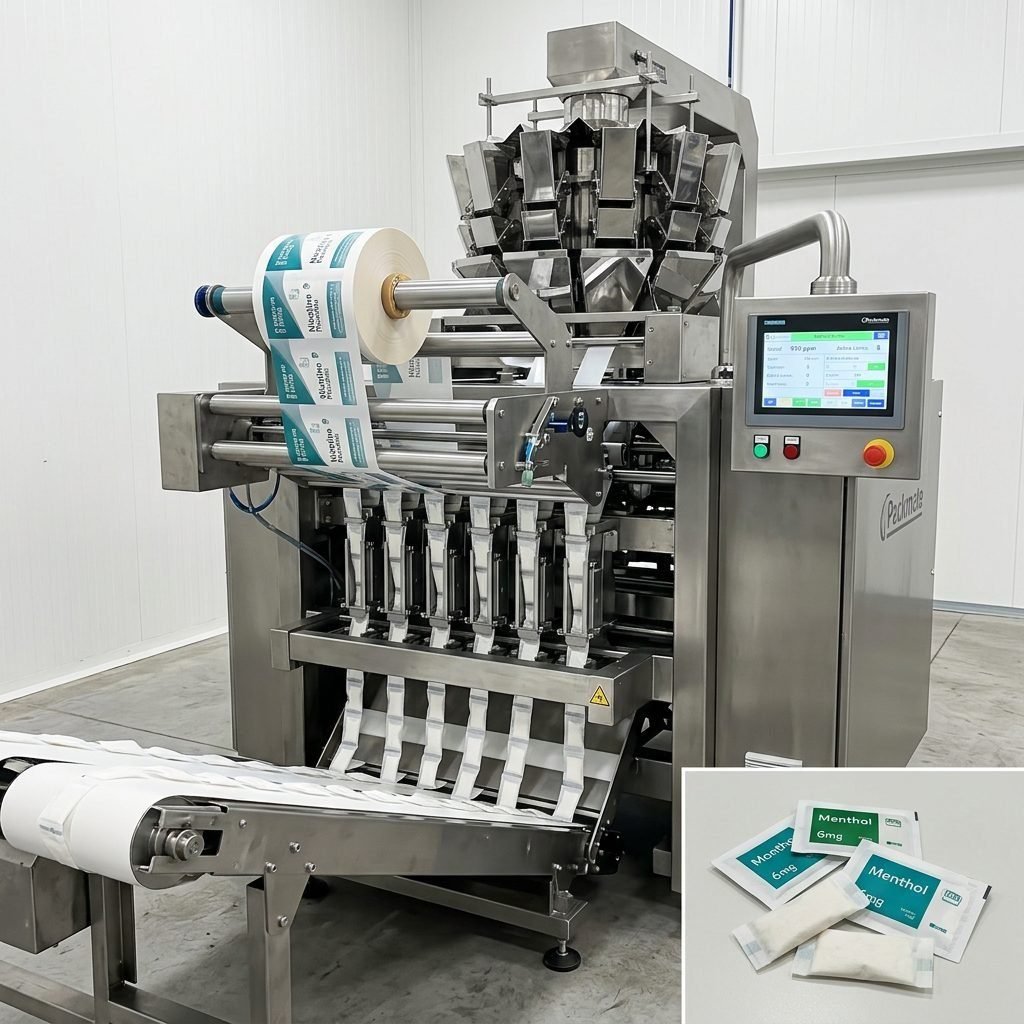
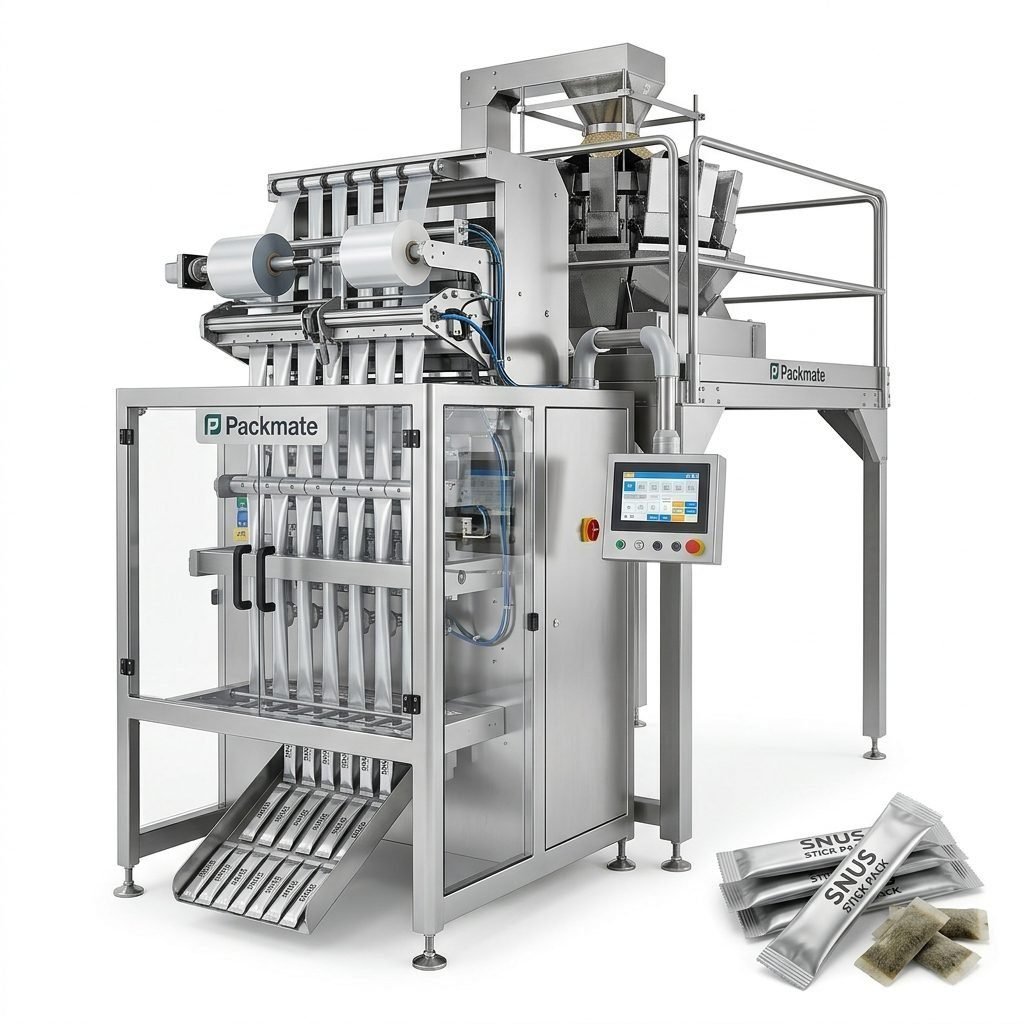
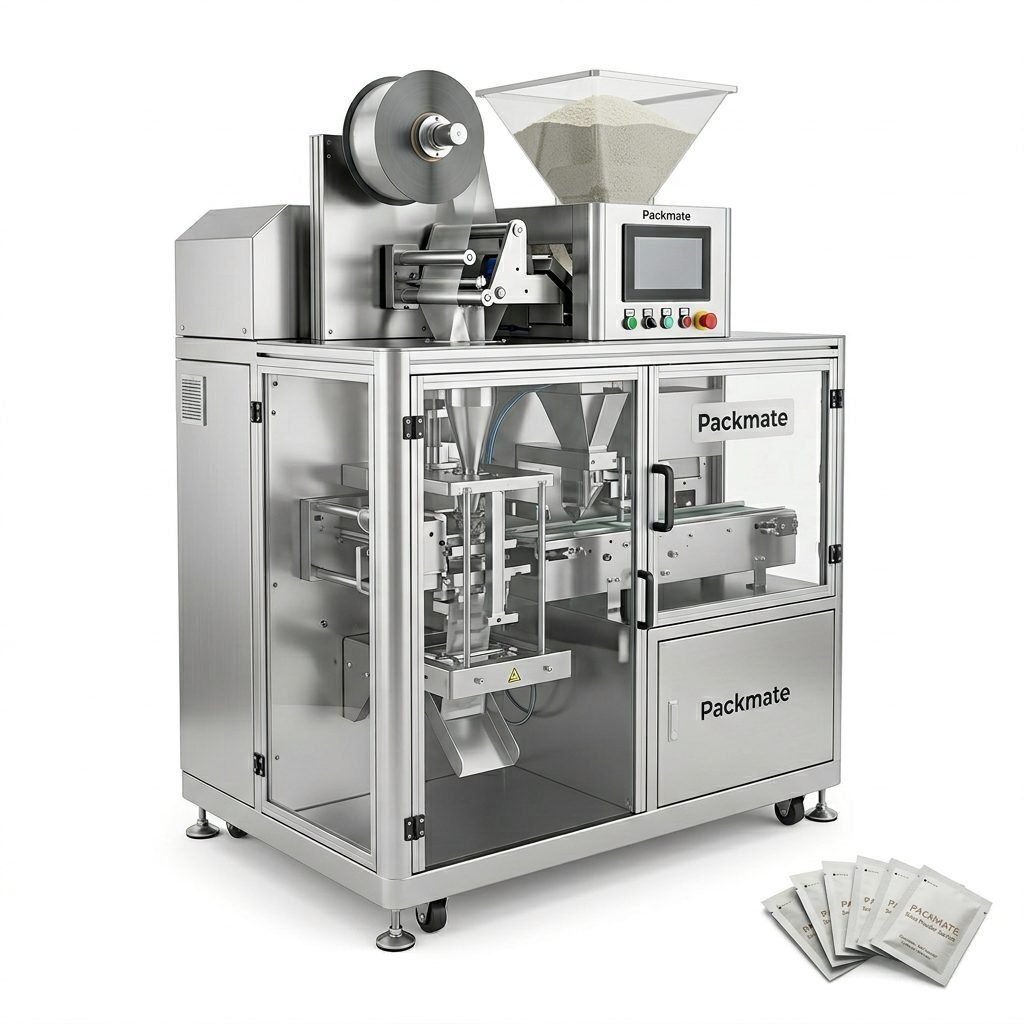
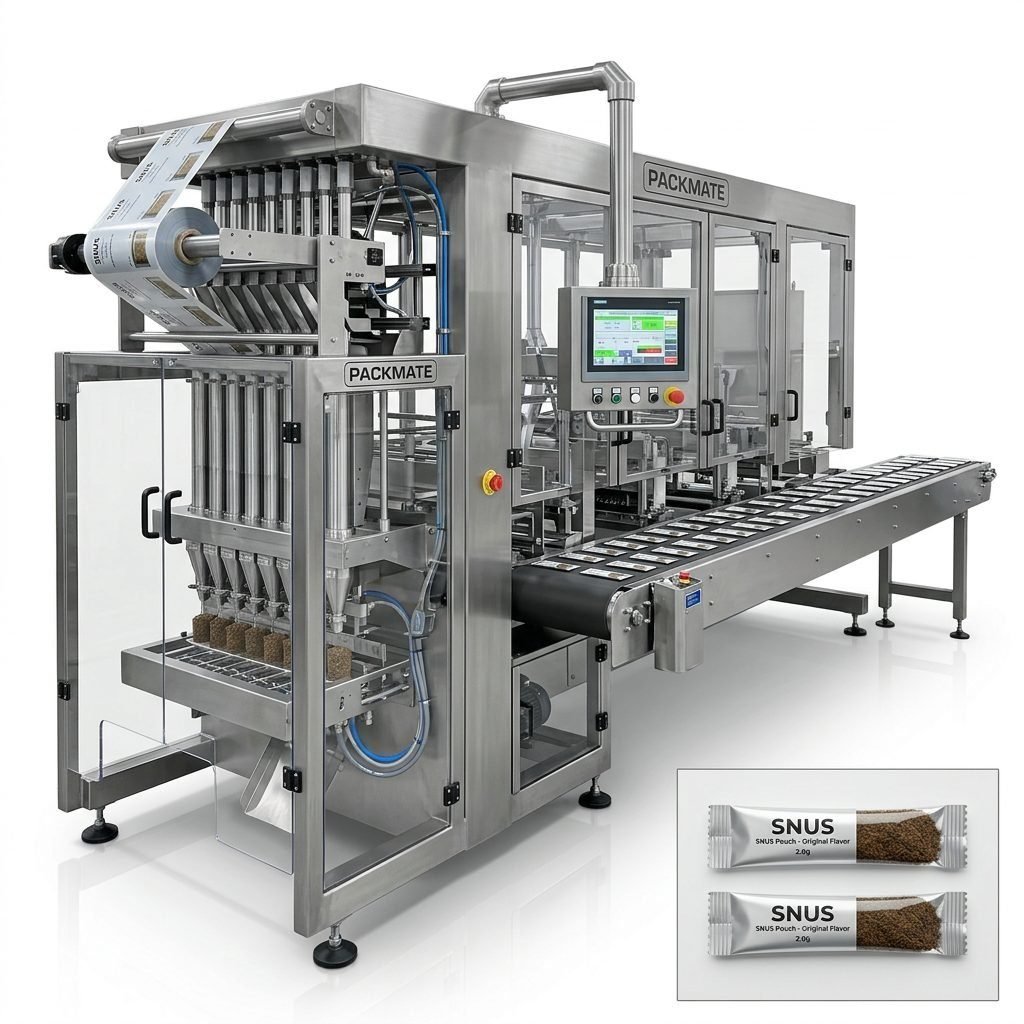
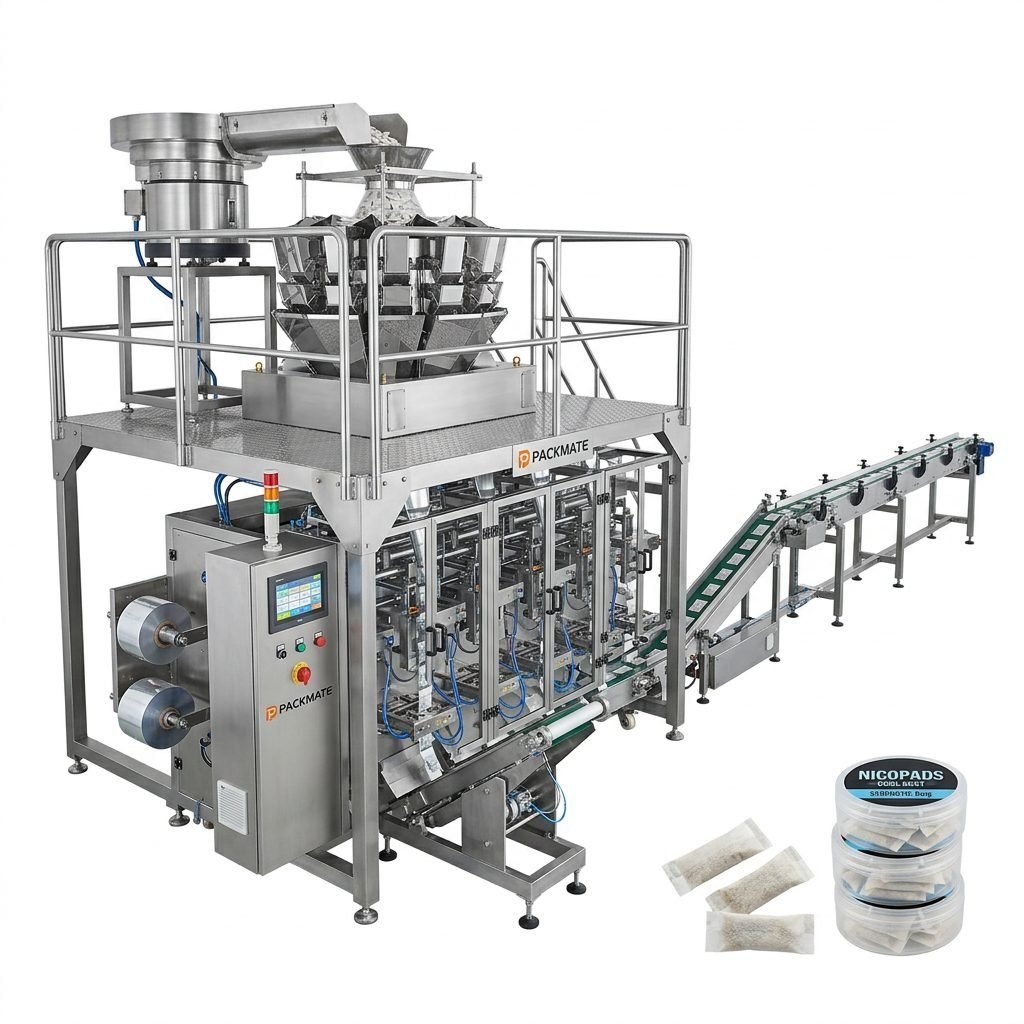
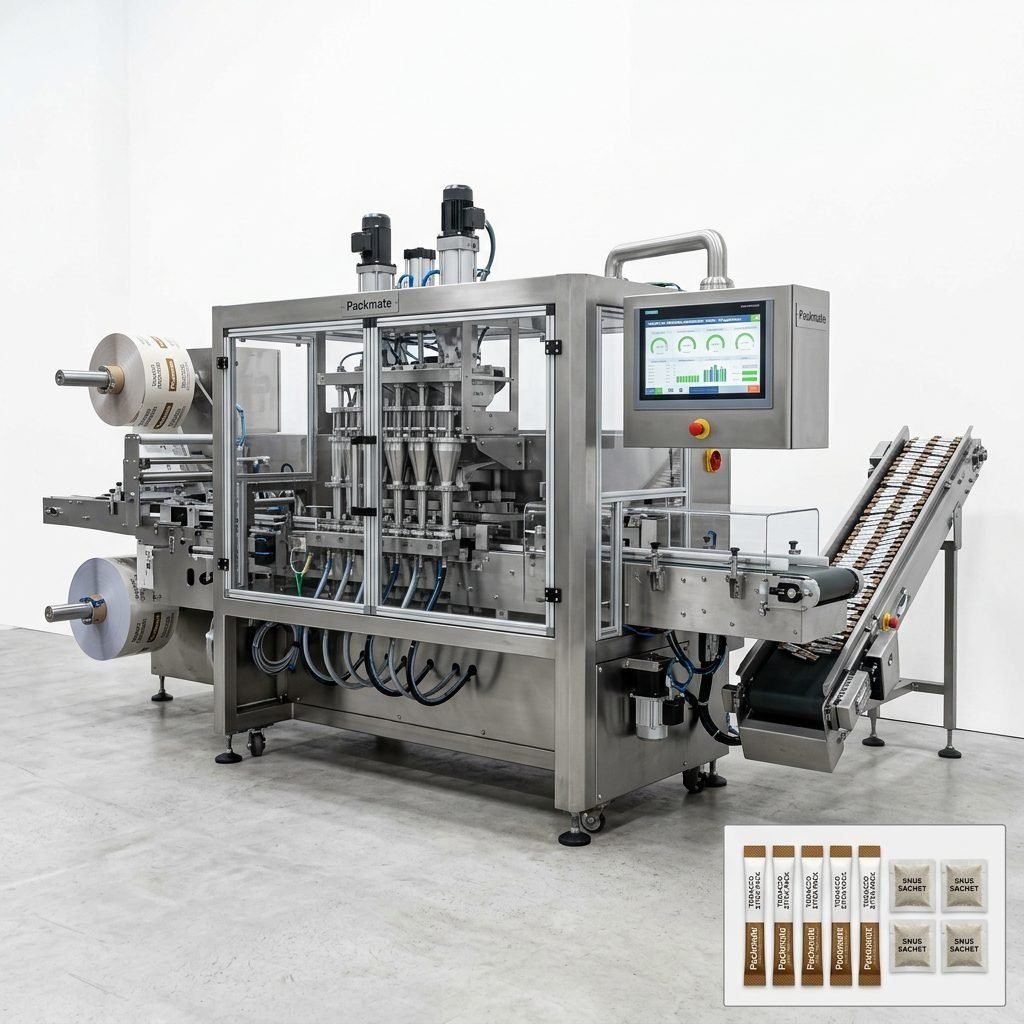
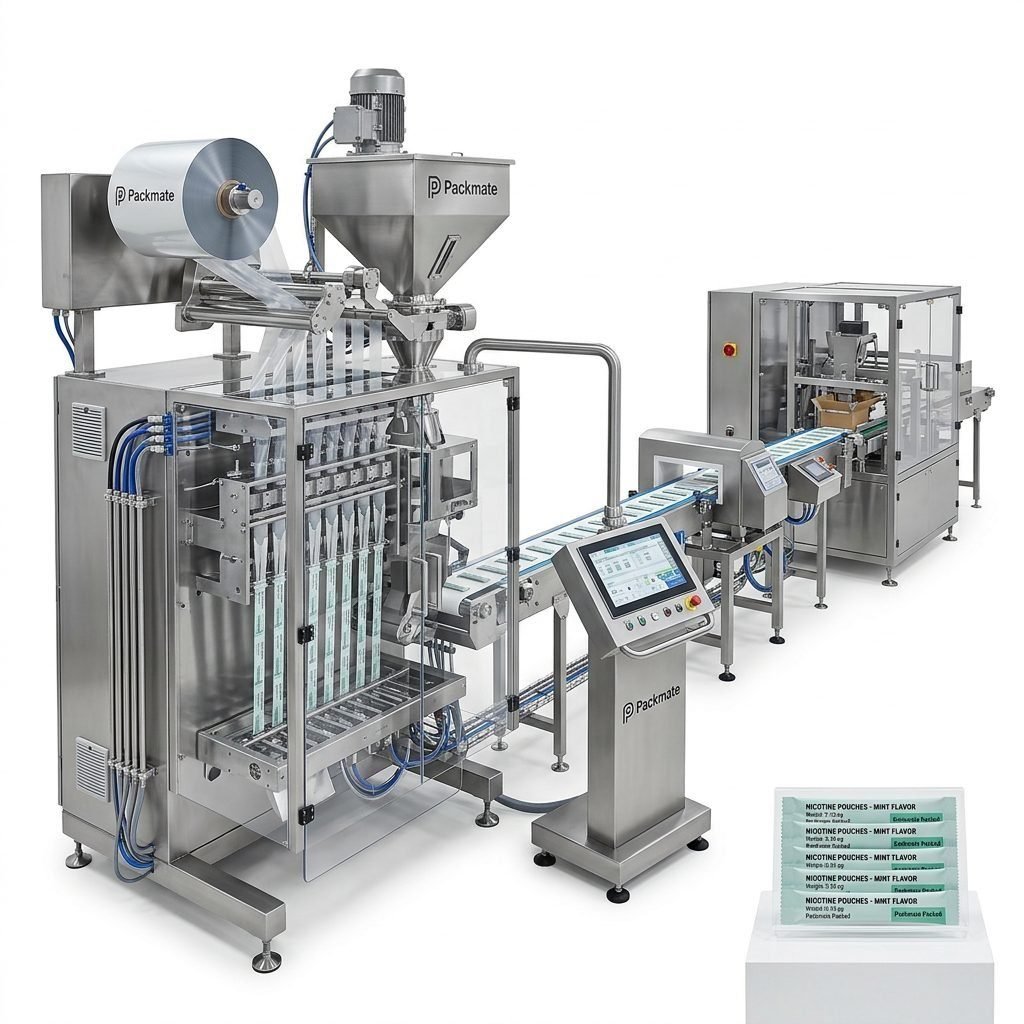
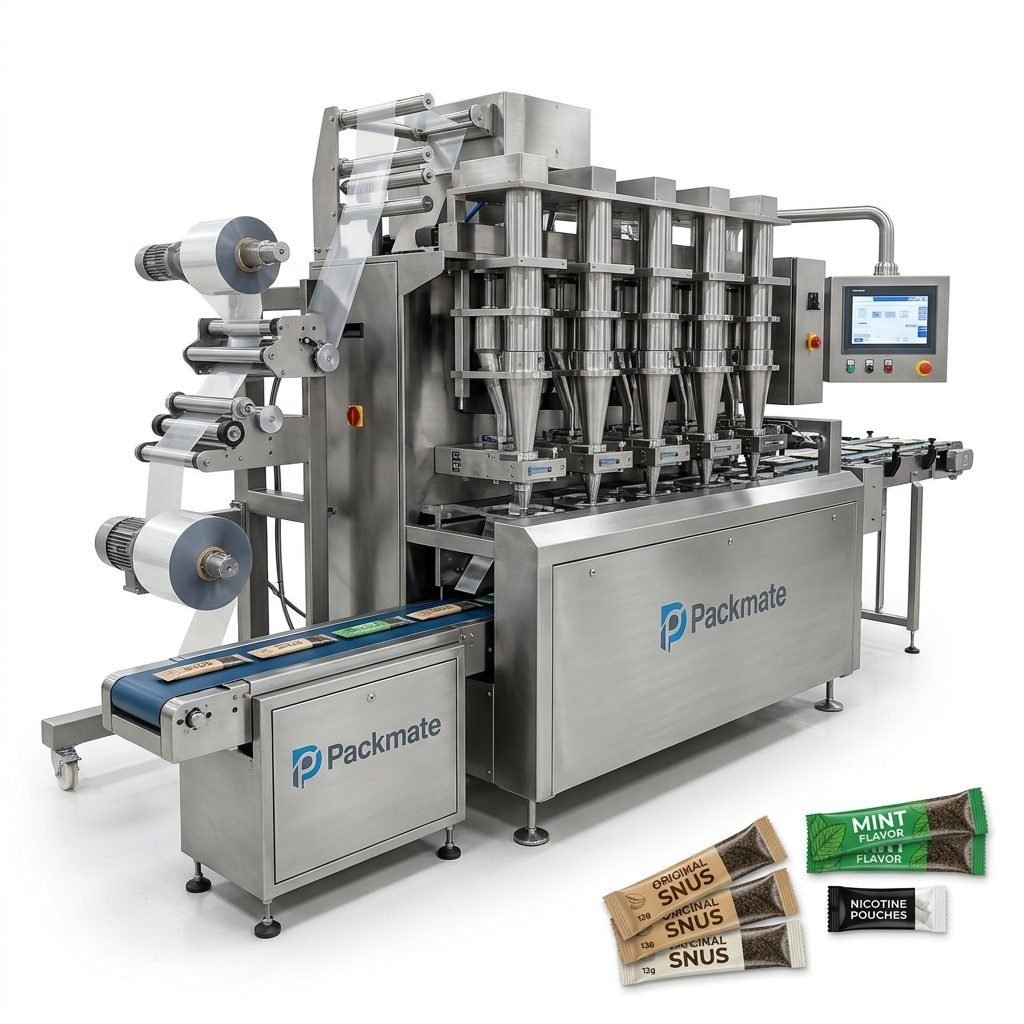
Start with the supplier’s manufacturing strength. Important indicators include factory size, years of engineering experience, production capacity, and the presence of advanced manufacturing equipment such as CNC machining centers and precision assembly lines. For example, manufacturers with decades of experience and a 20,000㎡ facility typically have the resources to produce robust machines and manage customizations for multi-lane snus pouch lines. The supplier should be able to supply various machine types — stick pack, sachet pack, multi-lane pouch machines — and adapt to small-dose nicotine pouch requirements.
Verify the supplier’s product range and available models: having 50+ machine models is a strong sign of maturity and flexibility. A broad portfolio allows you to select equipment that matches your expected output, pouch format, and budget.
What to verify
✅ Years of experience and production footprint (look for 20,000㎡ or similar)
✅ Variety of machine models and customization options
✅ In-house CNC and assembly capabilities
✅ Compliance with international standards such as CE and ISO
Technical specifications and product fit
Match the technical capability of the machine to your production plan. Consider output (pouches per minute), pouch types supported (flat pouch, sachet, stick pack, multi-lane), dosing precision for nicotine levels, and the ability to handle different materials and barrier films that preserve nicotine pouches. Machines designed for snus and nicotine pouches usually include precise weighing or volumetric filling systems, gentle handling systems, and stable sealing technology to ensure product integrity.
Tip: Request test reports or demonstration videos of the machine running your product type. Many reputable suppliers provide sample runs or remote demos to validate dosing accuracy and sealing under real-world conditions.
Certifications, standards and regulatory compliance
Machines must meet internationally recognized certifications (CE, ISO) and adhere to electrical and safety standards. A certified machine simplifies import approval and demonstrates a commitment to quality. Additionally, because nicotine products are regulated differently around the world, the supplier should offer guidance on machine features required to meet labeling, filling tolerances, and material hygiene standards. Suppliers who participate in international exhibitions and maintain documented certificates show stronger compliance discipline.
For a closer look at compliant equipment, review product categories such as Snus & Nicotine Packaging Machines which usually list certifications and technical specifications.
After-sales support, training and spare parts availability
After-sales support is often the single most important factor for businesses in Burundi where local technical resources for specialized machines are limited. Evaluate the supplier’s service policy: do they provide installation supervision, operator training, online diagnostics, spare parts kits, and guaranteed response times? Ideally, choose a supplier that offers training either on-site or via remote video sessions and can ship spare parts quickly to East Africa ports.
Ask about warranty terms, the average lead time for spare parts, and whether the supplier keeps critical components in regional warehouses. Suppliers with structured service teams and clear documentation reduce downtime and keep production predictable.
Service checklist
✅ Installation and commissioning services
✅ Operator and maintenance training (remote and on-site)
✅ Spare parts availability and minimum recommended spare inventory
✅ Remote support and diagnostic tools
✅ Clear warranty and service level agreements
Logistics and customs considerations for Burundi
Understanding shipping routes and customs for Burundi is critical. Common routes include shipment via Dar es Salaam (Tanzania) or Tanzanian port to road transport, or using the smaller port facilities on Lake Tanganyika near Bujumbura for certain cargo types. Discuss freight handling with the supplier to ensure packaging is robust for multi-modal transit. Confirm all documentation the supplier provides — commercial invoice, packing list, certificates of origin, quality certificates, and machine manuals — to speed up customs clearance.
Plan for import duties, VAT, and any special permits for handling nicotine-related equipment or chemicals. Engage a local customs agent in Burundi early in the procurement process to estimate landed cost and handle paperwork.
Financial terms and payment security
Negotiate clear payment terms: deposit, progress payments, and final payment hooks based on acceptance tests. Reliable suppliers will propose staged payments tied to milestones such as factory acceptance testing (FAT), shipping, and installation. Use escrow arrangements or letters of credit if possible to balance risk. Verify that warranty and after-sales commitments are documented and tied to those payments.
Pro tip: Ask the supplier for a clear Bill of Materials (BOM) and a spare parts list with part numbers. This simplifies future orders and avoids long downtimes.
Supplier reputation, references and on-site visits
Request references — clients in Africa or other emerging markets are particularly useful because they can confirm the supplier’s ability to manage logistics and after-sales in similar environments. If possible, visit the supplier’s factory or attend an international exhibition where the supplier demonstrates equipment. Suppliers that display machines at global exhibitions and maintain case studies demonstrate transparency and operational scale. For an example of real-world installations and success stories, explore the supplier’s case portfolio such as Case pages which highlight global cooperation cases.
Customization, flexibility and future scalability
Choose a partner who can customize machines for different pouch sizes, barrier materials, or multi-lane outputs. Scalability matters: your initial production volume in Burundi might be modest, but the supplier should provide a clear path to upgrade throughput or add ancillary equipment like weighing systems, feeders, or secondary packaging lines. Suppliers that offer modular solutions and auxiliary equipment ensure you can scale with less capital expenditure down the line.
Learn about complementary systems such as weighing and packaging integrations. Reviewing product lines like Weighing & Packaging Systems and Filling & Packaging Lines helps you design a full production flow that meets regulatory and quality needs.
Local market and cultural nuances in Burundi to consider
Burundi is a country with close-knit communities and strong cultural norms. Consumer trust, clear labeling in local languages (French and Kirundi) where feasible, and small-format trial packs are effective market entry strategies. Price sensitivity means you may start with lower-volume, higher-margin offerings or focus on durable, cost-effective packaging that protects product quality in humid tropical climates.
Consider partnerships with local distributors who understand retail channels including pharmacies, kiosks, and urban supermarkets in Bujumbura. Supplier support for labeling compliance, flexible pack sizing, and batch traceability will help navigate local regulations and improve acceptance among retailers and consumers.
Why Packmate-style suppliers are often a strong choice
Suppliers with a long engineering history, broad product lines, and global reach — such as companies with over 30 years of experience and multiple certifications — bring operational reliability and technical depth. They typically offer modular multi-lane systems optimized for small-dose nicotine pouches, stable sealing technology, and the option to integrate stick pack and sachet machines as your product portfolio evolves. If you want to learn more about a manufacturer’s background and capabilities, see their company profile like About Packmate.
Practical next steps when shortlisting suppliers
1. Request detailed technical datasheets and FAT (Factory Acceptance Test) videos using your specific pouch material and formula.
2. Verify certifications and ask for recent customer references in Africa or similar markets.
3. Clarify lead times for machine delivery and spare parts, plus installation and commissioning timelines.
4. Confirm warranty scope, training plans, and remote support processes.
5. Calculate total landed cost to Burundi including customs, duties, and local transport to Bujumbura or final distribution points.
Action item: Contact the supplier’s sales and service team to request a tailored solution and a preliminary quotation. For direct contact and service inquiries, check the supplier’s contact pages such as Contact Us.
Final checklist before signing a purchase agreement
– Confirm machine specifications, output, and acceptable tolerance for dosing.
– Ensure CE/ISO certificates and required export documents are provided.
– Lock in warranty, spare parts lead time, and training commitments in writing.
– Validate logistics plan: shipping route, port (Dar es Salaam, Mombasa, or Lake Tanganyika/Bujumbura where applicable), customs broker, and expected clearance time.
– Include acceptance testing criteria and penalties for non-performance where appropriate.
Conclusion
Selecting the best snus packaging machine supplier for your Burundi business is a strategic decision that touches production quality, regulatory compliance, logistics, and brand reputation. Prioritize suppliers with proven manufacturing capacity, relevant machine models for snus and nicotine pouches, robust after-sales service, and real experience shipping to or supporting clients in similar markets. Use demonstration runs, clear service agreements, and local logistics planning to ensure a smooth launch and sustainable operations.
Frequently Asked Questions
Q1: How long does it typically take to receive a snus packaging machine in Burundi after placing an order?
A1: Lead times vary based on customization and production backlog. Standard machines may ship within 8–16 weeks; customized multi-lane systems can take longer. Add transit and customs time (often several weeks) depending on the chosen port and clearance process.
Q2: What certifications should I ask for to ensure the machine meets international safety and quality standards?
A2: Request CE and ISO certifications, as well as electrical safety certificates relevant to the machine. Certification documents and factory inspection reports give you confidence during import and operation.
Q3: How can I minimize downtime once the machine arrives in Burundi?
A3: Maintain a recommended spare parts kit, secure operator and maintenance training from the supplier, and establish remote support channels. Confirm local technician availability or regular supplier technician visits in your service agreement.
Q4: Are there special labeling or packaging considerations for selling nicotine pouches in Burundi?
A4: Yes. Ensure labels comply with national regulations regarding nicotine content, health warnings, and language use. Work with local regulatory consultants and your supplier to implement traceability and batch labeling features.
Q5: Where can I see real examples of machines in operation and read about supplier case studies?
A5: Review supplier case pages and product showcases to see installations and client stories. Many suppliers post exhibition reports and case studies such as those on their website that highlight global deployments.