Choosing the right snus packaging machine supplier for your Belgian factory is more than a procurement decision — it is a strategic move that determines production stability, regulatory compliance, and long-term profitability. This guide walks you through practical steps, Belgian market nuances, technical benchmarks, and negotiation tactics so you can confidently select a partner that delivers machines, services, and ongoing support tailored to your needs.
Why the Right Supplier Matters in Belgium
✓ Operational continuity: A reliable supplier minimizes downtime with robust machines and local-ready documentation.
✓ Regulatory alignment: Belgium sits within EU regulations that govern ingredients, labeling, and machinery safety — making CE and ISO compliance critical.
✓ Local fit: Belgian factories benefit from suppliers who understand multilingual communication (Dutch, French, German), logistics within the EU, and local labor practices.
Understand Belgian Market & Cultural Considerations
Belgium’s market is shaped by a well-educated workforce, high industry standards, and strong expectations for sustainability and workplace safety. When selecting a supplier, consider:
🇧🇪 Language & Communication: Ensure the supplier provides technical manuals and on-site training in the languages used at your factory, or at least in English plus translations.
♻️ Sustainability: Belgian buyers often prioritize energy-efficient, low-waste designs and responsible material sourcing. Ask about energy consumption, material waste rates, and recyclable material options.
⚖️ Compliance: EU and Belgian legislation can affect packaging design and nicotine product handling. Suppliers with CE and ISO certifications ease the compliance pathway.
Match Machine Types to Your Production Strategy
Different product formats require different packaging machines. Evaluate how your product range, speed requirements, and format flexibility align with machine options:
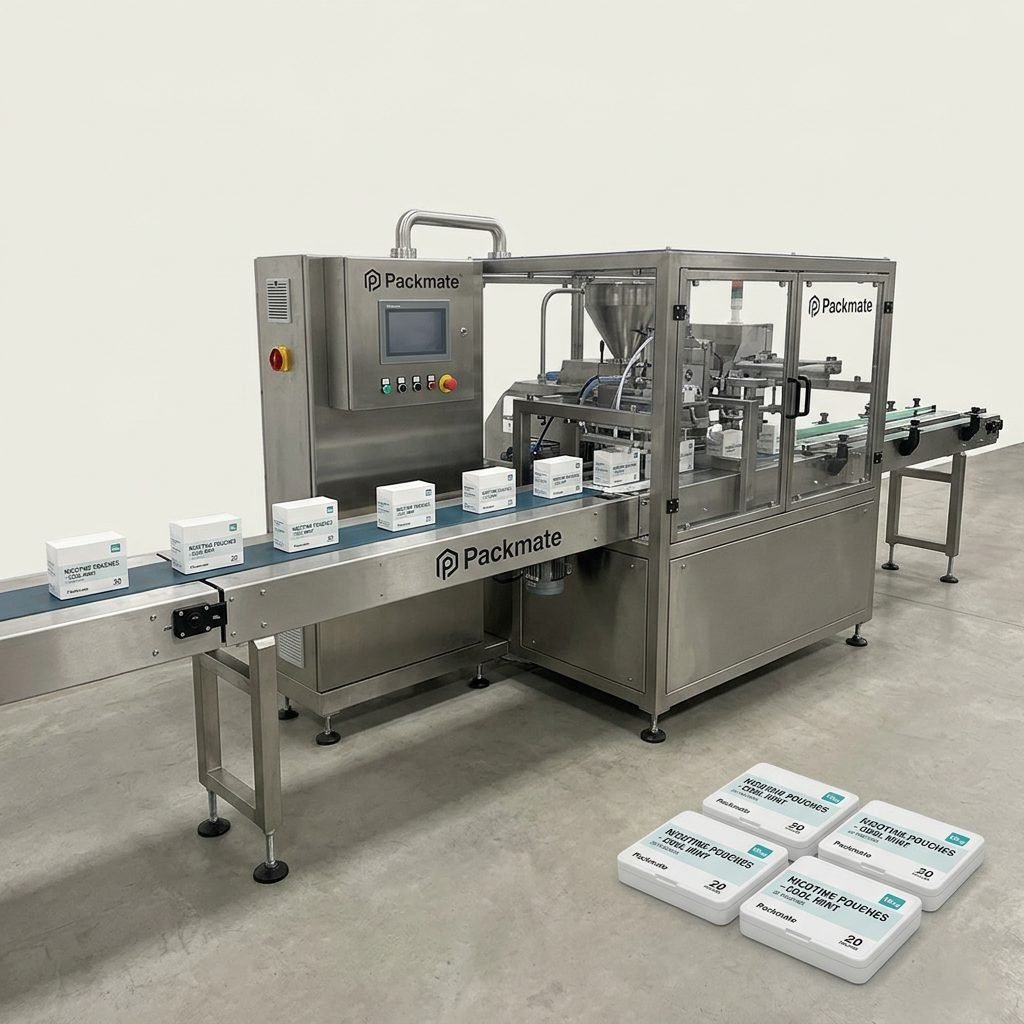
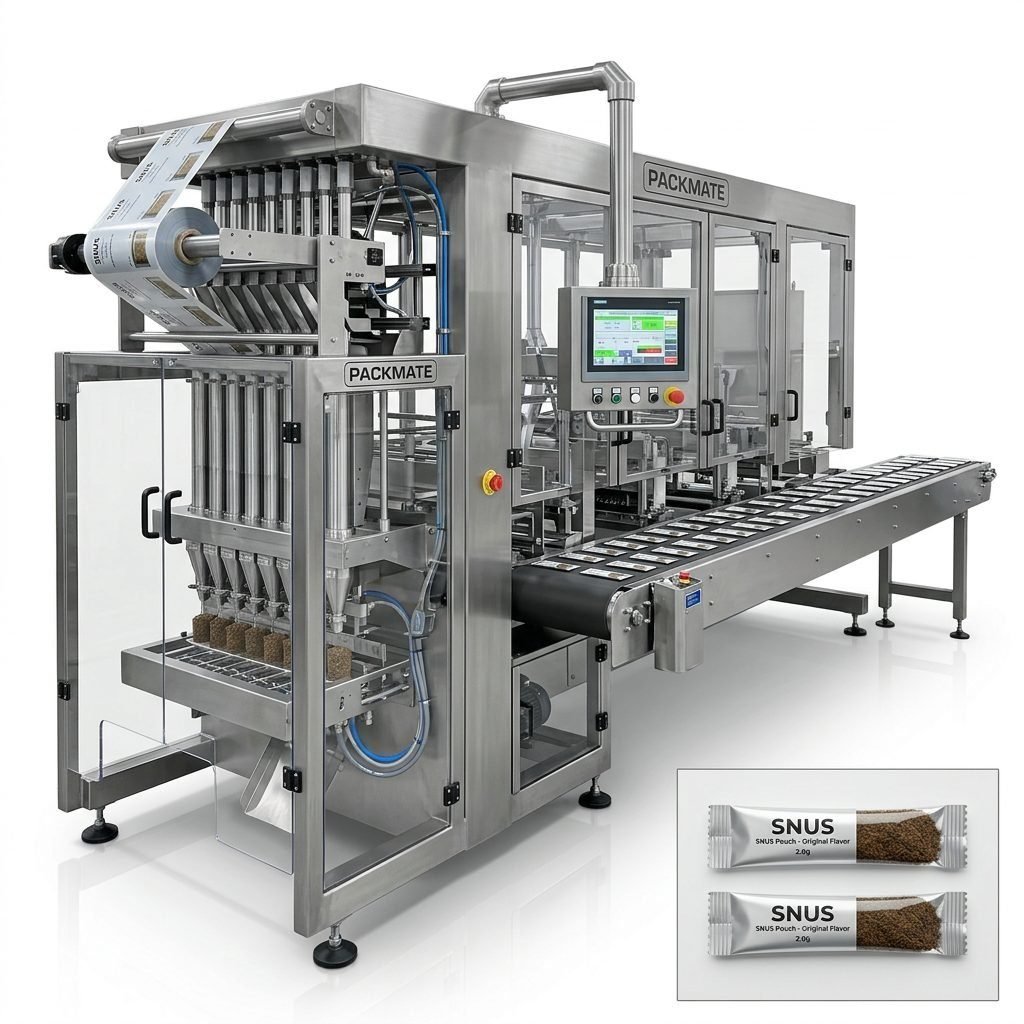
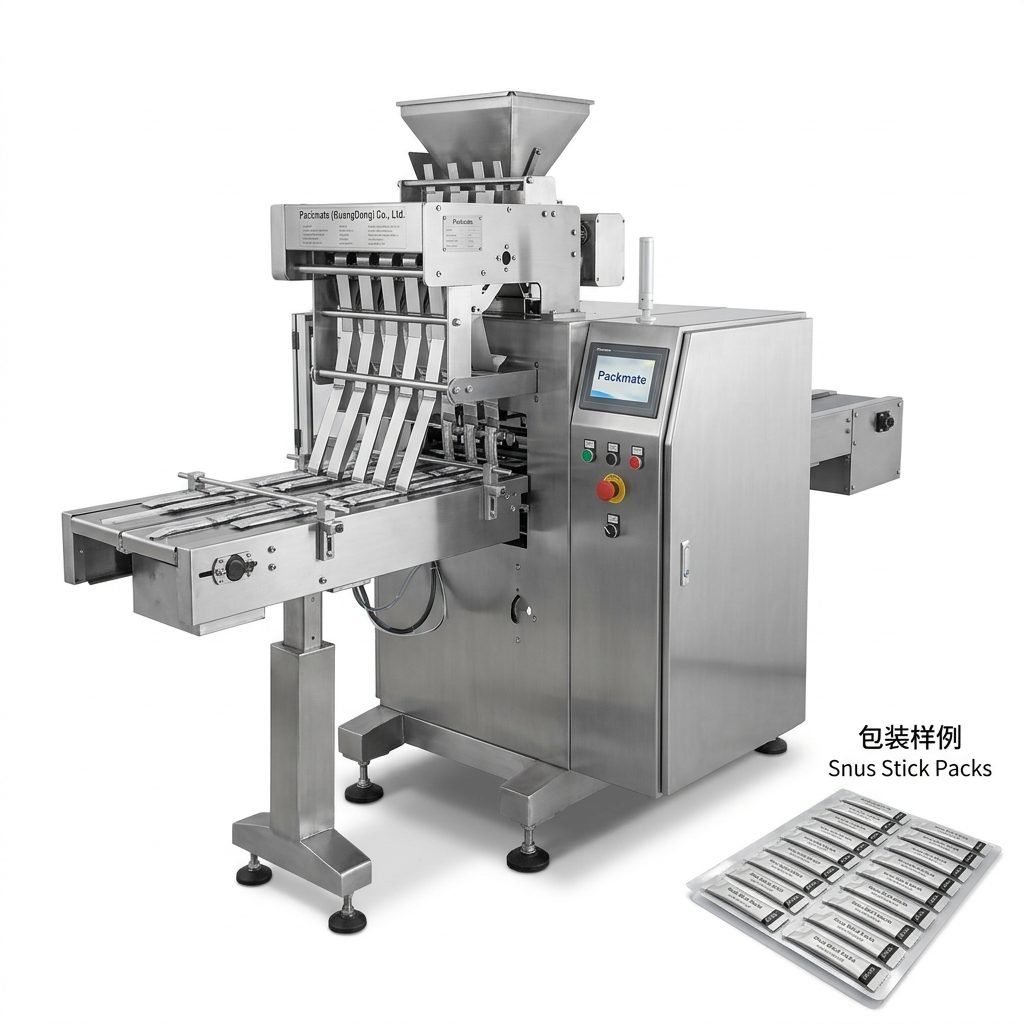
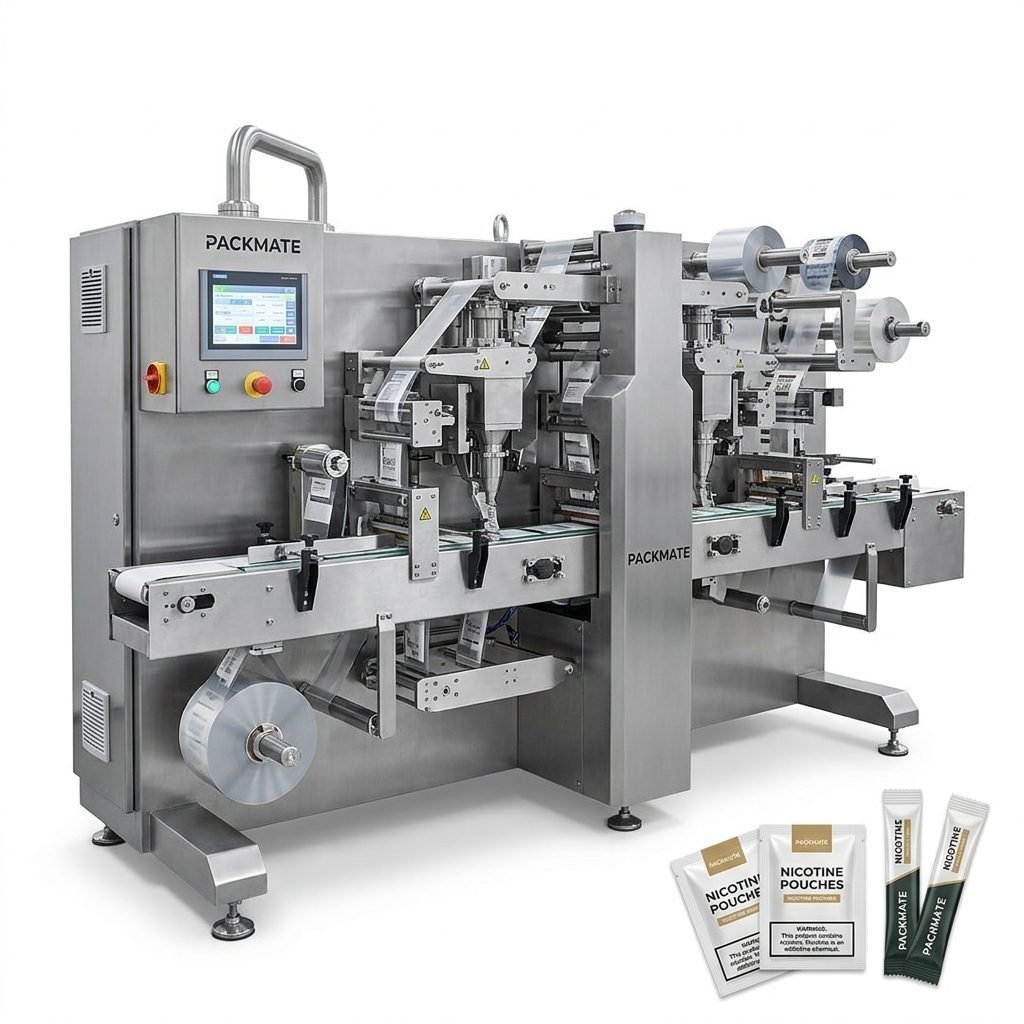
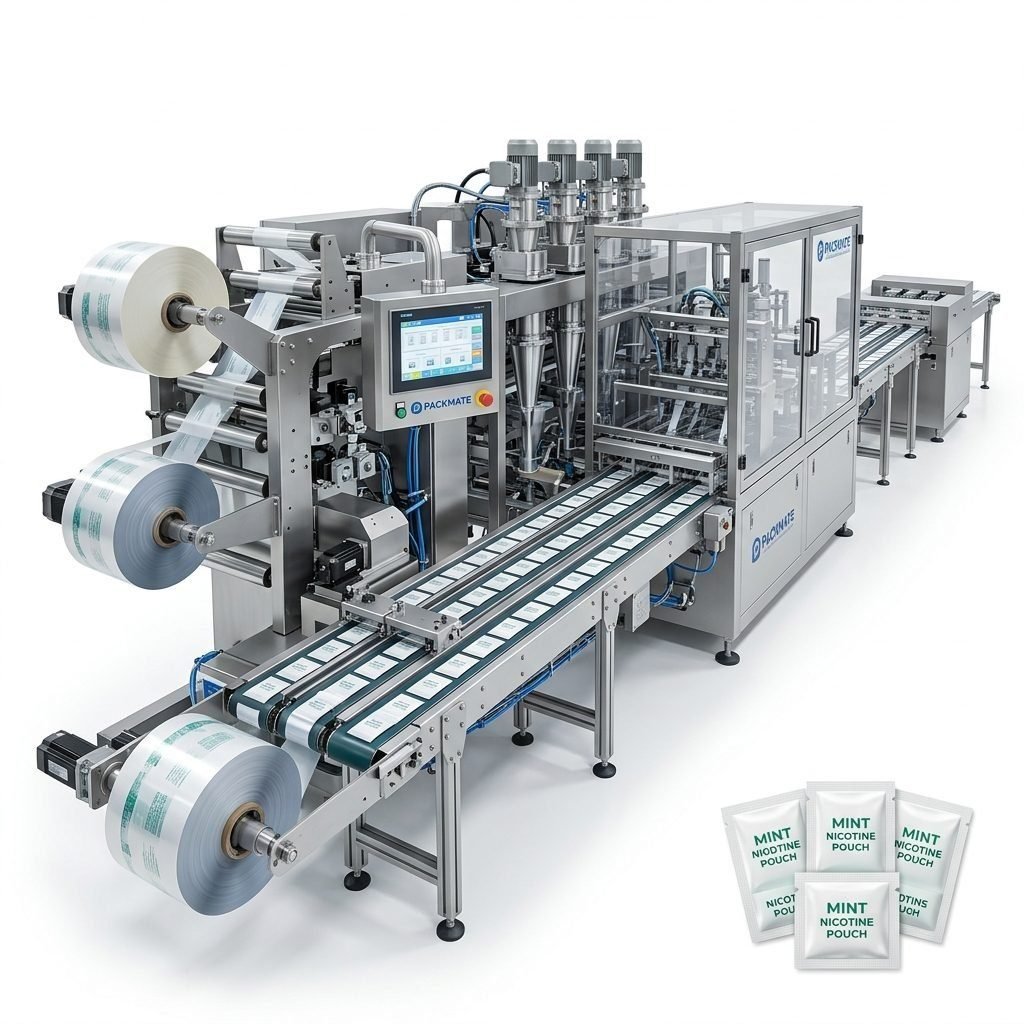
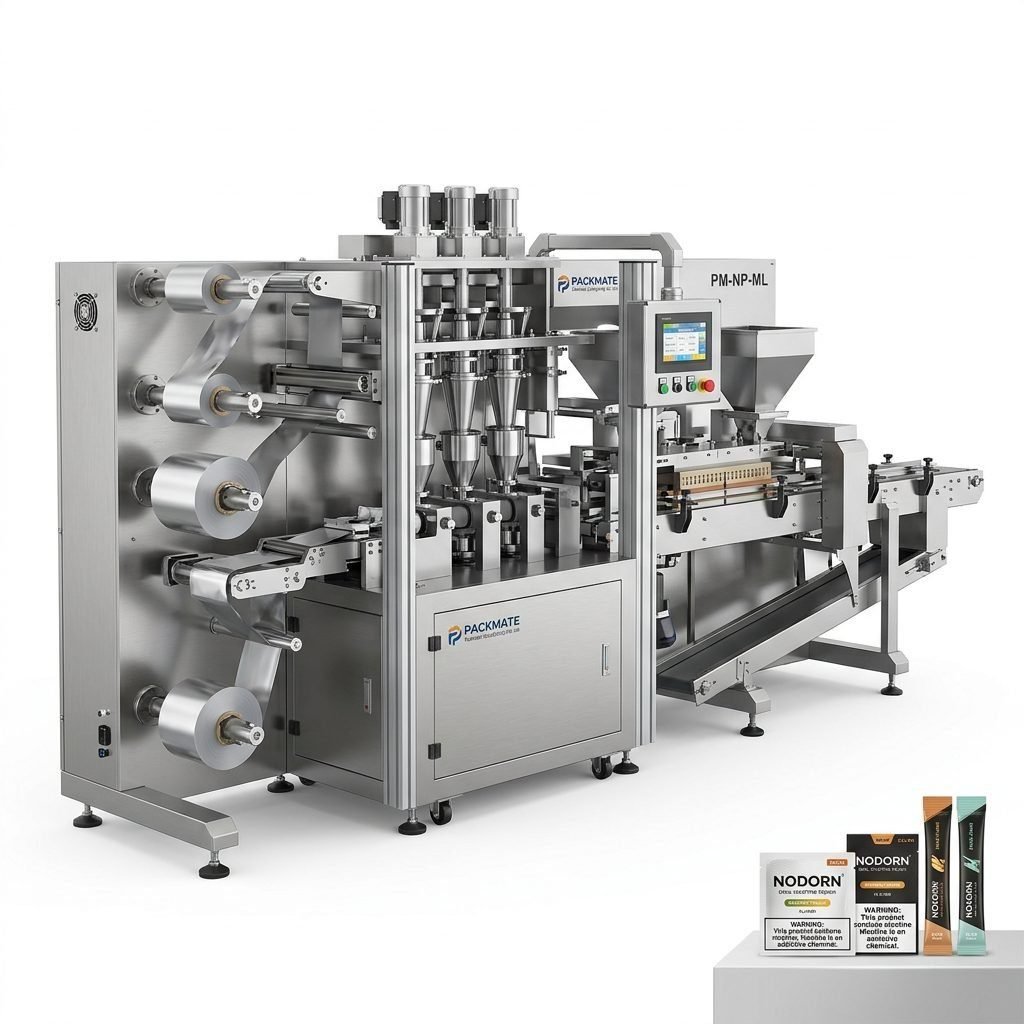
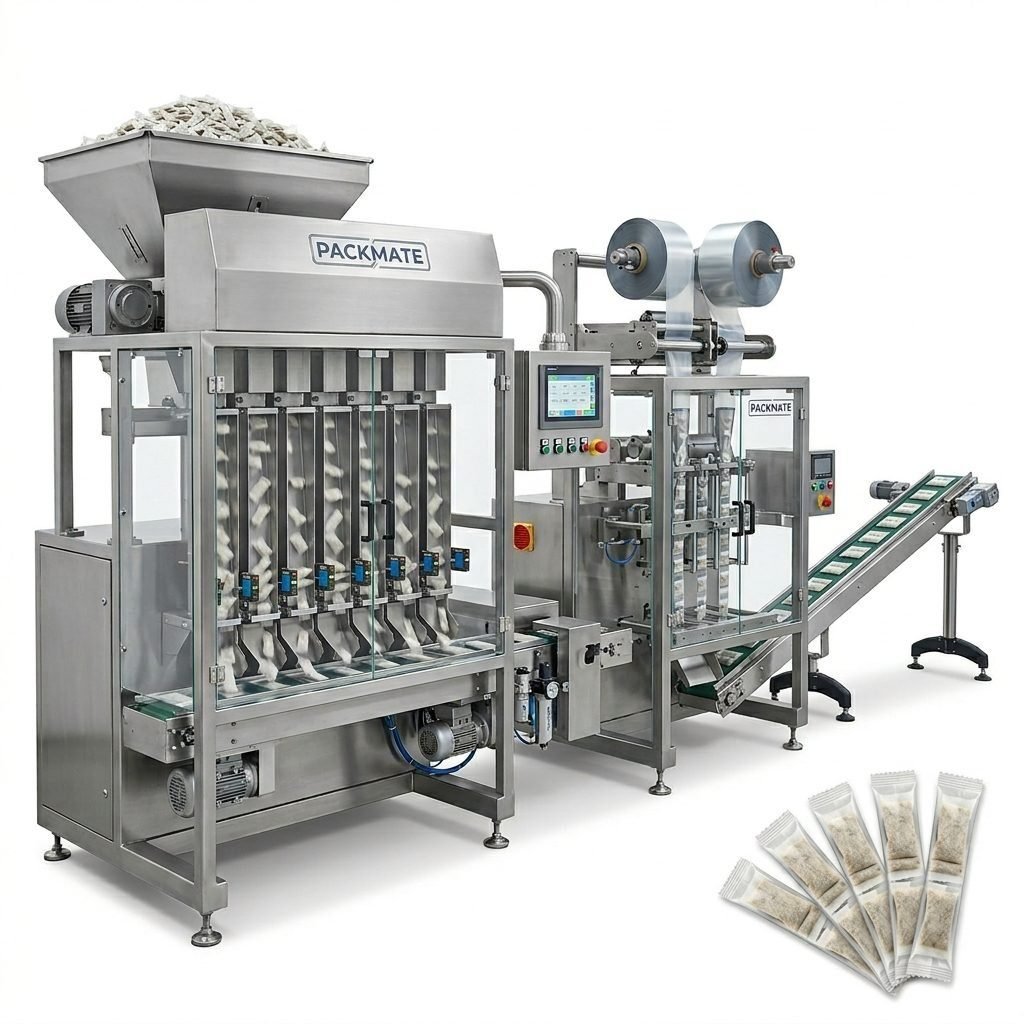
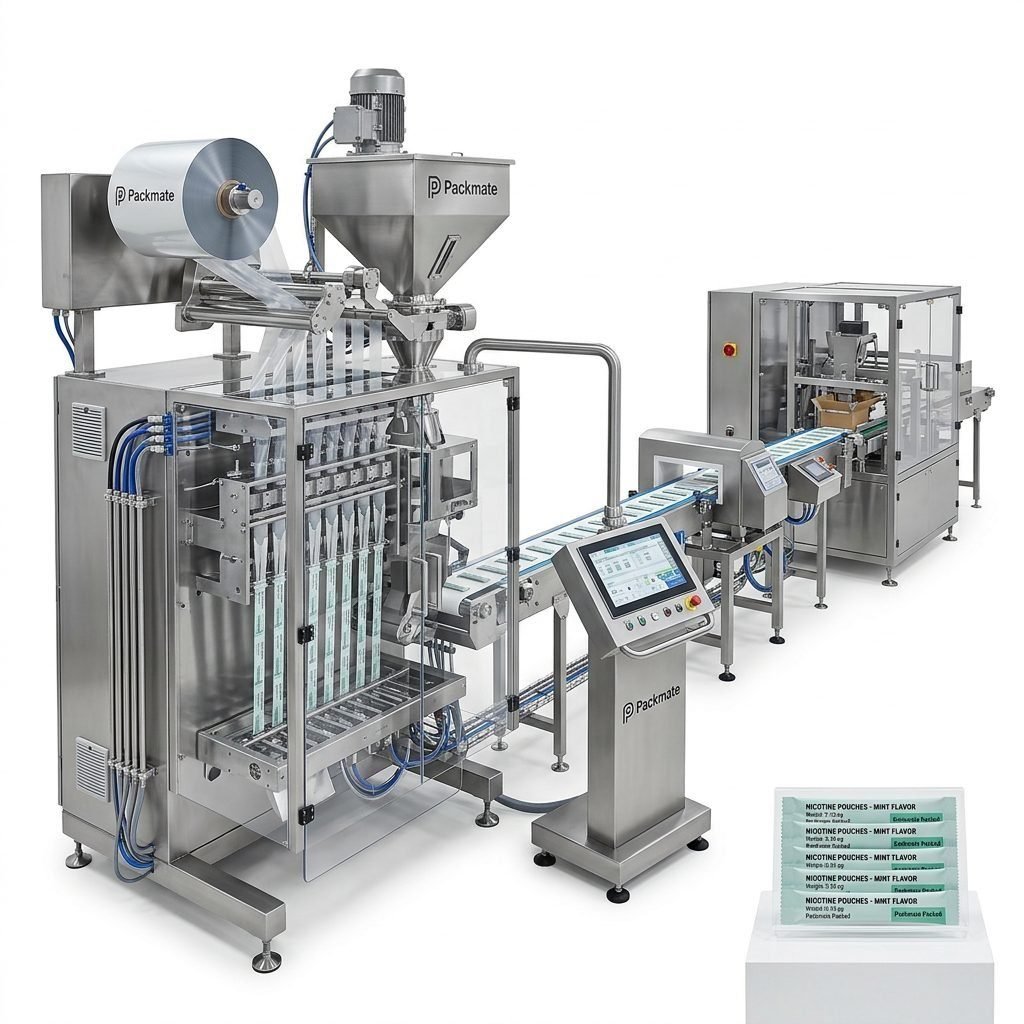
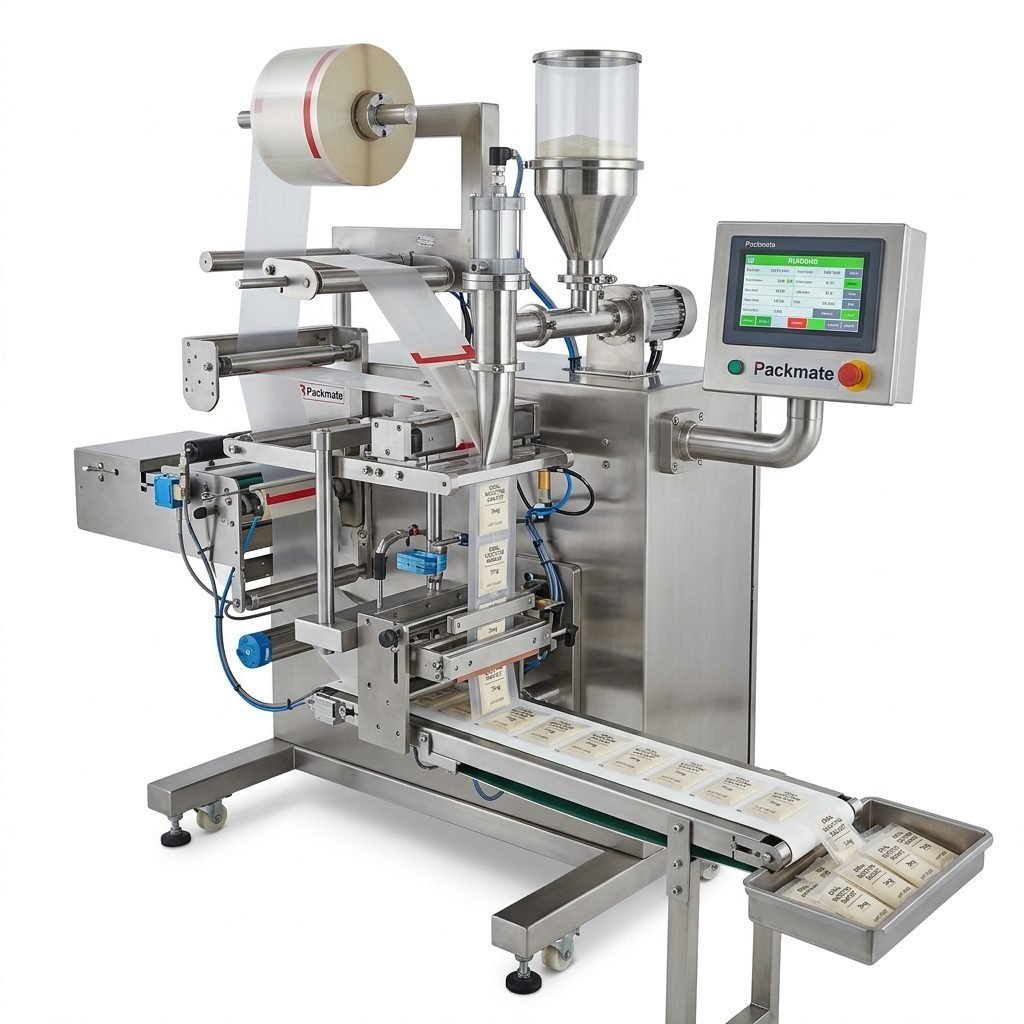
Stick pack & sachet systems: Ideal for single-serve nicotine pouch and snus sticks. Look for consistent sealing, accurate dosing, and quick changeover.
Multi-lane pouch lines: For high-volume small-dose pouches, multi-lane systems deliver throughput efficiency while maintaining precision.
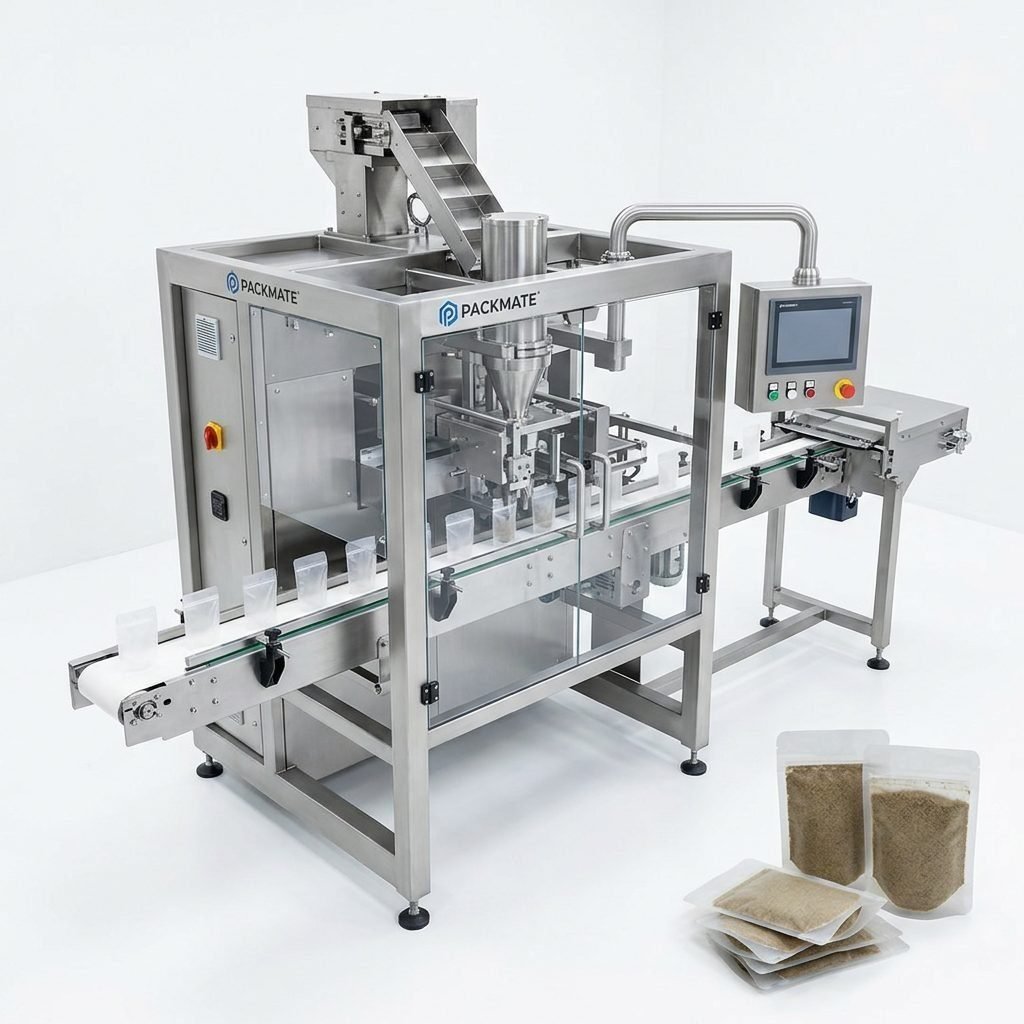
Filling & weighing integration: Integration with high-accuracy weighing systems reduces variability — crucial for nicotine product compliance and product safety.
For detailed product references, review specialized machine categories such as
Snus & Nicotine Packaging Machines,
Sachet & Stick Pack Machines, and
Filling & Packaging Lines.
Assess Quality, Certifications and Testing
Quality assurance begins before purchase. Confirm suppliers can demonstrate consistent manufacturing controls, testing, and international certifications.
CE & ISO: Machines must meet CE safety standards and ideally be produced in an ISO-certified environment — ask to see certificates.
Factory testing & FAT: A rigorous Factory Acceptance Test (FAT) and video demonstrations of production runs help validate the machine’s performance under real conditions.
Traceability & documentation: Ensure the supplier provides full documentation (drawings, schematics, spare parts lists, software backups) in formats acceptable to your maintenance team.
Evaluate Factory Strength & Customization Capacity
A supplier’s manufacturing capability impacts lead times, build quality, and the ability to deliver tailored solutions. Look for a partner with real factory strength and engineering experience.
Workshop scale: A large, well-equipped facility with CNC machining and precision assembly indicates capacity for repeatable quality.
Engineering experience: Suppliers with decades of R&D experience are better positioned to solve complex packaging challenges.
Turnkey solutions: If you need a complete production line, consider a supplier who delivers integrated systems, from weighing to final packaging.
Learn more about a supplier’s background and capabilities via their company page, for example:
About Packmate.
Service, Training & After-Sales Support
After-sales service is the lifeline of production. Prioritize suppliers who commit to quick spare-parts delivery, remote troubleshooting, onsite commissioning, and operator training.
Remote diagnostics: Modern machines with remote access reduce resolution times. Confirm secure remote support options.
Local logistics & parts stock: Suppliers with EU warehousing or fast shipping routes to Belgium cut downtime.
Training & manuals: Request on-site training plans and multilingual manuals to ensure operators and maintenance teams are fully prepared.
Logistics, Lead Time & Total Cost of Ownership
Evaluate the real cost beyond purchase price: installation, spare parts, energy consumption, and downtime penalties. Belgian factories often prefer predictable lead times and transparent shipping terms.
Delivery & installation: Ask for a clear timeline for production, delivery, customs clearance, and installation. EU shipments reduce customs complexity compared to non-EU routes.
Warranty & spare parts: Negotiate warranty scope and spare-parts availability — longer warranties and local parts stock lower lifetime risk.
Checklist for Supplier Audits & Factory Visits
Use this checklist during supplier evaluation or on-site audits to spot red flags and validate capabilities:
🔎 Production lines: Inspect assembly lines, CNC equipment, and final testing areas.
📁 Documentation: Verify user manuals, electrical schematics, and spare parts lists exist and are complete.
🧪 FAT & trials: Witness full production trials and request sample outputs for your product specifications.
🗣️ Communication: Evaluate responsiveness and the clarity of technical exchanges — crucial for successful installation and long-term cooperation.
Negotiation Tips & Contract Terms
Negotiate protective terms that reduce risk and ensure accountability:
Service Level Agreement (SLA): Define response times for service calls and parts delivery.
Performance guarantees: Include acceptance criteria for speed, accuracy, and uptime.
Training obligations: Ensure supplier commits to comprehensive operator and maintenance training on-site at handover.
Case Insight: Packmate’s Approach to Snus Packaging
Packmate Snus Machine (Packmate) has decades of focused engineering in snus and nicotine pouch packaging. Their facility, production lines, and turnkey capabilities make them a relevant option for Belgian factories seeking full-line solutions.
Factory scale & experience: Over 20,000㎡ factory area, advanced CNC machining centers, and 30+ years of engineering experience enable stable, repeatable machine builds.
Product breadth: Packmate offers multi-lane systems, stick pack and sachet machines, and fully integrated filling and weighing systems — see their product examples at
Snus & Nicotine Packaging Machines and
Weighing & Packaging Systems.
Certifications: Packmate provides CE/ISO-compliant equipment — proof of their certifications is viewable via their certificate page.
Certificate
Step-by-Step Supplier Selection Roadmap
Follow a disciplined process to reduce risk and pick the best supplier for your Belgian factory:
1. Define requirements: Clarify speeds, formats, dosing accuracy, and integration needs.
2. Shortlist vendors: Use references, product pages, and exhibition demos — consider visiting suppliers at trade shows.
3. Factory audit & FAT: Inspect production lines, witness trials, and validate certifications.
4. Negotiate terms: Secure SLAs, warranties, acceptance tests, and spare-parts commitments.
5. Installation & training: Plan on-site commissioning, operator training, and maintenance handover.
6. Continuous improvement: Set KPIs for yield, downtime, and energy use; expect your supplier to support optimization.
Where to Meet & Check Suppliers
Trade shows and case studies are great ways to validate a supplier’s claims. Visit manufacturers during exhibitions to view live demos or review documented case examples online.
Exhibition presence: Attend relevant events and ask for live demos — check their exhibition schedule via
Our Exhibition.
Case studies: Ask for similar-project references to confirm the supplier’s ability to deliver under comparable conditions — see
Case.
Making the Final Decision
When you narrow down to two or three candidates, weigh technical fit, reliability, lead times, and support commitments. The lowest price rarely wins in long-term manufacturing — prioritize predictable performance and a partner who will be there when problems occur.
Ready to engage: If you want a supplier who combines packaging expertise with turnkey solutions and global service, reach out directly to learn about technical specs, factory tours, and tailored proposals:
Contact Us.
Final Tips
Always validate claims with data, insist on a comprehensive FAT, and protect your operation with well-defined contract terms. Belgian factories value vendors who demonstrate transparency, technical competence, and environmental awareness.
Frequently Asked Questions (FAQs)
Q1: What certifications should I require?
A1: Require CE marking for machinery safety, ISO 9001 for quality systems, and any local documentation needed for nicotine product handling within the EU. Always ask to see certificates and check their validity.
Q2: How important is FAT?
A2: FAT (Factory Acceptance Test) is essential. It proves the machine meets agreed specifications before shipment, reducing installation risk and ensuring you receive a machine capable of meeting your production targets.
Q3: Can suppliers support multilingual training for Belgian staff?
A3: Many reputable suppliers provide manuals and training in English and can arrange translations or local-language trainers. Confirm language support during contract negotiations to guarantee smooth handover.
Q4: How do I minimize downtime after installation?
A4: Plan for comprehensive commissioning, on-site training, spare-parts kits, and a robust SLA for technical support. Remote diagnostics and local parts stock shorten repair times.
Q5: Where can I find examples of installed lines?
A5: Request case studies and references from the supplier. View documented projects and exhibition demos to verify real-world performance — see the supplier’s case page for examples.