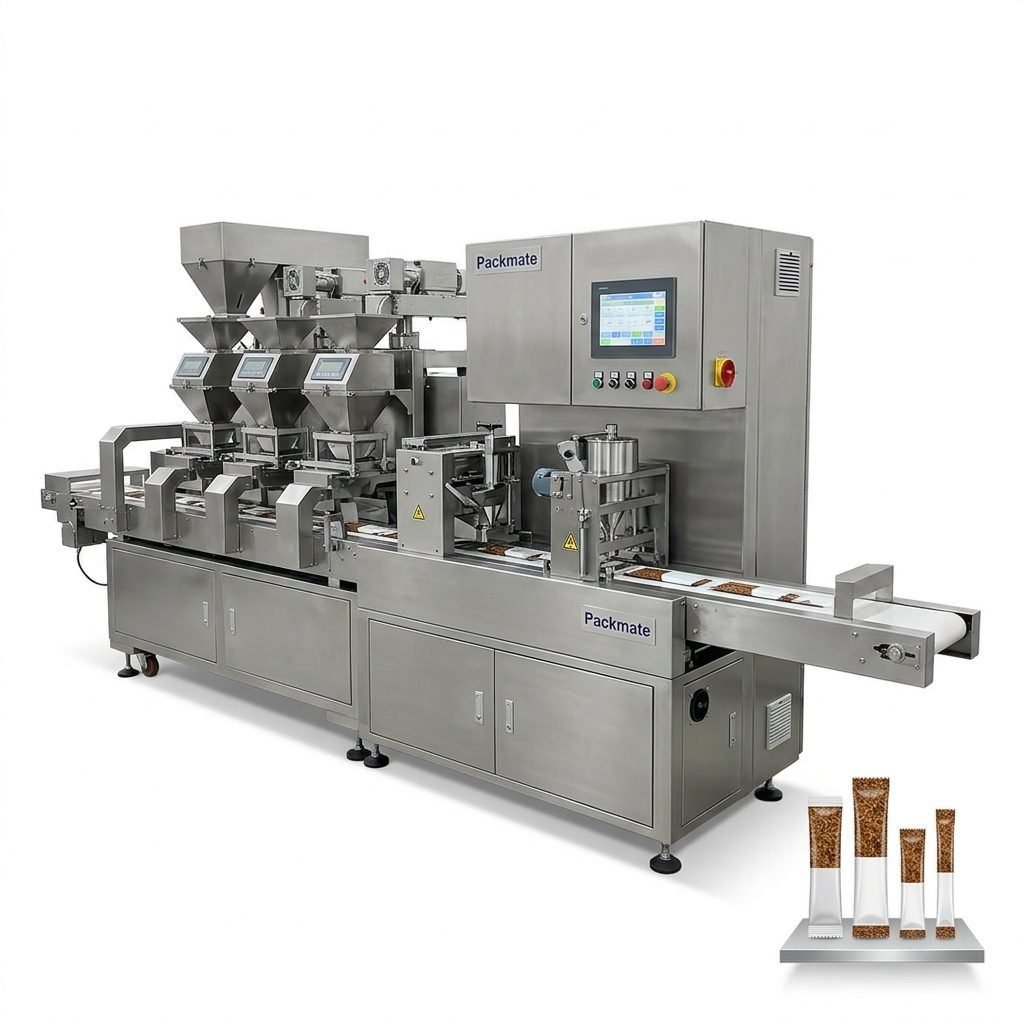
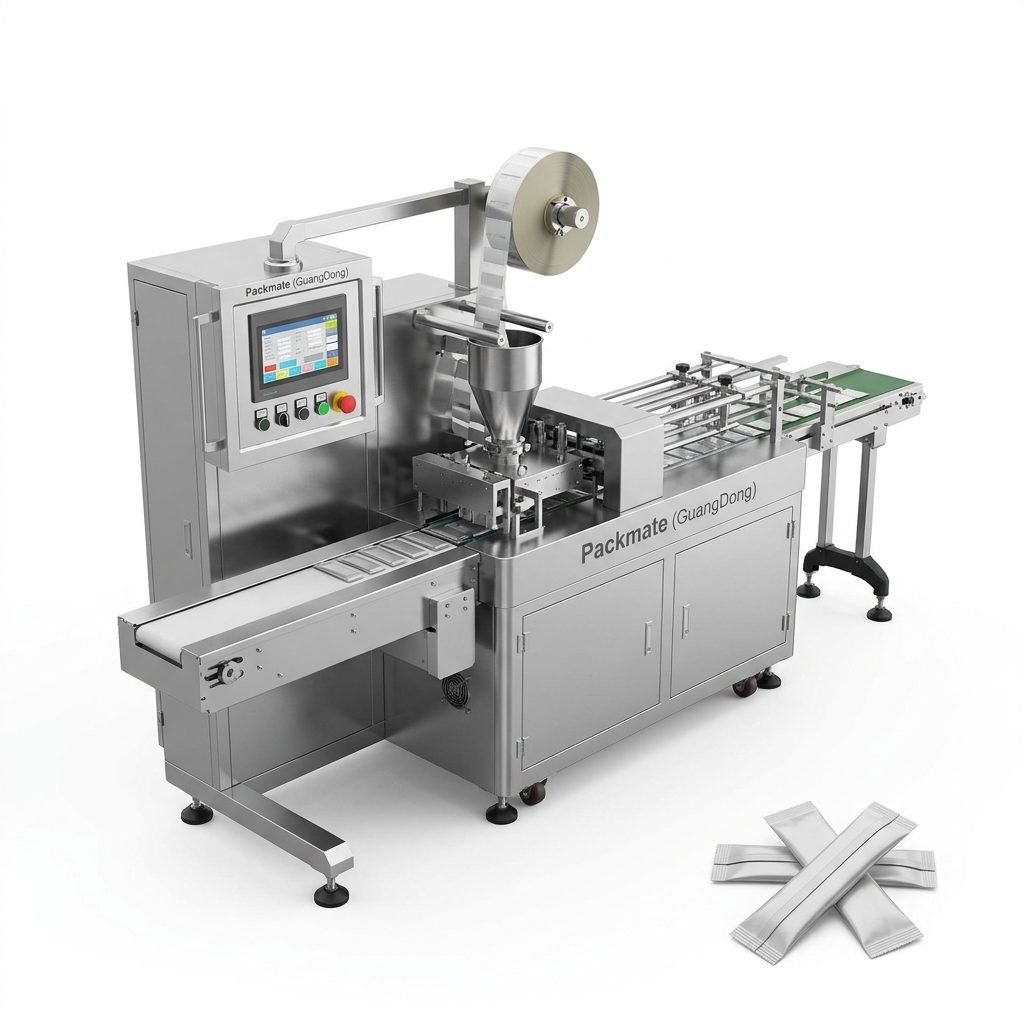
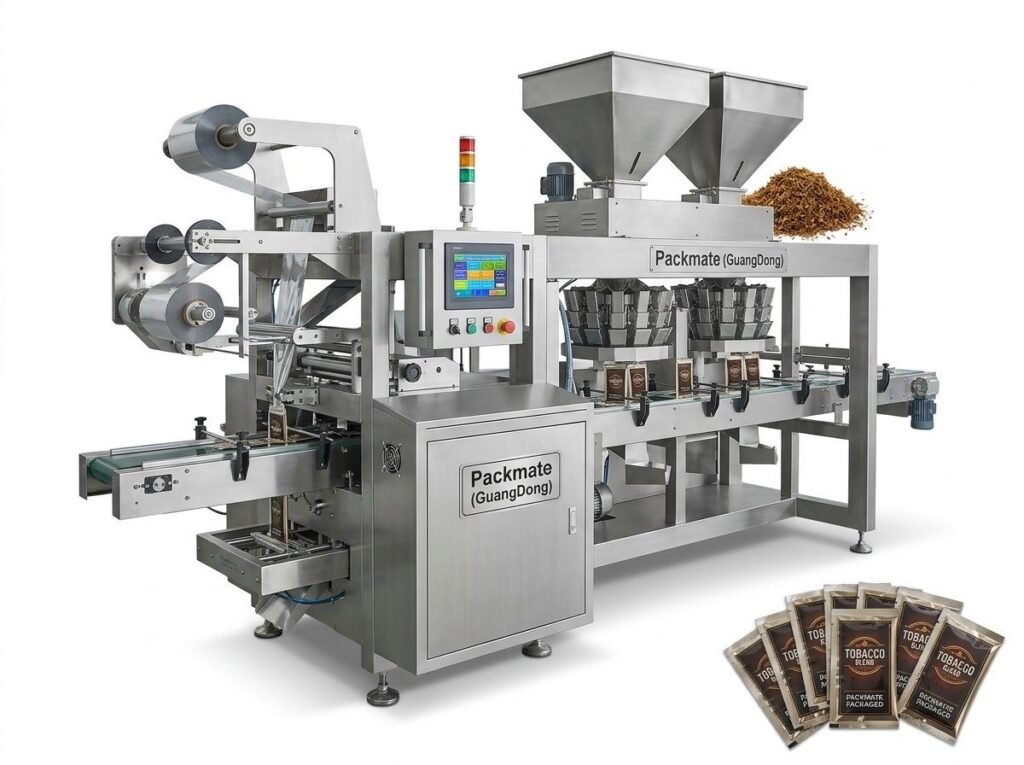
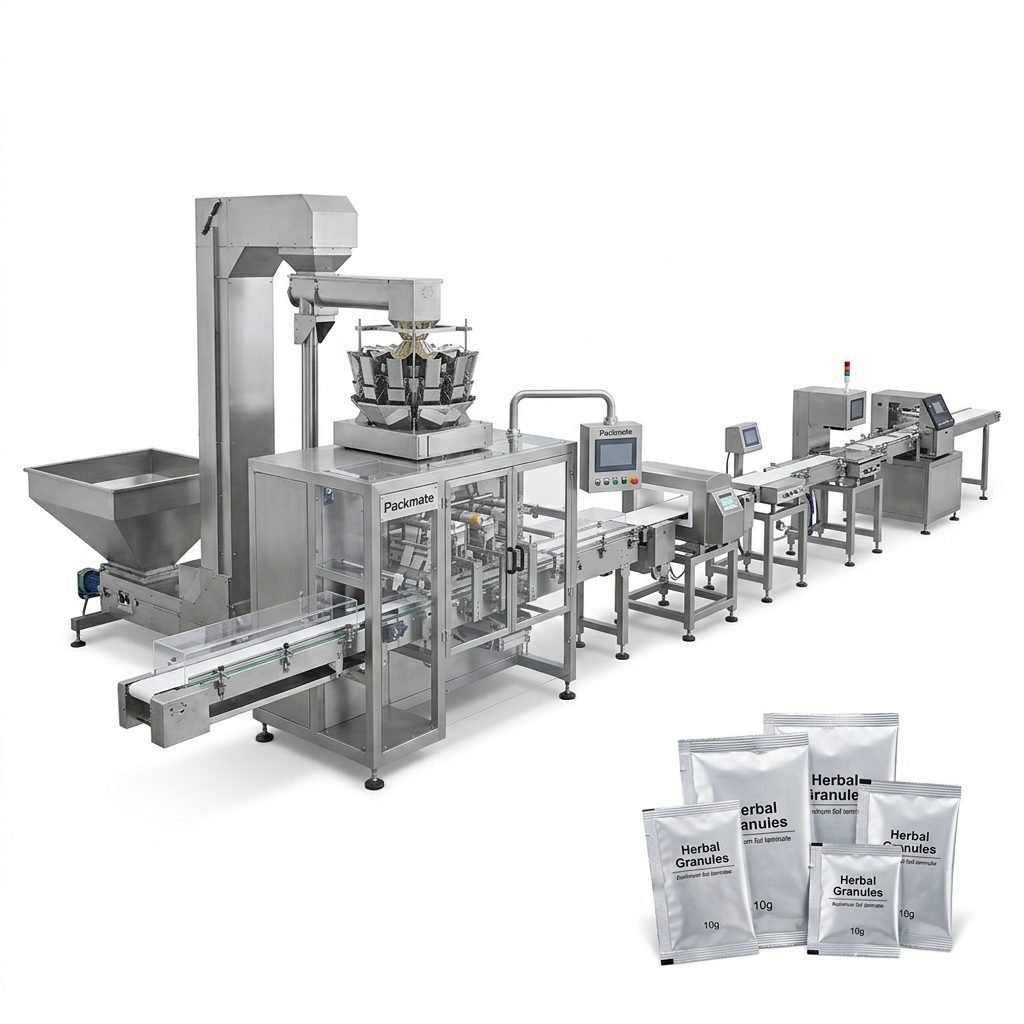
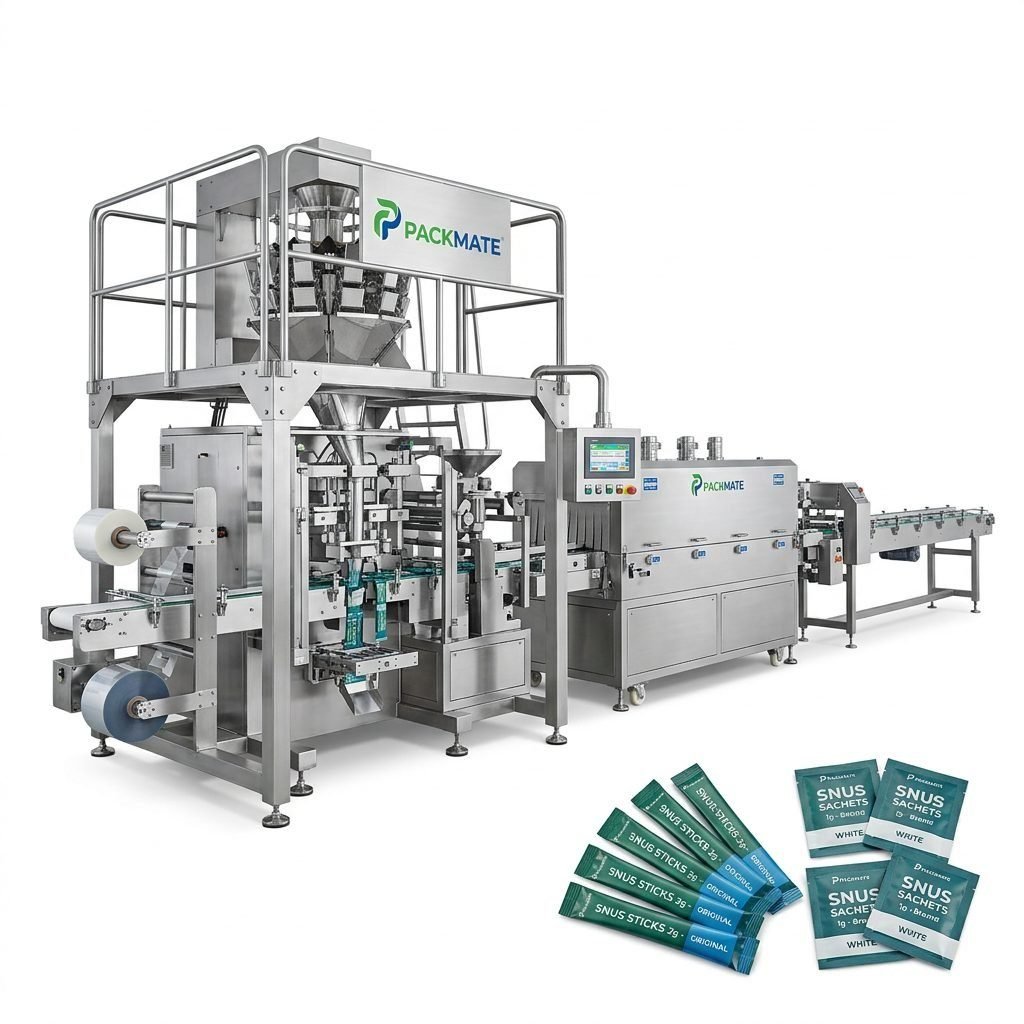
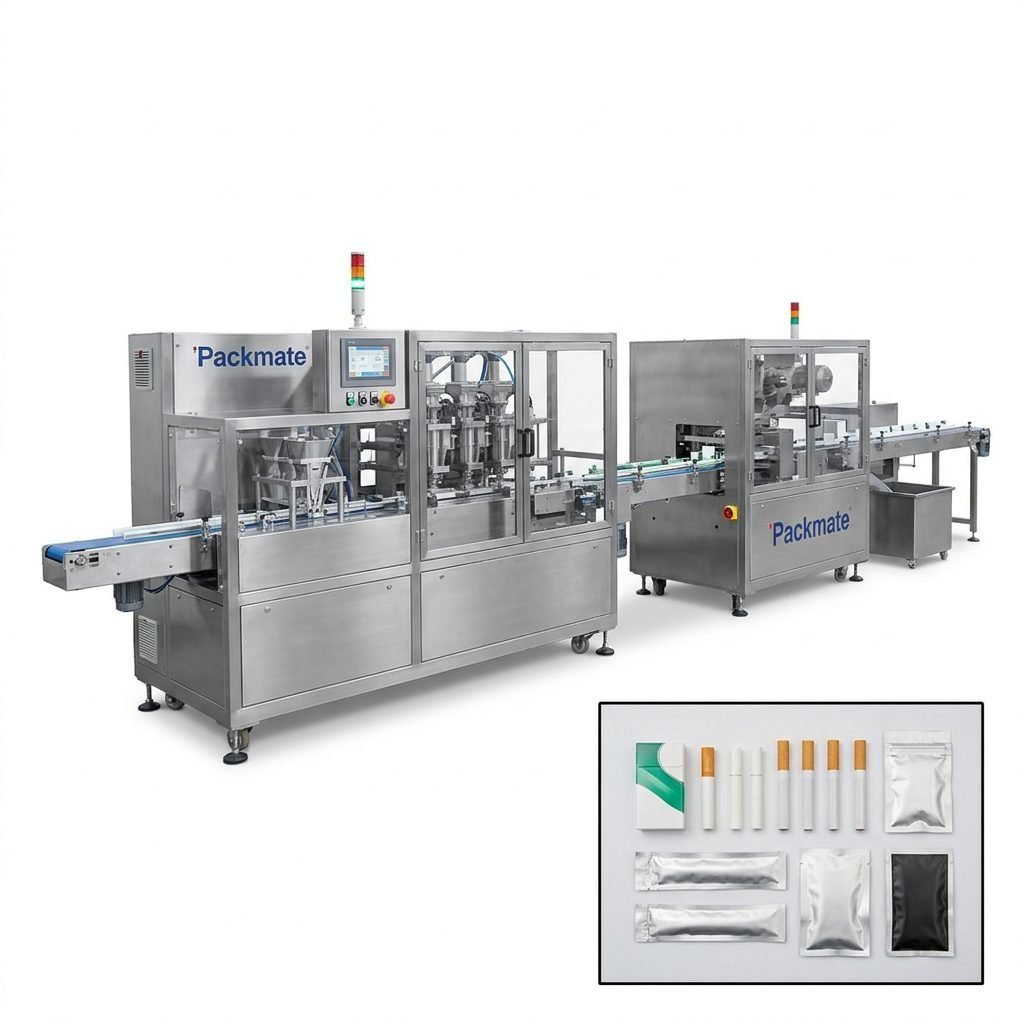
Nicotine pouches (snus) represent one of the fastest-evolving segments in the alternative nicotine product market. This article explores the latest trends in nicotine pouch production, market growth drivers, advances in packaging and manufacturing technology, and the opportunities for packaging machinery suppliers and manufacturers. Practical operational guidance and insights are provided for packaging engineers, production managers, and business decision-makers looking to scale or optimize nicotine pouch production lines.
Market Growth and Demand Dynamics 📈
Global demand for nicotine pouches has expanded sharply due to shifting consumer preferences, tobacco harm-reduction policies in several markets, and product innovation. European and Scandinavian markets — historically familiar with snus use — remain substantial, while adoption in markets across North America and parts of Asia is accelerating. Key growth drivers include:
-
Product convenience and discreet use, which favor compact pouch formats and high-speed packaging.
-
Flavor innovation and nicotine strength variety, demanding flexible filling and dosing systems from manufacturers.
-
Regulatory transitions: where combustible tobacco declines, alternatives like nicotine pouches gain shelf space and market share.
Quick fact: Manufacturers are investing in multi-lane packaging lines and precision dosing systems to meet surge demand while maintaining strict quality control and low downtime.
Regional Considerations and Consumer Habits 🌍
Regional habits shape product formats and packaging preferences. In Scandinavia, consumers value traditional snus pouch sizes and robust flavors. In the U.S. and Canada, the market favors smaller, mint and fruit-flavored pouches in discreet canisters. Manufacturers seeking international expansion must design flexible production lines that can switch between pouch sizes, sachet formats, and stick packs quickly to accommodate regional SKUs and regulatory labeling requirements.
Manufacturing Technology Advances ⚙️
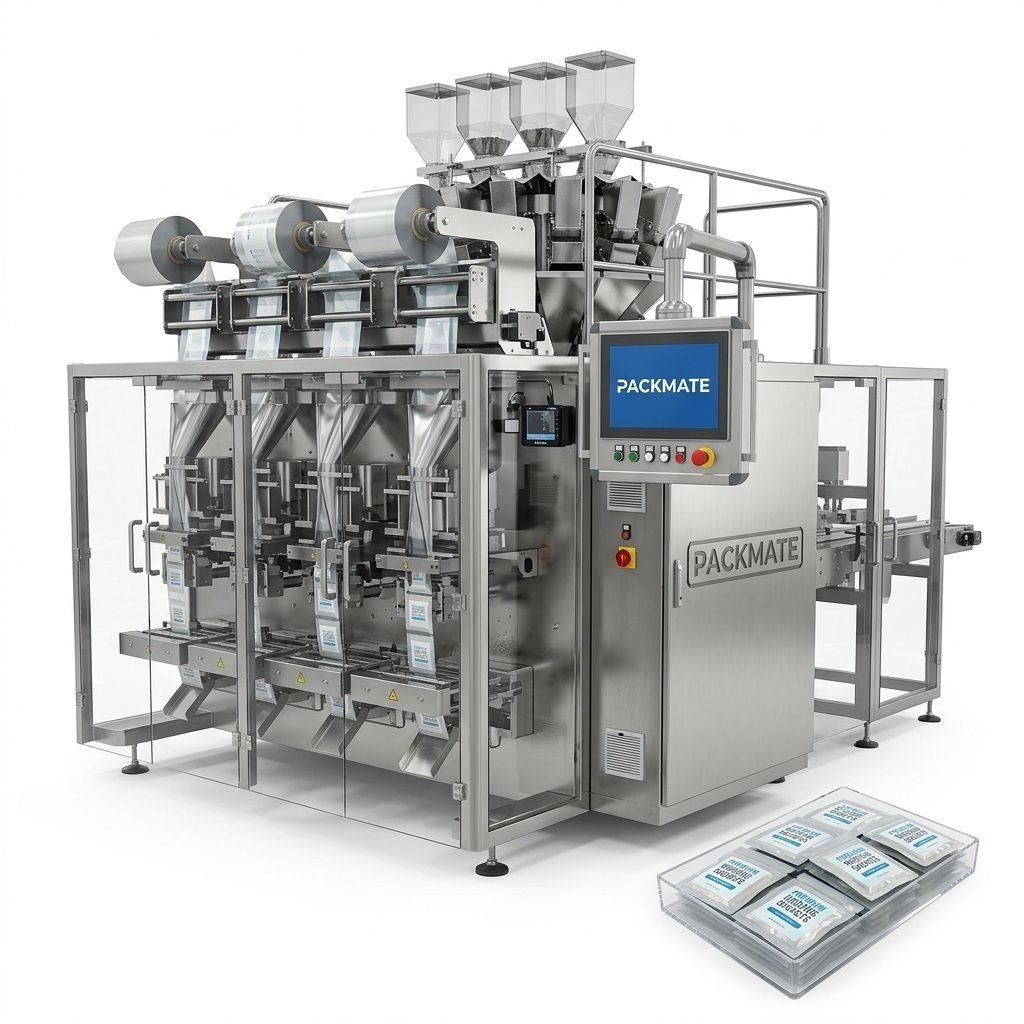
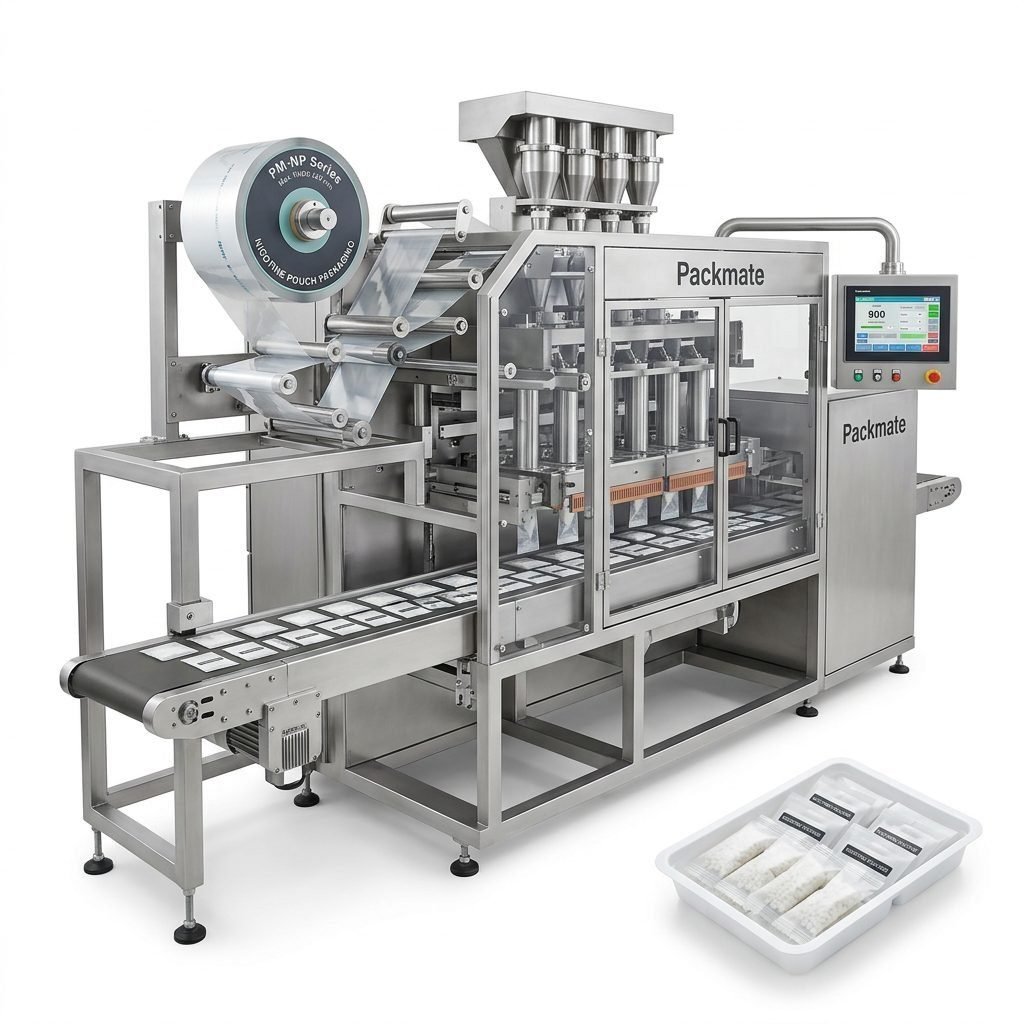
Advances in packaging technology have a direct impact on yield, speed, and product integrity. Modern nicotine pouch production lines integrate precision weighing, volumetric or auger filling, automated pouch forming, sealing, dosing verification, and downstream canister or sachet handling. Key technology trends include:
-
High-speed multi-lane systems: enabling multiple parallel lanes to multiply throughput without proportionally increasing floor space.
-
Servo-driven dosing and motion control: for consistent pouch weight and pouch-to-pouch uniformity.
-
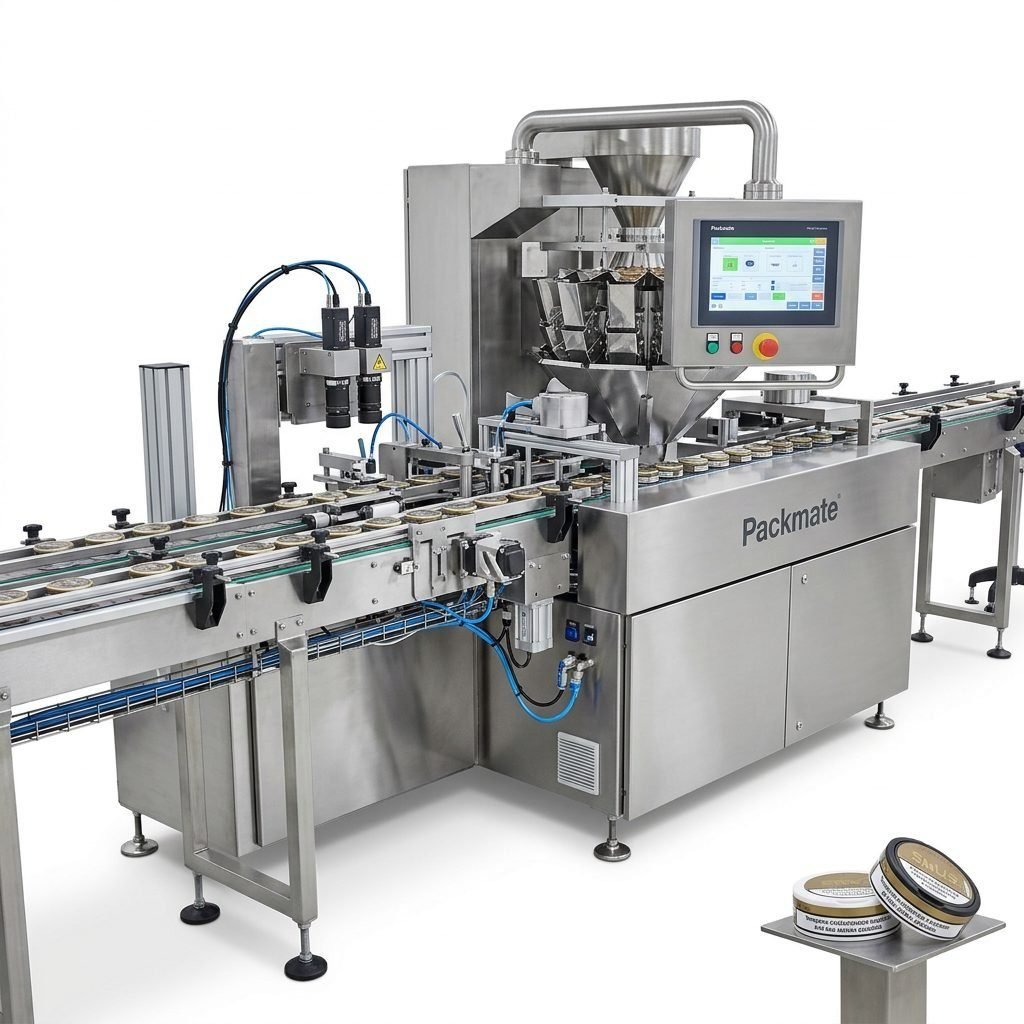
Inline quality inspection (vision systems): to detect fill anomalies, sealing defects, or labeling errors.
-
Modular automation: allowing quick format changes between sachets, stick packs, and pouch formats without extensive downtime.
Manufacturing tip: Upgrading to servo-driven multi-lane fillers can reduce product giveaway and improve overall equipment effectiveness (OEE) by minimizing mechanical adjustments and changeover time.
Core Line Components
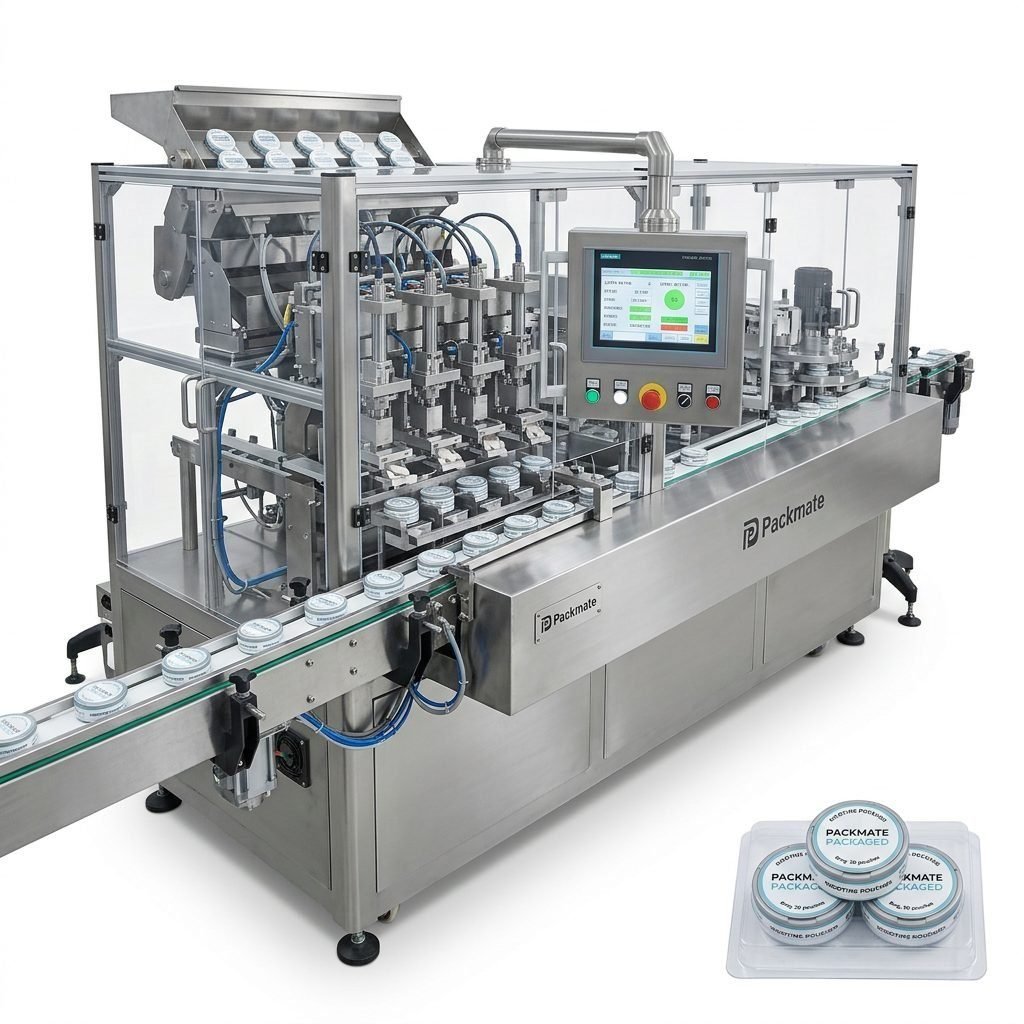
A comprehensive nicotine pouch production line typically includes: feed and bulk handling, pre-mix or flavor dosing, pouch-forming station, precise filling module, heat-sealing/ultrasonic sealing units (depending on pouch material), pouch cutting, and final packaging (cartoning, canister filling or flow-wrapping). For custom turnkey solutions, suppliers can integrate upstream weighing systems and downstream labeling or case-packing robots.
Suppliers offering integrated solutions can be explored via product categories such as Snus & Nicotine Packaging Machines and Sachet & Stick Pack Machines, which detail machine capabilities, lane configurations, and typical output rates.
Quality, Compliance and Certification ✅
Nicotine pouches are subject to strict regulatory frameworks in many jurisdictions. For manufacturers and packagers, compliance encompasses product labeling, ingredient disclosure, batch traceability, hygiene standards, and electrical/mechanical safety of equipment. Investing in CE- and ISO-compliant machinery reduces regulatory risk and simplifies entry to regulated markets.
Inline serialization, digital batch records, and complete production traceability are increasingly expected by both regulators and distributors. Suppliers with robust quality documentation and testing protocols can accelerate customer qualification.
Packmate’s Engineering Advantages
Companies such as Packmate leverage decades of mechanical engineering experience and modern CNC production capabilities to deliver reliable equipment. Their factory setup, extensive machine portfolio, and turnkey integration experience make them a viable partner for customers expanding production or launching new SKUs. Learn more about the manufacturer on the About Packmate page.
Note: Machines certified to CE and ISO standards support faster market access in Europe and many export destinations.
Pack Design and Consumer Experience 🎯
Packaging is not only about containment — it communicates brand identity and influences shelf appeal. For nicotine pouches, primary packaging choices include sealed sachets, individual pouch films, and rigid canisters. Design choices must balance aesthetics, shelf-life, user convenience, and regulatory text space. High-quality sealing and oxygen/moisture barriers prolong product stability, especially for moisture-sensitive formulations.
Sustainability Considerations
Sustainability is shaping material selection and secondary packaging. Brands increasingly request recyclable or mono-material options, and manufacturers are responding with lower-film-weight processes and optimized secondary packaging to reduce shipping volume and waste. Machinery capable of precise fill control and reduced product waste contributes indirectly to more sustainable production runs.
Operational Considerations for Scaling Production 🏭
Scaling production is more than adding a faster machine. It requires holistic planning across supply chain, quality control, and utilities. Key operational considerations include:
-
Raw material supply: consistent pouch substrate, filter materials, and pouch ingredients.
-
Spare parts strategy: stocking critical wear components to avoid extended downtime.
-
Skilled workforce and training: modern equipment benefits from trained operators and preventive maintenance programs.
-
Production validation and cleaning protocols to maintain hygiene and prevent cross-contamination across SKUs.
To evaluate full-line solutions and auxiliary equipment, packaging teams often review integrated offerings such as Filling & Packaging Lines and companion modules for weighing, capping, and case packing.
Future Opportunities and Innovation Pathways 🔭
The nicotine pouch market continues to present opportunities for both product makers and equipment suppliers:
-
Specialty formats: single-dose stick packs, micro-pouches, and flavored inserts require tooling innovations and adaptable turning heads.
-
Smart manufacturing: IoT-enabled machines that provide predictive maintenance alerts and remote performance dashboards will reduce unplanned stops.
-
Customization: short-run personalization (color, dosing, single-batch flavors) will grow as brands seek differentiation.
Opportunity highlight: Integrating multi-lane forming with advanced in-line weighing systems can cut floor space and boost throughput while maintaining precision.
Selecting a Machinery Partner
Choosing the right equipment partner means evaluating experience, engineering capabilities, after-sales service, and references. A partner with a documented track record in snus and nicotine packaging machines, demonstrated by case studies and global installations, can reduce commissioning cycles and technical risk. Prospective buyers should request performance data, factory acceptance testing (FAT) options, and lifecycle support agreements.
For more examples of successful installations and case studies, review the manufacturer’s showcase such as their Case page.
Practical Implementation Checklist ✅
Before investing in new snus or nicotine pouch packaging equipment, consider this practical checklist:
-
Capacity and scalability: project five-year demand to size lanes and modular expansion options.
-
Changeover time: verify quick-change tooling and format kits to support multiple SKUs.
-
Hygiene and cleanability: ensure reachable surfaces and CIP-compatible designs where needed.
-
Energy and utilities: assess compressed air, electrical, and floor-loading requirements.
-
Service and spare parts: contract SLAs for remote diagnostics and fast parts dispatch.
Working with Turnkey Suppliers
For companies seeking end-to-end delivery, turnkey suppliers can coordinate mechanical, electrical, and software integration, reducing cross-vendor complexity. Engage suppliers that can provide site surveys, FAT, installation, training, and ongoing service to ensure a smooth ramp to target output rates.
To contact a trusted manufacturer for further inquiry or project scoping, visit their contact page: Contact Us.
Final Thoughts
The nicotine pouch industry demands precision, flexibility, and regulatory diligence. Manufacturers that adopt multi-lane, servo-driven machinery and integrate robust quality systems will be well-positioned to capture market share. Investment decisions should weigh not only machine speed but also ease of changeover, maintainability, and vendor support. With the right production partner and technology roadmap, brands can scale rapidly while preserving product quality and compliance.
Frequently Asked Questions (FAQs)
Q1: What is the typical output of a modern multi-lane nicotine pouch line?
A1: Output varies by lane count, pouch size, and fill weight. Modern multi-lane machines can produce tens of thousands of pouches per hour in aggregate; consult machine specifications and factory acceptance test results for precise figures tailored to your SKU.
Q2: How important is servo control for pouch consistency?
A2: Servo control is critical for accurate filling, repeatable motion, and fast changeovers. It reduces mechanical wear and allows electronic recipe management that improves pouch-to-pouch consistency and lowers product giveaway.
Q3: Can packaging lines handle both sachets and small canister filling?
A3: Yes — many turnkey solutions integrate upstream pouch-forming and downstream canister filling or cartoning. Modular equipment with quick-change tooling supports multiple downstream packaging options without full line replacement.
Q4: What certifications should I look for in a packaging equipment supplier?
A4: Look for CE and relevant ISO certifications for manufacturing quality. Additionally, request machine-specific documentation such as electrical schematics, material certificates, FAT records, and software validation documentation.
Q5: How can I evaluate potential suppliers before purchase?
A5: Review past case studies, request site visits or live demonstrations, verify spare parts availability, and confirm after-sales support policies. Suppliers with long-term experience in snus and nicotine pouch equipment typically present stronger implementation capabilities.