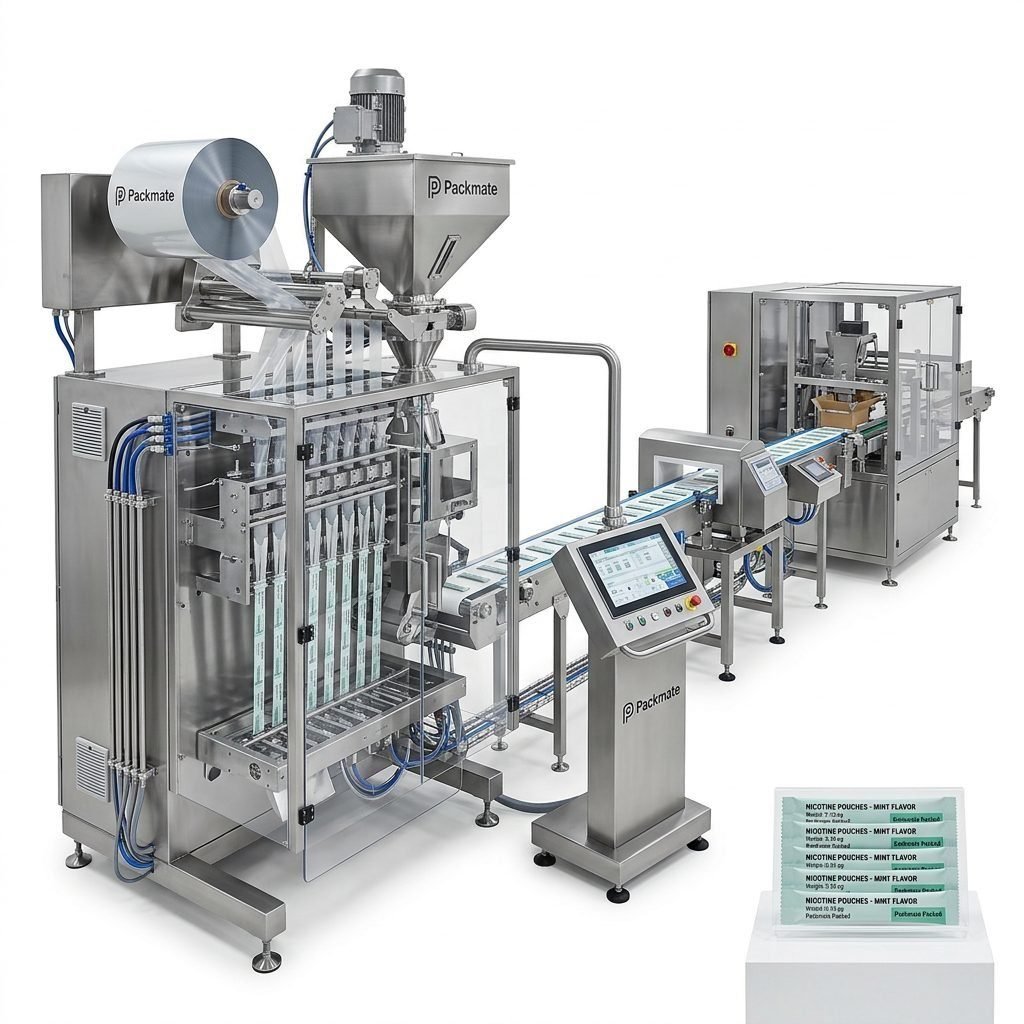
Choosing the right snus packaging machine supplier for your Australian business is one of the most important strategic decisions you will make. Your choice affects product quality, regulatory compliance, production efficiency, after-sales support, and ultimately your brand reputation. This guide walks through practical, locally relevant considerations — from machine types and factory capability to Australian compliance, service expectations, and cost-of-ownership — so you can make an informed decision that fits both your operational needs and the unique Australian market environment.
Understand Your Product and Production Goals
Start by clarifying what you will pack: snus tins, nicotine pouches, small-dose sachets, or multi-lane stick packs. Each product has different filling, sealing, and material-handling requirements. In Australia, where consumers often prefer discreet, high-quality nicotine pouch formats, pick machinery that delivers consistent pouch weight, reliable seal integrity, and minimal product dusting.
Key production questions to answer:
🔍 Important: What is your target throughput (pouches per minute), batch variability, and lane-count needs? Do you plan to scale quickly or require flexible multi-format production?
✅ Tip: If you expect frequent SKU changes, prioritize modular machines with quick-change format parts and programmable recipe management.
Australian Regulatory and Market Considerations
Australia has strict regulations around tobacco and nicotine products. Although legal frameworks can change, prudent manufacturers and packers operate with rigorous compliance procedures: clear ingredient traceability, tamper-evident packaging, accurate labeling, and secure supply-chain documentation. Work with suppliers who design machines to meet hygienic standards and enable traceability features like batch coding and serialization.
Local market habits in Australia emphasize high-quality finishes, consumer safety, and environmental responsibility. Australian buyers often prefer compact lines that fit in high-rent facilities, low-maintenance equipment, and suppliers who can offer local or regional technical response.
Checklist: Compliance-related machine features
⚠️ Must-have: Easy-to-clean, stainless-steel contact parts; IP-rated electrical cabinets; CE/ISO standards compliance; options for batch coding and OEE monitoring.
🔧 Service readiness: Remote diagnostics capability, clear spare-parts list, and local spare inventory options.
Machine Types and Technical Capabilities
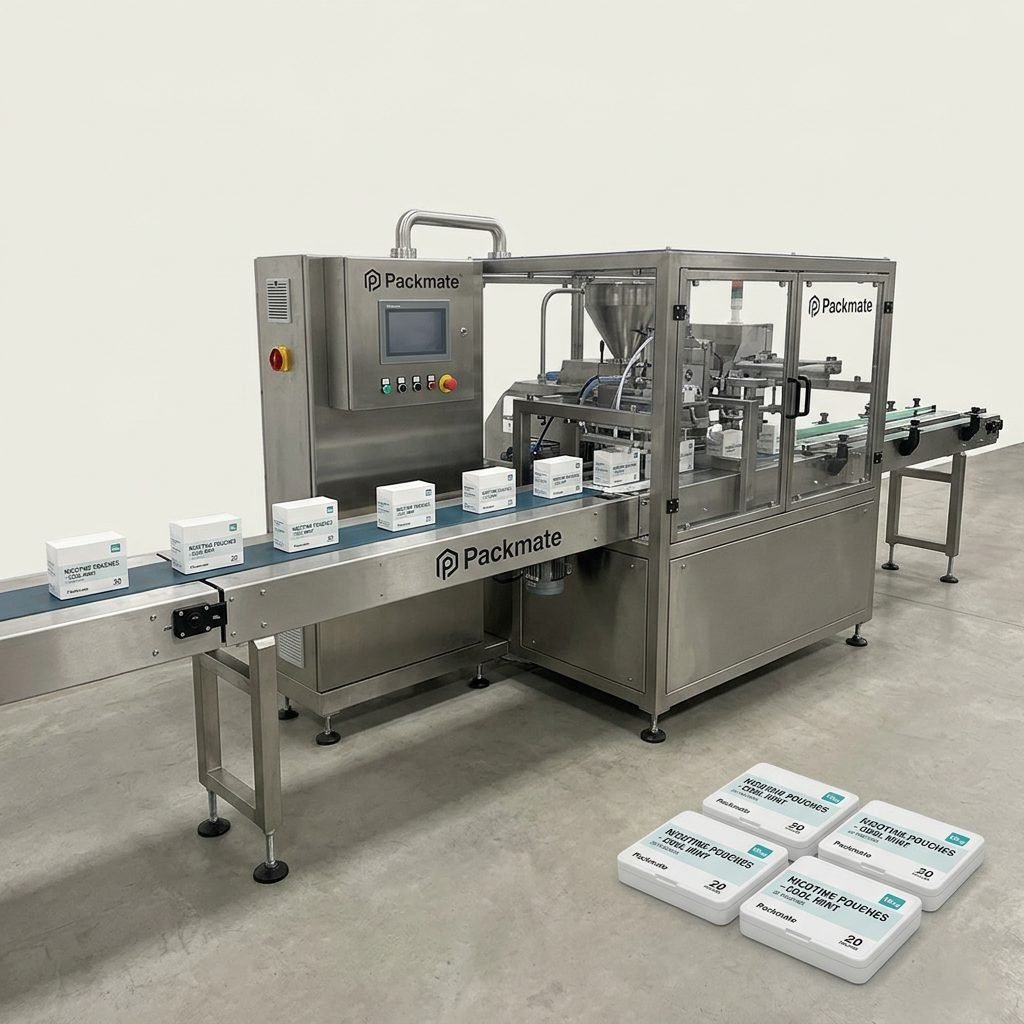
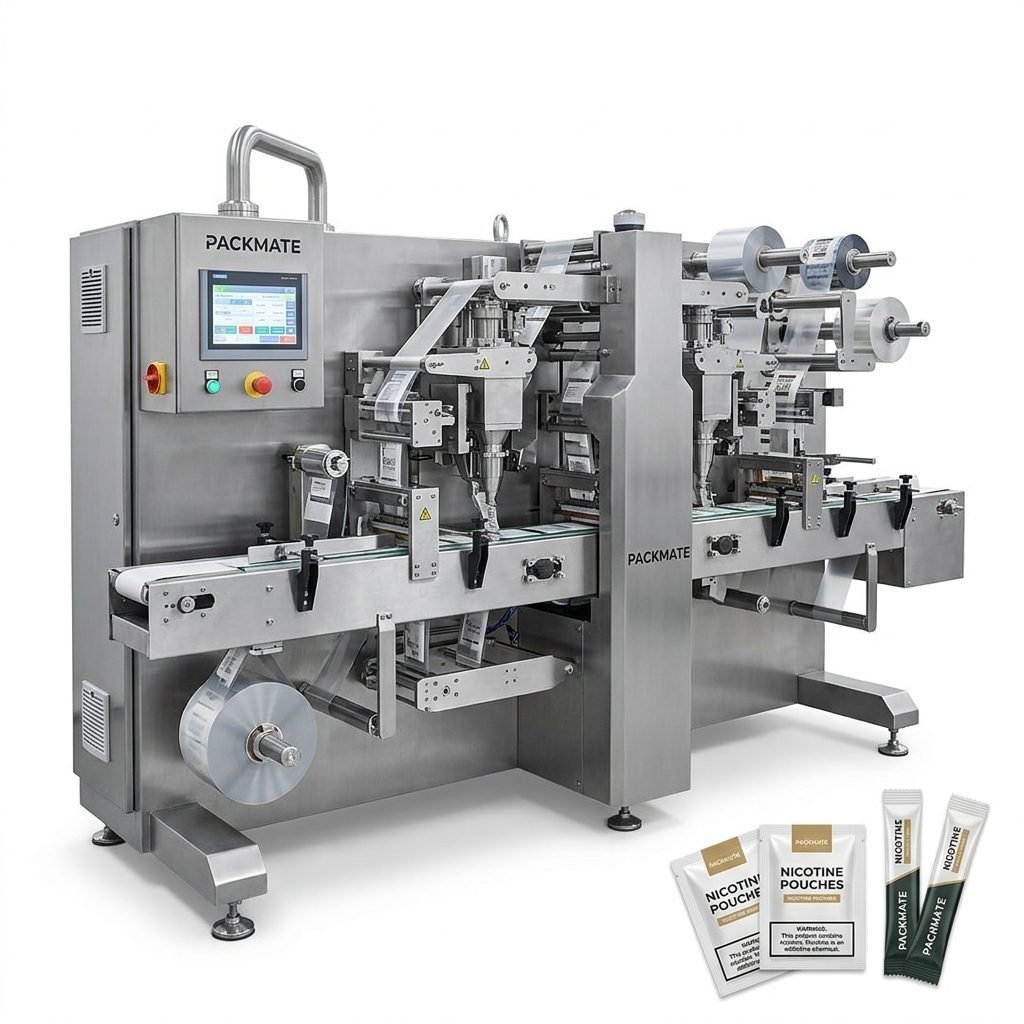
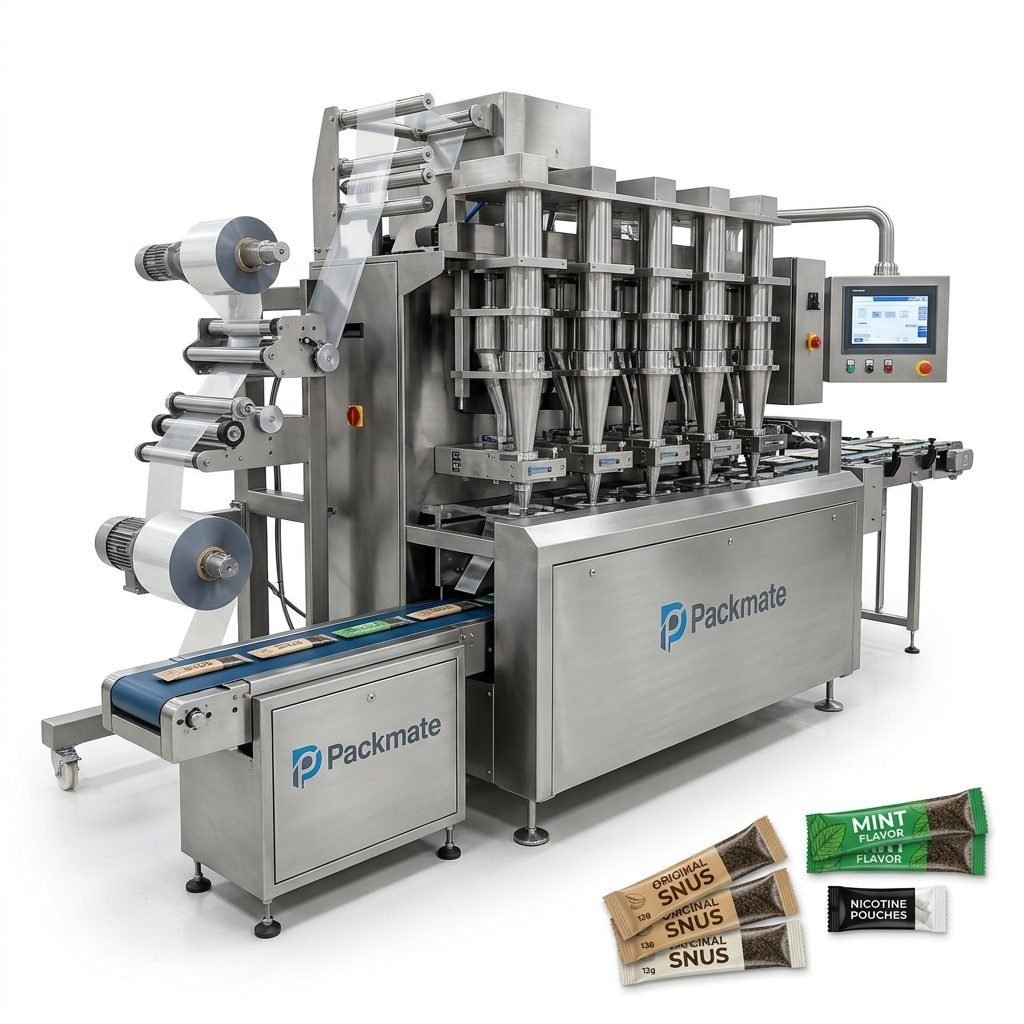
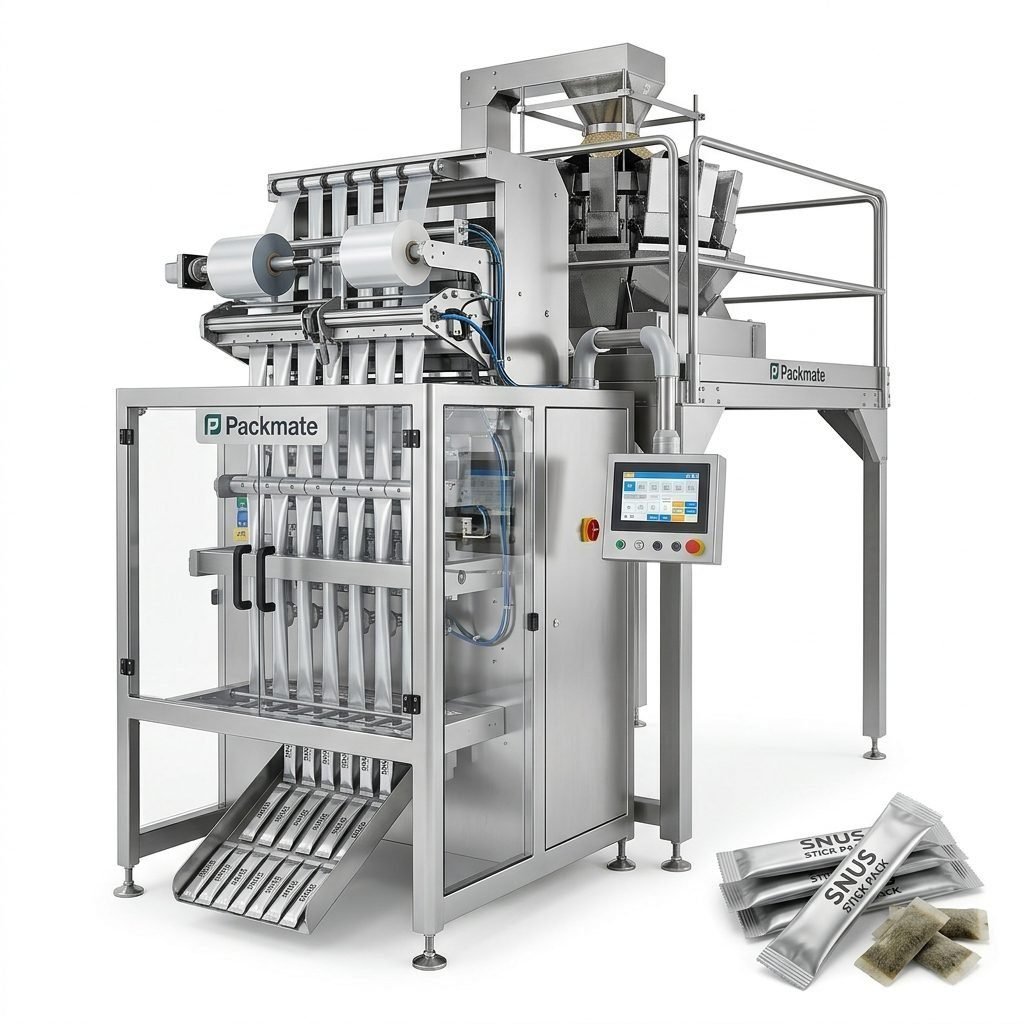
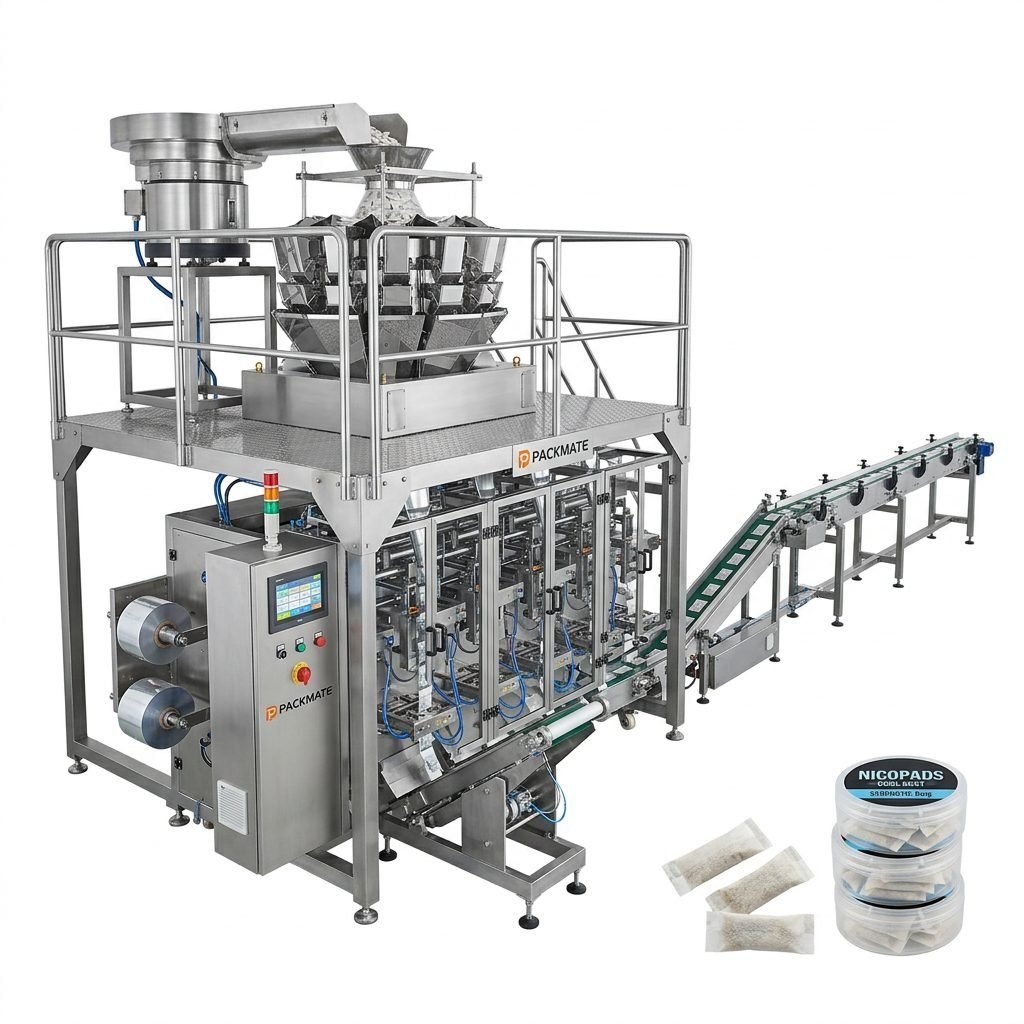
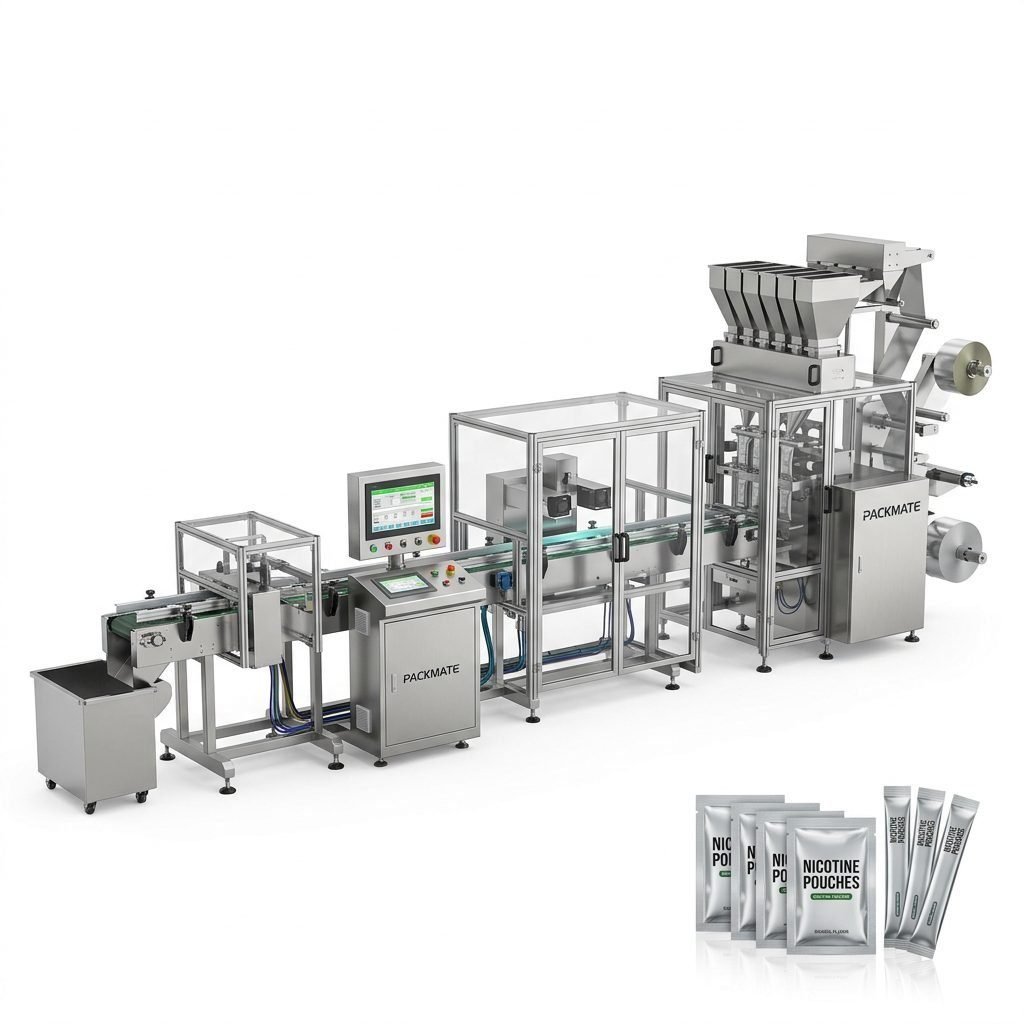
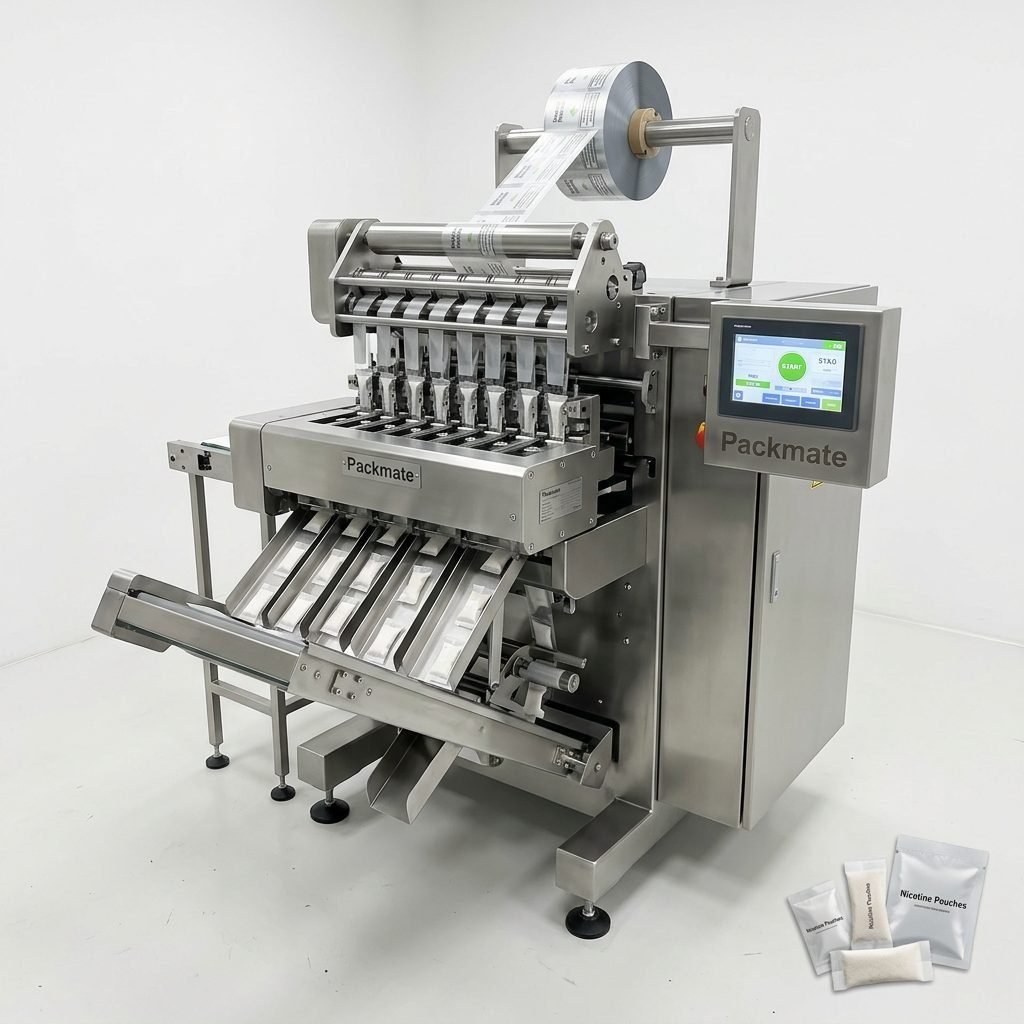
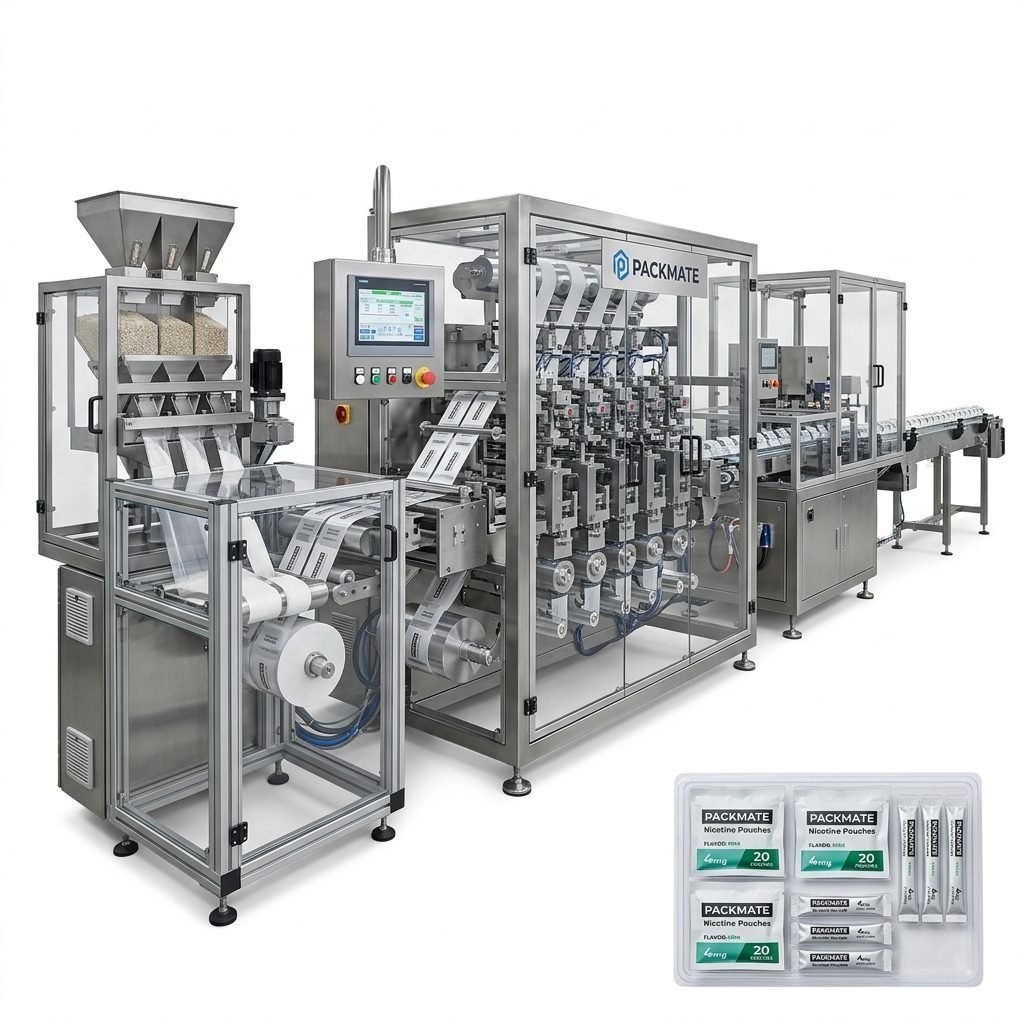
A reliable supplier should offer a portfolio of machines tailored for different snus and nicotine formats. Typical equipment categories include multi-lane pouch machines for small-dose pouches, stick pack and sachet machines for single-serve formats, and complete filling and packaging lines for powders and granules.
When evaluating machines, check performance metrics rather than vendor claims: real-world uptime, mean time between failures (MTBF), changeover times, and product yield. Ask for live demos or videos from existing lines, and request performance data under production-like conditions.
Technical evaluation points
– Servo-driven material handling for precision pouch forming and filling.
– Multi-head dosing or auger/volumetric systems for powder and granule control.
– Inline metal detection, vision inspection, and reject logic.
– Modular design for lane expansion and format flexibility.
Factory Capability and Quality Assurance
Inspect the supplier’s manufacturing strength: a capable factory signals consistent quality and shorter lead times. Look for suppliers with advanced CNC machining centers, precision assembly lines, and documented quality control procedures. A factory area of significant scale—along with ISO or CE certification—adds confidence that the supplier can produce repeatable, reliable machines.
📌 Example: Suppliers with a 20,000㎡ manufacturing base and decades of R&D experience typically provide robust testing facilities and formal acceptance procedures (FAT) before shipment.
After-Sales Support, Spare Parts and Local Service
For Australian operations, fast, reliable after-sales support is critical. Given the distance to many global suppliers, ensure your vendor provides:
- Remote support and PLC/servo parameter sharing
- Comprehensive spare parts kits and clear part numbers
- Training programs for local technicians and operators
- Service level agreements (SLA) with response times
Suppliers that actively collaborate with Australian partners or have regional agents speed up repairs and spare parts logistics. Ask for references from other Australian clients to verify responsiveness.
Localisation and Cultural Fit
Australian businesses often expect transparent commercial terms, clear documentation in English, and machines designed for simple, repeatable operation. Choose suppliers who understand local business practices — timely communication, clear contract terms, and readiness to accommodate Australian electrical and workplace safety standards.
Total Cost of Ownership (TCO) — Beyond the Purchase Price
A low initial price can hide high operating costs. Estimate the TCO by including:
- Maintenance and spare parts frequency
- Energy consumption and efficiency
- Operator training and downtime for changeovers
- Integration costs with upstream/downstream equipment
Ask suppliers to model TCO over 3–5 years and provide data on actual running costs from existing customers.
Factory Acceptance Testing (FAT) and Commissioning
FAT is a non-negotiable step. A reputable supplier will conduct FAT in their facility with your product or a close analog, demonstrate target output, and run through changeovers. This reduces surprises at installation and ensures the line meets the agreed specifications.
For Australian customers, arrange remote FAT observation if travel is difficult, and insist on documented acceptance criteria. Ensure the supplier provides clear commissioning and validation documentation for local regulatory audits.
Sustainability, Packaging Materials and Waste Reduction
Australian consumers and regulatory bodies increasingly value sustainable packaging and reduced waste. Choose machines compatible with recyclable films, lightweight pouches, and minimal packaging waste. Evaluate sealing technologies that reduce excess film and systems that allow for easy integration of materials testing or oxygen-scavenging packaging if required.
How to Evaluate Quotes and Vendor Transparency
A professional quote should be detailed and transparent. Compare vendors side-by-side on:
- Detailed machine specifications, optional extras, and clear single-line item prices
- Delivery lead time and shipping responsibilities
- Warranty scope, duration, and excluded parts
- Spare parts pricing and availability
- Training, FAT, commissioning, and documentation fees
Red Flags and Warning Signs
🚩 Watch out for: Vague specifications, refusal to allow FAT, missing spare parts lists, and ambiguous warranty or service terms.
Suppliers who cannot provide customer references or machine videos of similar production lines deserve extra scrutiny.
Why Vendor Reputation and Case Studies Matter
Look for suppliers with proven global deployments and industry-specific case studies. These references illustrate real-world performance and service reliability. If possible, connect with end-users to discuss uptime, spare parts lead times, and technical support experiences.
Explore vendor case pages and exhibition records to see demonstrations and past projects.
A Practical Buying Roadmap
1. Define product specs, throughput targets, and format flexibility.
2. Shortlist vendors with relevant experience and request detailed specs and references.
3. Arrange FAT and request performance data from operational lines.
4. Compare TCO rather than just machine price.
5. Negotiate clear warranty, spare parts, and SLA terms, and confirm commissioning support for Australia.
Resources and Helpful Links
For product portfolios and technical references, review manufacturer product pages and global case studies. Here are some useful resources to begin with:
– Snus & Nicotine Packaging Machines
– Bag & Pouch Packaging Machines
– Case Studies
– Service & After-sales
Why Consider Packmate (Example Supplier Profile)
Packmate Snus Machine is an example of a vertically capable supplier: decades of engineering experience, a large manufacturing facility, diverse product models, and turnkey packaging solutions. They emphasize multi-lane systems and snus-specific designs that may suit Australian operators seeking high-precision small-dose pouch production.
Learn more about supplier qualifications and company background:
– About Packmate | Exhibition Records | Certificates
Final Thoughts: Balance Risk, Cost and Local Requirements
Selecting the right snus packaging machine supplier for Australia means balancing machine capabilities, regulatory readiness, service responsiveness, and long-term operating costs. Prioritize vendors who show transparency, offer clear FAT and commissioning processes, and demonstrate commitment to after-sales support that works across geographic distance. Local compliance and consumer preferences in Australia mean that hygienic design, reliable sealing, and sustainability features are not optional — they are critical to long-term success.
FAQs
Q1: How important is FAT for snus packaging machines?
A1: FAT is essential. It validates performance with your product, reduces commissioning time, and provides documented acceptance criteria for both parties.
Q2: Can overseas suppliers support Australian sites effectively?
A2: Yes, if they offer remote diagnostics, clear spare parts logistics, regional agents, and robust training. Verify response times and spare parts availability.
Q3: What are the main ongoing costs after purchase?
A3: Maintenance, spare parts, energy, operator training, and downtime for changeovers are the primary ongoing costs that determine total cost of ownership.
Q4: How can I ensure regulatory compliance in Australia?
A4: Work with legal counsel, document ingredient and material traceability, select hygienic machine designs, and choose suppliers who support batch coding, labeling, and validation documentation.