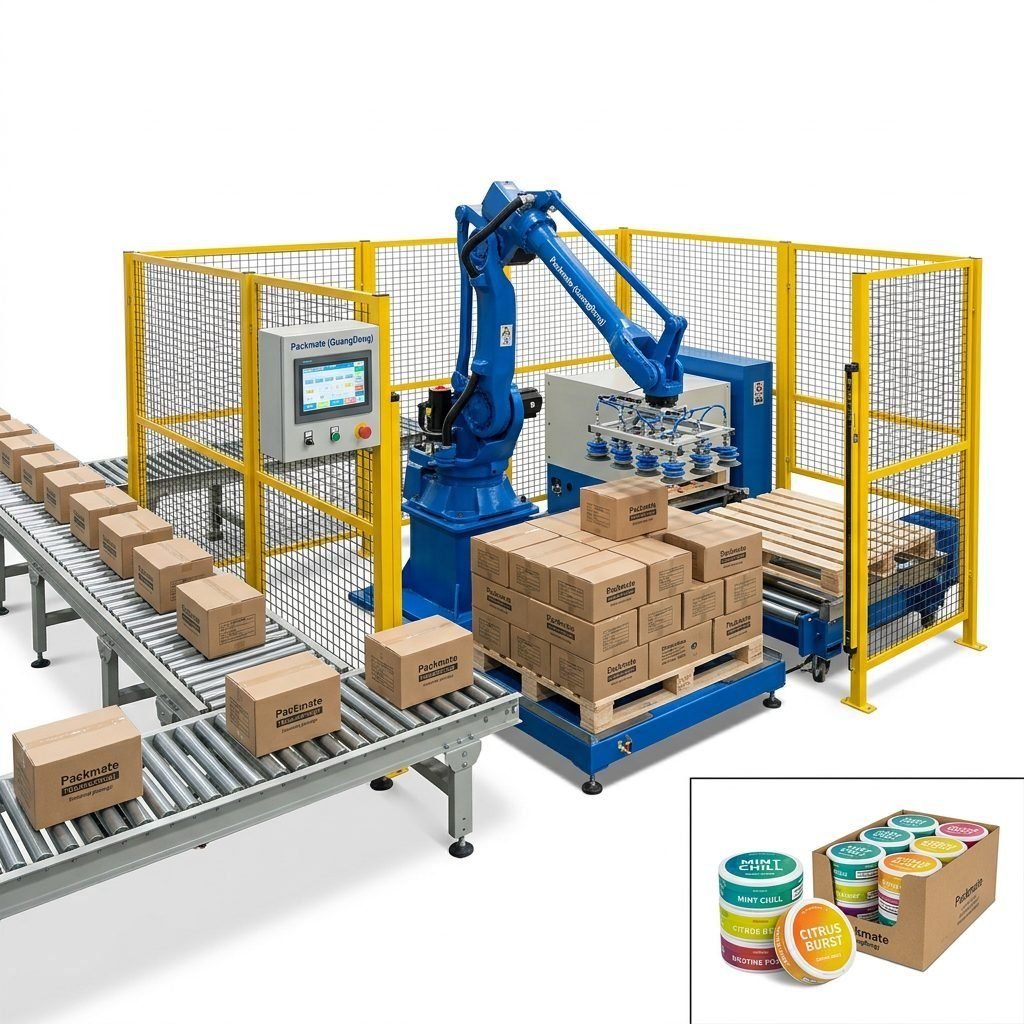
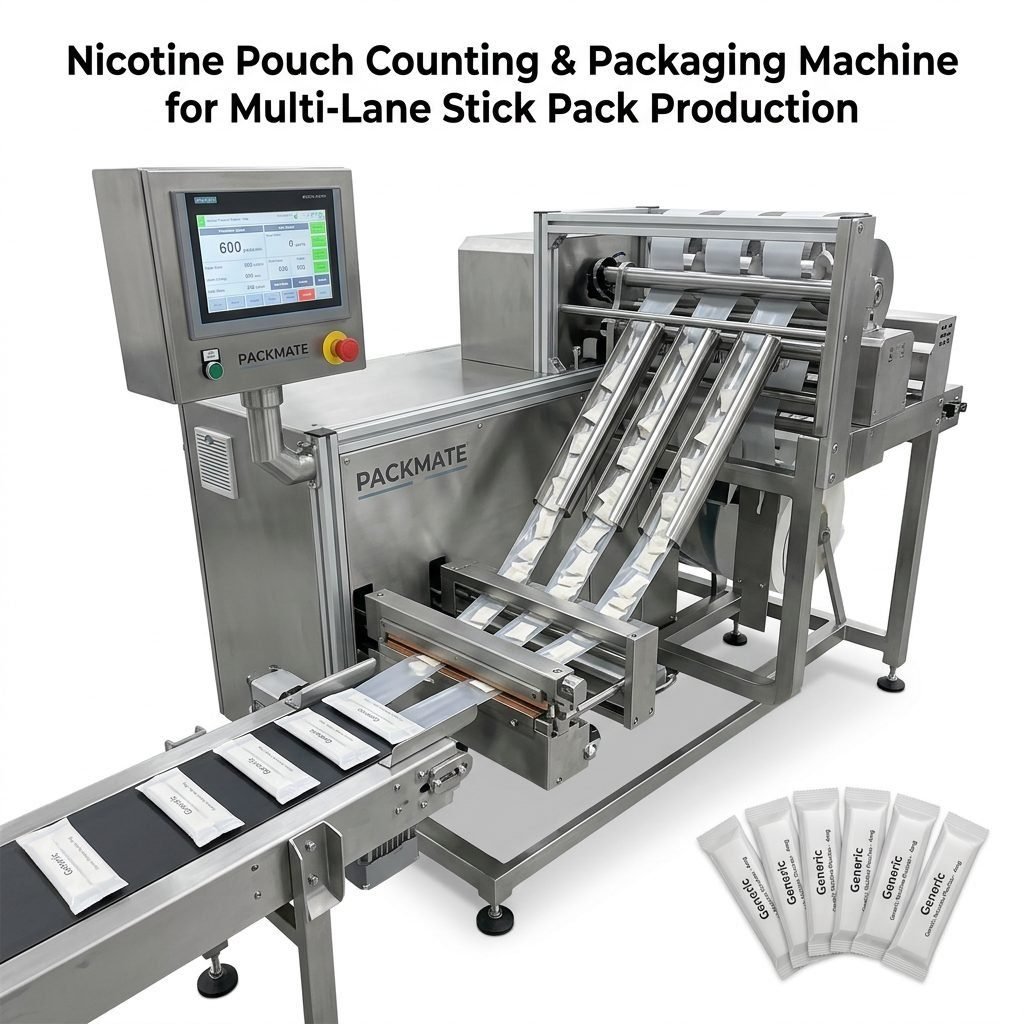
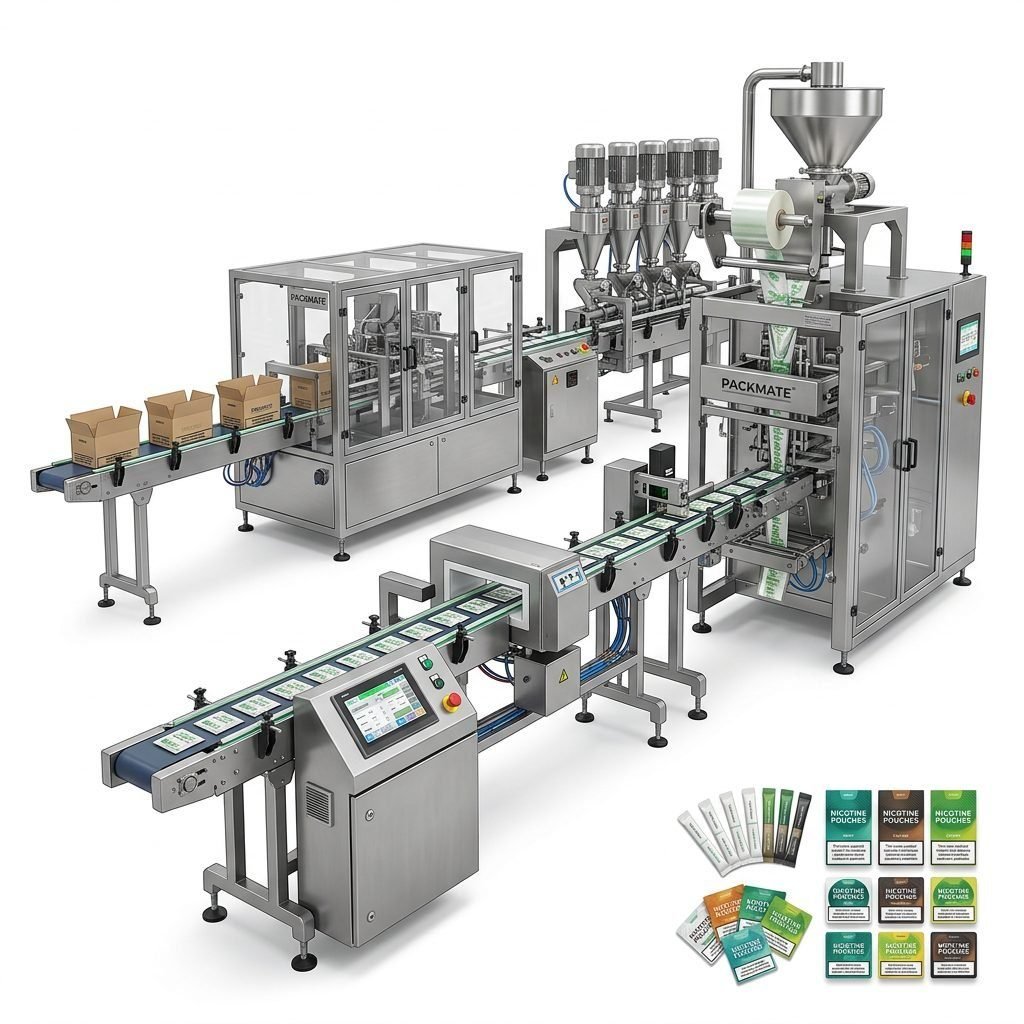
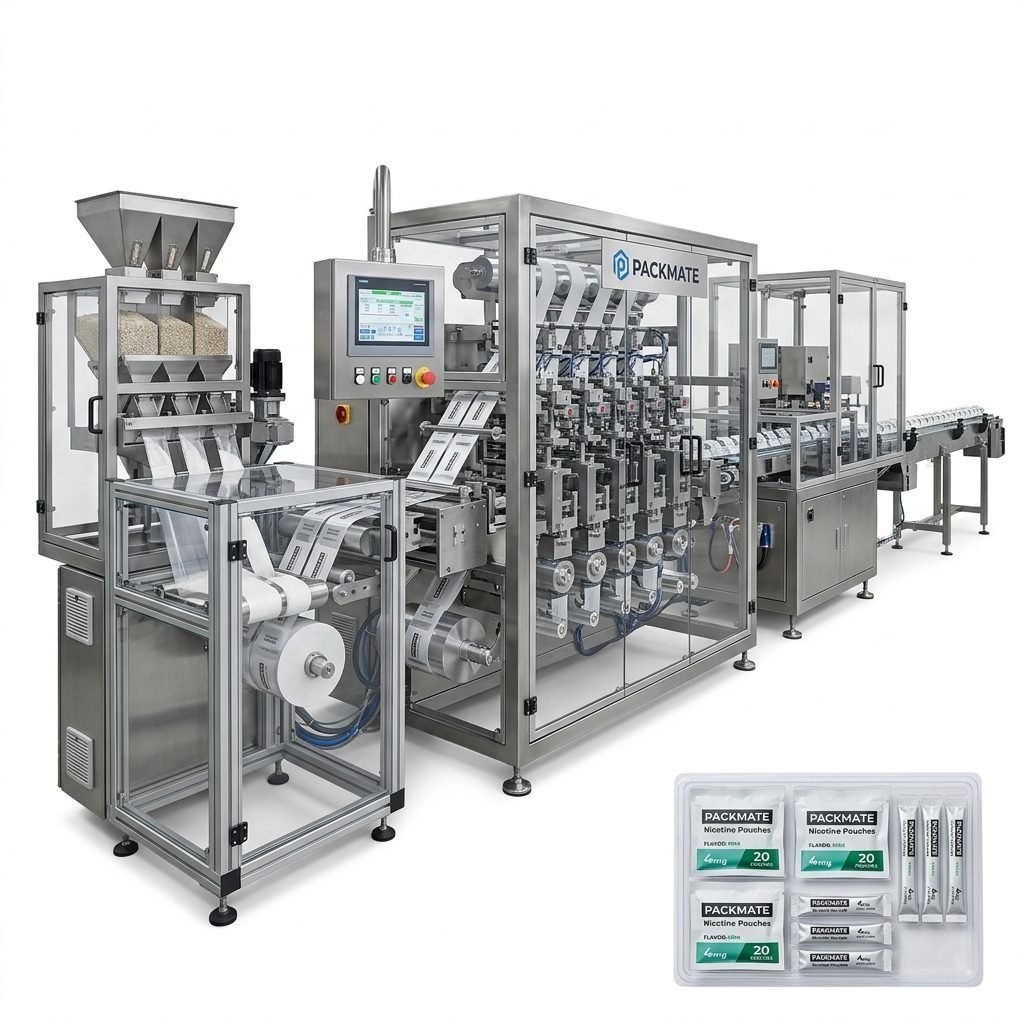
Choosing the right nicotine packaging machine in Vanuatu involves more than comparing speeds and prices. You must consider local climate, supply chain realities, regulatory requirements, labor skills, and cultural buying habits. This guide walks you through the essential technical, operational, and commercial factors to help food, pharmaceutical or tobacco-related producers in Vanuatu select the best snus and nicotine pouch packaging solution for their needs.
Understand Vanuatu’s Local Conditions and Market Context
Vanuatu is an island nation with humid tropical weather, limited industrial infrastructure outside Port Vila and Luganville, and shipping routes that can add lead time and cost. Buyers must balance machine robustness with simplified installation and maintenance. Local cultural norms place high value on practical reliability and long-term relationships — vendors who offer training, spare part availability and responsive after-sales service will be preferred.
Key local factors to consider
– Humidity and corrosion: Machines should have corrosion-resistant materials or protective coatings because coastal humidity accelerates wear.
– Power stability: Consider voltage options and machines that tolerate power fluctuations or include voltage stabilizers.
– Workforce skills: Opt for intuitive controls and onsite training programs for operators; modular designs simplify repairs by less experienced staff.
– Shipping & import: Choose machines that can be shipped in fewer crates or partially disassembled to reduce freight and customs complications.
Technical Capabilities: Match Machine Specs to Your Product
Nicotine pouches and snus come in different sizes, doses, moisture levels and packaging styles. A machine that handles one pouch format may not suit another. Understand the full product profile before buying.
Important technical criteria
– Format flexibility: Can the machine switch between stick packs, sachets, or pillow packs? Multi-format capability reduces the need for multiple machines.
– Lane count & speed: Multi-lane systems increase throughput per footprint. Calculate lanes vs. speed to meet your production targets without over-investing.
– Dose handling: Check compatibility with powder, granules, and moist pouch fillings. Weighing accuracy affects product consistency and regulatory compliance.
– Packaging materials: Ensure the machine supports the film types you plan to use (foil, laminates, biodegradable films) and sealing techniques necessary for moisture control.
– Hygiene & cleanability: Openable covers, stainless-steel contact surfaces, and CIP-ready areas simplify cleaning and reduce contamination risk.
Top tip: If you are producing nicotine pouches with varying moisture levels, prioritize machines with integrated drying, humidity control, or compatible dehumidifying systems to ensure pack integrity in Vanuatu’s coastal environment.
Regulatory Compliance and Certifications
Regulation around nicotine products varies; compliance at both machine and packaging level matters. Machines that meet international standards reduce regulatory friction when exporting or when local authorities assess production quality.
– CE & ISO compliance: Look for CE marking and ISO-aligned manufacturing practices to demonstrate safety and quality management.
– Traceability & batch coding: Machines with built-in batch coding and traceability options help with recalls, quality audits and export documentation.
Service, Spare Parts & Local Support
Because Vanuatu is remote relative to major manufacturing centers, after-sales service and spare part logistics are decisive factors. A reliable vendor will offer training, remote support and a spare parts kit designed for island operations.
– Spare parts availability: Confirm lead times for critical parts; request a recommended spare-parts list for the first 12 months.
– Remote diagnostics & training: Remote monitoring capability and structured operator training mitigate downtime and help local teams troubleshoot.
– Local partnerships: If possible, work with suppliers who have regional agents, or create a service agreement that includes periodic visits.
Economic Considerations: TCO and ROI
Purchase price is only the start. Total cost of ownership (TCO) includes installation, training, spare parts, energy consumption, downtime and consumables. For companies in Vanuatu, shipping and customs duties can significantly impact the final cost.
– Energy efficiency: Lower energy usage reduces operational costs and is helpful where energy price or supply is unpredictable.
– Footprint vs. capacity: Multi-lane machines often deliver more capacity per square meter — important where factory space is limited.
– Financing and leasing: Explore financing that covers installation and training to spread the initial investment.
✓ Return on Investment example: A modest multi-lane snus machine that doubles per-shift output may justify higher upfront costs within 12–24 months through reduced labor, improved yields and lower per-unit packaging costs.
Operational Usability: Controls, Maintenance, and Training
Ease of use reduces operator error and downtime. Machines with clear HMI screens, preset recipes for different products and easy-change tooling are ideal for small teams typical in Vanuatu.
– HMI and automation: Intuitive touchscreens and smart diagnostics speed setup and reduce reliance on external technicians.
– Tool-less changeover: Quick-change components reduce downtime when switching pouch formats.
– Training programs: Insist on structured operator training and detailed manuals, preferably with video guides for future hires.
Packaging Material and Sustainability Considerations
Sustainable packaging is increasingly important in island nations where waste management is constrained. Look for machines compatible with recyclable or compostable films and ensure seals meet moisture-barrier requirements to protect product quality.
– Barrier performance: Proper barrier films preserve nicotine pouch quality in humid climates.
– Sustainability options: Discuss recyclable laminates or mono-material films that your chosen machine can process.
Vendor Selection: What to Ask Prospective Suppliers
A structured RFP and supplier evaluation help you compare apples to apples. Prioritize vendors with proven snus/nicotine packaging experience, robust documentation and references in similar climates.
Essential questions:
– What snus/nicotine projects have you completed in tropical or island markets?
– Can you provide CE/ISO certificates and performance test reports?
– What is included in the standard warranty, and what are typical spare-part lead times?
– Do you offer installation, commissioning, and operator training on-site? Can you provide remote support options?
– Are there local partners or service agents near Vanuatu, or will support be remote/international?
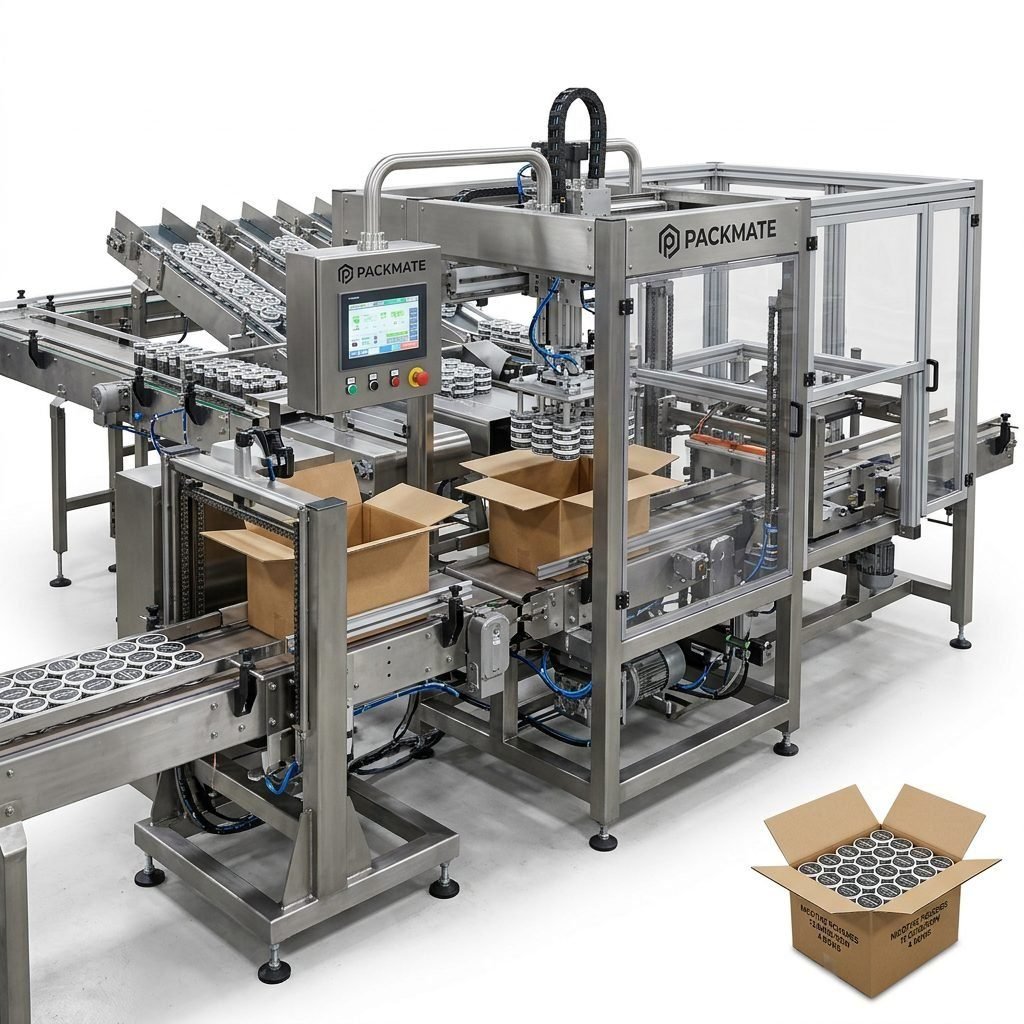
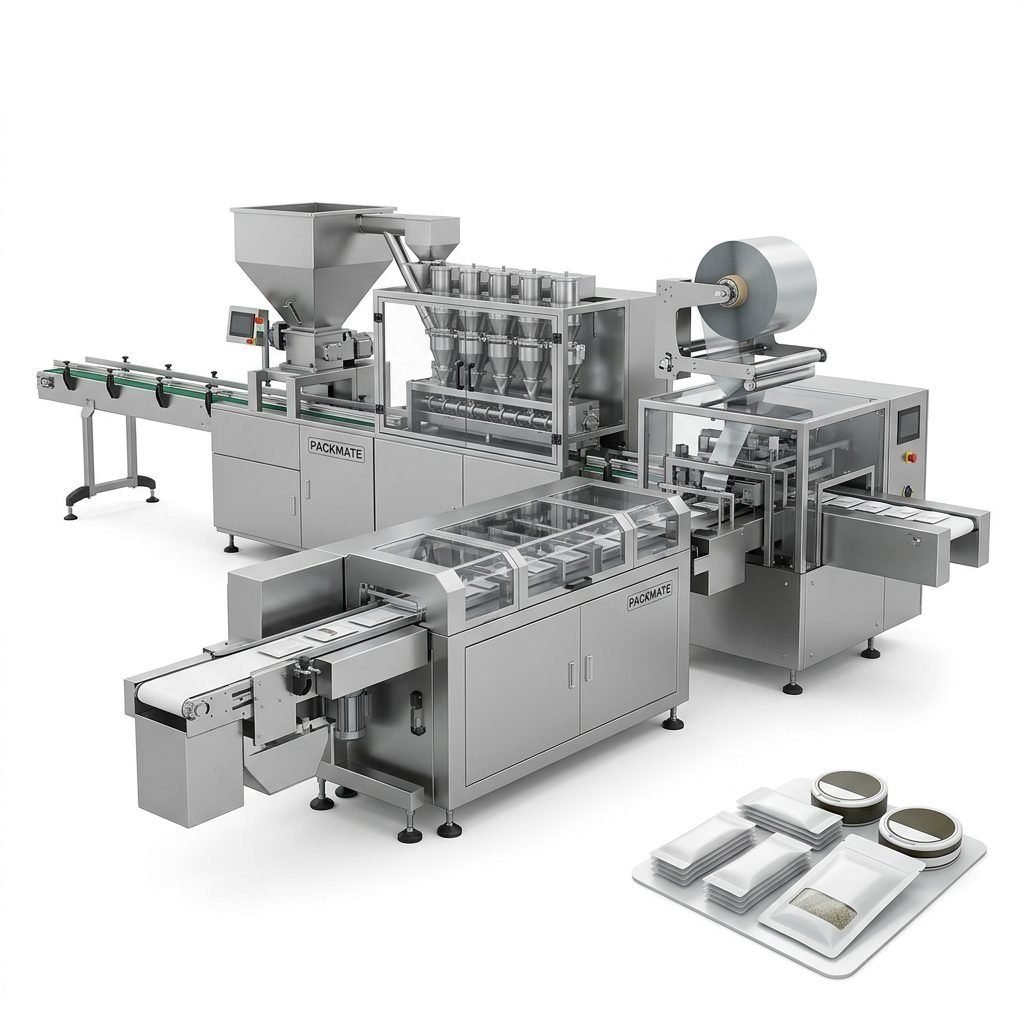
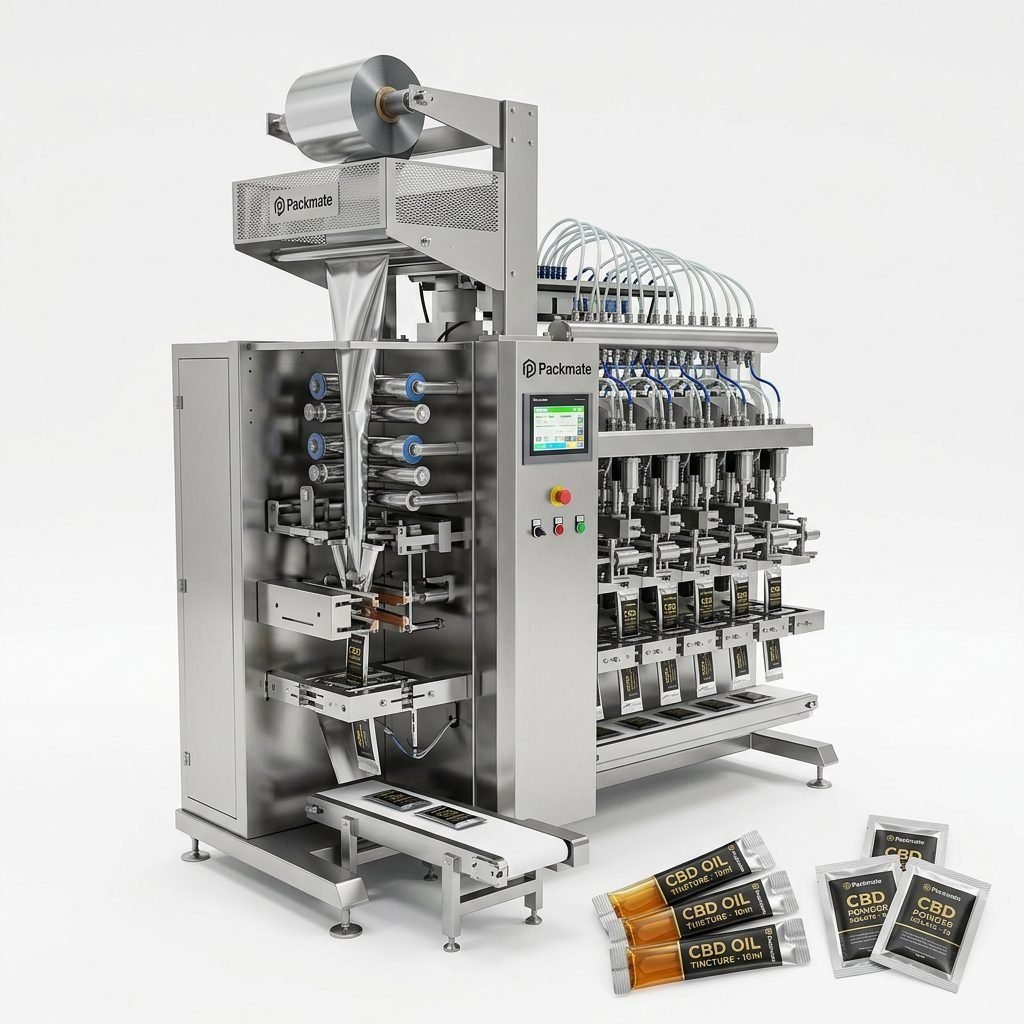
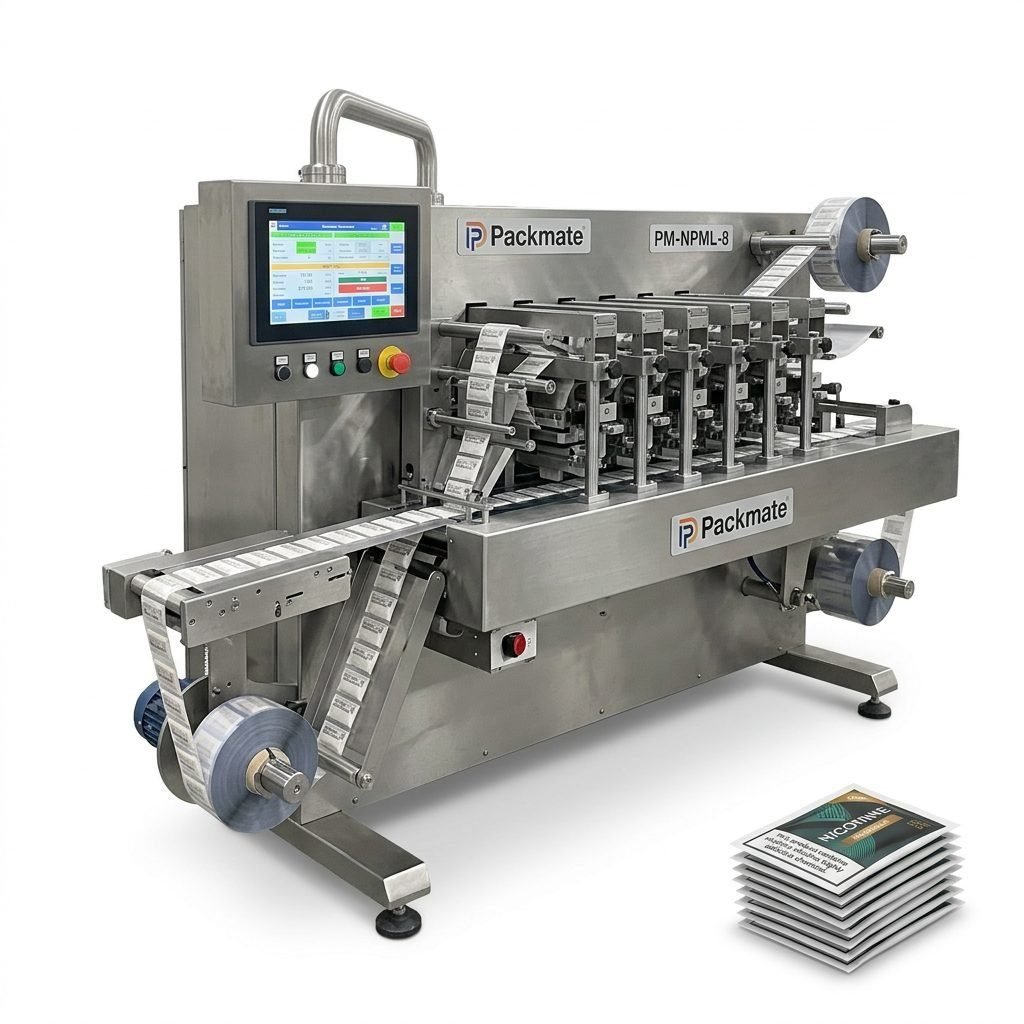
If you would like to review proven equipment options, consider manufacturers with deep experience in snus machines and turnkey lines. Packmate Snus Machine, for example, offers a wide range of specialized solutions from multi-lane snus packaging machines to supporting weighing and filling systems — see their Snus & Nicotine Packaging Machines and Bag & Pouch Packaging Machines pages for more detailed product options. You can also learn more About Packmate or reach out directly through Contact Us to discuss local requirements and shipping logistics.
⚠️ Buyer alert: Always request factory acceptance testing (FAT) videos and a full list of consumables before shipment to avoid surprises on arrival in Vanuatu.
Installation, Customs and Local Logistics in Vanuatu
Plan for customs clearance, port handling and inland transport. Machines shipped to Vanuatu may require temporary skidding or special packing to protect against salt and moisture during transit. Work with freight forwarders experienced with Pacific island shipments.
– Prepare documentation for customs: bills of lading, packing lists, certificates of origin, and technical specs.
– Ensure packaging protects electronics and bearings from humidity during long sea voyages.
– Schedule a local electrician and mechanical fitter to be available for installation and commissioning.
Final Checklist Before Purchase
– Confirm machine compatibility with all planned pouch formats and materials.
– Verify CE/ISO and machine test results; request FAT documentation.
– Agree on installation, training, spare parts package and warranty terms.
– Assess TCO including shipping, customs, energy consumption and maintenance.
– Ensure supplier provides clear remote support and has references in similar climates.
Closing recommendation
Selecting the best nicotine packaging machine for Vanuatu is a balance of technical fit, climate resilience, serviceability and long-term value. Prioritize suppliers with proven snus and nicotine packaging experience, robust after-sales support and clear documentation. Working with a trusted manufacturer who understands island logistics and tropical operational challenges will reduce risk and speed your line to consistent production.
Frequently Asked Questions
Q1: What machine features help manage Vanuatu’s humid climate? — Look for stainless steel contact parts, protective coatings, humidity control options and sealed electronics. Regular maintenance and desiccant storage for films also help.
Q2: How important is multi-lane packaging for small island factories? — Multi-lane systems often deliver higher throughput with a smaller footprint, which is valuable where factory space and staffing are limited.
Q3: What after-sales support should I demand from suppliers? — Insist on remote diagnostic capabilities, spare parts kits, structured training, FAT documentation and a clear warranty covering key components.
Q4: Are there machine suppliers experienced with snus packaging I can review? — Yes, reputable suppliers with snus and nicotine pouch portfolios are available; see Snus & Nicotine Packaging Machines and Bag & Pouch Packaging Machines for examples. You may also want to review customer Case studies and contact the manufacturer directly via Contact Us.
Q5: How do I plan for customs and transportation to Vanuatu? — Work with a freight forwarder experienced in Pacific shipments, prepare complete documentation, and ensure machine packaging is rated for long sea voyages with humidity protection.