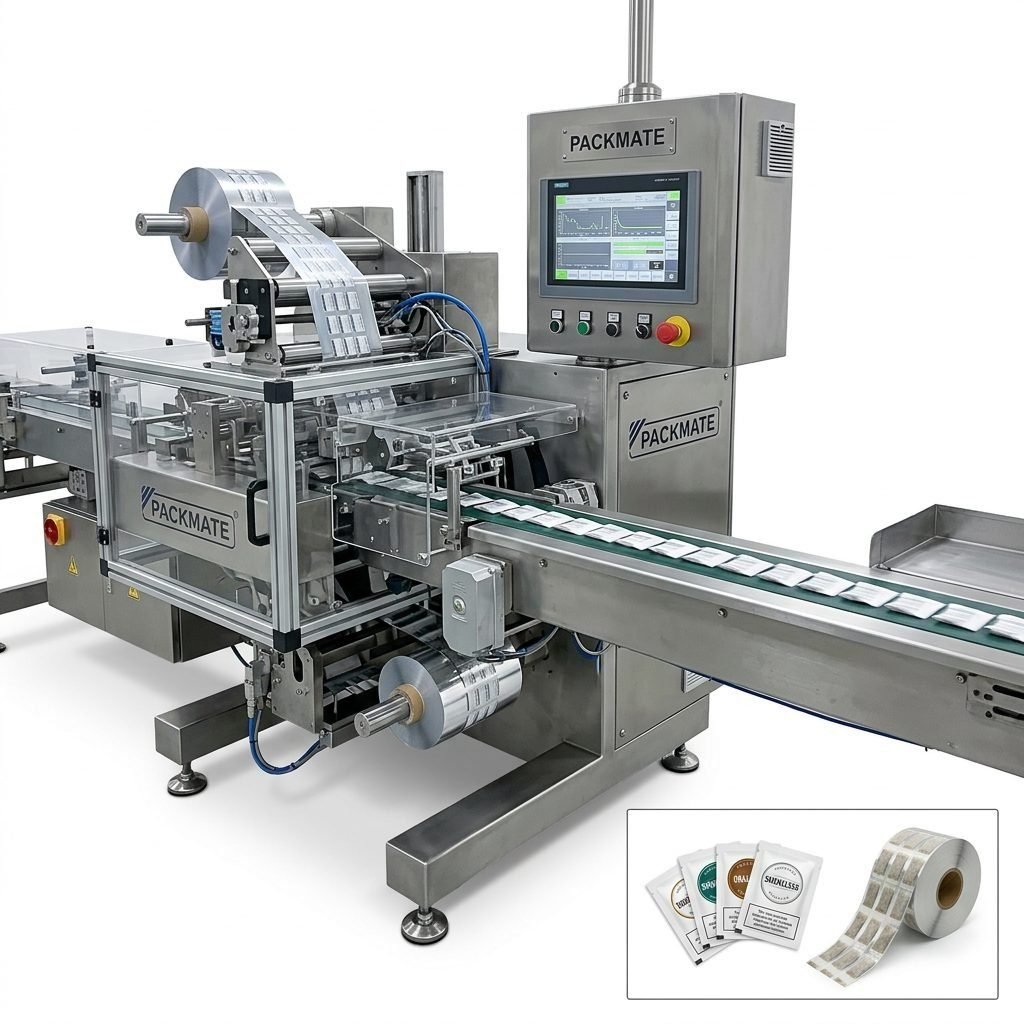
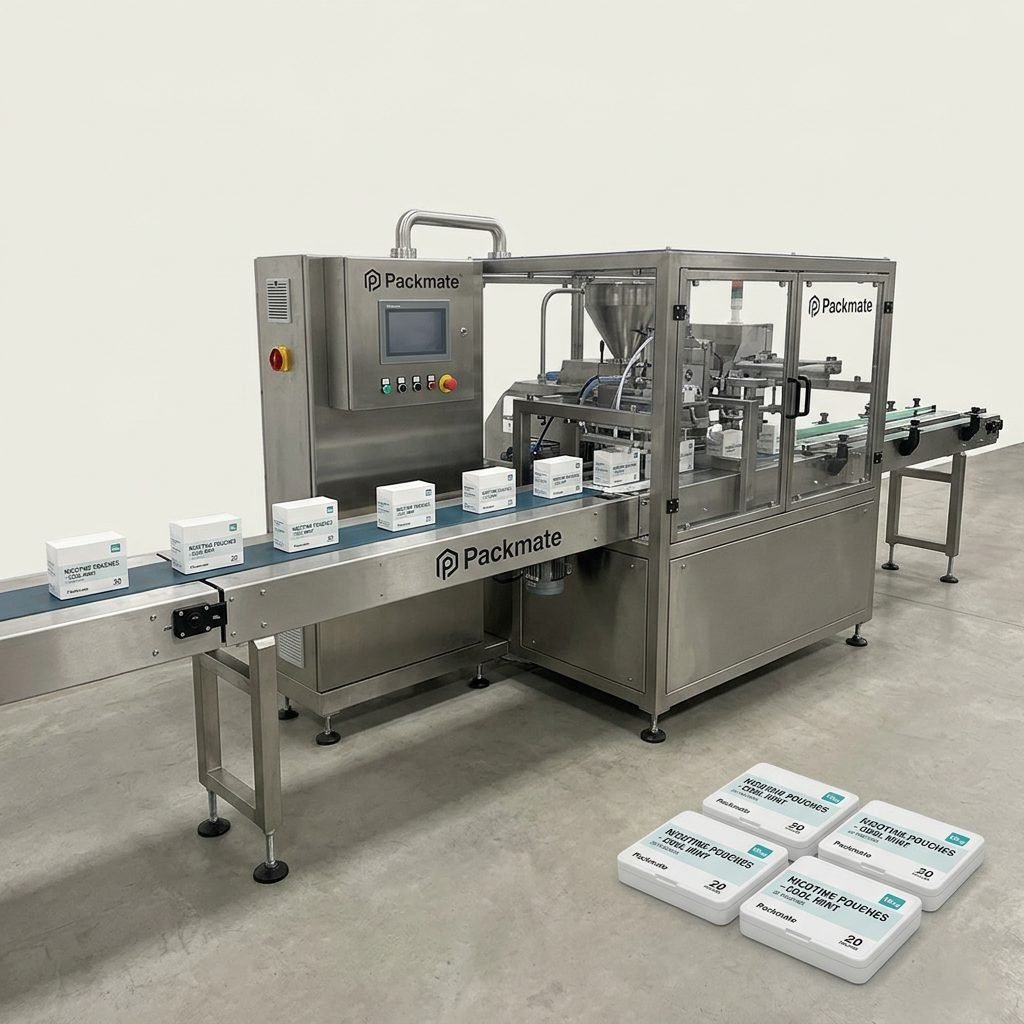
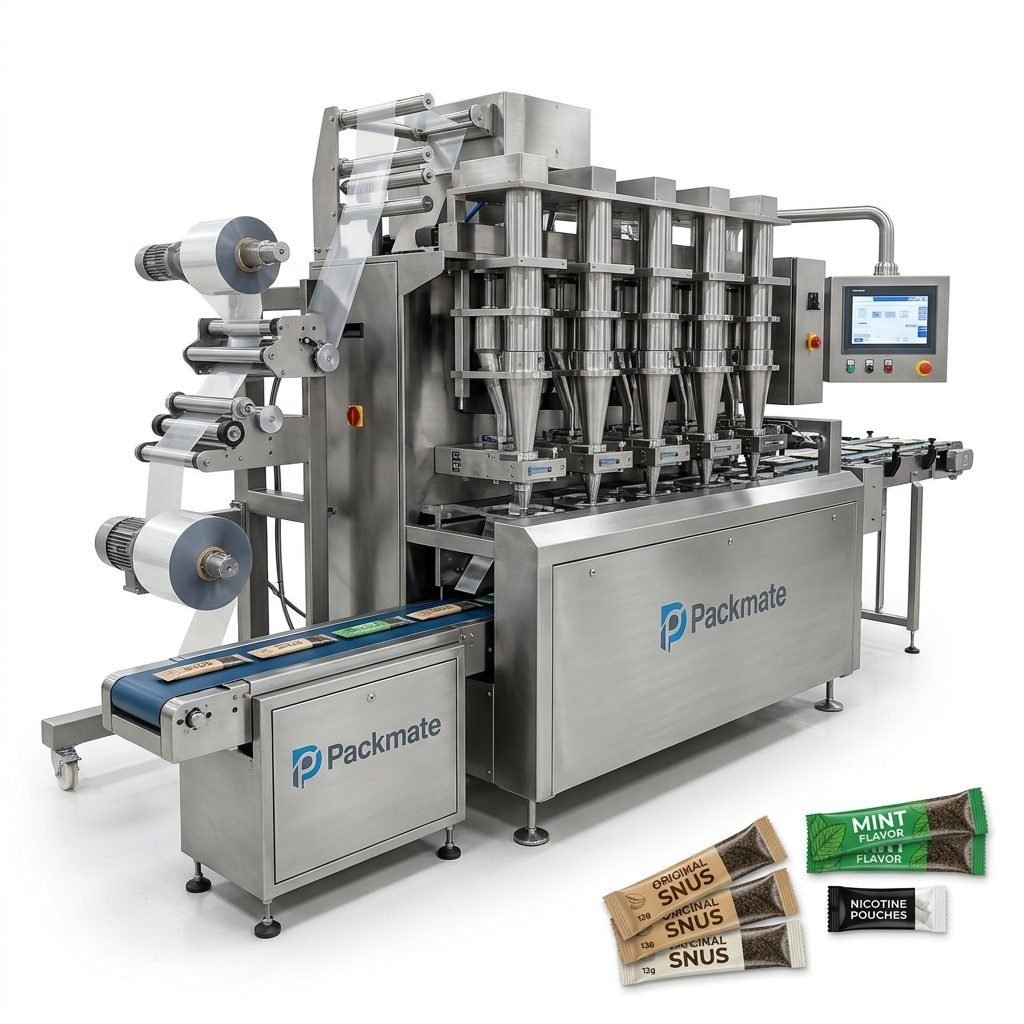
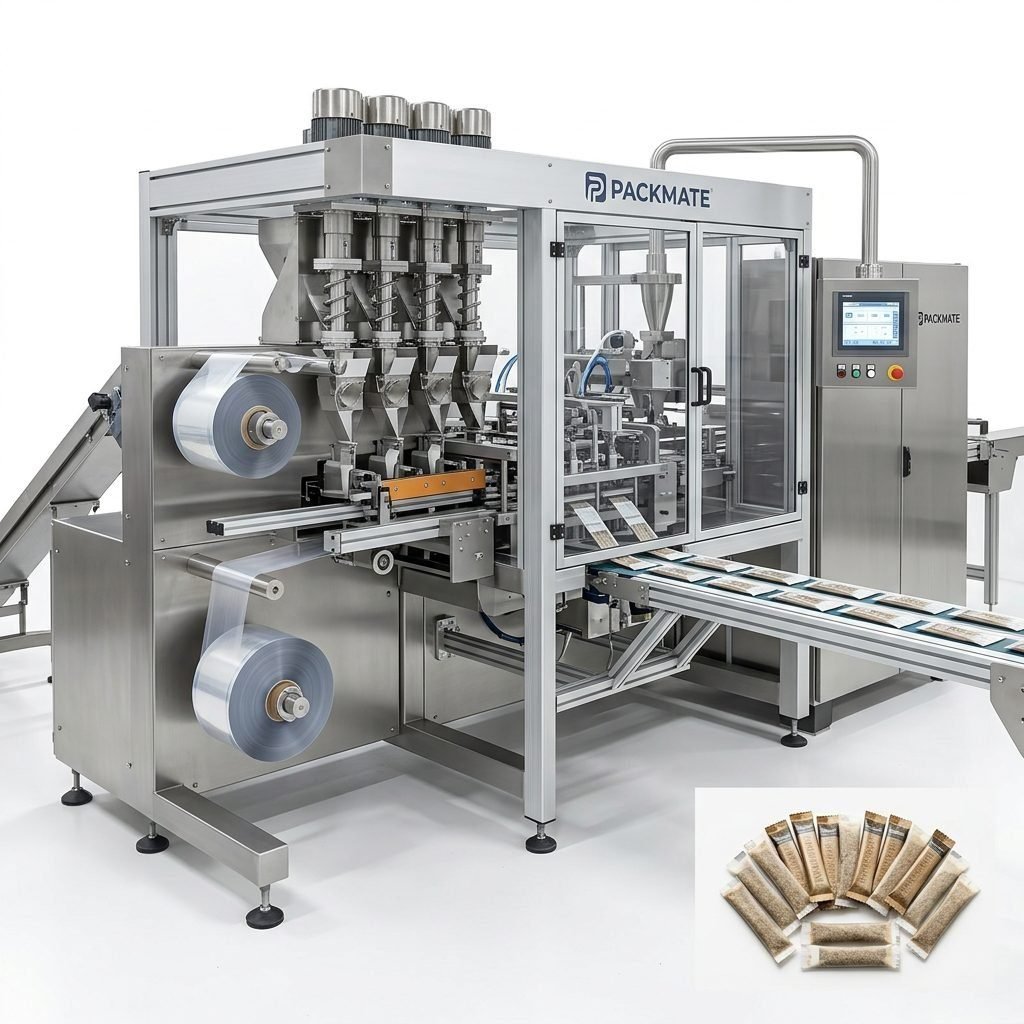
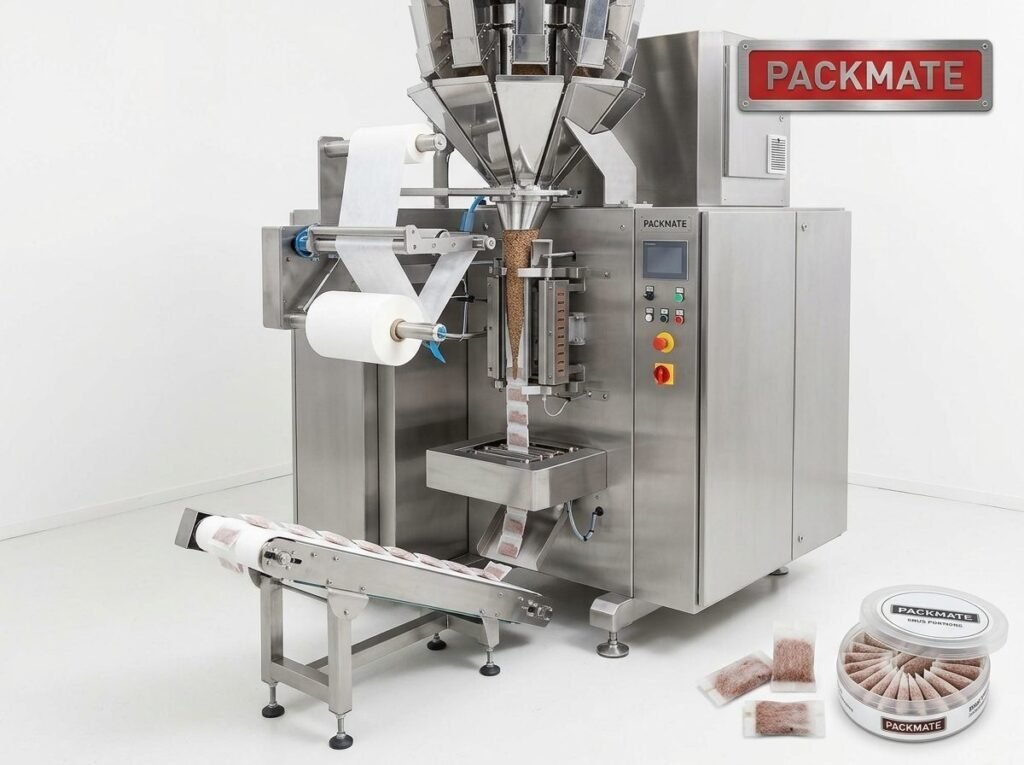
Choosing the right packaging machinery supplier for nicotine pouches and snus in Venezuela requires more than a glance at price lists. Local market nuances, regulatory requirements, import logistics, and long-term service capabilities all play a critical role. This guide walks Venezuelan manufacturers, investors, and packaging managers through a step-by-step process to select a reliable supplier who can deliver performance, compliance, and peace of mind.
Understand the Venezuelan Market Context
Venezuela’s consumer market is unique. While traditional tobacco products remain common, nicotine pouches and snus are emerging categories that attract younger adult users seeking smoke-free options. When assessing suppliers, consider local preferences: compact, discreet pouch formats and varied flavor profiles often perform better. Small-batch flexibility and modular lines that allow quick changeovers can be especially valuable for testing flavor variants and packaging formats in Venezuelan provinces.
Regulatory and cultural considerations
Venezuela’s regulatory landscape can change — import duties, labelling rules, and nicotine product restrictions should be confirmed with local legal counsel. Also factor in cultural business practices: Venezuelan partners often value long-term relationships, face-to-face meetings, and clear after-sales communication in Spanish. When evaluating suppliers, prioritize those who can provide Spanish-language manuals, training, and responsive local or regional support.
Key Technical Capabilities to Evaluate
Not all packing machines are created equal. When comparing suppliers, focus on the following capabilities to ensure consistent quality and throughput.
🔶 Production flexibility: Can the machine handle nicotine pouches, snus, stick packs, and sachets? Multi-format capability reduces future investment risk.
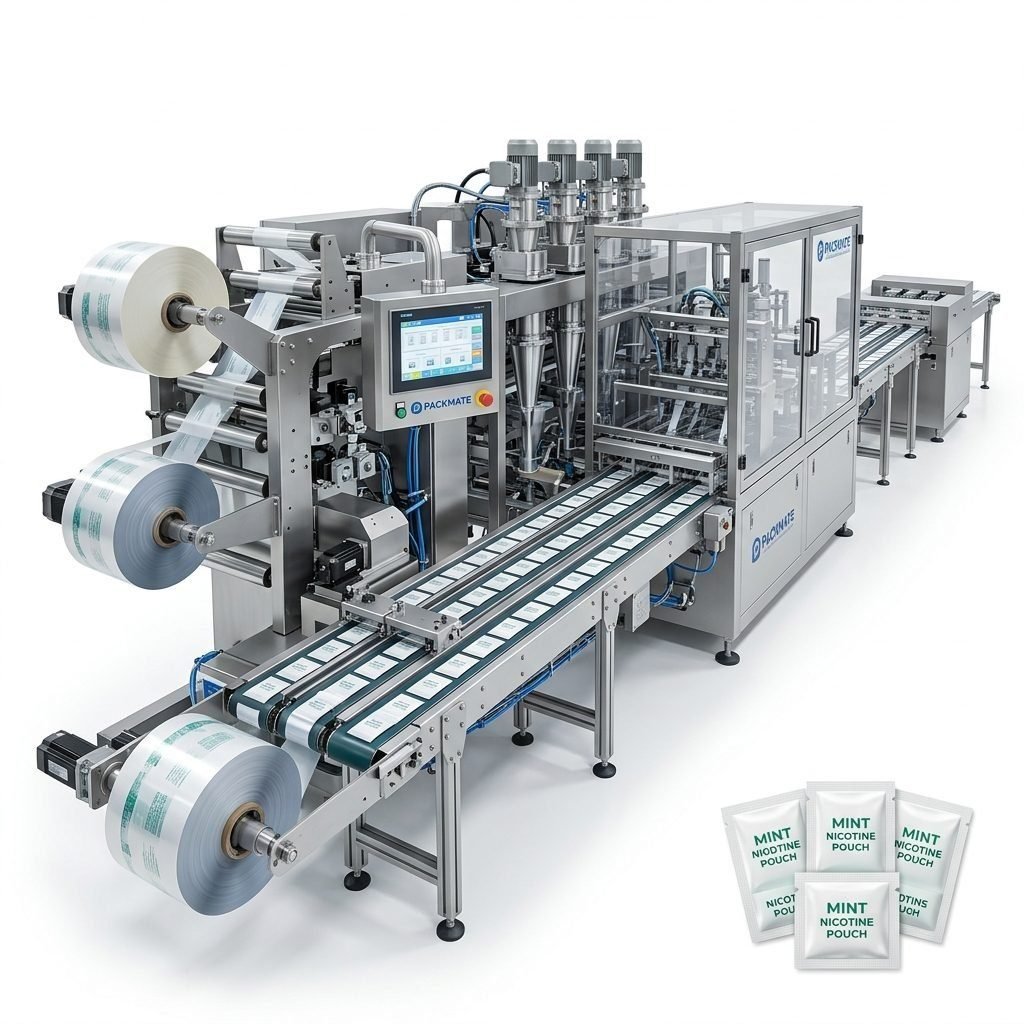
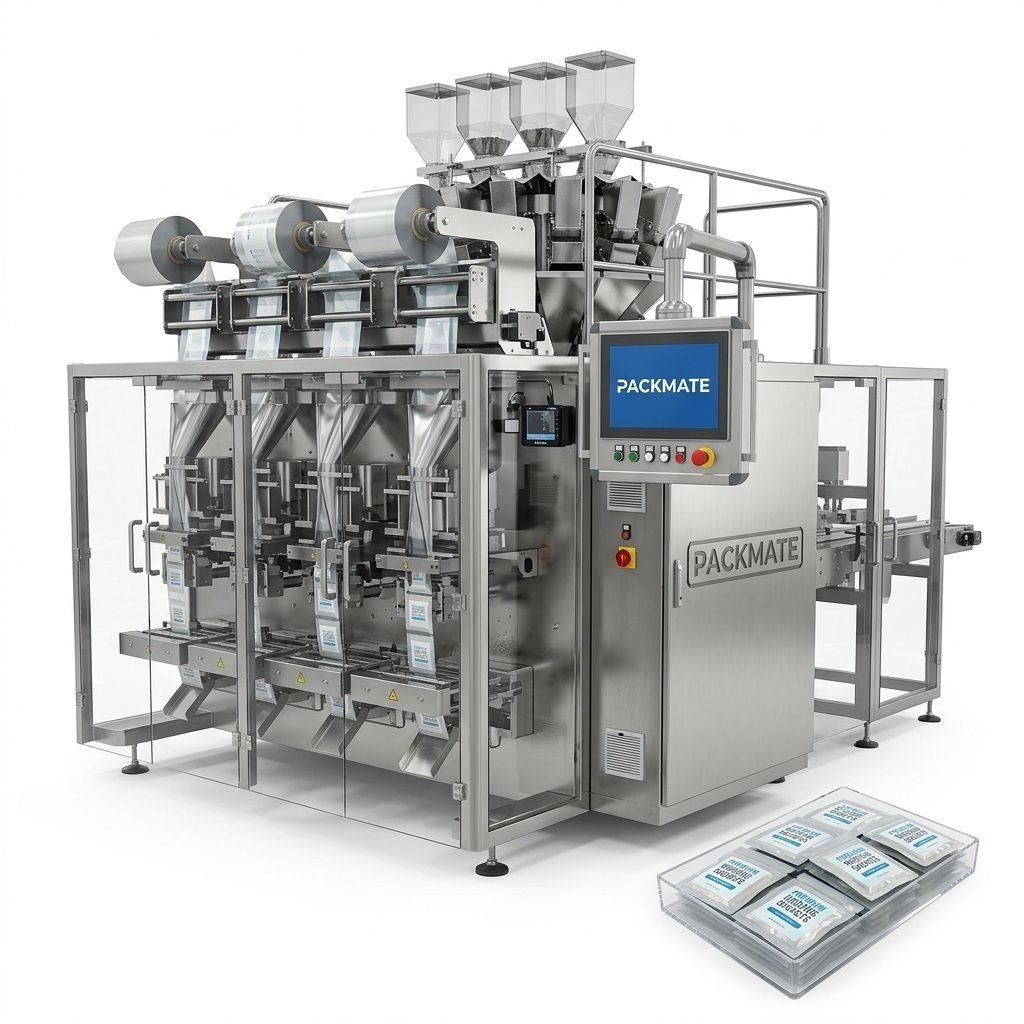
✅ Multi-lane support: High-output multi-lane systems are ideal for scaling; verify lane count, synchronization, and servo control precision.
⚠️ Cleanability & contamination control: Nicotine product handling demands easy-to-clean surfaces and materials compliant with food/pharma-grade contact where applicable.
Certifications and quality assurance
International certifications like CE and ISO indicate a supplier’s commitment to safety and quality. Ask for documentation and machine test records. Suppliers with strict quality control processes will often provide FAT (Factory Acceptance Testing) reports, video demonstrations, and machine performance guarantees.
Supplier Profile: What to Ask and Verify
Use the following checklist during initial supplier screening. These practical questions separate credible manufacturers from casual vendors.
• Factory scale and experience: How many years in snus/nicotine machine production? Do they run a dedicated facility with CNC and precision lines?
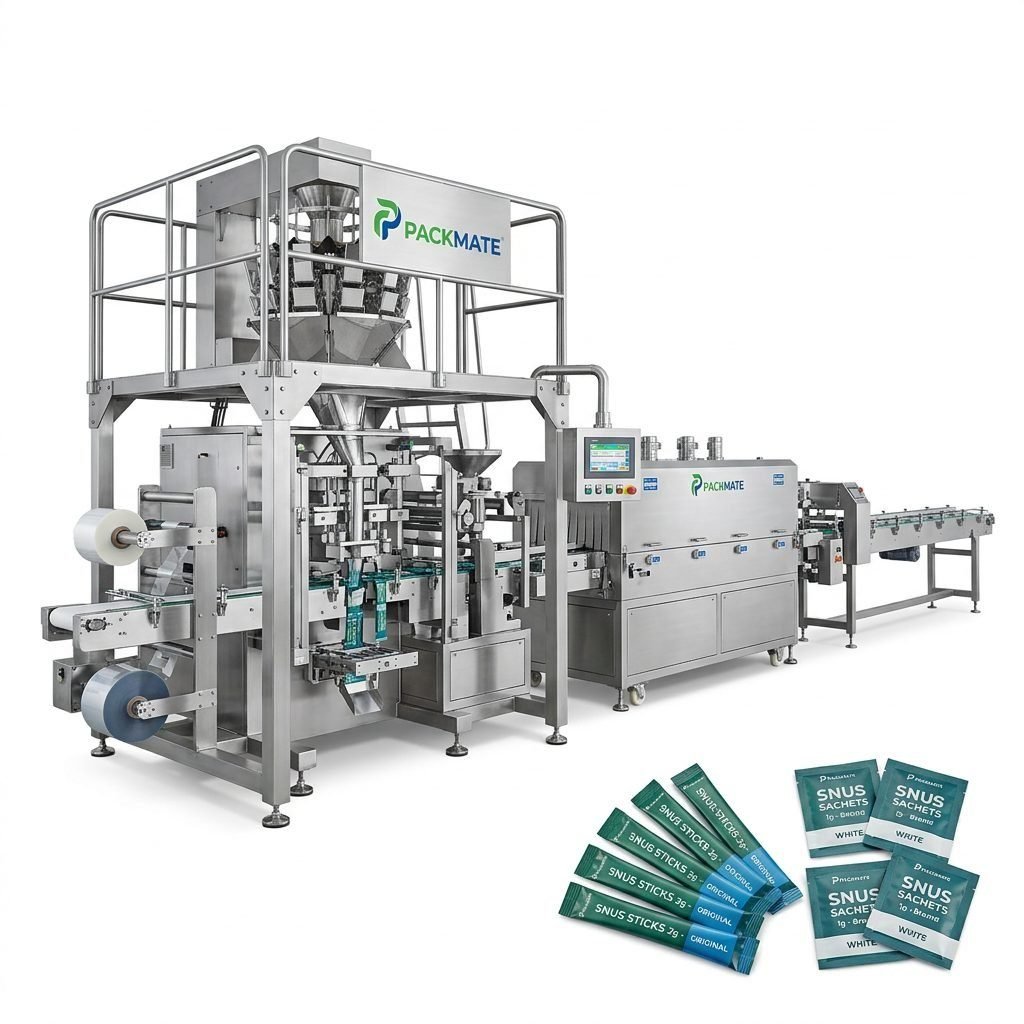
• Model range: Request a catalog of models (stick pack, sachet, multi-lane snus pouch machines). Compare specs against your required output.
• References & case studies: Ask for client references in Latin America or similar markets and look for long-term service relationships.
• Spare parts & lead times: Confirm spare parts availability, shipping times to Venezuela, and recommended spare parts kit.
Verify manufacturing credentials
Suppliers with transparent factory tours, clear assembly photos, CNC capabilities, and production timelines demonstrate reliability. If available, request a virtual tour or an invitation to visit the production site. For reference, manufacturers like Packmate highlight decades of experience, a 20,000㎡ facility, and advanced CNC systems.
Economic & Logistical Factors Specific to Venezuela
Venezuela presents logistical challenges that directly affect supplier selection. Consider the following:
• Import documentation: Ensure the supplier can provide full documentation (commercial invoice, packing list, CE certificates, machine manuals) to expedite customs clearance.
• Shipping options: Discuss FOB vs CIF and the supplier’s experience shipping to Venezuelan ports. Reliable suppliers will propose logistic partners familiar with local import procedures.
• Local utilities & installation: Voltage variations and site preparation affect installation. Confirm supplier support for local electrical configurations and on-site calibration.
Service, Training & After-Sales Support
After-sales service is essential in Venezuela where spare parts shipping can be delayed. Prioritize suppliers that offer:
– On-site installation and commissioning or certified local partners.
– Remote troubleshooting with Spanish-speaking engineers and detailed, pictorial manuals.
– Training packages for operators and maintenance staff. Ideally, these include SOPs for nicotine handling and cleaning routines.
Spare parts strategy
Keep a recommended spare parts list on-site for critical wear items: belts, sealing jaws, bearings, and PLC components. Request guaranteed supply windows from your supplier and consider stocking a 3–6 month kit to avoid production downtime.
Commercial Terms and Total Cost of Ownership
The cheapest initial quote rarely equals the best long-term value. Evaluate:
• Warranty and performance guarantees: Confirm machine uptime guarantees and warranty coverage for key components.
• Energy efficiency: Machines with efficient servo systems can lower long-term operating costs, important where electricity reliability is variable.
• Training & documentation cost: Include training, manuals translation, and spare parts stock in your TCO calculation.
How to Structure a Request for Proposal (RFP)
A clear RFP speeds up supplier evaluation. Include:
– Production targets (units/hour, product formats, lanes).
– Product specifications (pouch size, material laminates, nicotine dose accuracy).
– Site conditions (power supply, floor loading, compressed air availability, language for training).
– Delivery and commissioning deadlines, payment terms, and warranty expectations.
Evaluating Quotes and Visiting Factories
When quotes come in, compare apples to apples. Standardize evaluation columns: base machine price, tooling, electrical options, testing, training, spare parts, and shipping. If possible, visit the supplier’s factory or request a live demonstration. Reliable suppliers will welcome FAT sessions and provide performance data.
Red flags to watch for
– Vague technical specifications or inability to provide reference videos.
– No documented warranty or refusal to perform FAT.
– Limited spare parts availability or no clear logistics plan to Venezuela.
Vendor Examples and Useful Resources
When evaluating suppliers, explore thorough product pages and case studies to verify experience in nicotine packing. Example resources:
– Snus & Nicotine Packaging Machines: https://www.snusmachinery.com/products/snus-nicotine-packaging-machines/
– Bag & Pouch Packaging Machines (for flexible, high-barrier films): https://www.snusmachinery.com/products/bag-pouch-packaging-machines/
– Case studies and global deployment examples: https://www.snusmachinery.com/case/
Negotiation Tips for Venezuelan Buyers
Negotiation in Venezuela often balances price with trust and service. Consider:
– Request payment terms that reduce upfront currency exposure, such as staged payments tied to milestones.
– Ask for a spare parts package included in the initial shipment to avoid early downtime.
– Secure training in Spanish and a commitment to remote support windows that match your production schedule.
Making the Final Decision
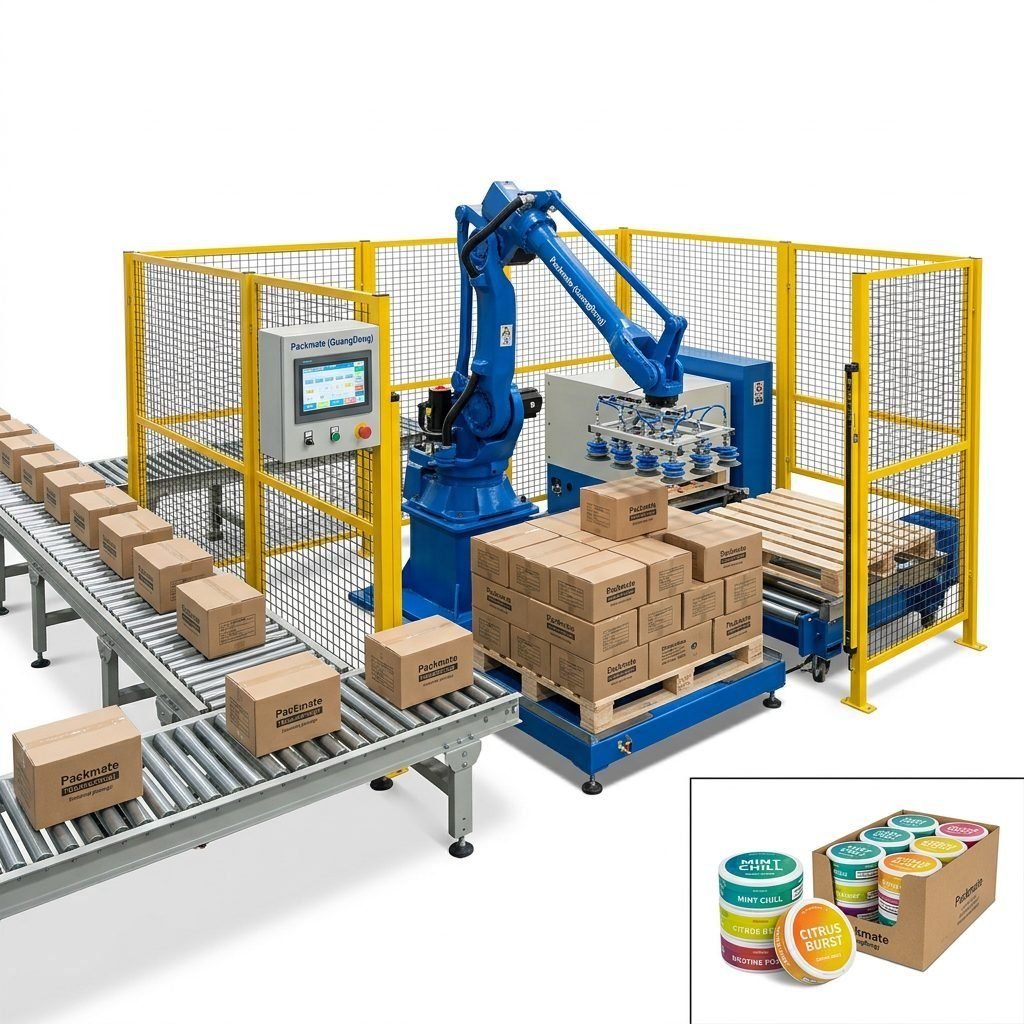
Weigh technical fit, after-sales capability, proven references, and logistical readiness. Suppliers with turnkey solutions that include filling lines, weighing systems, and auxiliary equipment reduce coordination risk. Verify the supplier’s willingness to sign a detailed contract covering delivery, installation, performance, and spare parts response times.
🔶 Tip: Ask suppliers for a tailored proposal that maps exactly to your required output — lanes, pouch size, and cleanability features — and then compare total landed cost, not just the machine price.
🔶 Tip: Consider suppliers active in exhibitions and with global case studies as they likely have broader experience solving real-life production challenges. See exhibitions and company background here: https://www.snusmachinery.com/exhibition/
Why Packmate-Like Suppliers Are Worth Considering
Suppliers with decades of experience, a broad model range, and a large manufacturing footprint bring stability. A supplier profile that includes advanced CNC, ISO/CE certification, and multi-format expertise (snus, stick pack, sachet) can support Venezuelan customers as their product lines evolve. For more background, see the supplier About page: https://www.snusmachinery.com/about-us/
Complementary systems and full-line solutions
Think beyond the packer. Integrated weighing, filling, and auxiliary equipment guarantee line balance, reduce handovers, and improve traceability. Explore filling and weighing system options that match nicotine pouch filling tolerances: https://www.snusmachinery.com/products/weighing-packaging-systems/
Final Checklist Before Signing
– Contract includes FAT, performance acceptance criteria, delivery timeline, and on-site commissioning dates.
– Spare parts and recommended inventory list included.
– Training schedule and Spanish-language documentation confirmed.
– Clear warranty terms and local/remote support SLAs.
– Proof of certifications and at least two similar reference installations.
Conclusion
Selecting the best nicotine packaging machinery supplier for Venezuela is a strategic decision. Prioritize technical fit, proven experience with nicotine pouch formats, strong after-sales support, and a realistic logistics plan for Venezuela. A supplier that brings transparent documentation, on-site training, and reliable spare parts delivery will help ensure smooth operations and scalable growth in the Venezuelan market.
Further reading and actions
If you want sample machine specs or real-case references for snus and nicotine pouch lines, explore the product portfolio here: https://www.snusmachinery.com/products/sachet-stick-pack-machines/ and the auxiliary equipment options here: https://www.snusmachinery.com/products/auxiliary-packaging-equipment/
Frequently Asked Questions
Q1: What is the typical lead time for a snus packaging line to Venezuela?
A1: Lead times vary by customization level and production queues. Standard single-line machines may ship in 8–14 weeks; fully customized multi-lane lines can take 16–28 weeks, plus sea transit and customs clearance.
Q2: How should Venezuelan buyers handle warranty and spare parts?
A2: Negotiate at least a 12-month warranty, a spare parts starter kit, and agreed SLAs for critical parts. Consider stocking a 3-month consumption kit locally.
Q3: Can suppliers provide training in Spanish and local compliance assistance?
A3: Reputable suppliers should offer Spanish-language manuals and training. Confirm availability of Spanish-speaking engineers for remote support or on-site commissioning.
Q4: What machine features matter most for nicotine pouches?
A4: Precision dosing, multi-lane synchronization, hygienic design, quick-change tooling, and robust sealing for laminated films are essential features for nicotine pouch lines.
Q5: Where can I see real-world cases and request more information?
A5: Review vendor case studies and request direct references. For a detailed company profile and contact, visit the supplier’s contact pages and catalog resources: https://www.snusmachinery.com/contact-us/ and https://www.snusmachinery.com/catalog/