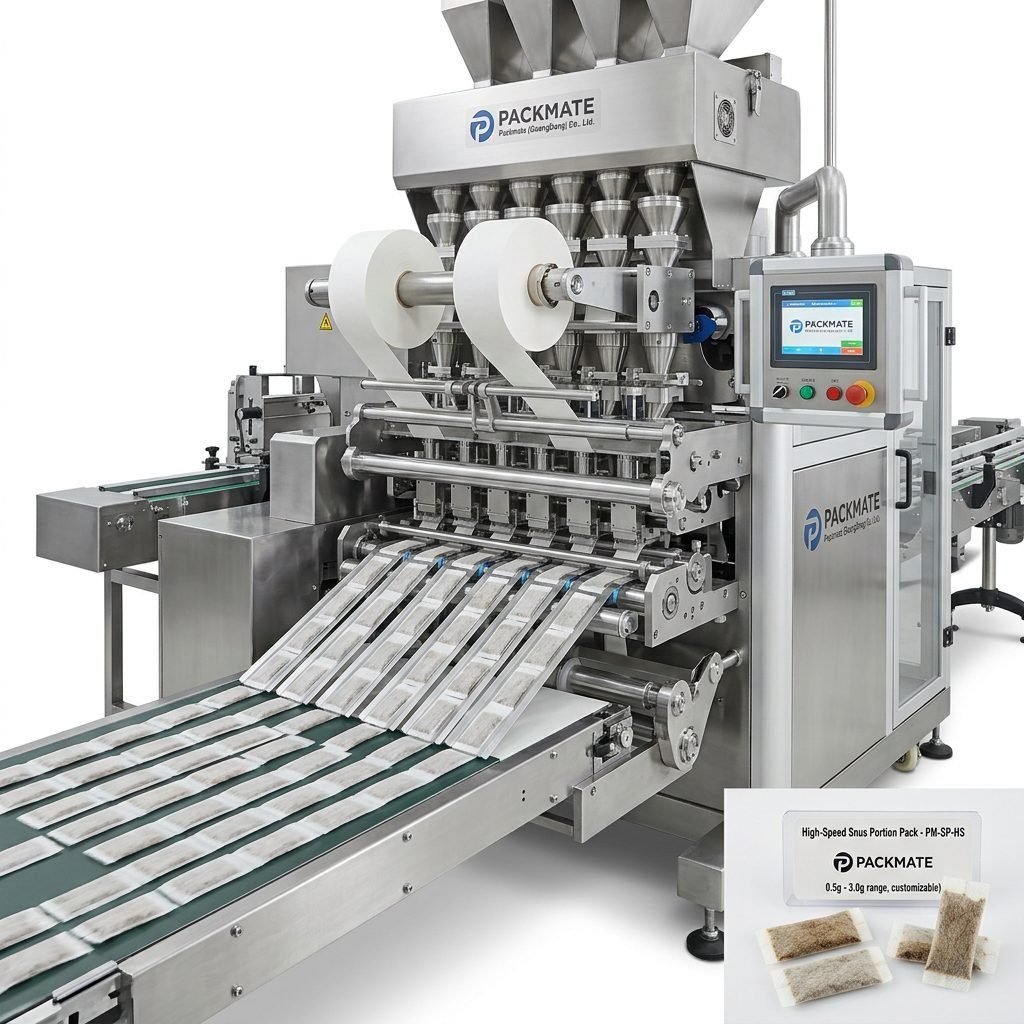
Choosing the right snus packaging machinery manufacturer in Paraguay can define your production efficiency, product quality, and time-to-market. Whether you are launching a new nicotine pouch brand or scaling an existing operation, understanding the technical capabilities, service quality, and long-term support provided by a supplier is essential. This guide walks you through practical steps and decision points to help you select the best manufacturer for your production needs.
Understand Your Production Requirements 🔍
Before approaching any manufacturer, document your production targets and product specifications. Consider daily throughput (pieces per minute/hour), pouch formats (stick pack, sachet, or multi-lane pouches), product types (powder, granule, liquid, or nicotine pouch), and regulatory constraints. These parameters determine the machine type and level of automation required. For instance, small-dose nicotine pouches often require high-precision multi-lane systems to achieve both speed and accuracy.
Key production questions to answer
✅ What is your target daily/weekly output?
✅ Which pouch types and materials will you use?
✅ Do you need multi-lane capability or single-lane flexibility?
✅ Are there special dosing or weighing requirements?
These clear answers will help you shortlist manufacturers who can meet your throughput and accuracy needs.
Evaluate Machine Types and Technologies ⚙️
There are several machine families you should consider based on product form and packaging format:
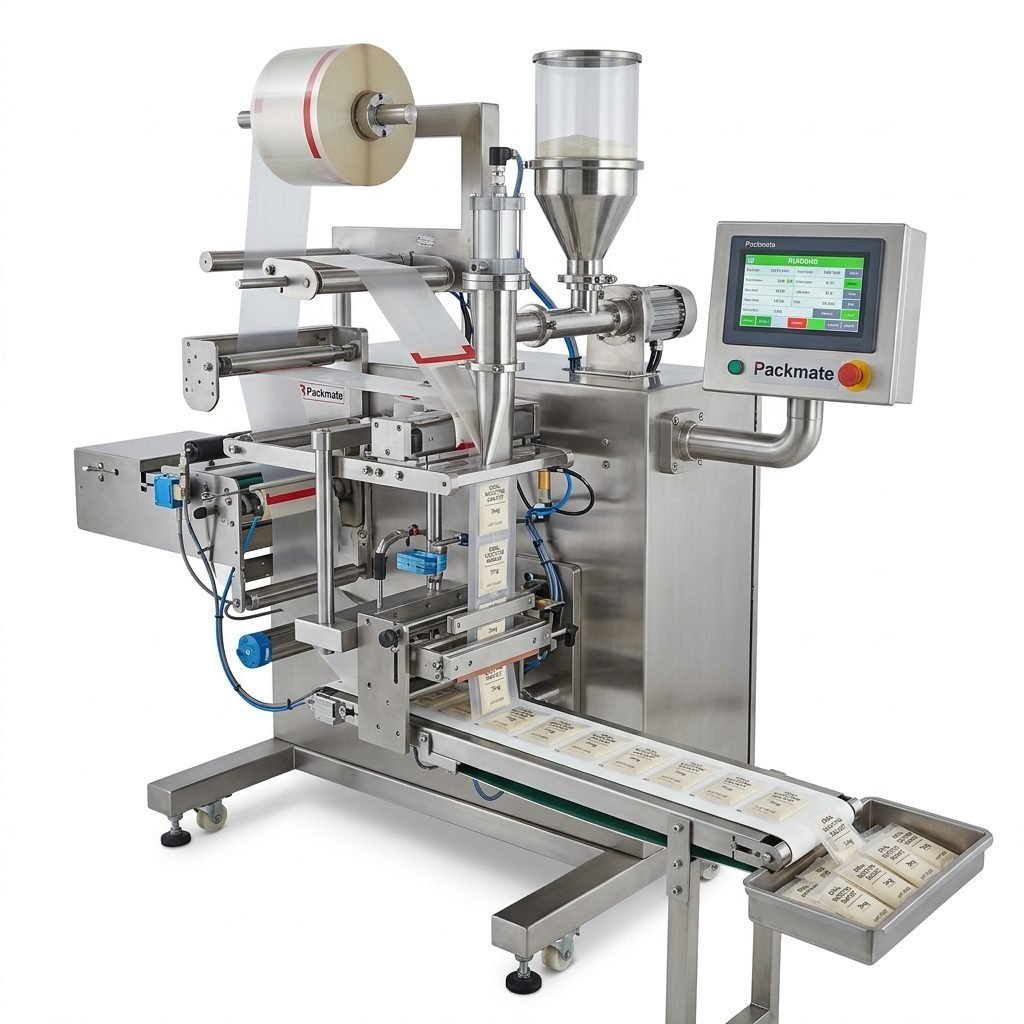
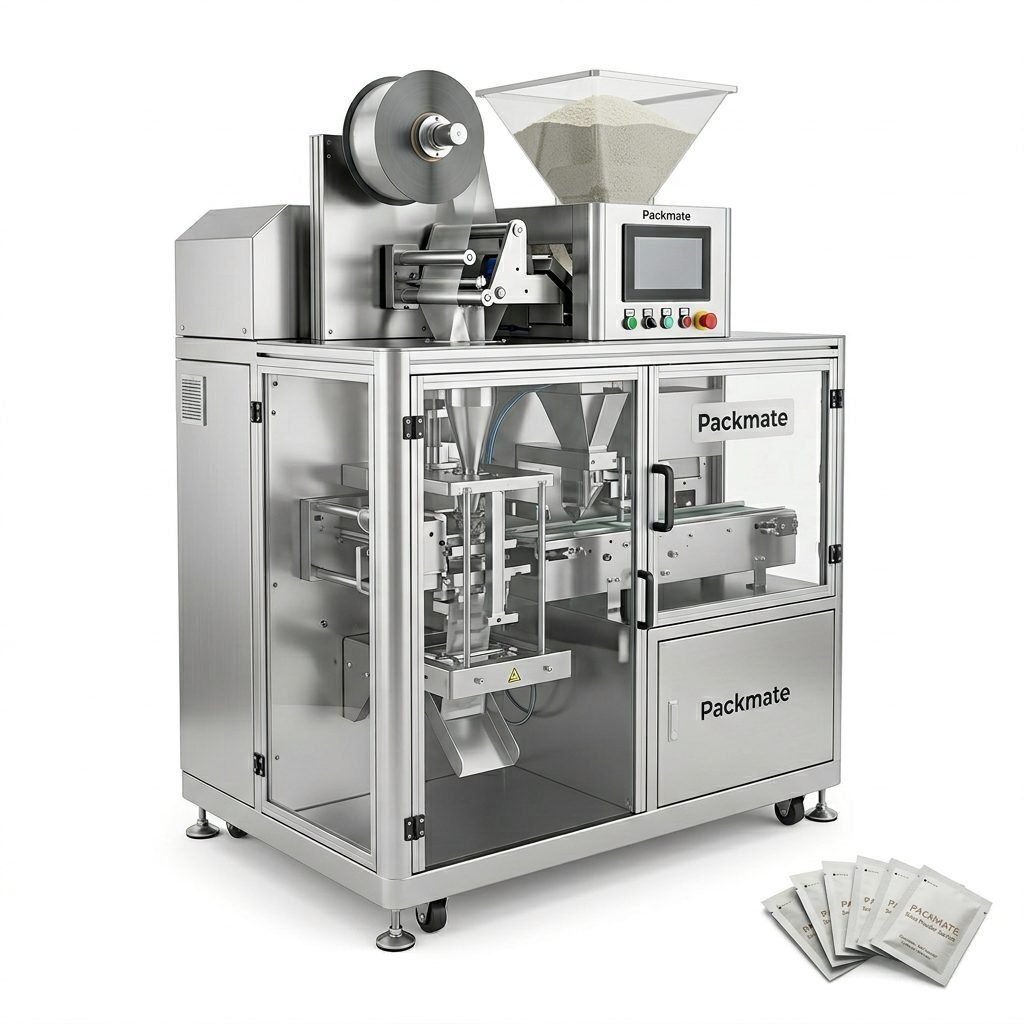
• Stick Pack Machines – suitable for single-serve pouches and vertical sealing formats.
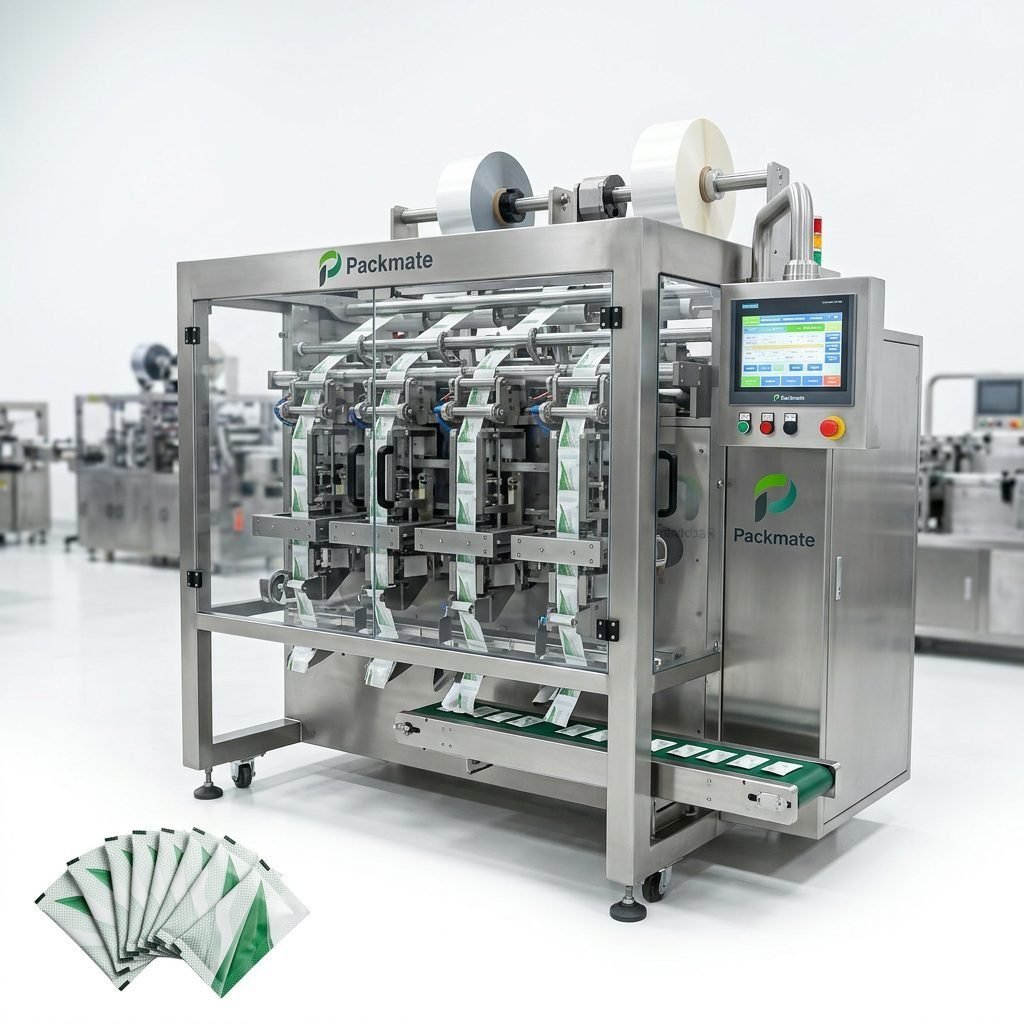
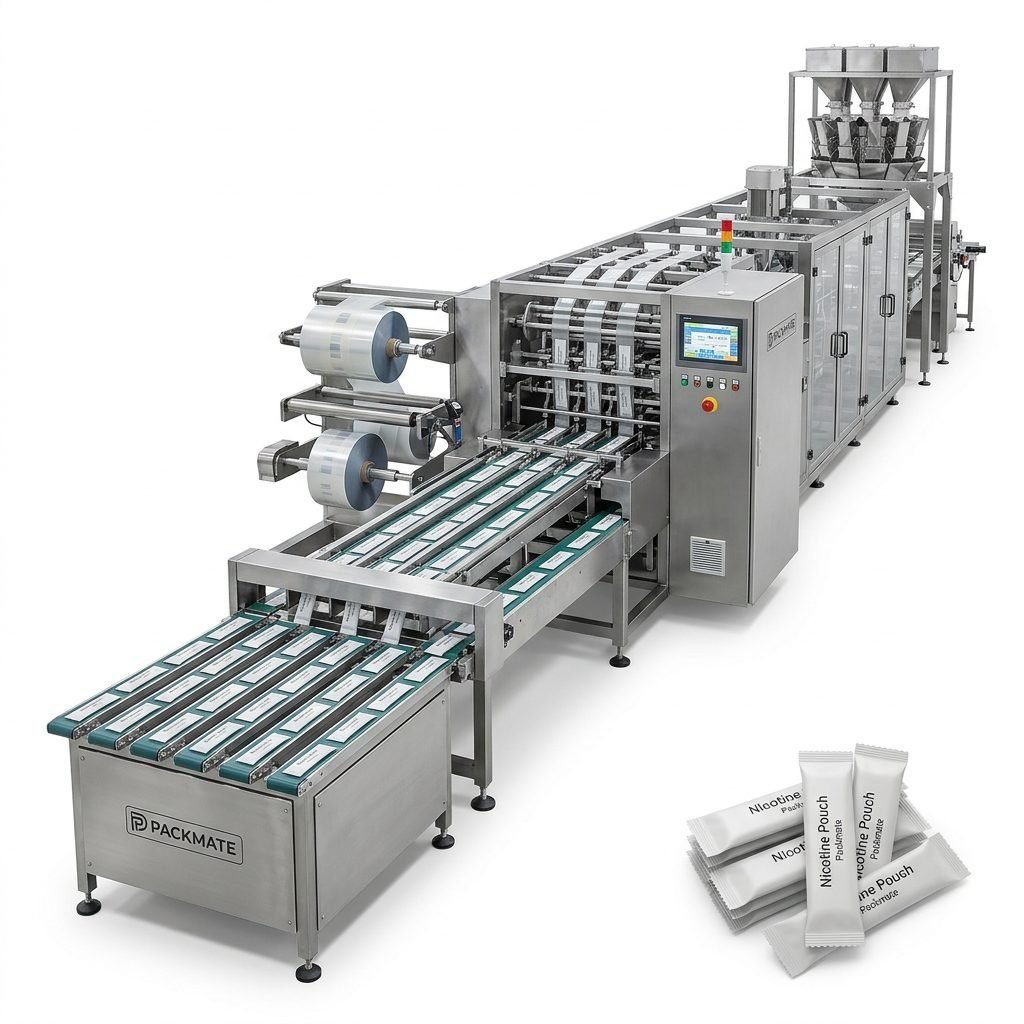
• Sachet & Stick Pack Multi-Lane Systems – ideal when you need high output from a compact footprint.
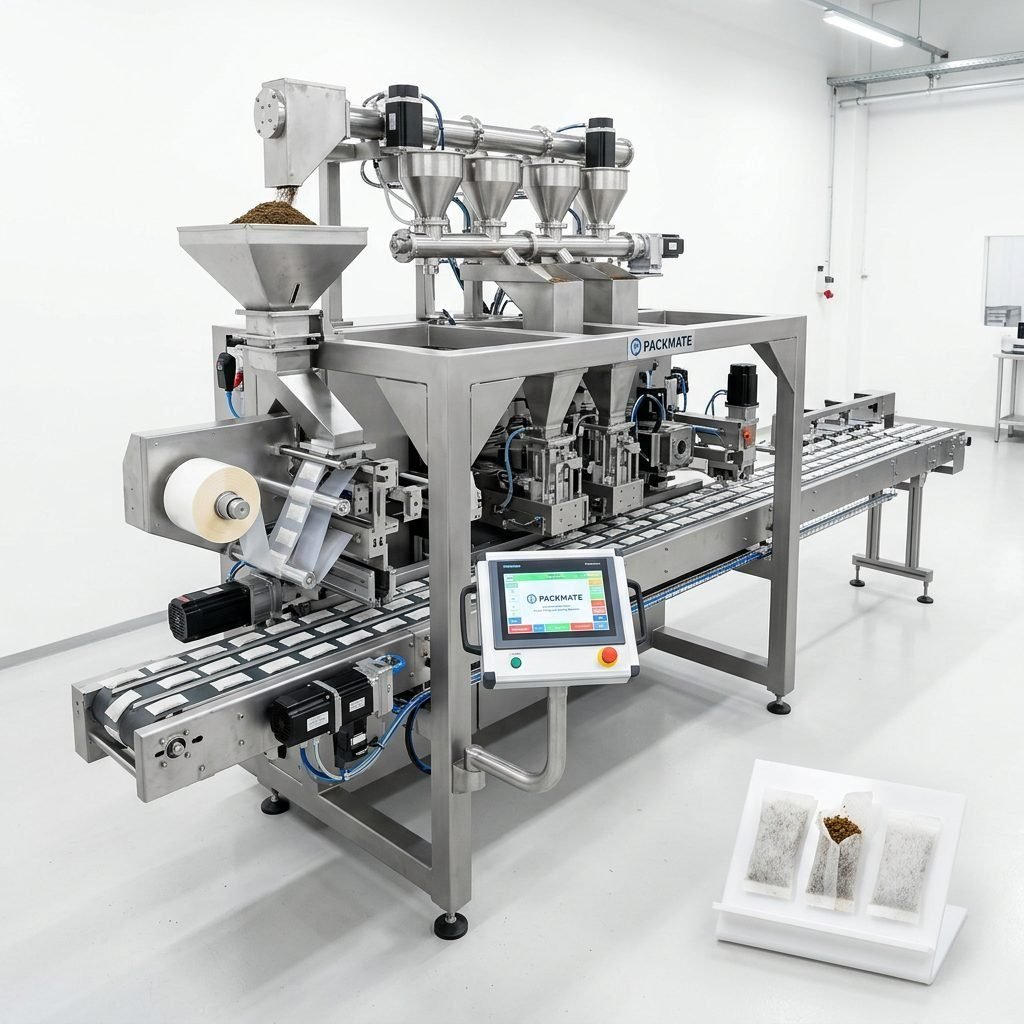
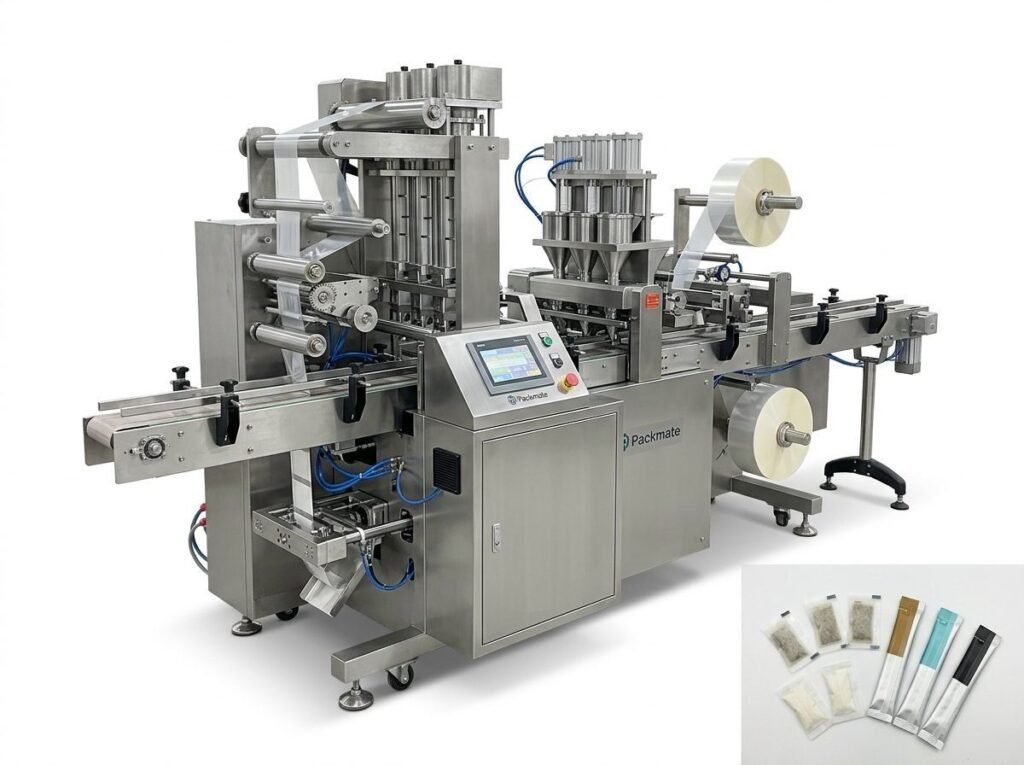
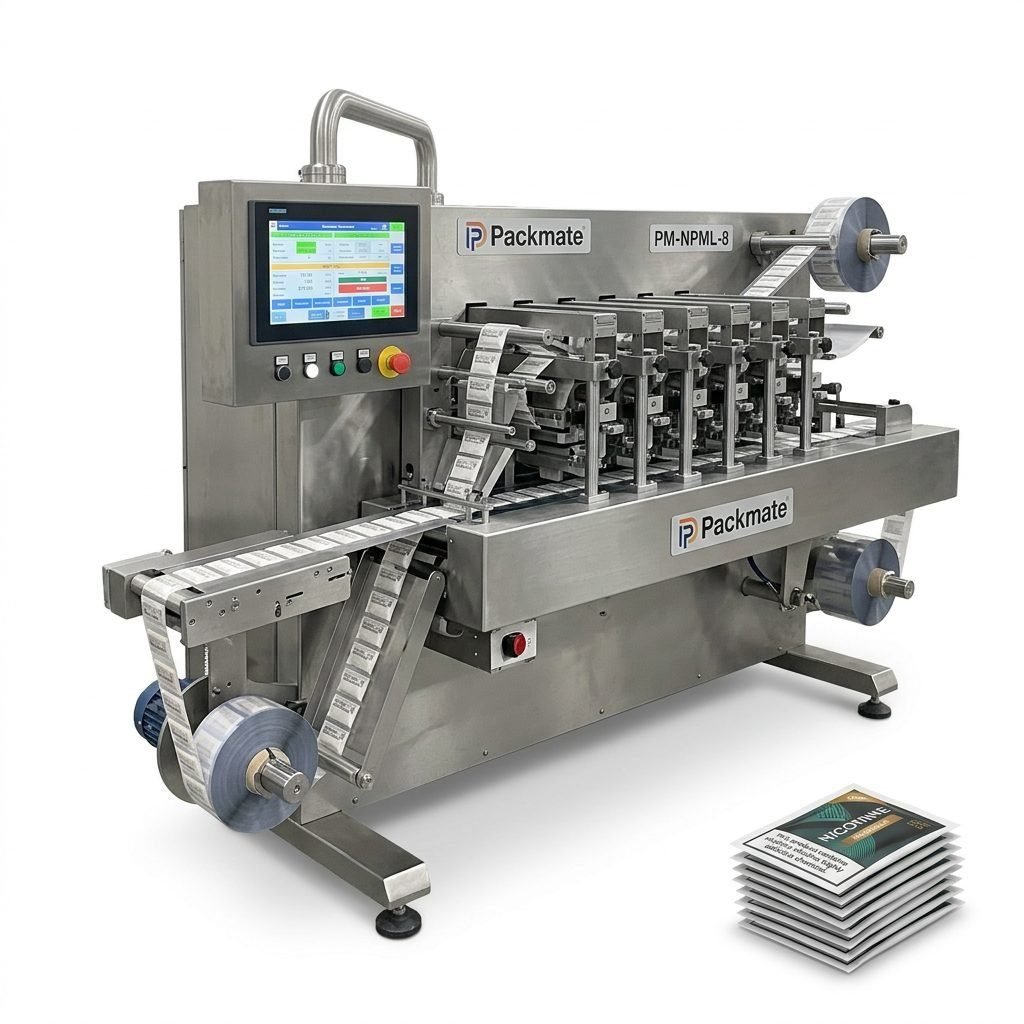
• Snus & Nicotine Pouch Machines – specialized for low-dose pouches with stringent dosing accuracy.
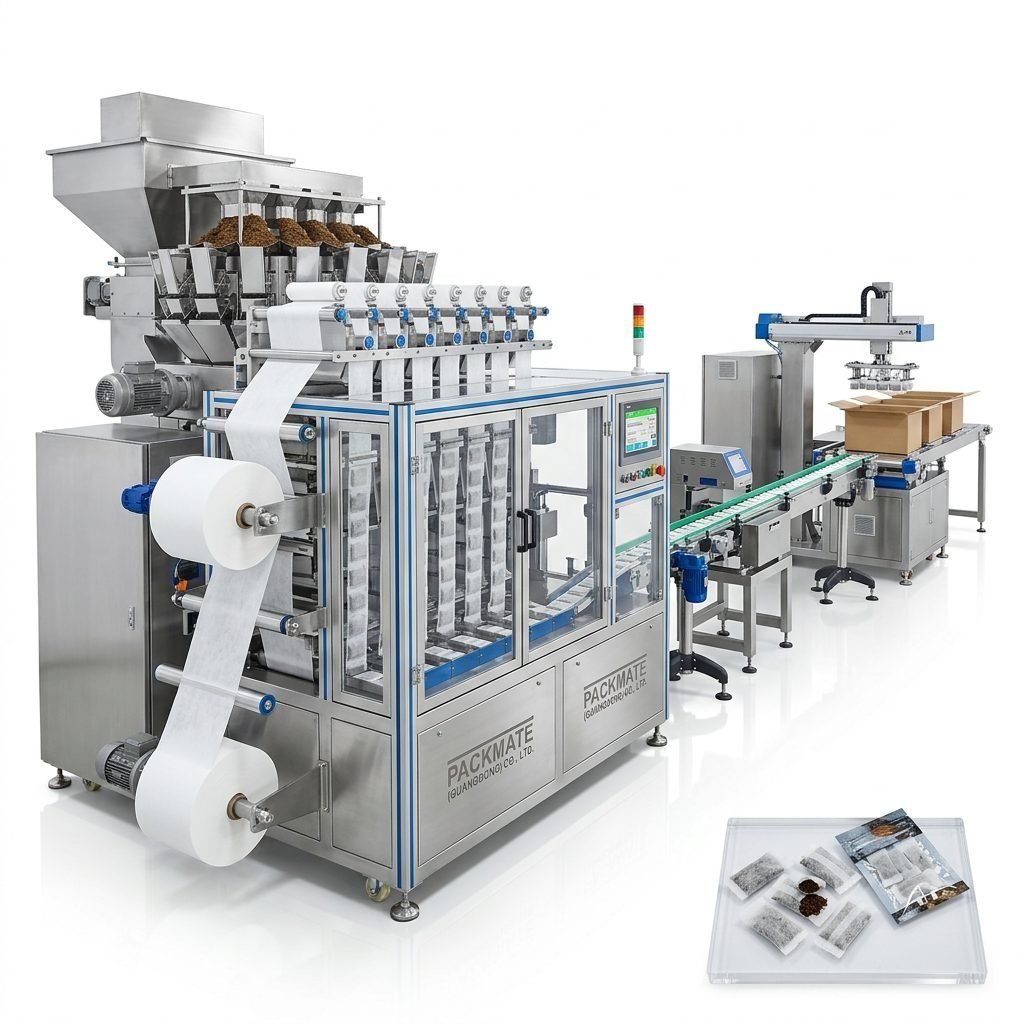
• Filling & Packaging Lines – integrated systems combining dosing, forming, sealing, and secondary packaging.
For detailed product references, review manufacturer product pages such as Snus & Nicotine Packaging Machines and Sachet & Stick Pack Machines.
Check Manufacturer Credentials & Experience 🏭
A manufacturer’s track record gives insight into their capability to deliver reliable machines. Look for:
• Years of industry experience and a history of innovation.
• A wide range of machine models and customization options.
• Case studies or references from similar projects.
Packmate Snus Machine, for example, offers 30+ years of engineering expertise and 50+ machine models across multiple packaging lines — a useful benchmark when assessing suppliers. Learn more About Packmate.
Factory & Manufacturing Strength Matters 🔧
Inspect or request evidence of the manufacturer’s production capabilities: CNC machining centers, precision assembly lines, quality testing labs, and clean assembly areas. A well-equipped facility reduces lead times and ensures consistent machine quality.
If possible, visit the factory or request virtual tours and detailed photos. Verify the ability to produce spare parts and perform in-house testing before shipping. Manufacturers with larger factory floors and advanced CNC equipment usually handle customization better and support long-term spare part supply.
Certifications & Regulatory Compliance ✅
Certifications like CE and ISO demonstrate that equipment meets international safety and quality standards. For products destined for regulated markets, ensure the machine and the manufacturer comply with the necessary certifications and documentation practices.
Confirm certificate validity, scope, and whether the supplier can assist with performance qualification and documentation for regulatory audits. See examples on the manufacturer’s compliance pages such as Certificate.
Customization & Turnkey Solutions 🧩
Your production may require bespoke features: special dosing heads, custom sealing parameters, integrated secondary packaging, or unique control interfaces. Evaluate the supplier’s ability to provide turnkey packaging lines that integrate weighing, filling, forming, and final boxing. A vendor that offers full-line integration minimizes compatibility issues and reduces ramp-up time.
Check case studies to validate turnkey delivery and performance. Useful resources include Filling & Packaging Lines and Case pages for real-world examples.
After-Sales Support & Spare Parts 🔁
After-sales support is a decisive factor. Machines require commissioning, calibration, and sometimes onsite training for operators. Confirm the manufacturer’s policies on:
• Warranty terms and response times for technical issues.
• Availability and delivery speed of spare parts.
• Remote support, training materials, and on-site commissioning services.
A strong local or regional service network in South America — or direct, proactive support from the manufacturer — reduces downtime and protects your investment.
Evaluate Total Cost of Ownership (TCO) & ROI 💰
Price is only one part of the decision. Factor in installation costs, operator training, spare parts, planned maintenance, energy consumption, and production yield. A slightly higher upfront cost may pay off through superior uptime, lower waste, and higher throughput. Request case-based ROI calculations and references for similar production scenarios.
Inspection, Testing & Factory Acceptance Tests (FAT) 🔬
Insist on FAT or witnessed factory testing before shipment. FAT should simulate your product and packaging conditions to validate performance guarantees. Testing checkpoints include sealing integrity, dose accuracy, speed consistency, and electrical/mechanical safety checks.
Proper FAT reduces unexpected site commissioning issues and accelerates production start-up.
References, Testimonials & Exhibition Presence 🌍
References and customer testimonials indicate real-world performance and the vendor’s ability to meet commitments. Additionally, manufacturers that exhibit at major international trade shows demonstrate transparency and confidence in their technology. Check manufacturer exhibition pages and customer feedback for assurance — for example, review the Our Exhibition and Service information.
Practical Selection Checklist ✔️
• Confirm machine compatibility with your product and packaging film.
• Verify throughput and dosing accuracy under realistic conditions.
• Review certifications and FAT documentation.
• Check warranty terms and spare parts availability.
• Ask for references and, if possible, visit a customer site or factory demo.
Use this checklist when requesting quotes to ensure apples-to-apples comparisons.
Negotiation Tips & Contract Essentials 📝
When you shortlist manufacturers, seek detailed proposals that include delivery timelines, installation scope, training, acceptance criteria, performance guarantees, and penalties for missed milestones. Negotiate spare parts kits, an extended warranty period, and a support SLA if possible. Clear contractual terms reduce ambiguity at project execution.
Local Support & Logistics in Paraguay 🇵🇾
Consider logistics and local support capabilities. A manufacturer with local partners, established logistics channels, or experience shipping to Paraguay will simplify customs procedures and reduce lead times. Discuss installation location constraints, power specifications, and environmental controls required for optimal machine performance.
Final Decision: Balancing Risk and Opportunity ⚖️
Your final choice should balance technical fit, supplier reliability, total cost of ownership, and after-sales support. Opt for a manufacturer that communicates transparently, demonstrates technical competence, and has proven capability delivering similar systems globally. If you want to get in touch with the manufacturer for detailed proposals, explore Contact Us or review product lines such as Bag & Pouch Packaging Machines.
Quick summary
• Define production needs precisely.
• Evaluate machine type and accuracy requirements.
• Inspect manufacturer credentials, factory strength, and certifications.
• Prioritize robust after-sales support and spare parts availability.
• Use FAT and references to validate performance before purchase.
Making an informed choice minimizes risk and positions your snus production for reliable, scalable success.
Common Questions (FAQs)
Q1: How long does it typically take to commission a snus packaging line?
A1: Commissioning timelines vary depending on system complexity and customization, but typical lead times range from 8 to 20 weeks for production machines, plus 1–3 weeks for onsite installation and validation.
Q2: What are the most important certifications to verify for export and regulatory acceptance?
A2: CE and ISO are key for international markets. Additionally, review any region-specific documentation and hygiene standards relevant to nicotine or food-contact equipment.
Q3: Can machines be customized for specific pouch materials and sizes?
A3: Yes. Reputable manufacturers provide customization options for sealing jaws, forming tools, dosing systems, and control software to match film types, pouch sizes, and production speeds.
Q4: What ongoing support should I expect after purchase?
A4: Expect warranty coverage, spare parts availability, remote troubleshooting, and optional onsite maintenance packages. Verify SLA response times and local partner availability if possible.
Q5: How can I validate a manufacturer’s claims about throughput and accuracy?
A5: Request FAT with your specific product, check independent customer references, and, if feasible, witness a live demo or visit an installed site to see real-life operation.