Choosing the right snus packaging machinery supplier in Oceania is a strategic decision that affects production efficiency, regulatory compliance, and long-term profitability. This guide helps brand owners, contract manufacturers, and packaging engineers make an informed choice by outlining essential selection criteria, regional considerations for Australia, New Zealand and Pacific island markets, and practical steps to evaluate suppliers and machinery.
Understanding the Oceania Market and Local Customs
Oceania covers a diverse region. Australia and New Zealand are highly developed markets with strict health and import regulations. Pacific island nations have smaller, community-driven markets where simplicity, reliability, and serviceability are often more valuable than ultra-high-speed automation. In Australia, nicotine products are tightly regulated — many businesses prefer suppliers who can advise on compliant packaging solutions and provide machines compatible with controlled distribution workflows. New Zealand tends to be more permissive about nicotine product sales and innovation, so rapid prototyping and modular machines make sense there.
Quick regional tips
🔍 Australia: prioritize legal compliance, documentation, and tamper-evident packaging options.
🔍 New Zealand: flexible on innovation — look for modular, upgradeable lines.
🔍 Pacific Islands: choose simple, robust machines with easy spare-part access and local training.
Key Criteria When Evaluating a Snus Packaging Machinery Supplier
Not all suppliers are equal. Focus on technical competence, proven field performance, documentation and after-sales support. Below are the critical selection criteria to compare suppliers objectively.
1. Product Range & Technology Fit
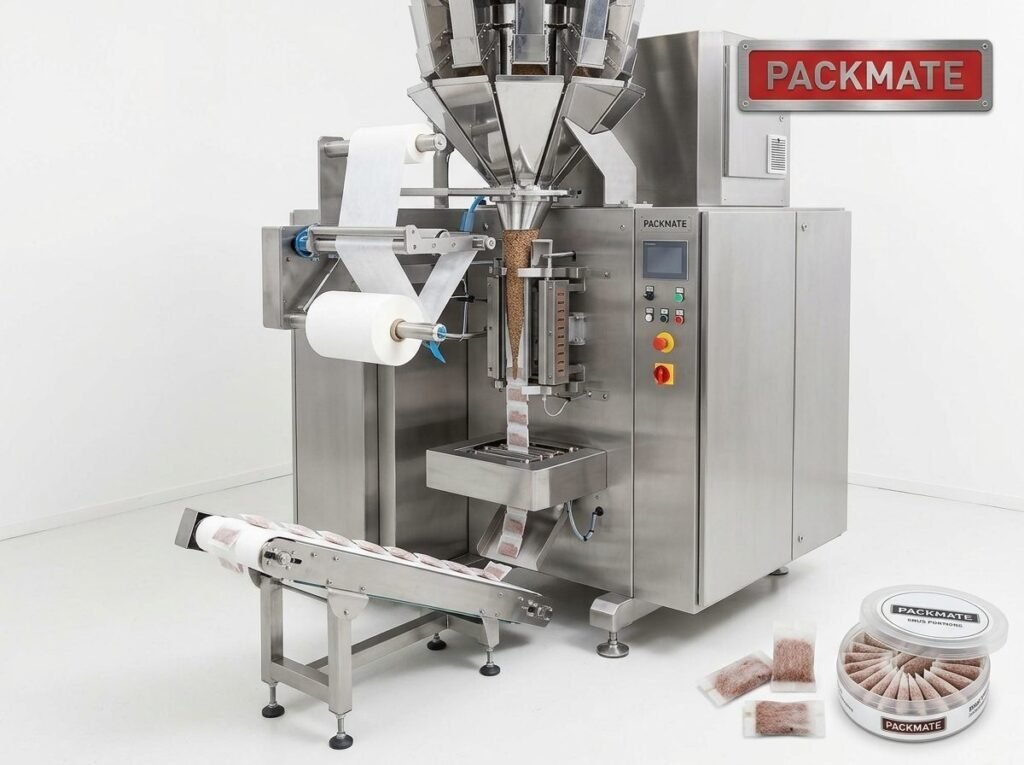
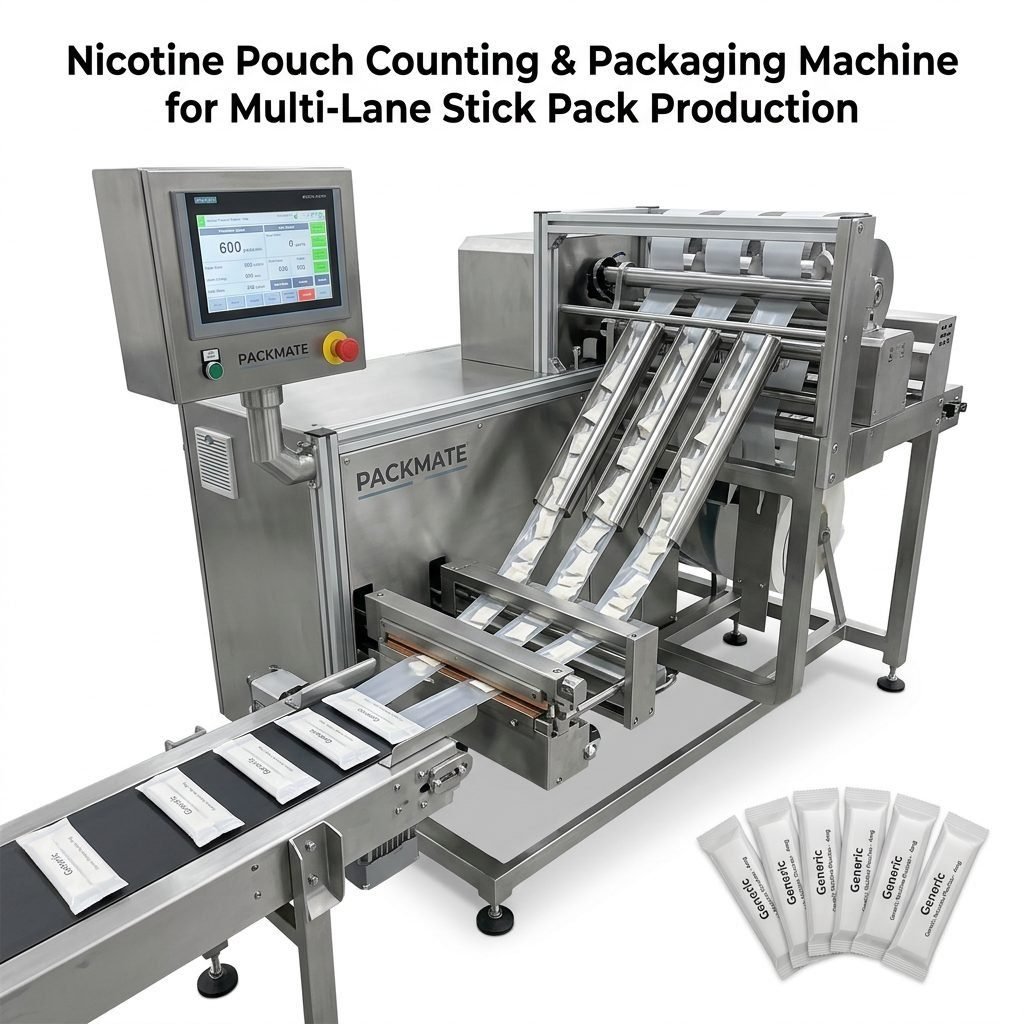
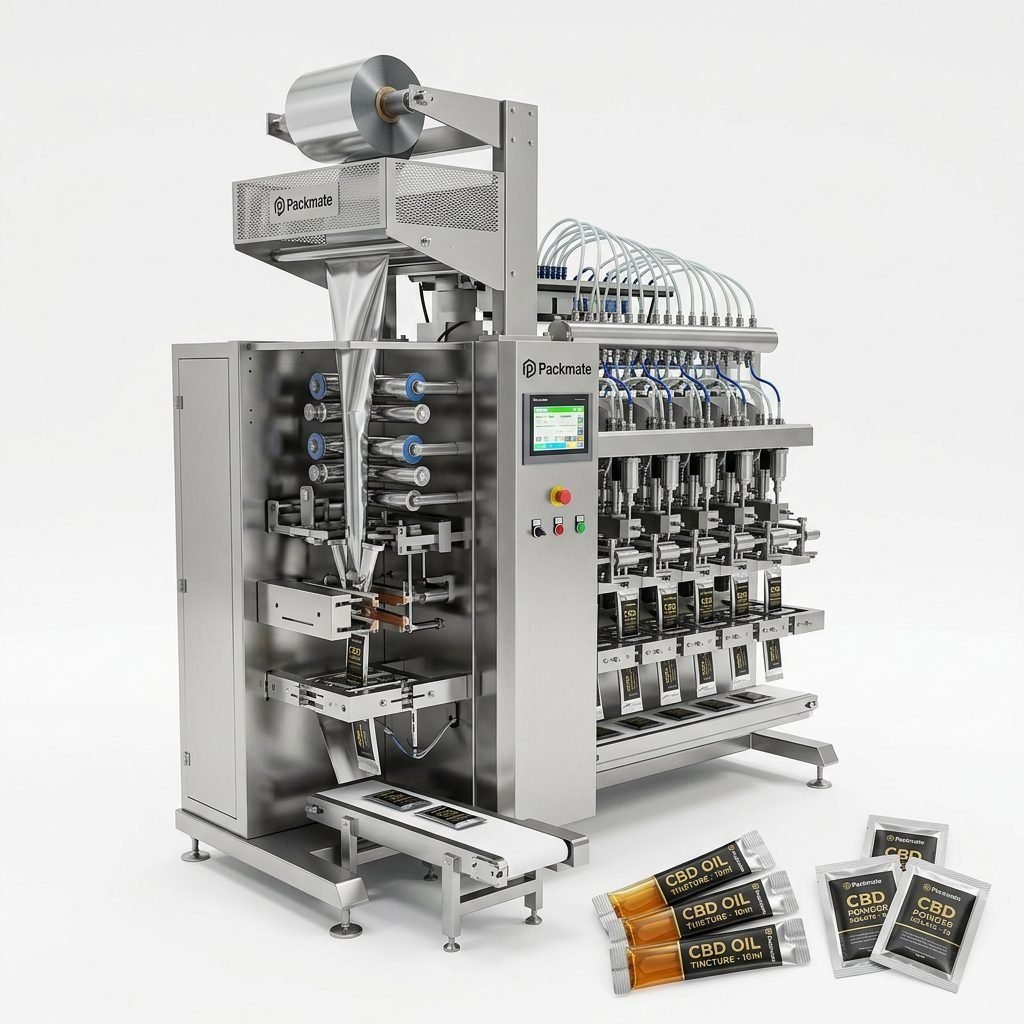
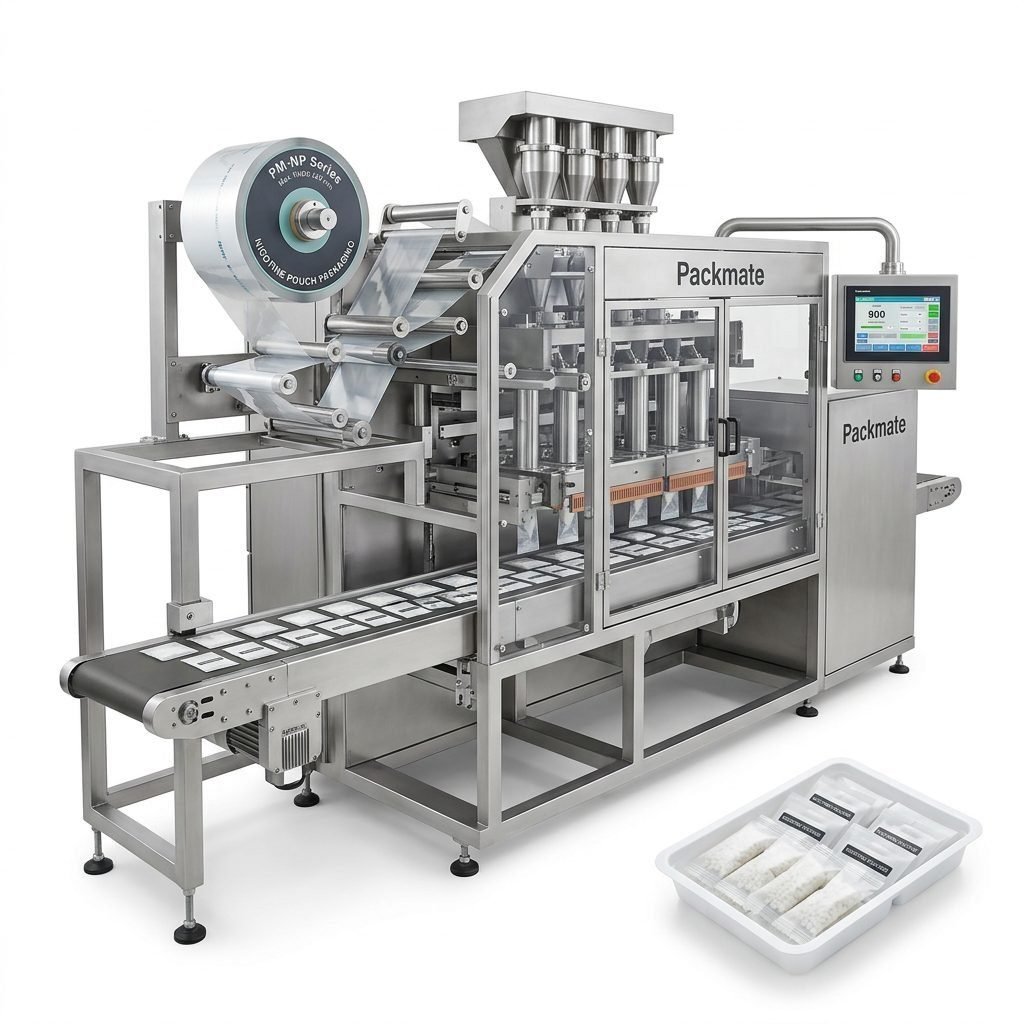
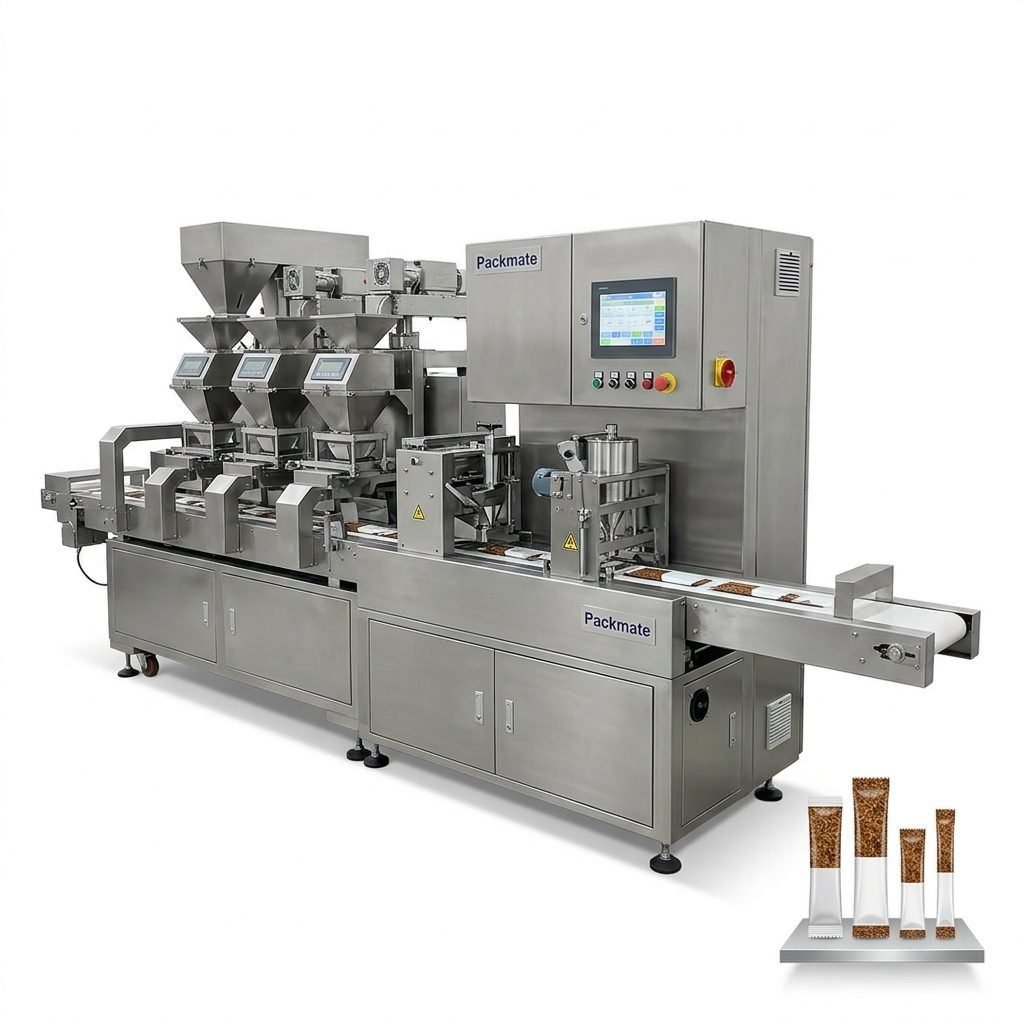
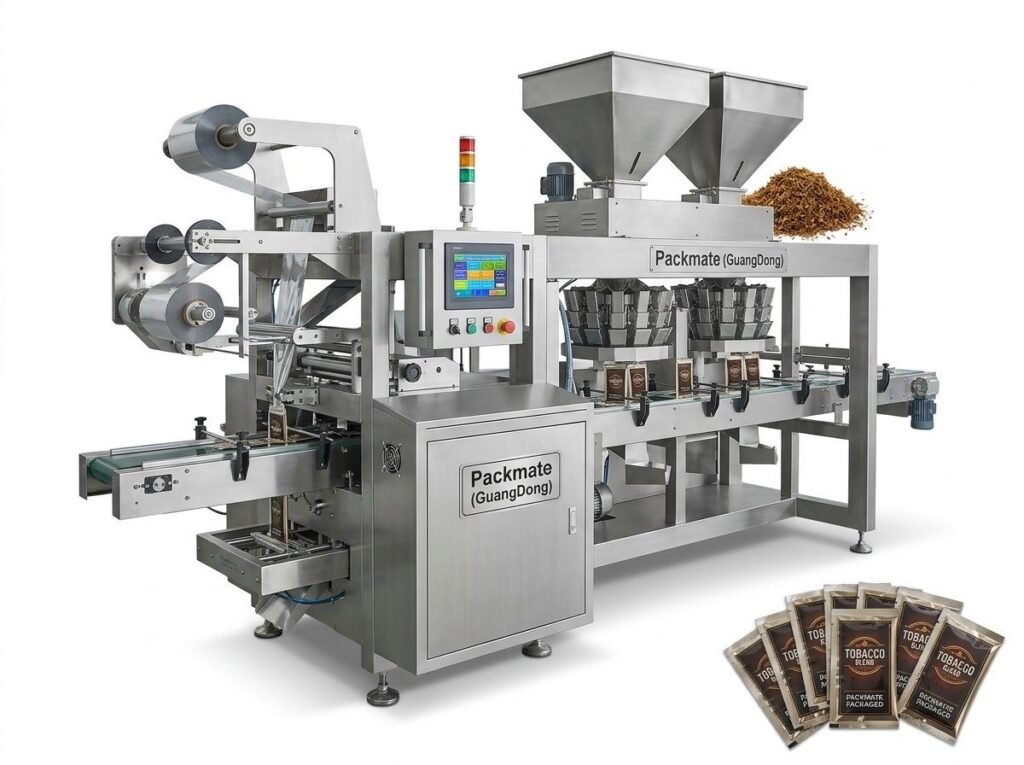
Look for suppliers offering machines specifically designed for nicotine pouches and snus, such as multi-lane stick pack, sachet, and small-dose pouch systems. A broad product range enables you to scale or switch formats without replacing your entire line. For reference, suppliers like Packmate provide a suite of options across Snus & Nicotine Packaging Machines.
2. Compliance, Certifications & Documentation
Ensure machines meet international standards (CE, ISO) and that the supplier provides full technical files, risk assessments, electrical schematics, and validation support. Suppliers who document traceability and material certificates will make customs clearance and regulatory audits much simpler.
3. Build Quality & Manufacturing Capacity
Factory capacity and machining capabilities impact lead times and consistency. A supplier with advanced CNC centers, precision assembly lines, and a large facility (for example, a 20,000㎡ plant) often delivers better-built machines and faster customization.
Why factory scale matters
✔ A well-equipped factory typically means shorter lead times, stable spare-part availability, and greater capacity for custom modifications.
4. After-Sales Service & Spare Parts
For Oceania customers, reliable service networks and timely spare parts delivery are crucial. Check whether the supplier offers remote diagnostics, training, commissioning support, and local or regional stock of critical components. Suppliers offering long-term service contracts reduce downtime risk.
5. Customization & Turnkey Solutions
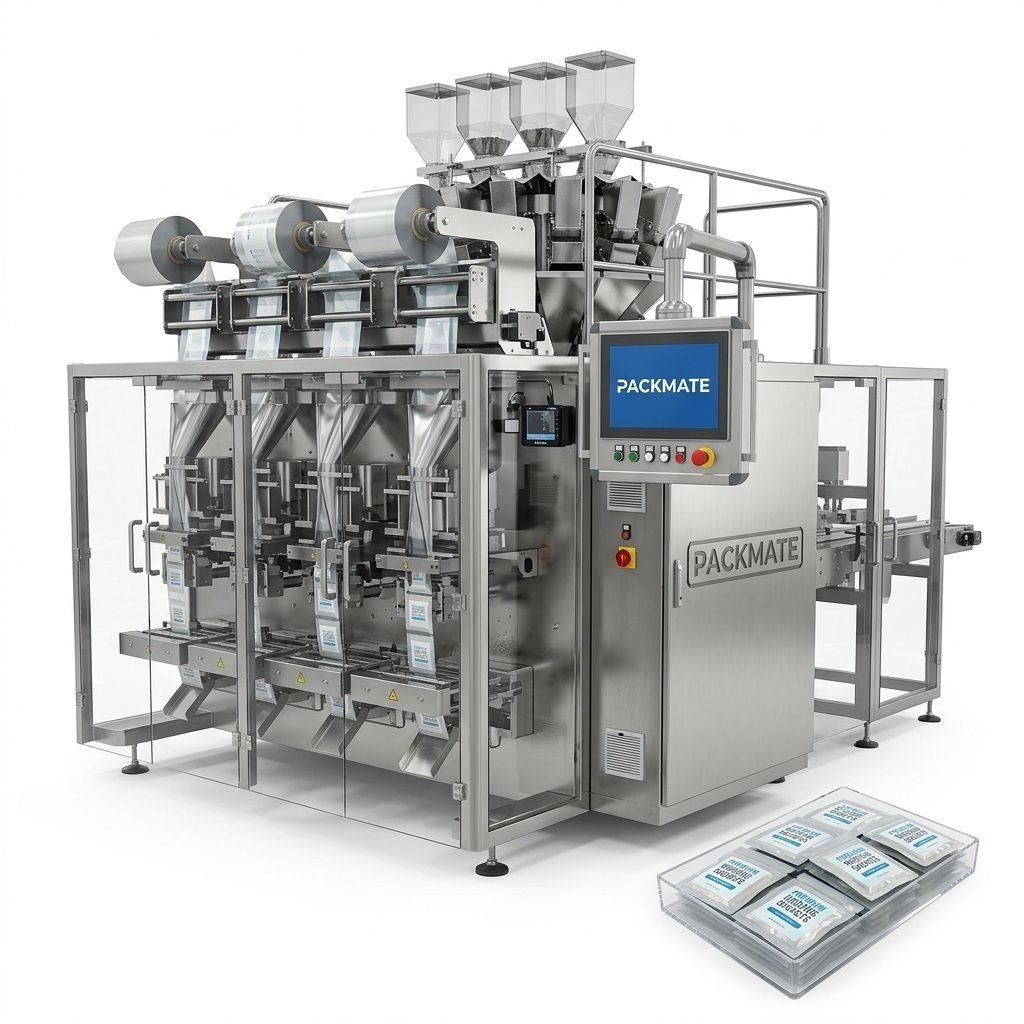
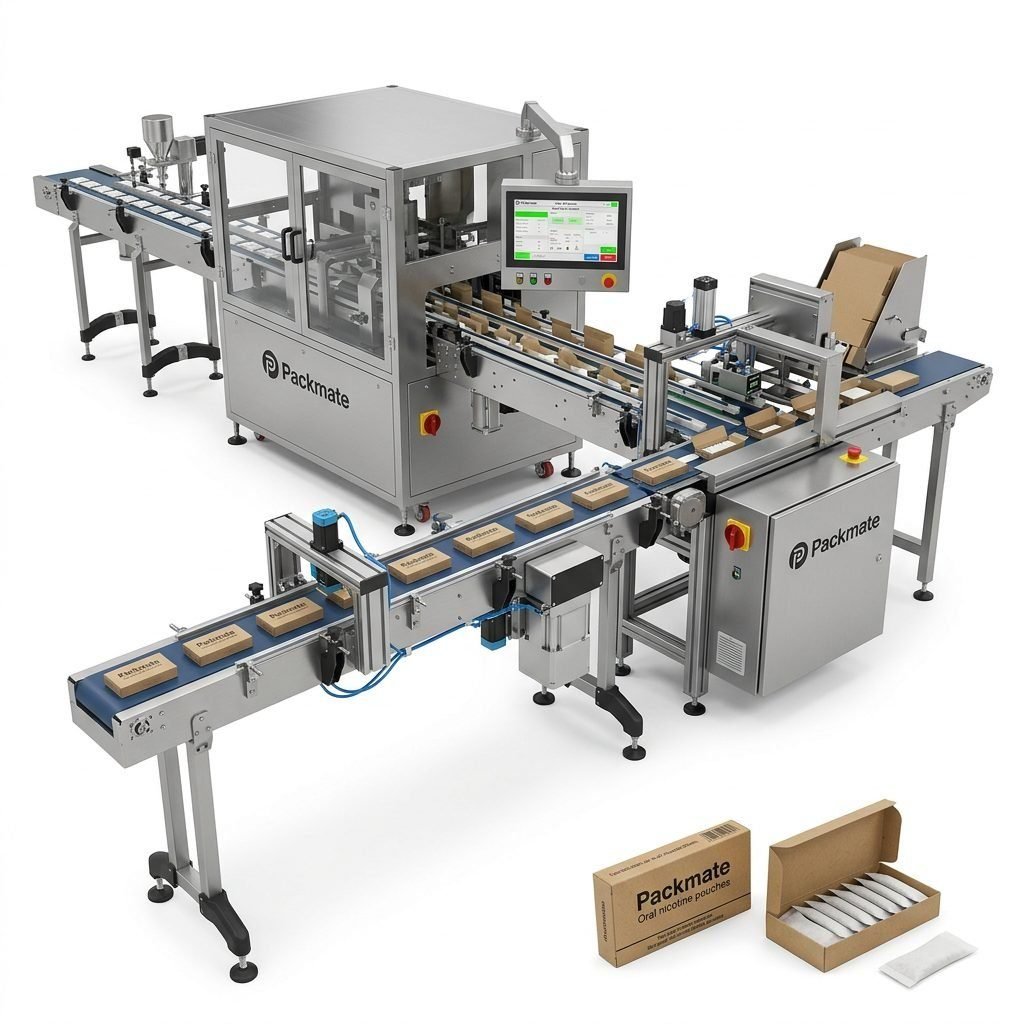
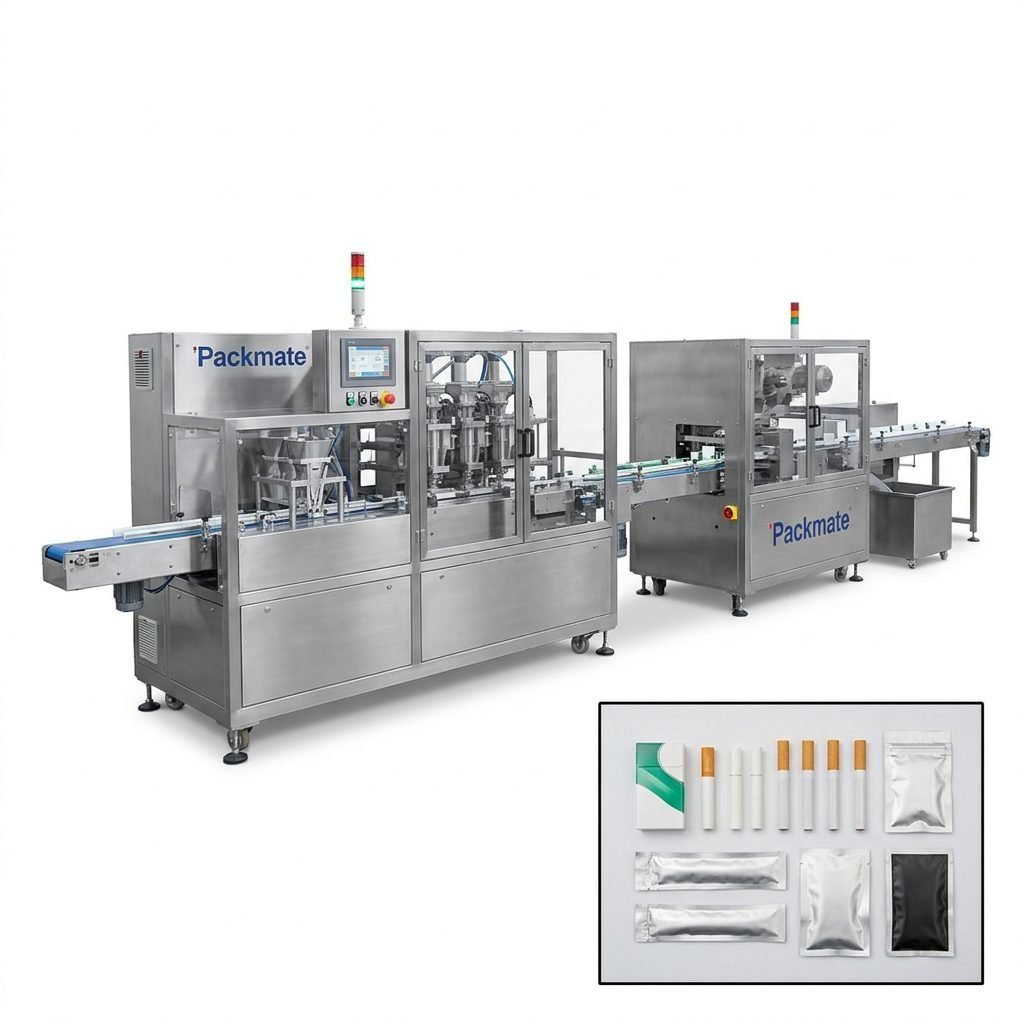
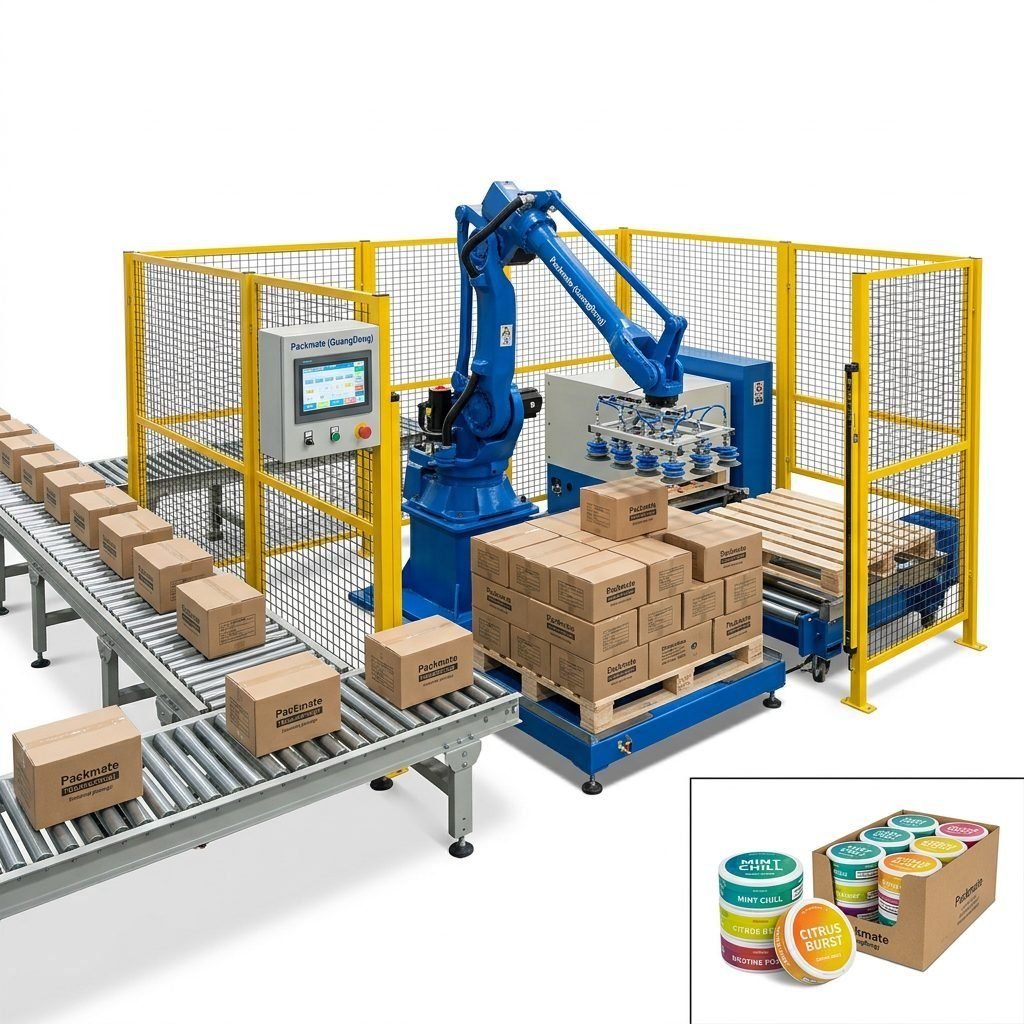
Many businesses need custom feed systems, multi-lane configurations, or integrated weight-checking and case-packing. A good supplier will provide turnkey solutions: from filling and sealing to labeling and final packing. Explore offerings like modular filling & packaging lines and weighing systems to match your production goals (Filling & Packaging Lines, Weighing & Packaging Systems).
Practical Steps to Vet a Supplier
Use a methodical approach: shortlist, verify claims, visit (or virtually tour), request references, and run FAT/SAT (Factory Acceptance Test / Site Acceptance Test).
Step 1 — Shortlist Based on Fit
Identify suppliers who already produce machines for nicotine pouches. Their experience reduces the ramp-up time and helps avoid common mistakes like incorrect pouch dosing or unsuitable sealing technologies.
Step 2 — Verify Certifications & Factory Capacity
Ask for certificates, factory photos, equipment lists, and sample machine run videos. Reliable suppliers show evidence of CE/ISO compliance and can provide a manufacturing tour or virtual walkthrough.
Step 3 — Request References & Case Studies
Customer references and case studies reveal real-world performance. Check for projects in similar climates or regulatory landscapes — for instance, suppliers with cases across Europe and Asia often adapt well to Oceania requirements (Case).
Cost vs. Value: What to Compare
The lowest purchase price rarely equals the best value. Compare total cost of ownership (TCO): purchase price, installation, spare parts, consumables, training, energy consumption, expected uptime, and potential resale value.
TCO Checklist
▶ Purchase price and payment terms
▶ Lead time and delivery logistics to Oceania ports
▶ Installation, validation, and training costs
▶ Local spare-part availability and shipping time
▶ Expected energy and maintenance costs per year
Logistics, Import & Local Support Considerations for Oceania
Shipping heavy machinery across the Pacific can be costly and slow. Work with a supplier experienced in Oceania exports, able to handle customs documentation, freight forwarding, and local installation coordination. Confirm whether they provide CIF or FOB pricing and whether they have local partners for quicker after-sales response.
Packaging for Sensitive Components
Machines shipped long distances should be protected against humidity and vibration. Ask about desiccants, sealed crates, and shock monitoring during transit.
Service Contracts, Training & Remote Support
Reliable training and service support ensure your line runs smoothly. Verify training scope (operator, maintenance, electrical), language support, and availability of remote diagnostics. Some suppliers provide subscription-based remote monitoring that reduces onsite visits.
Common Machine Features to Prioritize
Prioritize features that increase yield and reduce labor:
- Multi-lane capability for small-dose pouches
- High-precision dosing modules for powder and granular fillers
- Automatic weight check and rejection systems
- Quick-change tooling for format swaps
- HMI with recipe storage and remote connectivity
Risk Management & Warranty
Check warranty duration and coverage, mean time between failures (MTBF) data, and what constitutes wear vs. failure. A clear SLA for response times and spare-part dispatch to Oceania ports will minimize production risks.
Negotiation levers
⚡ Ask for bundled services: commissioning + one-year spare parts kit + training at a package price. Suppliers often provide favorable terms to close turnkey deals (About Packmate).
Why Packmate-Type Suppliers Are Worth Considering (What to Look For)
Suppliers with decades of experience, a range of snus-specific machines, and a large manufacturing facility can offer the engineering maturity you need. Evaluate case histories, international certifications, and multi-lane solutions tailored to nicotine pouch production. Visit supplier exhibition pages or request live demos to see machines running comparable products (Our Exhibition).
Real-world checklist before signing
– Confirm technical specs in writing (speed, yield, power).
– Insist on FAT to witness performance with your materials.
– Lock in spare-part pricing and lead-times.
– Secure training dates and language support.
– Verify warranty, maintenance plan, and escalation path.
Making the Final Decision: Prioritize Long-Term Partnership
The best supplier is more than a manufacturer — they are a partner. Seek a supplier who understands your product roadmap, can scale with you, offers clear documentation, and has proven delivery capability to Oceania. A supplier that provides turnkey solutions, training and effective after-sales service reduces operational risk and accelerates time-to-market.
Final selection highlights
✅ Choose experience and proven designs for nicotine pouches.
✅ Prioritize regulatory documentation and certifications.
✅ Verify spare-part logistics and local service options.
✅ Use FAT/SAT to validate supplier claims before purchase.
Further Resources & How to Contact Suppliers
For detailed product catalogs and direct contact information, review supplier product pages and service offerings. Trusted suppliers usually list product families, catalogs, and contact channels for sales and service (Catalog, Contact Us).
Conclusion
Selecting a snus packaging machinery supplier for Oceania requires balancing technical fit, regulatory compliance, and reliable after-sales support. Focus on suppliers with proven nicotine pouch experience, clear certifications, strong factory capabilities, and a practical plan for servicing the Oceania region. Use FAT/SAT and references to confirm performance and always factor total cost of ownership into your decision.
Frequently Asked Questions
Q1: Are nicotine pouch machines legal to import into Australia and New Zealand?
A: Regulations differ by country. New Zealand tends to be more permissive for nicotine products, while Australia has strict controls. Always check local laws and ensure your supplier provides necessary compliance documentation and labelling support.
Q2: How long is the typical lead time for multi-lane snus packaging machines?
A: Lead times vary by complexity and customization. Standard machines may ship in a few months; fully customized turnkey lines often take longer. Choose suppliers with transparent production timelines and the ability to perform FAT.
Q3: What level of local service should I expect in Oceania?
A: Expect remote support, scheduled onsite commissioning, and spare parts shipped from regional warehouses or directly from the factory. Confirm response SLAs and whether local partners handle emergency repairs.
Q4: Can I upgrade a machine later to add lanes or features?
A: Many modern machines are modular and can be upgraded. Request upgrade pathways and costs up front to avoid expensive retrofits.
Q5: Where can I see machine demos or request references?
A: Ask the supplier for FAT videos, customer references, and exhibition schedules. Suppliers often demonstrate equipment at international events and maintain case studies online (Case).