Entering the snus and nicotine pouch market in Lebanon means balancing small-batch artisan demand, strict import practices and a preference for elegant, multilingual packaging. Choosing the right snus packaging machinery supplier will determine whether your production runs smoothly, meets local labeling expectations, and adapts to Lebanon’s climate and market scale. The following practical guide walks you through the most important selection criteria, technical considerations, and service expectations so you can pick a supplier that matches your production needs and local realities.
Understand Lebanon’s Market Context and Production Needs
Before evaluating suppliers, define your target market in Lebanon. Many local customers prefer small to medium volumes with strong emphasis on design, bilingual labels (Arabic and English or French), and climate-stable packaging due to the Mediterranean humidity. If you supply neighboring Levant countries, consider differing regulations and consumer preferences. Production scale—from boutique skus to higher-volume runs—will influence whether you need single-lane precision machines or multi-lane automated lines.
Key local considerations
– Arabic labeling and packaging aesthetics are essential for retail acceptance.
– Coastal humidity and temperature shifts require machines and packaging materials that protect product stability.
– Small-scale producers often value rapid changeover, compact footprints, and flexible batch sizes.
Essential Supplier Credentials and Certifications
A reliable supplier should demonstrate long-term industry experience and recognized certifications. Look for companies with CE and ISO compliance, robust factory capabilities, and documented quality-control systems. Suppliers that publish factory tours, certificates, or third-party audits reduce risk and improve confidence in long-term deliveries.
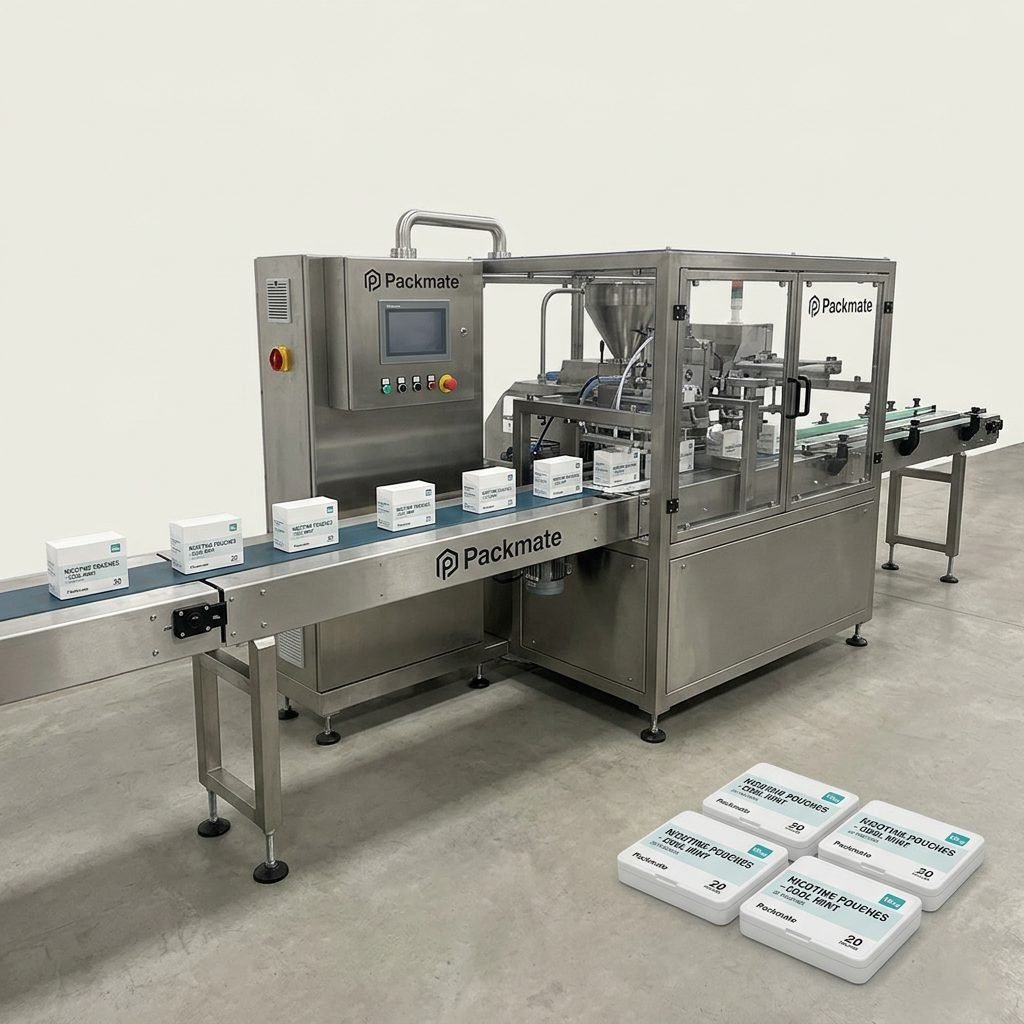
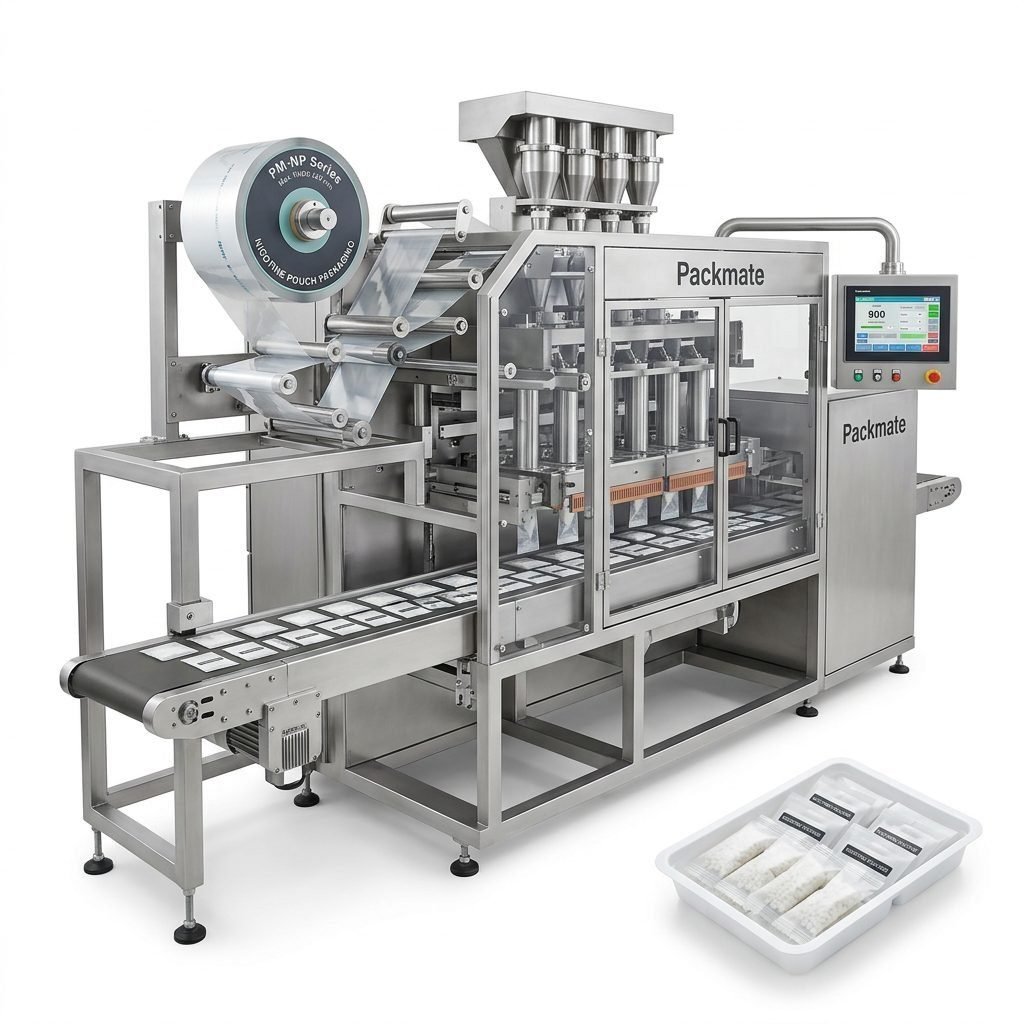
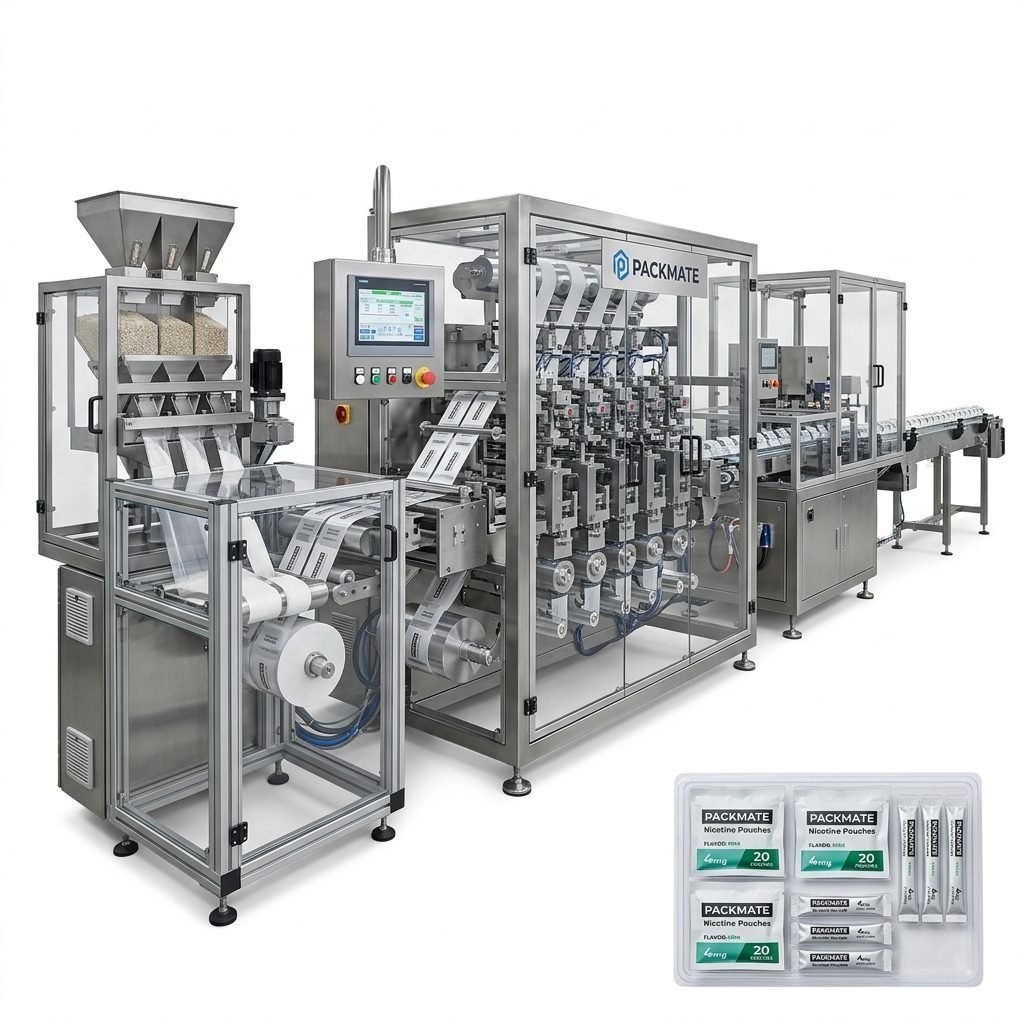
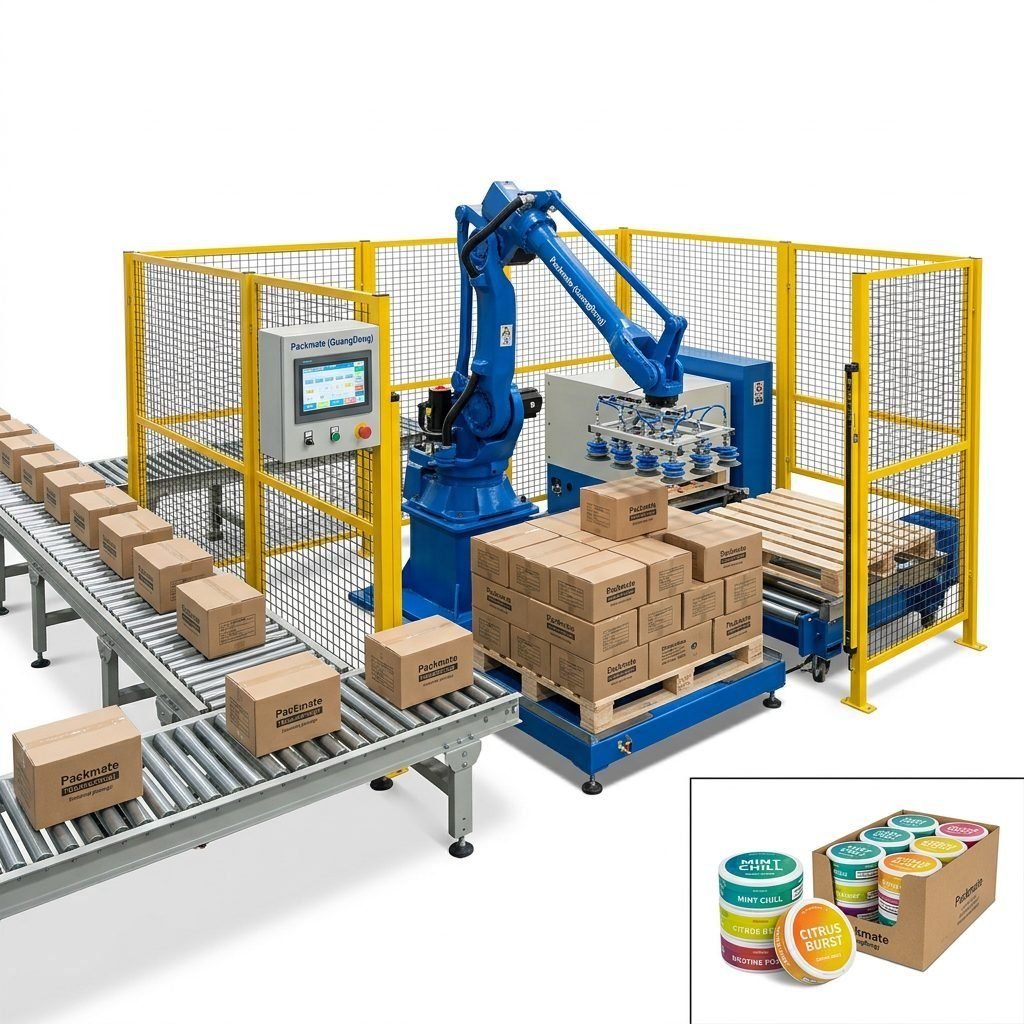
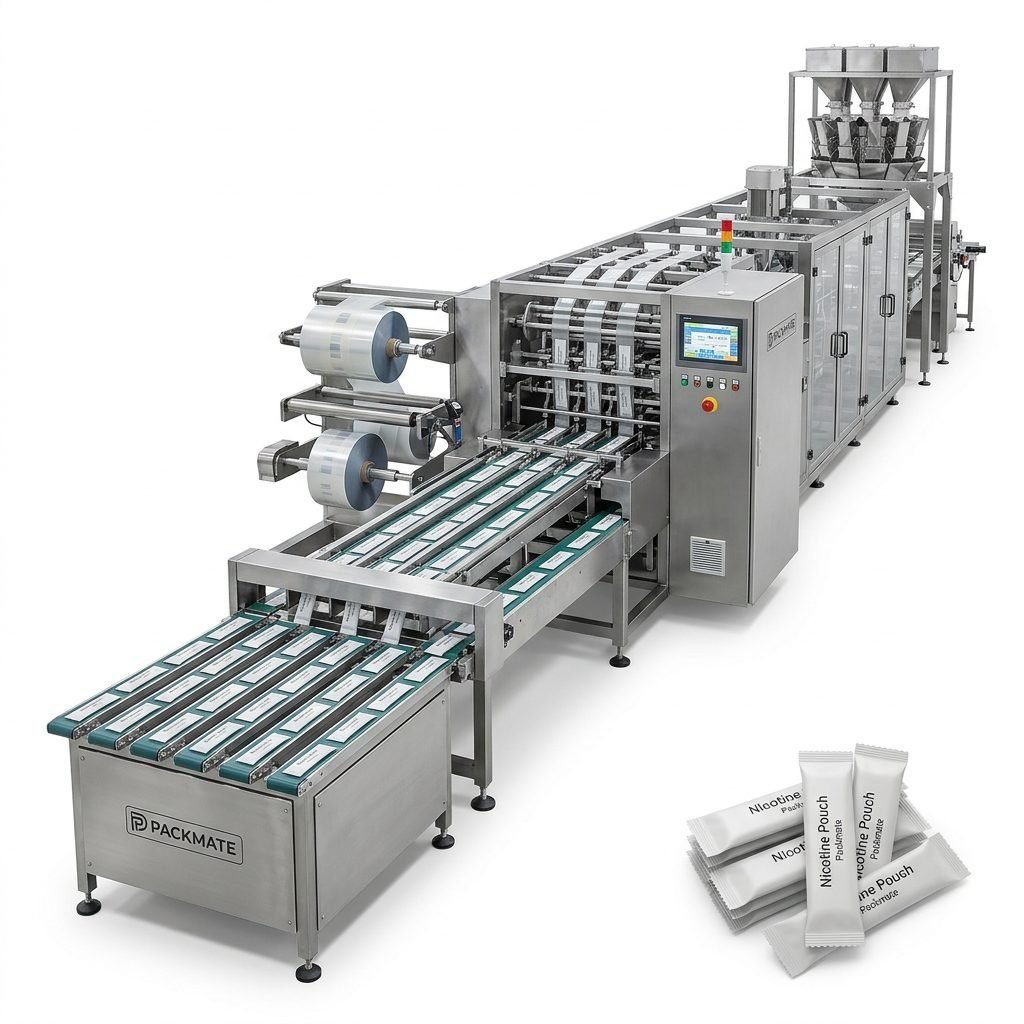
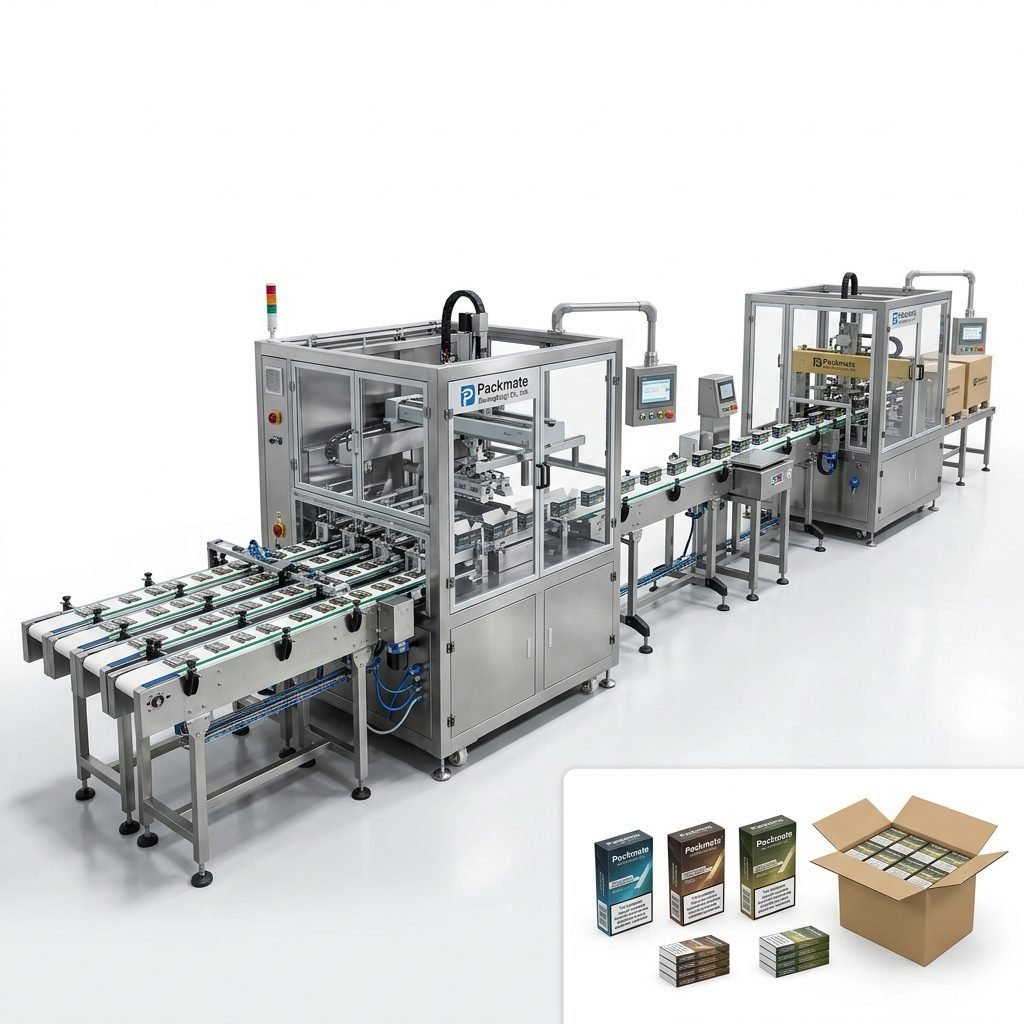
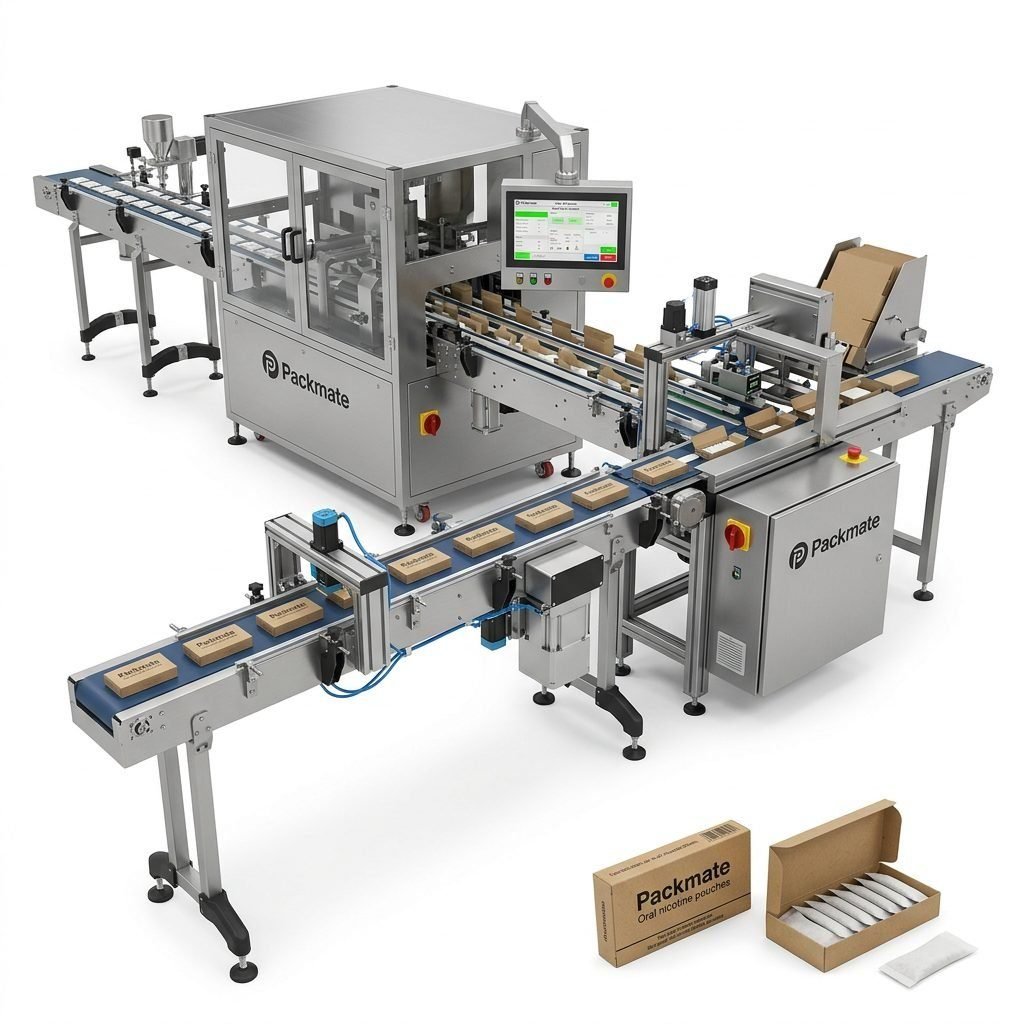
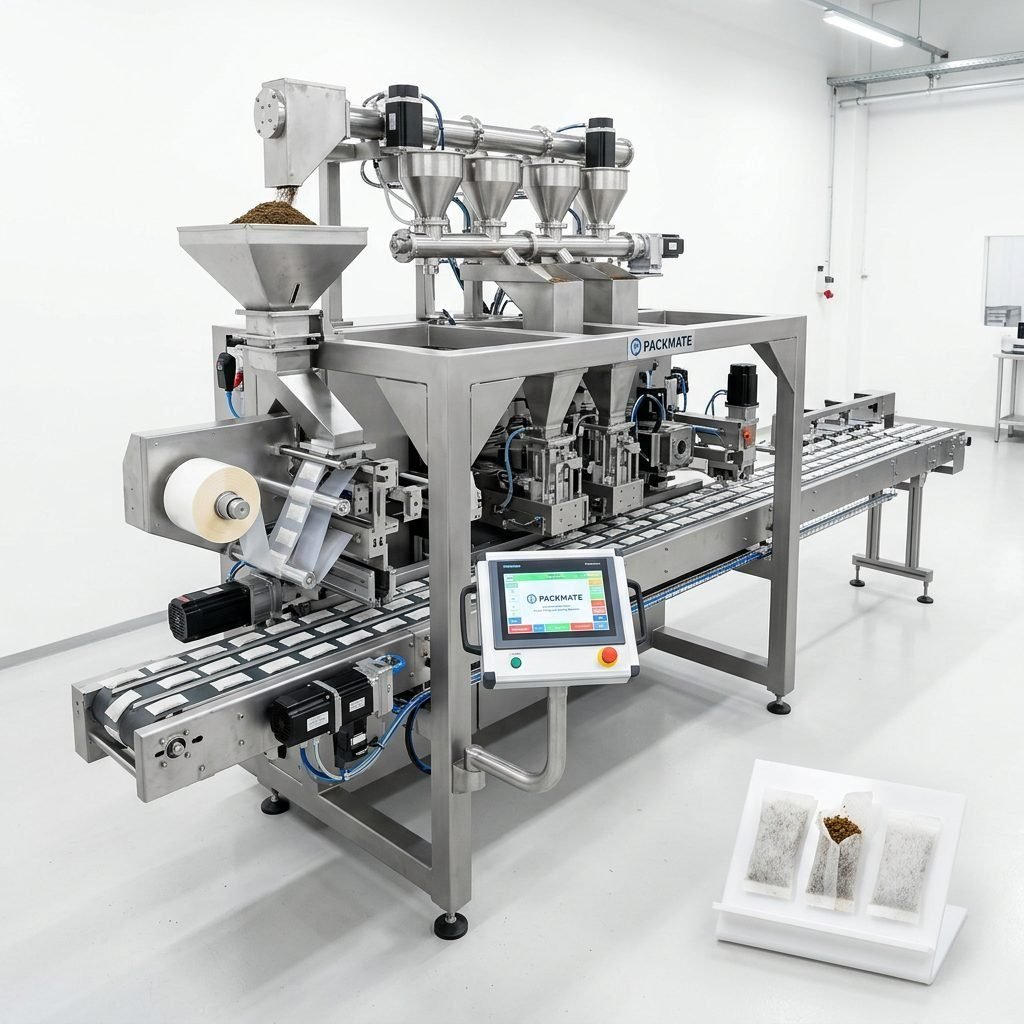
✓ Prefer suppliers who can demonstrate a track record in snus and nicotine pouch lines, not just general packaging equipment. For example, review specialized solutions like Snus & Nicotine Packaging Machines to verify models and case studies.
Technical Features to Evaluate
Choose equipment that matches the product form (pouch, sachet, stick pack), dose accuracy, and desired output speed. Important technical features include:
Filling and dosing accuracy
Small-dose nicotine pouches require high-precision weighing and dosing systems. Look for stable multi-head weighers or auger/volumetric fillers with tight tolerances and low giveaway.
Multi-lane and modular design
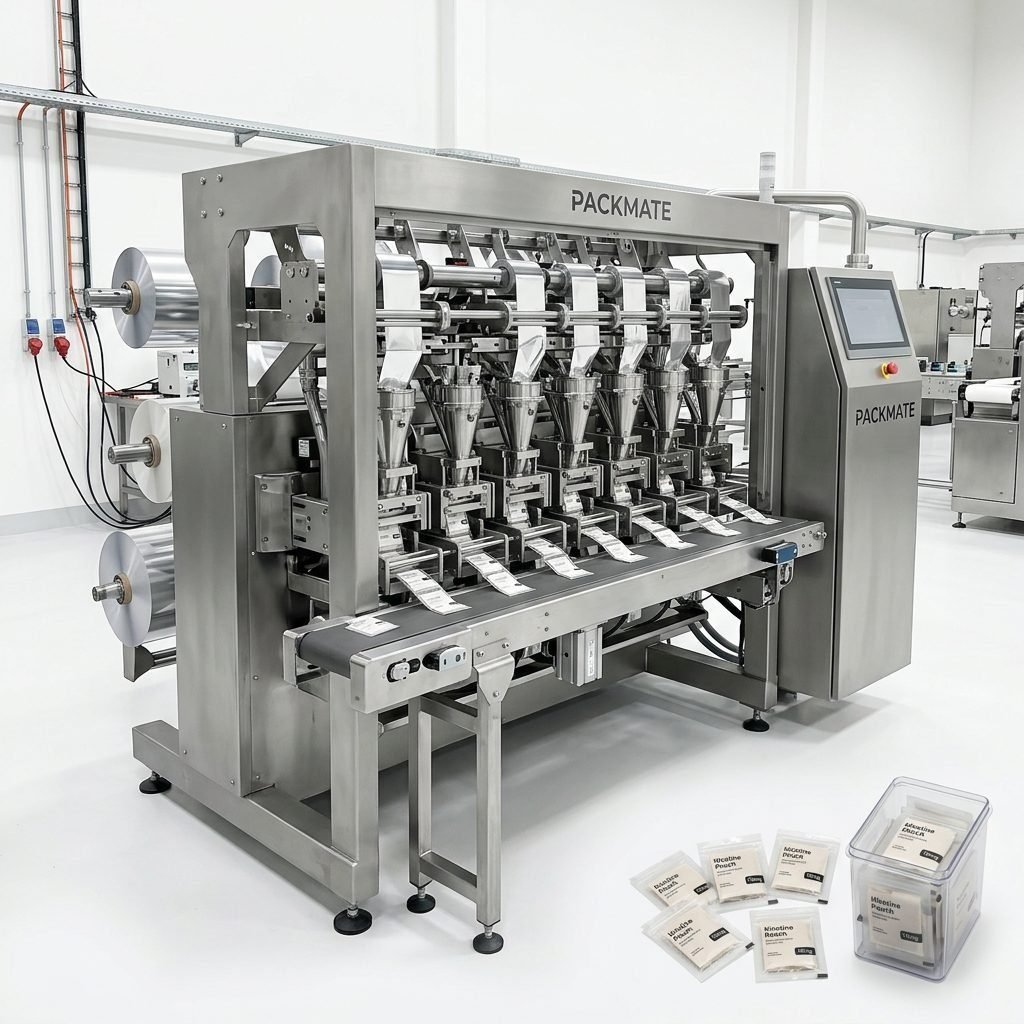
If you anticipate growth, multi-lane machines increase throughput without enlarging footprint. Modular designs allow you to add lanes, infeed or finishing modules later, keeping initial capital lower.
Material and packaging compatibility
Verify compatibility with barrier films, foil-laminates and paper pouches used in Lebanon. Machines should handle heat-seal ranges, cold-seal options, and printing/labeling add-ons for Arabic script.
Evaluate Total Cost of Ownership (TCO), Not Just Purchase Price
The cheapest machine seldom delivers the best long-term value. Consider uptime, spare parts availability, energy consumption, maintenance intervals, and service response times. Suppliers that offer transparent spare-parts lists and local stocking or fast courier options reduce downtime. Ask for lifecycle cost estimates including consumables and predicted mean time between failures.
⚠️ Important: Confirm local voltage compatibility and any necessary electrical or safety conversions for installation in Lebanon.
Service, Support and Training: The Make-or-Break Factors
In markets like Lebanon, proximity to fast technical support and clear training resources is crucial. Prioritize suppliers who provide:
Comprehensive commissioning
On-site startup, training for operators and maintenance staff, and documented SOPs (standard operating procedures) ensure a smooth handover.
Fast spare parts delivery
A supplier with global logistics experience or regional partners shortens lead time for critical parts. Confirm typical parts lead times and whether the supplier keeps a spare-parts kit with each shipment.
Remote support and software updates
Remote diagnostics, PLC program backups and remote training can drastically reduce downtime and travel costs.
Quality, Factory Strength and Customization Capability
A strong manufacturer will have advanced CNC machining, precision assembly lines and a quality control system. If you need custom branding features, unique pouch shapes or special dosing systems, verify the supplier’s customization history and ask for examples from their case portfolio. Review their factory size, workforce and number of models to gauge reliability.
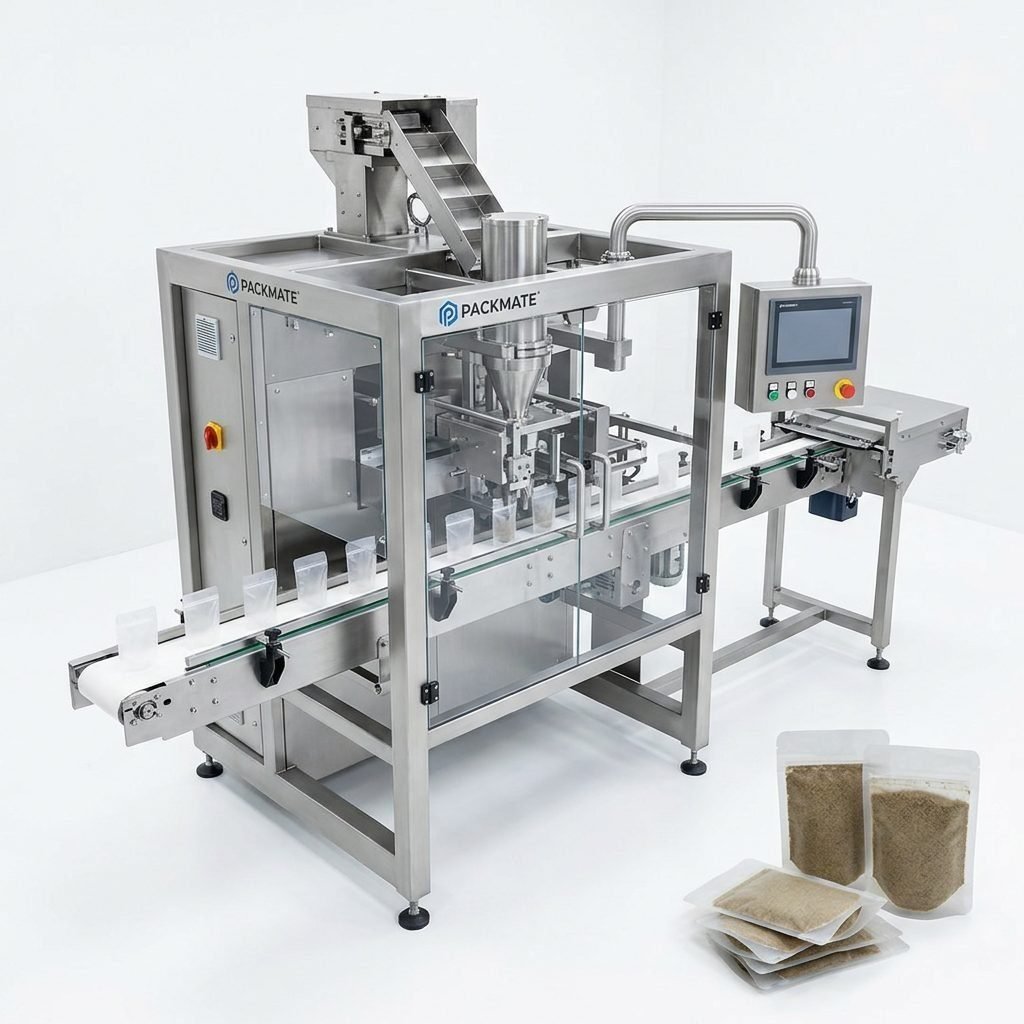
For more detail on factory capabilities and product ranges, explore About Packmate and their range of Bag & Pouch Packaging Machines.
Inspect References, Case Studies and Exhibition Presence
A supplier that participates in global exhibitions and publishes case studies is typically more transparent and experienced. Request client references in similar markets and ask for video demonstrations of the exact model you plan to buy. Visiting a machine in operation—either in the supplier’s demo center or at a customer site—reveals real-world stability and usability.
You can review real-world examples and exhibition history via their Case and Our Exhibition pages to validate performance claims.
Practical Checklist for Supplier Selection
✓ Confirm CE/ISO and compliance documentation.
✓ Verify multi-lane and modular options for scalability.
✓ Check spare-part lead times and local partner availability.
✓ Ask for an onsite trial or video of the exact machine model in production.
✓ Secure clear warranty terms, training, and remote-support arrangements.
Negotiation Tips and Contract Essentials
Negotiate not just price but also delivery milestones, acceptance testing criteria, spare-part kits, and documented training hours. Insist on a factory acceptance test (FAT) before shipment and detailed installation & commissioning (SAT) terms. Include clauses for software backups, PLC code ownership and spare-parts lists with pricing.
Local Installation, Customs and After-Sales Logistics in Lebanon
Coordinate with your freight forwarder and customs broker to manage tariffs, clearance documentation, and temporary import rules. Ask the supplier for HS codes, packing lists and a guide to local installation requirements. If you lack in-country technical staff, consider a supplier offering extended commissioning support or recommending trusted local service partners.
For direct inquiries, technical details and personalized solutions, reach out through Contact Us to arrange a demonstration or discuss turnkey packaging lines like Filling & Packaging Lines.
Final Recommendations
Selecting the best snus packaging machinery supplier for Lebanon requires a combination of technical fit, proven quality, and reliable support. Prioritize suppliers with focused experience in snus and nicotine pouch systems, transparent certifications, and strong after-sales logistics. Evaluate TCO, insist on FAT/SAT procedures, and confirm bilingual packaging capabilities to meet Lebanese market expectations.
Frequently Asked Questions
Q: What machine type is best for small-batch artisanal snus production in Lebanon?
A: For small-batch operations, single-lane or low-count multi-lane modular machines with fast changeover and flexible dosing deliver the best balance of cost and versatility.
Q: How important are certifications like CE/ISO when choosing a supplier?
A: Certifications demonstrate compliance with international safety and quality standards and are essential when importing equipment and ensuring consistent performance and regulatory acceptance.
Q: What after-sales services should I require in the contract?
A: Include commissioning, operator training, spare-parts kits, remote diagnostics, clear warranty terms and agreed response times for critical support.
Q: Can suppliers help with multilingual labeling and packaging design for the Lebanese market?
A: Many specialized suppliers provide or refer to packaging design partners experienced with Arabic script, bilingual labeling and barrier material recommendations—ask for references.
Q: Where can I see proven snus packaging solutions and case studies?
A: Review product and case pages to evaluate real installations and machine models; for example, explore Snus & Nicotine Packaging Machines and Case to compare options.