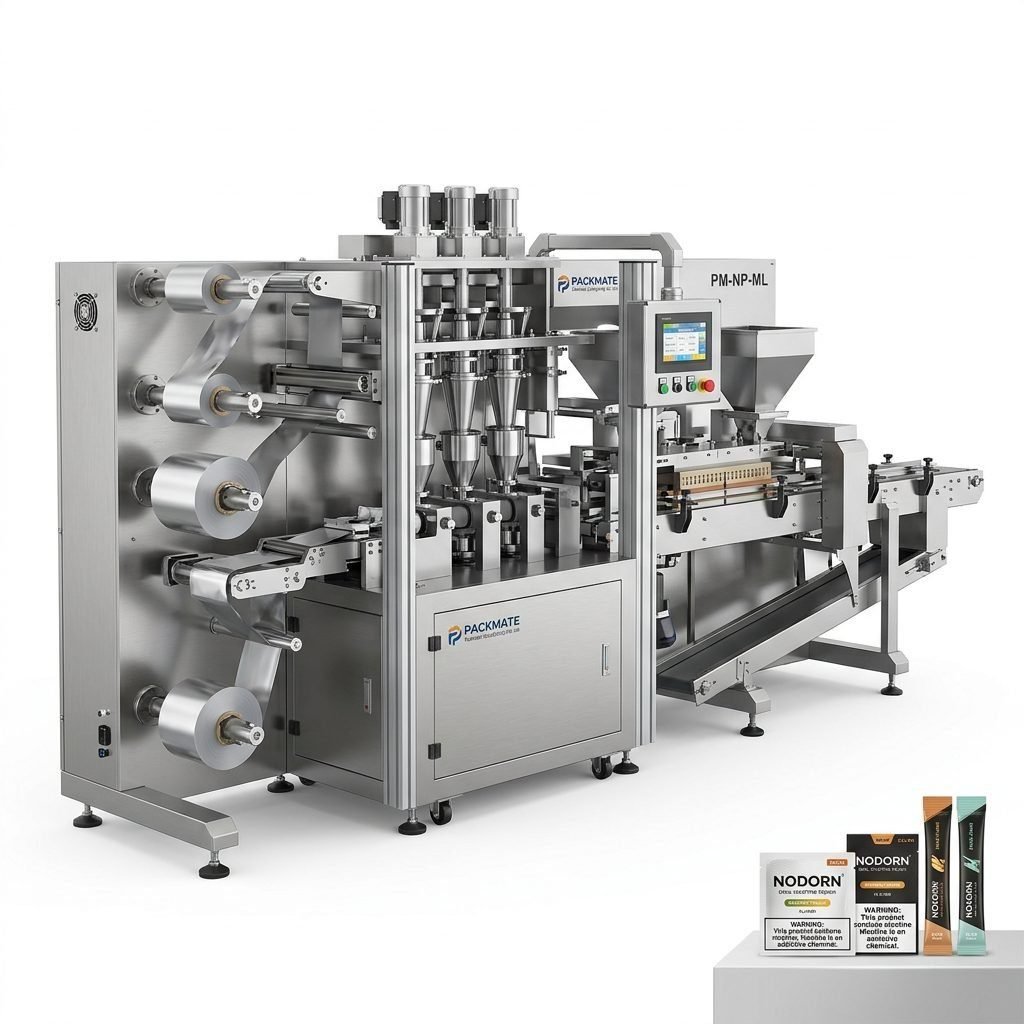
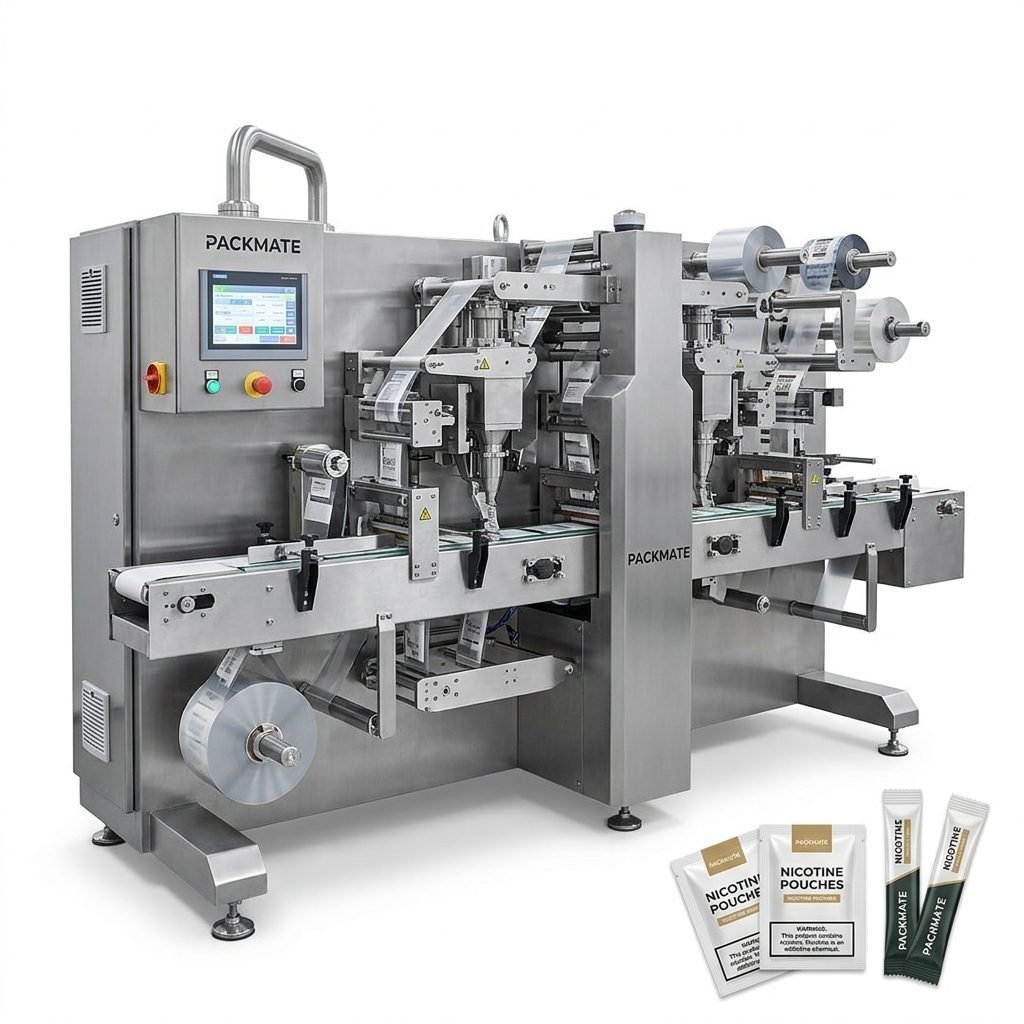
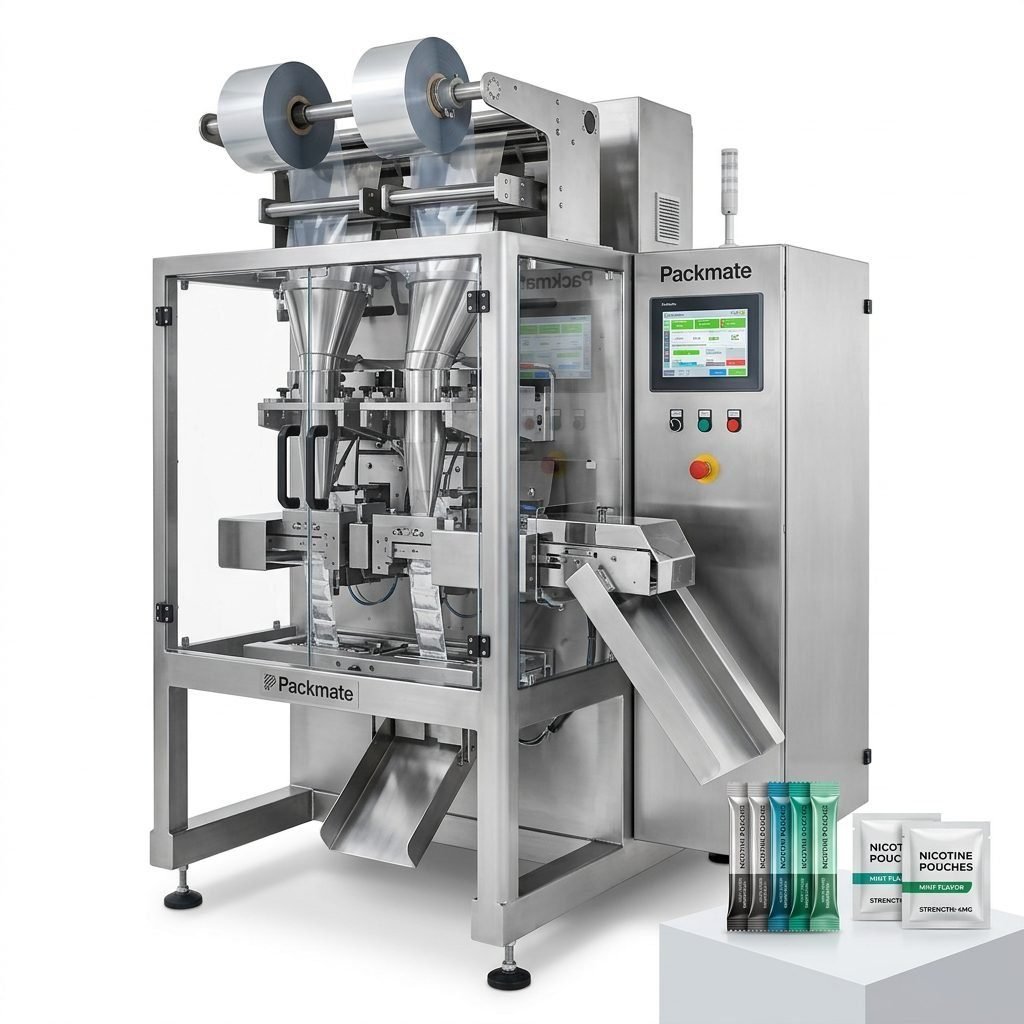
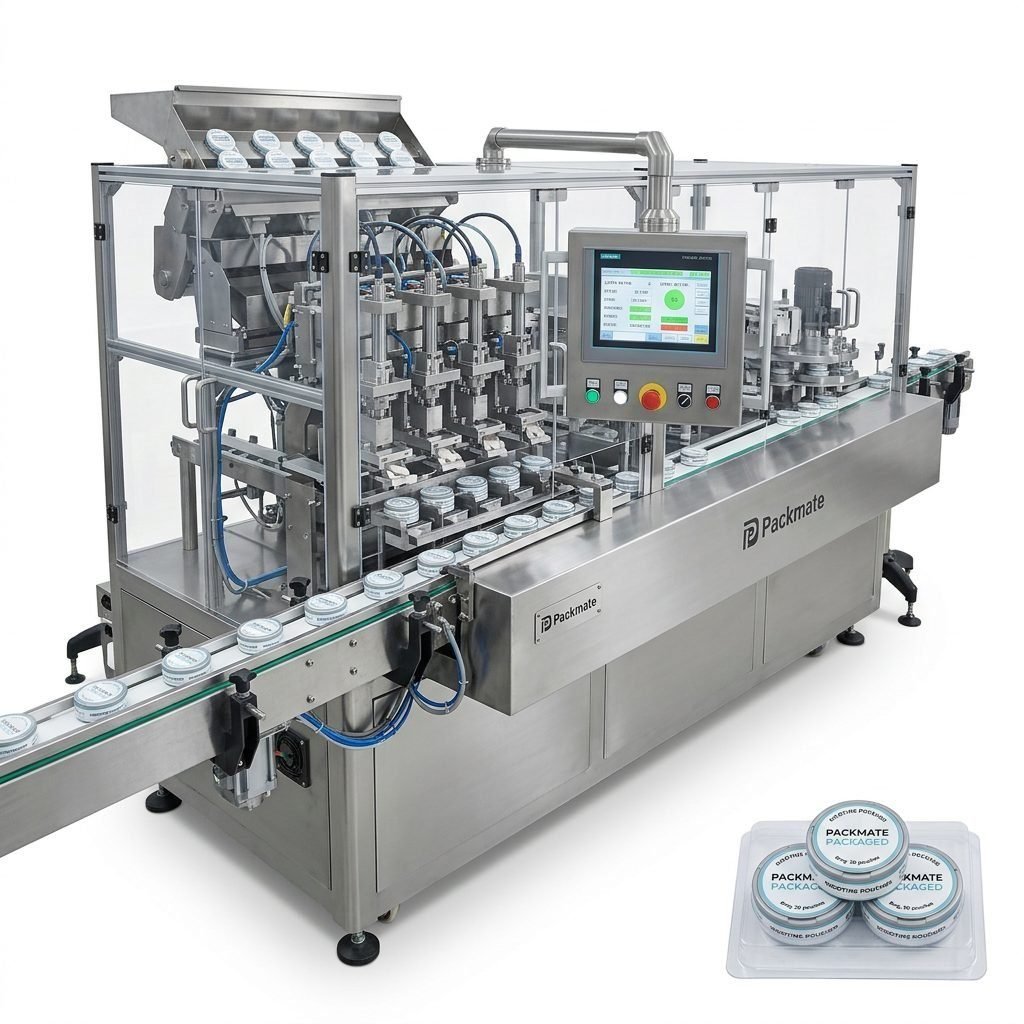
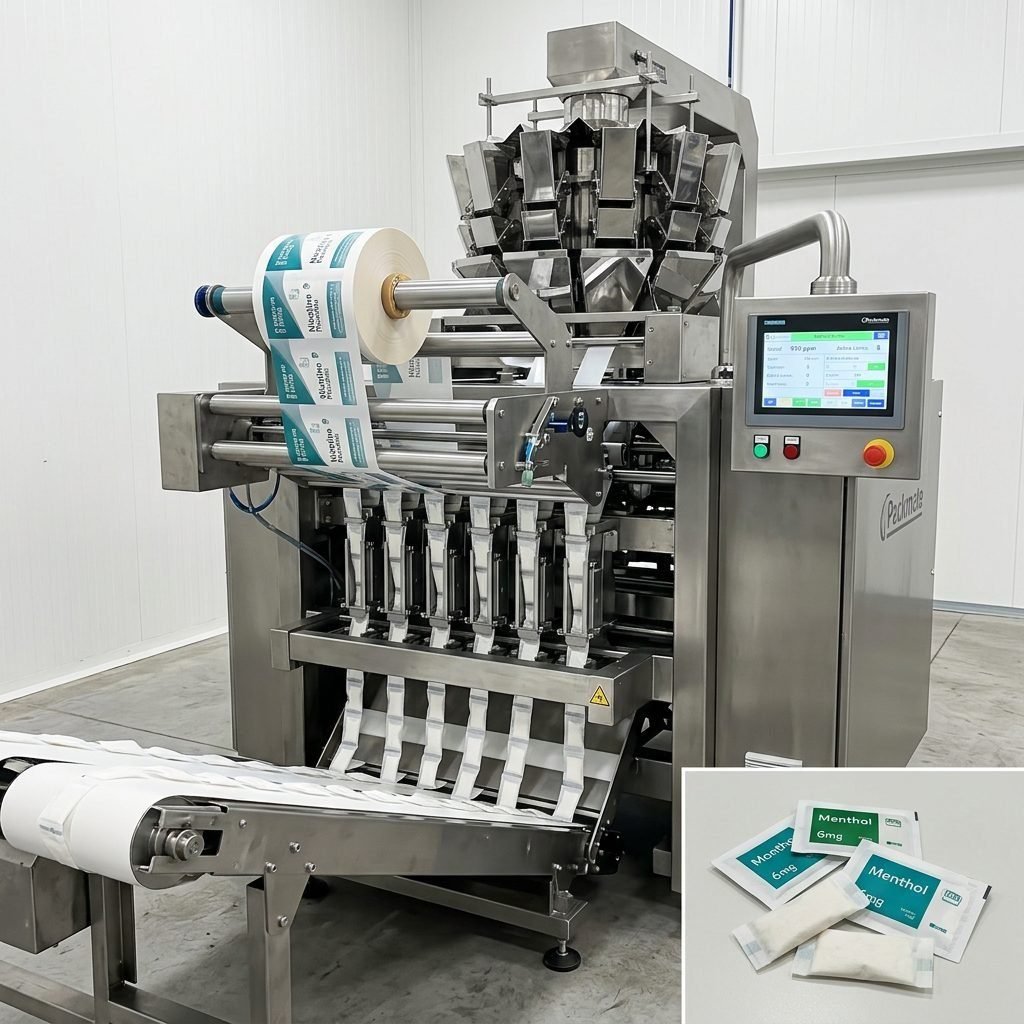
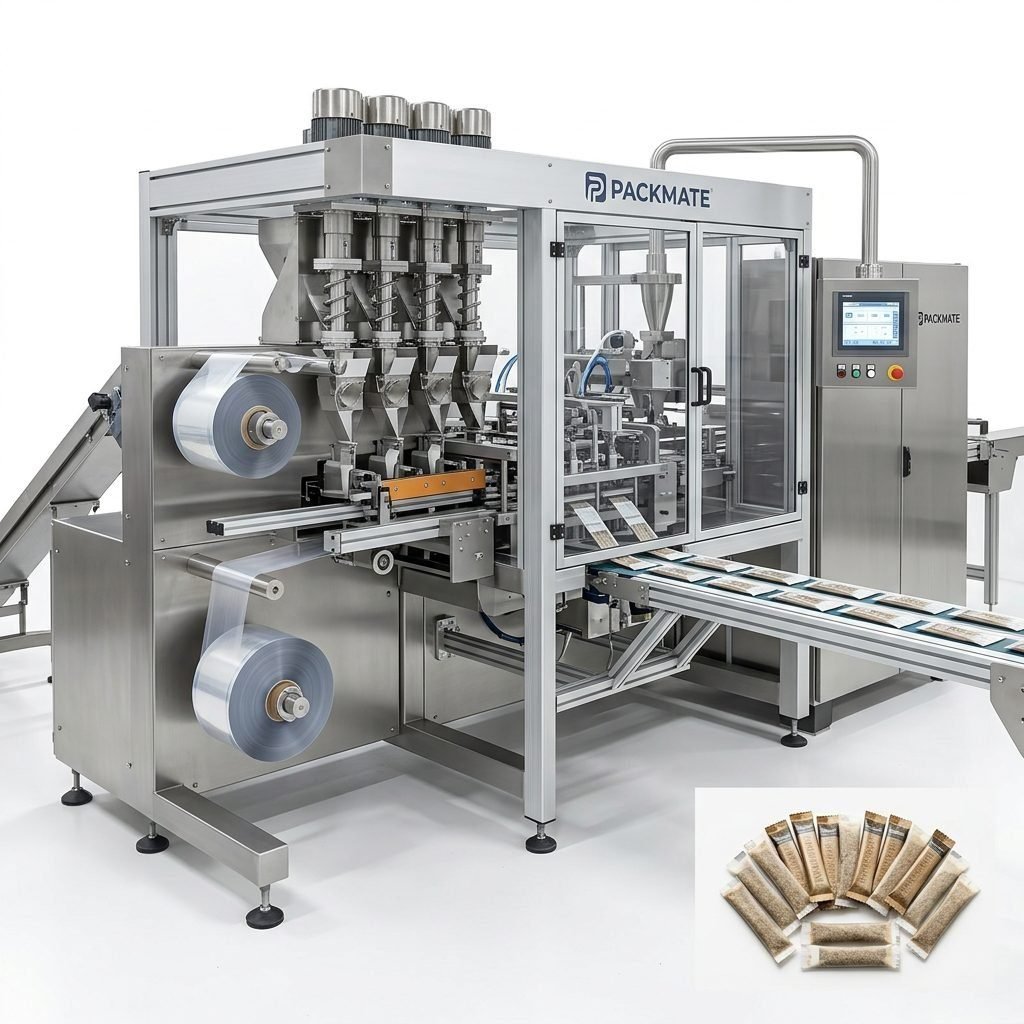
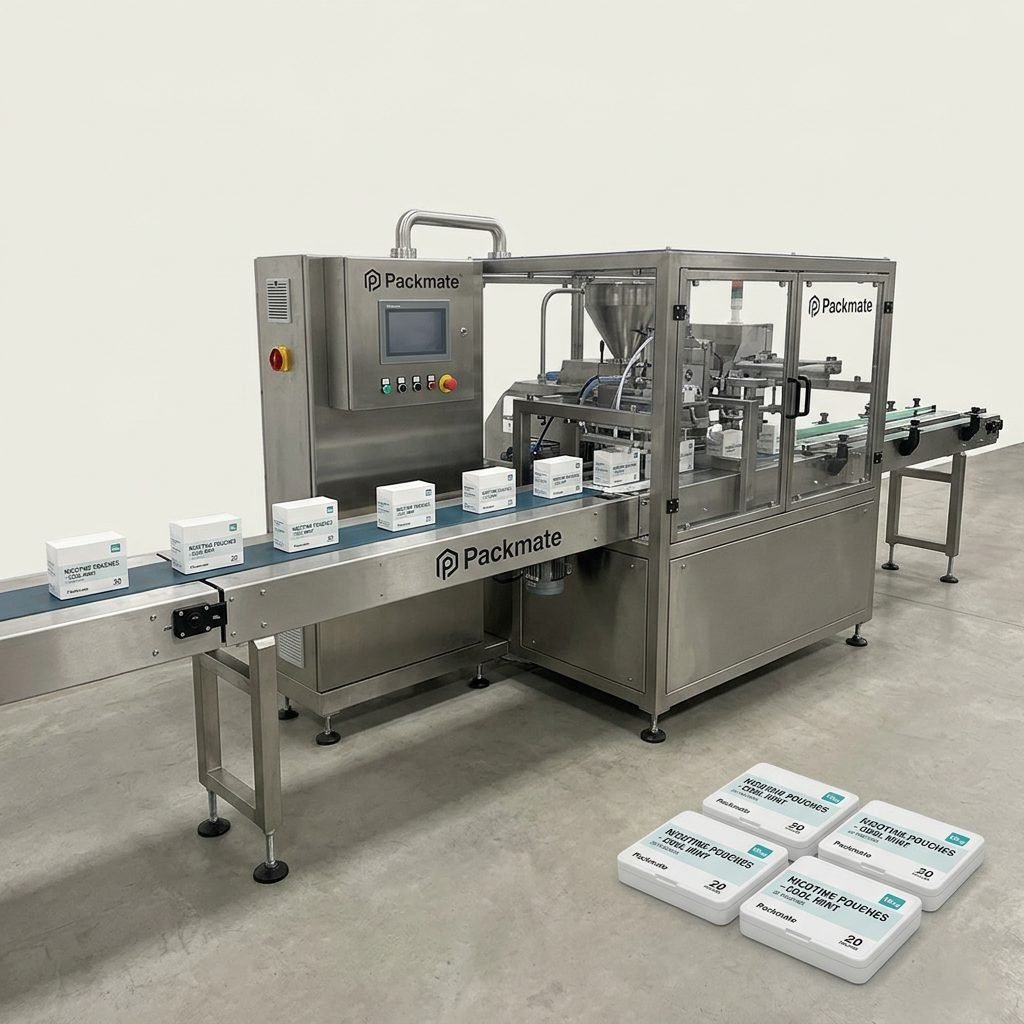
Choosing the right snus packaging machine in Ethiopia is a critical decision for manufacturers and importers who want to scale production, meet regulatory demands, and satisfy diverse consumer preferences across the country. This guide walks you through practical considerations — from machine types and production capacity to local logistics and after-sales support — so you can make an informed investment tailored to Ethiopia’s market and climate.
ℹ️ Understand the Ethiopian Market and Local Habits
Ethiopia is a nation with strong regional differences in consumption patterns, language and retail channels. While snus (nicotine pouches) is not a traditional local product, demand can grow in urban centers such as Addis Ababa where international consumer habits and retail formats are more common. You should consider:
✅ Urban retail channels (supermarkets, convenience stores) vs. informal markets — packaging must suit both modern shelves and small kiosks.
✅ Climate factors — Ethiopia’s highlands and lowland regions have varied humidity and temperature levels; packaging machines and material choices should accommodate humidity control and seal integrity.
✅ Language & labeling — Amharic and English labels may be required; choose machines and workflows that allow flexible printing or label application.
🔧 Types of Snus Packaging Machines to Consider
There are several machine formats suitable for snus and nicotine pouches. Each has distinct advantages depending on your product format, speed requirements, and budget.
Stick Pack Machines
Stick pack machines produce single-serve, narrow packages. They are compact and ideal for portioned nicotine pouches sold individually. If you plan to target convenience retail and single-use trials, stick pack lines are a reliable choice.
Sachet & Pouch Machines
Sachet and pillow pouch machines can create multi-dose or single-dose sachets. These systems are flexible for different pouch sizes and are used widely for tobacco-free nicotine pouches as well as related products. For a deeper view of industry-standard models, review specialized options such as Snus & Nicotine Packaging Machines.
Multi-lane Systems
Multi-lane systems boost throughput by running several lanes simultaneously — ideal when scaling up production for domestic distribution or export. Packmate’s experience with multi-lane lines since 2012 makes them a potential supplier to consider for high-volume ambitions.
Integrated Filling & Weighing Lines
Integrated systems that include precision weighers, fillers, and automated packaging reduce labor costs and improve consistency. If you need accurate dosing for low-dose nicotine pouches, consider lines that pair pouch machines with weighing & packaging systems — see examples at Weighing & Packaging Systems.
📌 Key Technical Features to Evaluate
When comparing machines, focus on the build quality, control systems, and production reliability. The most important technical features include:
– Dosing accuracy: For nicotine pouches, precision is essential to meet label claims and regulatory limits.
– Sealing performance: Robust sealing (heat, ultrasonic) prevents moisture ingress in humid regions.
– Material compatibility: Ability to run paper, foil, laminate or biodegradable films depending on your packaging choice.
– PLC & touch-screen HMI: Intuitive controls reduce operator training time and language barriers (look for multi-language support).
– Changeover speed: Fast adjustments for different pouch sizes reduce downtime and improve flexibility.
– Spare parts availability: Local support or guaranteed parts supply from the manufacturer ensures uptime.
⚖️ Production Capacity, Footprint and ROI
Estimate required output before choosing a machine. A small startup may require a single-lane machine at 20–60 packs/min, while larger producers target multi-lane systems up to several hundred packs/min. Evaluate:
- Projected monthly volume — align capacity with realistic sales forecasts in Addis Ababa and other cities.
- Floor space and utilities — include power, compressed air and drainage needs; Packmate’s factory layout examples can help with planning: About Packmate.
- Return on Investment — calculate total cost of ownership, including maintenance, spare parts, and local customs/import costs into Ethiopia.
📦 Packaging Materials and Climate Considerations
Ethiopia’s climatic diversity requires careful selection of packaging materials and machine sealing technology.
– For humid lowlands, choose laminated films with strong barrier properties and machines capable of high-temperature stable seals.
– For cooler highlands, lighter films may suffice but ensure moisture resistance during storage and transport.
– Consider desiccant inclusion or nitrogen-flush sealing for extended shelf life of nicotine pouches.
– Test sample runs locally before full production to ensure seal integrity under local shipping and storage conditions.
🔒 Regulatory Compliance & Certifications
Regulations around nicotine products differ widely. Ensure both your product labeling and equipment meet local and export market rules:
– Verify that your chosen machinery supplier provides equipment compliant with international standards (CE, ISO), which simplifies export and acceptance in professional markets. Packmate lists certifications that can be useful when importing machines: Certificate.
– Confirm local import rules for nicotine-containing products in Ethiopia and neighboring markets if you plan cross-border distribution.
– Labeling must accommodate required health warnings and language; choose packaging processes that integrate printing or label application inline for consistent compliance.
🤝 Choosing a Supplier & After-Sales Service
Local presence or reliable global support is crucial. When evaluating suppliers, consider:
🔧 Spare parts logistics — how quickly can the vendor ship replacement components to Ethiopia?
🔧 Installation & training — does the supplier offer on-site setup, remote commissioning, or training in English/Amharic?
🔧 Warranty & service plans — look for clear SLA terms and local partners or authorized service technicians.
🔧 Proven track record — review case studies to confirm performance: Case.
🔧 Full-line solutions — if you need a turnkey line (filling, weighing, packing, cartoning), vendors that provide integrated lines simplify compatibility issues. Browse options at Filling & Packaging Lines.
💡 Practical Purchase Checklist
Use this checklist during procurement to reduce risk and ensure the machine fits your operational needs:
- Performance test: Request a video or live demo with your packaging materials and representative product.
- Spare parts list: Obtain a clear list of recommended spares and lead times for shipment to Ethiopia.
- Training plan: Confirm operator & maintenance training, language support, and documentation.
- Local compliance: Verify that the machine’s electrical and safety specifications are compatible with Ethiopian standards and power supply.
- Warranty & remote support: Agree on warranty scope, remote diagnostics, and service response times.
- References: Ask for relevant customer references in similar climates or markets.
📈 Scaling Up: From Pilot to Full Production
Start with a pilot machine to validate product format, material and consumer acceptance. After pilot success:
- Plan the multi-lane expansion to match forecasted demand.
- Standardize materials to reduce changeovers.
- Document standard operating procedures and quality checks for consistent dosing and sealing.
📞 How to Contact and Evaluate Vendors
When you have shortlisted suppliers, request quotations that include CIF/DAP shipping to your Ethiopian port, installation, training and a spare parts kit. Use the manufacturer’s official contact channels to ensure authenticity and service: Contact Us and review the vendor’s service offerings at Service.
✔️ Final Recommendations
– If you are new to nicotine pouch production in Ethiopia, begin with a flexible sachet or stick pack machine and run pilot batches.
– Prioritize dosing accuracy and sealing quality to maintain product integrity in varying climates.
– Choose a supplier with clear certification and a demonstrated track record in snus packaging and turnkey lines.
❓ Frequently Asked Questions (FAQs)
Q1: How do I ensure the machine works with local packaging films?
A: Request sample trials with your chosen films during supplier evaluation. Ensure the supplier tests sealing and drop tests under simulated local storage conditions.
Q2: What after-sales support should I expect for machines shipped to Ethiopia?
A: Expect remote commissioning support, spare parts kits, and options for on-site engineers. Confirm shipping times for critical parts and available local partners.
Q3: Are there turnkey options that include filling, weighing and packaging?
A: Yes. Many suppliers offer integrated lines that include filling & weighing systems and packaging lines. See integrated options at Filling & Packaging Lines.
Q4: How should I handle regulatory labeling for Ethiopian markets?
A: Work with local legal counsel or regulatory consultants to ensure required warnings, ingredient lists, and language requirements are met; design your packaging workflow to accommodate label or print changes.