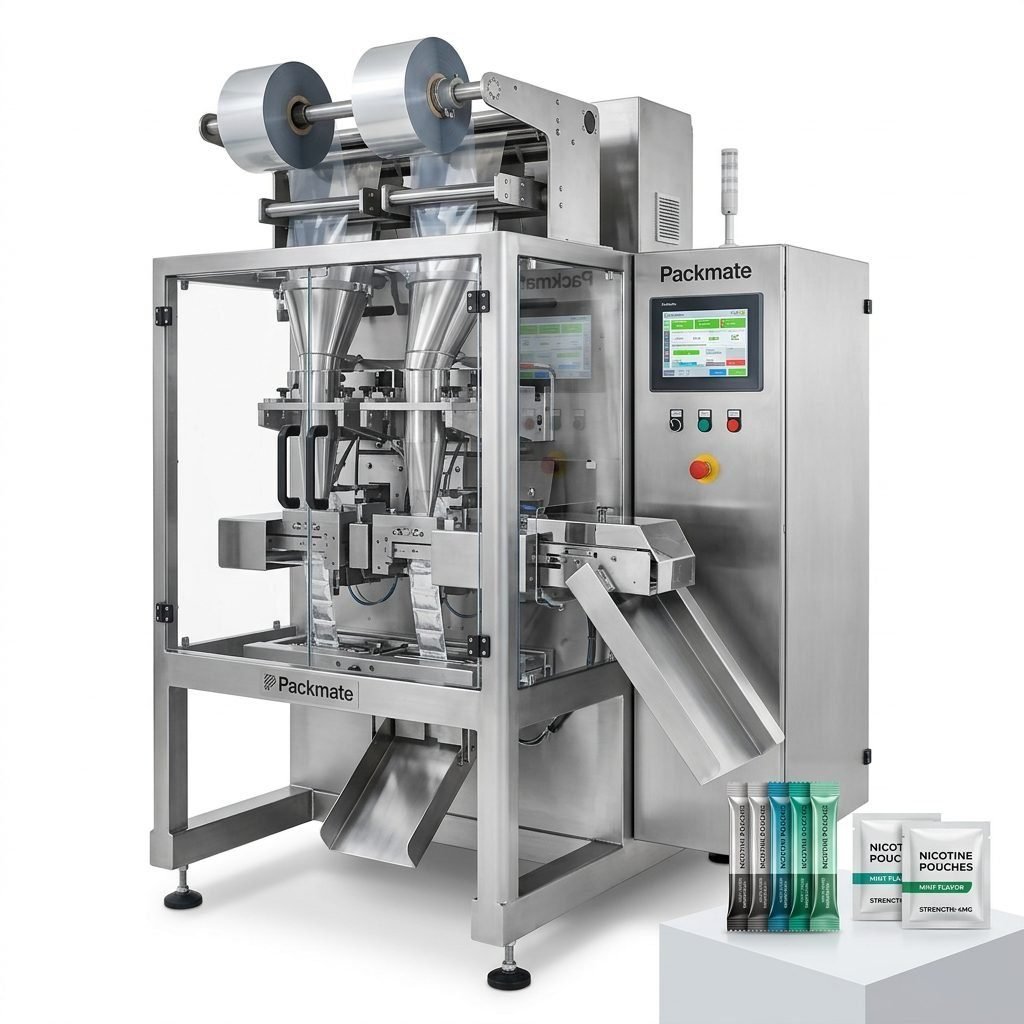
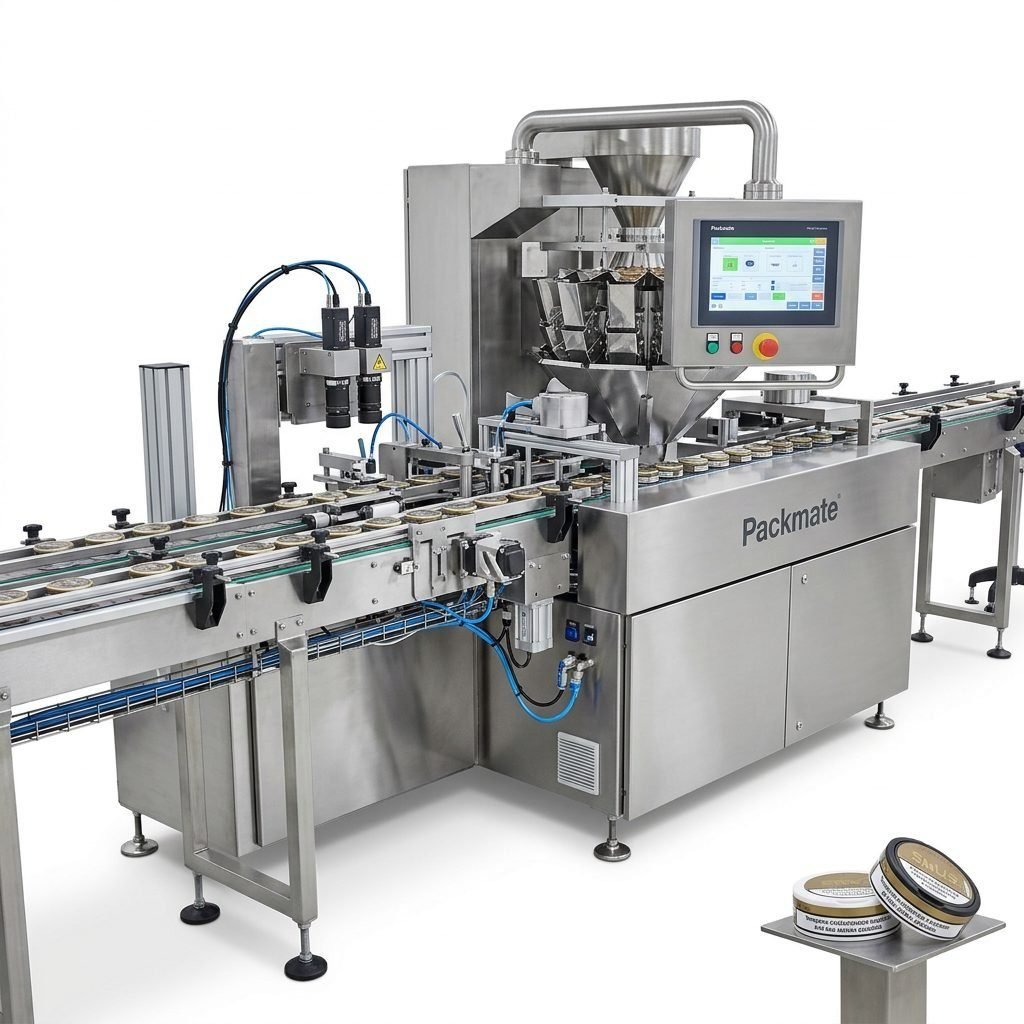
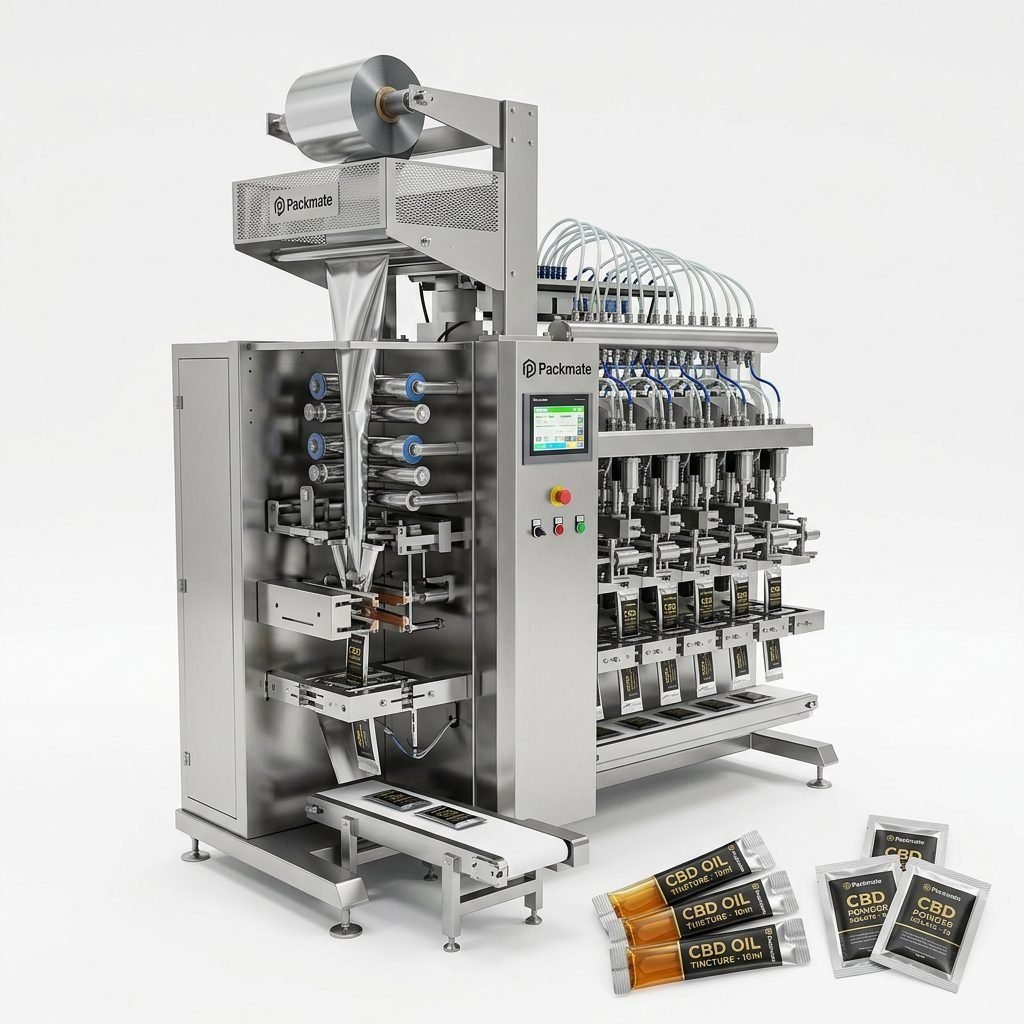
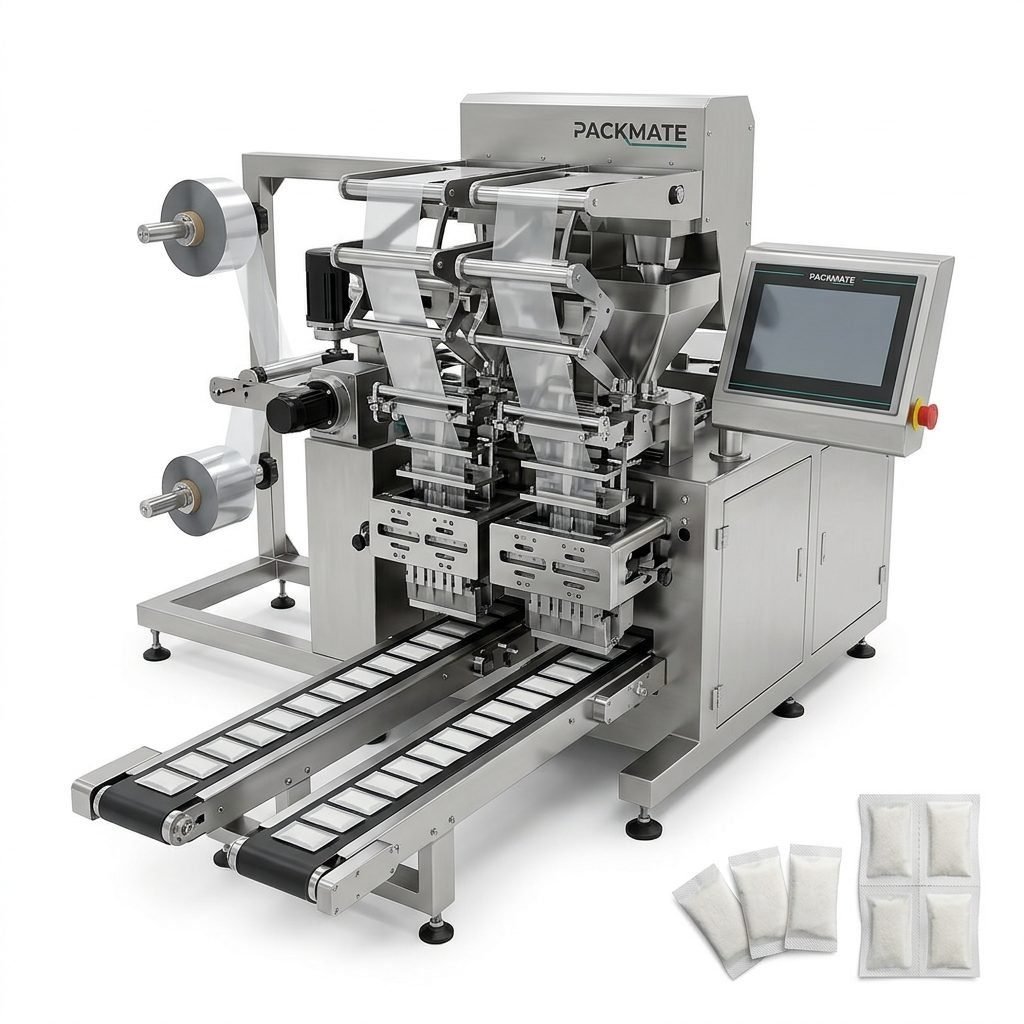
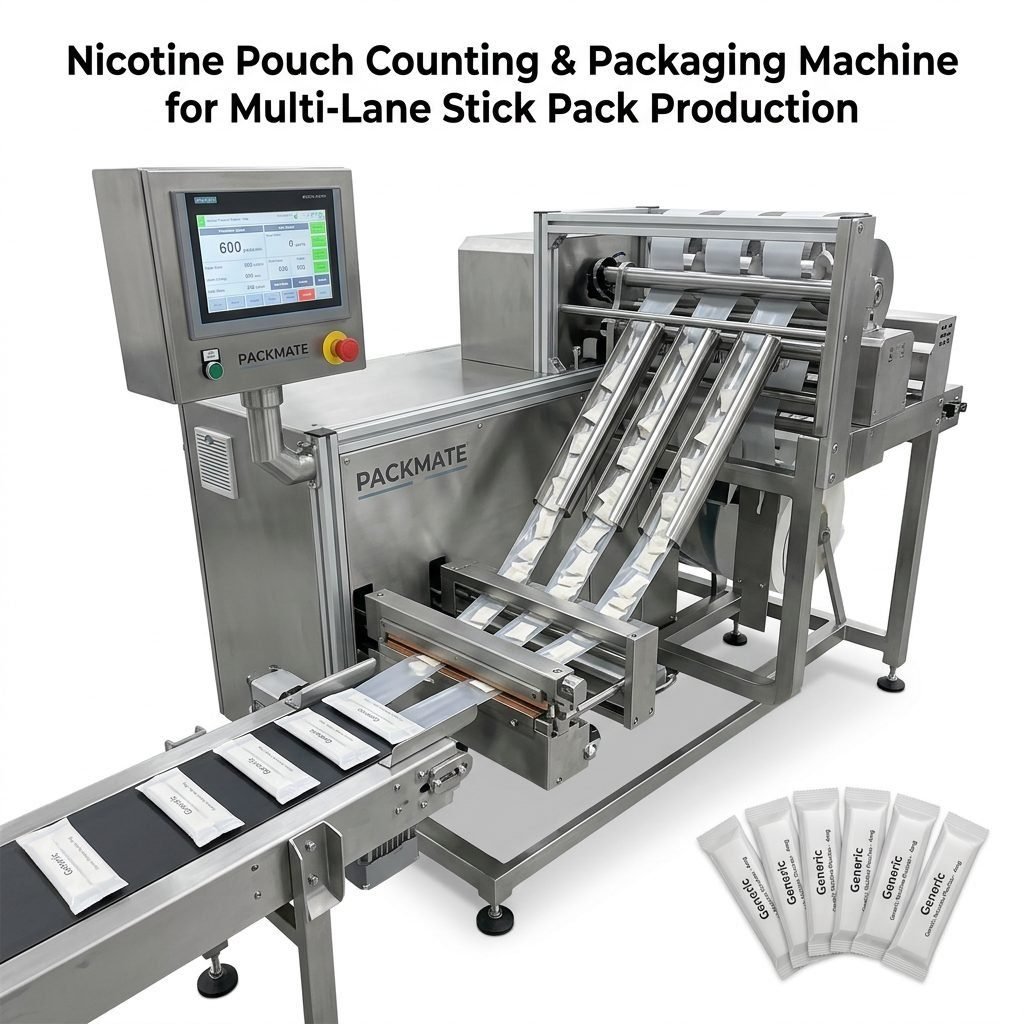
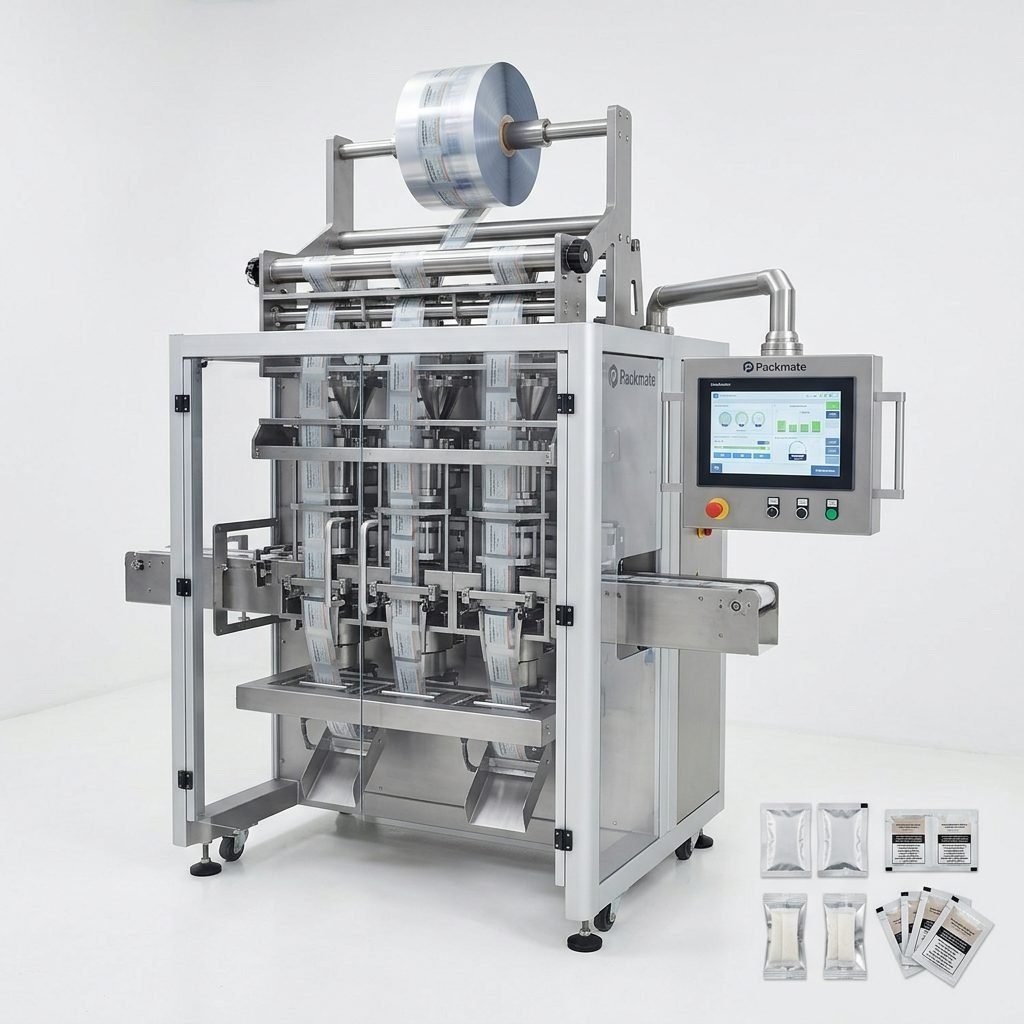
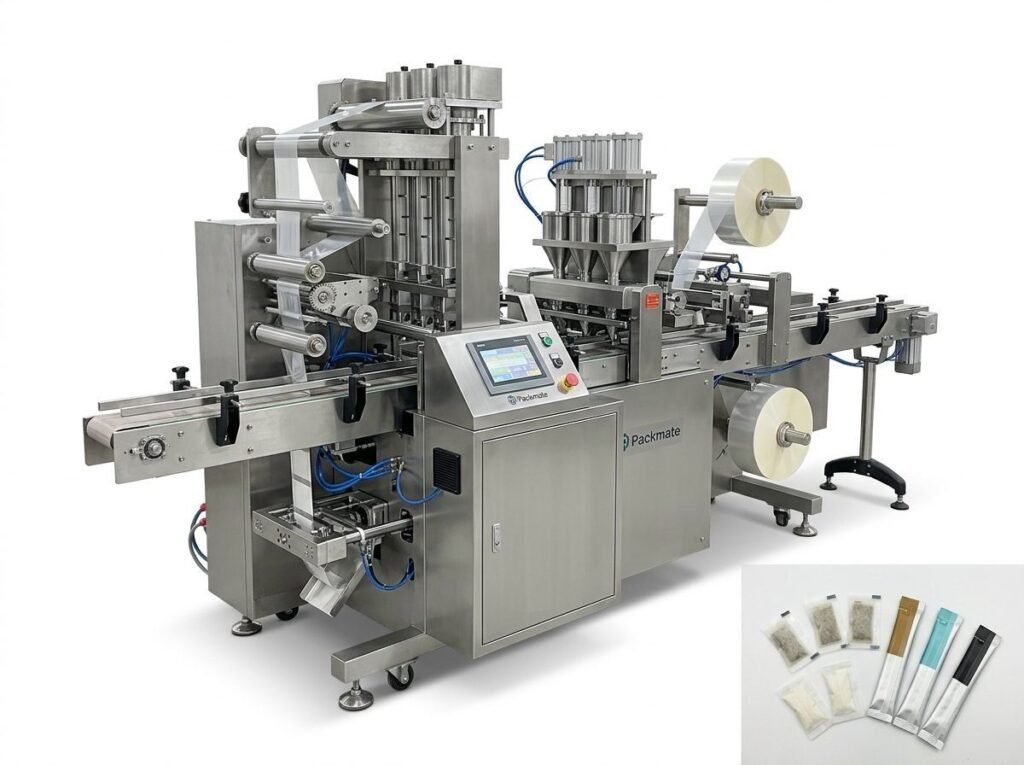
Choosing the right nicotine packaging machine manufacturer for your Kosovo production needs is a decision that affects product quality, regulatory compliance, and long-term operational costs. This guide walks you through practical steps to evaluate manufacturers — from technical capabilities and factory strength to after-sales support and cost considerations — so you can select a partner that delivers reliable, efficient, and compliant snus and nicotine pouch packaging solutions.
Understand Your Production Requirements First
Before you reach out to suppliers, define your production profile clearly: daily output targets, pouch formats (stick, sachet, multi-lane), product characteristics (moist snus, dry nicotine pouches, powders, granules, liquids), and packaging materials. A well-documented brief prevents misunderstandings and helps manufacturers propose the optimal machine configuration.
Quick checklist:
⚙️ Target units per hour,
📦 Pouch types & sizes,
🧪 Product consistency (moisture/particle size),
🔌 Required automation level.
Why Manufacturer Expertise Matters
Packaging nicotine pouches and snus demands machine precision, hygienic design, and consistent dosing. Manufacturers with specialized experience in snus and nicotine systems can deliver better stability, lower downtime, and higher yield. Look for companies that explicitly state experience in snus/nicotine packaging and multi-lane small-dose solutions.
Evaluate Factory & Engineering Capacity
A strong manufacturing facility demonstrates the ability to scale and maintain quality. Key indicators include factory size, CNC machining capabilities, precision assembly lines, and the number of machine models available. A facility with a 20,000㎡ plant, advanced machining centers, and over 50 machine models suggests robust production and design resources.
Factory signals to look for:
• Certified quality systems (CE, ISO)
• Dedicated R&D for snus/nicotine packaging
• Onsite testing & precision assembly
Certifications, Compliance & Safety
Regulatory compliance is critical when handling nicotine products. Ensure the manufacturer provides equipment that meets international standards such as CE and ISO. Compliance ensures safer operation, easier import clearance into Kosovo, and reduced legal risk.
Technical Capabilities & Customization
A manufacturer must match technical specifications to your product. Key areas to verify:
• Accuracy of dosing systems for small-dose pouches
• Multi-lane options for higher throughput
• Compatibility with different film materials and barrier films
• Integration with weighing and auxiliary equipment
Turnkey Solutions vs. Standalone Machines
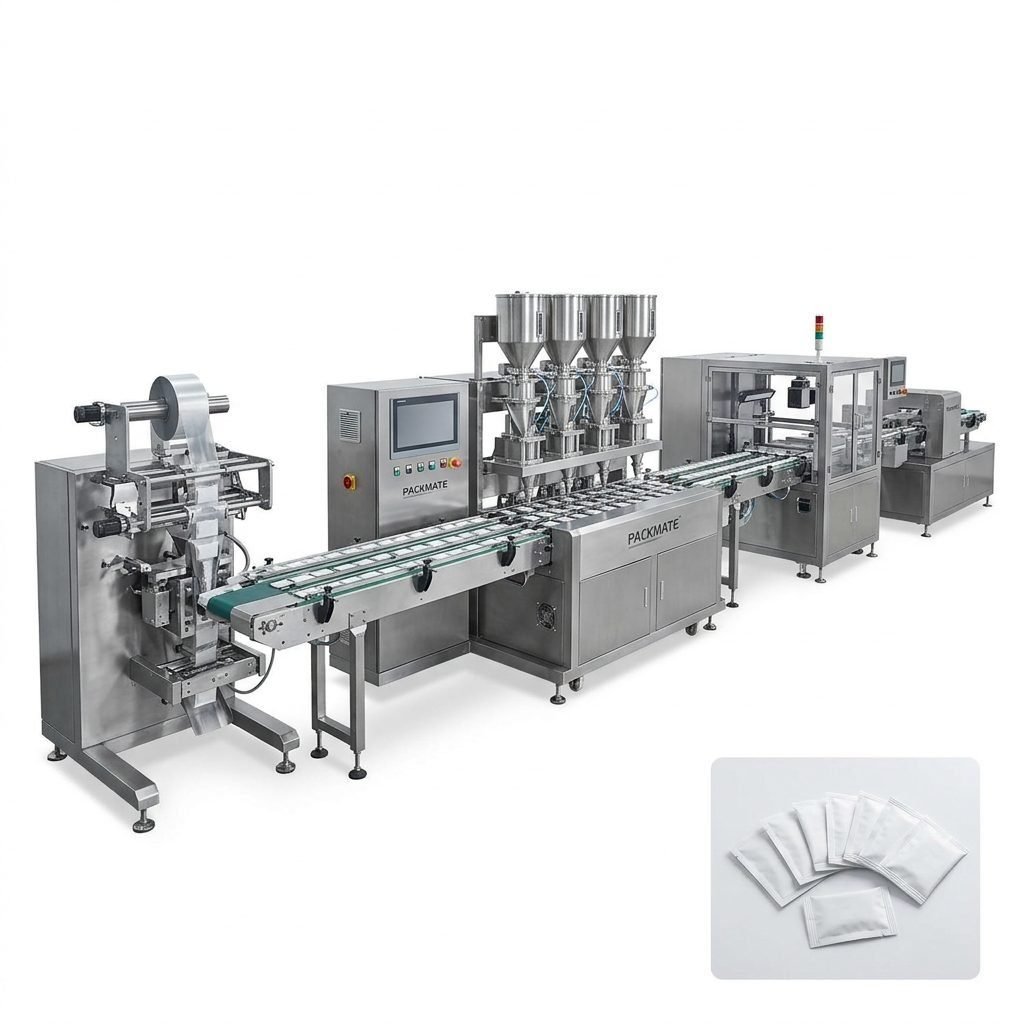
Decide whether you need a single packing machine or a full production line (weighing, filling, pouching, inspection, and packaging). Turnkey suppliers can reduce project management overhead and ensure system compatibility. Check suppliers that list full packaging lines and auxiliary equipment if you want a ready-to-run production line.
For reference, view product families such as Snus & Nicotine Packaging Machines and Weighing & Packaging Systems.
Service, Training & After-Sales Support
After-sales support distinguishes a reliable manufacturer from a risky purchase. Verify:
Support checklist:
• Onsite installation & commissioning
• Operator & maintenance training
• Spare parts availability and lead time
• Remote support and troubleshooting
Warranty & Spare Parts
A clear warranty policy and accessible spare parts are crucial. Ask for expected life cycles of key components, recommended spare parts kits, and local or regional stock availability to minimize downtime in Kosovo.
References, Case Studies & Machine Demonstrations
Request customer references and case studies relevant to nicotine pouch production. A manufacturer engaged in international exhibitions and case showcases likely has proven field experience. You can look through project references and exhibition records to validate performance claims.
Example links for deeper review: Case and Our Exhibition.
Cost, Lead Time & Total Cost of Ownership
Price is only one dimension. Consider lead time, installation costs, commissioning, operator training, spare parts, and energy consumption to estimate the true total cost of ownership (TCO). A slightly higher upfront investment in a high-precision machine may yield lower per-unit costs and fewer rejects.
TCO factors:
• Energy & compressed air consumption
• Maintenance intervals & part replacement costs
• Operator efficiency and training needs
Inspection, Testing & FAT (Factory Acceptance Test)
A thorough Factory Acceptance Test verifies that machines meet agreed specifications before shipment. Insist on FAT with your product or a close simulation. A reliable manufacturer offers FAT, acceptance protocols, and video records to ensure transparency.
Shipping, Installation & Local Regulations
Confirm shipping options, packaging for transit, and customs documentation for Kosovo imports. Some manufacturers assist with logistics and offer turnkey installation support, reducing the risk of delays or additional costs at arrival.
Selecting a Strategic Partner: More Than a Supplier
When you select a manufacturer, think long-term. The best partners provide ongoing improvements, software updates, spare parts, and training as your production needs grow. A company with multi-decade engineering experience and global service networks is more likely to support your journey from startup volumes to large-scale production.
If you want to learn more about a partner with deep experience in snus and nicotine packaging, review their company information such as About Packmate and product families like Sachet & Stick Pack Machines.
Top selection tips (summary):
1) Match machine capability to pouch type and throughput
2) Verify factory capacity, certifications, and FAT procedures
3) Confirm spare parts, warranty and remote support
4) Consider TCO, not just the purchase price
How to Request Quotes & Evaluate Proposals
When soliciting quotes, provide the same specification sheet to all bidders for apples-to-apples comparisons. Ask for:
• Detailed machine specs and footprint
• Lead times and payment terms
• FAT and onsite commissioning plan
• Training and spare parts plan
Negotiation Points
Negotiate scope of supply (what’s included), spare parts kits, warranty length, response times, and payment milestones. Request references and, if possible, a live demonstration or video of the exact model running a similar product.
Final Decision & Implementation Roadmap
Once you select a manufacturer, agree on a clear project timeline with milestones for design approval, FAT, shipment, installation, and acceptance. Establish a communication plan and escalation path to resolve issues quickly.
Implementation milestones to include:
• Final technical drawings and acceptance criteria
• FAT completion and sign-off
• Shipping, customs & local installation schedule
• Operator training & production ramp-up
Why Packmate Snus Machine is Worth Considering
A supplier with long-term focus on snus and nicotine pouch equipment brings advantages in machine design, multi-lane solutions, and turnkey delivery. Firms with a 30+ year engineering history, large manufacturing facilities, CE/ISO certifications, and diverse product lines are positioned to support Kosovo producers from pilot runs to mass production.
Explore specific product lines and services such as Filling & Packaging Lines and Service to evaluate fit for your operation.
Next Steps for Kosovo Producers
Start by preparing a product specification pack and reach out to shortlisted manufacturers for detailed proposals. Schedule FAT sessions and insist on pilot testing with your materials. Ensure logistics and regulatory requirements for Kosovo are addressed before shipment.
Common Questions
Q1: How long does delivery typically take?
Lead times vary by machine complexity, customization, and current factory load. Typical delivery for standard machines may range from 8–16 weeks; turnkey lines and high-level customization can take longer. Always request a firm delivery schedule in the contract.
Q2: What warranty and support should I expect?
Standard warranties cover manufacturing defects for a defined period; reputable manufacturers offer commissioning support, operator training, and spare parts supply. Negotiate response times for remote support and onsite service if required.
Q3: Can I see references or case studies of similar installations?
Yes — ask the supplier for relevant case studies or references. Visiting an existing installation or viewing recorded machine runs under production conditions is a strong validation step.
Q4: Is onsite installation and training included?
Many manufacturers include basic installation and training in their turnkey packages. Confirm scope, duration, and any additional costs for extended training or long-term field support.
Q5: How do I manage spare parts and consumables?
Request a recommended spare parts list and lead times. Work with your supplier to stock critical parts locally or agree on rapid shipping channels to minimize downtime.