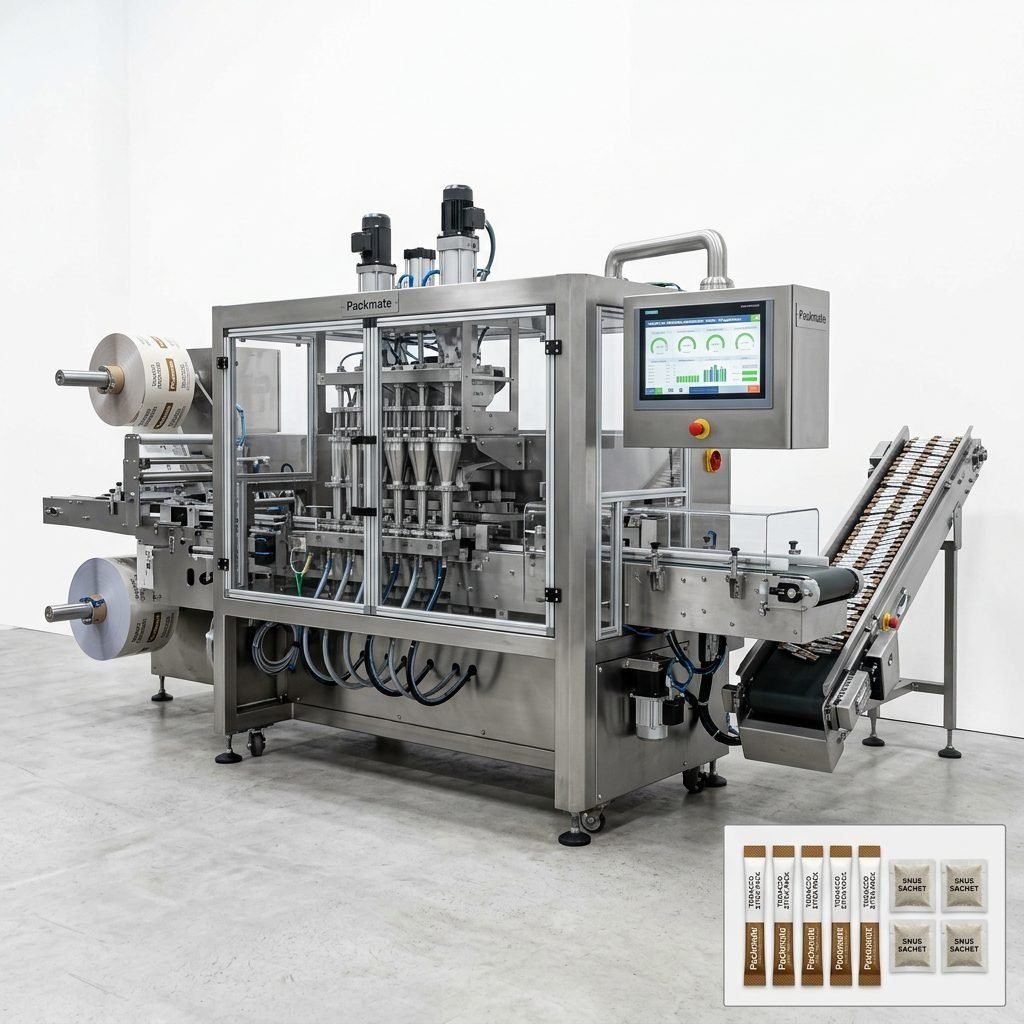
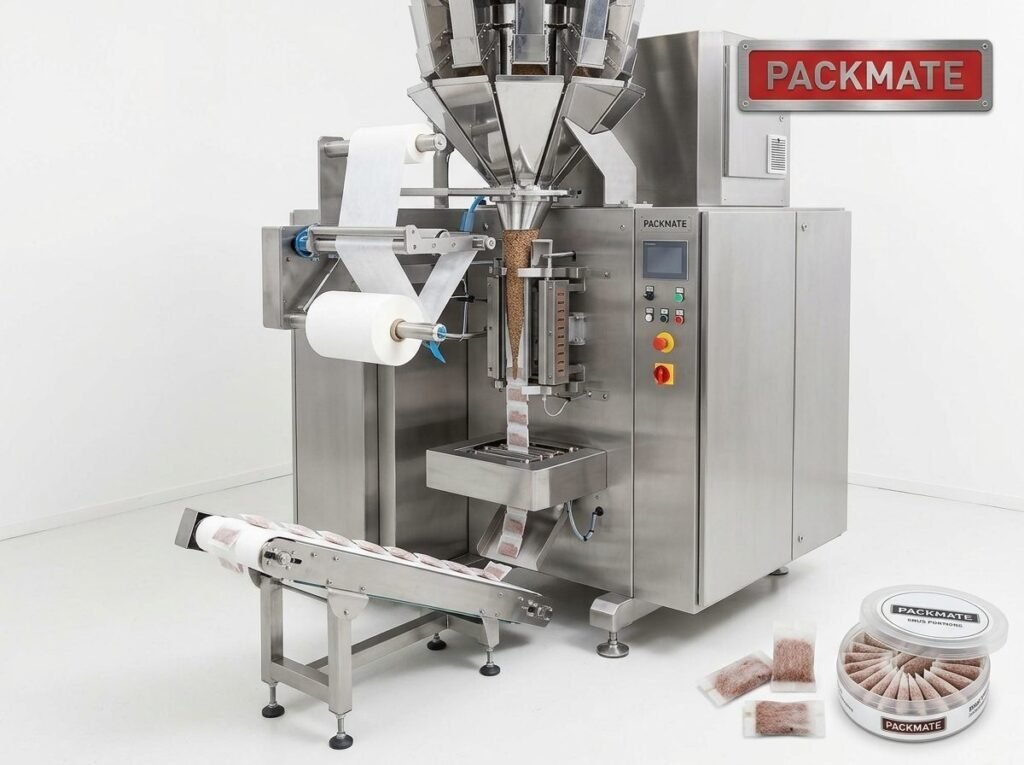
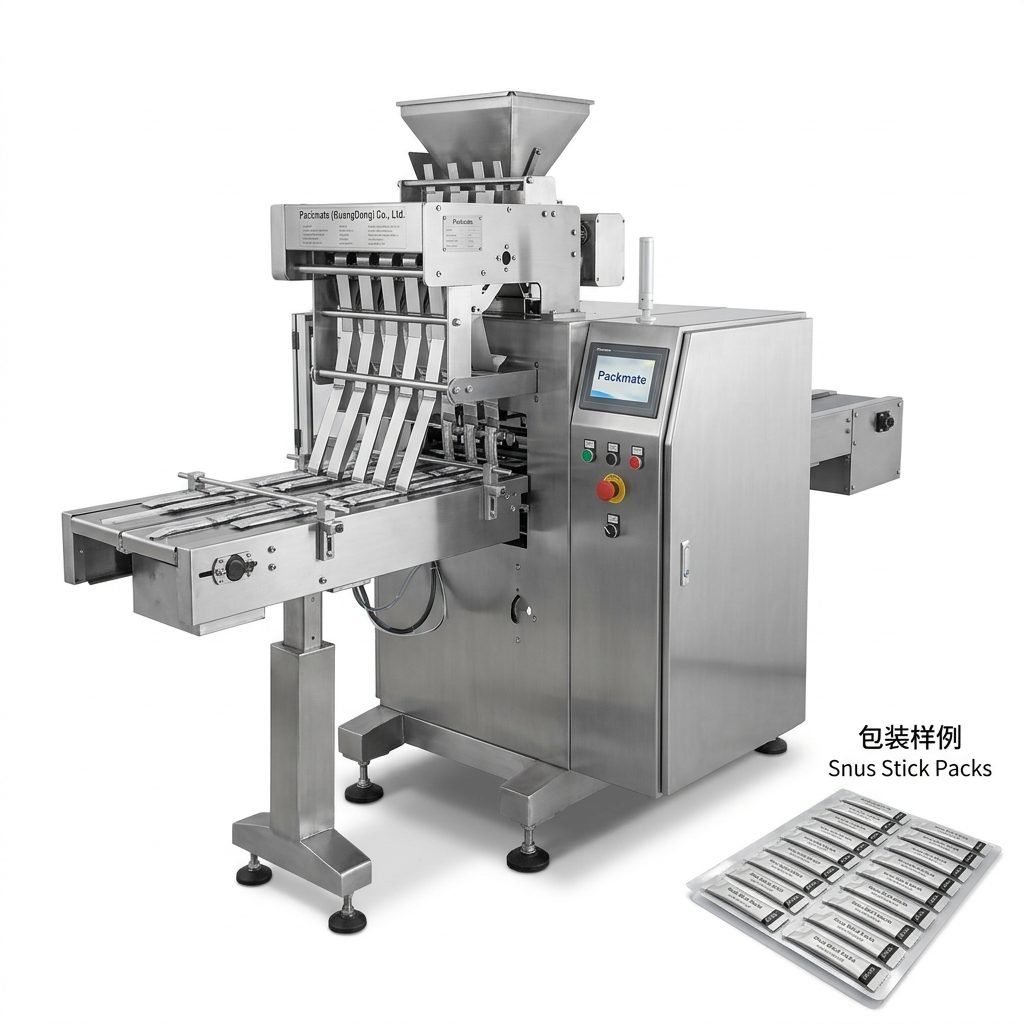
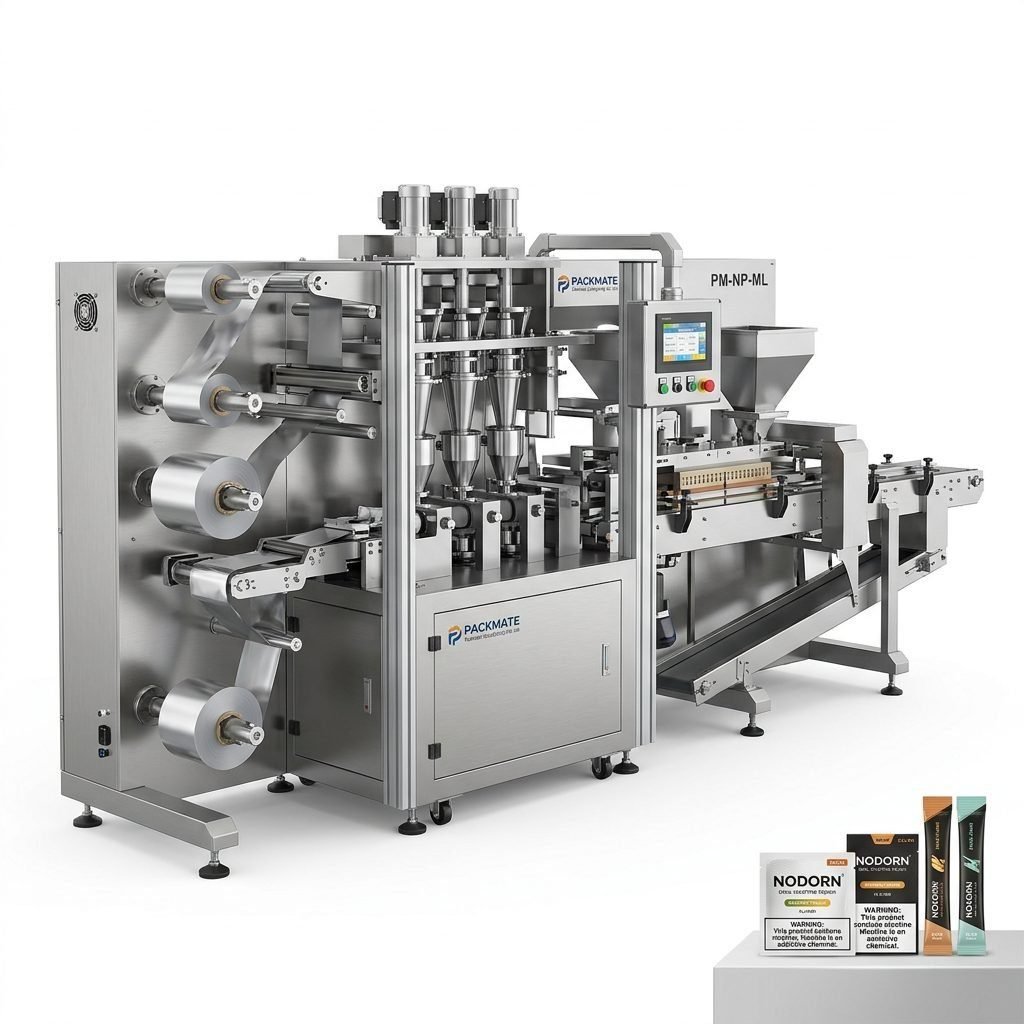
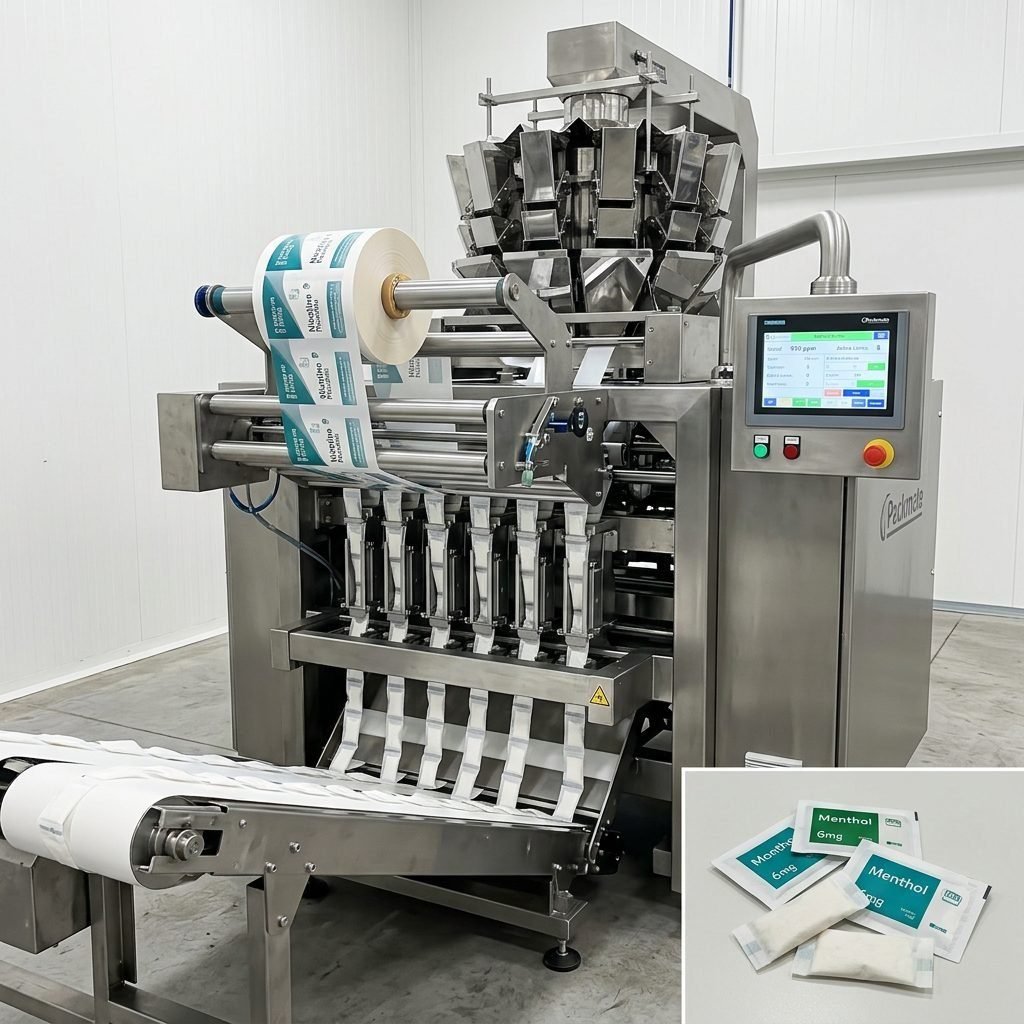
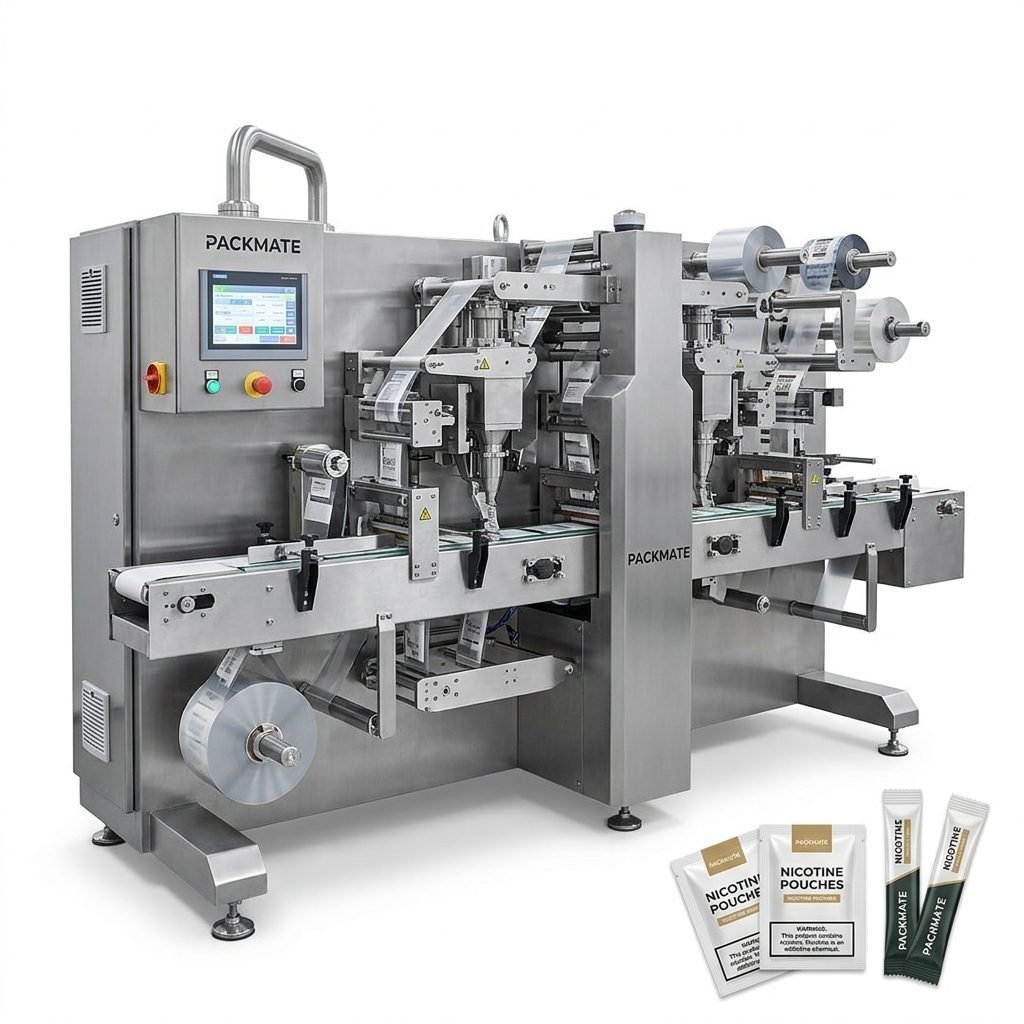
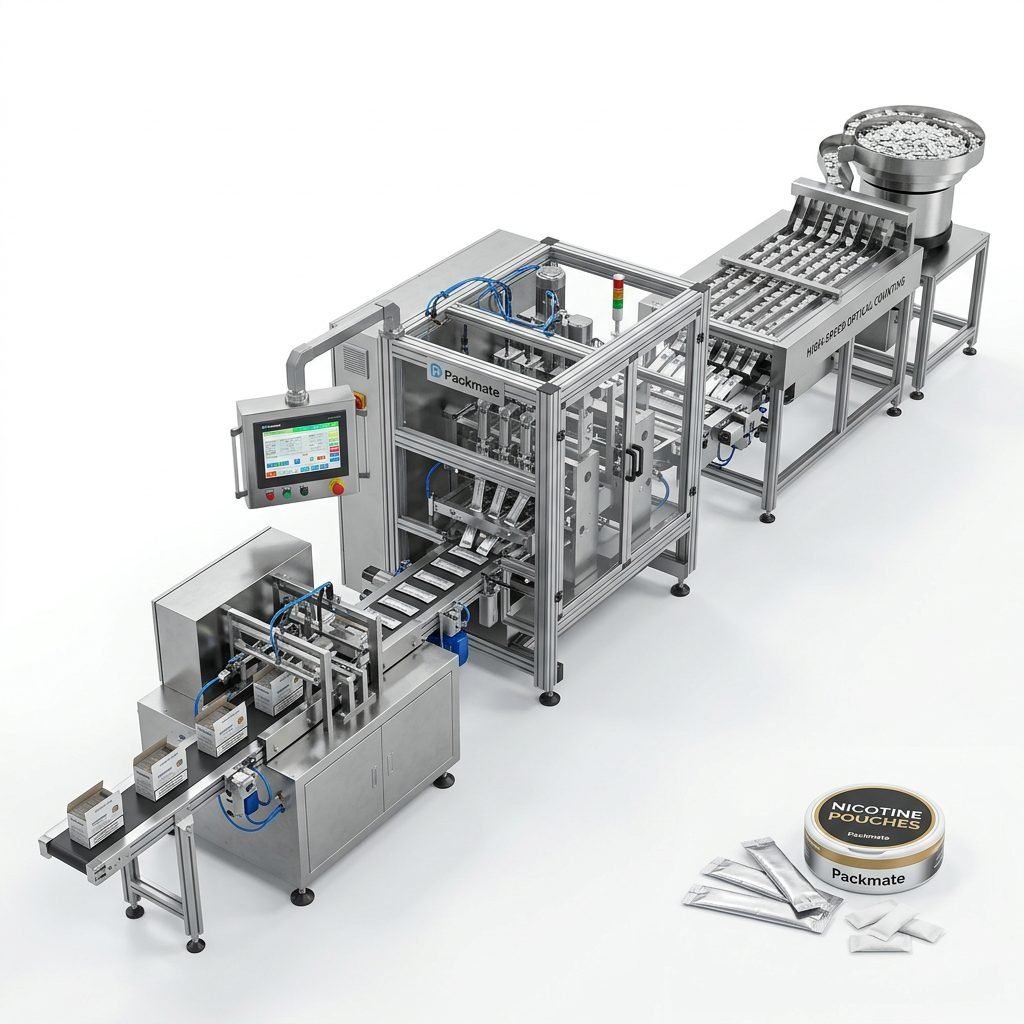
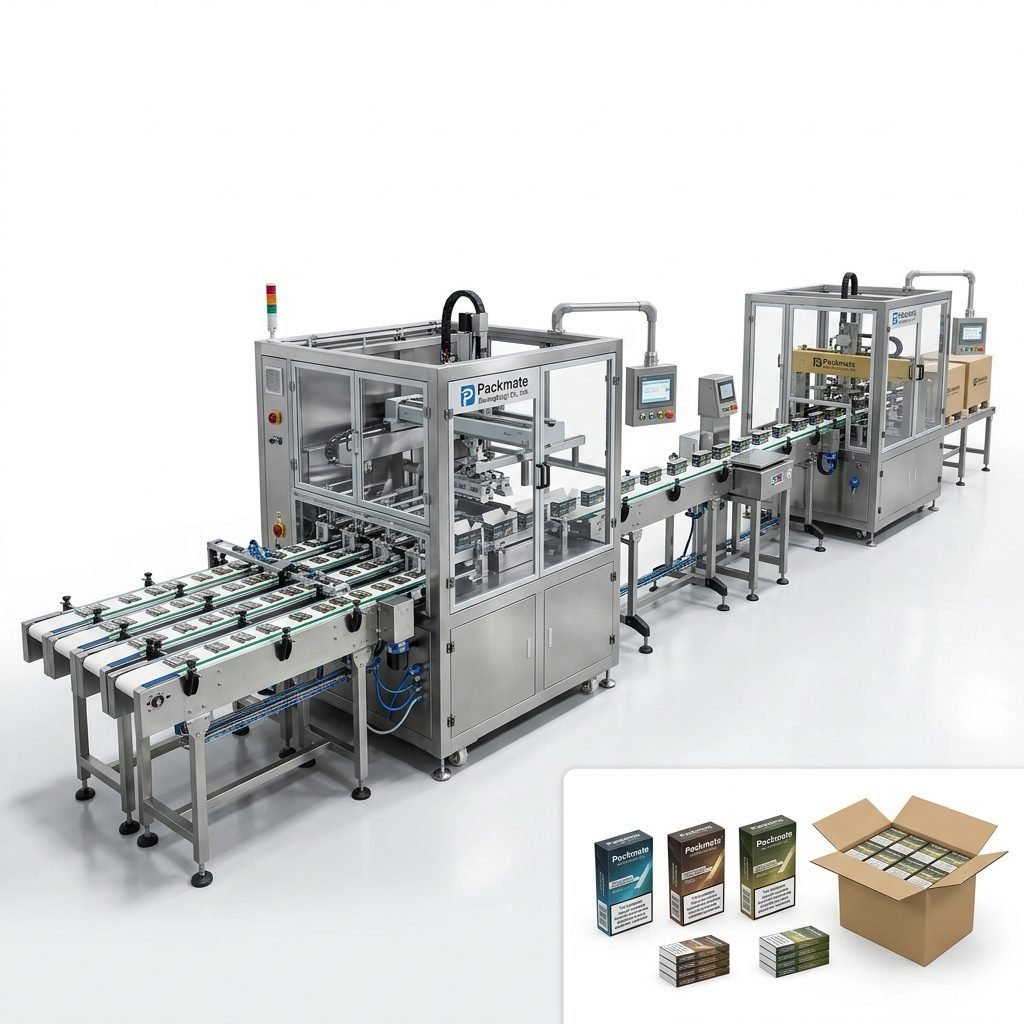
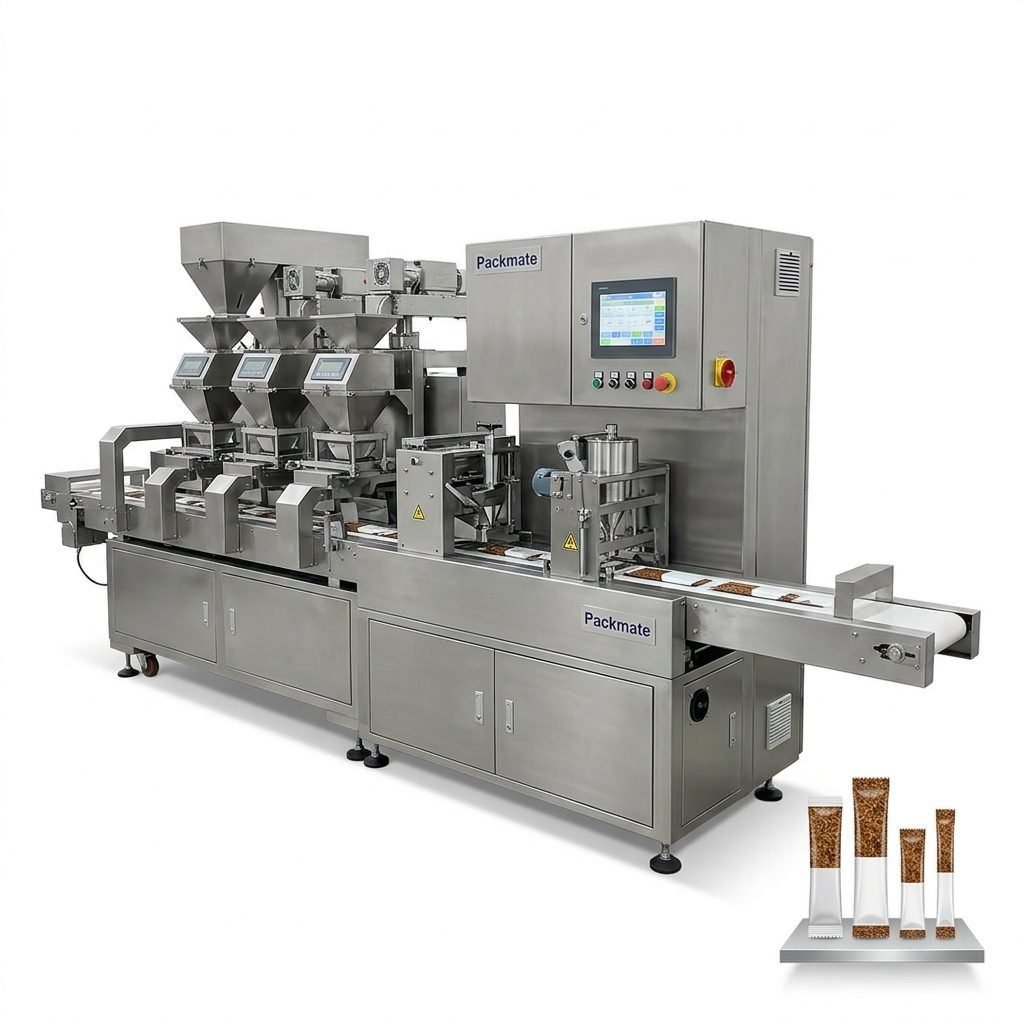
Improving the efficiency of a snus packaging machine requires a balanced approach that combines optimal machine settings, consistent maintenance, focused operator training, and lean workflow design. Whether you operate single-lane sachet machines or high-speed multi-lane nicotine pouch lines, practical strategies and repeatable procedures will maximize uptime, reduce waste, and improve throughput. This guide covers actionable steps, recommended settings, and preventive maintenance tips tailored for snus and nicotine pouch production environments.
Why Efficiency Matters for Snus Packaging
Snus packaging lines are sensitive to small variations in dosing, pouch sealing, and film handling. Inefficiencies lead to increased material waste, frequent stoppages, and inconsistent product quality. For manufacturers aiming to meet higher market demand without sacrificing compliance, focusing on machine efficiency directly impacts profitability and delivery reliability.
⚙️ Key outcome: Higher throughput, lower reject rates, and extended equipment life when settings, materials and maintenance work together.
Core Areas to Target
To systematically improve efficiency, focus on four core areas:
- Machine setup & parameter optimization
- Material selection and handling
- Planned maintenance & spare parts management
- Operator competency & production control
Machine Settings: Fine-Tune for Stability
Correct machine parameters are the foundation of stable snus packaging. Standardize settings for your model and document them so shifts can reproduce optimal performance quickly.
Dosing & Weighing
Accurate dosing reduces rework and ensures compliance. For powder or nicotine pouch filling, calibrate the weighing system at the start of each shift and after any process interruption. Use frequent tare and span checks and maintain logs for traceability.
Sealing Temperature & Pressure
Improper sealing is a leading cause of rejects. Set sealing temperature based on film type and ambient conditions; reduce pressure variations by maintaining pneumatic systems and checking pad wear. Record baseline temperature and pressure for each film lot.
📌 Pro tip: Keep a laminated parameter sheet at the operator station listing recommended RPM, seal temp, vacuum levels and typical troubleshooting steps.
Material & Film Handling: Reduce Variability
Material inconsistency causes most line stops. Implement a material control program to manage film rolls, pouches, and consumables.
Film Quality and Storage
Use films with stable tension properties and certified thickness. Store rolls in a climate-controlled area to prevent humidity or temperature-induced warping. Mark each roll with lot number and expiration when applicable.
Web Tension & Tracking
Consistent web tension prevents misfeeds and irregular seals. Check web alignment sensors regularly and set tension controls to match the production speed. For multi-lane lines, ensure each lane has synchronized tension to avoid lane skew.
Preventive Maintenance: Maximize Uptime
Planned maintenance reduces unexpected failures. A documented schedule aligned with machine hours will keep your line dependable.
Daily Checks
Confirm lubrication points, sensor cleanliness, and visible wear. Quick checks at shift change catch hot bearings, air leaks, and film remnants that could escalate to stoppages.
Weekly & Monthly Tasks
Replace worn rollers, inspect sealing elements and check the accuracy of dosing equipment. Monitor vibration and temperature trends if your line has condition-monitoring sensors.
✅ Maintenance checklist essentials: spare heater elements, sealing jaws, spare belts, pneumatic fittings, and calibrated scales.
Spare Parts & Service Strategy
Keep a critical spare parts inventory to minimize downtime. Partner with a reputable OEM or service provider that understands snus-specific requirements.
For turnkey solutions and spare parts, explore the manufacturer’s resources such as Service and the comprehensive product pages like Snus & Nicotine Packaging Machines.
Operator Training & Standard Work
Skilled operators are crucial for maintaining efficiency. Create standard operating procedures (SOPs) with clear troubleshooting steps and point-of-use visual aids.
Shift Handover
Implement a structured shift handover that includes current running parameters, recent adjustments, and open issues. Use a simple logbook or a digital dashboard.
Hands-on Training
Combine classroom instruction with supervised production time. Focus on quick fixes for common faults and safe lockout/tagout procedures.
Process Monitoring & Continuous Improvement
Real-time monitoring and data collection help identify bottlenecks. Track OEE (Overall Equipment Effectiveness), rejection rates, and changeover times to drive continuous improvements.
📊 Measure: uptime, speed loss, quality loss. Use these metrics to prioritize improvements and justify upgrades.
Line Balancing & Changeover Optimization
Synchronize upstream and downstream machines to avoid accumulation or starvation. Optimize changeover by pre-setting recipes and using quick-release mechanisms for rolls and dosing parts.
Advanced Tips for Multi-Lane Systems
Multi-lane lines are common in high-volume snus manufacturing. Small mismatches between lanes can dramatically reduce effective throughput.
Lane Synchronization
Ensure the motion profiles of all lanes are synchronized. Use centralized drive controllers and periodic mechanical checks to maintain identical lane behavior.
Cross-Contamination Prevention
Clean lane guides and sensors frequently to avoid contamination and product buildup that can trigger misfeeds. Maintain separate changeover kits per flavor or nicotine level.
Practical Case & Implementation Example
A medium-sized snus producer upgraded to a multi-lane Packmate snus machine and reduced changeover time by 40% through standardized recipes and spare roll preparation. Through improved web tension control and a preventive maintenance schedule, rejects dropped by 22% and overall throughput increased by 18%.
For similar multi-lane solutions, see further details on Sachet & Stick Pack Machines and deployment examples in the Case section.
Checklist for First 90 Days
To consolidate efficiency gains after implementing changes, use this 90-day checklist:
- Document baseline OEE and quality rates.
- Standardize machine recipes and post them at operator stations.
- Complete operator cross-training and record certifications.
- Implement a spare parts list and reorder thresholds.
- Schedule bi-weekly maintenance audits for the first three months.
📦 Resource: Explore product lines and support materials on the manufacturer’s About Packmate page to better align equipment selection with production goals.
Common Problems and Rapid Remedies
Many issues have quick fixes if operators know where to look.
- Frequent film breaks: check roll cores, unwind tension, and edge alignment.
- Seal failures: verify heater integrity, clean sealing jaws, and confirm pressure settings.
- Inconsistent dosing: recalibrate weighers and inspect augers or dosing nozzles for blockage.
- Air leaks & pneumatic faults: audit valves and tubing connections and replace worn seals.
Upgrading & Future-Proofing Your Line
As demand grows, consider modular upgrades: improved servo drives, automated roll splicing, and inline quality inspection cameras. These investments reduce manual intervention and scale production with minimal downtime.
For integrated solutions, review Filling & Packaging Lines and complementary equipment in the Auxiliary Packaging Equipment category.
Final Recommendations
Improving snus packaging machine efficiency is a continuous process. Start with stable machine parameters, maintain materials and parts, empower operators with clear SOPs, and use data to guide improvements. Small, well-documented changes compound into significant gains in throughput and quality.
Common Questions
Q1: How often should I recalibrate dosing equipment?
Recalibrate at the start of each production batch, after three to four hours of continuous operation if variability appears, and whenever a significant material change occurs.
Q2: What spare parts are critical for snus machines?
Prioritize sealing jaws, heater cartridges, belts, rollers, pneumatic seals, and dosing nozzles. Maintain at least a 1–3 month supply of high-wear consumables based on usage.
Q3: Can multi-lane machines match single-lane reliability?
Yes—when lanes are synchronized and maintenance is disciplined. Multi-lane complexity increases the importance of standardized procedures and lane-specific checks.
Q4: Where can I find tailored solutions and support?
Contact experienced OEMs for turnkey lines and local support. For more information on Packmate’s capabilities and global services, visit the Contact Us and Service pages.
Q5: What immediate steps should a plant take this week to boost efficiency?
Run a 24-hour OEE snapshot, implement a quick daily maintenance checklist, ensure spare parts availability for the week, and hold a brief operator refresher to align everyone on target parameters.