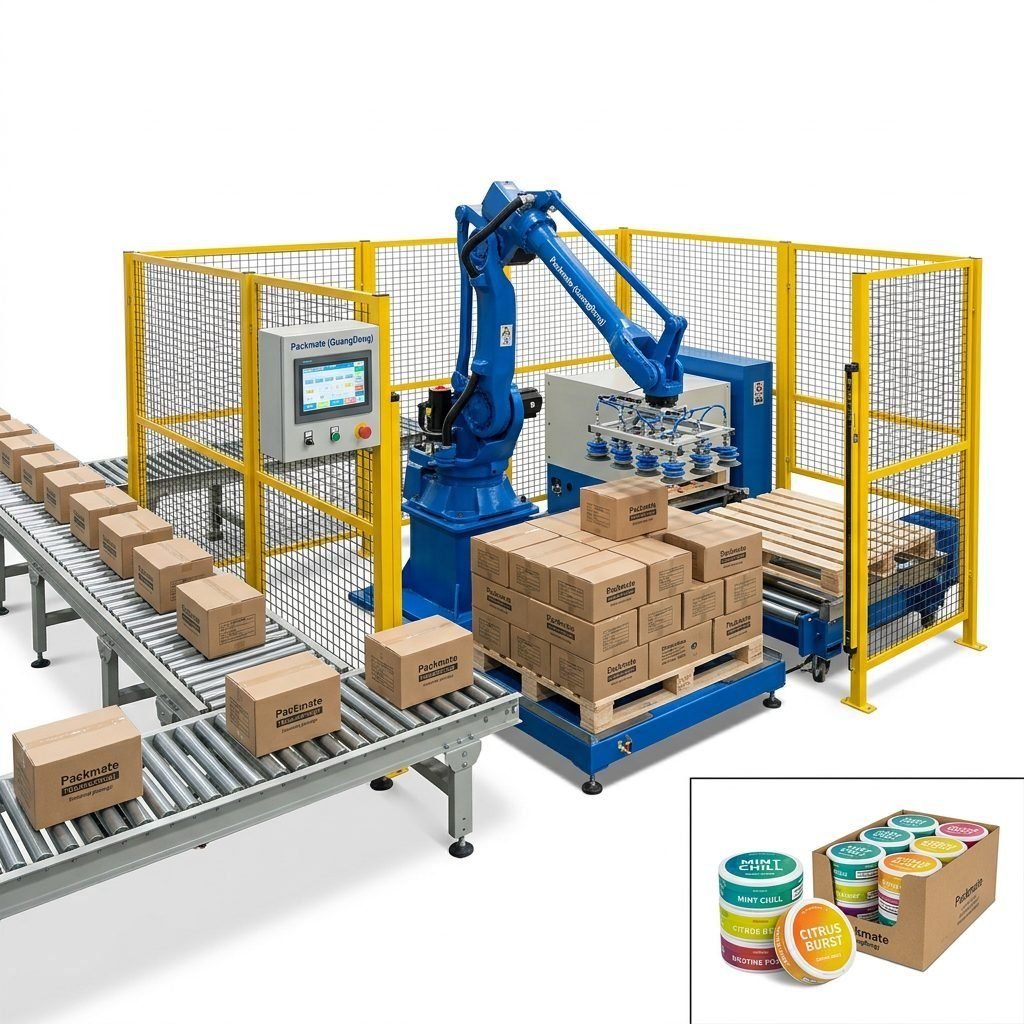
Choosing the right snus packaging machine in Burundi involves more than just matching a machine to a product. It requires understanding local market habits, regulatory constraints, power and service infrastructure, production targets, and long-term maintenance. This guide walks manufacturers, importers, and entrepreneurs through practical steps to select a reliable snus/nicotine pouch packaging solution that fits Burundi’s market realities.
Why Invest in a Dedicated Snus Packaging Machine in Burundi
Burundi is a compact market where consumer habits are influenced by both urban centers like Bujumbura and rural community preferences. Small-dose nicotine pouches and snus often travel through informal distribution channels and require robust, tamper-evident packaging to maintain product integrity. Investing in a purpose-built snus packaging line means higher consistency, reduced product loss, and better shelf appeal—helping new brands gain consumer trust faster.
Local customs and market notes
In Burundi, French and Kirundi are widely used in labeling and trade. Consider bilingual packaging and clear dosing information. Since many consumers prefer small, discreet formats, machines that produce sachets or small pouches are often the best fit. Distribution through local kiosks and small retailers favors compact, easy-to-open packaging.
Check Burundi’s current tobacco and nicotine regulations before ordering. Ensure import permits and labeling laws are satisfied to avoid shipment delays.
Understand Regulatory and Compliance Requirements
Before selecting equipment, confirm whether nicotine pouches are legally permitted and what packaging/labeling information is required. Compliance affects machine choice: for instance, if child-resistant features are mandated or if certain warning labels must be printed or applied, choose equipment or auxiliary devices that support these functions.
Certifications and documentation
Prioritize machines from manufacturers with international certifications like CE and ISO. These certifications demonstrate adherence to safety and quality standards and can simplify import clearance at Burundi customs. For reputable references, review manufacturer case studies and certification pages.
Which Machine Type Fits Your Product?
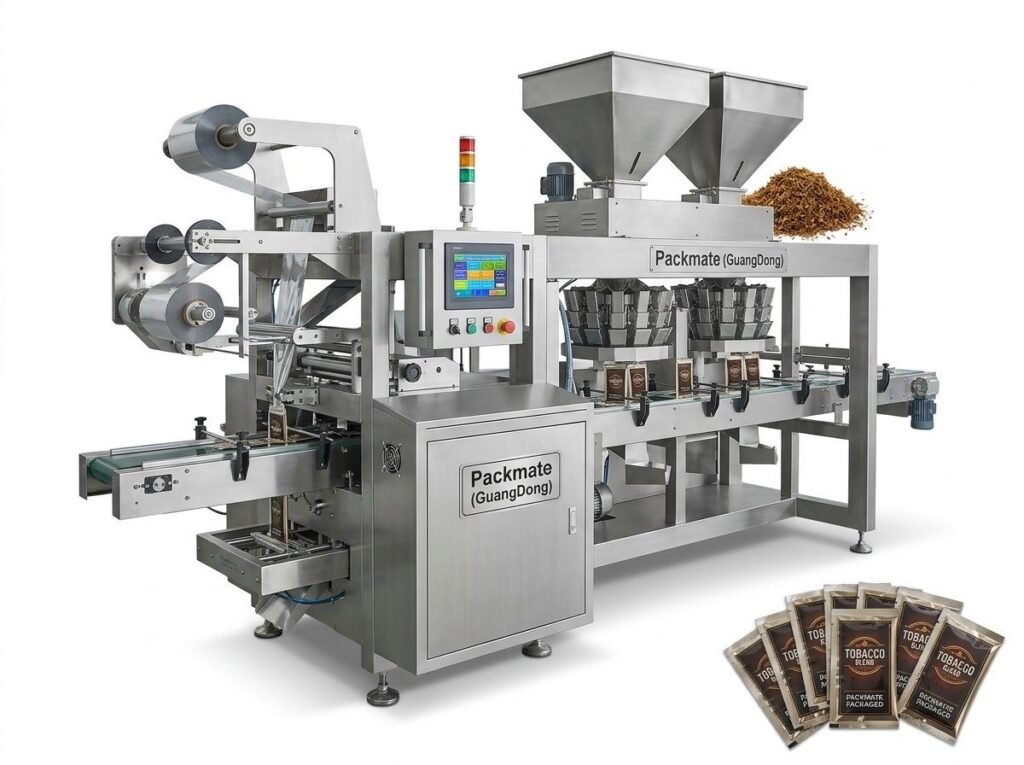
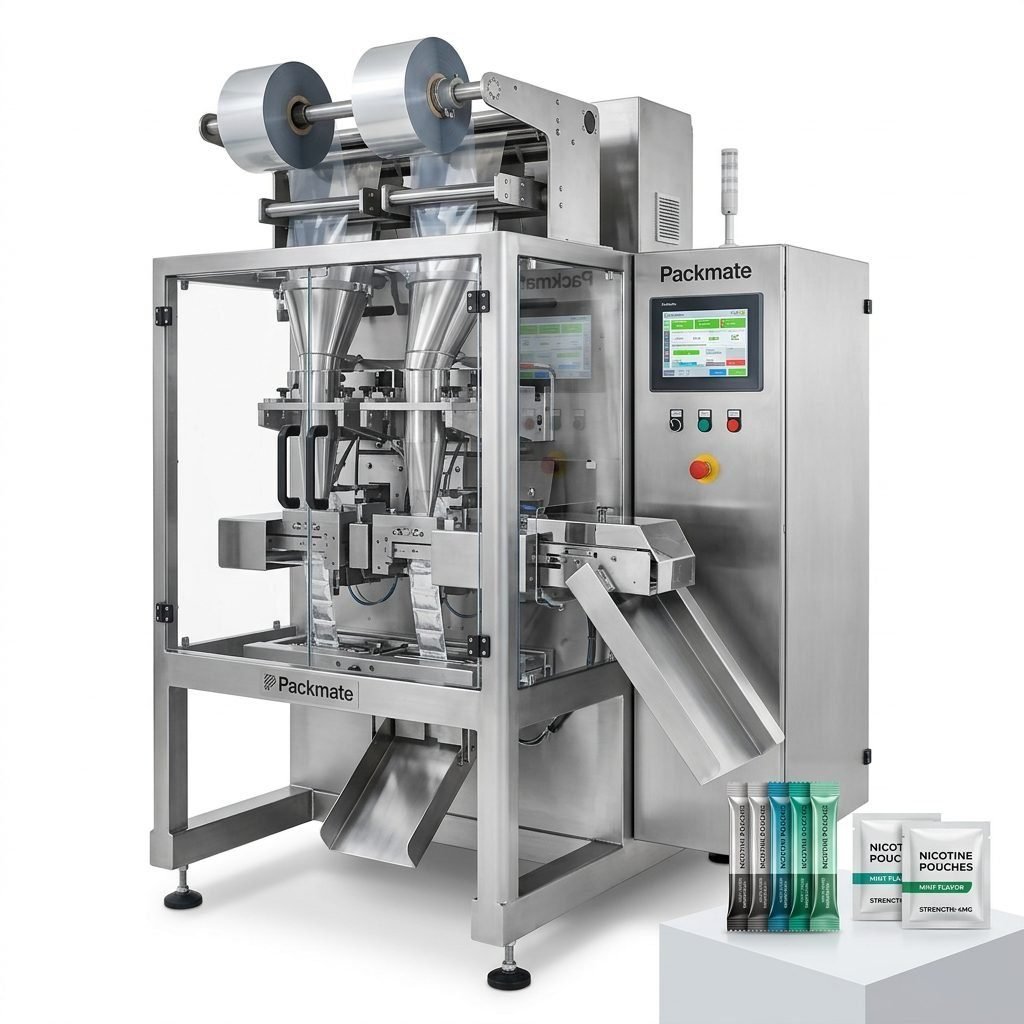
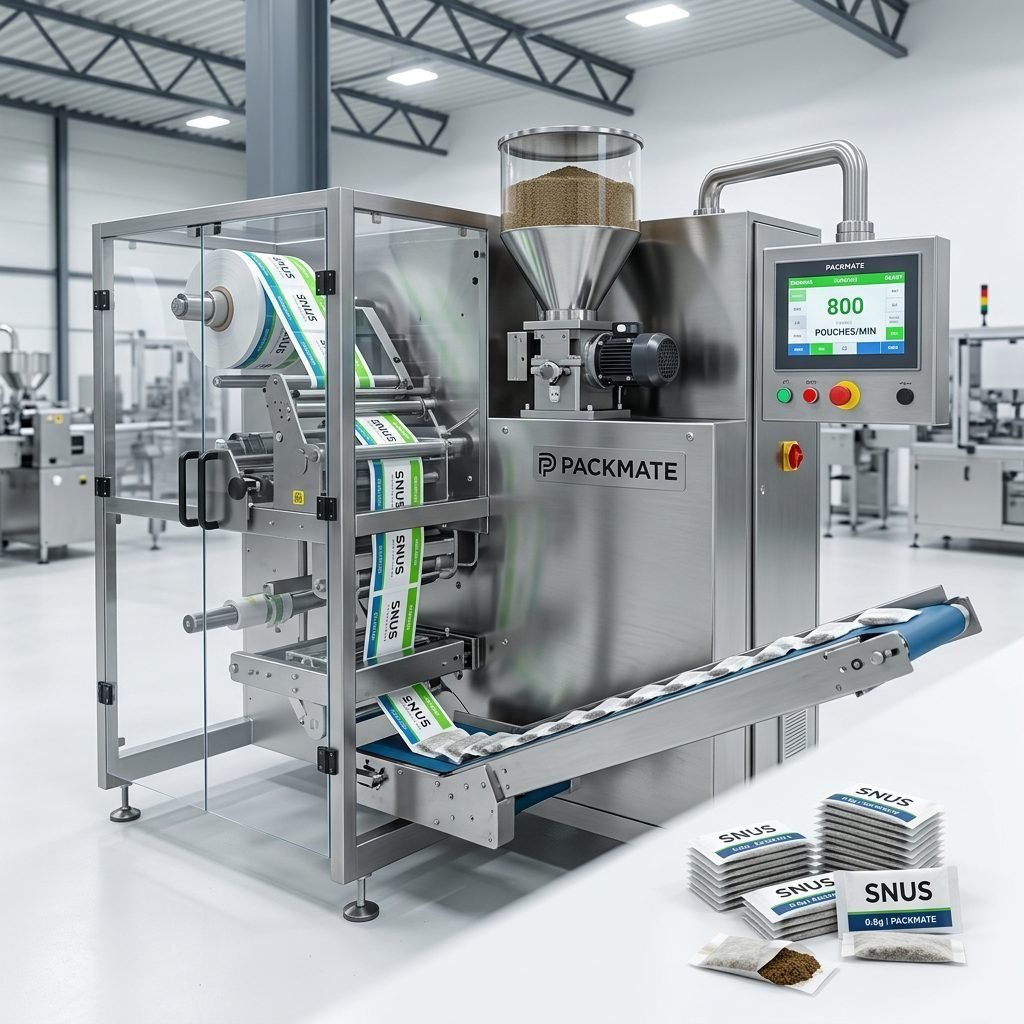
Snus and nicotine pouch formats vary: single-dose sachets, multi-pouch trays, stick packs, or small re-sealable pouches. Choose a machine type that matches your desired package style, production speed, and future product lines.
Popular options to consider
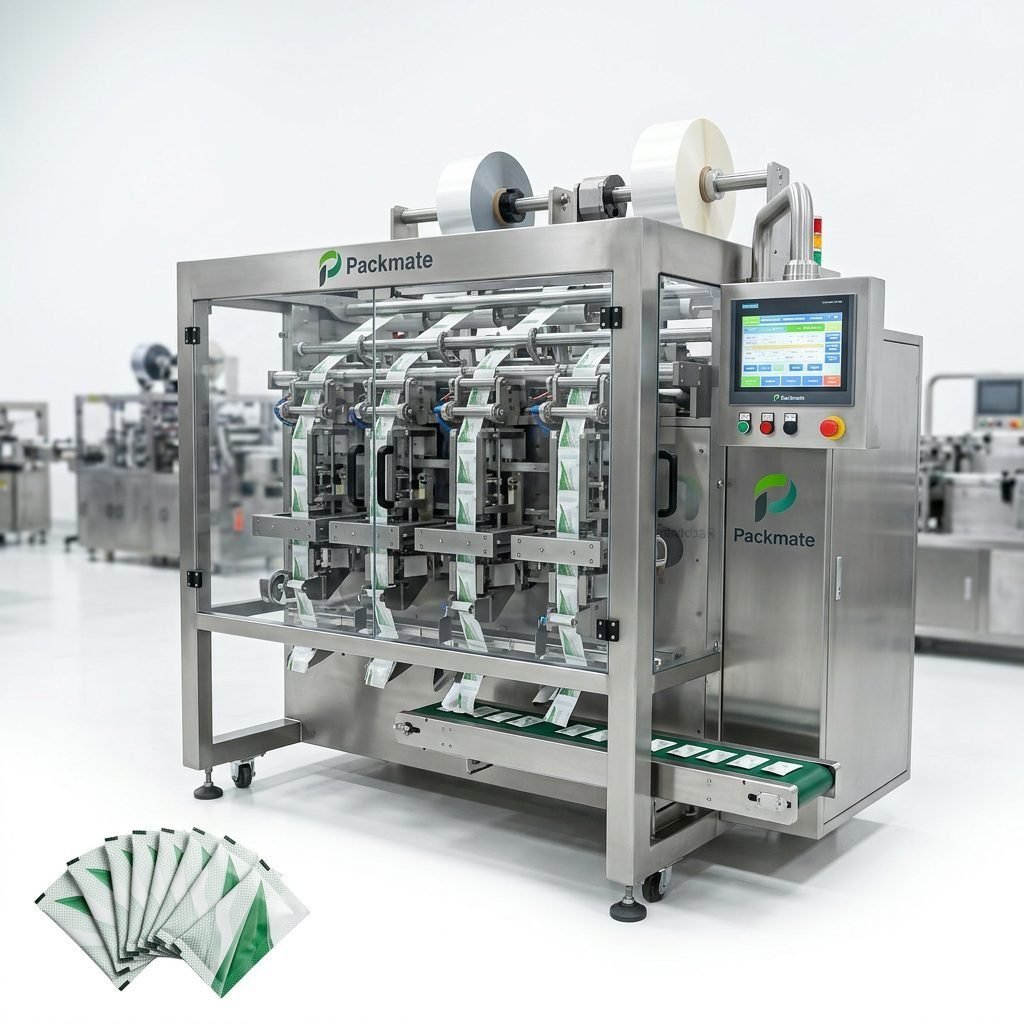
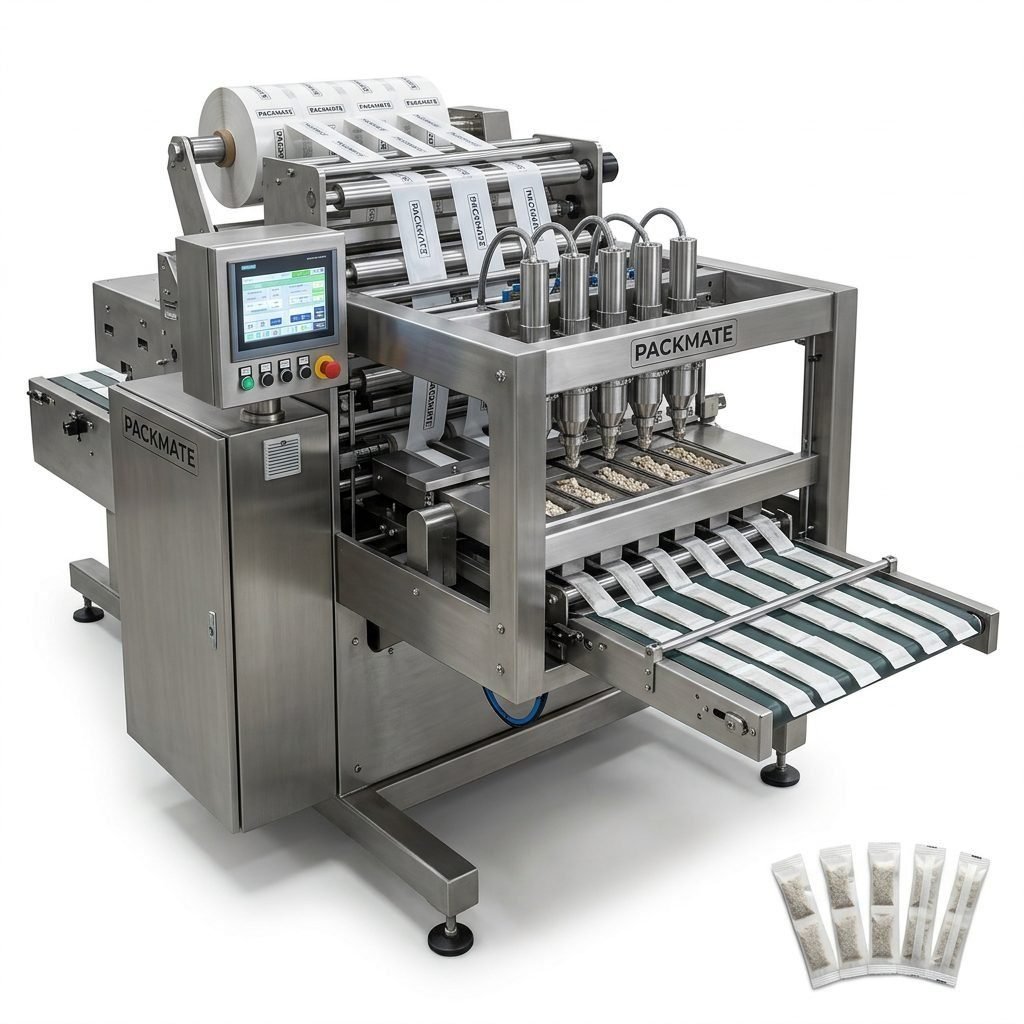
• Sachet & Stick Pack Machines – ideal for single-dose sachets and sticks; compact and cost-effective for smaller batch runs. See examples of stick and sachet lines.
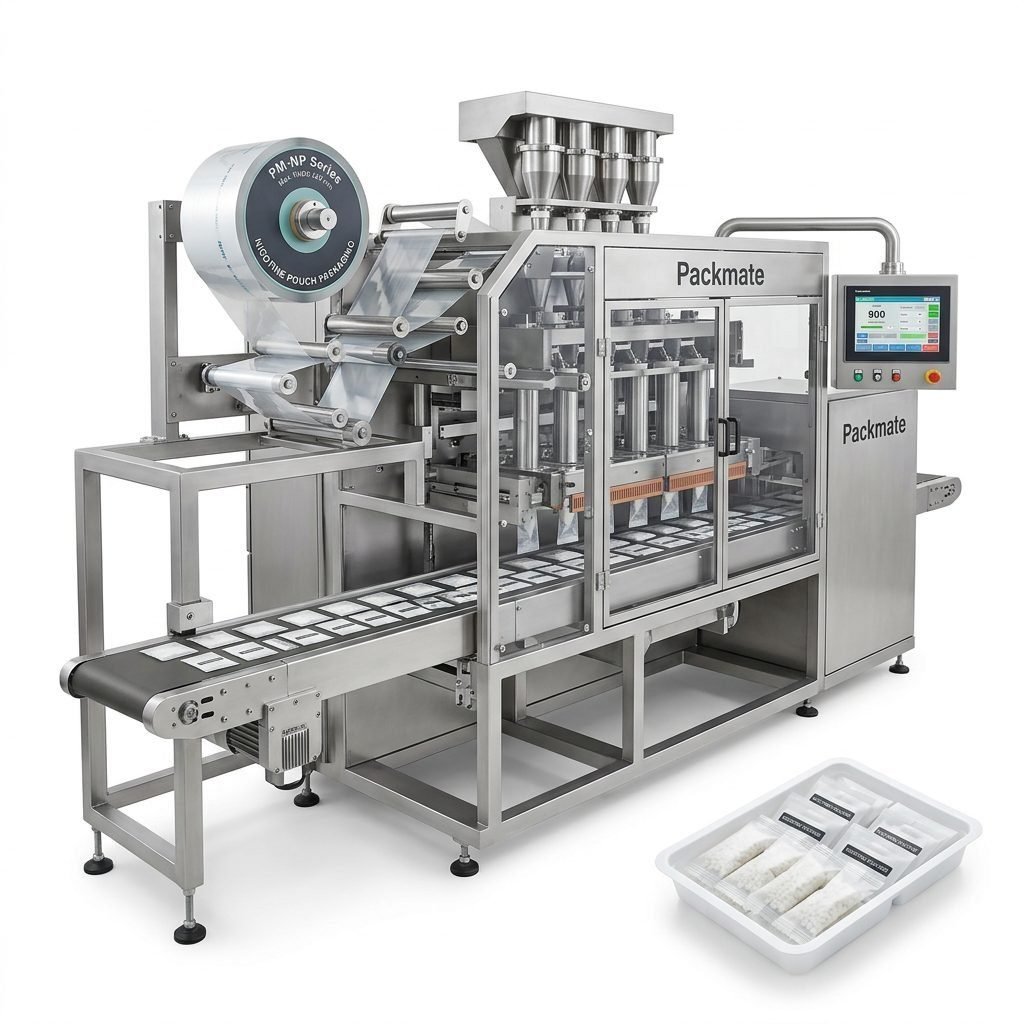
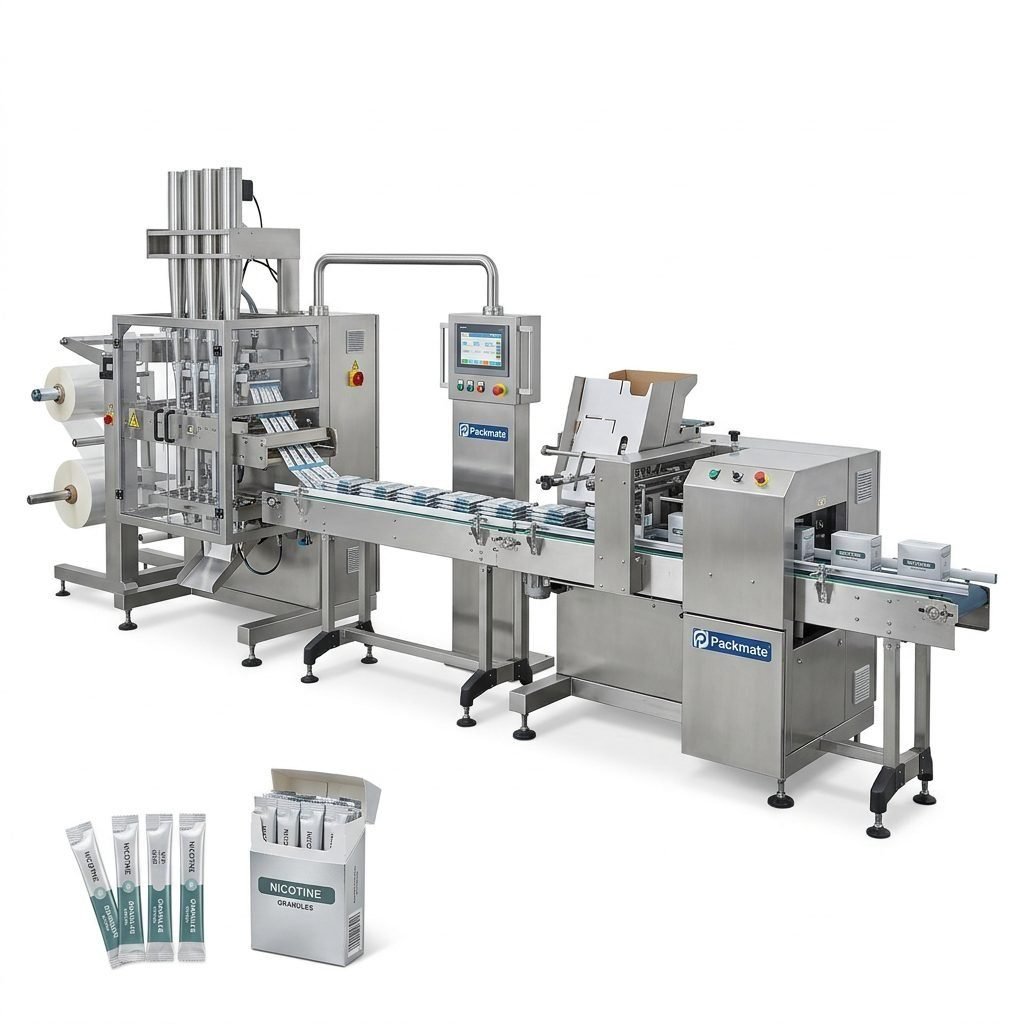
• Multi-lane Snus Packaging Machines – high-output, suited for industrial production of nicotine pouches where multiple lanes produce many pouches per minute.
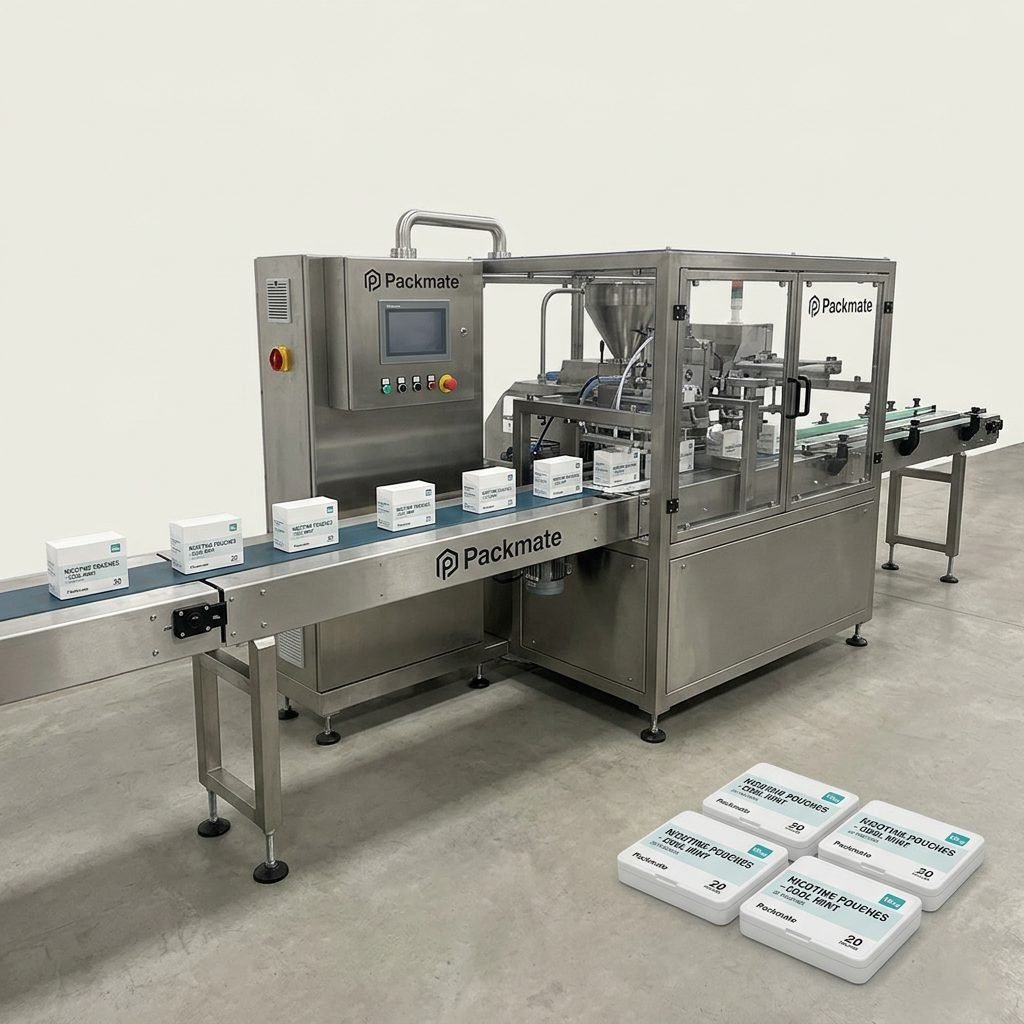
• Bag & Pouch Packaging Machines – for resealable or multi-piece retail packs, combining pouches into larger bags or display packs.
Explore product categories from experienced suppliers to match machine capabilities to your formats:
Snus & Nicotine Packaging Machines,
Sachet & Stick Pack Machines,
Bag & Pouch Packaging Machines.
Key Technical Selection Criteria
Evaluate machines across technical aspects to ensure you get the expected output and long-term reliability.
Production capacity and scalability
Choose equipment rated for your current daily output but with headroom for growth. Multi-lane systems can dramatically increase throughput, but require more precise integration and higher initial investment.
Filling accuracy and materials compatibility
Nicotine pouch filling requires consistent dosing. Look for machines with high-precision feeders or integrated weighing systems. Confirm compatibility with your pouch materials (paper, laminated foil, etc.) and product form (powder, granule, paste).
Automation, HMI and control
Modern PLCs, touchscreen HMIs, and servo-driven mechanisms reduce setup time and operator error. Prioritize intuitive controls that your local operators can learn quickly.
- Servo-driven dosing for consistent weights
- Quick-change format parts for rapid SKU shifts
- Integrated checkweighers or vision systems for QA
- Remote diagnostics and spare-parts availability
After-Sales Support, Training and Spare Parts
The weakest link in many imports to Burundi is lack of timely service and spare parts. Choose a supplier offering:
• On-site installation and commissioning, or remote support during start-up.
• Operator and maintenance training in a language your team understands (French or English).
• Readily available spare parts and clear lead times—if the vendor maintains a parts distribution network or can ship internationally with predictable timing, downtime risk falls.
Learn more about manufacturer service offerings and global cases:
About Packmate and
Case studies.
Logistics: Import, Power & Workshop Requirements in Burundi
Practical considerations for equipment arrival and long-term operation:
Customs & documentation
Ensure all machine certificates, invoices, and shipment documents are accurate to avoid port delays. Work with a freight forwarder experienced in Burundian imports and confirm HS codes for machinery and spare parts.
Power and environment
Standard industrial power in Burundi is 220V 50Hz in many places, but verify site-specific supply and ensure voltage stabilization and backup for sensitive controls. Provide a clean, dry workshop area and a stable foundation for multi-lane equipment.
Cost Evaluation and Return on Investment (ROI)
When evaluating quotes, consider total landed cost—not just machine price. Include freight, taxes, installation, training, spare parts kit, and potential customizations. Estimate ROI by modeling production capacity versus expected sales and reduced product waste due to improved packing accuracy.
A slightly higher initial investment in a high-accuracy multi-lane machine can cut labor and waste costs significantly, paying back in under two years for many small-dose producers.
How to Vet Suppliers and Machines
Follow a structured evaluation to minimize risk:
Factory acceptance testing (FAT)
Request FAT with your product or a close analog. FAT demonstrates machine performance, format changeovers, and control behavior. When FAT is not possible, ask for full video demonstrations and client references.
References and exhibitions
Visit trade shows or ask for live demos at exhibitions—many reputable manufacturers present equipment at international exhibitions. Check the manufacturer’s exhibition page and partner testimonials.
To contact a reliable supplier and request machine details, spare parts lists, and installation quotes, use the manufacturer contact page:
Contact Packmate.
Common Mistakes to Avoid
• Undersizing machines for expected growth—plan for scalable throughput.
• Neglecting spare parts and training—lack of local skills increases downtime.
• Ignoring local regulations and labeling language requirements—this can block distribution.
- Confirm permitted product formats in Burundi
- Get FAT or detailed machine demo
- Verify spare parts lead times
- Arrange training in French or English
- Plan for power stabilization and site prep
Why Consider Packmate as Your Supplier
Packmate (GuangDong) Co., Ltd. has over 30 years of experience building snus and nicotine packaging lines with a wide portfolio including stick pack, sachet, and multi-lane systems. Their factory-driven approach, CE/ISO certifications, and global case studies make them a practical candidate for Burundi imports. Review their specific product categories and service offerings to match your needs:
• Snus & Nicotine Packaging Machines: Product page
• Filling & Packaging Lines and auxiliary systems: Filling & Packaging Lines
Final Recommendations
Start with a clear product definition and expected daily output. Prioritize machine accuracy, ease of maintenance, and supplier after-sales. Factor in local language labeling, power stability, and spare parts logistics. If you plan to scale quickly, opt for flexible multi-lane or modular systems that can expand without a full equipment replacement.
Next steps
Request detailed quotes including FAT, spare parts kits, training plans, and estimated freight and taxes for delivery to Burundi. Compare total landed costs and projected ROI over a two-year period. Finally, secure a supplier who provides clear documentation and support in French or English.
Frequently Asked Questions
Q1: Are nicotine pouches legally permitted in Burundi?
Regulations change—before importing, verify Burundi’s current tobacco and nicotine laws with local authorities or a customs broker. Packaging and labeling requirements (language, health warnings) must be followed to avoid seizure.
Q2: What machine capacity should a startup choose?
Startups often choose machines that comfortably meet their 6–12 month production forecast with a 20–30% growth buffer. Consider modular or multi-lane options if you expect rapid scale-up.
Q3: How important is after-sales support?
Critical—local technical skills may be limited, so choose a supplier offering training, spare parts availability, and remote diagnostics. A strong service agreement reduces downtime and operational risk.
Q4: Which packaging format sells best in Burundian retail?
Small single-dose sachets and portable pouch formats typically perform well due to affordability and discreet use. However, it depends on your target segment—urban youth and commuters may prefer compact, discreet packaging.
Q5: Where can I review manufacturer certifications and sample cases?
Reliable suppliers publish certifications and case studies on their websites. For vendor examples, review certification and case pages and request copies of CE/ISO certificates and FAT reports prior to purchase.