Entering the Myanmar market with snus or nicotine pouch products requires more than just product strategy — choosing the right packaging machinery supplier is a strategic decision that affects product quality, regulatory compliance, and long-term profitability. This guide explains how to select the best snus packaging machinery supplier in Myanmar for your business, with practical checks, local market insights, and a step-by-step selection checklist you can use during vendor evaluation.
Understand Myanmar’s Market and Cultural Context
Myanmar is a market shaped by strong regional traditions and fast-changing regulations. Smokeless tobacco habits in Myanmar are often centered around betel quid and locally-preferred chew products. Snus and nicotine pouches represent a niche but growing segment, especially among urban consumers in Yangon and Mandalay. When selecting a supplier, consider:
🔍 Local preferences: packaging sizes, flavor labeling in bilingual formats (English & Burmese), and consumer-friendly single-serve pouches.
🤝 Business culture: Myanmar values long-term relationships — suppliers who build trust through visible service commitments and local visits are preferred.
🌦 Climate challenges: high humidity and heat affect product shelf life and sealing quality; machines must be suited to tropical conditions.
Define Your Production Needs Clearly
Begin by documenting production targets, product types, and packaging formats. Key questions to answer:
Production volume and speed
Are you piloting small batches or scaling to mass production? Multi-lane systems and fully automated lines are ideal for high throughput, while single-lane or semi-automatic machines can fit early-stage production.
Product format and materials
Specify whether your product is a dry nicotine pouch, moist snus, powder, or liquid-filled sachet. Material compatibility (foil, paper, laminated film) and sealing technology must match your chosen pouch type.
Technical Capability: What to Inspect in Machines
Evaluate machine performance across several technical dimensions:
✓ Accuracy & dosing: stable fill weights and low giveaway are vital for nicotine pouch compliance.
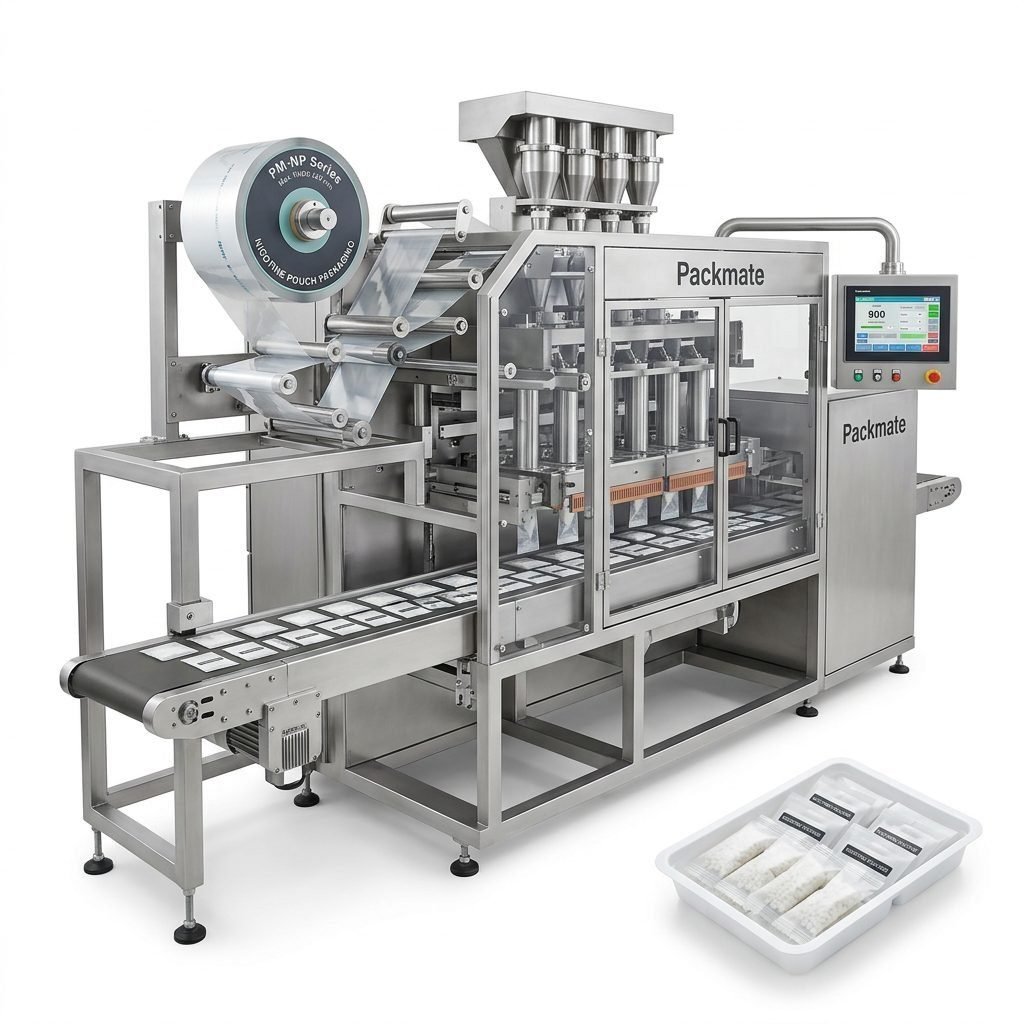
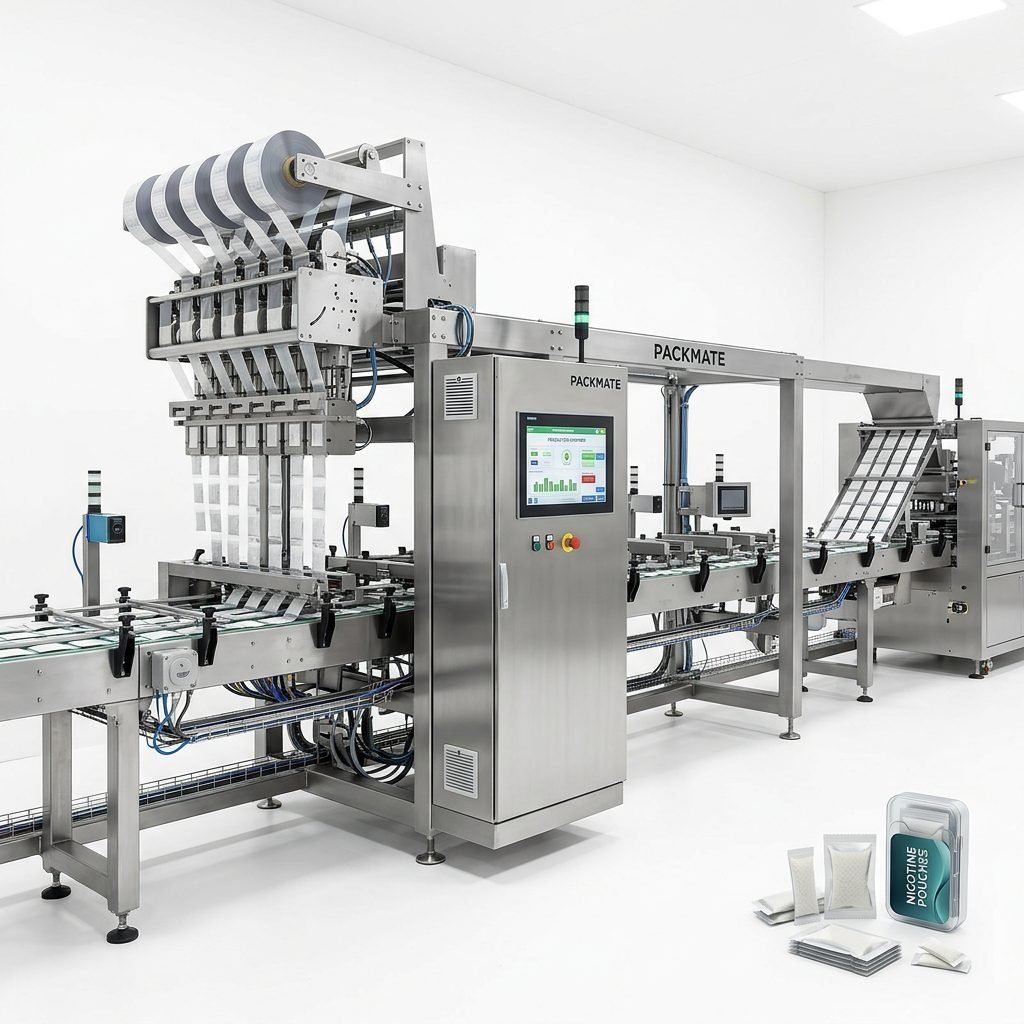
✓ Speed & scalability: multi-lane packaging machines help meet growth without replacing core equipment.
✓ Sealing integrity: robust heat-sealing systems and bar temperature control for humid environments.
✓ Hygiene & maintenance: easy-to-clean contact parts and stainless-steel construction reduce contamination risk.
Quality, Certification and Compliance
For exports or local regulatory approvals, insist on internationally recognized certifications. A reputable supplier should provide:
- CE and ISO certificates — evidence of safety and manufacturing standards.
- Test reports for packaging integrity and material compatibility.
- Machine documentation and electrical schematics suitable for Myanmar’s local technicians.
Factory Strength & Production Capacity
A supplier with a well-equipped factory signals reliability. Look for evidence of:
– Large manufacturing area, precision CNC and assembly lines, and a documented quality control workflow. For example, suppliers that highlight a sizeable factory footprint, advanced CNC machining centers, and 50+ machine models demonstrate ability to deliver varied solutions and spare parts reliably.
After-sales Service, Spare Parts and Local Support
After-sales support is often the deciding factor. Confirm the supplier provides:
🔧 Spare parts availability: guaranteed stock of wear parts or timely shipment options.
📞 Remote diagnostics & training: remote troubleshooting, English/Burmese manuals, and on-site training packages.
⏱ Response time: ask for guaranteed SLAs for breakdown support and average lead time for engineers.
Logistics, Installation and Local Adaptation
Practical installation issues are often overlooked. Verify these points before purchase:
- Power and voltage compatibility — ensure the supplier supplies appropriate transformers or electrical adaptions for Myanmar.
- Packaging climate control — machines should handle high humidity without degrading seals.
- Local-language HMI options and documentation — these accelerate operator training and reduce errors.
Customization and Turnkey Solutions
For businesses aiming to launch quickly and reliably, turnkey solutions reduce integration risk. Key benefits:
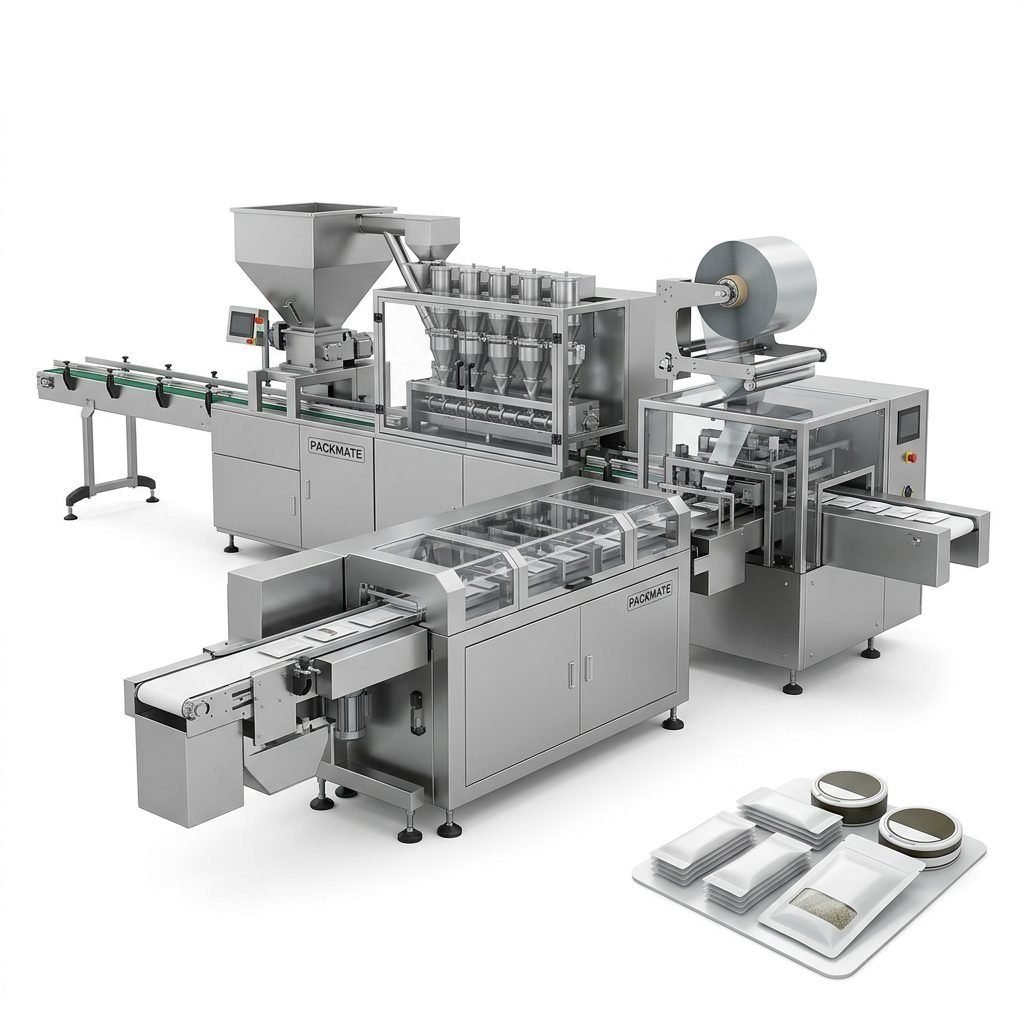
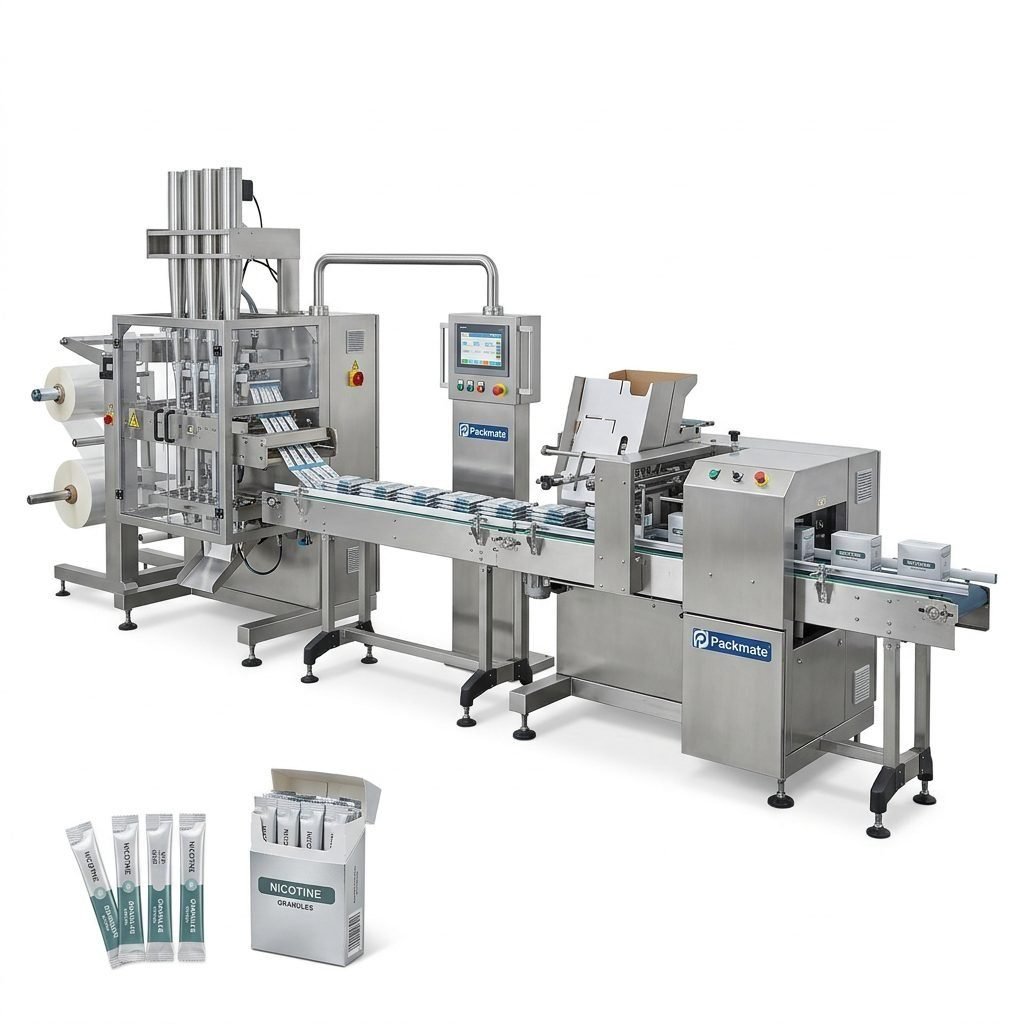
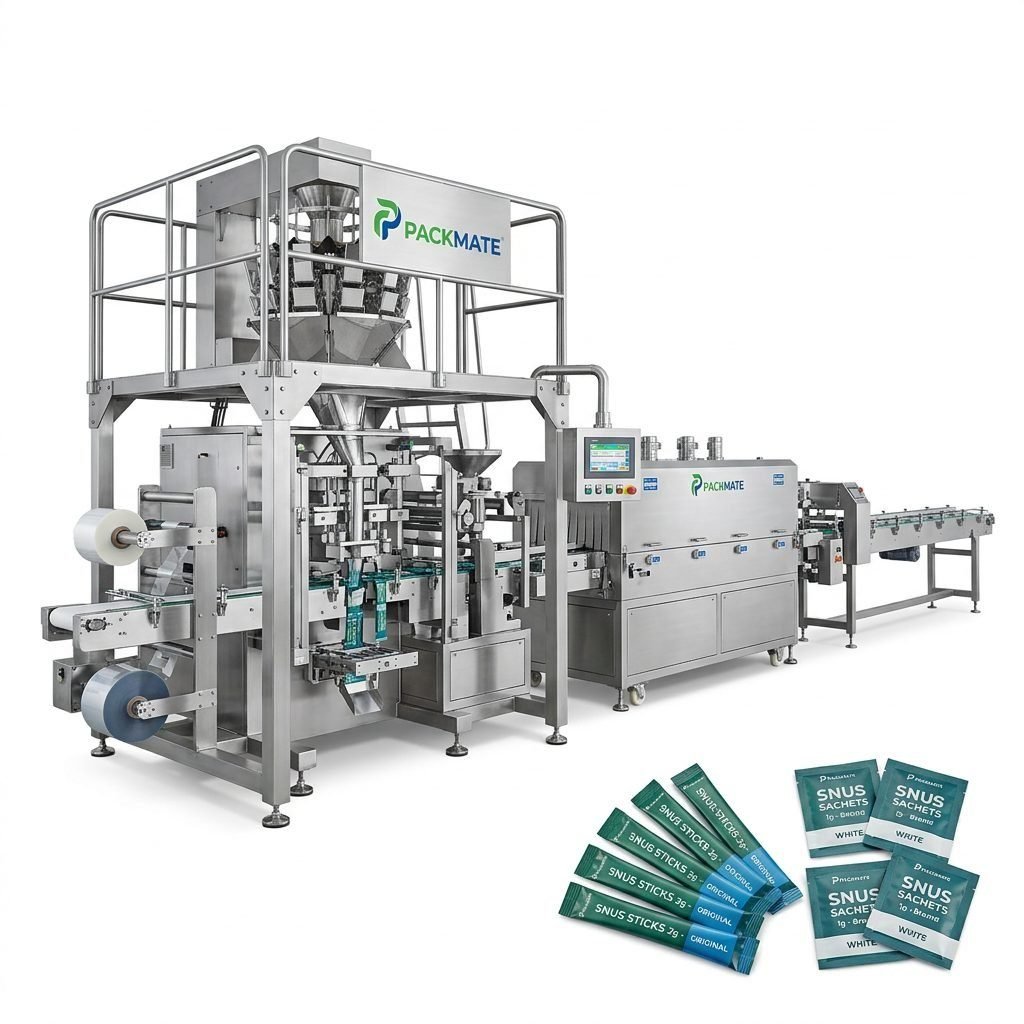
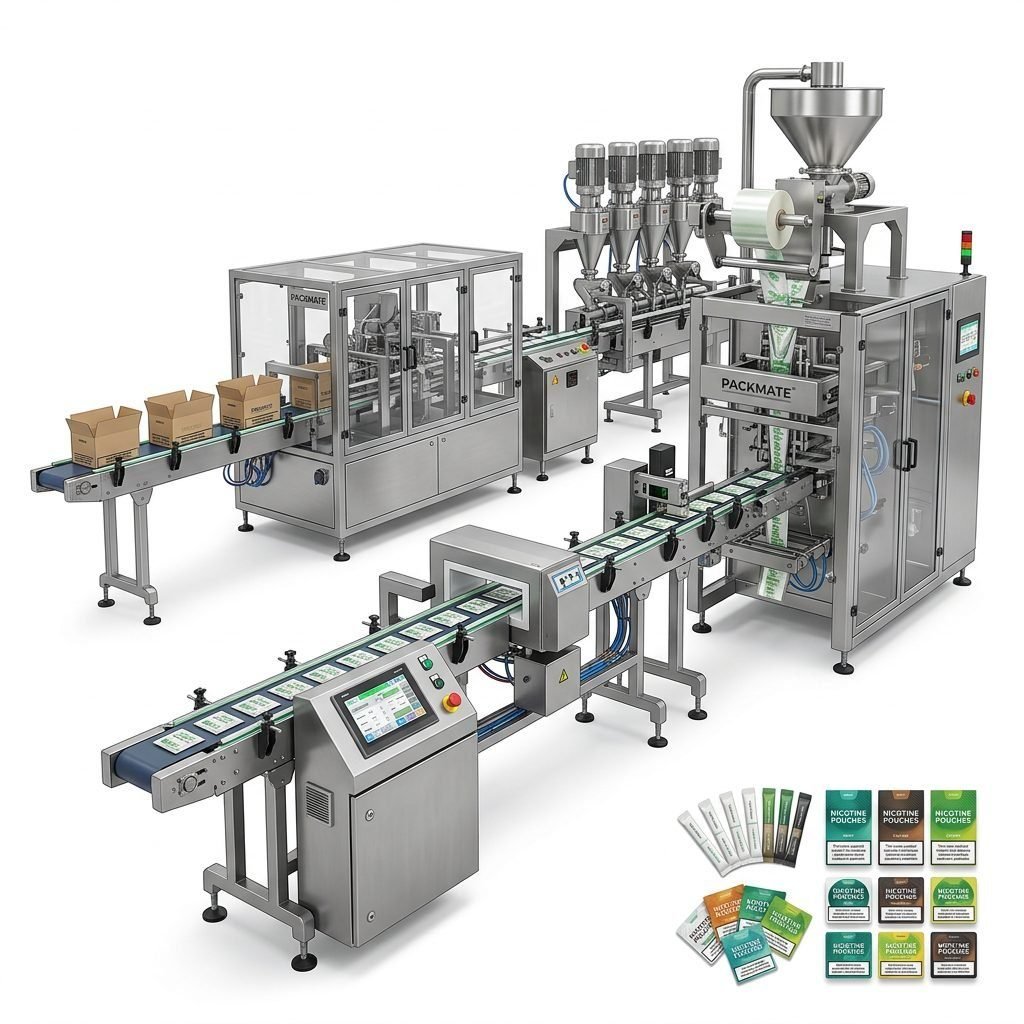
– Fully integrated lines (weighing, dosing, packaging, and secondary packaging) delivered and tested by the supplier. Look for suppliers who can provide complete filling & packaging lines and proven case studies of installations in similar markets. For examples and product details, review solutions like Snus & Nicotine Packaging Machines and Filling & Packaging Lines.
Evaluate Supplier Reputation and Case Studies
Request references and visit recent installation sites if possible. Assess:
- Customer testimonials and uptime statistics.
- Detailed case studies showing problem-solving in similar climates or product types — check the supplier’s published Case materials for real-world examples.
- Exhibition presence — suppliers that demonstrate machines at industry shows usually maintain higher transparency and product maturity.
Commercial Terms & Total Cost of Ownership (TCO)
Don’t judge by the unit price alone. Compare TCO including installation, training, spare parts, energy use, and expected service life. Negotiate:
- Warranty duration and coverage details.
- Inclusive training and commissioning fees.
- Payment terms and financing options if available.
Red Flags to Avoid
When evaluating vendors, watch for:
⚠️ Vague specifications: unclear machine specs or missing performance test data.
⚠️ Poor documentation: no drawings, manuals, or electrical diagrams for local engineers.
⚠️ No clear after-sales plan: long lead times for parts or no local partner network.
Why a Specialist Snus Supplier Matters
Snus and nicotine pouches require precise dosing, specific sealing technologies, and strong regulatory documentation. A specialist supplier brings:
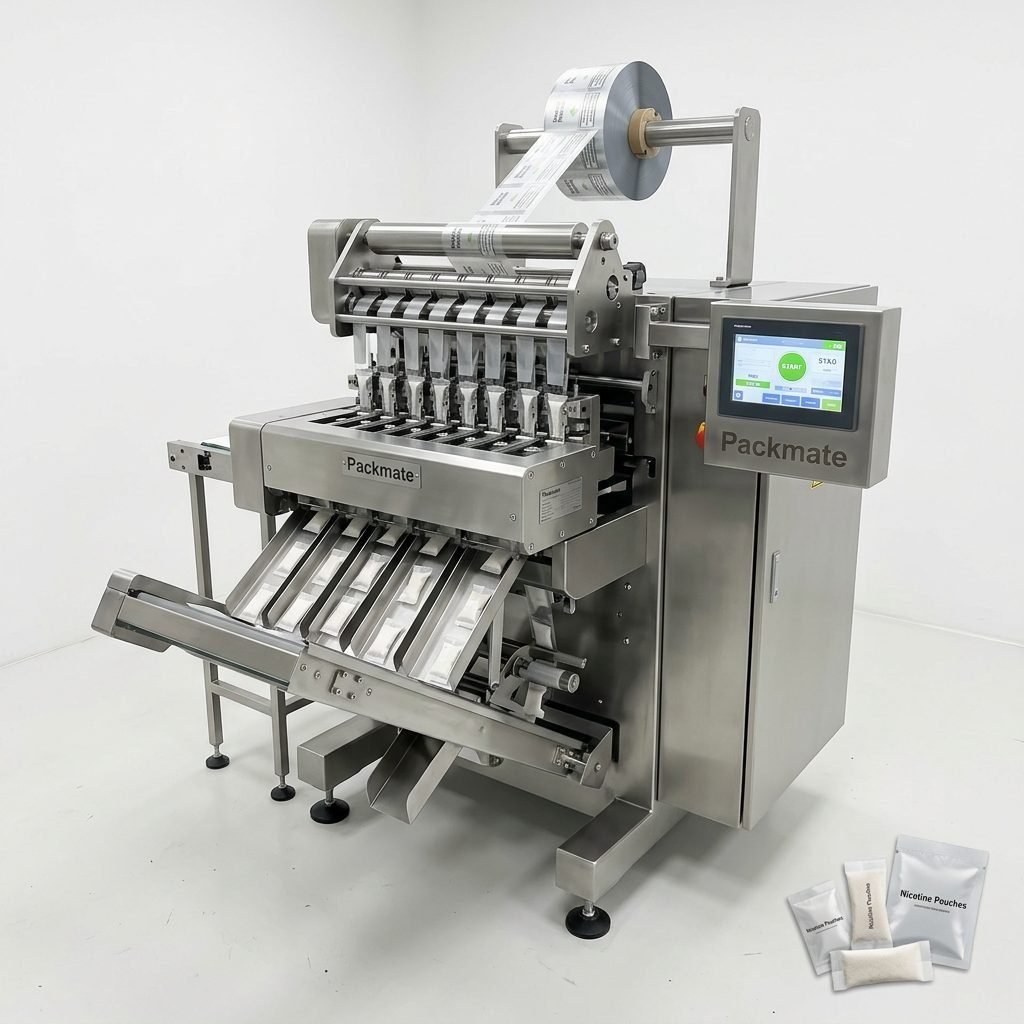
- Proven designs for small-dose pouches and multi-lane production.
- Industry experience in nicotine packaging and product-specific tooling.
- Turnkey line options that reduce time-to-market and risk.
If you want detailed product lines and equipment sets, explore dedicated machines such as Snus & Nicotine Packaging Machines and related Bag & Pouch Packaging Machines.
Practical Selection Checklist (Step-by-Step)
Use this checklist during supplier evaluation:
- Define product formats, target speeds and packaging materials.
- Request detailed machine specs, CE/ISO certificates and performance reports.
- Ask for references and recent case studies; review machine run videos or arrange live demos.
- Confirm spare parts lists, lead times and warranty terms.
- Evaluate TCO and negotiate training/commissioning into the contract.
- Plan for installation: local power, humidity control and operator language requirements.
- Sign an acceptance test protocol (FAT) and insist on a site acceptance test (SAT) after installation.
How Packmate Snus Machine Aligns With Myanmar Needs
A supplier with long industry experience and factory capacity can be a strong partner. For example, Packmate Snus Machine emphasizes:
- 30+ years of engineering experience and a 20,000㎡ manufacturing facility.
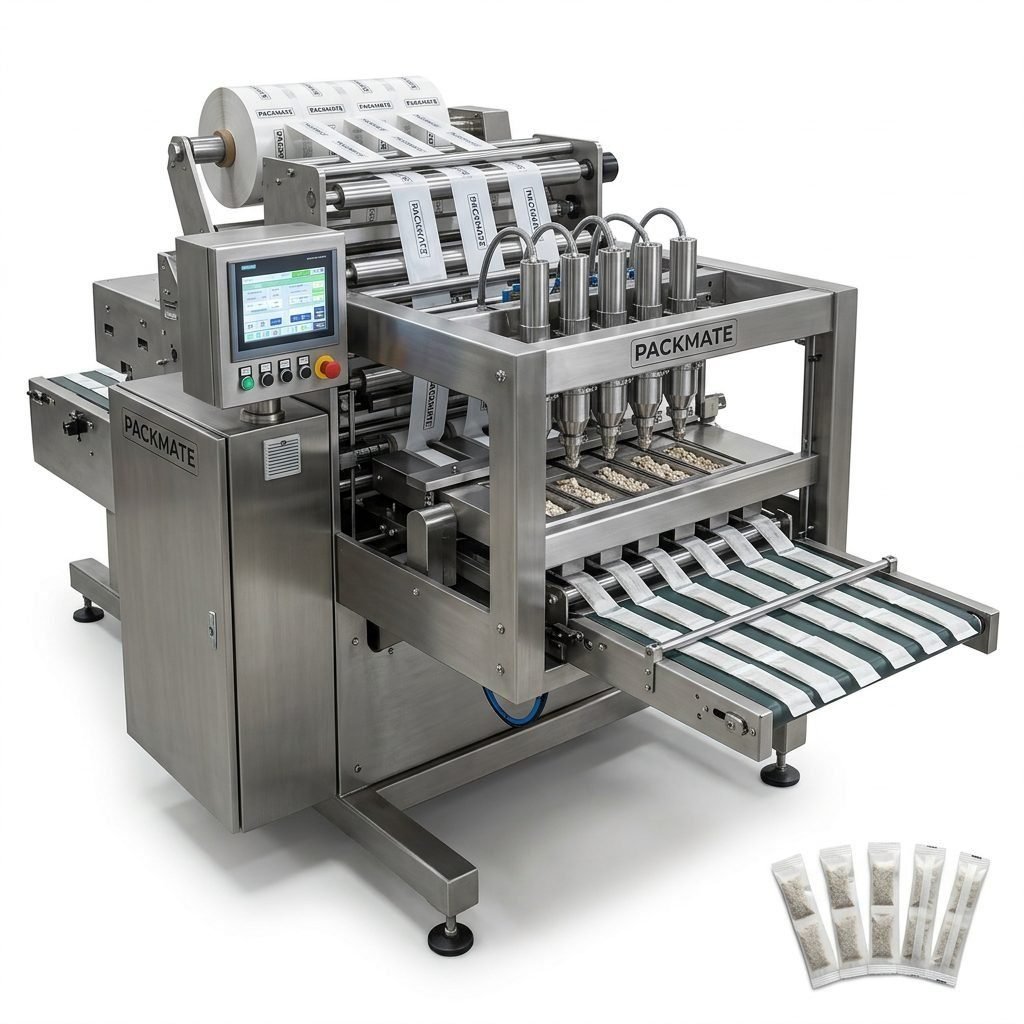
- A wide product range including multi-lane snus systems, sachet and stick pack machines, and full Filling & Packaging Lines.
- Global turnkey solutions, CE/ISO compliance and documented installation support.
For more information on the company and its track record, visit the About Packmate page and review installation examples in the Case section. When you’re ready, contact their team through Contact Us to request machine specs or schedule a demo.
Negotiation Tips and Contract Clauses
Ensure your purchase contract includes:
- Detailed FAT/SAT acceptance criteria and penalties for missed performance.
- Clear warranty terms and spare parts pricing lists for 1-3 years.
- Training scope, documentation language, and remote support SLAs.
- Shipping incoterms, insurance, and customs clearance responsibilities for Myanmar ports.
Final Selection: Trial, FAT and SAT
Before final acceptance:
– Complete a Factory Acceptance Test (FAT) to verify machine performance using your materials and formulations.
– After delivery, run a Site Acceptance Test (SAT) with the supplier present. This two-step acceptance reduces risks and ensures your line meets promised performance metrics.
Conclusion
Choosing the best snus packaging machinery supplier in Myanmar blends technical due diligence with local market understanding. Evaluate machines for dosing accuracy, sealing reliability in humid climates, warranty and spare part support, and proven turnkey capability. Prioritize suppliers that provide clear documentation, strong after-sales service, and demonstrable experience with nicotine pouch production to reduce risk and accelerate market entry.
Frequently Asked Questions (FAQs)
Q1: How important is a local service partner in Myanmar?
A1: A local partner reduces downtime and speeds up parts delivery. If the supplier has no local office, confirm fast air-shipment options, remote diagnostics, and bilingual documentation.
Q2: What certifications should I demand for snus machinery?
A2: At minimum, request CE and ISO certification, plus material and electrical documentation. These demonstrate adherence to international safety and quality standards.
Q3: Can I buy a partial line and upgrade later?
A3: Yes, modular solutions and multi-lane machines support phased investment. Confirm compatibility and upgrade paths before purchase to avoid costly retrofits.
Q4: What should be in the FAT/SAT acceptance criteria?
A4: Include speed, dosing accuracy, seal quality under specified material and climate conditions, and uptime metrics over a defined run time. Preset thresholds protect your investment.
Q5: Where can I see proven snus packaging solutions?
A5: Review supplier product pages and case studies. For an example of specialized equipment and turnkey lines, check the Snus & Nicotine Packaging Machines and related product sections provided by experienced manufacturers.