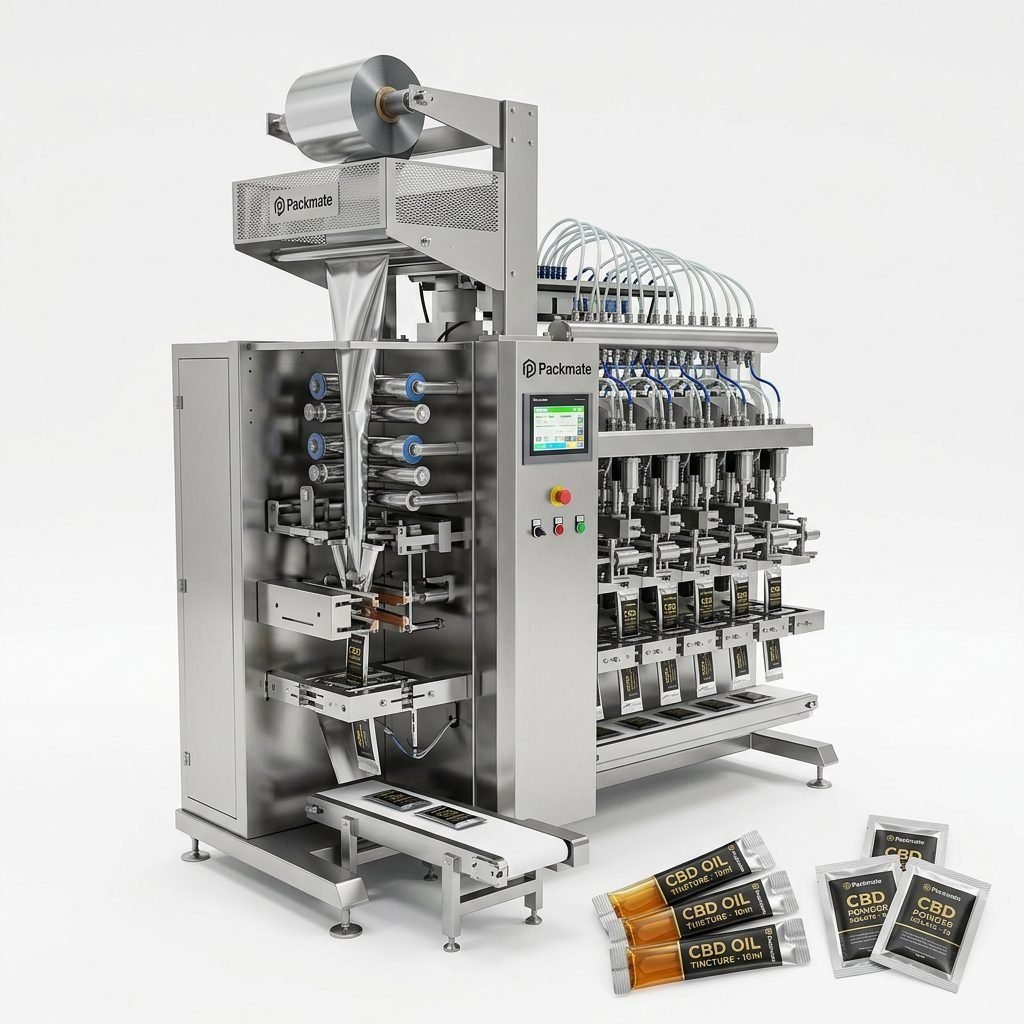
Choosing the right snus packaging machinery manufacturer for your business in Namibia is more than a procurement decision — it is a strategic move that affects product quality, regulatory compliance, production flexibility, and long-term profitability. This guide walks you through the practical, technical, and cultural factors to consider so you can select a partner that meets local needs while delivering global-level equipment performance.
Why the Manufacturer You Choose Matters
A reliable manufacturer provides more than a machine — they deliver engineered solutions, on-site training, spare parts availability, and global compliance documentation. In Namibia, where logistics and after-sales presence can be challenging for imported industrial equipment, selecting a manufacturer with a strong export track record and robust service capability can be the difference between a smooth launch and extended downtime.
Understand the Namibian Market & Local Customs
Namibia is a sparsely populated, multilingual nation where consumers value product discretion, simplicity, and environmental responsibility. Business relationships in Namibia often emphasize trust and long-term partnerships; manufacturers who demonstrate reliability, clear communication, and timely support tend to succeed. Key local considerations:
📌 Port & logistics: Walvis Bay is the major international port — ensure the manufacturer has experience exporting to the port and handling customs paperwork.
⚙️ Climate impact: Namibia’s arid conditions and dust can affect machine components — ask about dust protection, filters, and suitable material finishes.
🌍 Eco-sensitivity: Namibian consumers and regulators increasingly prefer sustainable packaging — machines that support recyclable films and precise material use reduce waste.
Core Technical Criteria: What to Inspect
Technical fit is fundamental. The ideal manufacturer offers machines matched to your product format (snus pouches, nicotine pouches), production capacity, and future growth. Evaluate these essentials:
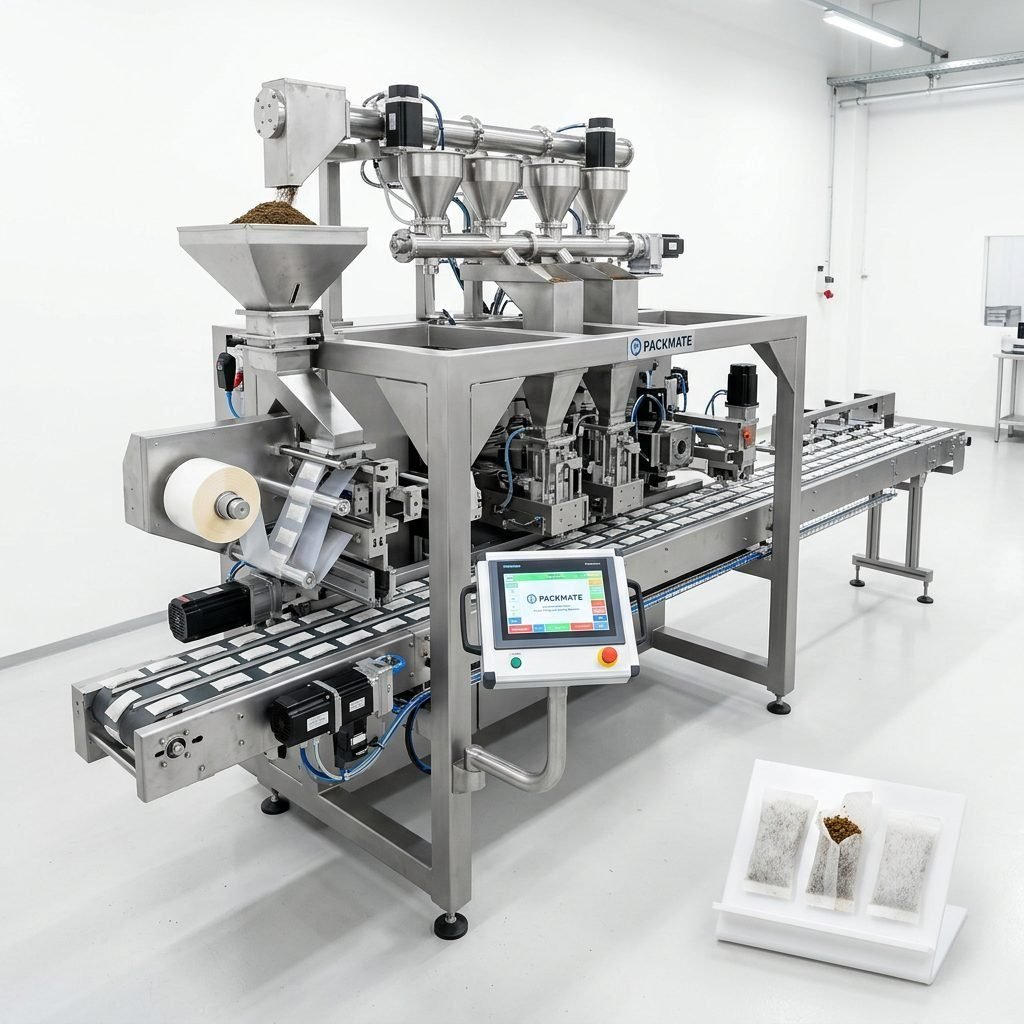
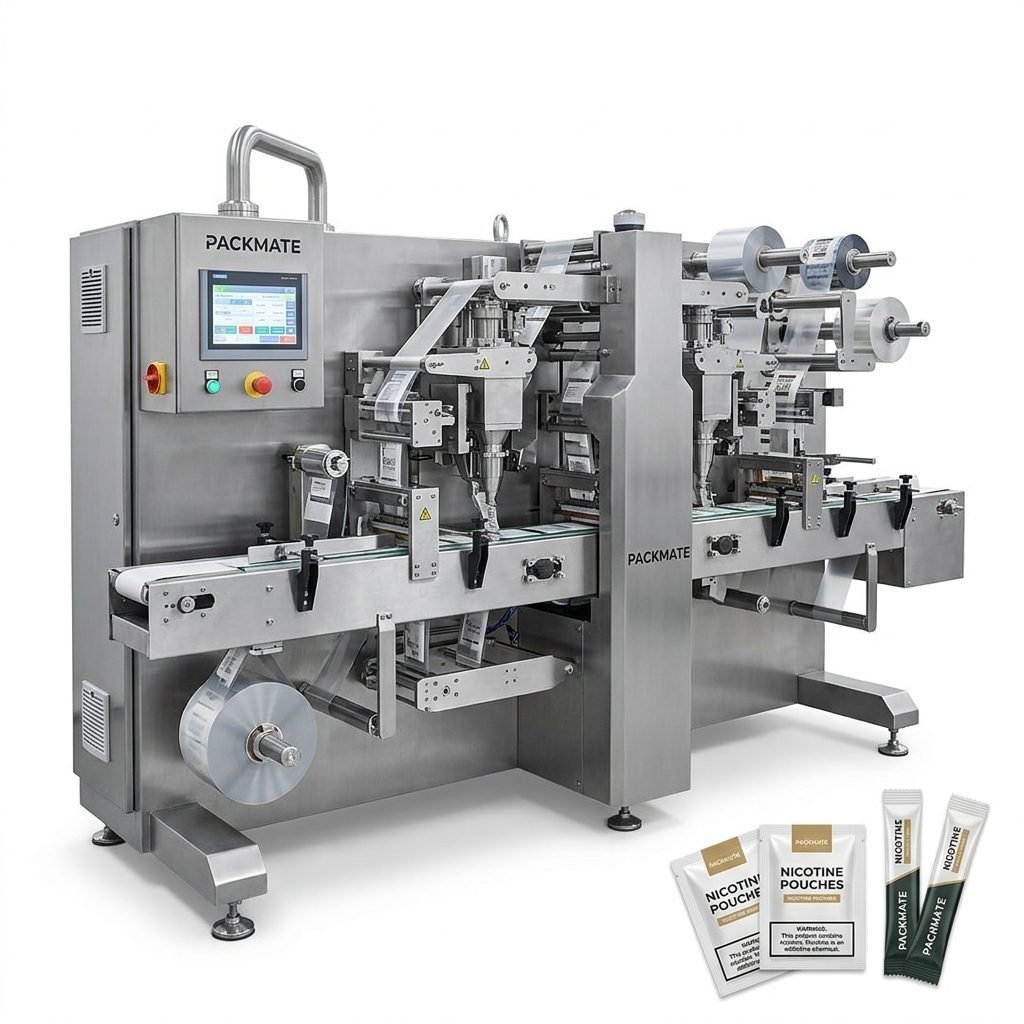
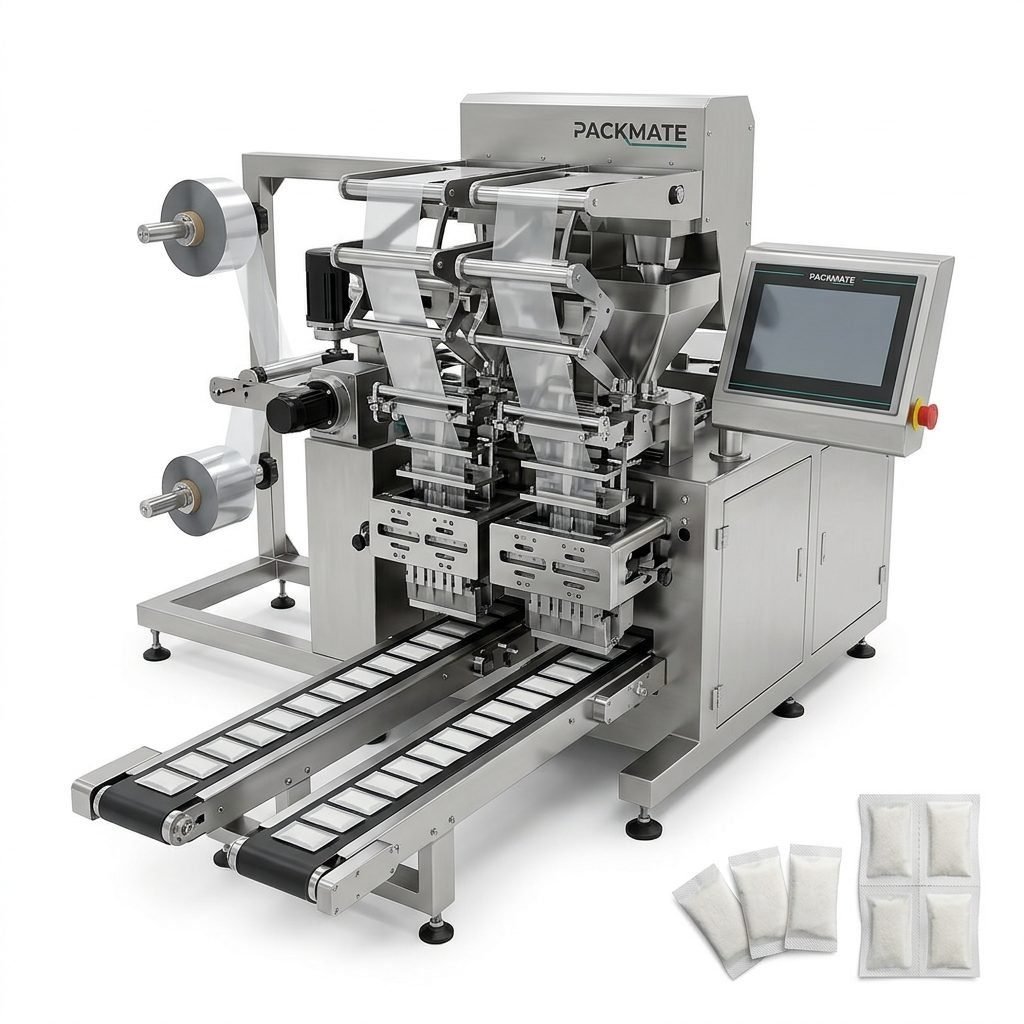
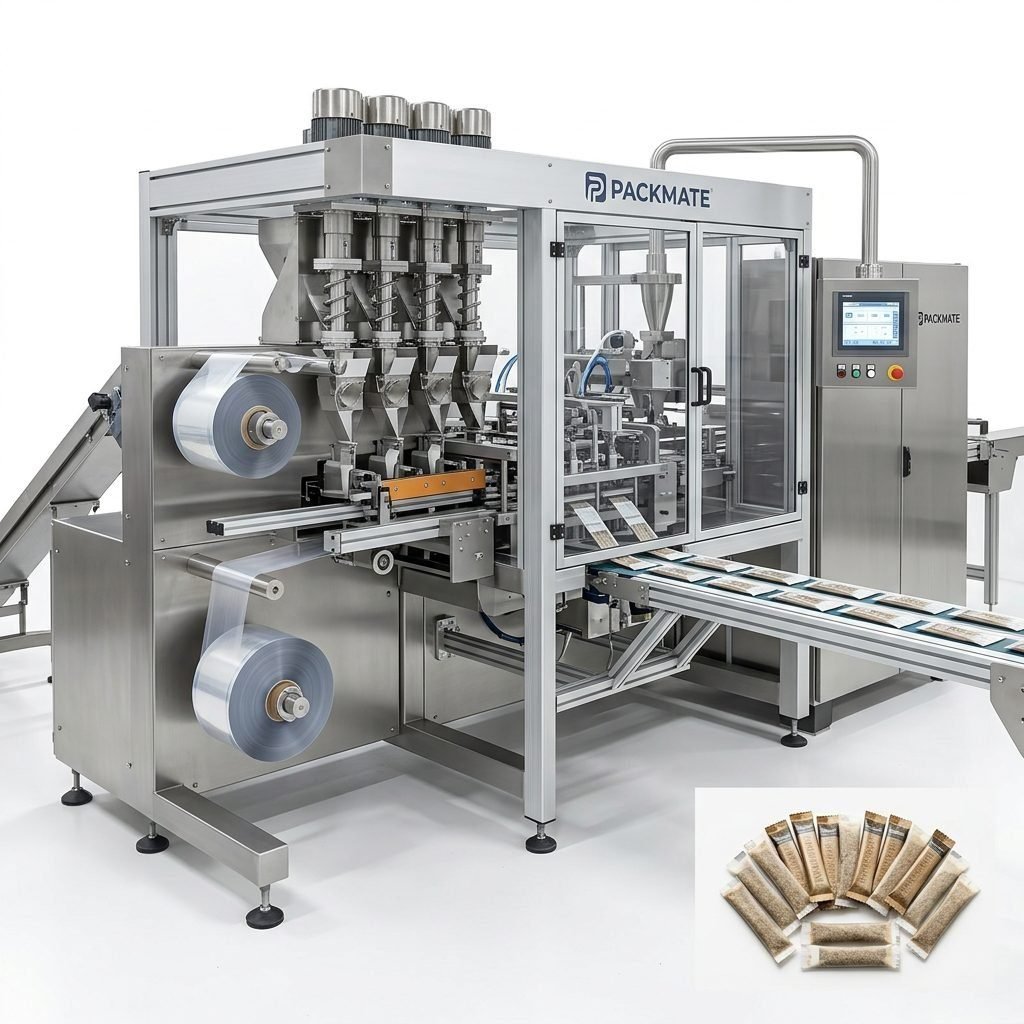
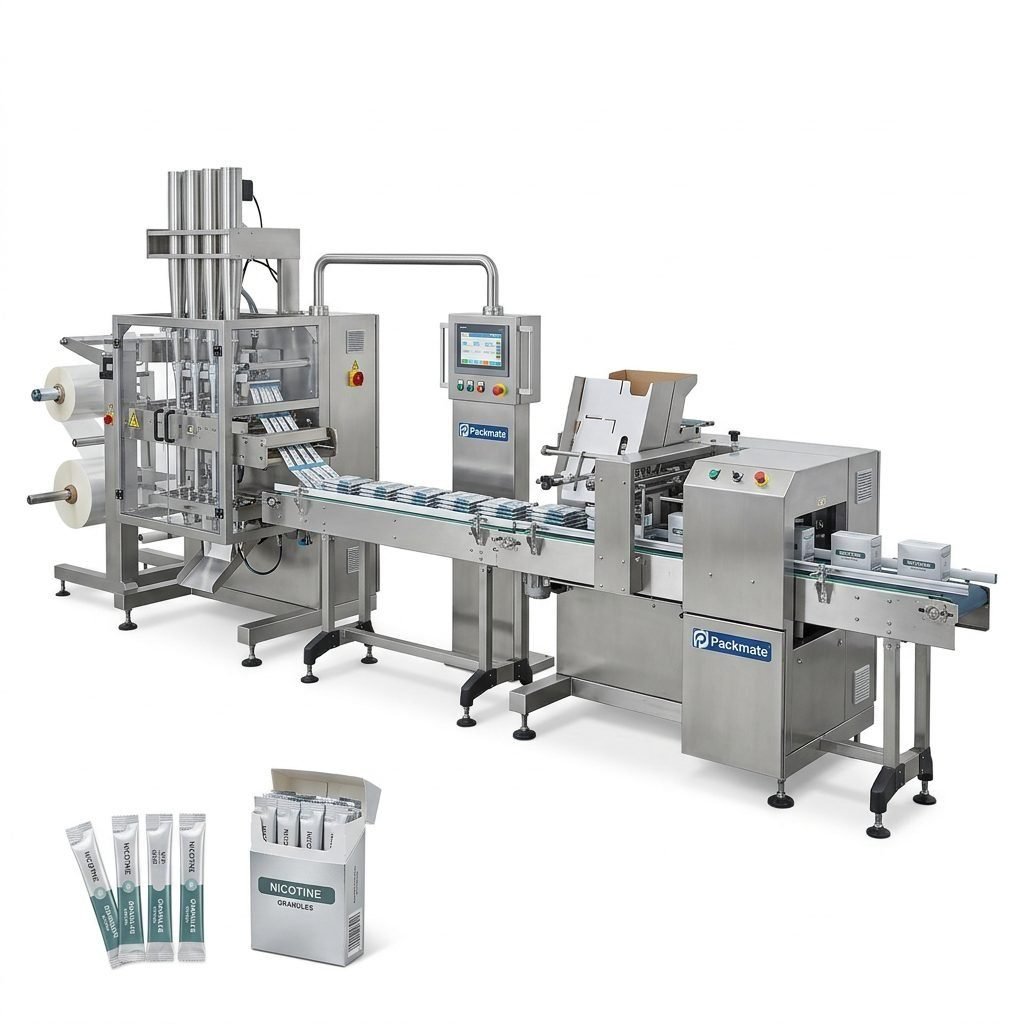
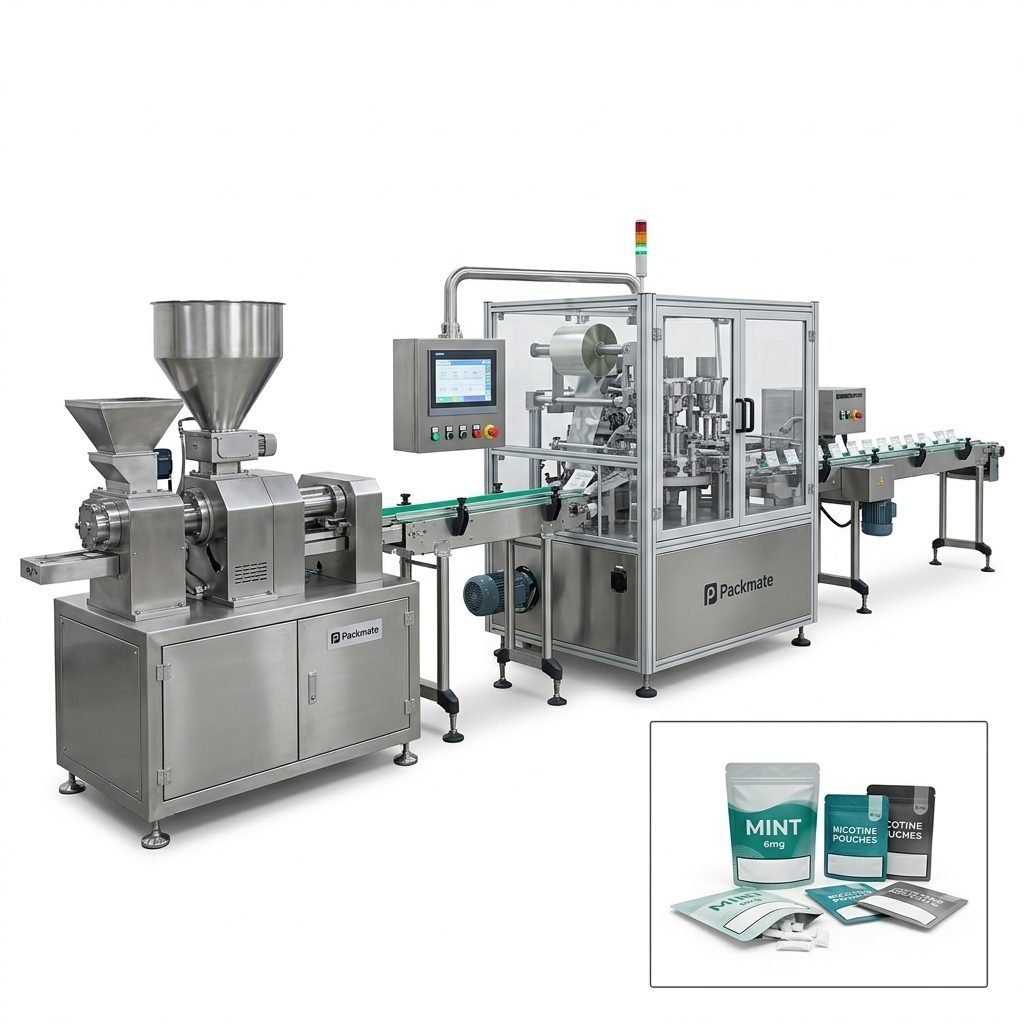
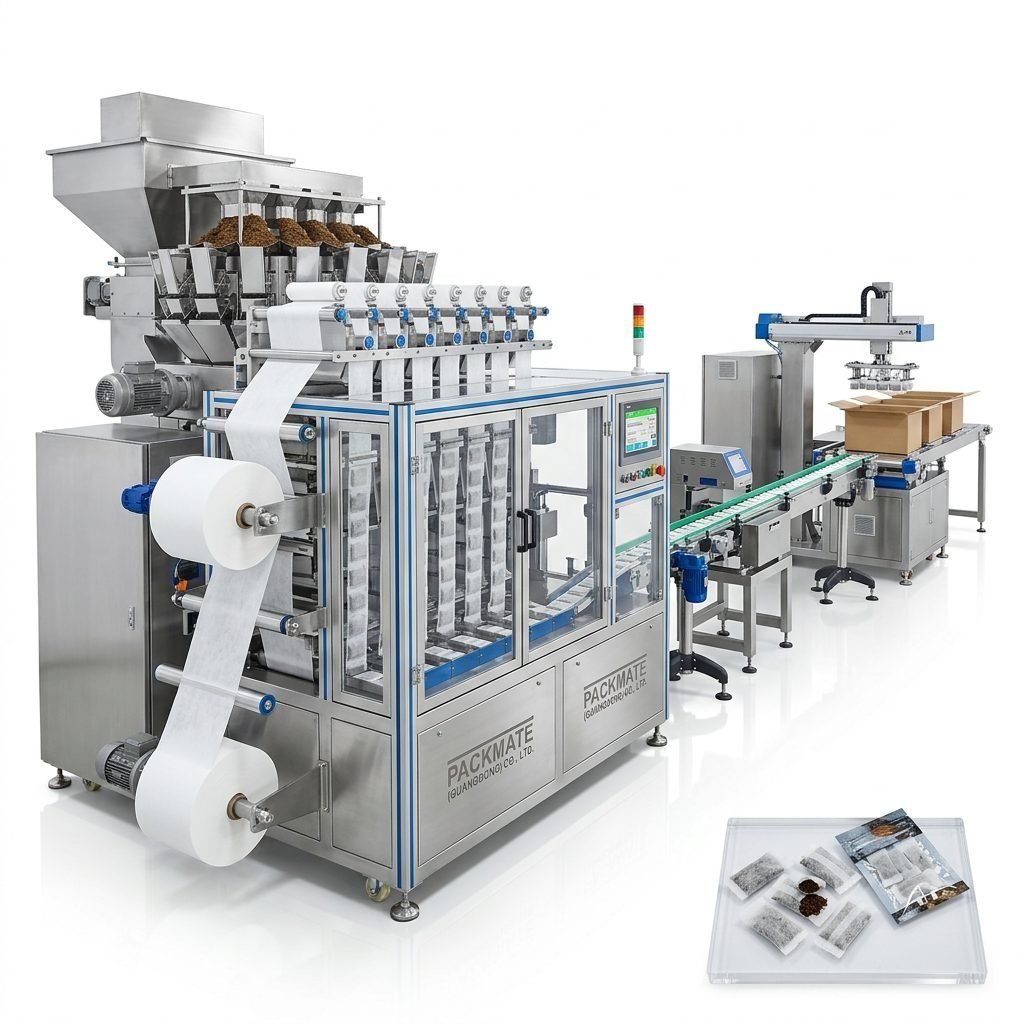
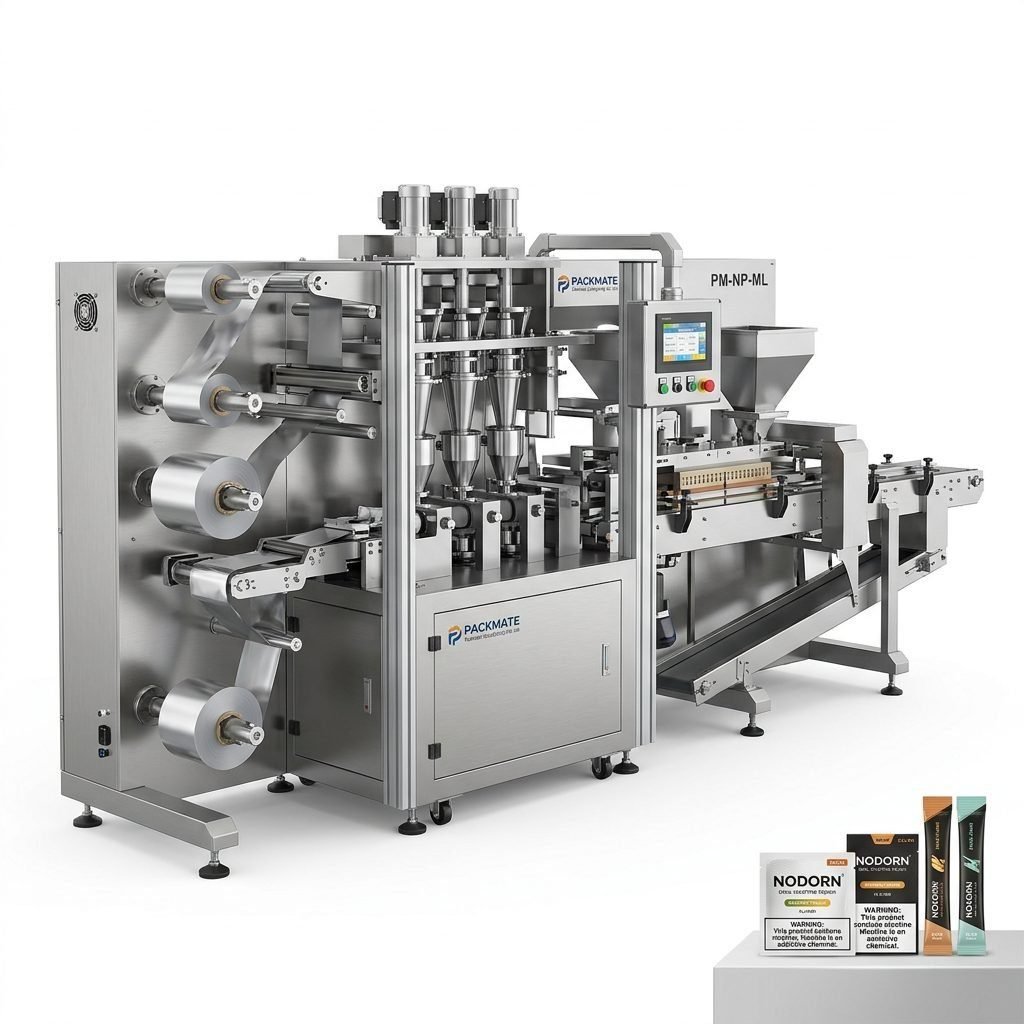
✓ Machine types: Stick pack, sachet, and multi-lane pouch systems. Multi-lane lines are especially valuable for small-dose production and high throughput. Consider visiting a live demo of machines used for snus and nicotine applications such as Snus & Nicotine Packaging Machines.
✓ Speed & accuracy: Check pouch weight accuracy, sealing integrity, and lane synchronization. High accuracy reduces product giveaway and regulatory risk.
✓ Changeover & flexibility: Quick tool-less changeovers cut downtime when launching new SKUs.
✓ Material compatibility: Confirm compatibility with recyclable and barrier films you plan to use.
✓ Automation & integration: Ensure the machine can integrate with upstream dosing/weighing systems and downstream case packing — see Weighing & Packaging Systems.
Factory Strength & Quality Assurance
Assess manufacturing capability and quality control processes. A robust factory footprint and modern machining equipment indicate consistent machine quality and spare parts reliability.
✅ Production scale: A large factory with CNC machining centers and precision assembly shows capacity to supply complex multi-lane lines.
✅ Testing & inspection: Ask for factory acceptance test (FAT) records, long-run performance tests, and examples of documentation used for international shipments.
✅ Certifications: Confirm CE, ISO, and other relevant certificates to ensure regulatory compliance and safety standards. For more details, review a manufacturer’s certification page such as Certificate.
Turnkey Solutions vs. Single Machines
Decide whether you need a single packaging machine or a turnkey production line. If you plan to scale to multiple SKUs or integrate filling, dosing, and end-of-line packaging, a turnkey provider reduces integration risk and accelerates commissioning. Look for suppliers that offer:
– Full line design and layout, including weighing, filling, multi-lane packers, and case packers.
– Field commissioning, operator training, and documented SOPs.
– Spare parts kits and recommended maintenance schedules to minimize local downtime.
Service, Spare Parts & Local Support in Namibia
After-sales service is often the deciding factor for buyers in regions with limited local mechanical support. Clarify response times, remote assistance capability, and spare parts logistics.
📞 Remote diagnostics & training: Confirm the manufacturer provides remote troubleshooting, PLC access protocols, and structured operator training.
🚚 Parts availability: Ask where parts are shipped from and typical lead times to Walvis Bay or Windhoek. Consider stocking critical wear parts locally.
🤝 Local partnerships: Manufacturers with regional agents or trained service partners can greatly reduce downtime.
Evaluating Total Cost of Ownership (TCO)
Purchase price is only the starting point. A comprehensive TCO analysis should include energy consumption, maintenance, spare part pricing, expected uptime, and waste reduction through accurate dosing.
Key TCO drivers: energy efficiency, mean time between failures (MTBF), ease of access for maintenance, and software updates that improve performance over time.
Legal & Regulatory Considerations in Namibia
Nicotine pouch and snus packaging are subject to specific labeling, age-restriction, and chemical control regulations in many markets. While Namibian regulations may differ from Europe’s or North America’s, you should:
– Verify labeling capabilities (multilingual labels, batch coding, expiry dates) on the packaging line.
– Ensure tamper-evident seals and child-resistant packaging options if required.
– Obtain export/import documentation support if machines will be shipped through Walvis Bay and cleared locally.
What to Look for During a Factory Visit or Demo
A factory visit or live online demo is essential. When you inspect machines, focus on real-world performance rather than brochure speeds. Ask for test runs using your actual pouch film and fill weight.
🔍 Demo checklist: live run with your materials, noise and vibration levels, sealing quality at production speed, stoppage and recovery tests, and data export capability for traceability.
Selecting a Trusted Global Partner
Choose manufacturers who combine proven engineering with international experience exporting to diverse markets. Providers with a solid case history and clear project references provide confidence. Learn more about established companies and their global projects when researching potential partners such as Packmate and their documented cases (Case).
Red flags to watch for: lack of FAT documentation, vague warranty terms, limited factory capacity, or unclear spare parts sourcing.
Practical Steps to Finalize Your Purchase
Follow a structured approach to minimize risk and ensure the delivered solution meets your expectations.
1. Define product formats and volumes with realistic growth projections.
2. Request detailed proposals including electrical, pneumatic, and floor space requirements.
3. Schedule a FAT and require sample reports and video evidence of long-run tests.
4. Clarify warranty, training, and spare parts lead-times.
5. Plan logistics to Walvis Bay and arrange for customs clearance and installation support.
Useful Resources & Next Steps
If you are evaluating suppliers, review product portfolios and contact manufacturers directly for customized proposals. Explore product lines and company details for additional context:
– Bag & Pouch Packaging Machines
– About Packmate for company background and manufacturing capability.
– Contact Us pages to arrange demos and technical clarifications.
Quick Decision Checklist (Print & Take)
Use this compact checklist when meeting vendors or reviewing quotes.
✅ Production capacity matches short-term and 3-year projections.
✅ FAT videos and long-run test data provided.
✅ Clear warranty, spare parts plan, and remote support commitments.
✅ Machine compatibility with recyclable films and local climate conditions.
✅ Local logistics plan to Walvis Bay and in-country installation support.
By evaluating manufacturers through the lenses of technical fit, factory strength, servicing capability, and local Namibian considerations such as port logistics and sustainability preferences, you will be well placed to choose a supplier that ensures reliable, compliant production of snus and nicotine pouch products.
Frequently Asked Questions
Q1: How important is a factory acceptance test (FAT)? A FAT is critical — it verifies real production performance before shipment, reduces commissioning risk, and provides documented proof of machine capability and reliability.
Q2: What lead time should I expect for multi-lane snus packaging lines? Lead times vary by complexity and customization. Typical delivery windows are several months; ask vendors for BOM lead-time breakdowns and potential fast-track options.
Q3: How can I ensure spare parts reach Namibia quickly? Negotiate a spare parts kit at purchase and confirm preferred carriers to Walvis Bay. Consider stocking high-wear parts locally or using regional distribution hubs.
Q4: Are turnkey lines better than buying individual machines? Turnkey lines reduce integration risks and often include optimized workflows, but they require higher upfront investment. If you lack systems integrator experience, turnkey is usually the safer route.
Q5: Where can I see real-world examples of snus packaging systems? Request customer case studies and machine demo videos from manufacturers. Many suppliers publish project cases and exhibition demos — these are invaluable for verifying claims.