Choosing the right snus packaging machine manufacturer in Colombia is a strategic decision that can define the scalability, quality, and compliance of your nicotine pouch or snus product lines. Whether you’re launching a new brand or expanding production, understanding how to evaluate manufacturers, technical capabilities, after-sales support and regulatory compliance will save time and money while ensuring consistent product output.
Understand Your Production Needs First
Before contacting any manufacturer, define your production goals. Consider daily output targets, pouch types (stick pack, sachet, multi-lane snus pouches), product materials (powder, granule, liquid, or nicotine pouch), and packaging materials. These factors determine the machine type, lane configuration, and automation level you need.
Key questions to answer
🔧 What is your target hourly or daily output? • ⚙️ Do you need single-lane or multi-lane machines? • 📦 Are you producing multiple SKUs with frequent changeovers? • 🧾 Are there specific regulatory or testing requirements for nicotine products in your market?
Tip: If you need turnkey solutions that combine weighing, filling and multi-lane pouch forming, look for manufacturers offering complete lines rather than standalone machines. See examples of snus & nicotine packaging machines for inspiration: Snus & Nicotine Packaging Machines.
Evaluate Manufacturer Experience and Track Record
Experience in packaging machinery is more than the number of years in business; it reflects accumulated engineering knowledge, field-proven designs and the ability to handle edge-case problems. A manufacturer with decades of experience in snus and nicotine pouch solutions will understand dosing precision, sealing quality, and hygiene standards demanded by this industry.
What to look for: factory size, in-house CNC and assembly capabilities, number of machine models, and examples of completed projects. A factory with strong machining capabilities can deliver higher precision and easier customization.
Packmate Snus Machine, for example, highlights a 20,000㎡ manufacturing facility, advanced CNC machining centers and over 30 years of engineering experience—elements that indicate robustness in production and design maturity.
Company facts that matter
✅ 30+ years industry experience • ✅ 50+ machine models • ✅ CE & ISO certifications • ✅ Global turnkey solutions and exhibition participation. These items help validate a manufacturer’s reliability and international compatibility.
Why certifications matter: CE and ISO compliance helps ensure safety, consistent manufacturing quality and international acceptance of the equipment.
Assess Technical Capabilities and Machine Types
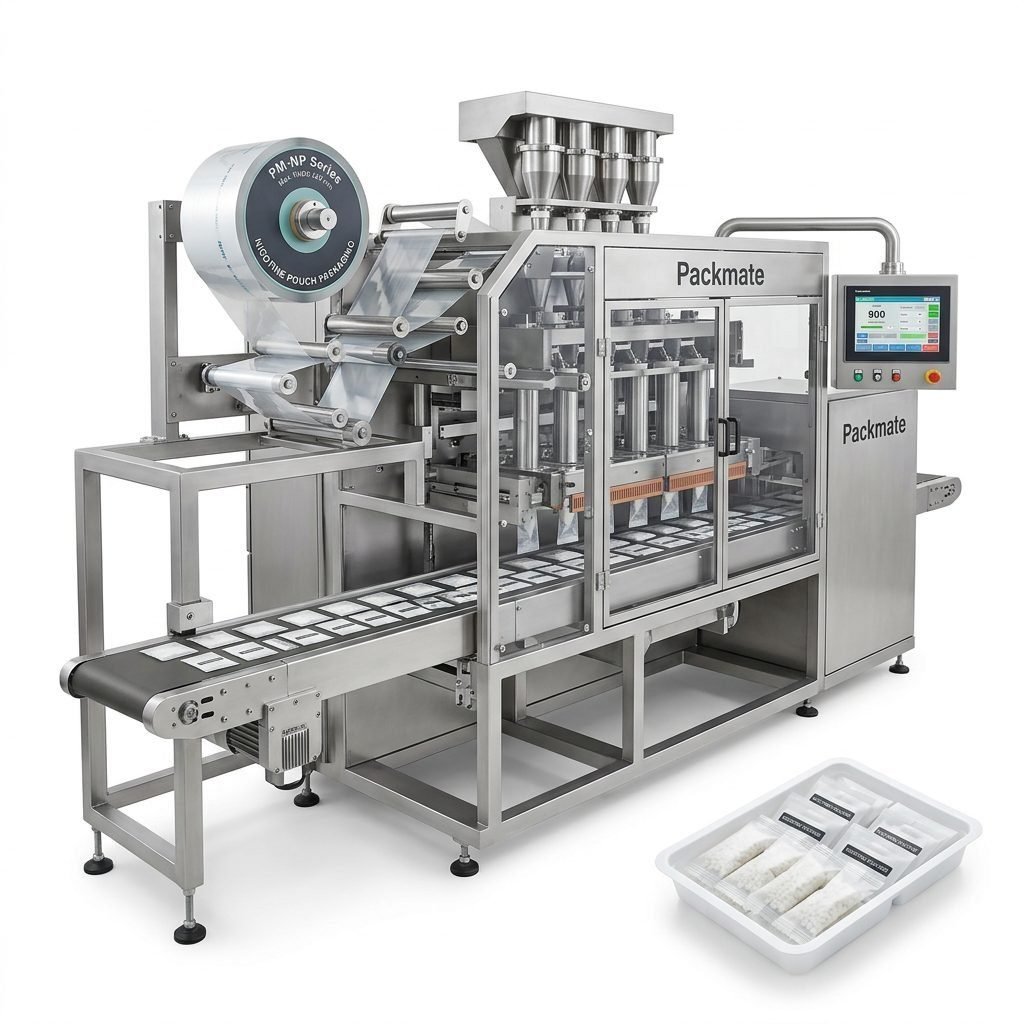
Not all packaging machines are built the same. For snus and nicotine pouches, key technical areas include filling accuracy, sealing consistency, pouch forming quality, and the capacity to handle small-dose multi-lane production.
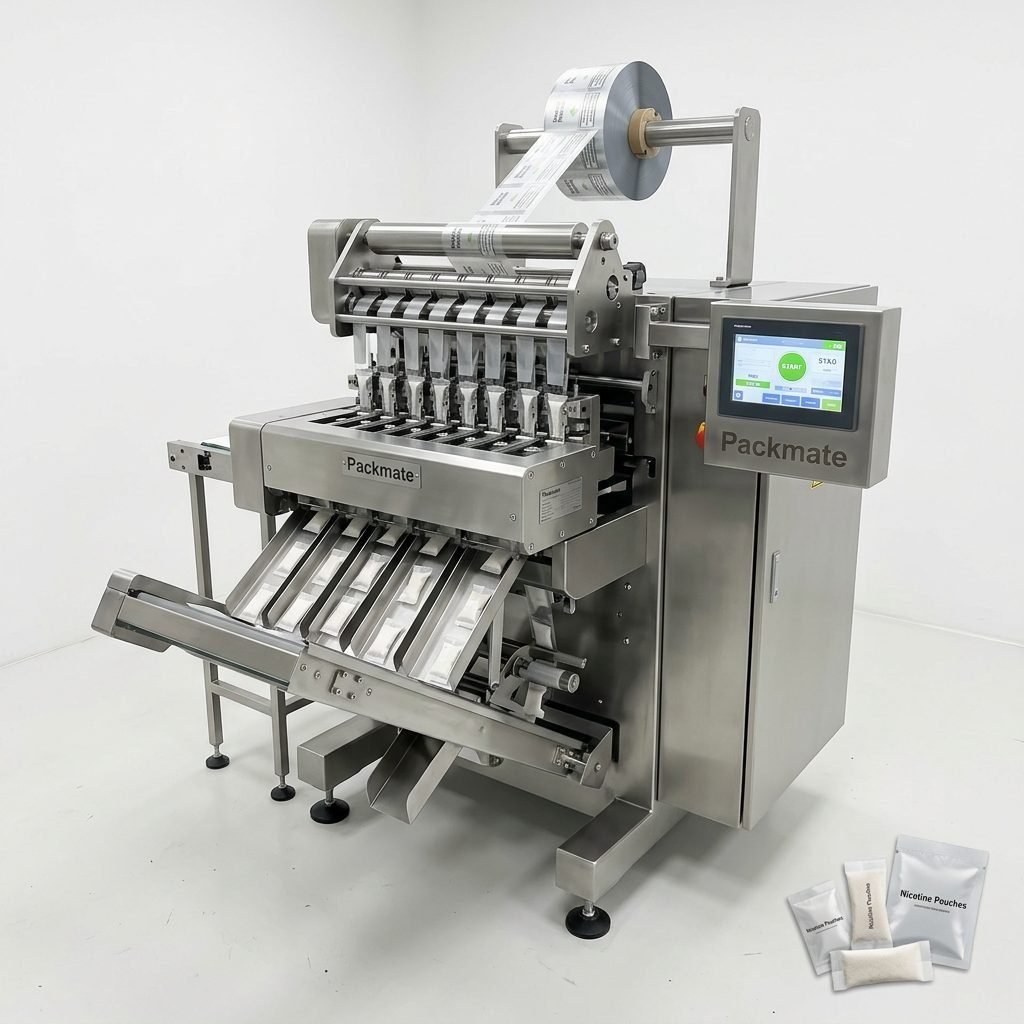
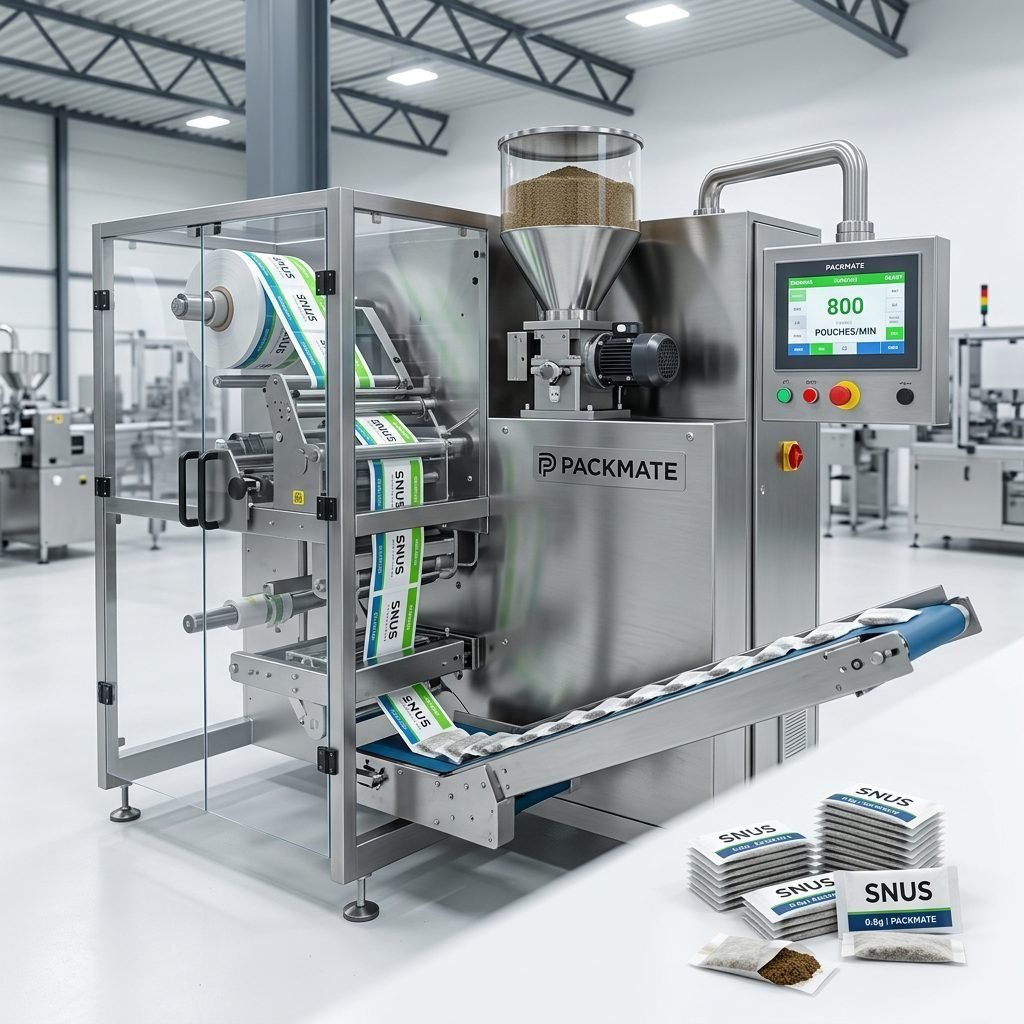
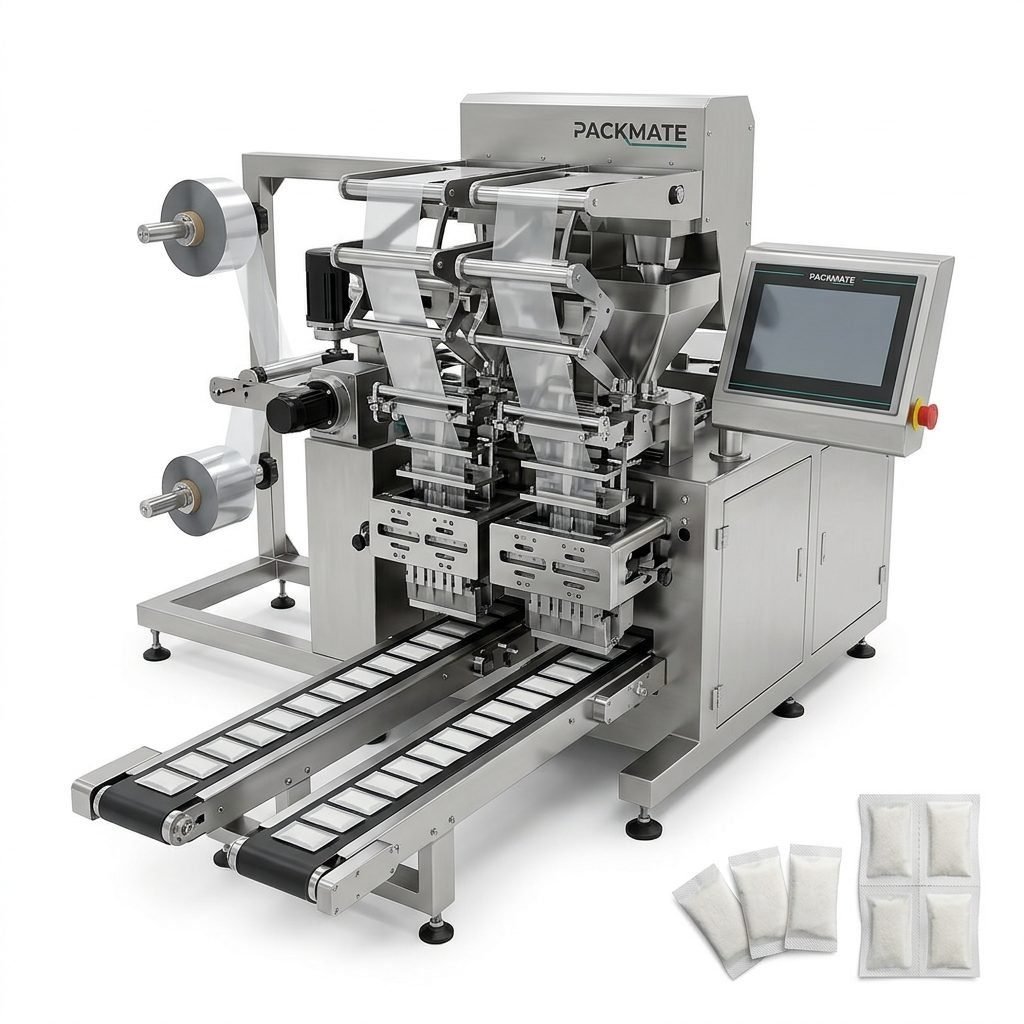
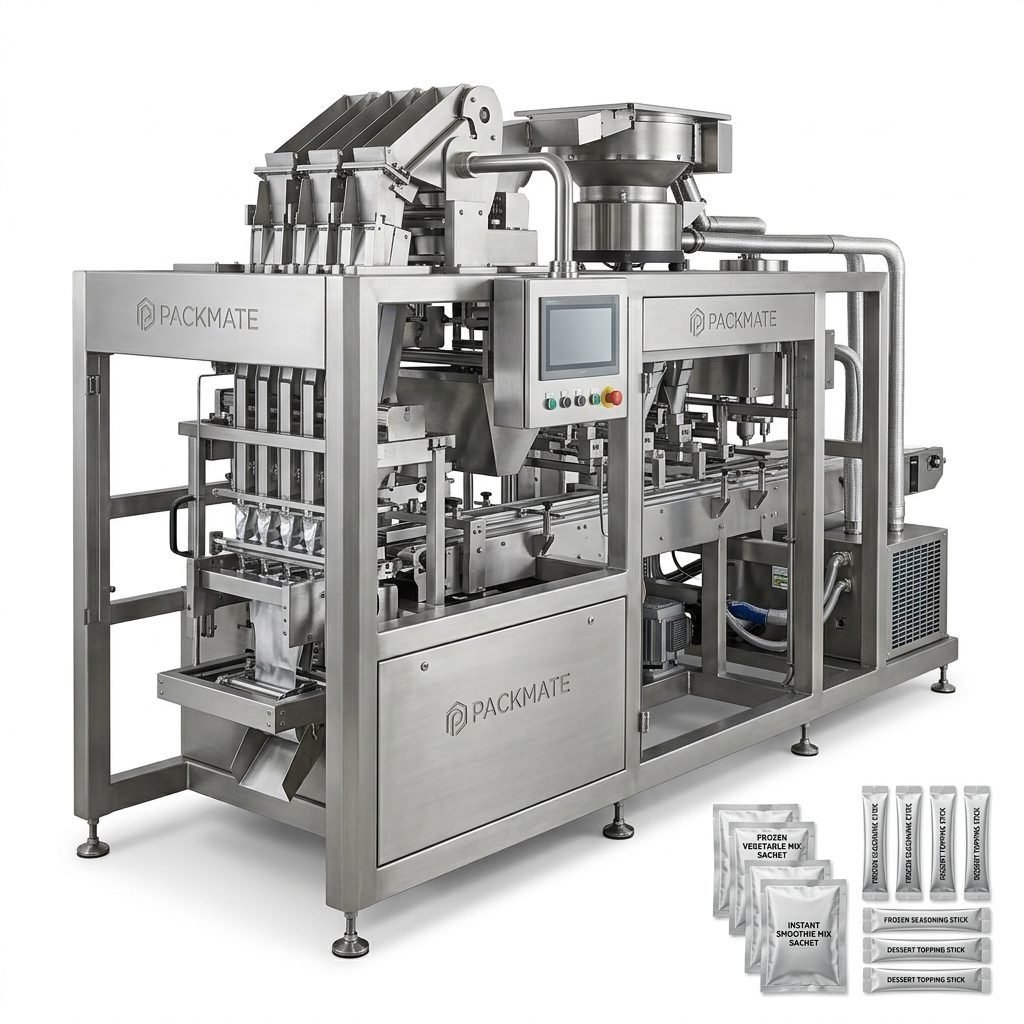
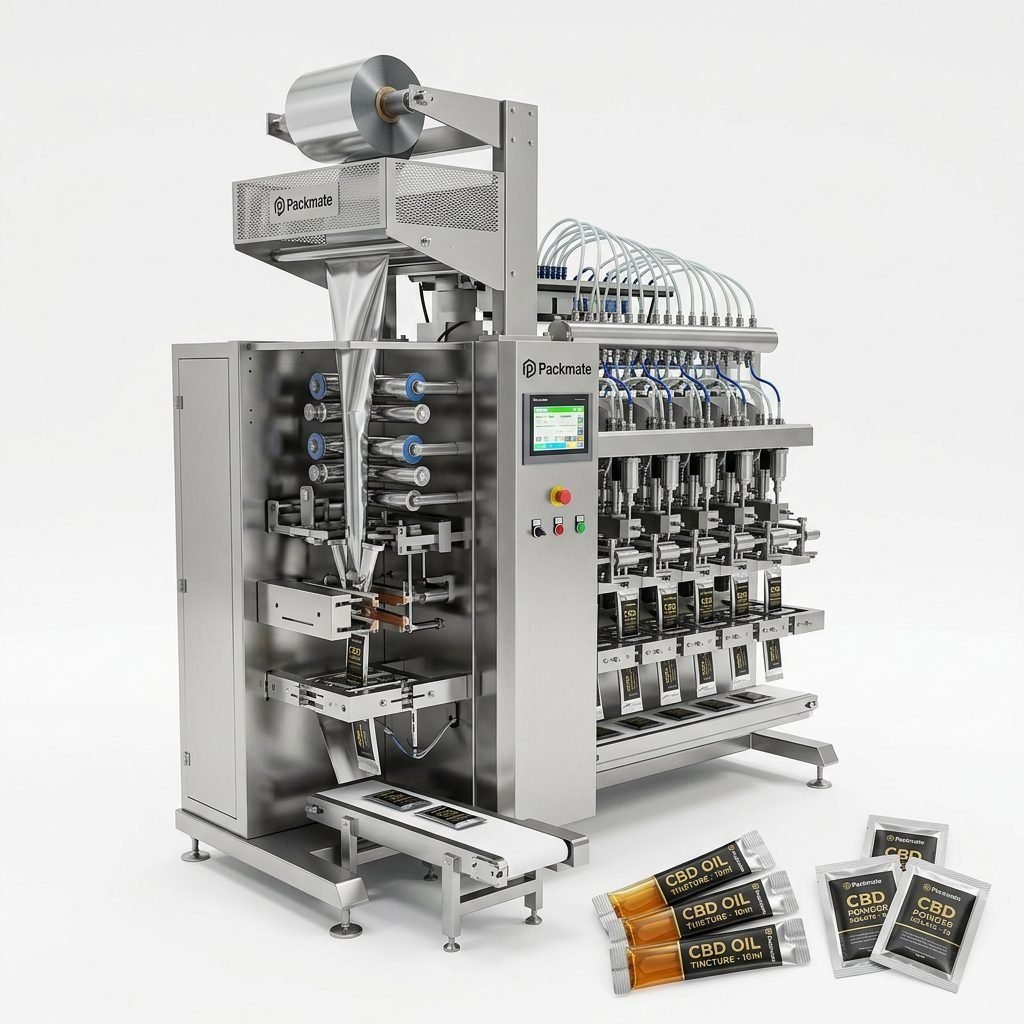
Machine types to consider: stick pack machines for single-serve sachets, sachet and multi-lane systems for high-volume snus pouches, and integrated weighing and filling lines for precise dosing of nicotine pouches.
If your operation includes other packaging formats, also evaluate suppliers of bag & pouch packaging machines and auxiliary equipment to ensure compatibility across lines. Explore Bag & Pouch Packaging Machines to compare options: Bag & Pouch Packaging Machines.
Technical checklist
– Servo-driven mechanisms for accurate dosing and speed control • – Hygienic design with easy-to-clean parts • – Quick-change tooling for multi-SKU runs • – PLC and HMI controls with recipe management • – Spare-parts availability and local support.
Important: request video demonstrations or live machine trials. A reliable manufacturer should provide machine demos and invite you to verify performance on-site or at an exhibition. Find exhibition updates and demos here: Our Exhibition.
Customization and Turnkey Solutions
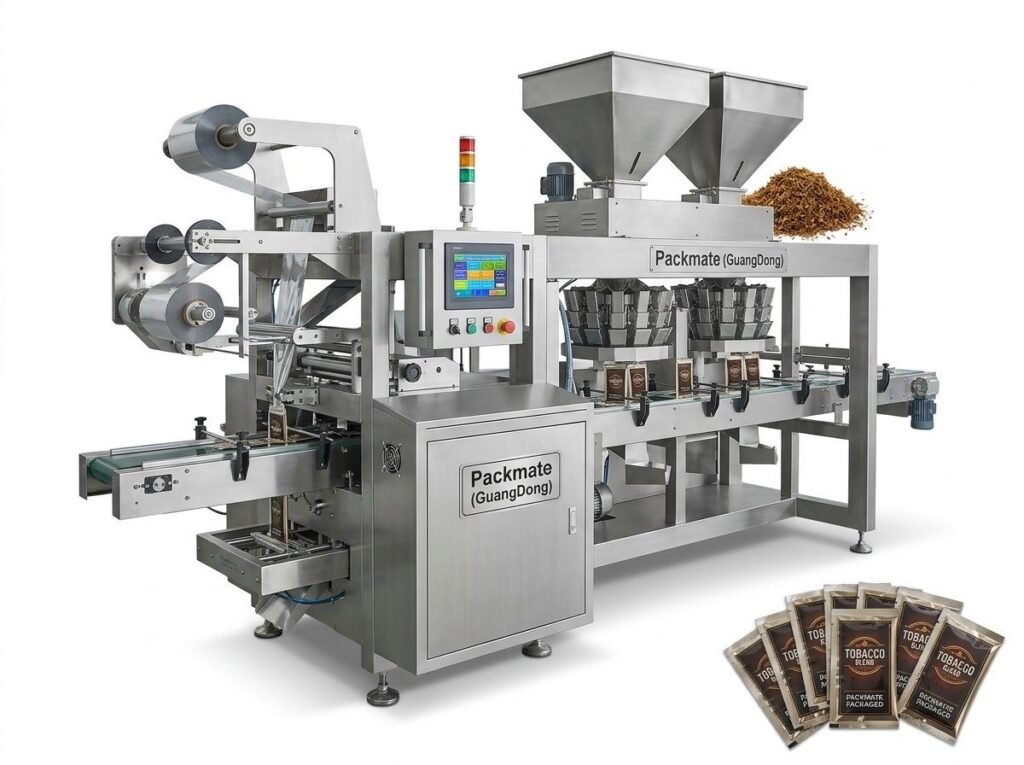
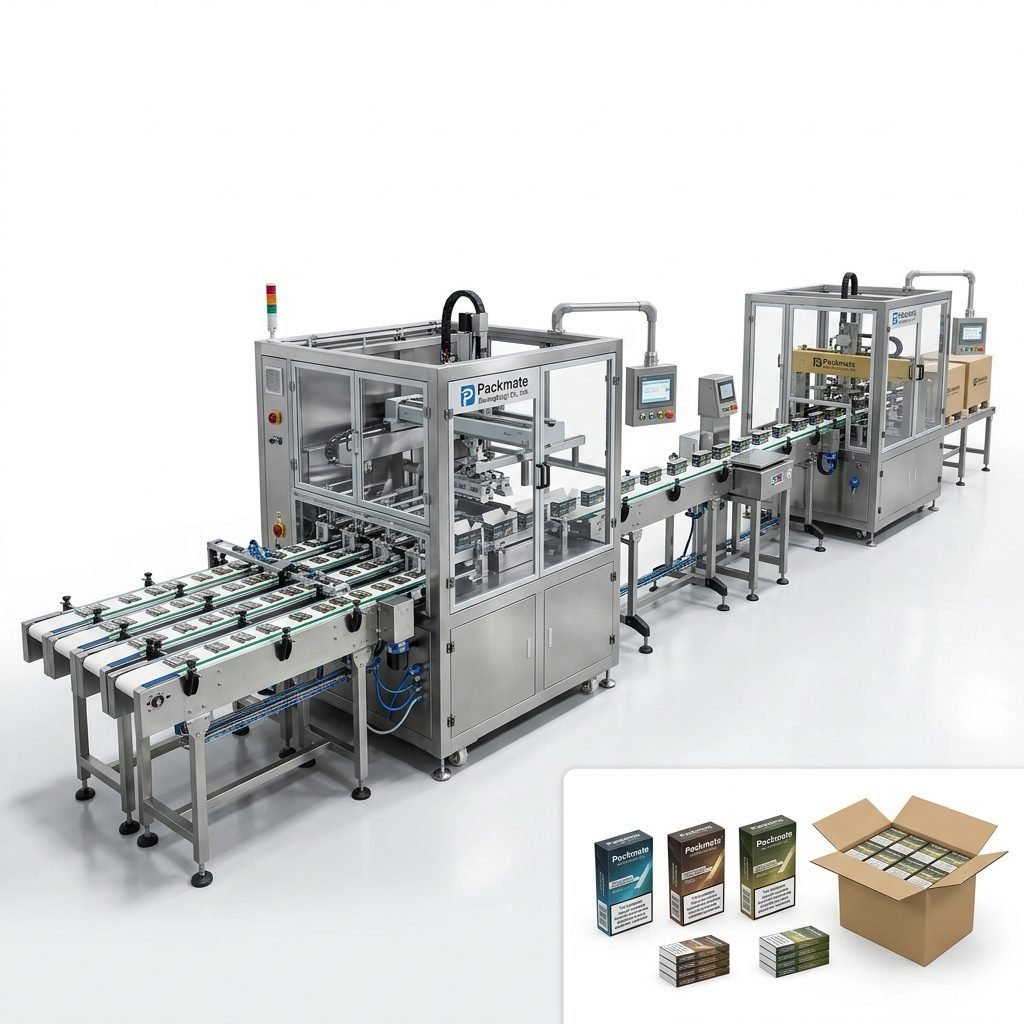
A supplier who can deliver a turnkey production line—from weighing and filling to pouch forming and final packaging—reduces integration effort and overall project risk. Customization capability matters if you need special hopper designs, nitrogen flushing, or tailored sealing systems for unique materials.
Case study: Manufacturers that expanded into high-precision multi-lane systems often offer tailored solutions for small-dose pouch production, helping brands scale without compromising accuracy.
To see how different modules integrate, check Weighing & Packaging Systems and Filling & Packaging Lines examples: Weighing & Packaging Systems • Filling & Packaging Lines.
What to require for customization
• Detailed CAD drawings and layout plans • Factory acceptance testing (FAT) and site acceptance testing (SAT) • Spare parts list and recommended maintenance schedule • Training for operators and technicians.
Note: turnkey suppliers often streamline installation and commissioning, significantly shortening time-to-market.
Quality Control, Testing and After-Sales Support
High uptime and minimal product waste come from robust quality control and a responsive after-sales team. Inspect how the manufacturer tests machines, handles spare parts, and provides technical support across time zones.
Key service elements: clear warranty terms, remote diagnostics, stocked spare parts, local or regional technicians, and operator training programs. A manufacturer with a global footprint and documented service cases is preferable.
Look for case studies and customer references that demonstrate long-term partnerships and quick problem resolution. Review real-world examples to evaluate performance under production conditions: Case.
Checklist for support readiness
• Average response time for service calls • Spare parts delivery lead times • Availability of remote troubleshooting tools • On-site commissioning and training scope.
Warning: poor after-sales support can cause extended downtime and lost revenue. Validate support commitments in writing.
Cost vs. Value: Beyond the Purchase Price
A lower initial price can be attractive, but consider total cost of ownership: installation, spare parts, training, maintenance, energy consumption, and the value of reduced product waste and higher throughput.
Evaluate: estimated throughput and yield, expected maintenance intervals, and consumable costs. A well-built machine with good support often pays for itself through higher uptime and reduced rejects.
Negotiation tips
• Ask for bundled service packages or extended warranties • Request initial training included in the price • Negotiate spare-part kits for critical wear items • Seek phased payment tied to delivery milestones.
Visit the Factory or Request a Virtual Tour
A factory visit provides direct insight into production standards, tooling, assembly, and quality control. If travel is not possible, request a virtual factory tour or live demonstration to observe machine operation, assembly lines and testing protocols.
When assessing a factory, pay attention to organization, machining centers, test benches and evidence of continuous improvement. A facility with strong machining and assembly capabilities reduces lead times and offers better precision control.
Pro tip: check the manufacturer’s exhibition presence to confirm their commitment to transparency and customer interaction. More details about Packmate can be found on their About page: About Packmate.
Logistics, Installation and Local Compliance
Consider local logistics and legal compliance for nicotine product machinery. Confirm electrical specifications, CE documentation if required, packing for shipment, customs documentation and installation services on arrival.
Ask the manufacturer for a comprehensive installation plan, drawings for floor layout, power and utility requirements, and a list of tools and spare parts needed on site. Confirm who will handle commissioning and operator training.
Contact assistance: if you want to discuss specific project needs or get a quotation, reach out to the manufacturer’s contact center: Contact Us.
Decision Framework — A Simple Scoring Approach
Create a weighted scorecard to compare manufacturers. Example weights: Technical capability 30%, Experience & references 20%, After-sales support 20%, Total cost of ownership 15%, Delivery & compliance 15%. Score each vendor and compare totals.
This data-driven approach helps remove emotion from procurement and ensures you choose the partner that best aligns with your operational and financial goals.
Final decision triggers
Choose a manufacturer when they meet your technical requirements, offer clear support commitments, have verifiable factory capabilities and present transparent commercial terms that reflect the total value, not just purchase price.
Bottom line: the best partner combines engineering expertise, robust manufacturing capability and a proactive service model—this will enable you to scale safely and reliably in the competitive snus and nicotine pouch market.
If you want to review specific machine options or case studies reflecting real-world deployments, explore the manufacturer’s product pages and portfolio for additional insights into machine models and industry applications.
Frequently Asked Questions
Q1: How long does it take to deliver a complete snus packaging line from order?
A1: Delivery depends on customization and factory schedule, typically 12–24 weeks for standard turnkey systems; fully custom projects may take longer. Confirm timelines in your purchase agreement.
Q2: What level of technical support is provided after installation?
A2: Reputable manufacturers offer on-site commissioning, operator training, remote diagnostics and spare-part support. Check warranty terms and service SLAs before purchase.
Q3: Can machines handle multiple SKUs and frequent changeovers?
A3: Yes—machines with quick-change tooling, programmable recipe management and flexible lane configurations are designed for rapid SKU changeovers. Request demonstrations of changeover procedures.
Q4: Are machines compliant with international safety and quality standards?
A4: Look for CE and ISO certifications. Manufacturers with global clients usually provide documentation and can adapt machines to local regulatory requirements.
Q5: What is the recommended first step if I want a quotation or technical consultation?
A5: Prepare a brief with production targets, pouch formats, and available utilities, then contact the manufacturer to request a proposal, technical checklist and a possible virtual or on-site demonstration.