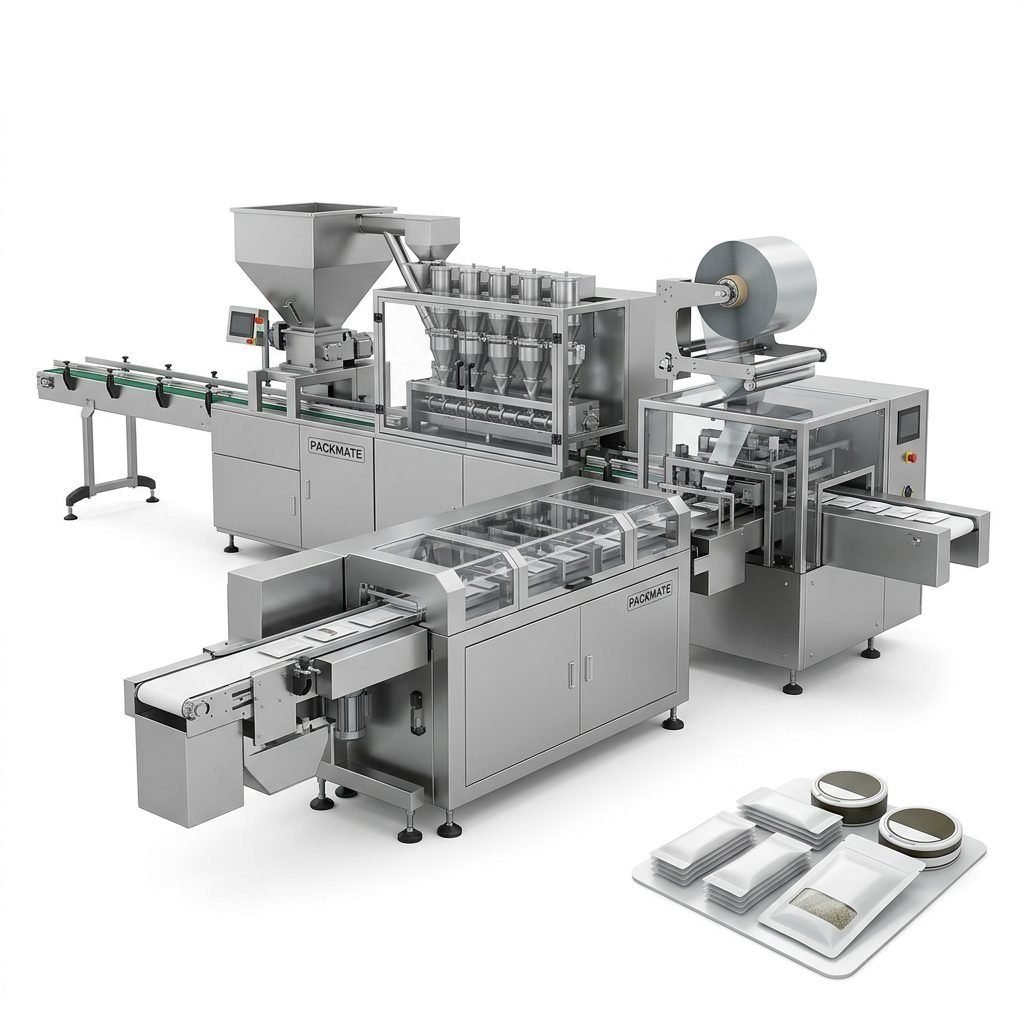
Choosing the right nicotine packaging machinery supplier for your factory in Togo is a strategic decision that affects product quality, production continuity, regulatory compliance, and long-term costs. Whether you plan to produce nicotine pouches, snus, sachets, or related products, this guide helps manufacturers in Togo evaluate suppliers, understand local logistics and cultural expectations, and shortlist reliable partners who can deliver machines, installation, training, and after-sales service.
Why the Supplier Choice Matters for Togolese Factories
In Togo, import and operation of packaging machinery comes with unique operational and market conditions. Your supplier is not only a machine vendor but a partner for compliance, spare parts supply, multilingual training (French is widely used), and logistical coordination through key ports like Lomé. A reliable supplier reduces downtime, ensures consistent pouch quality, and helps you navigate customs, power variability, and humid tropical conditions that affect machine performance over time.
Key Evaluation Criteria for Nicotine Packaging Machinery Suppliers
Use the following checklist when screening suppliers. Each item below is a core factor that separates short-term vendors from true long-term partners.
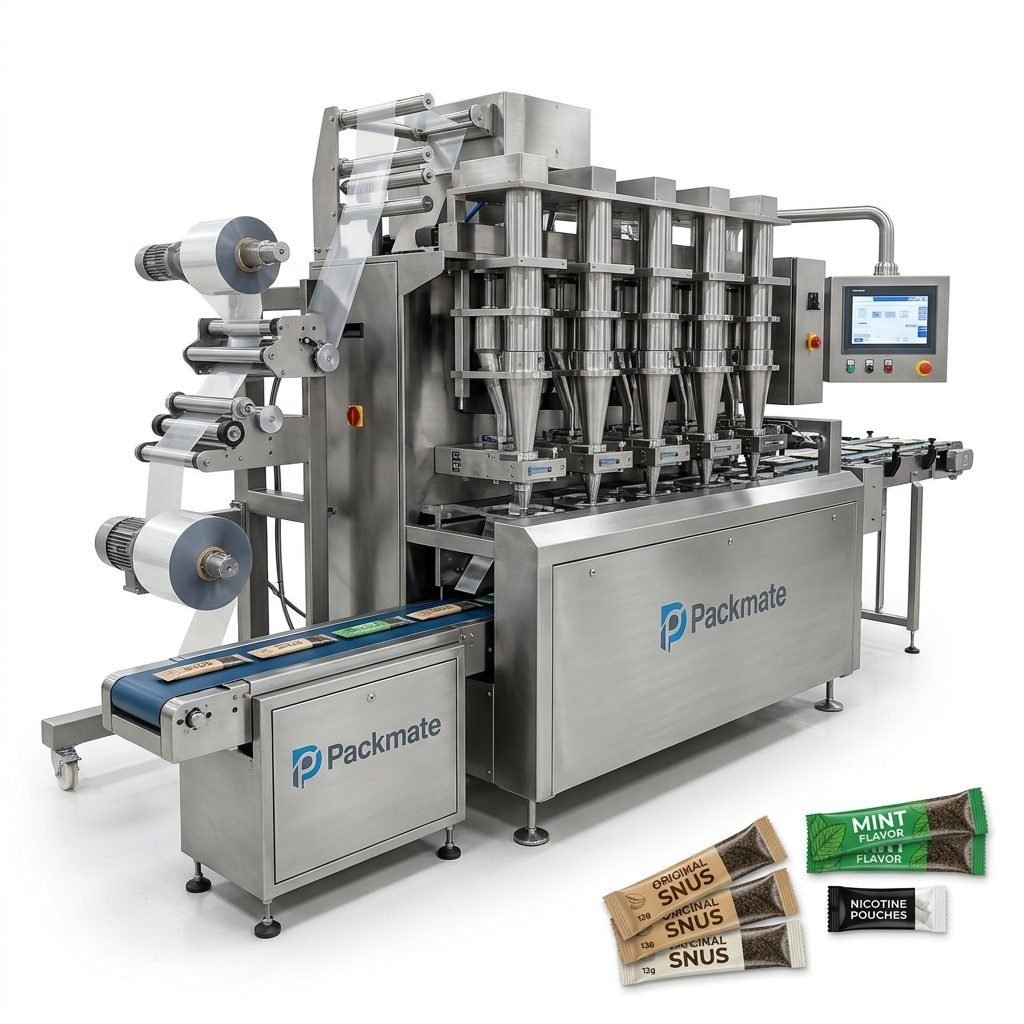
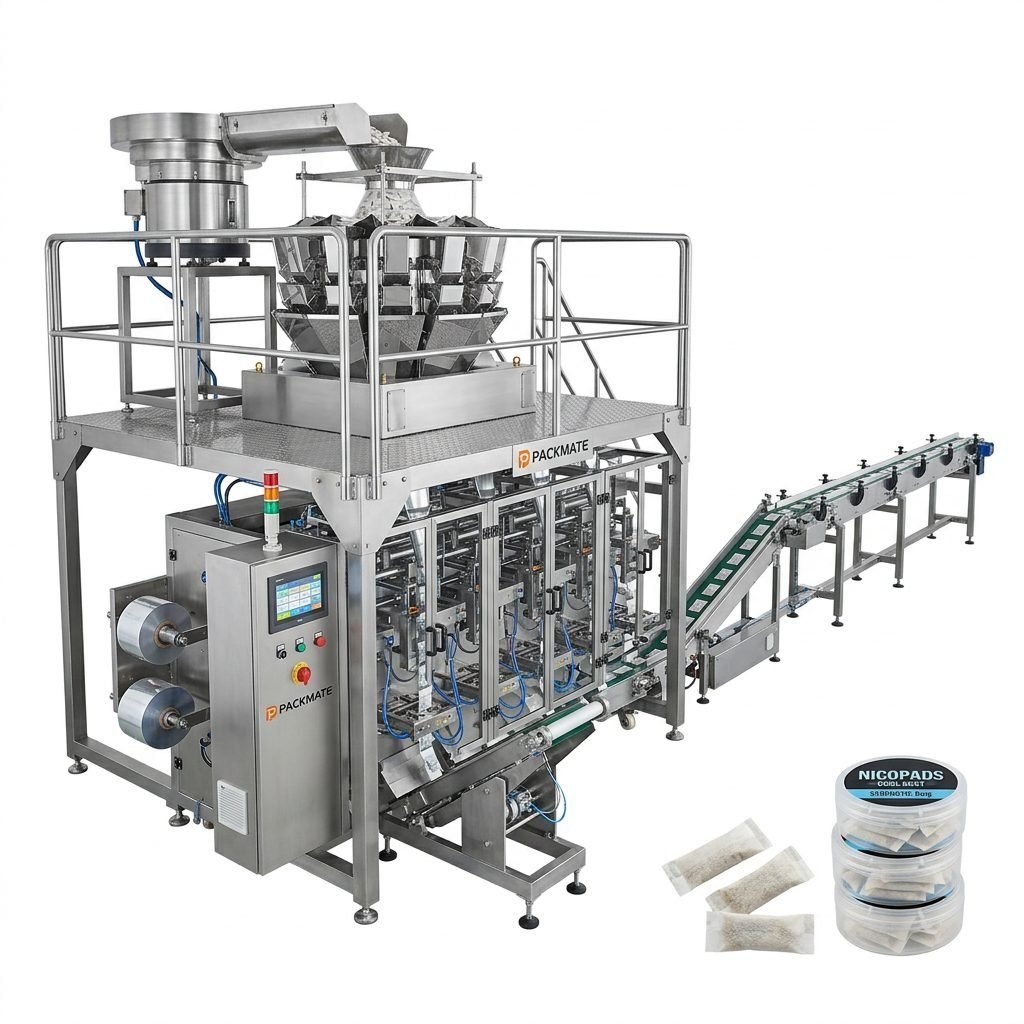
Reliability & performance: Request machine uptime data, accuracy metrics, and production speed under real conditions. Ask for performance records for Snus & Nicotine Packaging Machines or multi-lane systems that match your target output.
Certifications & compliance: Confirm CE, ISO and any other certifications. Machines with documented compliance simplify customs clearance and reassure banks and regulators. See supplier certificate references on their certificate page.
After-sales service & spare parts: Prioritize suppliers who guarantee local spare parts inventory, defined SLA response times, and remote diagnostic tools. For Togolese factories, the ability to ship parts quickly to Lomé or deliver via regional hubs is critical.
Local Factors in Togo That Impact Your Supplier Choice
Togo’s logistics, climate, and business customs shape the practical aspects of running packaging lines here. Consider these local specifics when evaluating suppliers:
• Port and shipping: Lomé is the primary international port and a major transshipment hub for West Africa. Suppliers familiar with shipping to Lomé and handling customs documentation and duties will minimize delays.
• Power and environment: Frequent humidity and occasional power fluctuations in coastal regions require robust electrical designs and preventive maintenance plans. Ask suppliers about voltage tolerance, recommended UPS/back-up generators, and corrosion-resistant components.
• Language & training: Business in Togo predominantly uses French. Ensure the supplier can provide French-language manuals, on-site or remote training in French, and documentation tailored to local technicians.
Business culture & negotiation tips
Togolese buyers often value long-term relationships, trust, and clear communication. Be prepared for thorough vendor visits, reference checks, and negotiation on payment terms. Letters of credit (LC) are commonly used for capital equipment imports—discuss flexible payment milestones tied to FAT (Factory Acceptance Test) and SAT (Site Acceptance Test).
Technical Questions to Ask Every Supplier
When you speak with potential suppliers, request concrete evidence. The following list helps you compare apples to apples and highlight qualified suppliers quickly:
🔍 Provide FAT video recordings, machine run data, and references for installations in similar climates.
✅ Share spare parts lists and average delivery times to Lomé.
✅ Include detailed electrical schematics and recommended power backup.
✅ Offer French-language manuals and local or remote training plans.
Logistics, Customs, and Installation in Togo
Plan the full logistics path early — from supplier factory to Lomé port, customs clearance, inland transport, and on-site installation. Work with suppliers who coordinate documentation (packing list, commercial invoice, CE certificates) and, ideally, partner with freight forwarders experienced in West Africa. A supplier that offers installation and commissioning services will reduce the risk of misassembly or prolonged downtime.
For turnkey solutions, review examples and past projects on the supplier’s case page to understand how they managed delivery, installation, and operator training for similar clients.
Why Factory Strength and Track Record Matter
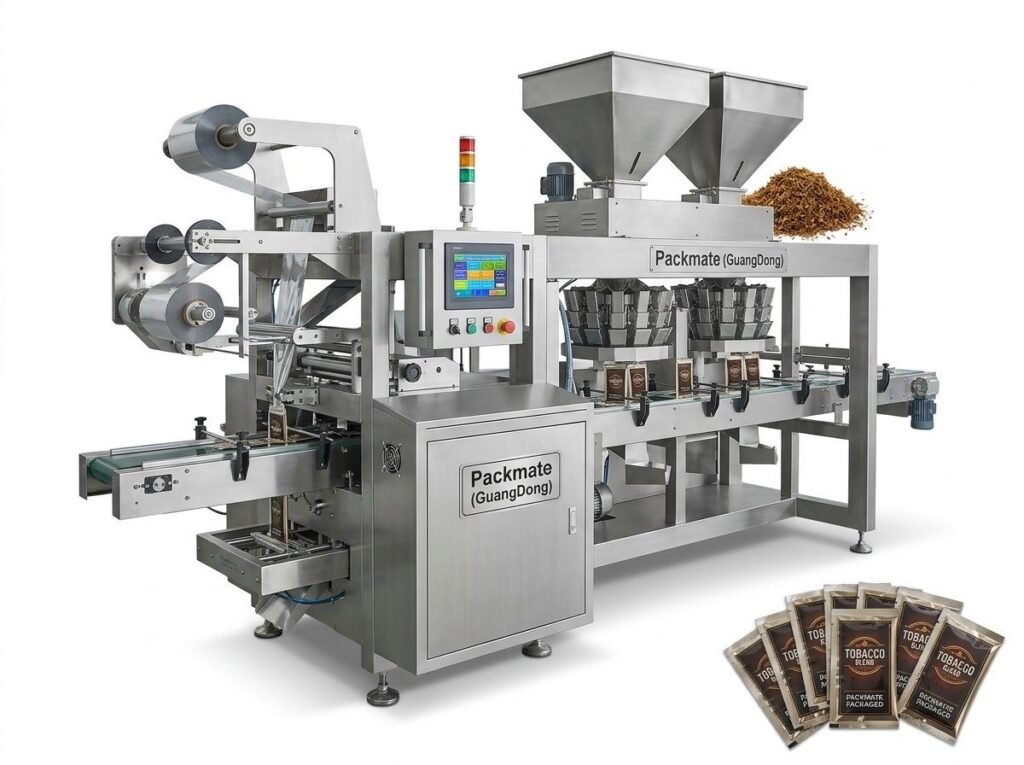
A supplier’s manufacturing capability — advanced CNC machining, quality control, and assembly lines — directly affects machine tolerance, spare parts interchangeability, and lead times. Prefer vendors with established factories, multiple product models, and global references. Packmate Snus Machine, for example, emphasizes 30+ years of engineering experience, a 20,000㎡ facility, and 50+ machine models, which helps ensure longevity and reliable spare parts support.
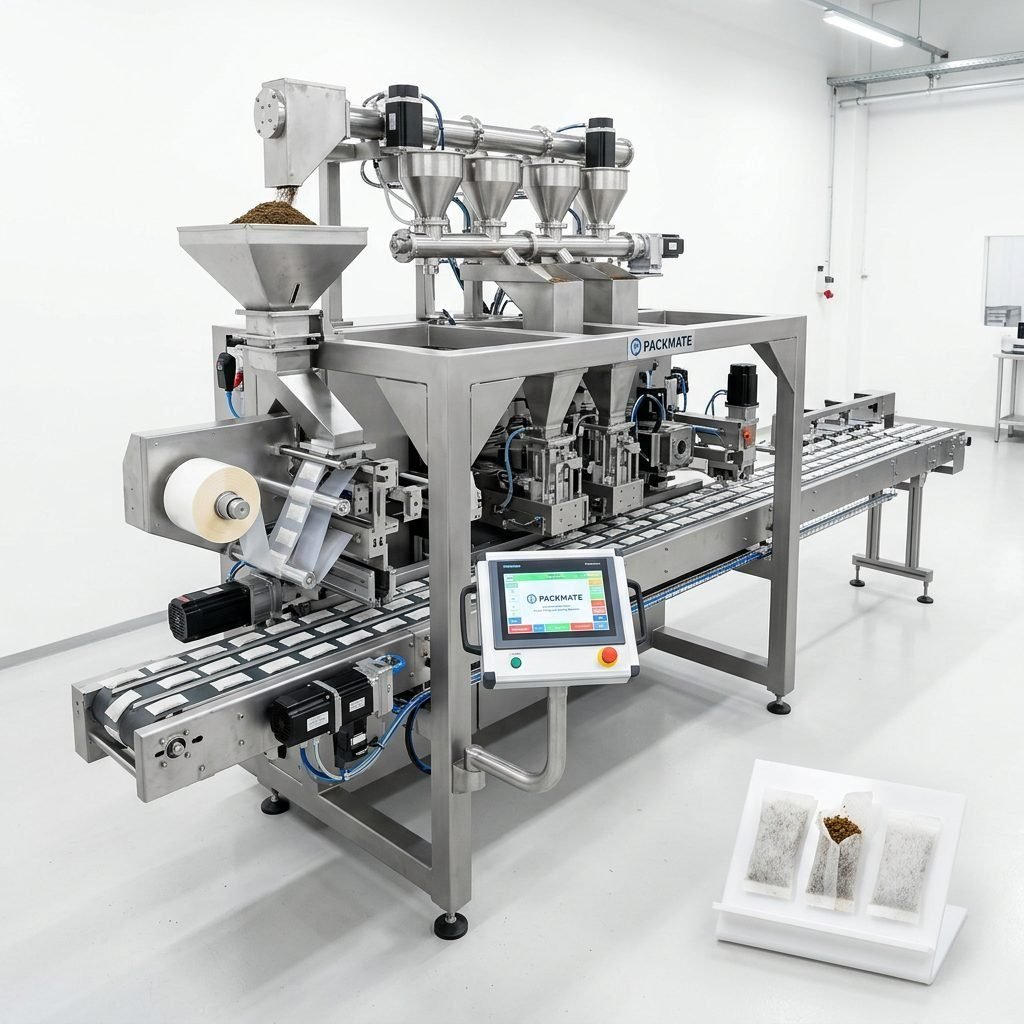
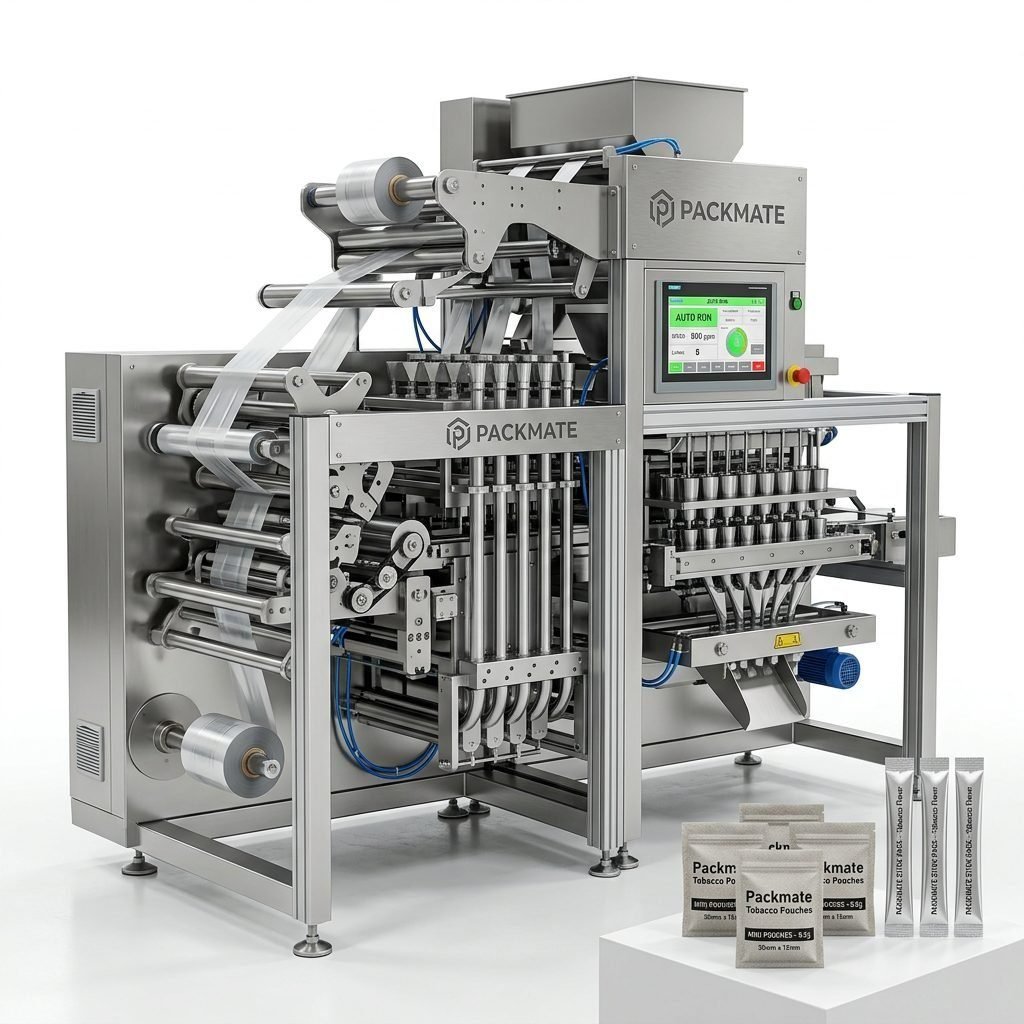
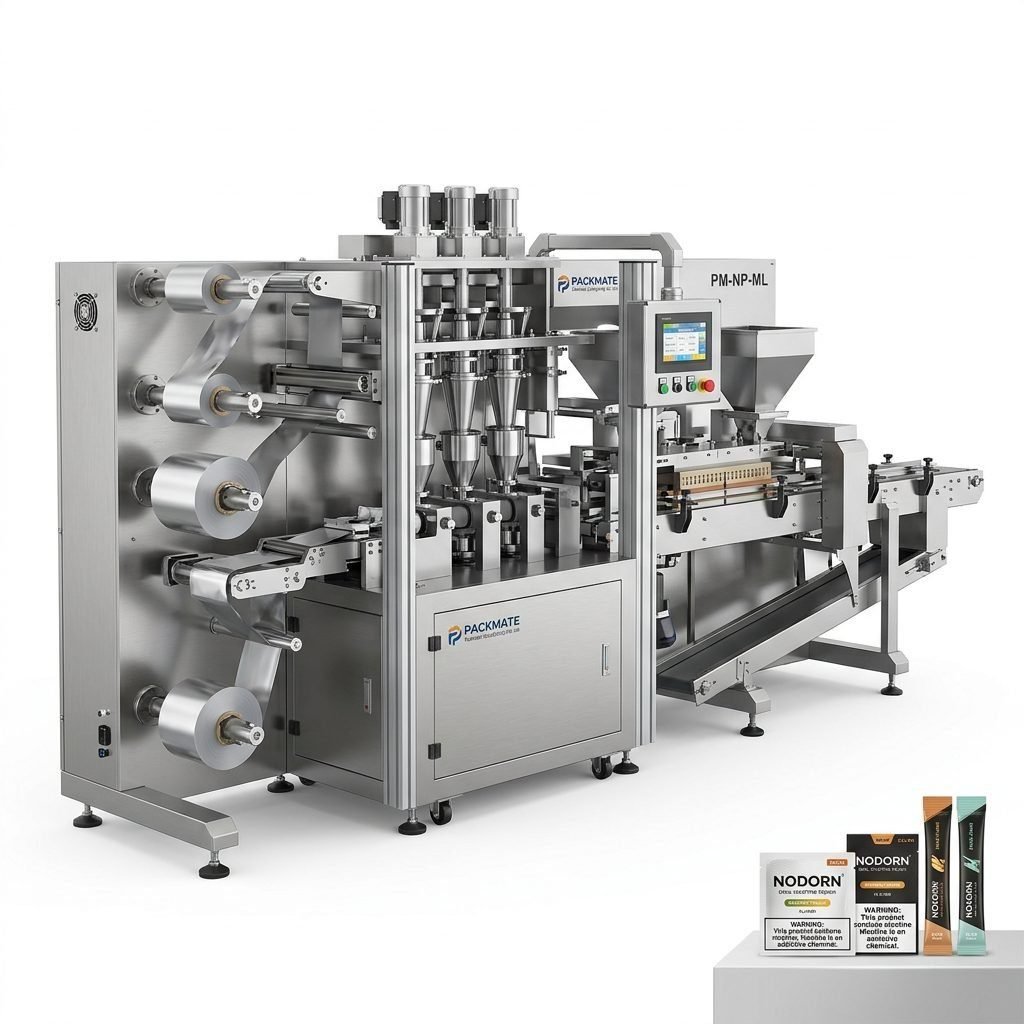
Tip: Ask to tour the supplier’s factory (virtually or in-person) and review their assembly lines. Confirm they produce machines similar to your required output — stick packs, sachets, multi-lane nicotine pouch lines, or liquid filling systems — and request product pages like Sachet & Stick Pack Machines for specifications.
Service & Long-Term Support Expectations
The best suppliers provide a clear service pathway: documented warranty terms, optional extended coverage, remote support tools, and training for in-house technicians. Confirm whether they have a regional partner in West Africa or fast spare parts shipping options. Review their service offerings on their Service page and ensure contact channels (email, WhatsApp, phone) are reliable for after-sales emergencies.
Acceptance Tests: FAT & SAT
Insist on a Factory Acceptance Test (FAT) and a Site Acceptance Test (SAT) checklist that includes run time under simulated local conditions, humidity considerations, and packaging integrity tests. Tie milestone payments to successful FAT and SAT results to protect your investment.
How Packmate Addresses Togolese Buyer Needs
With decades of experience in snus and nicotine pouch machinery, suppliers like Packmate can meet the critical needs of Togolese factories: robust engineering, multi-model choices, and turnkey solutions. Packmate highlights 30+ years of engineering knowledge, a large factory footprint, CE and ISO compliance, and exhibition presence that enables buyers to inspect machines and discuss customized lines before ordering. Review their About Packmate page and product offerings for relevant equipment.
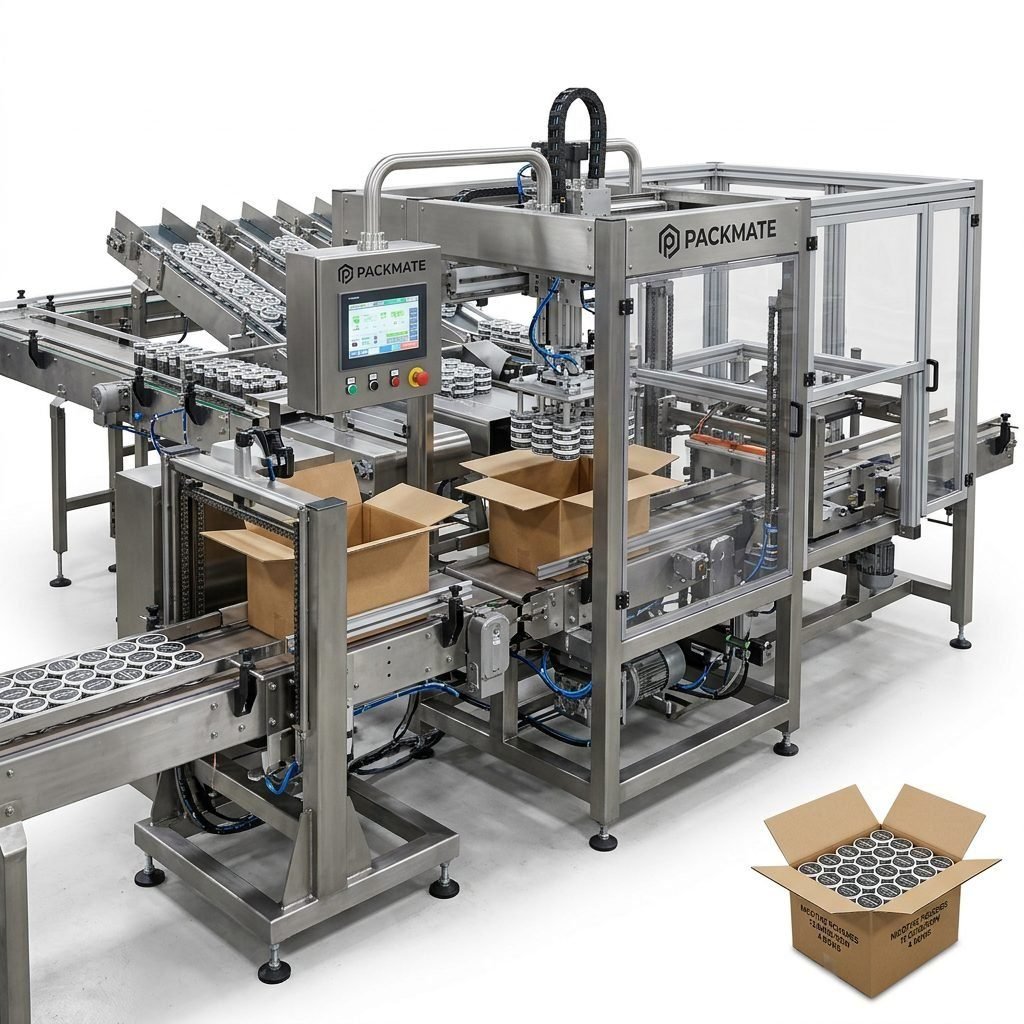
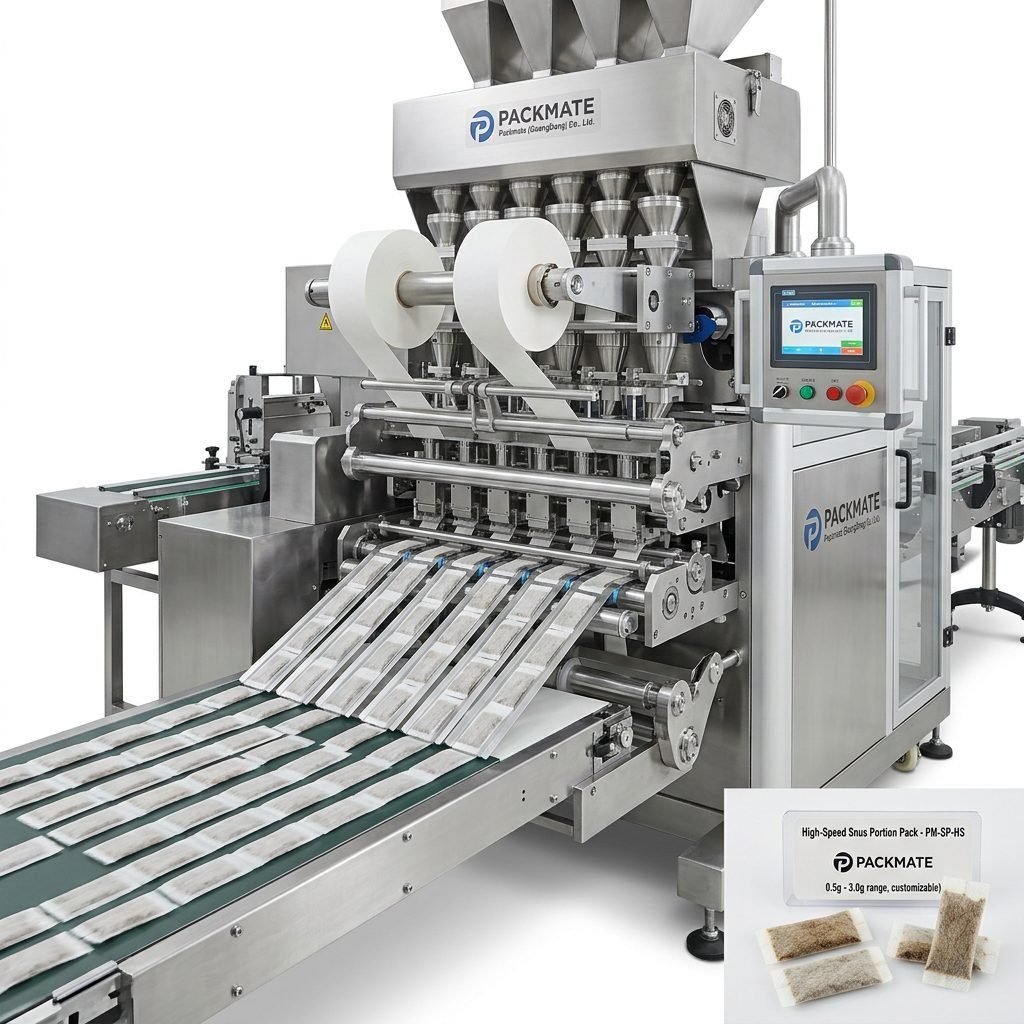
Practical advantage: A supplier with a strong R&D and machining base reduces lead times for replacement parts and can rapidly customize filling systems, multi-lane snus lines, and sachet solutions to match local production needs. See technical ranges under Filling & Packaging Lines.
Negotiation & Procurement Checklist
When finalizing offers, get everything in writing: delivery timeline, warranty details, spare parts list with pricing, training scope, FAT procedures, and acceptance criteria. Consider requesting a small initial order for spare parts and consumables to be delivered with the first machine shipment.
Include an escalation clause for technical issues and ensure the supplier provides clear contact points. If possible, secure language commitments (French manuals/training) and ask for a local or regional contact in case of urgent repair needs.
Shortlist Decision Matrix (example)
• Technical fit (speed, accuracy) — weight 30%
• After-sales & parts availability — weight 25%
• Compliance & certifications — weight 15%
• Price & total cost of ownership (TCO) — weight 15%
• Local support & language capability — weight 15%
Case Studies & References
Always request references and field case studies for projects in climates similar to Togo. A supplier’s case library reveals how they handled installation, commissioning, and post-sale follow up — you can view more examples on their Case page. Visiting exhibitions where the supplier demonstrates machines is another reliable way to validate equipment performance — see their Our Exhibition information for upcoming shows.
Final Steps Before Signing
Before committing, perform a final compliance check with local authorities about nicotine product regulations, confirm all technical specs, and ensure delivery and installation schedules match your factory readiness. Negotiate clear repair windows, stock level commitments for spare parts, and training plans for local staff in French.
Helpful links: For product details and contact options check product pages and contact information: Snus & Nicotine Packaging Machines, Bag & Pouch Packaging Machines, and Contact Us.
Common Questions from Buyers in Togo
Q: How long does delivery and installation typically take?
A: Typical lead times vary by machine complexity. Standard single-line machines may ship within 8–12 weeks after order and FAT, while complex multi-lane turnkey lines can require 12–20 weeks or more. Allow extra time for customs clearance at Lomé.
Q: What certifications should I insist on?
A: CE and ISO are fundamental. Also request detailed electrical and safety documentation, plus any export certificates required by Togolese customs. Ask suppliers to provide copies with the commercial invoice to speed clearance.
Q: Can the supplier train my team in French?
A: Many reliable suppliers offer French-language manuals and training. Confirm the availability of French-speaking technicians for on-site commissioning and consider remote follow-up sessions to reinforce training.
Summary — Steps to Choose the Best Supplier
1. Define your production targets and environmental constraints.
2. Shortlist suppliers with proven records, CE/ISO compliance, and factory transparency.
3. Request FAT data, spare parts lists, and French training support.
4. Validate logistics planning for Lomé port, customs documentation, and local power considerations.
5. Sign contracts that tie payments to FAT/SAT acceptance criteria and include clear warranty & SLA terms.
Frequently Asked Questions (3–5)
Q1: What documentation is essential for customs clearance in Togo?
A1: Commercial invoice, packing list, bill of lading, CE/ISO certificates, and any supplier-provided technical datasheets. A clear description of goods and HS codes will facilitate faster clearance at Lomé.
Q2: How do I ensure quick access to spare parts?
A2: Negotiate spare parts kits included with the first shipment, request a local or regional parts distributor, and secure clear lead-times in the contract. Suppliers with large manufacturing plants typically have faster production of parts.
Q3: Is remote support reliable for troubleshooting?
A3: Yes, when suppliers provide remote diagnostic tools, clear SOPs, and quick-response channels. Combine remote support with scheduled on-site visits to cover complex mechanical issues.
Q4: Should I choose a supplier offering turnkey lines or piecemeal systems?
A4: Turnkey providers reduce integration risks and usually include FAT/SAT, training, and a single point of responsibility. However, if you have internal engineering capability, modular purchases can be cost-effective.
Q5: Where can I get more information or request quotes?
A5: Visit supplier product pages and contact portals to request quotes and technical files — for example, check Snus & Nicotine Packaging Machines, Auxiliary Packaging Equipment, and use the Contact Us page for direct inquiries.