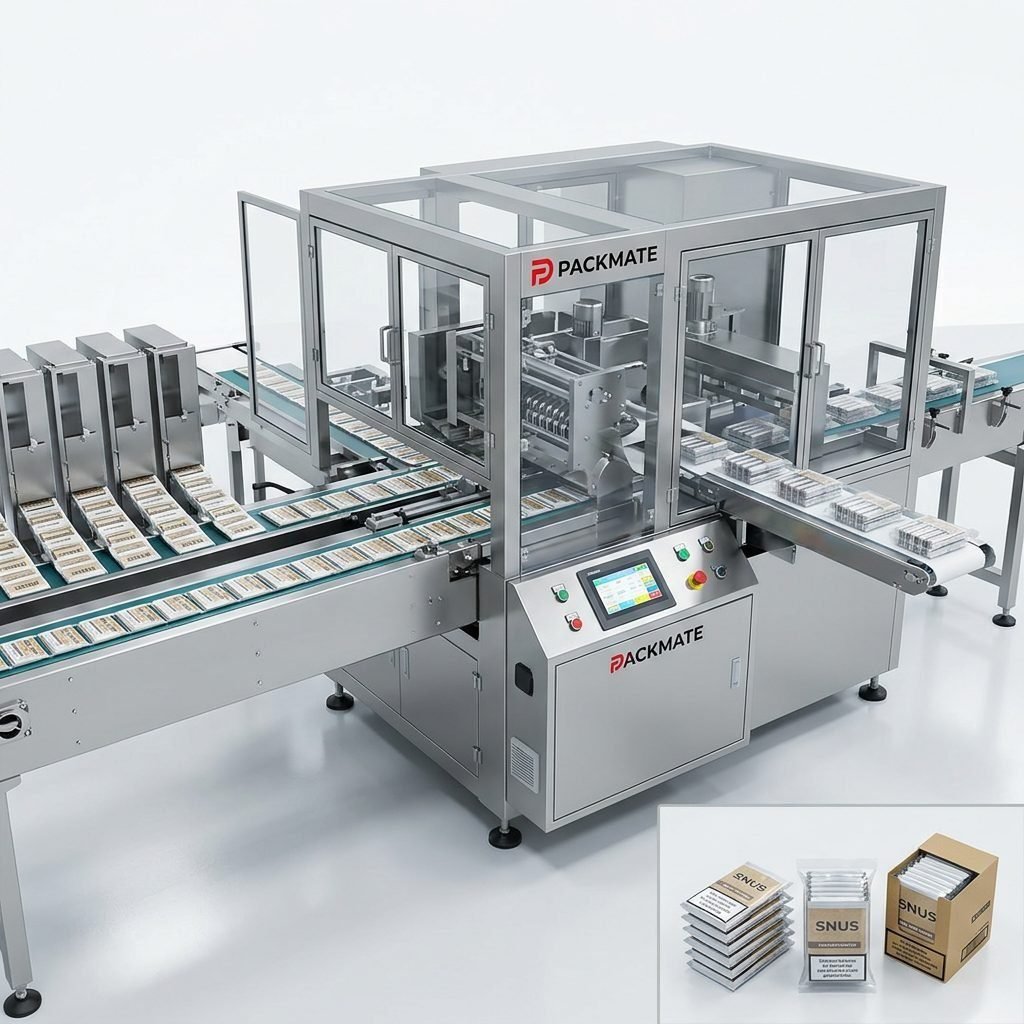
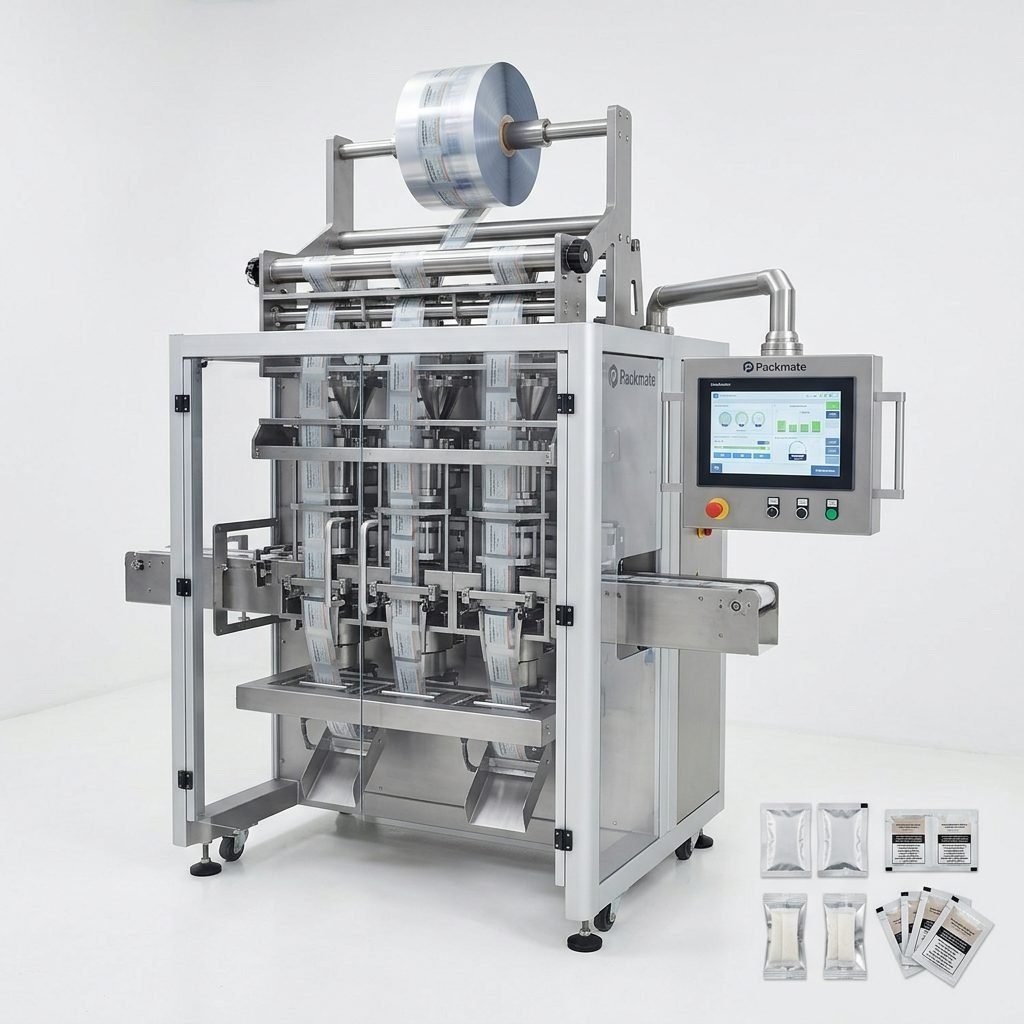
Choosing the right snus packaging machine supplier in Oceania requires more than comparing price tags. Buyers must consider local regulations, production flexibility, machine reliability, and after-sales support tailored to markets like Australia, New Zealand and the Pacific islands. This practical guide breaks down the selection process into clear steps, helping manufacturers, contract packers and entrepreneurs make confident, cost-effective decisions when sourcing snus and nicotine pouch packaging equipment.
Understand the Oceania context: regulations & consumer habits
Oceania is not a single regulatory market. Each country or territory has its own rules regarding nicotine and tobacco-adjacent products. Manufacturers should research local import rules, labelling requirements and consumer preferences. For example, New Zealand has a more open harm-reduction market while some Pacific territories and parts of Australia have stricter controls. Beyond regulation, consumer format preferences—loose snus, portioned pouches, stick packs or sachets—vary by region and influence the optimal line configuration.
Key takeaway
📌 Check local rules first. Regulatory clarity prevents wasted investment in machines that cannot be legally used or sold in your target market.
Step-by-step: What to evaluate when choosing a supplier
Evaluate suppliers across technical capability, customization, quality systems, certifications, support capacity and real-world case history. Below is a prioritized checklist to guide discussions with potential partners.
Technical & production capabilities
Assess machine models for:
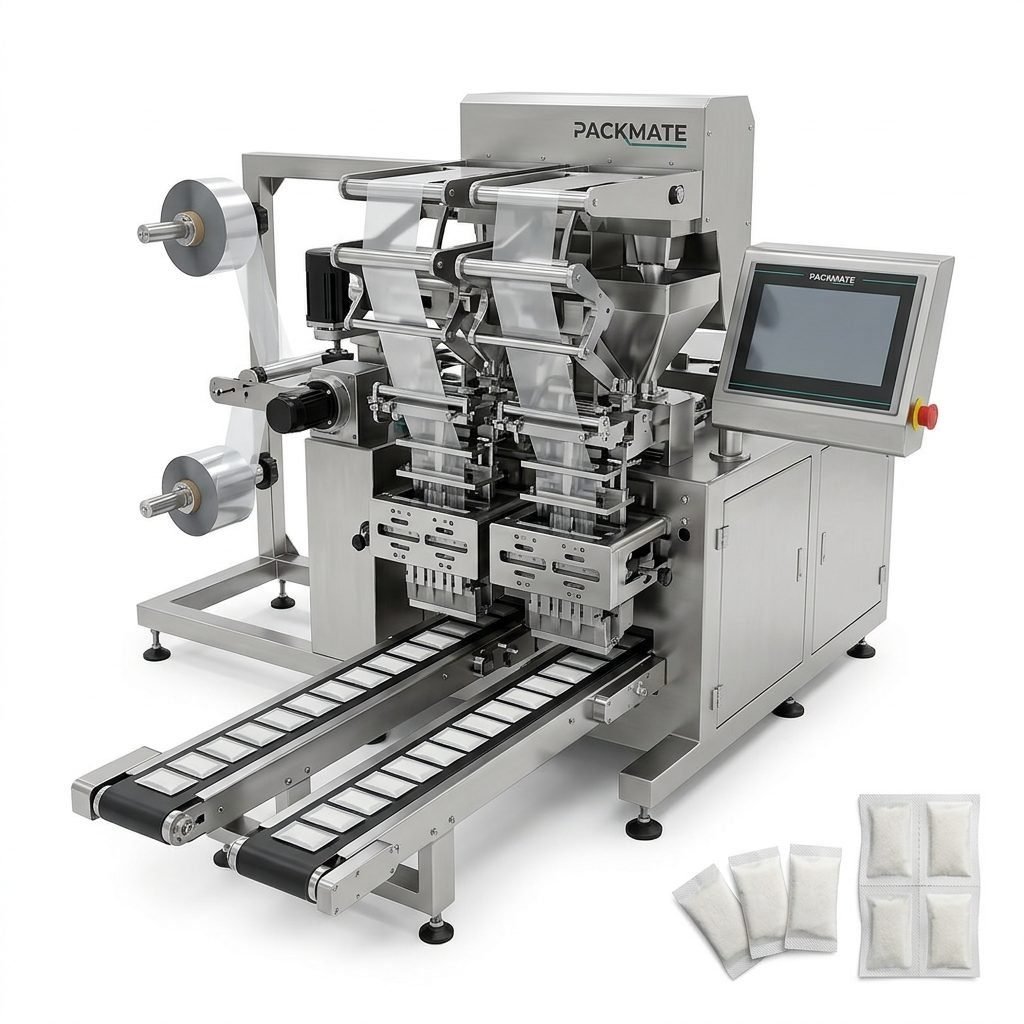
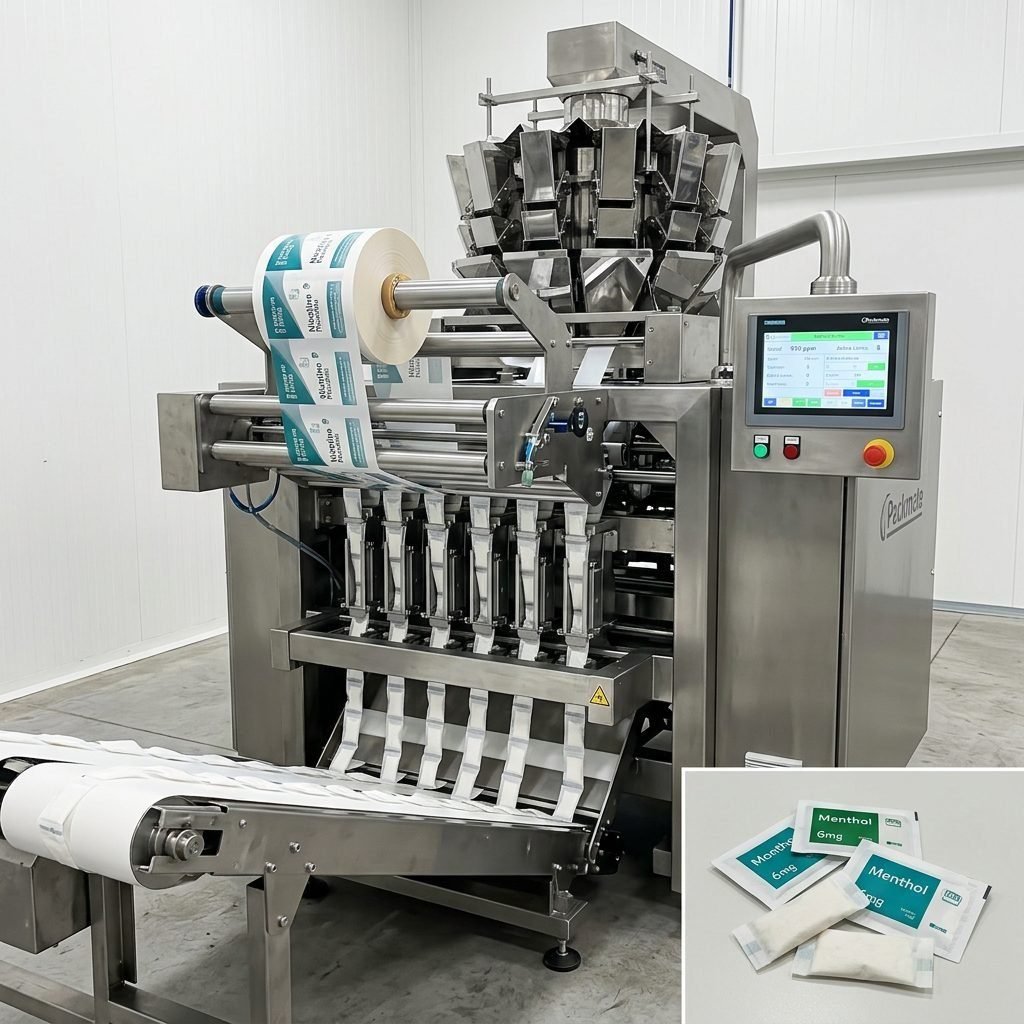
– Lane count and flexibility (single-lane vs multi-lane systems).
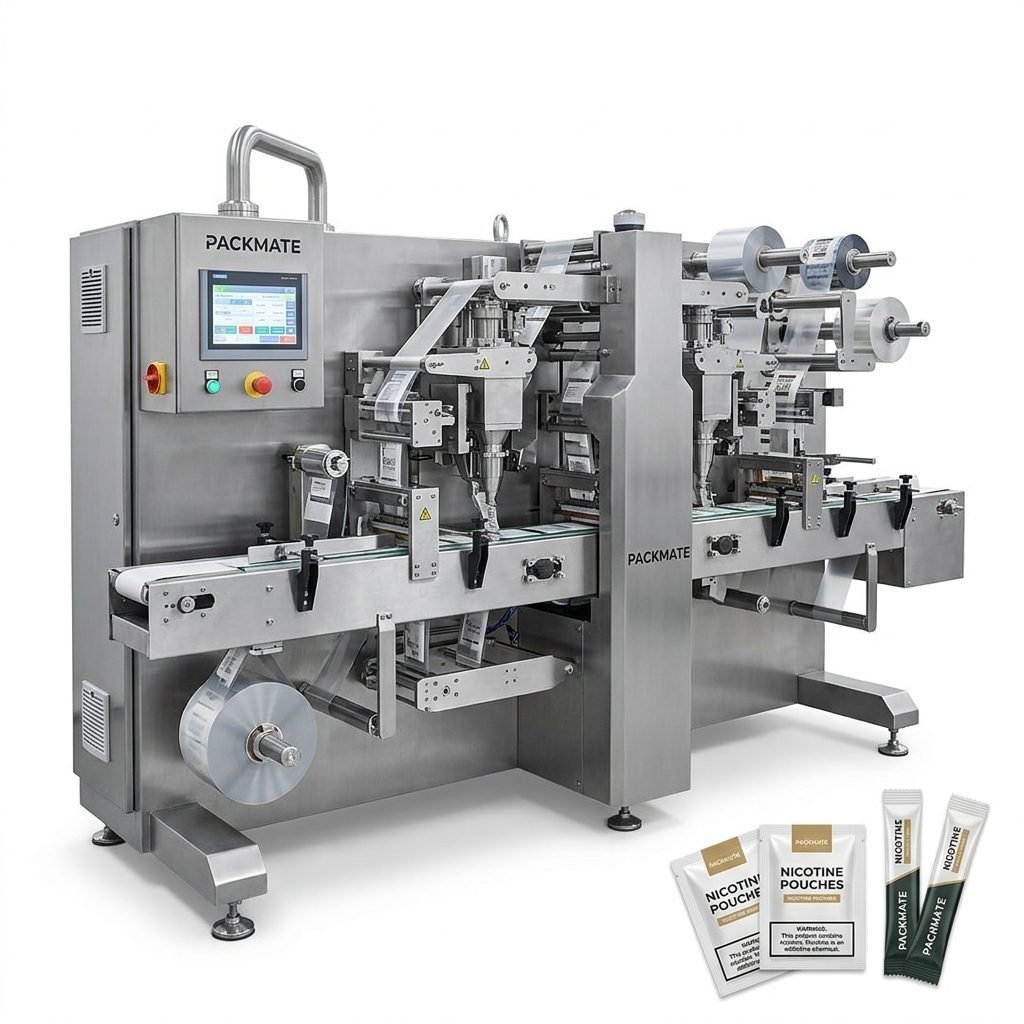
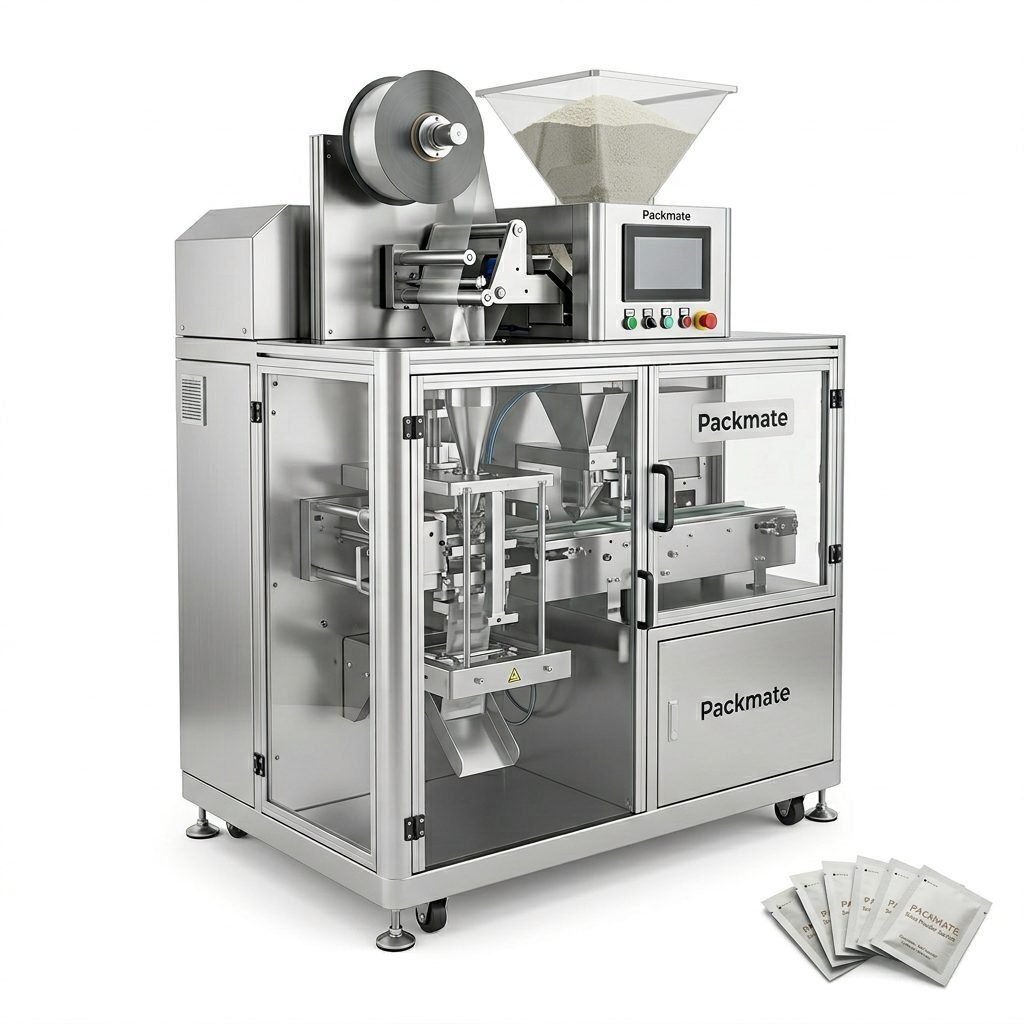
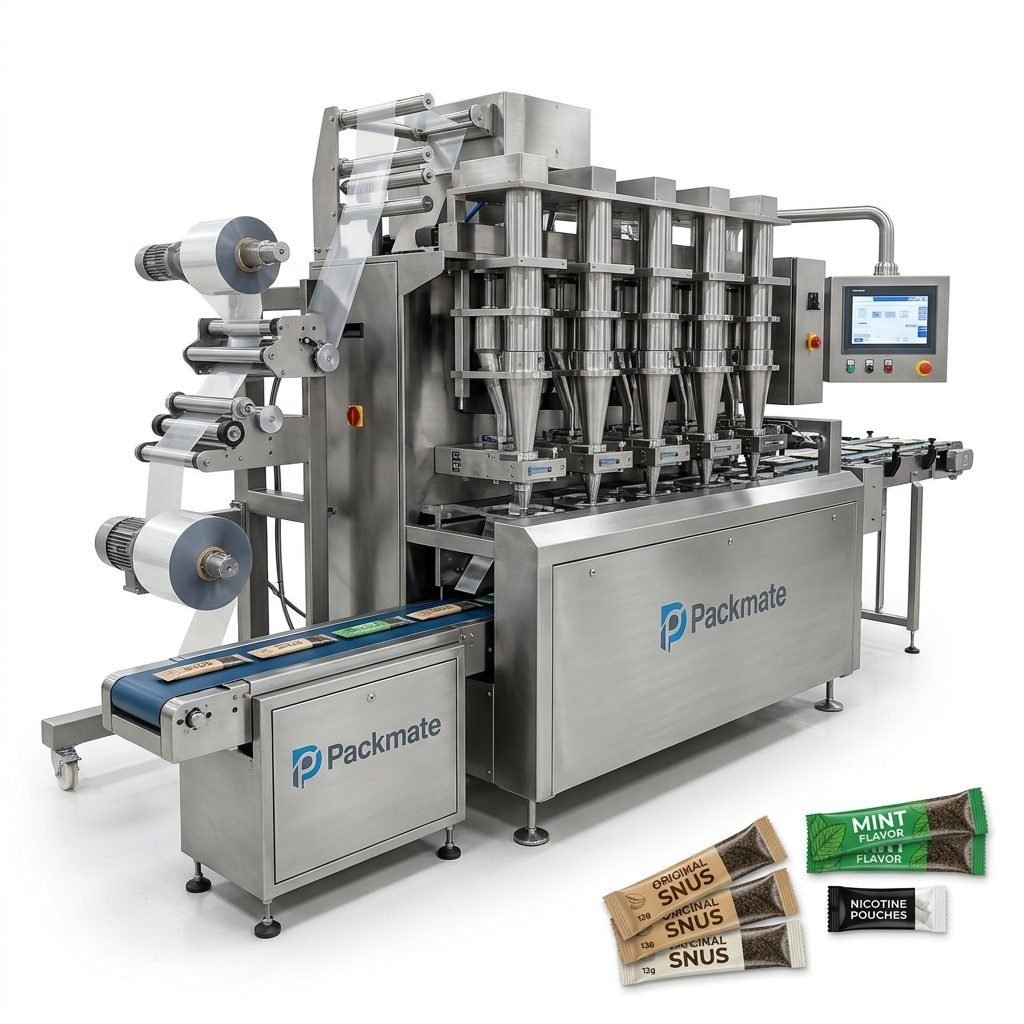
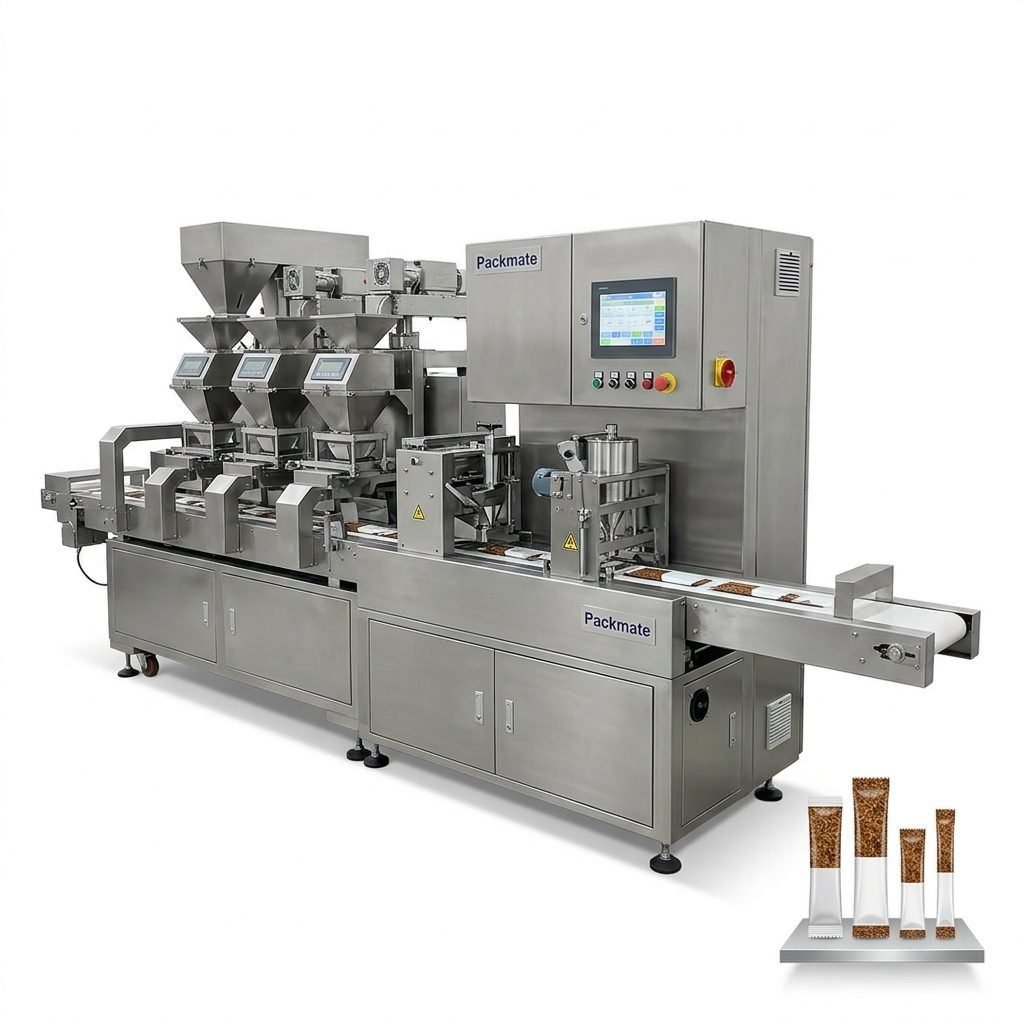
– Compatible pouch formats: snus pouches, nicotine pouches, stick packs and sachets.
– Speed (pouches/min) vs product handling sensitivity—some nicotine blends are hygroscopic and need gentle handling.
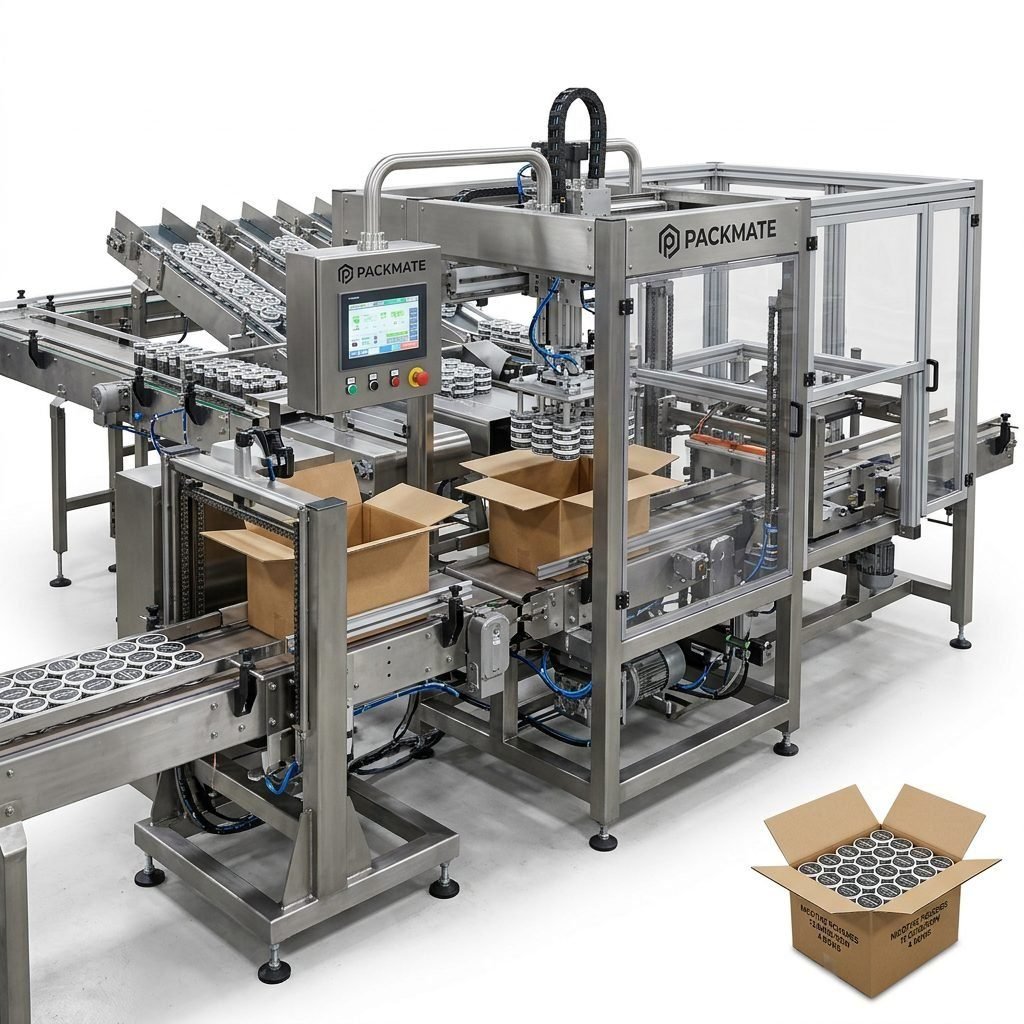
– Integration ability with upstream weighing and downstream cartoning or case packing lines.
Customization & turnkey solutions
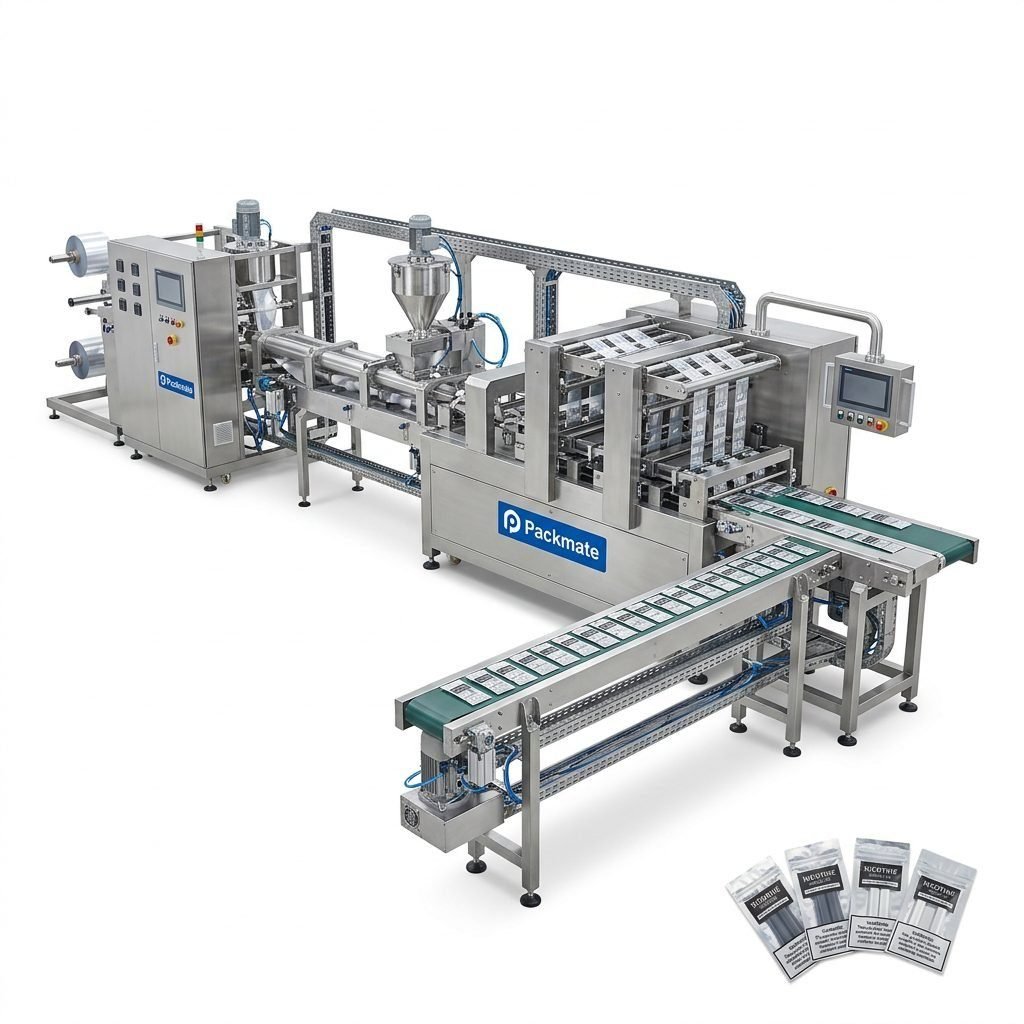
✅ Look for suppliers who offer turnkey lines—from dosing and filling to pouch forming, sealing, inspection and final packing. Turnkey vendors reduce integration risk and shorten time-to-production.
A supplier that provides complete lines, modular upgrades and optional automation (e.g., multi-head weighers, metal detectors, vision systems) will better support scaling and SKU diversity.
Quality assurance: factory capabilities & certifications
Verify factory size, machining capabilities and QA processes. Suppliers with advanced CNC centers, precision assembly lines and formal quality tests produce more consistent machines. Request certifications (CE, ISO) and inquire about performance testing procedures used during FAT (Factory Acceptance Test).
Questions to ask the supplier
– How many years has your company manufactured snus/nicotine packaging machines?
– Can you share detailed specifications, spare parts lists and maintenance schedules?
– Do you provide FAT reports and video demonstrations for my specific SKU?
After-sales service & spare parts strategy
In Oceania, geographic distance can turn small issues into long downtimes. Prioritize suppliers offering:
– Rapid spare-parts shipping or regional parts stocking.
– Remote diagnostics and software support.
– On-site commissioning and operator training packages.
– Long-term maintenance contracts and modernization options.
Red flag
⚠️ If the supplier cannot provide references from similar installations or avoids discussion about downtimes and parts lead times, re-evaluate them carefully.
Price vs total cost of ownership (TCO)
A low purchase price can hide high lifecycle costs. TCO includes energy consumption, spare parts, downtime risk, consumables and required operator skill level. Ask suppliers for typical TCO examples and energy usage numbers. Multi-lane systems may cost more upfront but can lower per-unit production costs and footprint for high-volume lines.
Negotiation tips
– Bundle equipment, spare parts kits and training into one contract to get better terms.
– Consider phased purchases: start with a scalable base machine and add lanes or modules later.
Logistics, installation & commissioning in Oceania
Freight, customs and installation services vary widely across Oceania. Ask the supplier for FOB vs DDP quotes and whether they can manage customs clearance. Confirm the scope of commissioning: will technicians travel for on-site setup or rely on remote guidance? For remote island locations, plan for robust documentation and extra spare parts.
Real-world validation: case studies & references
Ask for case studies in similar product categories or geographic regions. A strong supplier will show installation photos, line productivity numbers and contactable references. Reviewing case histories helps verify claims about uptime, maintenance and product changeover times.
Explore supplier portfolios like their snus and nicotine packaging lines and related systems: Snus & Nicotine Packaging Machines, Bag & Pouch Packaging Machines and integrated Weighing & Packaging Systems.
Factory visit checklist
If possible, visit the manufacturer’s plant or attend an exhibition where they demo machines. During the visit:
– Inspect machining capabilities and assembly areas.
– Watch a live run of a machine producing your target pouch type.
– Review spare-part warehousing and packing standards for export.
– Meet the engineering team to discuss customization and controls.
Selecting the right configuration for your product mix
Define your primary SKUs, expected monthly volume and acceptable changeover time. If you plan multiple formats, choose machines with fast tool-less changeovers or modular attachments. For small-dose nicotine pouches, consider precision dosing and controlled humidity systems to keep product quality stable.
Examples of machine choices
– Low-volume artisan brands: single-lane forming machine with manual feeding and high flexibility.
– Growing brands: multi-lane pouch lines with automatic feeding and integrated checkweighing.
– Contract packers: fully automated turnkey lines linking weighing, pouch forming, inspection and case packing.
Vendor evaluation scoring matrix (quick model)
Rate suppliers on: Technical fit (30%), Quality & certifications (20%), After-sales support (20%), TCO (15%), References & demos (15%). Use the matrix to compare shortlists objectively and prioritize a vendor that balances performance with practical support in Oceania.
📌 Sourcing tip: Suppliers with 20,000㎡ factories, advanced CNC centers and a 30-year engineering track record typically deliver consistent machine quality and long-term support. See more about supplier background details on their About Packmate page.
How to finalize the purchase: contracts & acceptance
Ensure the contract covers delivery milestones, FAT acceptance criteria, spare parts lists, training and warranty terms. Define clear KPIs for machine performance during FAT and commissioning. Retain a portion of payment until successful on-site start-up if contractual terms allow.
Where to find more resources
For product catalogs, case studies and service offerings, explore product pages and the company’s documented case history. Example links include product lines and real project references: Sachet & Stick Pack Machines, project Case examples, and direct Contact Us for bespoke requests.
Final checklist before signing
– Confirm regulatory compatibility for your target Oceania markets.
– Validate machine performance with FAT reports and references.
– Secure clear spare parts lead times and stocking options.
– Agree on training, warranty and remote support terms.
– Ensure logistics, installation and commissioning scope are defined.
✅ Bottom line: The best supplier balances technical excellence, proven project references and dependable after-sales support tailored to Oceania’s logistical and regulatory realities.
Frequently Asked Questions (FAQ)
Q1: How do I confirm a machine will handle nicotine pouches consistently?
A1: Request FAT videos, product-specific trials and references from similar installations. Insist on performance KPIs (speed, rejects, run time) in the purchase agreement.
Q2: What certifications should I expect for international shipment to Oceania?
A2: Commonly requested certifications include CE and ISO. Also verify export documentation, material declarations, and any local compliance paperwork required by customs in your destination country.
Q3: How many spare parts should I stock locally?
A3: Stock critical wear items (seals, belts, sensors) to cover at least 4–8 weeks of production. Discuss lead times with the supplier and consider regional warehousing if lead times are long.
Q4: Can suppliers help with line layout and factory integration remotely?
A4: Yes—many vendors provide layout design, 3D drawings and remote commissioning. For complex installs, plan for at least one on-site engineer during startup.
Q5: Where can I see real machine demonstrations or get more details?
A5: Attend regional trade shows or request virtual demos and case studies from the supplier. Check their exhibitions and certification information for scheduled demos and visits.