Choosing the right nicotine packaging machinery supplier for your factory in Sri Lanka is a strategic decision that affects production efficiency, regulatory compliance, and long-term profitability. Sri Lankan factories operate in a tropical, humid environment and often face specific regulatory and logistical constraints; therefore the ideal supplier must deliver machines that are reliable, serviceable locally, and tailored to local workforce skills and power conditions. This guide walks factory owners, production managers, and procurement teams through a practical evaluation process so you can select the best partner for snus and nicotine pouch packaging solutions.
Understand Sri Lanka’s market, regulations, and operational realities
Sri Lanka’s market and business culture have a few important traits to consider:
- Local regulations around tobacco and nicotine products may be strict and changeable — ensure your supplier understands export/import rules and labeling requirements.
- High humidity and coastal salt air can accelerate corrosion; choose equipment materials and finishes rated for tropical conditions.
- Labor skills vary by region. Suppliers who provide on-site training in English, Sinhala or Tamil will reduce setup time and errors.
- Power stability can be a concern in some industrial zones — machines with robust PLCs, UPS options, and low tolerance to voltage spikes are preferred.
- Sri Lankan buyers value long-term relationships and clear after-sales support; prompt spare parts and remote troubleshooting are essential.
Local culture and factory practices that matter
Sri Lankan plants often prioritize workforce safety, simple maintenance routines, and machines that can be calibrated with limited instrumentation. Look for user-friendly HMI interfaces with language options and suppliers who include operator manuals and training sessions tailored to local teams.
Core technical criteria: what your factory actually needs
Before requesting quotes, define the production targets and product formats you need. Nicotine pouch lines vary greatly — from single-lane sachets to high-speed multi-lane snus pouch lines. Key technical parameters include:
✓ Speed and throughput: pouches per minute, lanes, and achievable OEE under real conditions.
✓ Filling accuracy: dosing technology and +/- tolerance for nicotine powder or granules.
✓ Packaging formats: compatibility with sachets, stick packs, multi-lane pouches, and resealable options.
✓ Compatibility with local utilities: voltage options, air consumption, and climate-appropriate sealing systems.
✓ Cleanability & hygiene: materials (SS304/SS316), CIP options if required, and corrosion resistance.
Machine types to evaluate
Most nicotine packaging projects use one or more of the following:
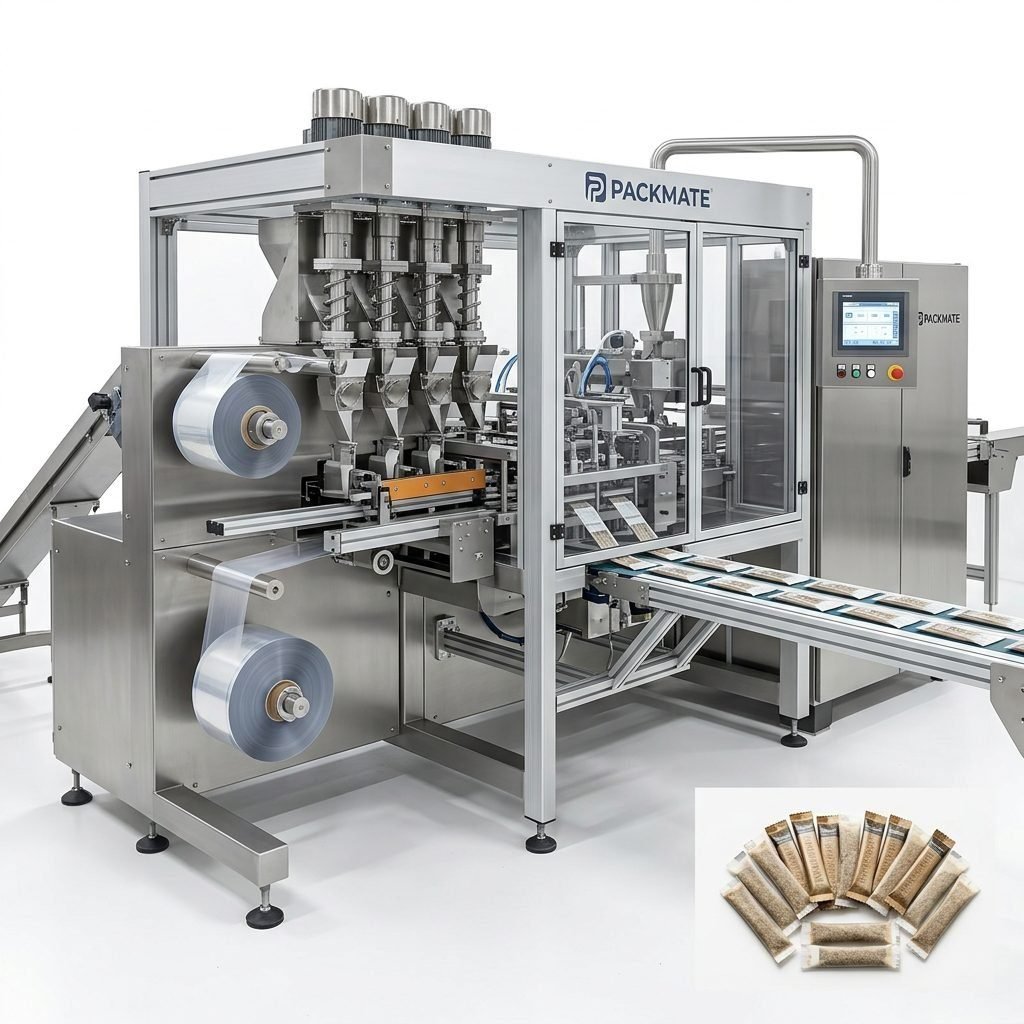
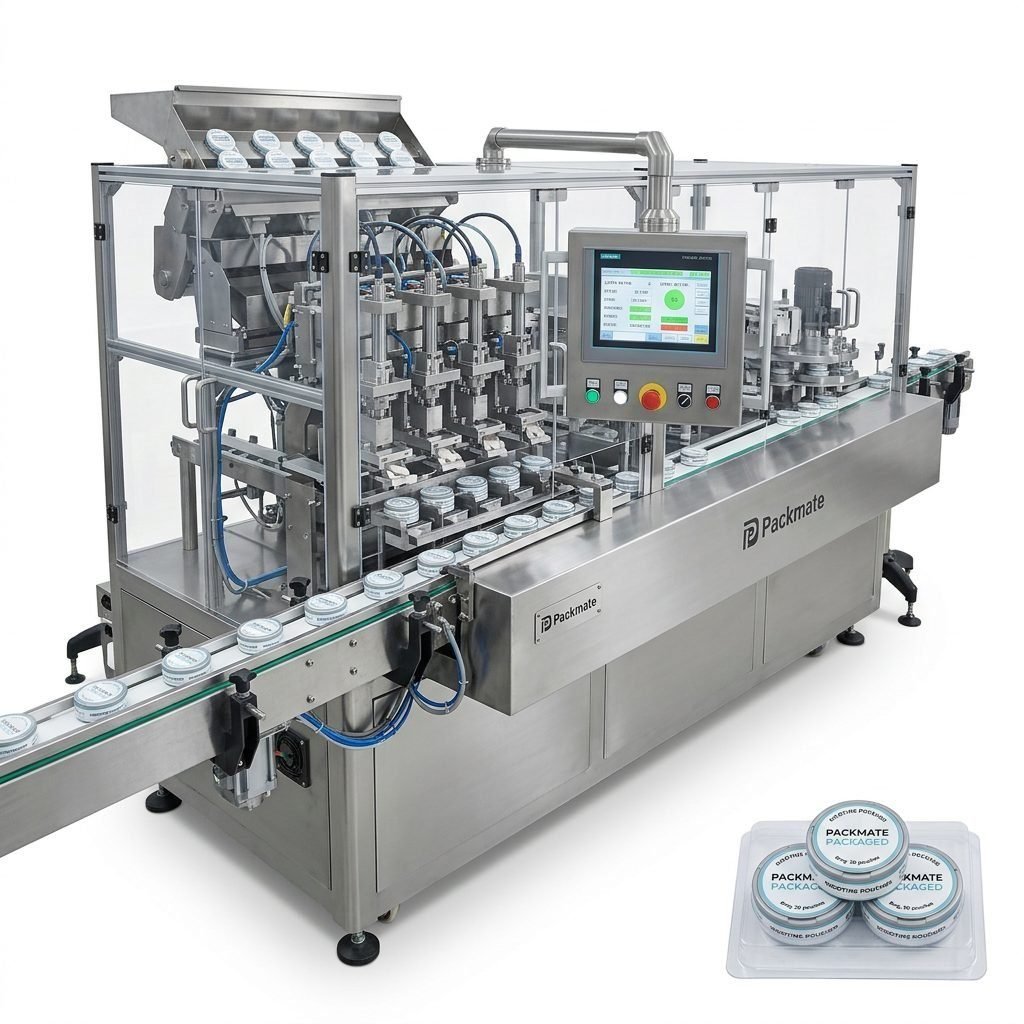
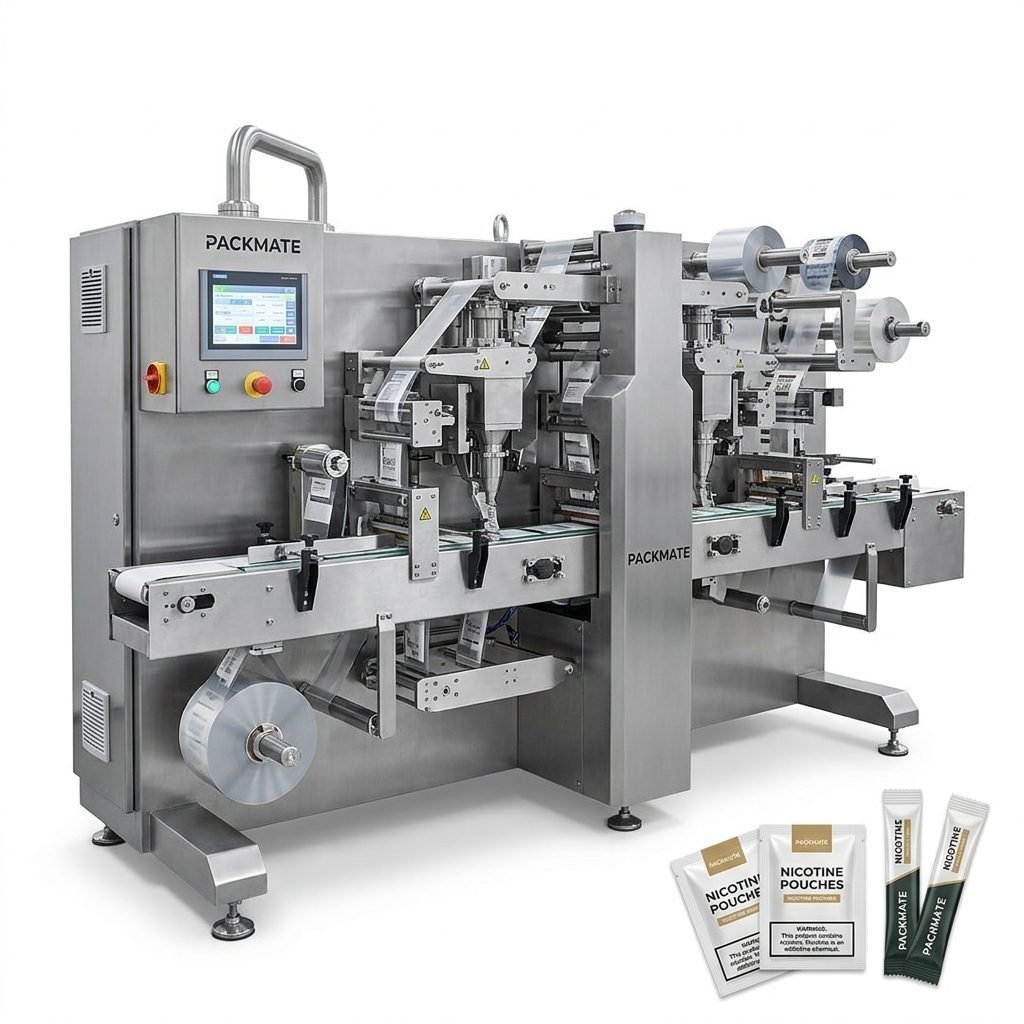
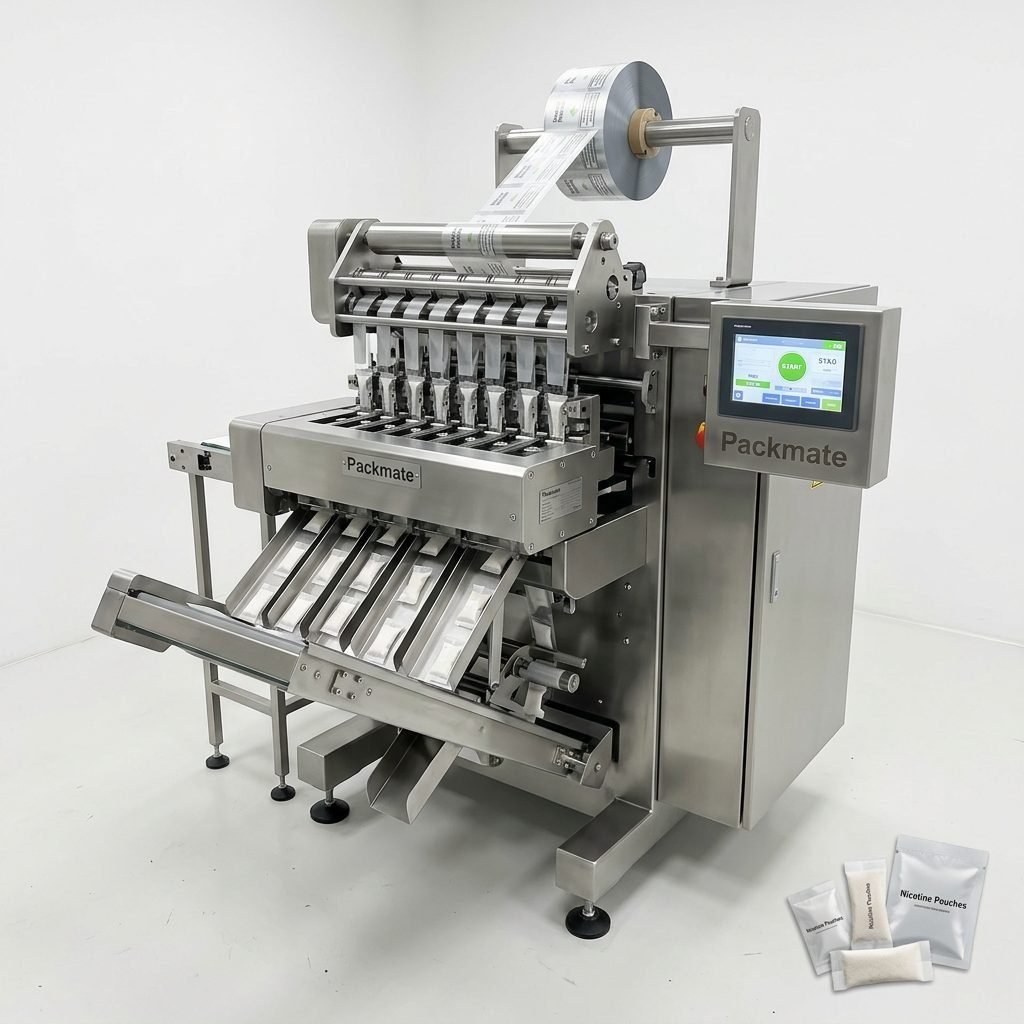
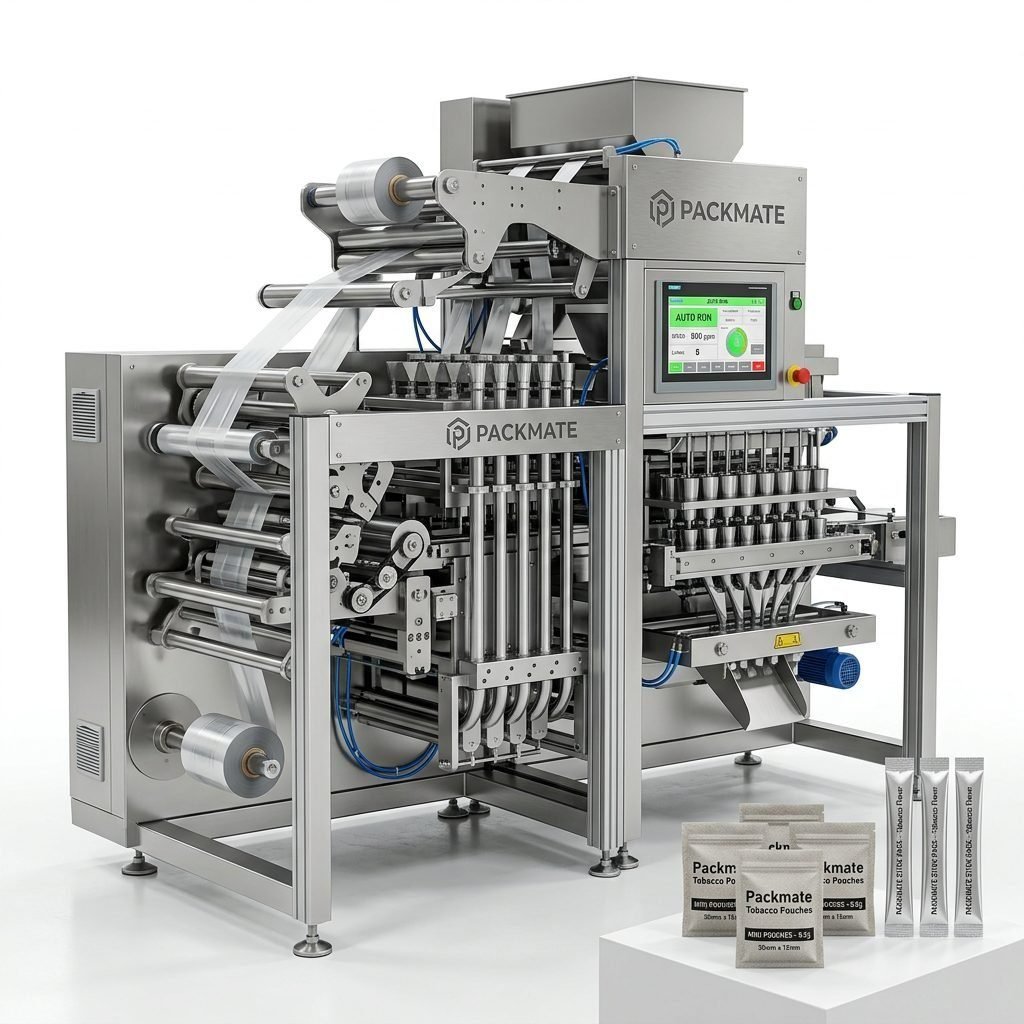
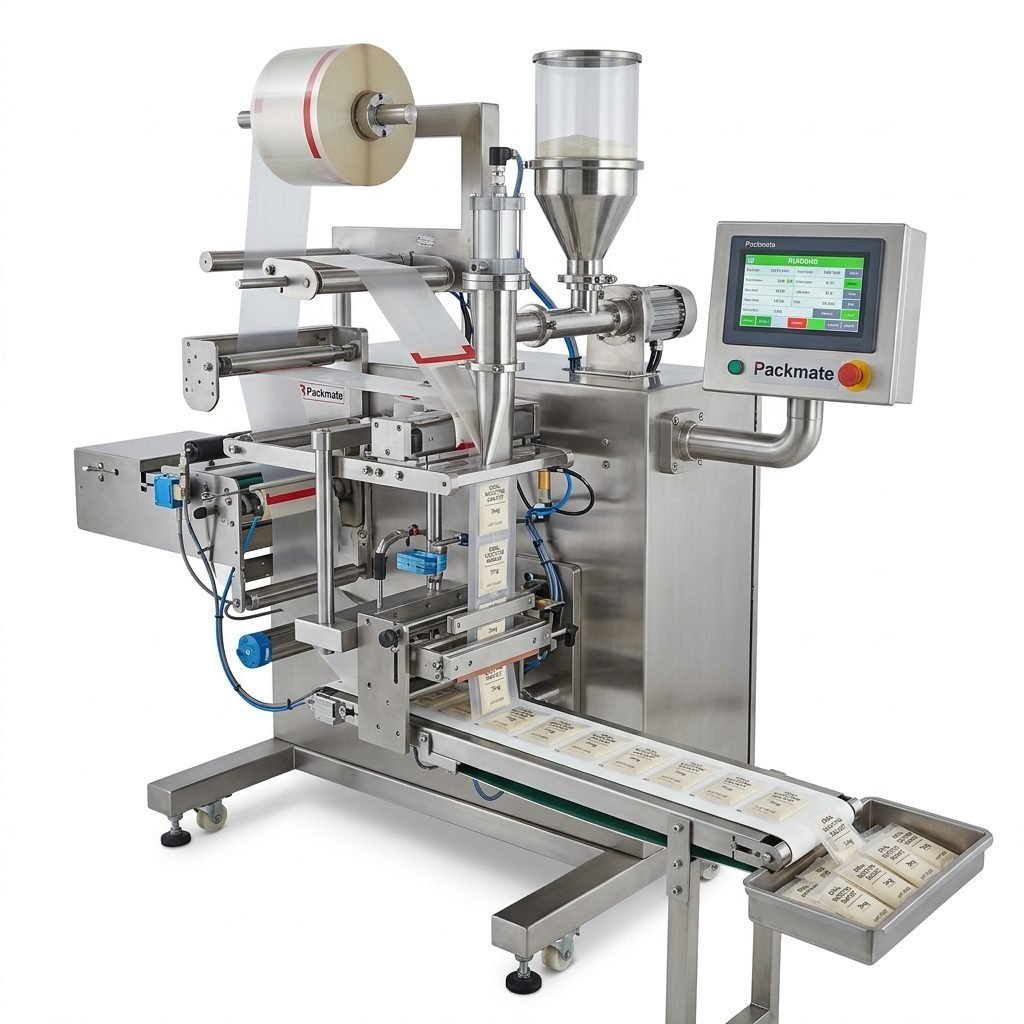
- Snus & nicotine pouch packaging machines for multi-lane small-dose pouches — ideal for high-output factories.
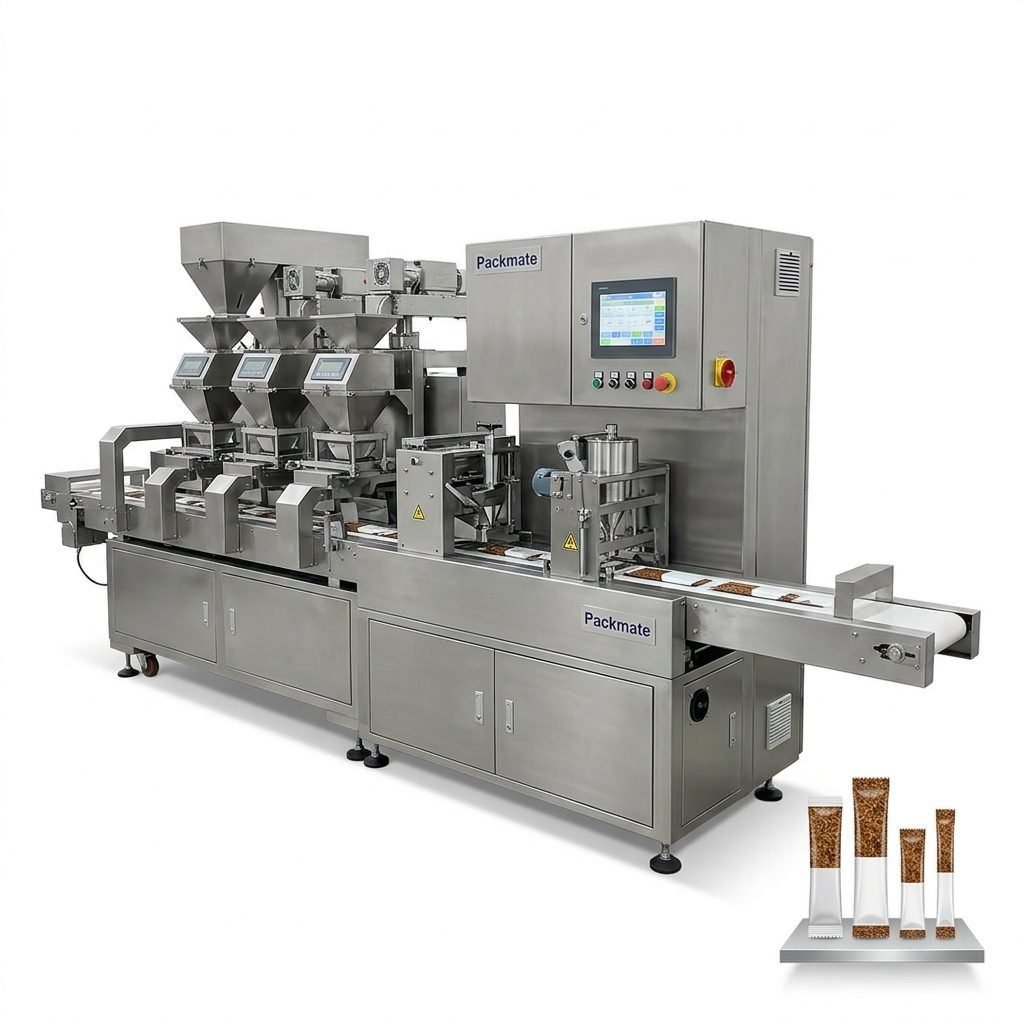
- Sachet & stick pack machines for single-serve sticks and small pouches.
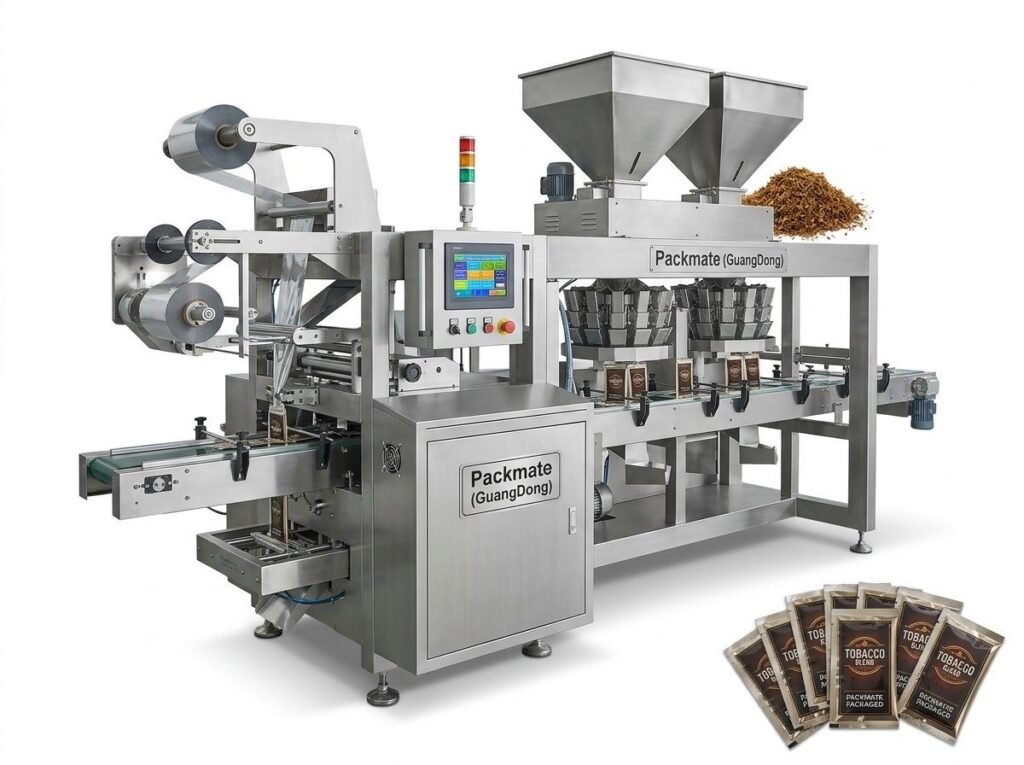
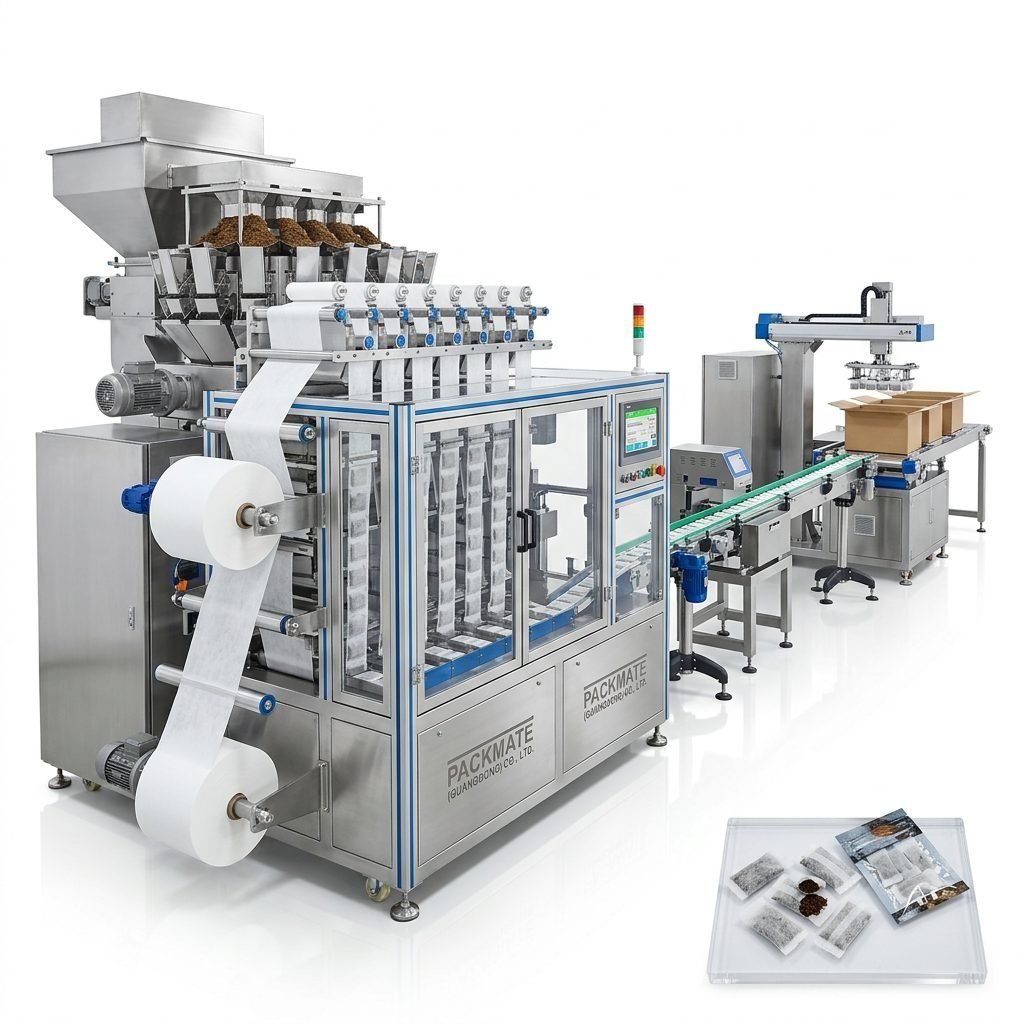
- Weighing & packaging systems with integrated dosing for powders and granules to hit strict nicotine tolerances.
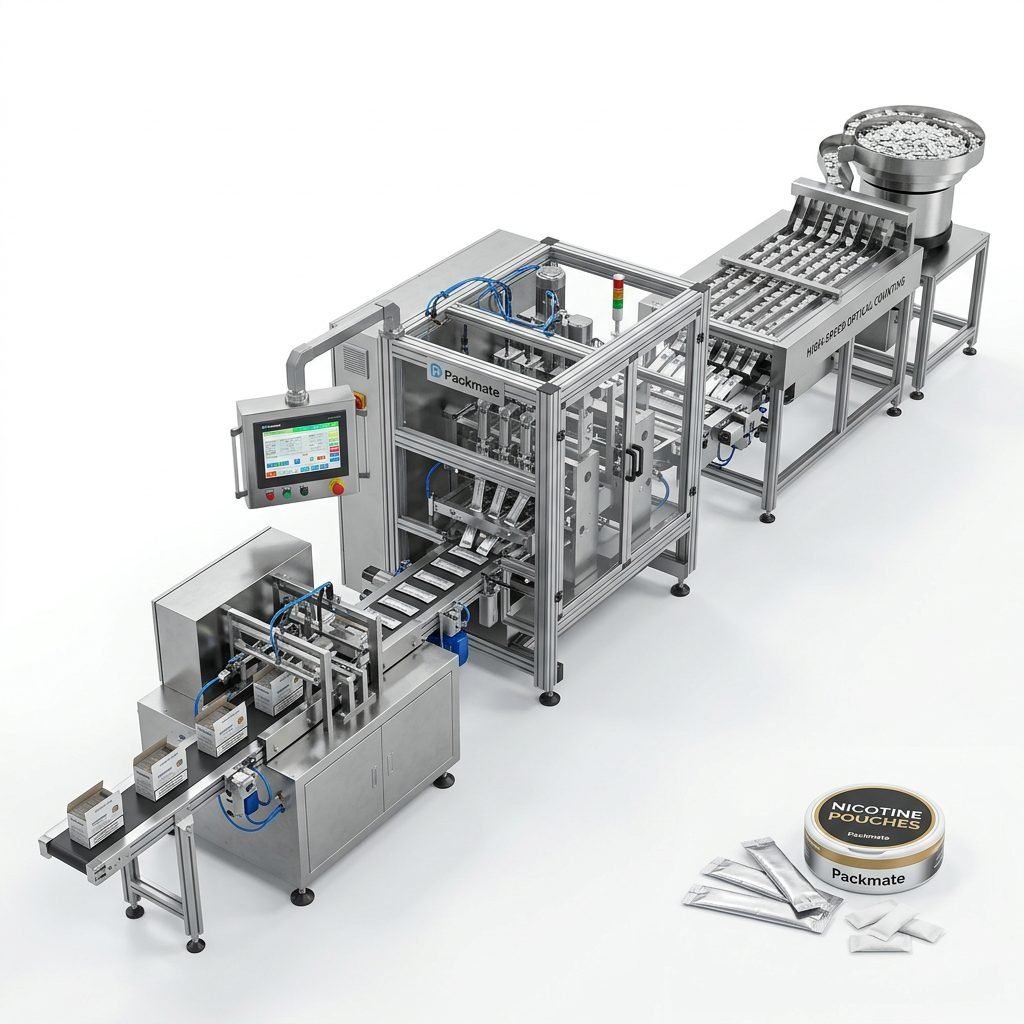
- Auxiliary packaging equipment: conveyors, metal detectors, checkweighers, and cartoning lines for downstream automation.
For examples and model ranges, review the supplier’s product pages such as Snus & Nicotine Packaging Machines and Sachet & Stick Pack Machines.
Manufacturing strength and certifications — how to verify
A supplier’s factory capability directly impacts machine consistency and delivery time. Verify:
- Factory size, CNC machining centers, and precision assembly lines — larger, well-equipped facilities deliver more reliable machines.
- Quality systems: look for CE, ISO, and other compliance documents that demonstrate standardized production and testing.
- Model range and customization ability — a supplier offering 50+ machine models usually has the breadth to adapt to special requirements.
Packmate (Packmate Snus Machine) highlights: 30+ years in engineering, a 20,000㎡ factory with advanced CNC, and global turnkey solutions — details that can reduce procurement risk. For company background see About Packmate.
After-sales support and spare parts in Sri Lanka
After-sales support is frequently the difference between a short-term purchase and a long-term partnership. Evaluate:
- Local stocks of critical spare parts or a clear logistics plan for fast delivery from the supplier’s warehouse.
- Remote support options (VPN, video calls) and on-site commissioning and training durations.
- Warranty terms, preventative maintenance schedules, and availability of consumable parts.
- Supplier presence at exhibitions and local events — demonstrates commitment and makes technical verification easier. See their Our Exhibition page.
Service-level expectations
Aim for service terms that include guaranteed response times, remote diagnostics, and a spare parts pledge. Where possible, negotiate a Service Level Agreement (SLA) aligned to your production risk profile.
Total cost of ownership (TCO) — beyond the initial price
Price is only one part of cost. Consider:
- Energy consumption and air usage — important in Sri Lanka where utilities can be expensive or variable.
- Downtime and MTTR (mean time to repair) — machines designed for easier maintenance save money long-term.
- Packaging film and consumable costs — ensure machine is compatible with locally available materials.
- Training and documentation costs — factor supplier-provided training into the bid comparison.
⚠️ Tip: Request a TCO worksheet from suppliers to compare comparable figures for energy, spare parts, and expected uptime.
Factory acceptance testing and commissioning
Factory Acceptance Test (FAT) and Site Acceptance Test (SAT) are crucial. Insist on:
- Live FAT videos or on-site demonstrations showing the exact product format and speed you require.
- Detailed commissioning plans and acceptance criteria in the contract.
- Training schedule and handover documentation for operators and maintenance staff.
Supplier verification checklist
Use this brief checklist when you meet potential suppliers:
- Factory visit or virtual tour availability.
- References and case studies from similar projects — review their Case page.
- Machine performance data under real production loads.
- Clear spare parts lead times and local stocking options.
- Certifications such as CE/ISO visible on their Certificate page.
Contract terms, warranties and payment
Negotiate clear payment milestones tied to deliverables: design approval, FAT completion, shipment, and SAT/commissioning. Ensure the warranty covers manufacturing defects and agrees on the supplier’s responsibility for installation and performance at site.
Negotiation points to prioritize
Prioritize reduction in spare parts lead time, inclusion of a startup kit, and provision of training. Consider extended warranties and local stocking agreements as negotiation items.
How Packmate’s strengths align with Sri Lankan factories
Packmate Snus Machine’s profile shows relevant strengths for Sri Lankan buyers: three decades of engineering experience, a 20,000㎡ factory with advanced CNC, and a portfolio of tailored snus and nicotine pouch solutions. Their multi-lane systems are suitable for factories aiming to scale while controlling cost and footprint. For product references and full machine lines visit Snus & Nicotine Packaging Machines and the full catalog at Catalog.
Key advantage: Packmate provides turnkey lines including filling, weighing, and pouch machines — this reduces integration risk and shortens lead times.
Practical steps to finalize your supplier choice
Follow these steps to make a confident selection:
- Define your product spec sheet: pouch sizes, target throughput, acceptable tolerance, and packaging materials.
- Shortlist 3 suppliers and request a FAT demonstration with your product.
- Compare TCO, spare parts strategy, and SLA terms rather than headline price alone.
- Negotiate contract clauses for installation, performance guarantees, and penalties for missed milestones.
- Plan for a joint commissioning and training week at handover — ensure language support for local operators.
Final decision checklist (quick)
✓ Machine performance verified (FAT)
✓ Clear SLA and spare parts plan
✓ Warranty and commissioning included
✓ Local training and documentation in accessible languages
Next steps: contacting suppliers and visiting shows
Reach out via official channels, request a quote with detailed scope, and if possible, attend live demonstrations. For direct contact and service information see Contact Us and the Service pages for after-sales details.
Summary and recommendation
Selecting the best nicotine packaging machinery supplier in Sri Lanka requires a balance between technical capability, service reliability, and an understanding of local conditions. Prioritize suppliers with proven multi-lane snus experience, factory strength, international certifications, and a demonstrated willingness to support local teams. Use FAT/SAT validation, TCO comparisons, and a clear SLA to make a durable choice. Suppliers like Packmate, with established manufacturing capabilities and turnkey solutions, are strong candidates when their offerings match your product and throughput needs.
Frequently Asked Questions
Q1: How important is a factory visit before purchase?
A1: A factory visit or virtual tour is very important — it verifies manufacturing capability, quality controls, and the supplier’s actual capacities. If an in-person visit is not feasible, request live FAT demonstrations and multiple client references.
Q2: What warranty and spare parts support should I expect?
A2: Expect at least a 12-month warranty on manufacturing defects, clear spare parts lead times, and available consumable kits for first-year operations. Negotiate emergency spare parts shipping and remote troubleshooting support as contract items.
Q3: Can machines be customized for unique pouch sizes or materials?
A3: Yes, many reputable suppliers offer customization. Ensure customization scope, costs, and validation steps are documented in the contract and that FAT covers your exact pouch design and film type.
Q4: How to verify supplier credentials and past project success?
A4: Request certificates (CE/ISO), client case studies, contactable references, and videos of similar installations. Check exhibition participation and published project portfolios on their website.
Q5: What additional lines or equipment will I likely need?
A5: In addition to the pouch machine, assess the need for dosing/weighing systems, conveyors, checkweighers, metal detectors, and cartoning lines. Review integrated solutions like Weighing & Packaging Systems and Filling & Packaging Lines.