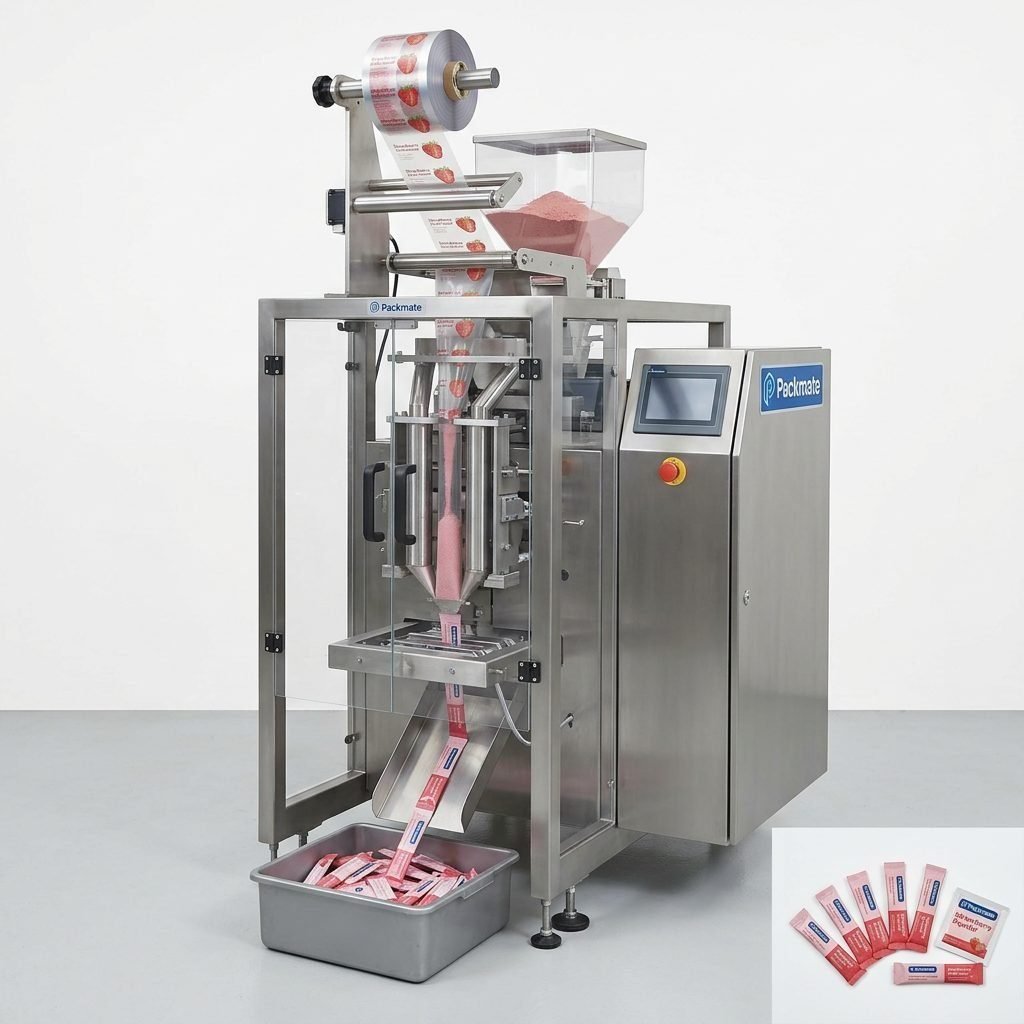
Operating in East Timor (Timor-Leste) requires more than simply buying equipment — it means choosing a nicotine packaging machinery supplier who understands local logistics, regulatory nuance, climate challenges, and business culture. This guide outlines the practical steps and evaluation criteria to help small and medium producers, distributers, and entrepreneurs in East Timor select the best partner for snus and nicotine pouch packaging systems.
Understand Your Local Market and Production Needs
Before contacting suppliers, define your product range, target volumes, and packaging formats. In East Timor, many businesses start with relatively low to medium throughput lines that need to be reliable and easy to maintain due to limited local technical support. Consider whether you need:
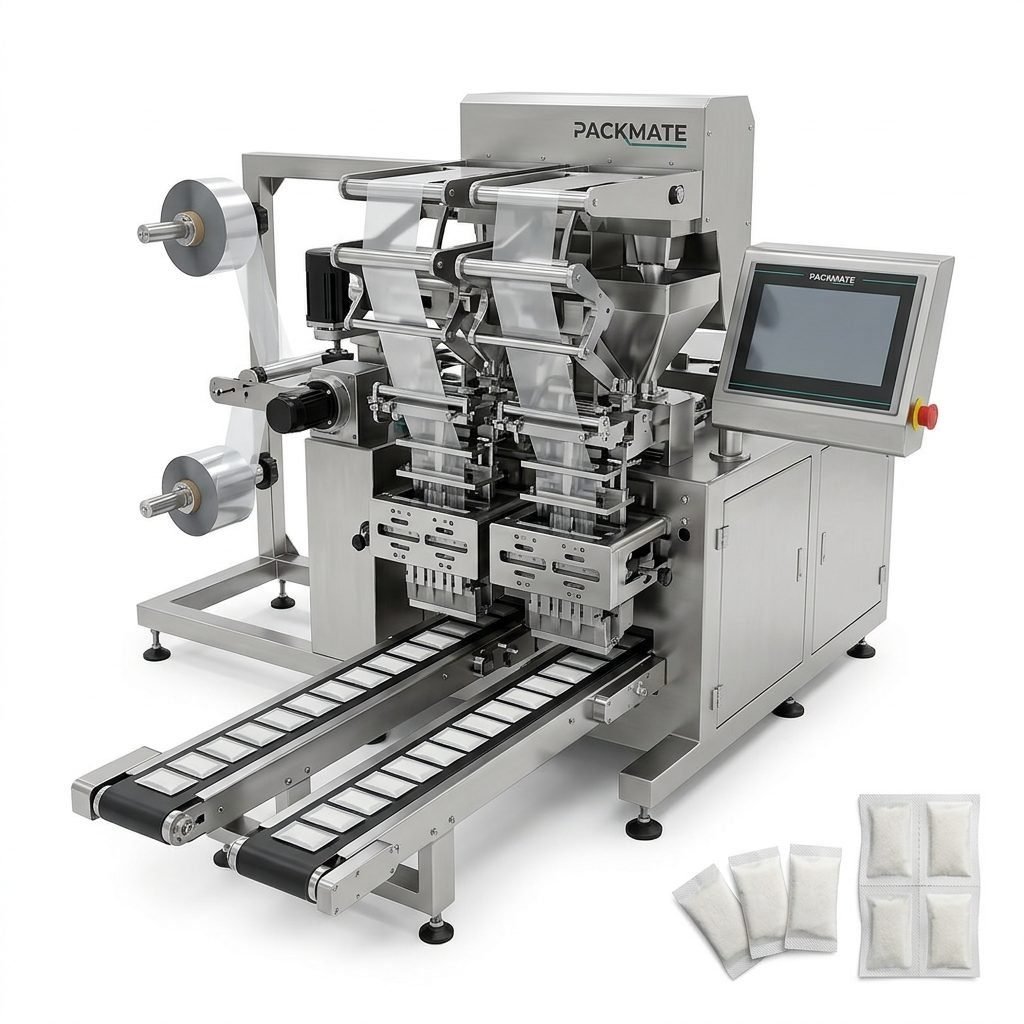
- Single-lane or multi-lane nicotine pouch systems for small-dose production
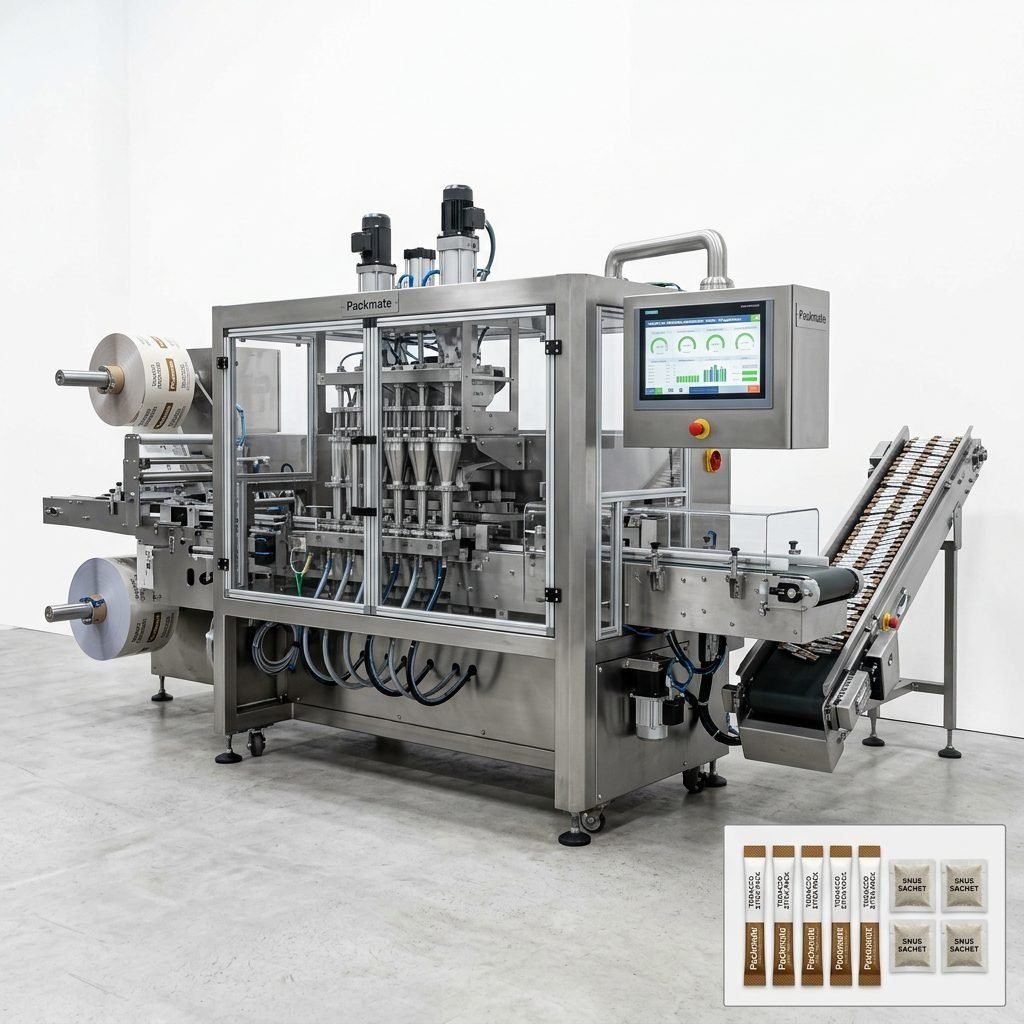
- Sachet/stick pack capabilities for single-use formats
- Integrated weighing and filling for powder or granule formulations
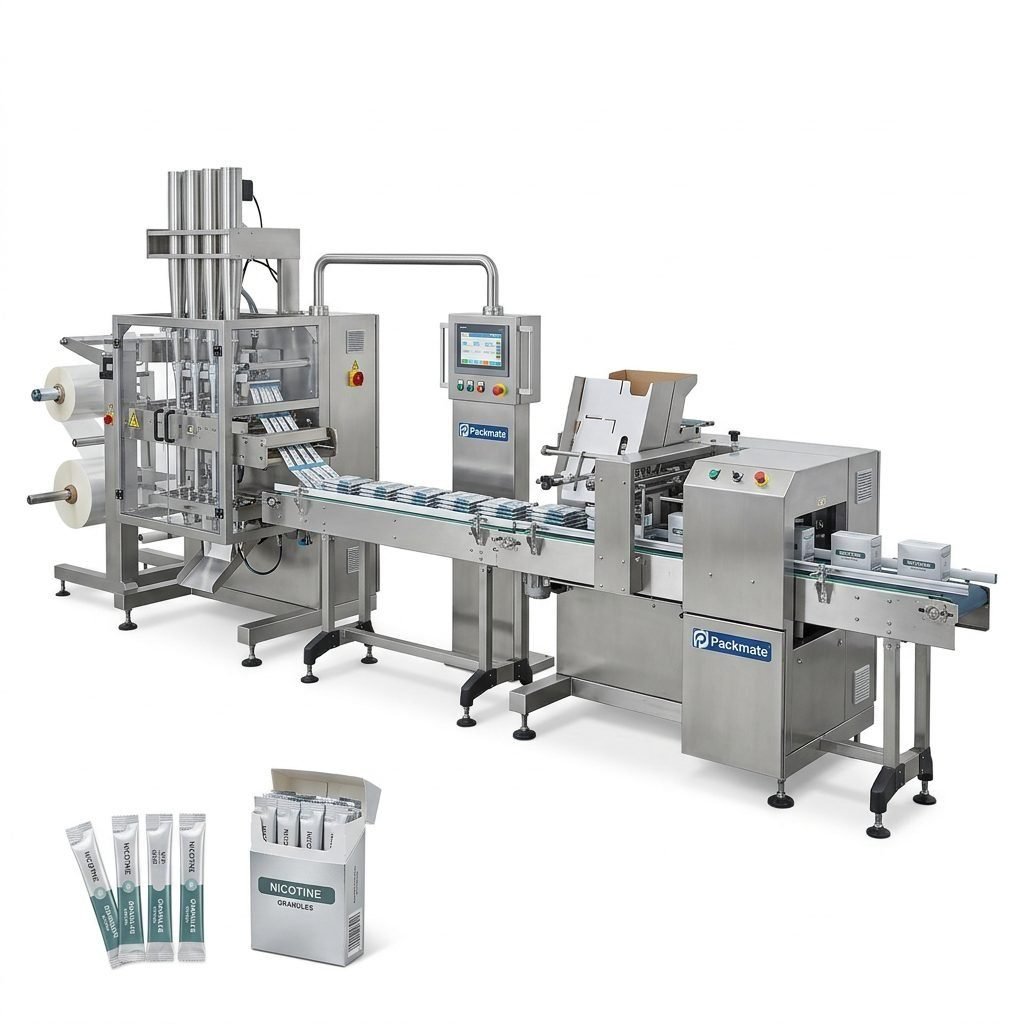
- Turnkey lines that include sealing, coding, and secondary packing
If your business is export-oriented to nearby markets (Indonesia, Australia), select machines that meet international certifications and flexible formats to adapt quickly.
Evaluate Supplier Capabilities and Track Record
A supplier’s track record is the most reliable indicator of future performance. Look for manufacturers with documented experience in snus or nicotine pouch packaging technology. Important credentials include:
- Years of engineering experience and a broad machine model range
- Demonstrable turnkey projects and export case studies
- Certifications like CE and ISO to support regulatory compliance
- On-site factory tours or virtual demos to verify build quality
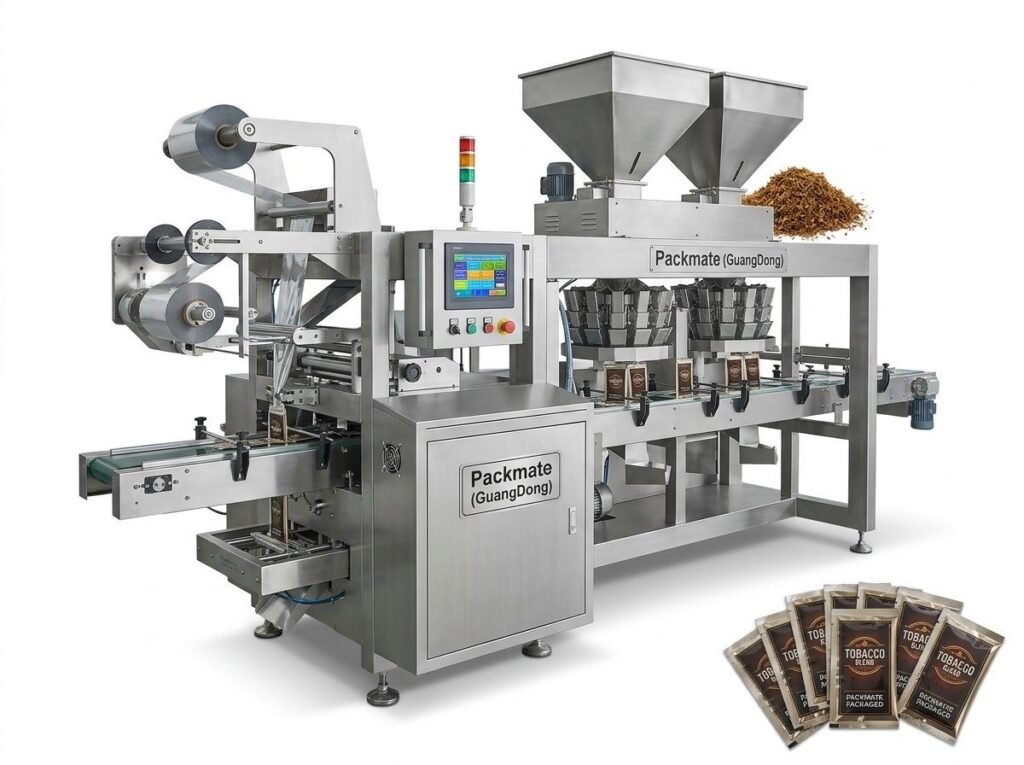
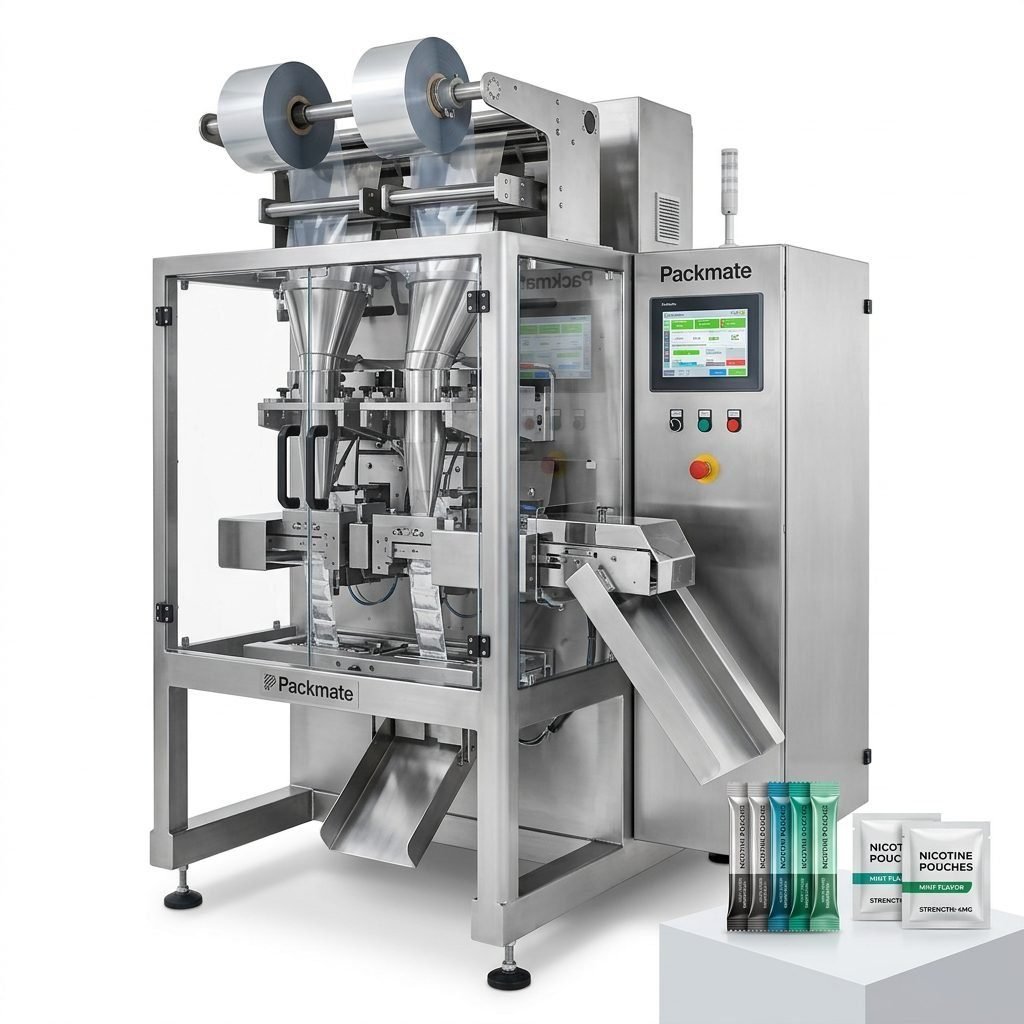
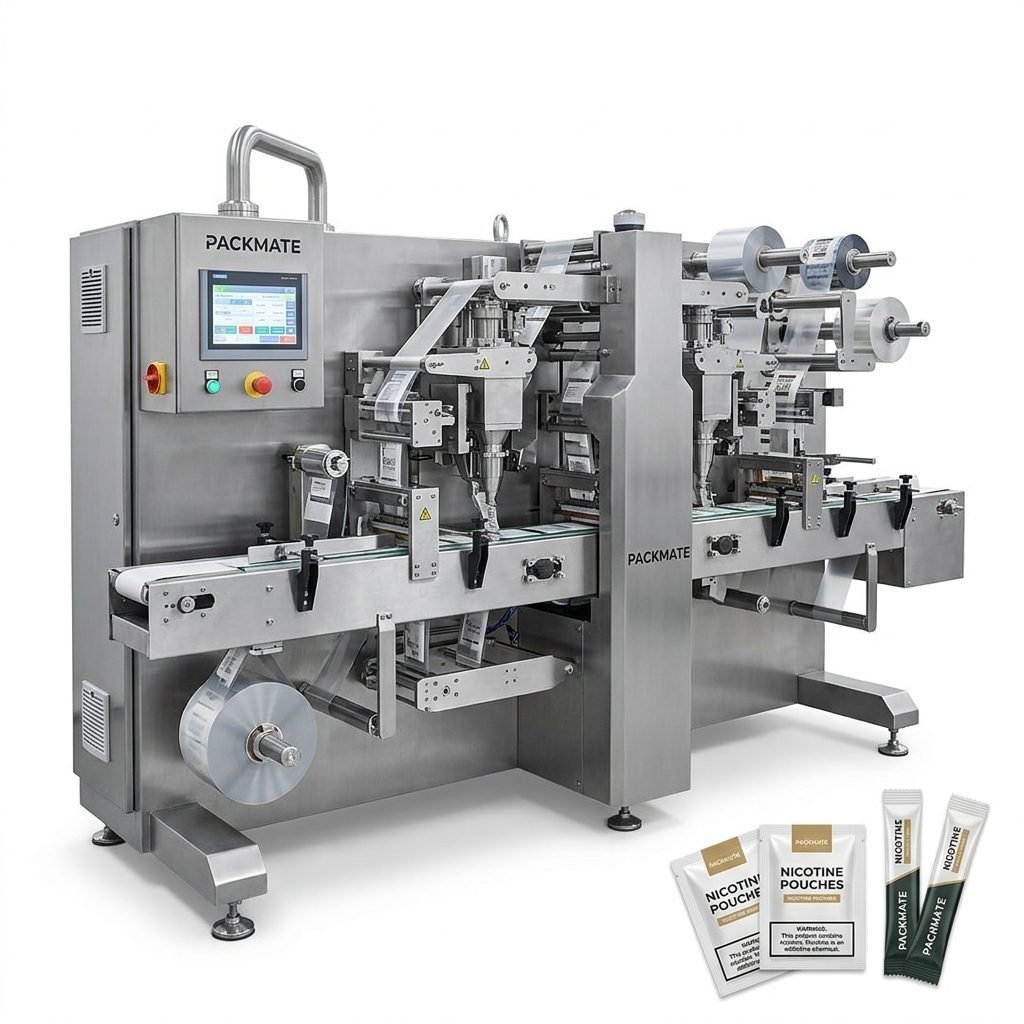
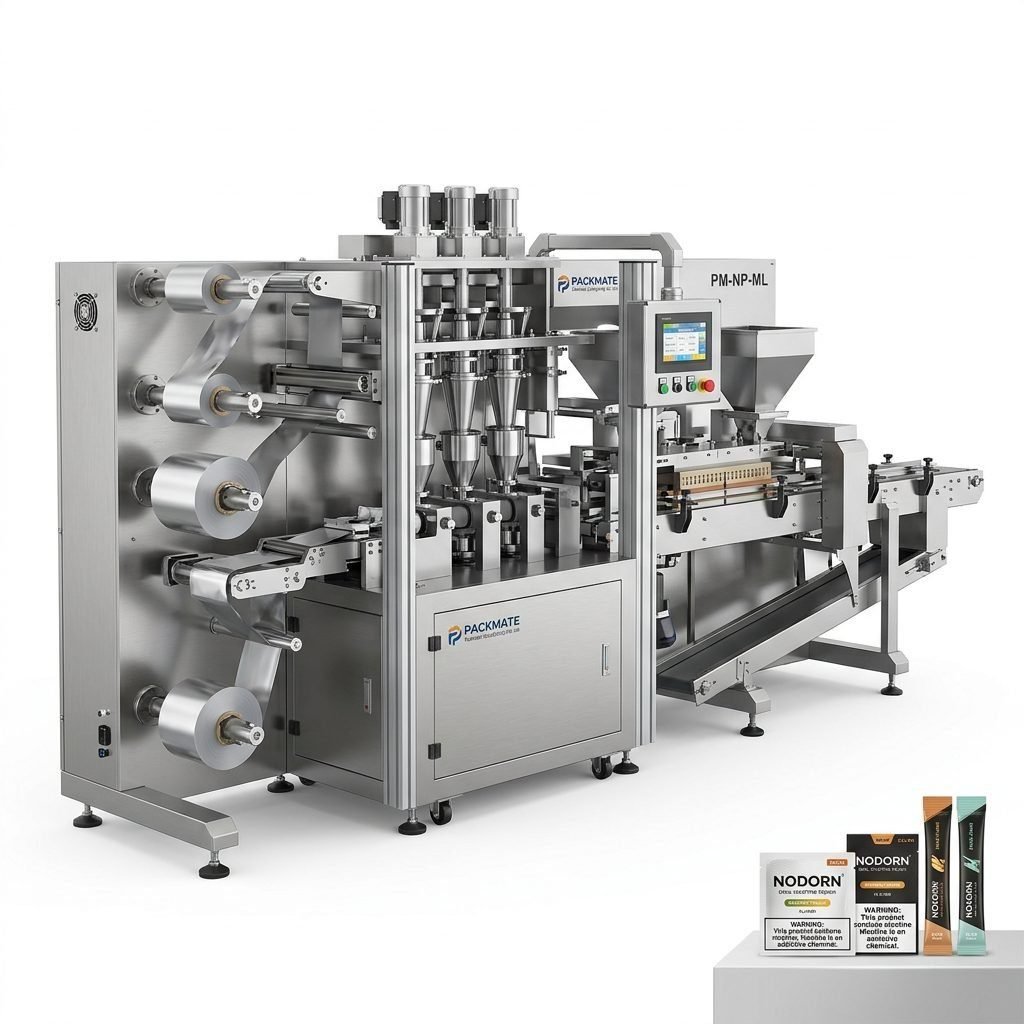
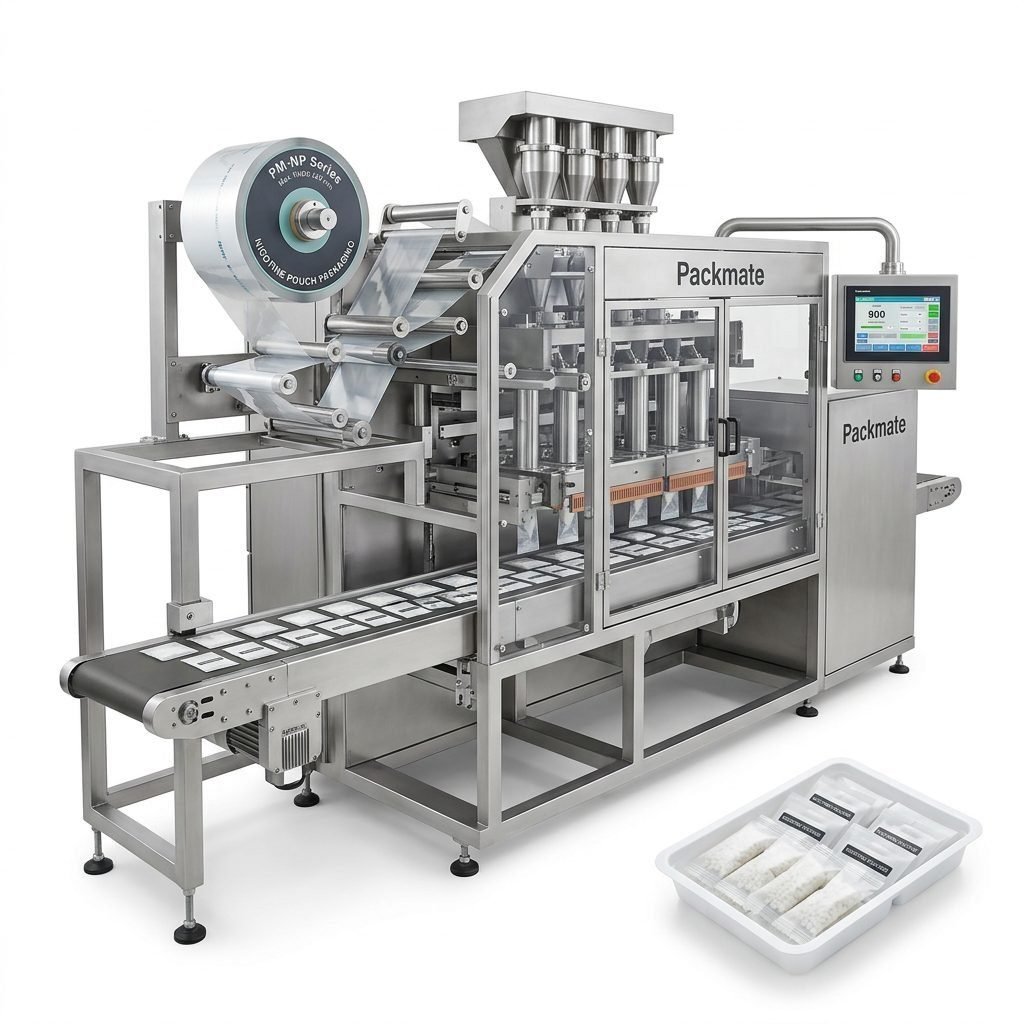
For example, suppliers who provide complete production lines, from pouch forming to weighing and secondary packaging, simplify procurement and integration. You can view specialized systems such as Snus & Nicotine Packaging Machines as part of a supplier portfolio to confirm their product focus:
Snus & Nicotine Packaging Machines.
Check Manufacturing Strength and After-Sales Network
For East Timor, local service and spare parts access are critical because extended downtime can be costly. Prioritize suppliers with:
- Large manufacturing facilities and strong quality control
- Stocked spare parts or rapid shipment options
- Remote support capabilities and clear maintenance documentation
- Willingness to train local operators and technicians
Arrange a spare-parts kit and remote diagnostics plan before shipment. Confirm lead times for critical components — in island nations, shipping can add weeks.
Assess Technical Fit: Machines, Formats, and Flexibility
Technical match means the machine handles your specific pouch dimensions, materials, and product characteristics. Key technical questions:
- Can the machine handle your chosen pouch material (laminates, biodegradable films)?
- Does it support multi-lane production to maximize output with small dosing?
- Are product-feeding systems compatible with sticky or powdery nicotine formulations?
- Is servo-driven control available for precise dosing and consistent sealing?
Suppliers with modular systems let you scale up or add functions (e.g., nitrogen flushing, batch coding) without replacing the entire line. Learn about broader packaging options like Bag & Pouch Packaging Machines and Sachet & Stick Pack Machines that might be relevant as your product mix evolves:
Bag & Pouch Packaging Machines |
Sachet & Stick Pack Machines.
Local Conditions: Climate, Power, and Installation
East Timor’s tropical climate (high humidity, salt air near coastal ports) and intermittent power supply require robust machine engineering and proper installation planning:
- Corrosion-resistant components or protective coatings for coastal facilities
- Climate control recommendations (air-conditioned packaging rooms) to stabilize hygroscopic products
- Power stabilization and UPS options to protect electronics
- Valve and seal choices that resist humidity-induced failures
Ask the supplier for an installation and commissioning checklist tailored to local conditions — this prevents gaps during startup and avoids common downtime causes.
Compliance, Documentation and Certification
Nicotine products are subject to regulatory scrutiny in many markets. Choose suppliers who provide complete documentation and certified equipment. Important items include:
- CE, ISO, and other internationally recognized certifications
- Machine manuals, electrical diagrams, and spare-part lists
- Certificates of conformity for critical components
- Assistance with customs and shipping documentation for Timor-Leste
Suppliers that publish factory certifications and product catalogs demonstrate transparency. You can review company credentials and detailed catalogs such as those on About Packmate:
About Packmate.
Commercial Terms: Warranties, Training, and Financing
Commercial flexibility can determine long-term success. Evaluate:
- Warranty length and explicit coverage items
- Training programs for operators, technicians, and maintenance staff
- Options for extended service contracts or remote support plans
- Payment terms, leasing options, or phased delivery for cashflow-sensitive businesses
Secure formal training during commissioning and request video-recorded tutorials in local languages (Portuguese/Tetum) or bilingual manuals where possible.
Communication, Language and Cultural Considerations
East Timor’s official languages are Tetum and Portuguese; Indonesian and English may also be used. Choosing a supplier who can communicate clearly and respect local business etiquette is essential:
- Confirm language options for manuals and remote support
- Expect face-to-face negotiation etiquette — patience and relationship-building are valued
- Plan realistic timelines for shipments and installation that respect local holidays and customs
A responsive supplier who accommodates local rhythms and provides accessible support will create a smoother long-term partnership.
Verify Case Studies and Customer References
Request references and case studies that demonstrate the supplier’s experience in similar markets or with comparable product types. Verified references should describe:
- Installation timelines and commissioning outcomes
- Performance metrics: uptime, throughput, and quality consistency
- Post-sale support experiences and response times
Many manufacturers publish project cases; review them for practical insights. See real project examples under Case:
Case.
Logistics and Shipping to East Timor
Shipping heavy equipment to Dili or other ports in East Timor involves planning for customs clearance, port handling, inland transport, and local installation support:
- Confirm the supplier’s experience shipping to island nations and willingness to manage export paperwork
- Plan for inland lifting gear and site readiness before arrival
- Clarify insurance terms and risk transfer points during transit
For a seamless process, request the supplier’s recommended shipping checklist and contact a local customs broker early in the procurement phase.
For end-to-end packaging solutions, including weighing and integrated lines, review offerings such as Filling & Packaging Lines and Weighing & Packaging Systems:
Filling & Packaging Lines |
Weighing & Packaging Systems.
Making the Final Decision: Checklist for East Timor Buyers
Use this practical checklist when finalizing your supplier:
- Technical compatibility: tested machine models for your pouch format
- Service and parts: stocked spare kits and remote support capabilities
- Certifications: CE/ISO and full documentation for regulatory processes
- Climate adaptation: corrosion resistance and humidity management
- Logistics plan: shipping, insurance, customs clearance and local handling
- Commercial terms: warranty, training, and financing options
A supplier that scores well across these categories will reduce risk and accelerate your path to stable production.
How to Start Conversations with Potential Suppliers
Begin with a concise Request for Proposal (RFP) that lists your product specs, expected daily output, environmental conditions, and desired delivery window. Ask for:
- Detailed machine specifications and optional modules
- Reference installations in similar climates or markets
- Visual documentation: machine photos, factory certificates
- Estimated lead times, FOB/CIF pricing, and commissioning plans
If you’d like to contact a supplier with proven experience in snus packing machines and turnkey packaging solutions, consider reaching out via their contact page:
Contact Us.
Final Thoughts
Frequently Asked Questions
Q1: How long does it typically take to receive and commission a snus packaging line in East Timor?
A: Typical timelines depend on customization and shipping. From order to on-site commissioning expect anywhere from 12 to 20 weeks; add extra time for customs clearance and local preparations.
Q2: What maintenance should I plan for tropical coastal environments?
A: Regular lubrication, corrosion checks, and scheduled electrical inspections are essential. Consider protective coatings and periodic replacement of vulnerable parts like sensors exposed to humidity.
Q3: Can suppliers help with operator training in Portuguese or Tetum?
A: Many reputable suppliers offer bilingual manuals or remote training. Confirm language options during negotiation and request video resources for ongoing reference.
Q4: Are turnkey solutions advisable for a first-time producer in East Timor?
A: Yes. Turnkey solutions reduce integration risk, simplify procurement, and include testing and commissioning, which is valuable when local technical resources are limited.
Q5: Where can I view machine models and specifications?
A: Many manufacturers publish product pages with model details, such as their Snus & Nicotine Packaging Machines and associated product lines. Review product catalogs and case studies to shortlist vendors.
For more technical resources and product catalogs, explore related product lines and services to build a complete packaging plan:
Auxiliary Packaging Equipment |
Weighing & Packaging Systems |
Service.