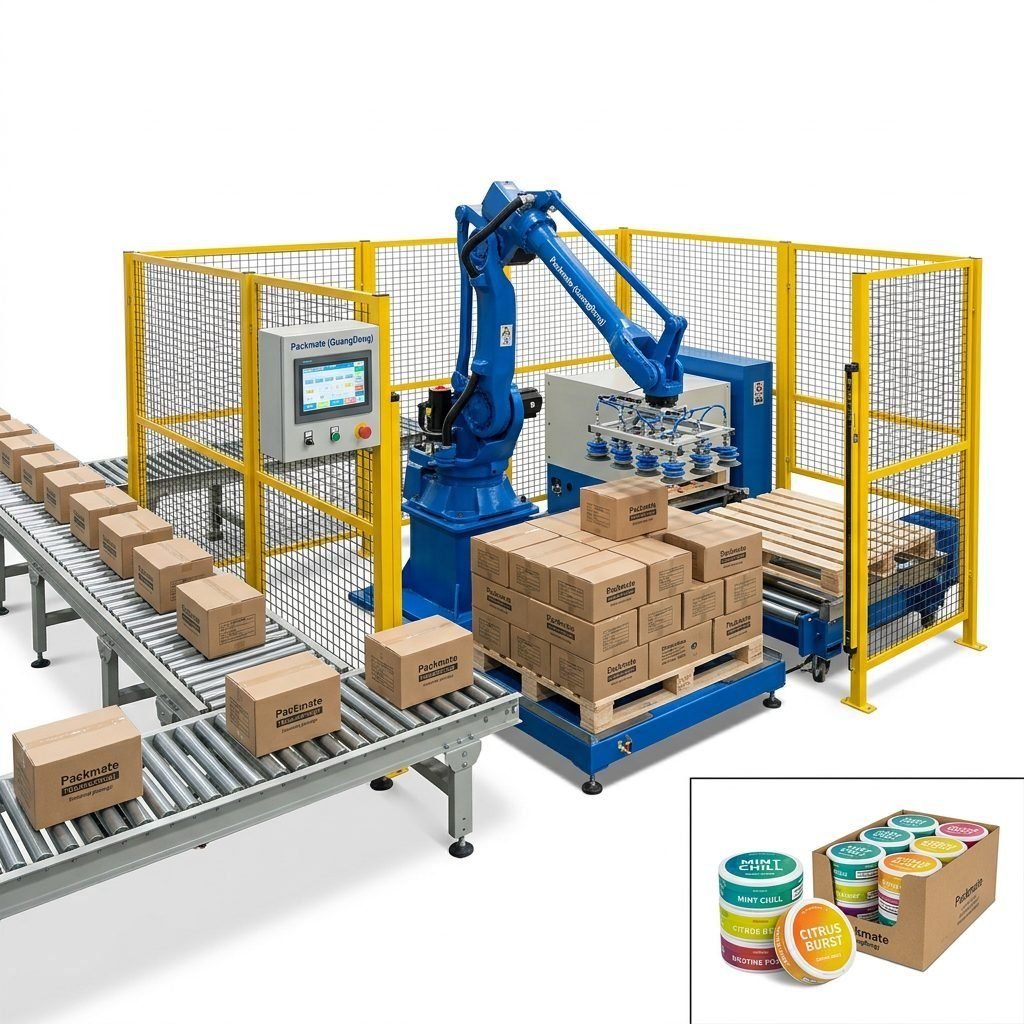
In today’s competitive nicotine pouch and snus market, manufacturers strive for consistent quality, high throughput, and compliance with international standards. This guide walks through advanced snus production lines and automated snus manufacturing and packaging systems, explaining key technologies, operation best practices, and how integrated solutions deliver reliable results for small-dose pouches, sachets, and stick packs.
Overview of an Advanced Snus Production Line
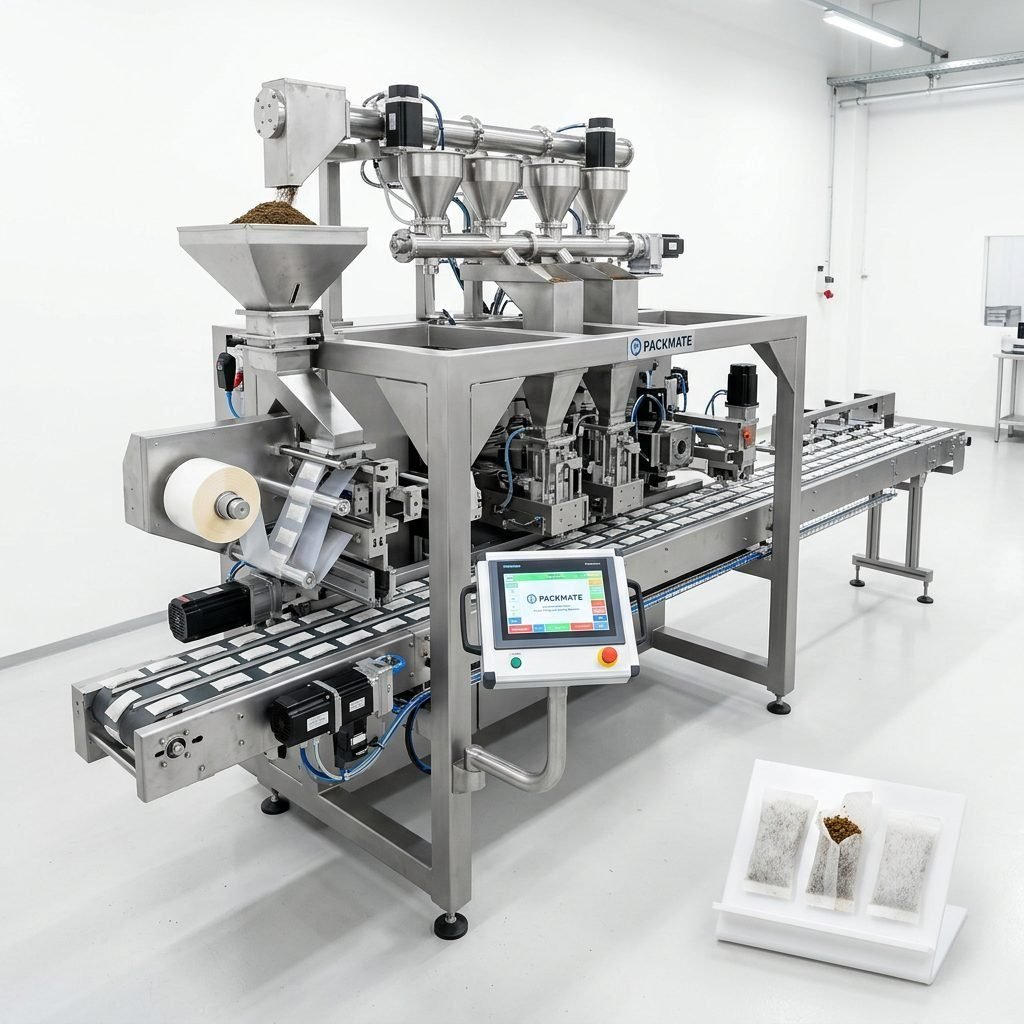
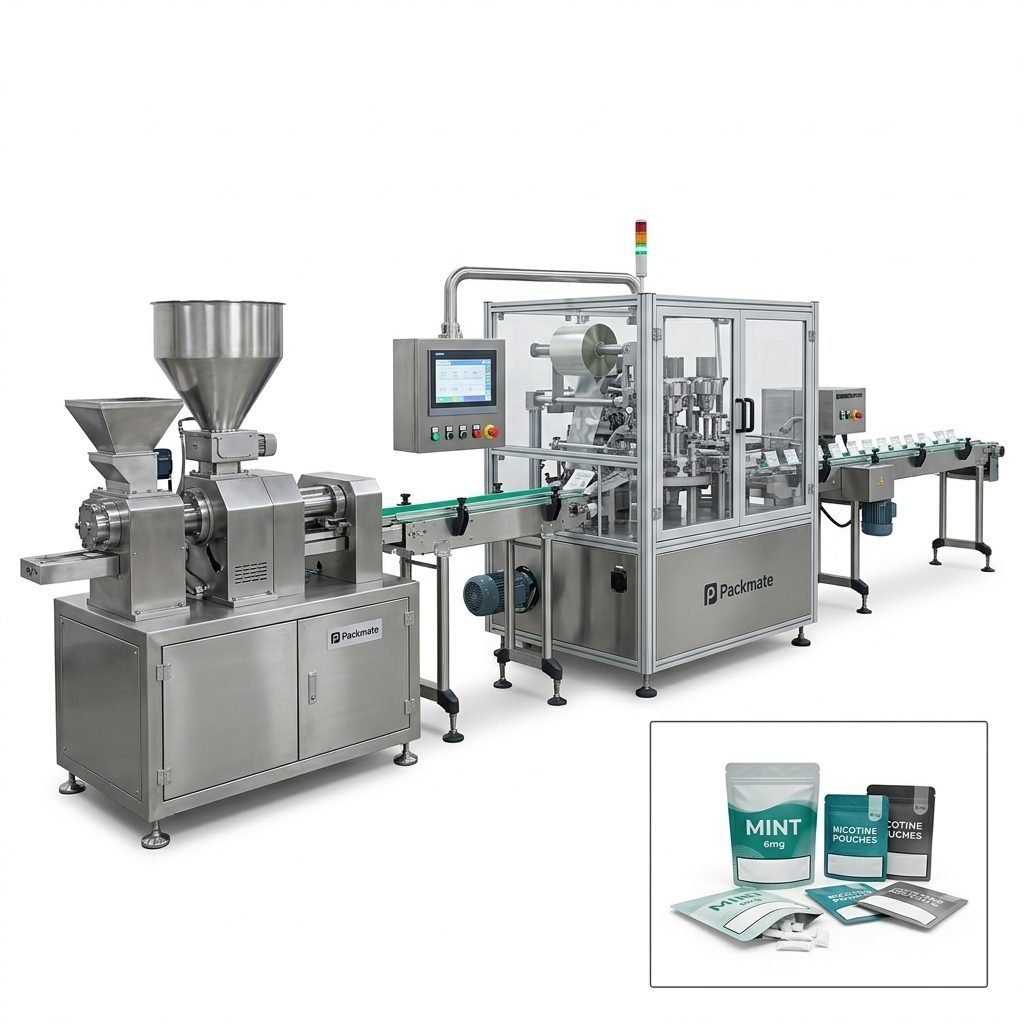
An advanced snus production line is a complete chain from raw material handling to final packaged product. Typical stages include raw ingredient weighing, mixing, dosing, pouch forming or filling, heat-sealing, secondary packaging, and final inspection. Modern lines are engineered for automation, traceability, and rapid changeovers to support various pack formats and multi-lane outputs. Leading manufacturers design systems to meet CE and ISO standards while delivering high OEE (Overall Equipment Effectiveness).
Key Components and Their Roles
A reliable production line relies on high-quality components. Typical modules include:
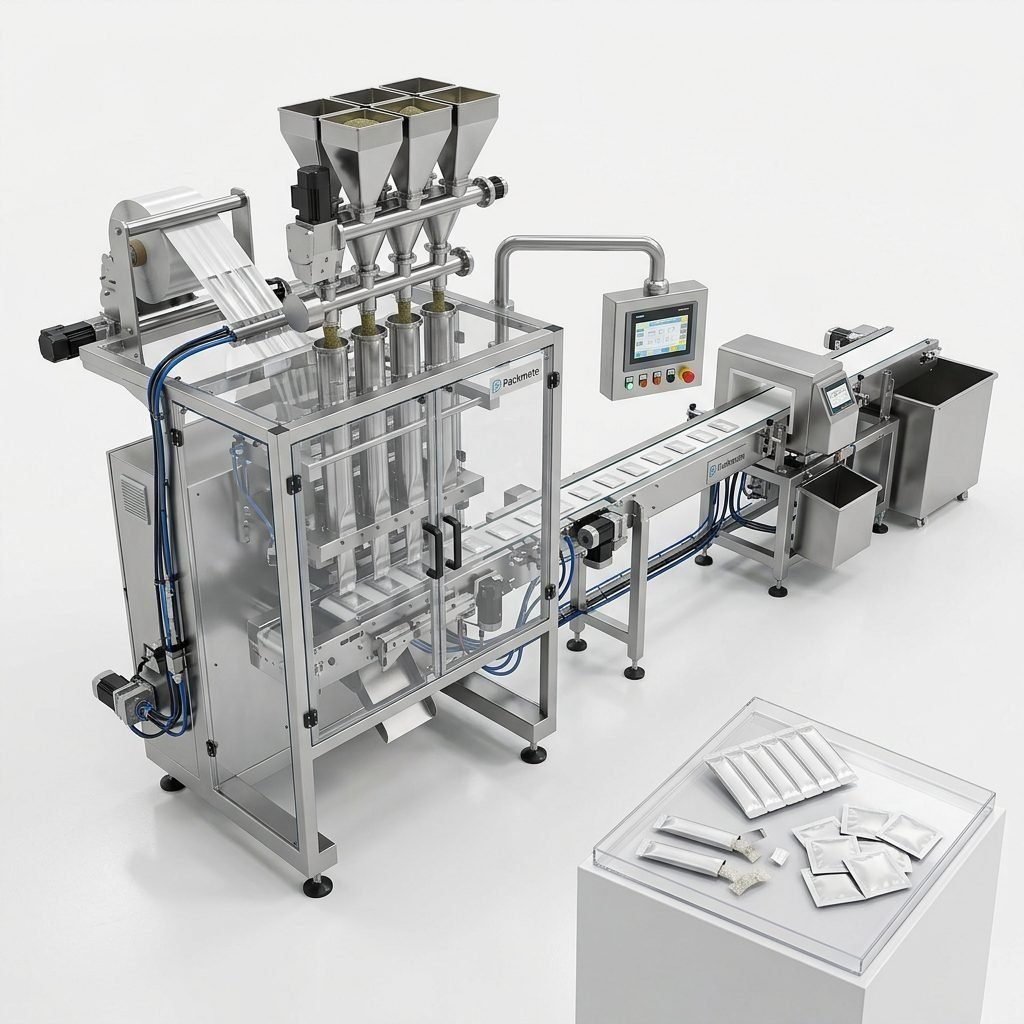
⚙️ Weighing & Dosing — Precision feeders and multi-head weighers manage small-dose accuracy for nicotine pouches. Fine dosing is essential to control weight variance and regulatory compliance.
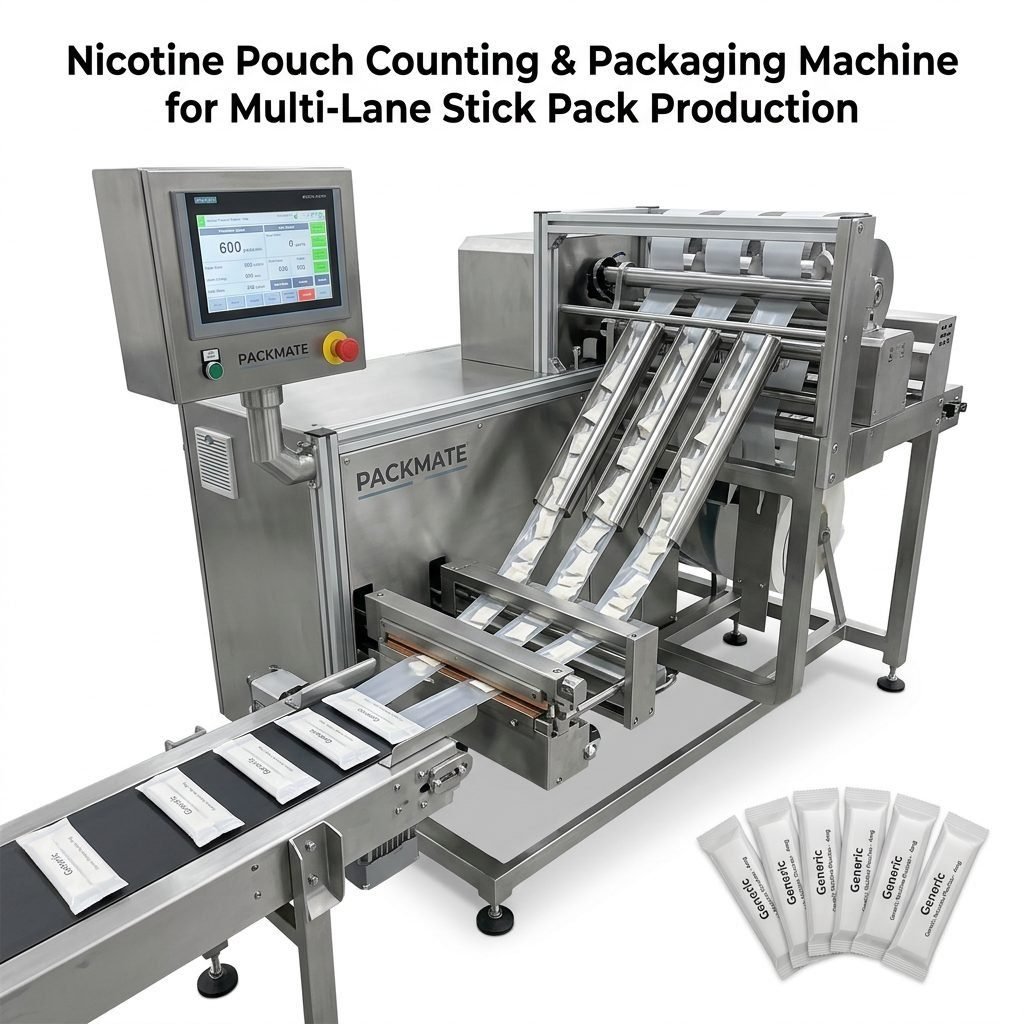
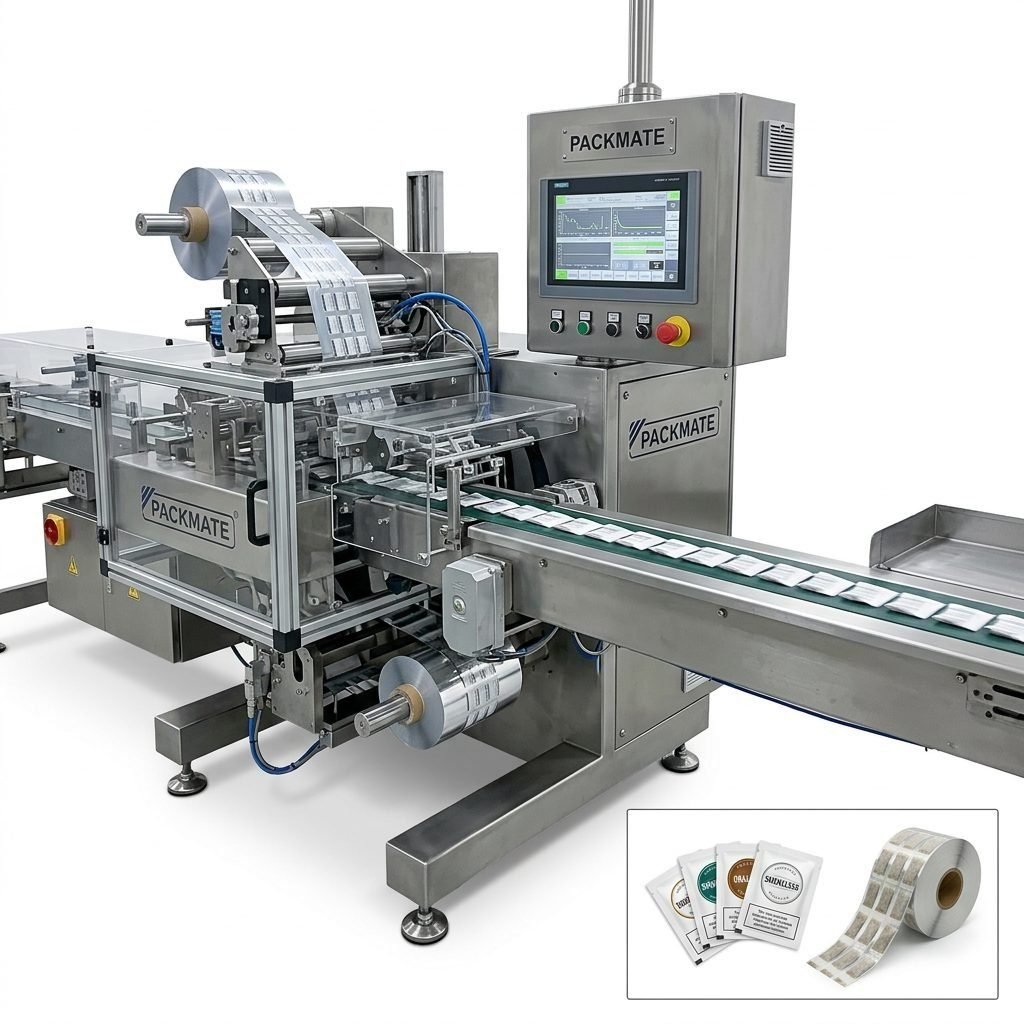
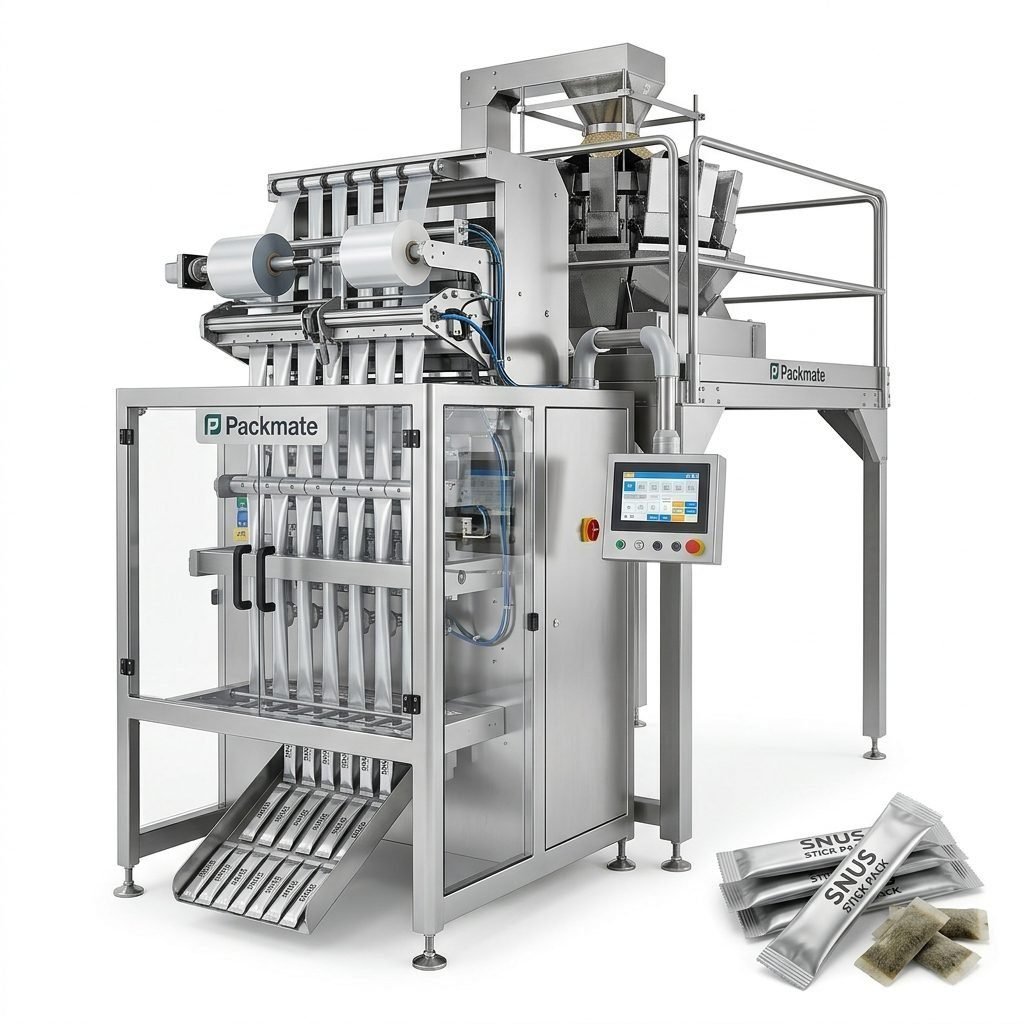
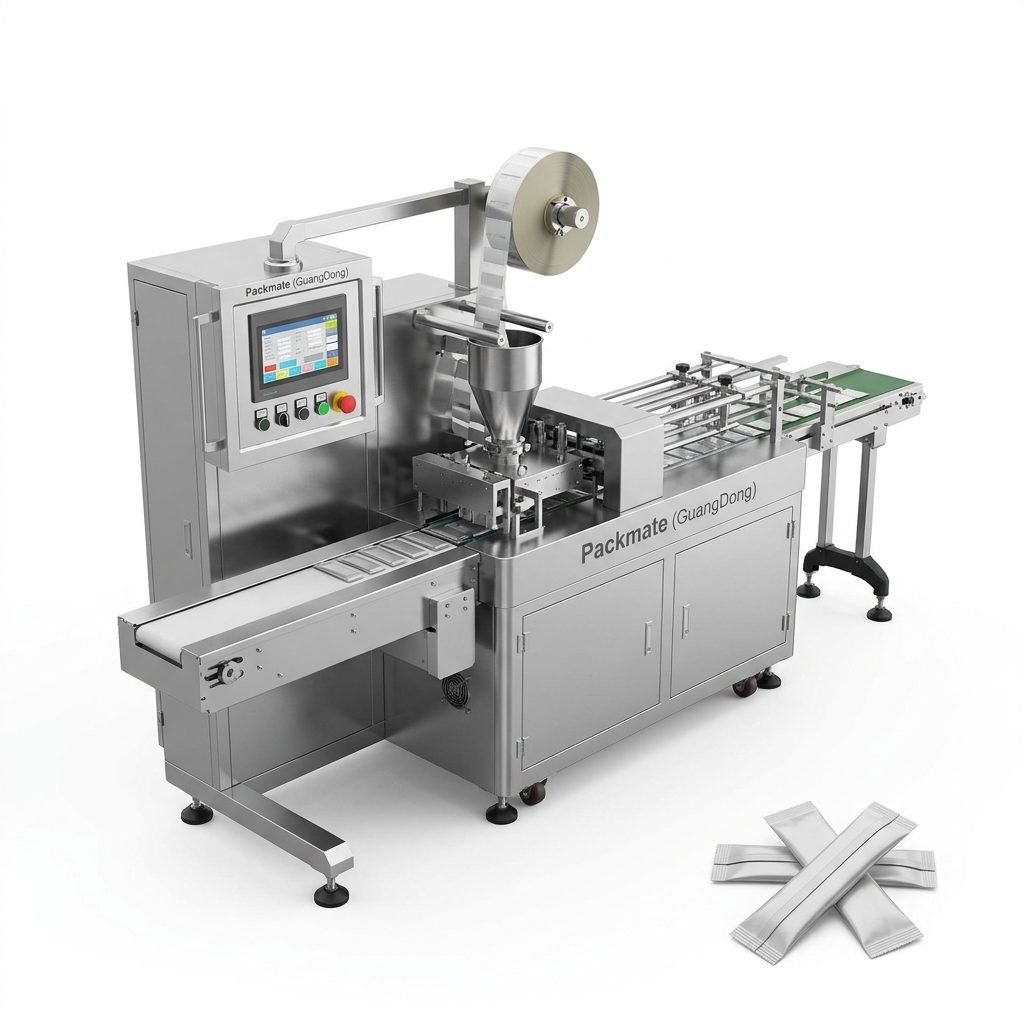
🔧 Form-Fill-Seal Units — Sachet, stick-pack, and pouch formers designed for snus ensure clean sealing, consistent pouch shape, and minimal product loss.
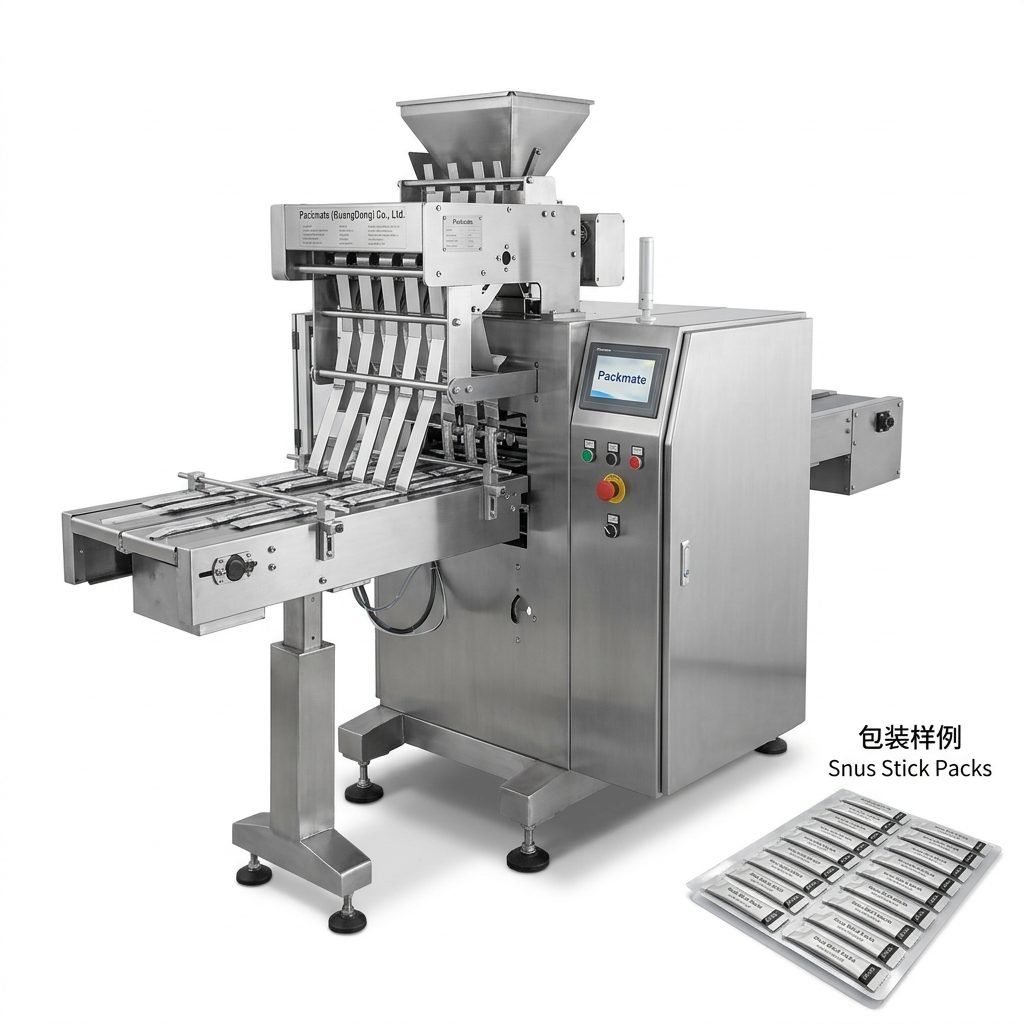
✅ Multi-Lane Packaging Systems — For high throughput, multi-lane machines run parallel channels to produce dozens or hundreds of pouches per minute while keeping uniform quality across lanes.
🧾 Automated Secondary Packaging — Cartoners, case packers, and feeding conveyors integrate with primary packaging to form finished packs for retail distribution.
Company note: manufacturers with deep engineering experience provide turnkey solutions combining weighing, filling, and packaging modules to meet end-to-end production requirements. Learn more about product ranges like Snus & Nicotine Packaging Machines or Sachet & Stick Pack Machines for detailed equipment options.
Production Workflows: From Ingredient to Pack
A typical workflow follows a logical sequence to ensure product integrity:
1. Raw material receiving and inspection – verify hygroscopic materials and nicotine content.
2. Mixing and conditioning – achieve uniform moisture and texture to ensure pouch stability.
3. Precise dosing into forming equipment – maintain dose tolerances for regulatory compliance and consumer safety.
4. Sealing and cutting – employ heat-seal or ultrasonic technologies for robust closure and clean edges.
5. Inspection, metal detection, and weight checks – automated vision systems identify defects, ensuring recall risk reduction.
6. Secondary packing, labeling, and palletizing – complete product traceability and retail-ready packaging.
Packaging Formats and Flexibility
Advanced lines support a variety of consumer formats:
• Individual nicotine pouches (small-dose), multi-pouch tins, stick packs for single-use convenience, and sachets for single or multi-pouch distribution. Machines that quickly switch between formats reduce downtime and increase line ROI.
Automation & Integration
The trend is toward complete automation: PLC and HMI control systems link all modules for synchronized operation, recipe management, and remote monitoring. Integration reduces manual steps, increases hygienic handling, and minimizes human error. Remote diagnostics accelerate service response and spare-parts management.
⚠️ Regulatory tip: nicotine and snus products are subject to strict regional regulations. Ensure equipment and processes support validated cleaning, documentation, and traceability for market entry.
Quality Control, Compliance and Traceability
Quality control is integral across the line. Inline checkweighers, vision inspection cameras, and metal detectors are standard. Batch records, automated labeling, and serialization help with traceability and recall management. Compliance to CE and ISO guidelines ensures equipment safety and reliability across global markets.
Customization and Turnkey Solutions
Many production environments need custom solutions to match specific recipes, pouch sizes, or production volumes. Experienced OEMs provide modular lines and tailored configurations, integrating systems such as Filling & Packaging Lines, Weighing & Packaging Systems, and Auxiliary Packaging Equipment into a single footprint and control architecture.
For businesses evaluating deployment, consider turnkey offerings that include design, installation, operator training, and after-sales service. A robust partner will also provide performance validation and long-term spare parts support.
Operational Best Practices
Efficient operation depends on systematic routines:
– Implement clear SOPs for line start-up, changeover, and shutdown.
– Conduct routine calibration for weighing systems and periodic validation of dosing accuracy.
– Use statistical process control (SPC) to monitor trends and nip deviations in the bud.
– Train operators on hygiene protocols to avoid contamination and product quality issues.
Maintenance and Troubleshooting
Preventive maintenance is critical for uptime. Typical recommendations include:
• Scheduled lubrication, belt tension checks, and replacement of wear parts.
• Sensor and camera alignment checks to prevent misfeeds and sealing defects.
• Keep a critical spares list for fast replacements to minimize downtime.
✅ Performance hint: integrating remote support and condition monitoring reduces mean time to repair and helps maintain predictable OEE figures.
Case Examples & Global Deployments
Manufacturers with global reach demonstrate adaptability across Europe, Asia, and the Americas. Successful deployments often include tailored multi-lane lines for markets that demand high-volume small-dose pouches, while smaller markets prefer flexible machines for lower batch sizes. Review case studies to understand configuration choices and real-world performance—see representative Case deployments for inspiration.
Selecting a Supplier
When selecting a supplier, evaluate these core areas:
• Engineering experience and factory capabilities (CNC centers, precision assembly, testing).
• Range of machine models and ability to provide fully customized lines.
• After-sale service, spare parts, training, and global exhibition presence to validate machine performance in person.
For more on the manufacturer and credentials, visit About Packmate and contact their team via Contact Us for tailored proposals and factory tours.
Economic Considerations & ROI
Investing in automation reduces labor costs and improves consistency. Evaluate total cost of ownership including installation, maintenance, loss rates, and energy consumption. Multi-lane machines typically yield faster ROI for large-volume brands while modular machines appeal to niche producers seeking flexibility.
Sustainability & Packaging Optimization
Sustainability trends push manufacturers to optimize material usage and adopt recyclable secondary packaging. Machine adjustments to reduce film overlap and material waste, combined with efficient palletization, lower environmental impact and costs.
🔎 Explore equipment: detailed product catalogs and machine specifications for snus, sachet, stick pack, and auxiliary equipment are available online to support planning and budgeting decisions.
Implementation Roadmap
A typical rollout plan includes site assessment, layout design, FAT (Factory Acceptance Test), shipping, installation & commissioning, and operator training. Work with suppliers that offer clear timelines and on-site support to minimize surprises and accelerate production ramp-up.
Conclusion
Advanced snus production lines combine precision weighing, flexible forming technologies, and automated secondary packaging to deliver consistent product quality and regulatory compliance. Focus on modular design, strong supplier partnerships, and robust maintenance practices to get the best performance from your line. Whether you are scaling up with multi-lane systems or optimizing for product variety, a thoughtfully designed packaging line drives efficiency and reduces risk.
Further Reading & Resources
• Learn about specific equipment families: Snus & Nicotine Packaging Machines
• Explore stick and sachet options: Sachet & Stick Pack Machines
• See real-world implementations: Case
• About the manufacturer and capabilities: About Packmate
Common Questions
Q: What are typical throughput rates for multi-lane snus lines?
A: Throughput depends on configuration; multi-lane systems can deliver several thousand pouches per minute across lanes, while single-lane machines are ideal for lower-volume or specialty products.
Q: How do I ensure dosing accuracy for small-dose pouches?
A: Use precision multi-head weighers, consistent mixing protocols, regular calibration, and inline weight checks to control dose variance within accepted tolerances.
Q: Can the same line handle different pouch sizes and materials?
A: Yes—modular machines and quick-change tooling support multiple pouch sizes and film types, reducing downtime for format switches.
Q: What certifications should the equipment have?
A: Look for CE and ISO compliance to ensure safety, quality, and international regulatory alignment.
Q: How do I engage with a supplier for a turnkey solution?
A: Contact the supplier with production targets, product specs, and site details. Request proposals that include design, FAT, installation, training, and after-sales support.
For machine inquiries, custom line design, and technical consultations, reach out to the manufacturer via their contact channels and catalog resources.