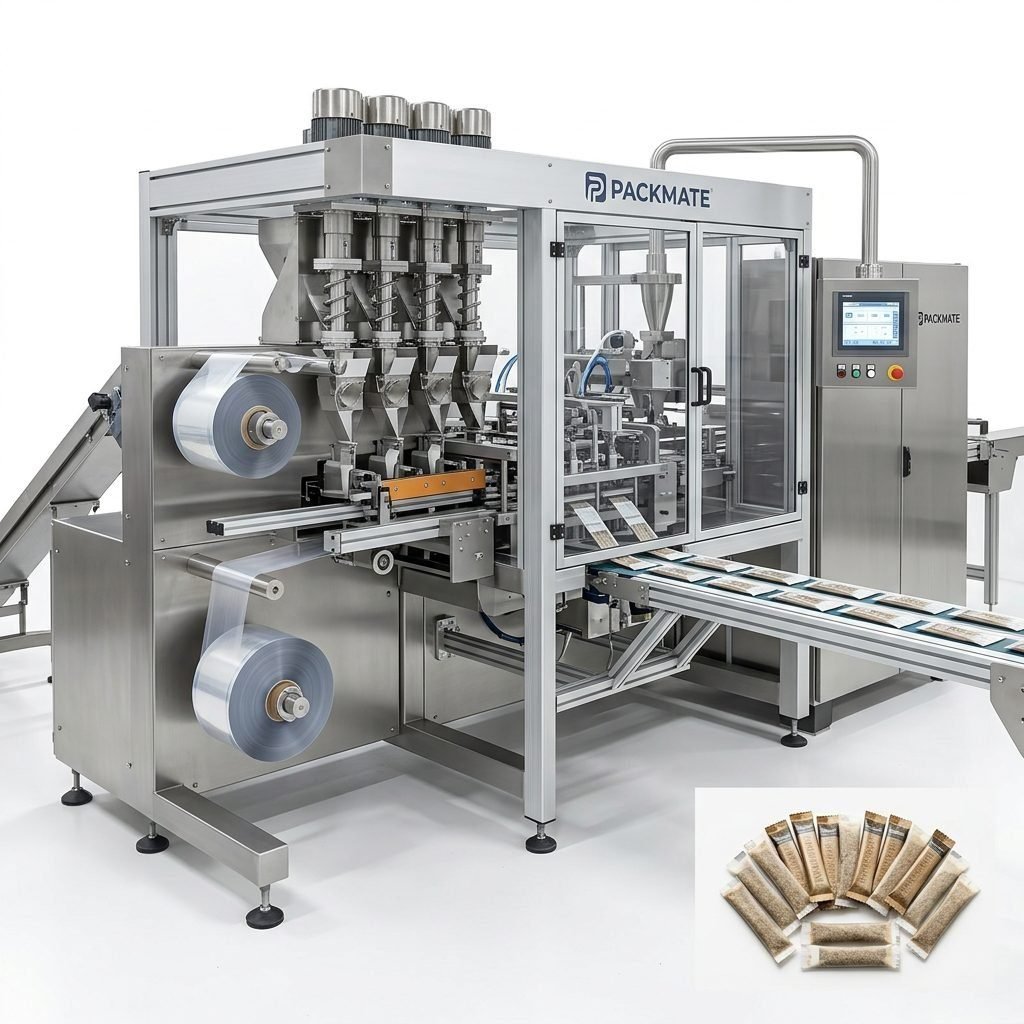
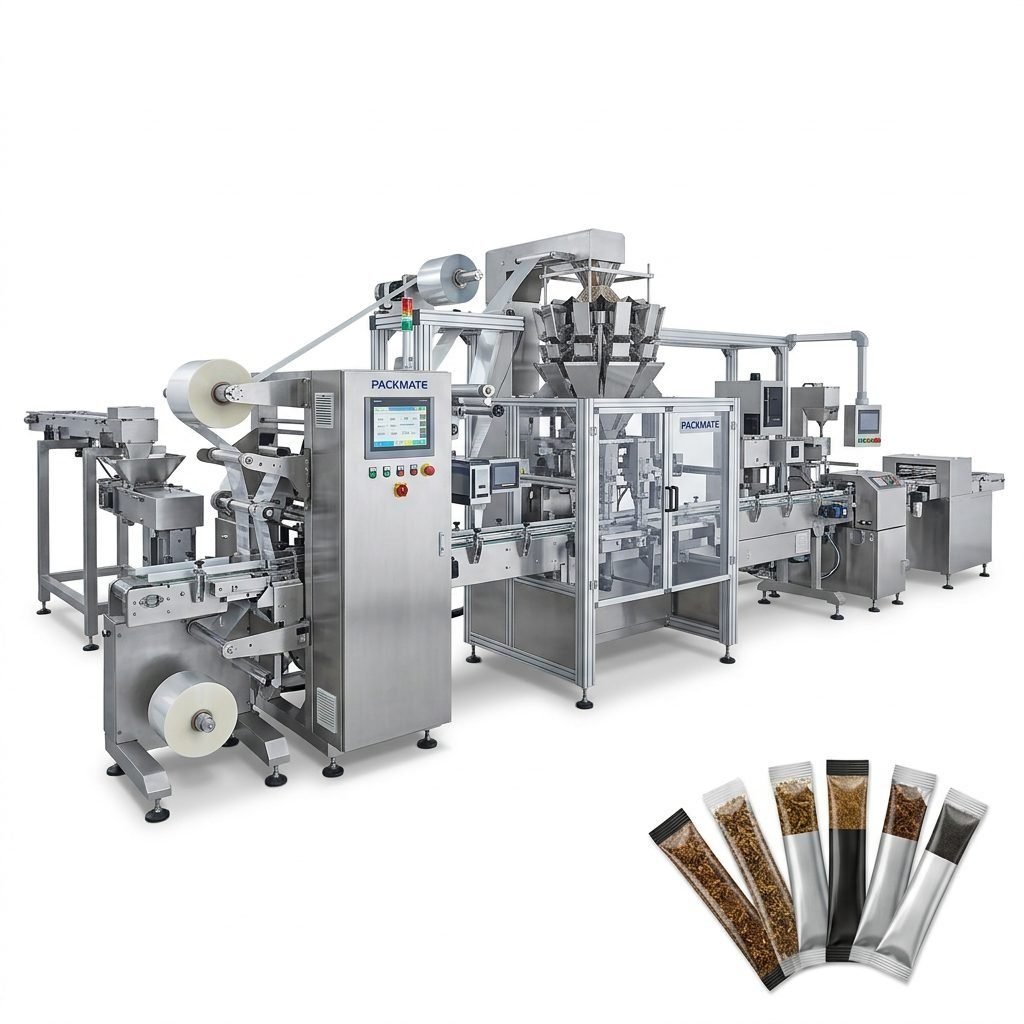
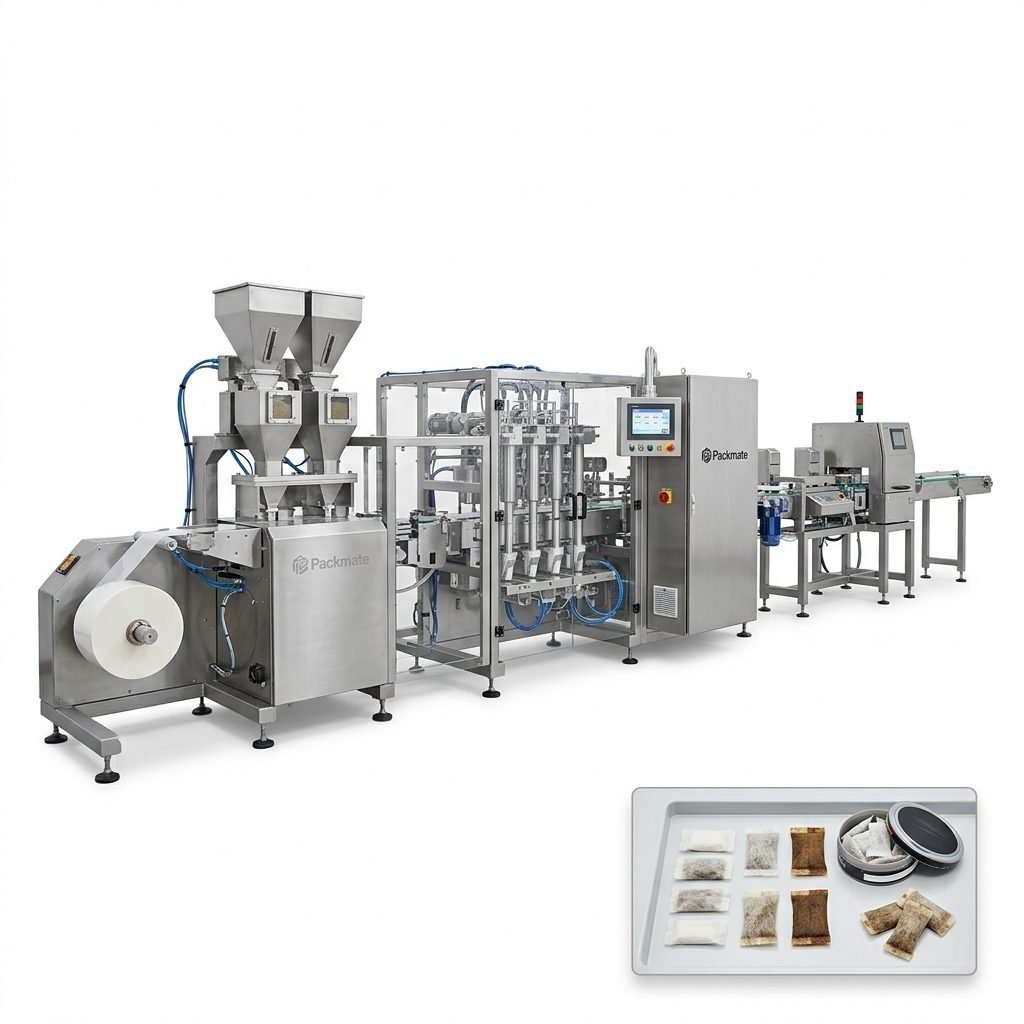
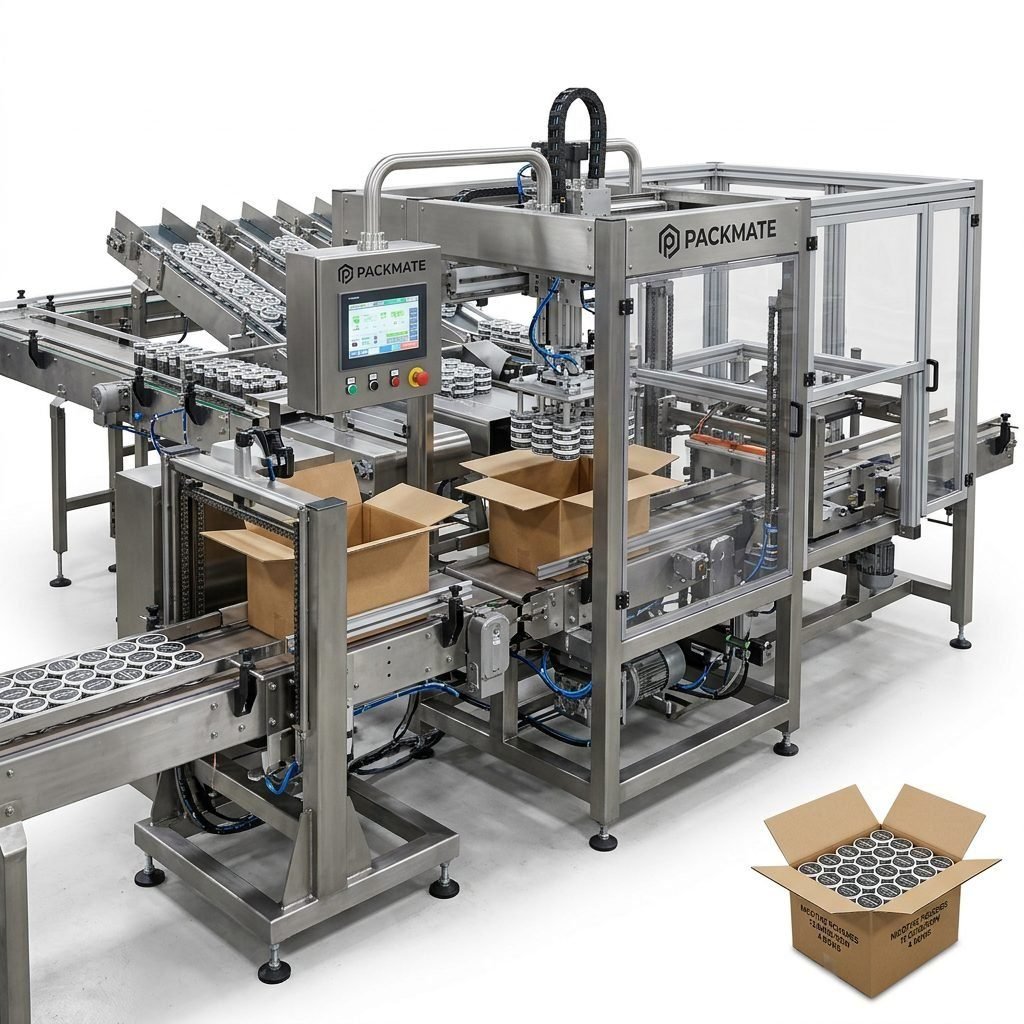
Choosing the right nicotine packaging machinery supplier for your factory in Bulgaria is a strategic decision that affects product quality, regulatory compliance, production cost and long-term growth. This guide walks you step-by-step through the most important factors—technical, commercial and cultural—to help procurement managers, production engineers and business owners make a confident purchase that fits both local market realities in Bulgaria and EU-level requirements.
Understand the Bulgarian and European Context 🔍
Bulgaria operates within the European Union regulatory framework, and that has implications for nicotine pouch and snus packaging. While regulations for traditional snus may differ across EU countries, you must check Bulgarian national rules and EU directives related to labeling, ingredients reporting, and product safety before specifying packaging lines. Bulgarian buyers often prefer clear documentation in English and, when possible, Bulgarian language manuals or operator training.
Local supply chain characteristics matter: freight routes through Burgas and Varna ports, road and rail links to EU markets, and seasonal holidays that affect staffing and factory visits. Building a relationship with a supplier who understands EU customs, CE/ISO certification, and Bulgarian business customs—such as direct and respectful negotiation—is a major advantage.
Key Technical Criteria: What Your Factory Actually Needs ✅
Before engaging suppliers, define your technical requirements: target throughput (pouches per minute), pouch styles (stick pack, sachet, multi-lane snus pouches), dosing accuracy, product types (tobacco-free nicotine pouches, powder, granules), and integration needs with upstream or downstream equipment. Prioritize:
🔧 Performance & Stability: long-term repeatability, low downtime, and consistent pouch weight.
⚙️ Flexibility: quick changeovers for multiple SKUs and multi-lane capabilities if you plan to scale.
📐 Accuracy: dosing and sealing precision—especially critical for small-dose nicotine pouches.
🔁 Integration: compatibility with weighing systems, case packers and checkweighers.
Machine Types to Consider
Match machine type to product format and production plan. Typical options include:
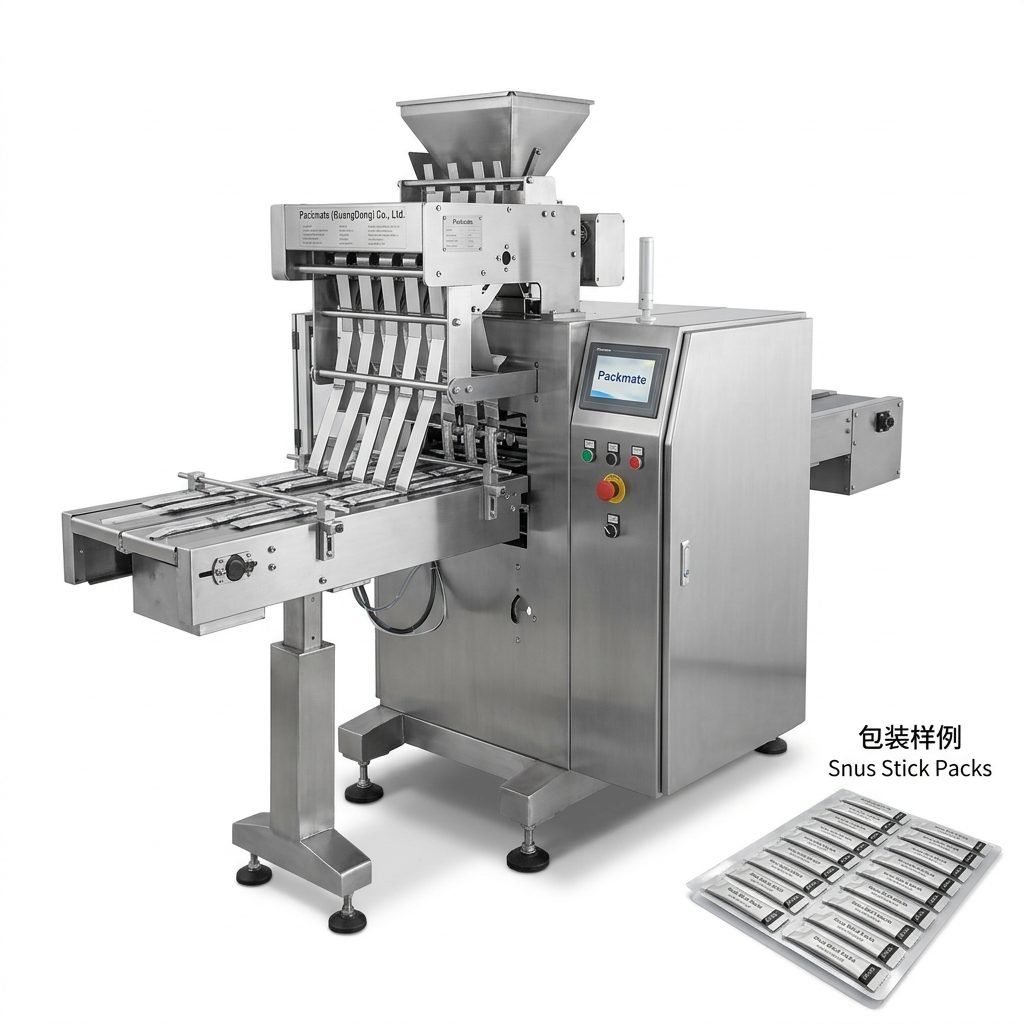
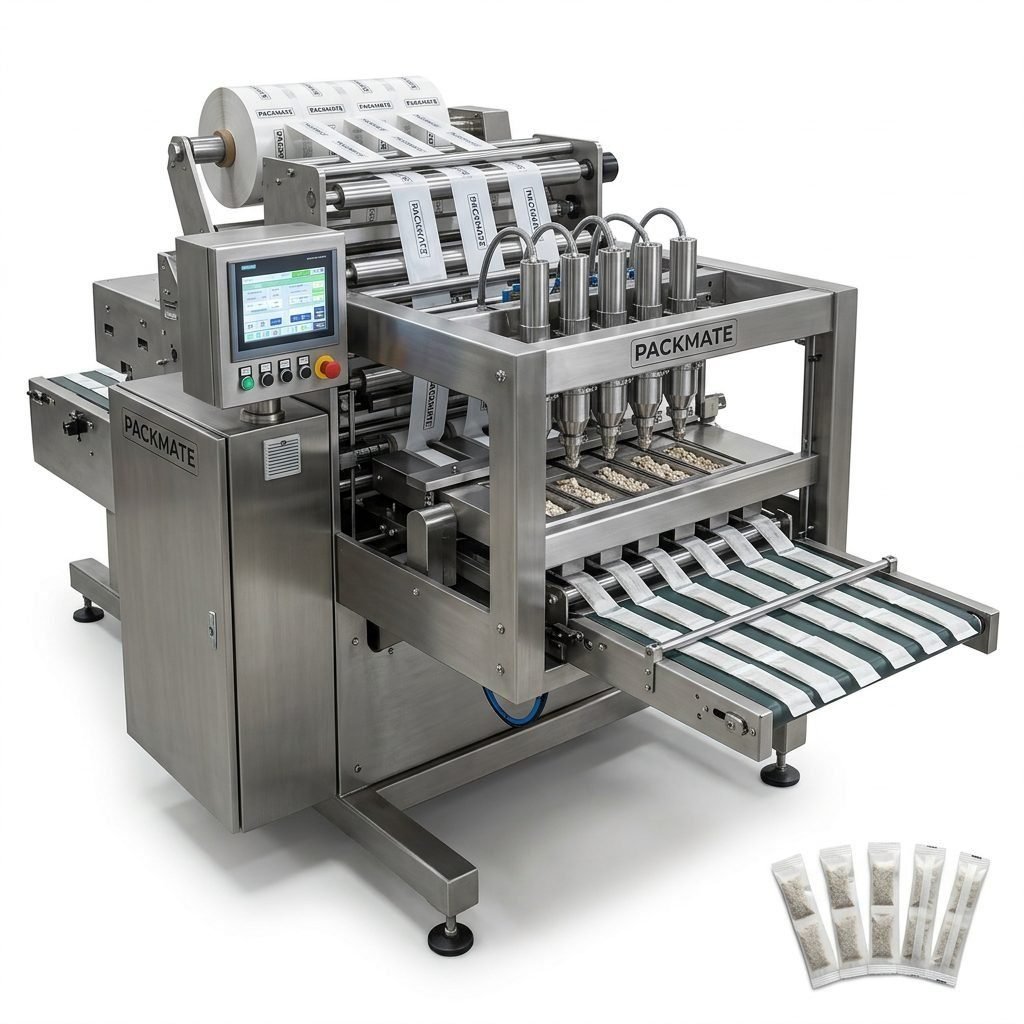
• Stick pack and sachet machines for single-dose deliveries.
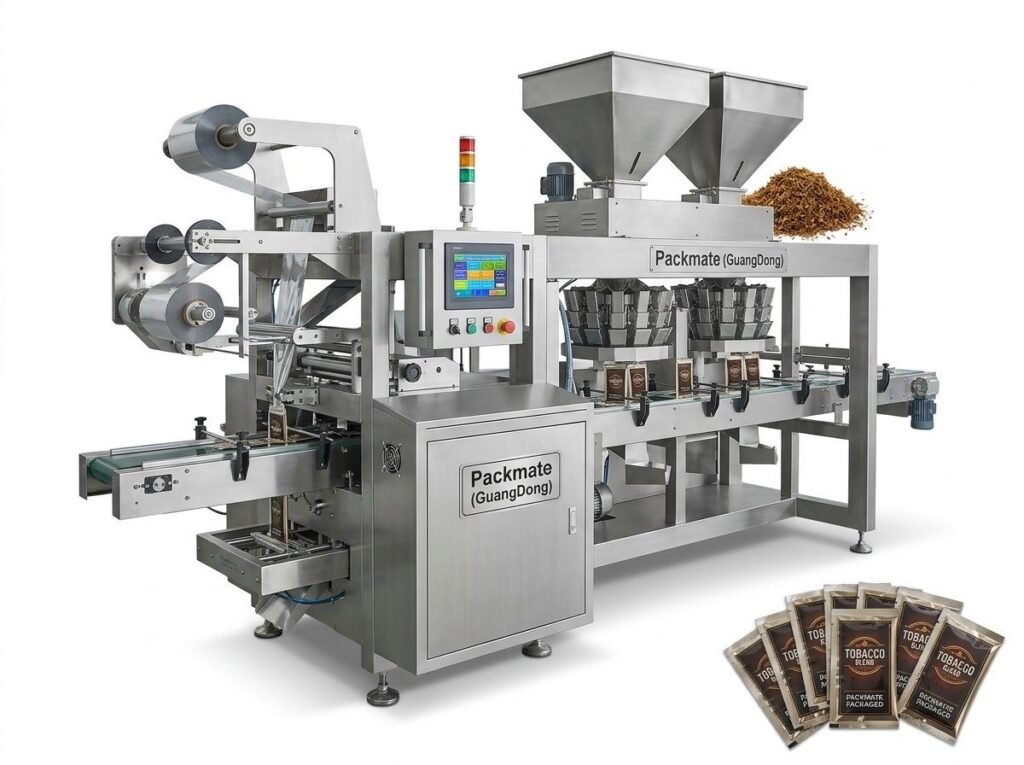
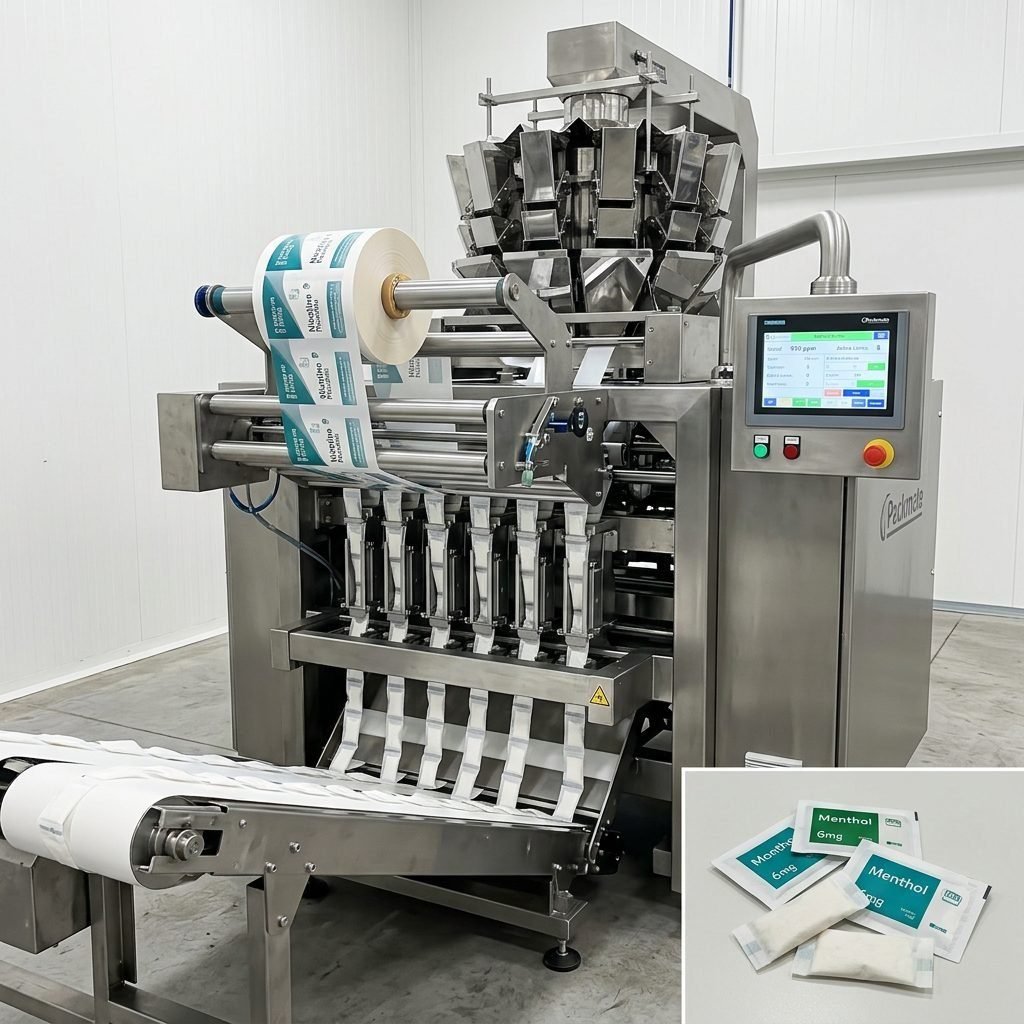
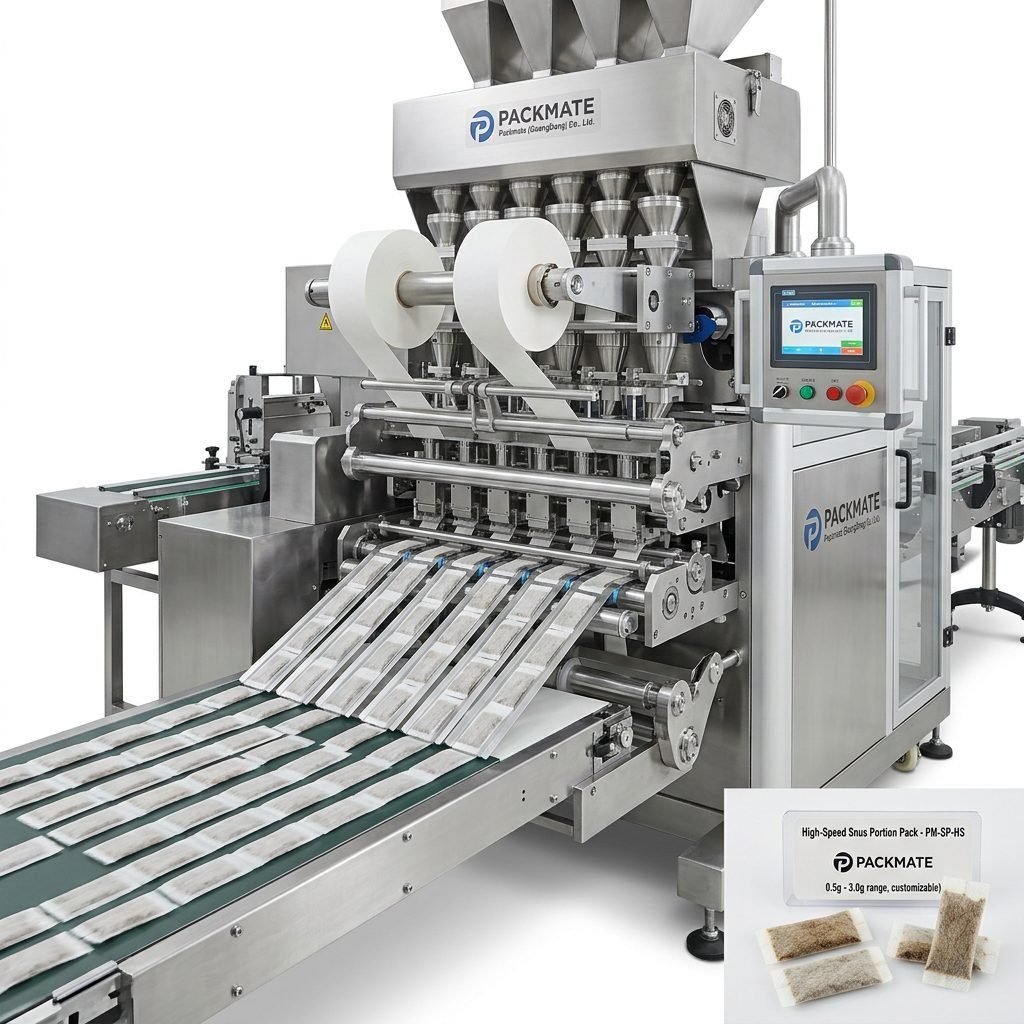
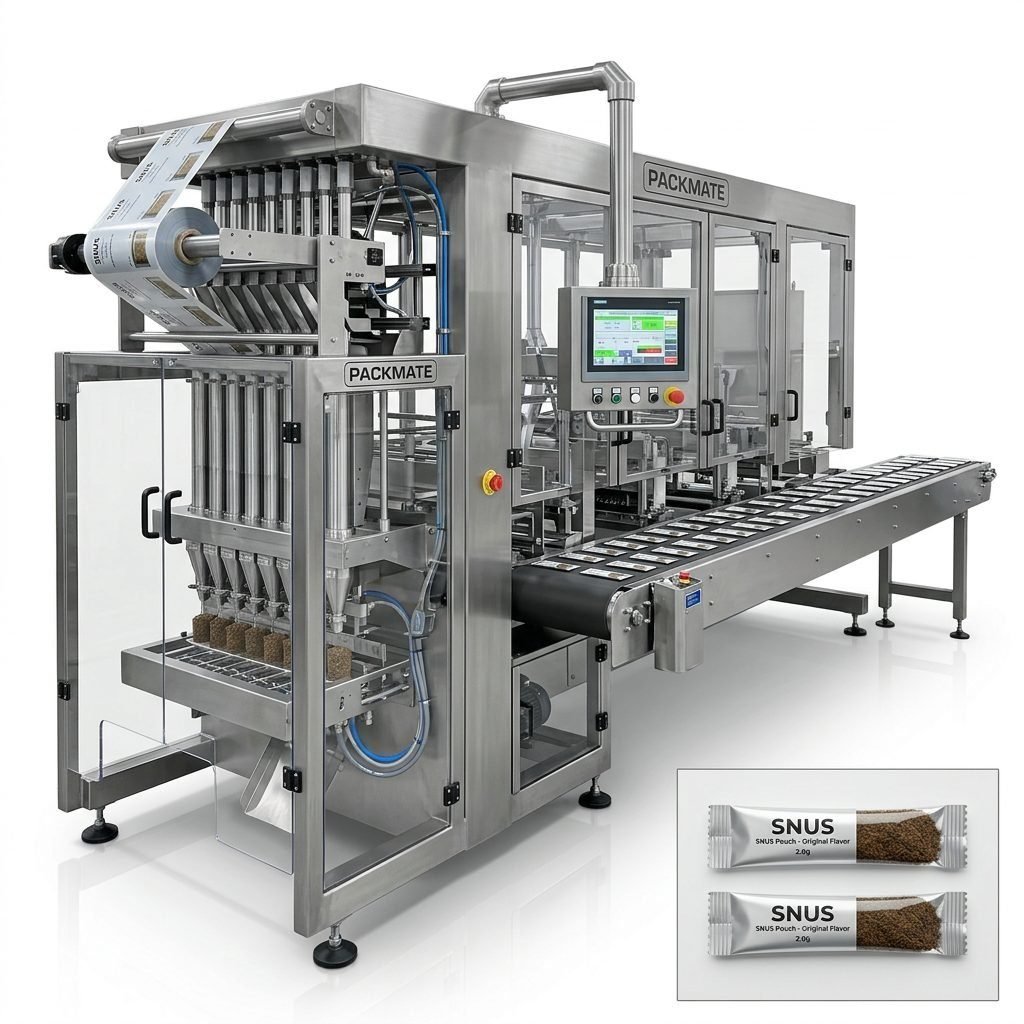
• Dedicated snus/nicotine pouch machines and multi-lane systems for small-dose pouches—ideal for operators seeking high throughput with consistent pouch formation.
• Filling and packaging lines combining weighers, fillers and pouchers for turnkey solutions.
Supplier Evaluation Checklist: From Factory Tour to Spare Parts 📋
Use a structured checklist when comparing suppliers. Consider on-site visits (or virtual tours) to validate manufacturing capacity and quality systems. Key checks include:
✅ Factory Capability: floor area, CNC equipment, assembly lines and test stations.
✅ Quality Certifications: CE, ISO and test documentation.
✅ After-sales Support: spare part availability, technical training, remote diagnostics and local service partners in Europe.
✅ Customer References: performance cases in Europe—ask for references and case studies.
✅ Customization & Turnkey Experience: ability to deliver full lines and integrate upstream/downstream equipment.
Ask for Evidence
Request videos of the exact model running your product or a similar formulation. Ask for testing reports on dosing accuracy and long-run stability. If available, review case studies to see how machines performed in European factories. Packmate’s global case portfolio can be useful when assessing real-world performance—see practical examples and field results to validate claims: Case.
Commercial Terms and Total Cost of Ownership (TCO) 💶
Price is only one part of the decision. Calculate the TCO by including:
- Initial CAPEX and optional extras (e.g., multi-lane options, automatic feeders).
- Shipping, customs duties, VAT and local handling to Bulgarian ports or your factory door.
- Installation & commissioning costs, including local electrical and mechanical work.
- Spare parts consumption and lead times (critical for uninterrupted production).
- Energy consumption and maintenance intervals—machines with better energy efficiency lower running cost.
Negotiation Tips for Bulgarian Buyers
Bulgarian businesses often value long-term partnerships. Consider negotiating bundled terms: multi-year service agreements, training for Bulgarian operators (possible local-language materials), and staged payments tied to acceptance tests. Suppliers experienced with EU logistics can help optimize shipping and customs to reduce unexpected costs.
After-Sales Service: The Lifeline of Production ⚙️
After-sales service determines uptime. Confirm:
🤝 Response Time: typical service response time for EU customers.
🔧 Spare Parts Network: stock locations, shipping times to Bulgaria, and the option for air freight for critical parts.
📚 Training: operator and maintenance training at your site and technical manuals in English (or Bulgarian if available).
🌐 Remote Support: availability of remote troubleshooting, PLC/data access and spare parts kits.
Why Factory Capability and Certifications Matter
A supplier with a large, well-equipped factory is more likely to deliver consistent quality and faster lead times. Look for suppliers with advanced CNC machining, precision assembly lines and formal quality control systems. Certifications such as CE and ISO signal compliance with international standards and are especially important for Bulgarian factories that may export to other EU countries. Packmate highlights its CE and ISO compliance and advanced manufacturing capability—useful evidence when you evaluate potential vendors: Certificate.
Customization & Turnkey Solutions: Save Time, Reduce Risk 📦
If you need a full production line—pouch forming, dosing, sealing, case packing and palletizing—look for suppliers that deliver turnkey solutions and manage system integration. Turnkey suppliers reduce the need for multiple vendors, improve compatibility and simplify acceptance testing. Review any supplier’s turnkey projects to ensure they have practical experience implementing lines similar to yours: Filling & Packaging Lines.
Control Systems & Data
Modern packaging lines offer PLC/HMI systems that log production data, alarms and quality metrics. Ensure the supplier provides secure remote access options and supports common EU industrial standards. Data visibility helps Bulgarian factories meet traceability and QA expectations across the EU.
Factory Acceptance Test (FAT) and Site Acceptance Test (SAT) 🔬
A robust FAT and SAT process protects your investment. FAT should demonstrate the machine running your or a similar product under production conditions. SAT validates installation, electrical integration and real-world performance. Include acceptance criteria in your contract: throughput, accuracy, reject rates and uptime during test runs.
Ask suppliers to provide FAT videos and documented results. If a physical visit isn’t practical, request a live virtual FAT session with full demonstration and Q&A. Suppliers experienced with European clients often provide comprehensive FAT packages—search product pages for examples: Snus & Nicotine Packaging Machines.
Local Considerations: Logistics, Language & Working Culture in Bulgaria 🇧🇬
Bulgarians value reliability and clear, direct communication. When negotiating, offer transparent technical specifications and timelines. Consider local logistics:
- Choose shipping routes to Bulgarian ports (Varna, Burgas) or overland routes through Romania or Greece for faster deliveries.
- Plan for seasonal holidays (e.g., Orthodox Easter, national holidays) that may affect customs or local staffing.
- Request manuals and training materials in English; Bulgarian translations are a plus for line operators.
Selecting Packmate or Comparable Suppliers: What Sets Top Vendors Apart
Industry-leading suppliers differentiate through decades of engineering experience, diverse product ranges and strong after-sales infrastructure. Look for companies that:
• Offer multi-model portfolios including stick pack, sachet, snus pouch and multi-lane machinery.
• Have proven international turnkey project experience and show global case studies.
• Maintain transparent QC processes and can provide CE/ISO evidence.
• Provide training, spare parts and remote support for EU customers.
If you want to learn about a supplier’s company story and manufacturing scale, check their About page and mission statements—these often reveal their engineering depth and commitment to long-term partnerships: About Packmate.
Practical Next Steps for Procurement Teams
1) Create a short technical brief (formats, throughput, SKUs, integration needs).
2) Shortlist 3-5 suppliers based on technical fit and European references.
3) Request FAT videos, certificate copies and spare-part lead times.
4) Negotiate a clear contract with acceptance criteria, warranty terms and spare-part kits.
5) Plan installation week with local electricians, conveyors and QA protocols.
Useful Links and Resources
For product portfolios and more detailed specs, explore the supplier product categories and service pages:
• Snus & Nicotine Packaging Machines
• Bag & Pouch Packaging Machines
• Service and support pages for warranty and spare parts.
Final Recommendations
Choose a supplier who demonstrates technical competence, EU regulatory understanding and a mature after-sales network. Prioritize suppliers that can deliver FAT/SAT documentation, CE/ISO certificates, and who have implemented similar lines in European markets. For Bulgarian factories, logistics clarity, local-language support and predictable spare-part lead times are decisive factors.
Frequently Asked Questions (FAQs)
Q1: Are nicotine pouches and snus regulated differently in Bulgaria?
A1: Regulations can vary by product type and change over time. It is essential to consult current Bulgarian national regulations and EU directives concerning nicotine-containing or nicotine-free pouches, labeling and advertising restrictions. Suppliers should support compliance documentation.
Q2: How important is CE and ISO certification when buying packaging machines?
A2: CE and ISO certifications are critical for ensuring safety, quality and regulatory acceptance in EU markets. They demonstrate the supplier follows recognized manufacturing and testing standards and simplify customs and compliance checks.
Q3: What lead time should I expect for custom multi-lane nicotine pouch machines?
A3: Lead times vary by complexity and factory schedule. Standard models may ship faster, whereas customized multi-lane turnkey lines require longer engineering, FAT and integration phases. Always negotiate delivery milestones and include FAT requirements in the contract.
Q4: How can I ensure spare parts arrive quickly in Bulgaria?
A4: Confirm the supplier’s European spare-part distribution, stock locations and typical shipping times. Request a spare-parts starter kit on installation and include expedited shipping options for critical components in service agreements.
Q5: Where can I see real installations or demonstrations?
A5: Ask suppliers for case studies, client references, FAT videos and exhibition schedules. Many vendors demonstrate machines at international shows—review exhibition pages and case references to evaluate live performance before purchase: Our Exhibition.