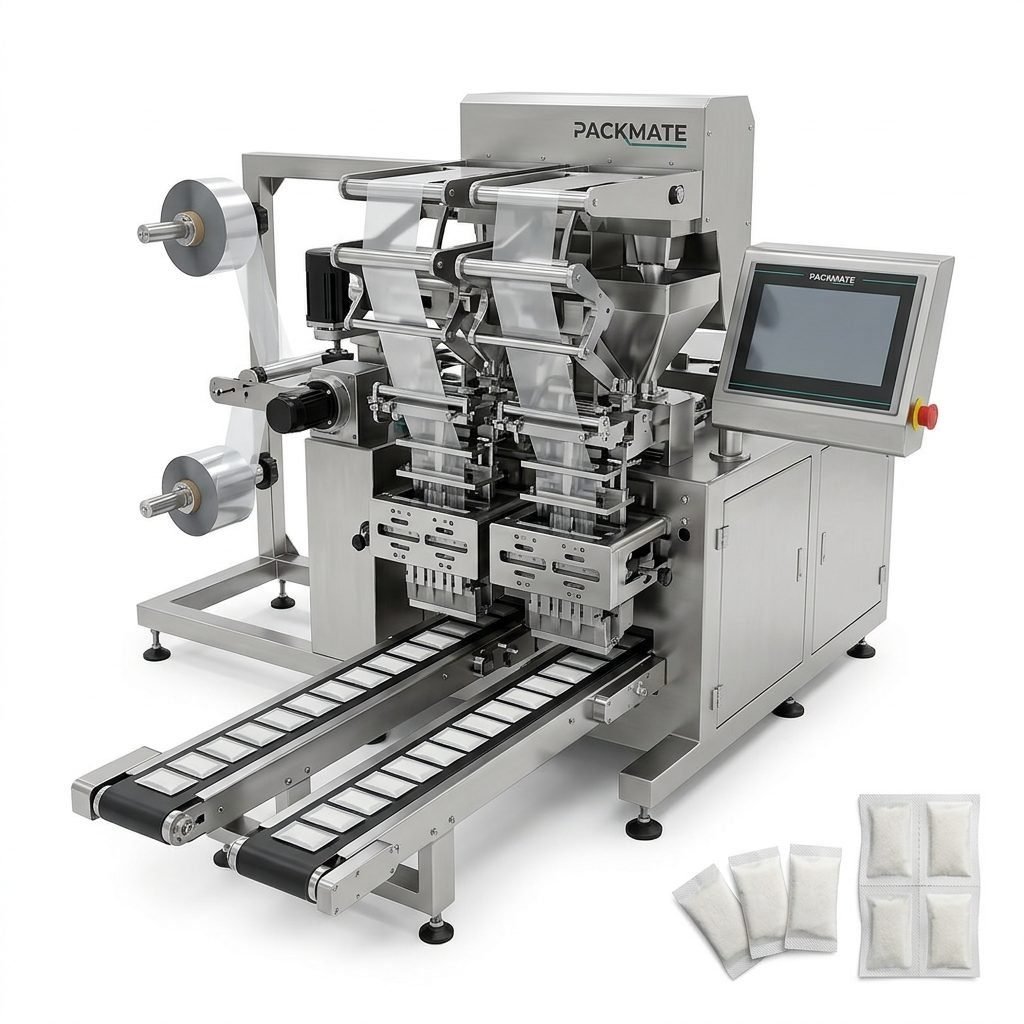
Selecting the right nicotine packaging machinery supplier for your factory in Bangladesh is a strategic decision that affects product quality, regulatory compliance, and long-term profitability. This guide walks you through practical, locally-relevant considerations — from machine performance and certification to logistics, after-sales support, and workforce training — so your investment delivers reliable production of nicotine pouches and snus with minimal downtime.
Understanding the Bangladesh Context
Bangladesh’s manufacturing landscape has been growing rapidly, with strong demand for processed consumer products and export opportunities across Asia and Europe. Local factories often emphasize cost-efficiency, energy-saving operations, and machines that are easy to maintain by a workforce with diverse technical backgrounds. When evaluating suppliers, factor in regional import processes, power supply stability, and local labor skills — all of which influence the ideal configuration and level of automation for your plant.
Bangladesh factories often prefer robust, easily-serviced equipment over highly delicate systems that require frequent OEM maintenance abroad. Prioritize suppliers that can provide responsive local or regional technical support.
Key Evaluation Criteria for Nicotine Packaging Machinery
Use a weighted checklist when comparing suppliers. Below are the most important criteria to consider.
1. Machine Performance & Accuracy
Look for equipment that delivers consistent fill accuracy, reliable sealing, and precise pouch forming for nicotine pouches and snus. High-performance multi-lane systems can dramatically boost output per square meter — a major advantage if you need to scale production quickly. Check real-world OEE (Overall Equipment Effectiveness) data from supplier references.
2. Hygienic & Regulatory Compliance
Ensure machines meet international safety and quality standards (e.g., CE, ISO). For nicotine products, material contact surfaces should be corrosion-resistant and easy to clean to avoid cross-contamination. Ask for test certifications and material traceability documentation.
3. Customization & Flexibility
Bangladesh customers often require machines that can handle multiple SKUs with quick changeovers. Suppliers offering modular designs, multi-lane pouch options, and quick-format-change systems reduce downtime and inventory pressure.
What is the average format change time (minutes) between different pouch sizes and doses?
4. After-Sales Support & Spare Parts
Fast, reliable service is critical. Verify the supplier’s policy on spare parts availability, lead times, and local service partners in Bangladesh. Suppliers that provide remote diagnostics, video support, and training materials in English (or Bengali where possible) offer a clear advantage.
5. Total Cost of Ownership (TCO)
Consider energy consumption, spare parts pricing, maintenance intervals, and expected lifespan — not just the purchase price. A slightly higher initial investment in a durable, efficient machine often results in lower operational costs over time.
Practical Steps to Vet Suppliers
A structured validation process reduces risk. Follow these practical steps before committing to a purchase.
Factory & Workshop Visit
Whenever possible, visit the supplier’s factory to inspect machining quality, assembly lines, and final testing. For international suppliers, request a live video demonstration if an in-person visit is not feasible. Look for consistent assembly practices and a dedicated quality control area.
References & Case Studies
Ask for references from similar projects, preferably in Asia or markets with similar regulatory pressure. Review case studies that demonstrate production uptime, format flexibility, and ROI. For example, explore detailed examples on the supplier’s case page to confirm real-world performance:
Case.
Technical Features to Prioritize
Focus on technical details that directly affect quality, yield, and operation in Bangladesh conditions.
- Servo-driven dosing for consistent small-dose nicotine pouches.
- Multi-lane pouch forming for higher throughput in limited floor space.
- User-friendly HMI with multi-language support and remote connectivity for diagnostics.
- Robust stainless-steel contact parts (SS304 or higher) for hygiene and corrosion resistance.
- Modular upstream/downstream compatibility (weighing feeders, metal detectors, conveyors).
If you plan to export, make sure the machine can be adjusted to meet target market labeling and pack-size requirements without major rebuilds.
Logistics, Import & Local Service Considerations
Importing heavy machinery into Bangladesh requires careful planning. Consider customs duties, clearance times, and the supplier’s experience shipping to Chittagong or Mongla ports. Confirm documentation for customs clearance and discuss whether the supplier provides DDP (Delivered Duty Paid) quotations or EXW/FOB pricing with local freight forwarder recommendations.
Local Installation & Training
Opt for suppliers that include on-site installation and operator training. Training local technicians in preventive maintenance procedures increases machine availability and reduces dependence on external service calls.
Questions to Ask Potential Suppliers
Use this shortlist during supplier meetings or RFQs to benchmark vendors objectively.
- What is the standard lead time and what factors could extend it?
- Can you provide OEE or uptime metrics from existing installations?
- What spare parts are considered consumables and what are lead times for each?
- Do you offer local or regional service partners in Bangladesh or nearby markets?
- Can you provide machine acceptance tests (factory acceptance test) with product samples?
How Packmate Snus Machine Aligns with Bangladesh Needs
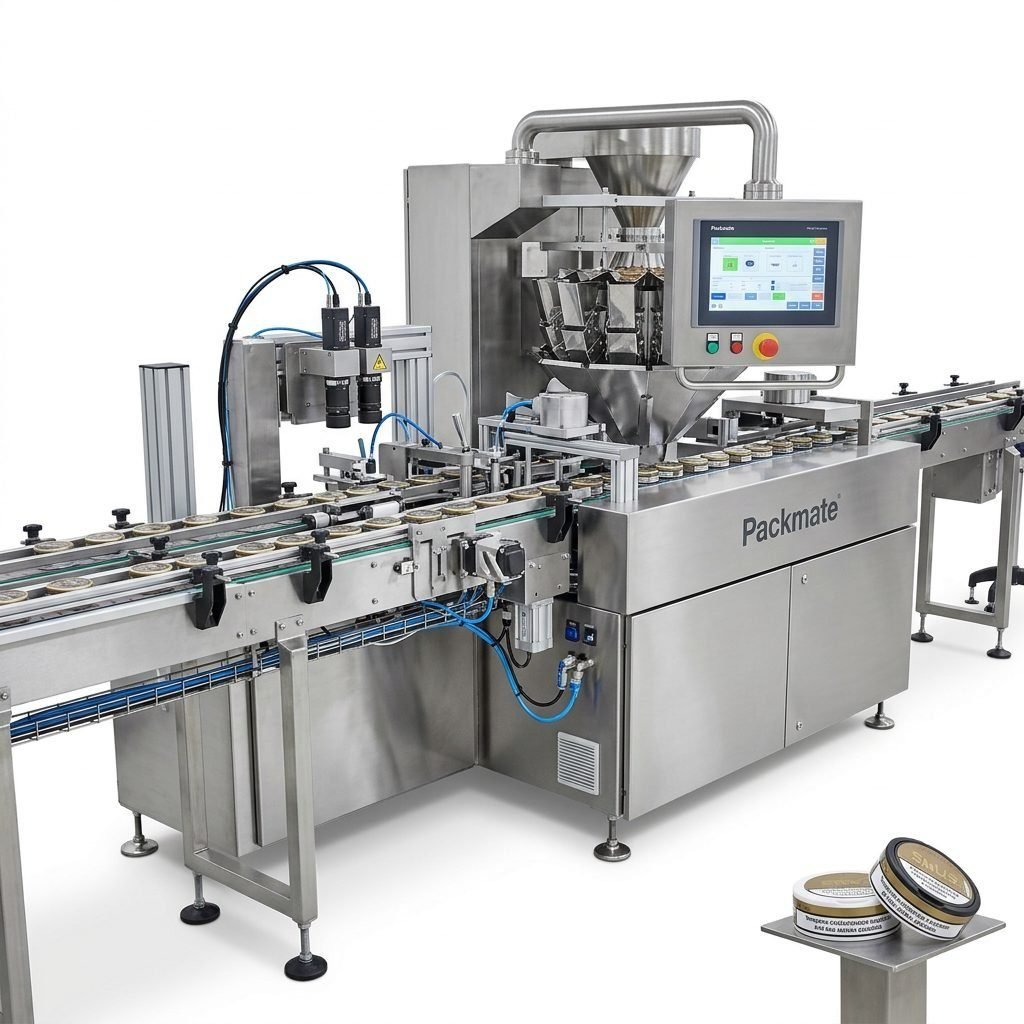
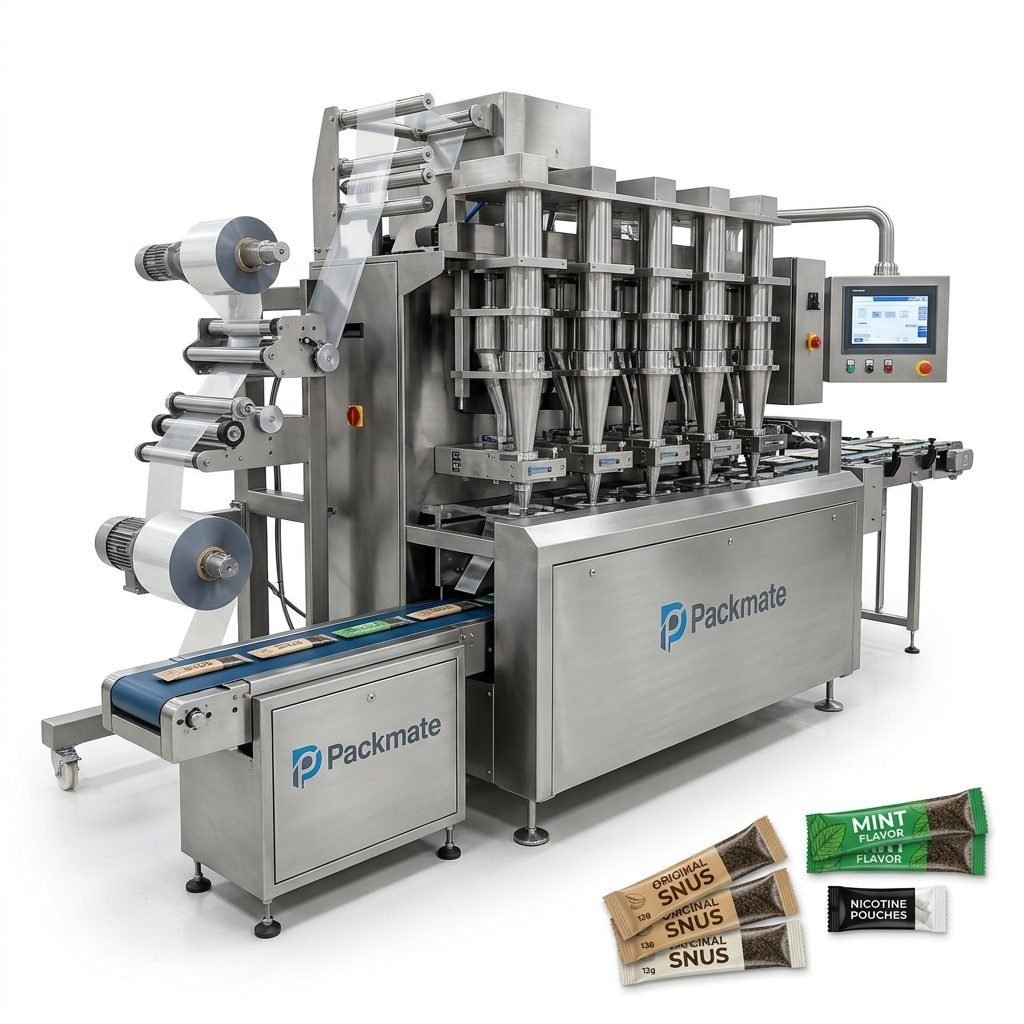
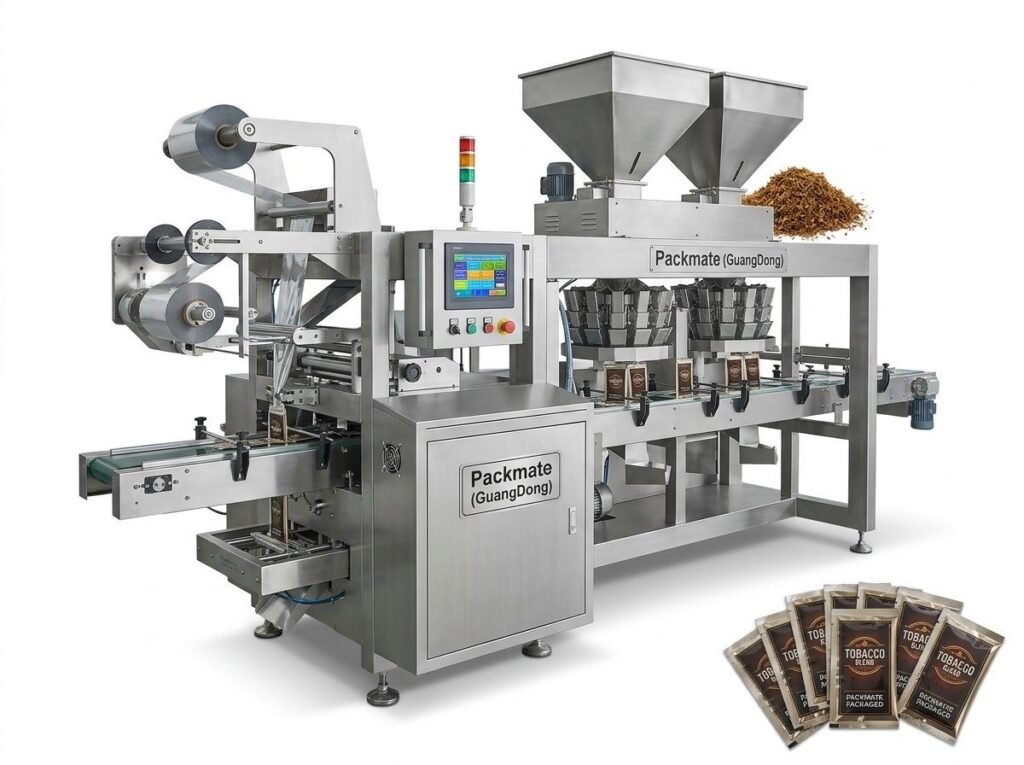
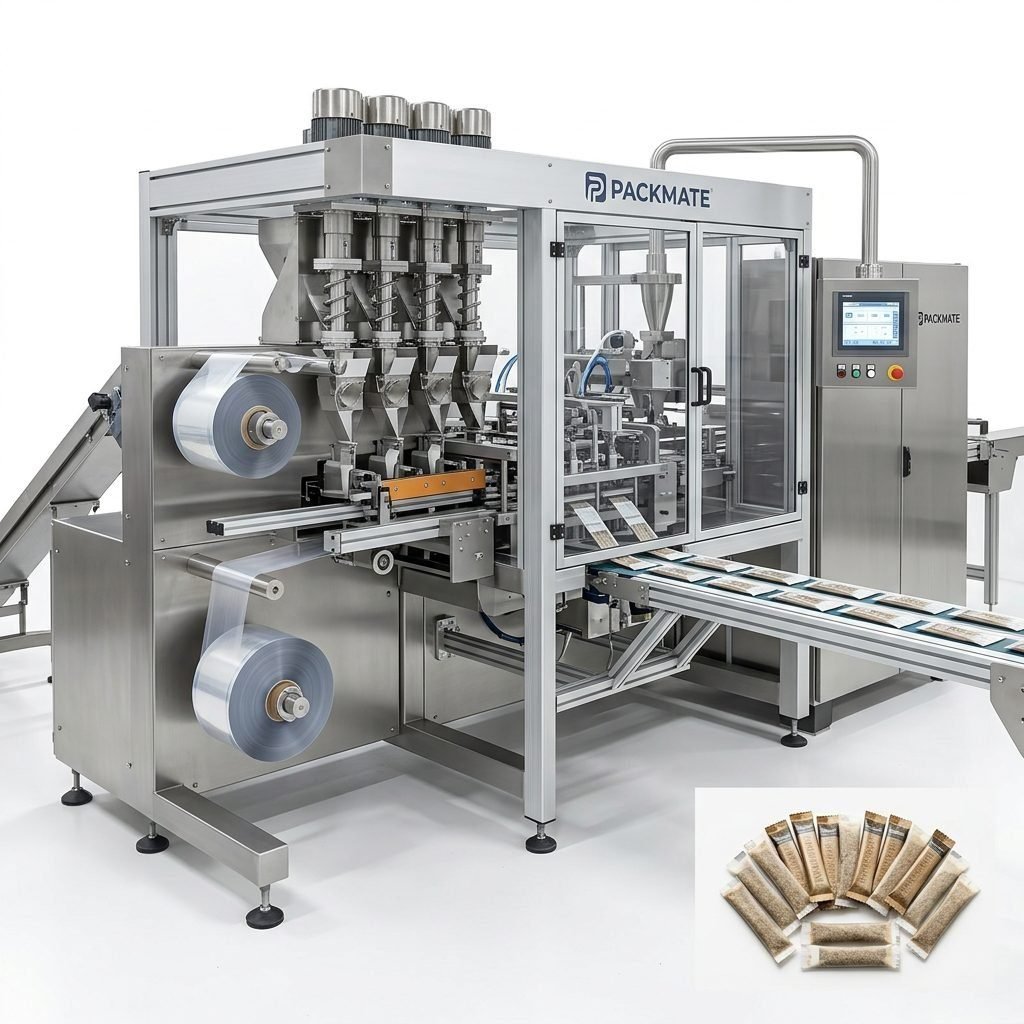
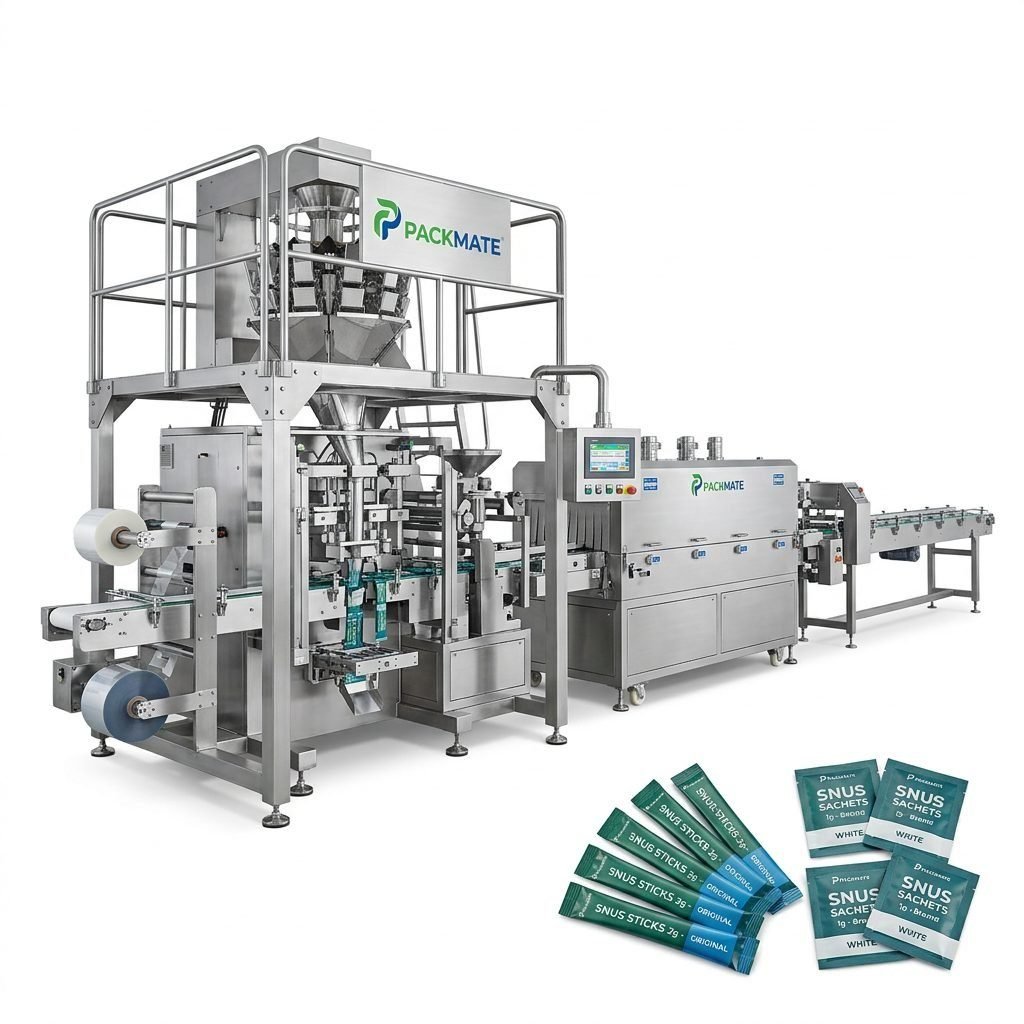
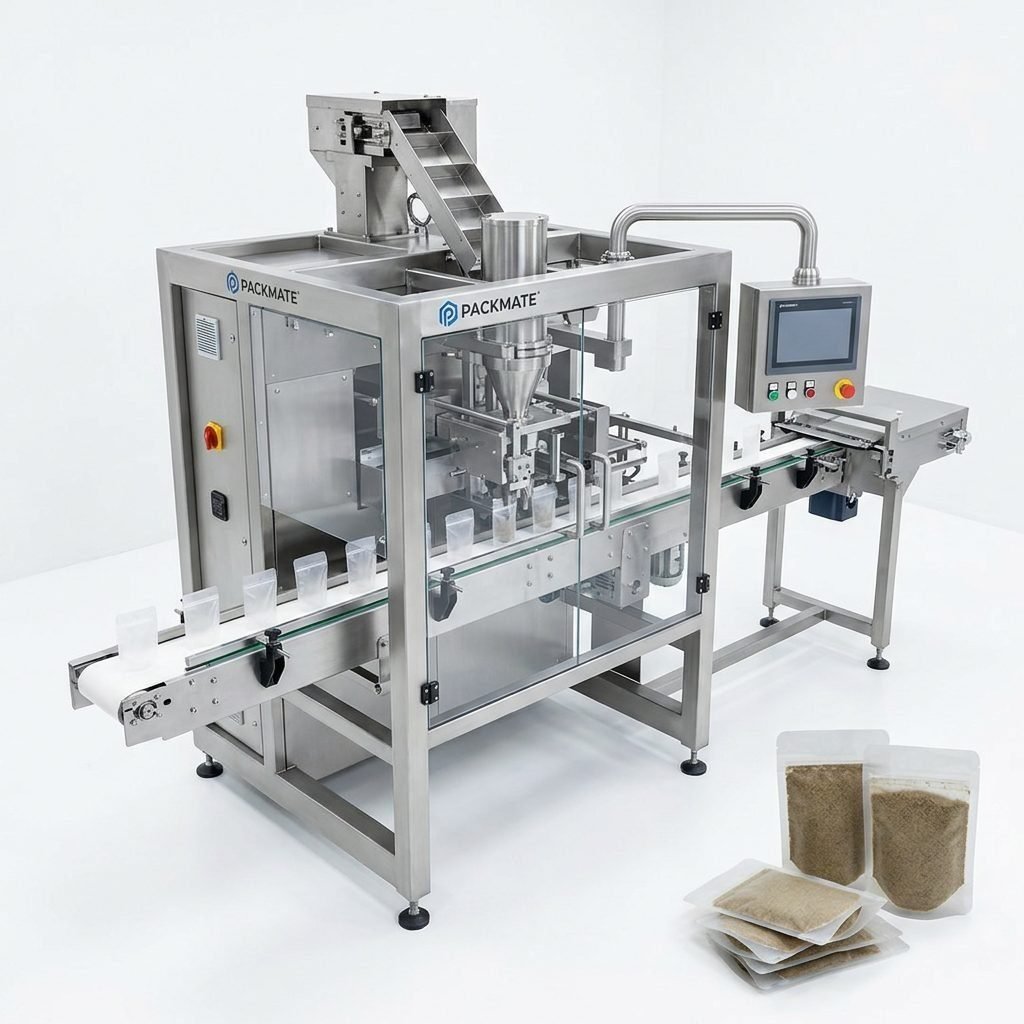
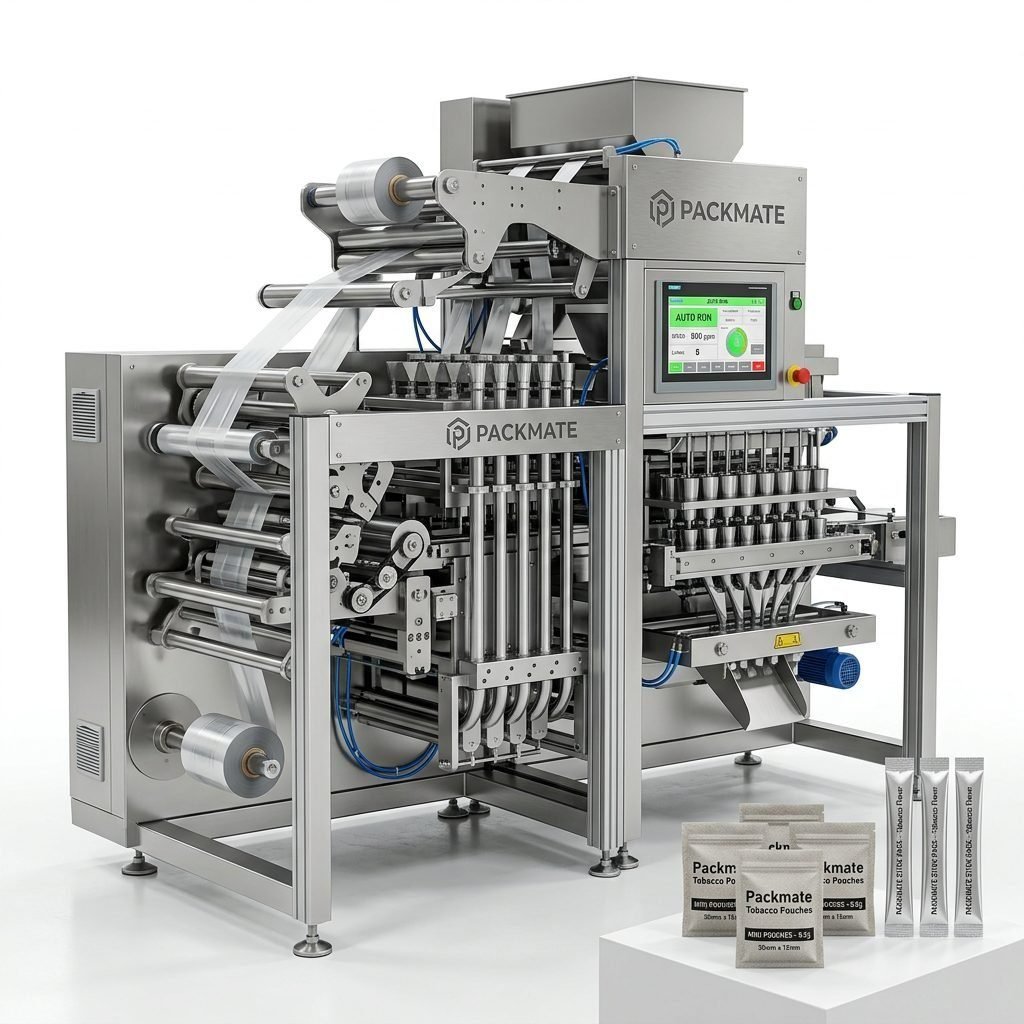
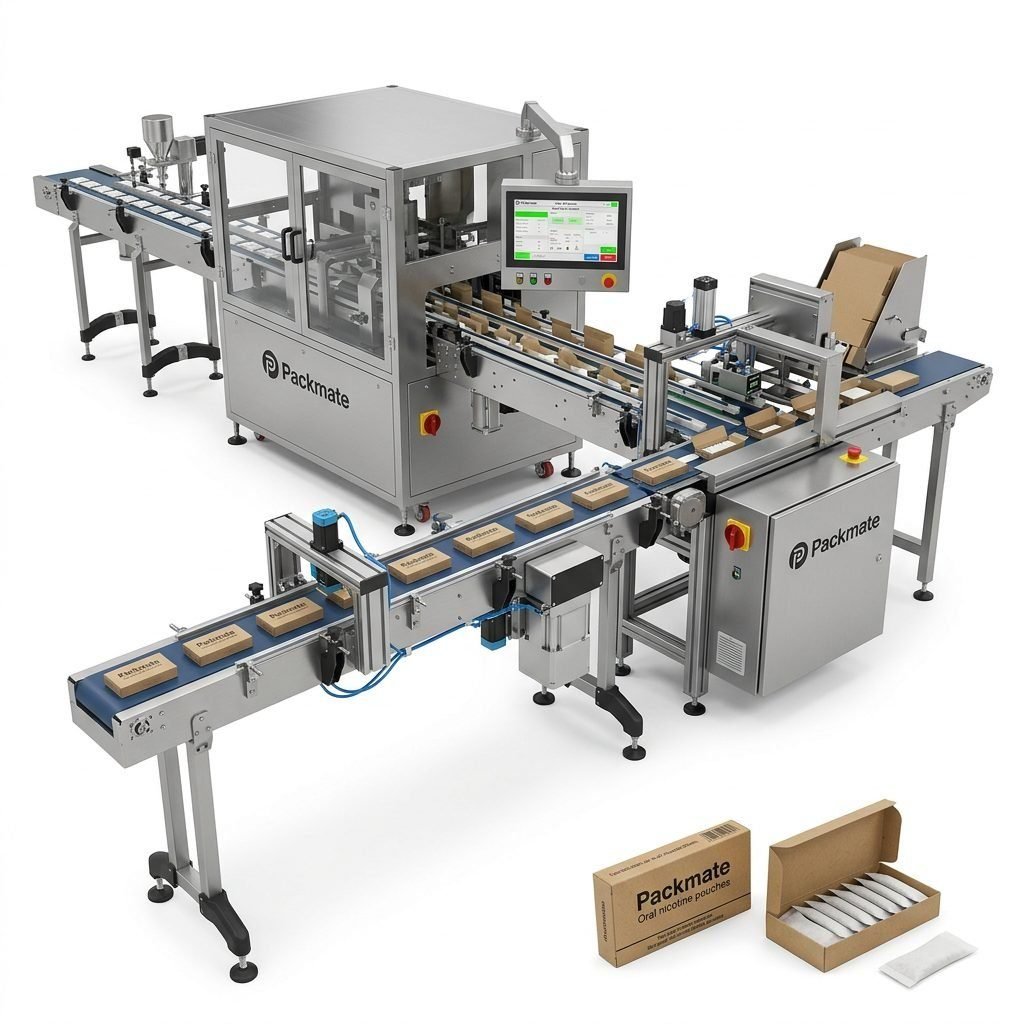
With over 30 years of engineering experience and a 20,000㎡ manufacturing facility, Packmate provides robust snus and nicotine pouch packaging solutions designed for consistent performance and easy maintenance. Their portfolio includes multi-lane systems, stick pack and sachet machines, and turnkey lines that suit both export-oriented factories and domestic producers. Learn more about their product range here:
- Snus & Nicotine Packaging Machines
- Sachet & Stick Pack Machines
- Service & After-Sales and Contact options for regional coordination.
Packmate emphasizes modular solutions, advanced CNC manufacturing, and CE/ISO compliance — factors that reduce downtime and help Bangladesh factories meet export standards reliably.
Implementation Checklist for a Smooth Deployment
Use this checklist to prepare your facility and team before the machine arrives.
- Confirm power requirements and provide stable, filtered power or UPS if needed.
- Prepare a concrete foundation or leveled floor space with adequate drainage for cleaning routines.
- Assign and train maintenance personnel in preventive maintenance routines before production starts.
- Coordinate customs and freight clearance with documented serial numbers and machine manuals to avoid delays.
- Schedule FAT (Factory Acceptance Test) and SAT (Site Acceptance Test) with a clear acceptance protocol.
Negotiation & Contract Tips
Negotiate not only the price but also warranty coverage, spare-parts kits, training days, and response SLAs for onsite visits. If possible, include KPIs for OEE and acceptance criteria tied to performance guarantees in your contract.
Final Considerations Before You Buy
– Prioritize suppliers with proven nicotine pouch experience and documented installations.
– Choose modular systems that allow gradual automation investments.
– Confirm spare parts supply chains and training availability in Bangladesh.
– Ask for local references or regional partners who can respond quickly to service requests.
Conclusion
Selecting the best nicotine packaging machinery supplier for your Bangladesh factory means balancing machine capability, regulatory compliance, lifecycle costs, and dependable local support. Prioritize suppliers with proven snus and nicotine pouch expertise, modular multi-lane systems, and fast spare-part logistics. A thorough vetting process — including factory visits, FATs, and clear SLAs — will protect your investment and help you achieve consistent, export-ready production.
Frequently Asked Questions
Q1: How long does it typically take to install a snus packaging line?
Installation timelines vary by complexity, but expect 4–12 weeks from shipment arrival to production-ready for standard multi-lane lines. This includes mechanical installation, electrical hookup, FAT/SAT, and operator training.
Q2: What certifications should I request from a machinery supplier?
Request CE and ISO certificates as a baseline. For hygienic design, ask for material certificates for contact parts (e.g., SS304/SS316) and documentation of any safety tests relevant to your export markets.
Q3: Can these machines handle multiple nicotine pouch formats?
Many modern machines are modular and support multiple pouch sizes and doses with quick-change tooling. Confirm format-change time and request a demonstration with your target SKUs.
Q4: How do I minimize downtime once the line is operating?
Implement preventive maintenance schedules, stock critical spare parts locally, train multiple technicians, and arrange remote monitoring and support agreements with your supplier to reduce mean time to repair.
Q5: Where can I find detailed product specifications and support?
Review the supplier’s product pages and catalog, and request detailed technical datasheets and recommended spare parts lists. Useful pages include the Snus & Nicotine product lineup and the company’s service/contact pages for direct inquiries:
Snus Machines,
Catalog,
Contact Us.