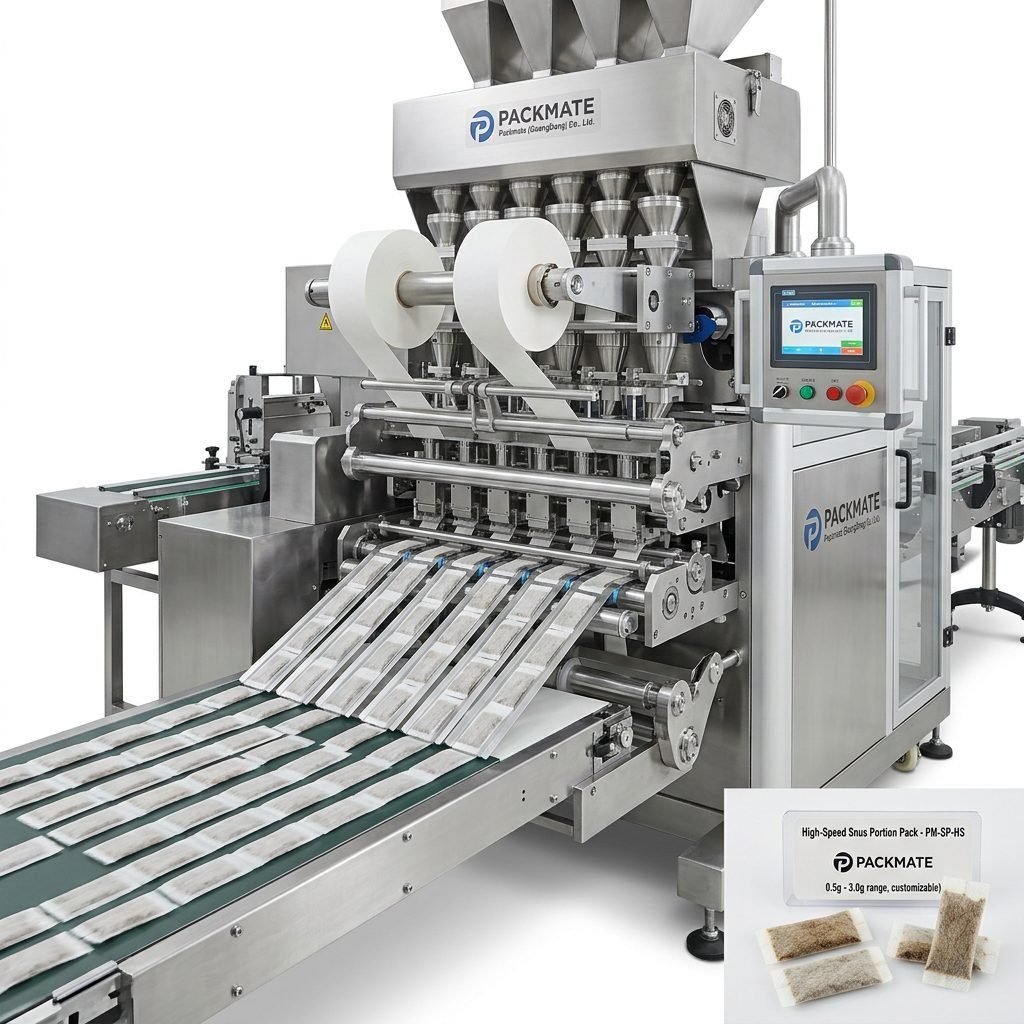
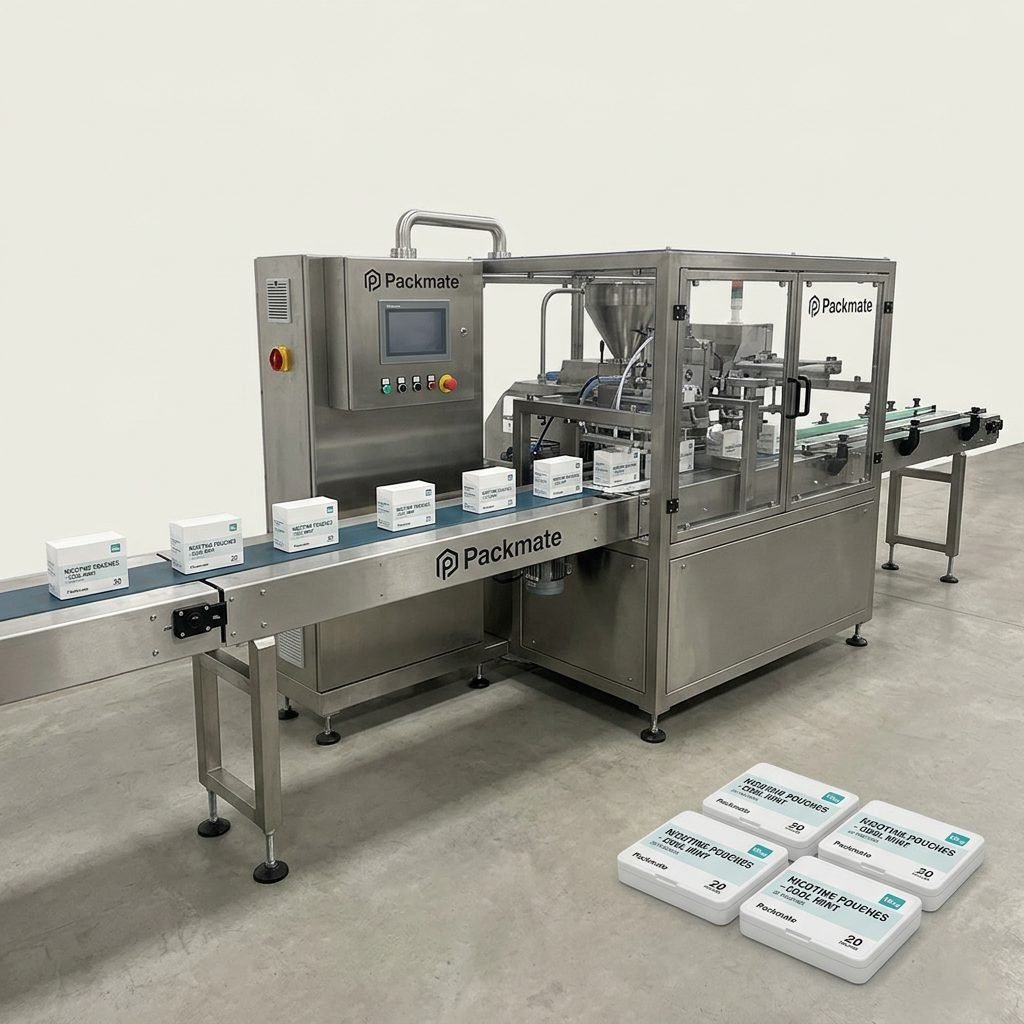
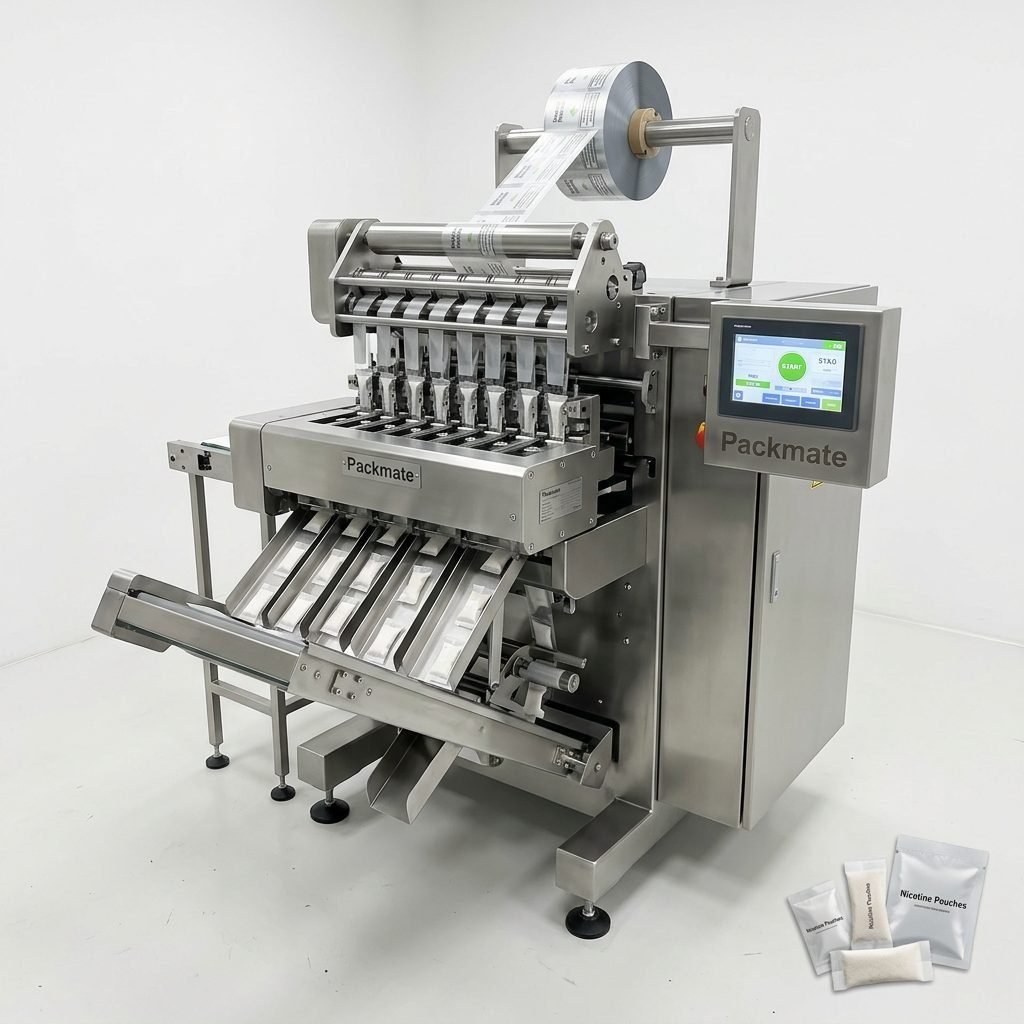
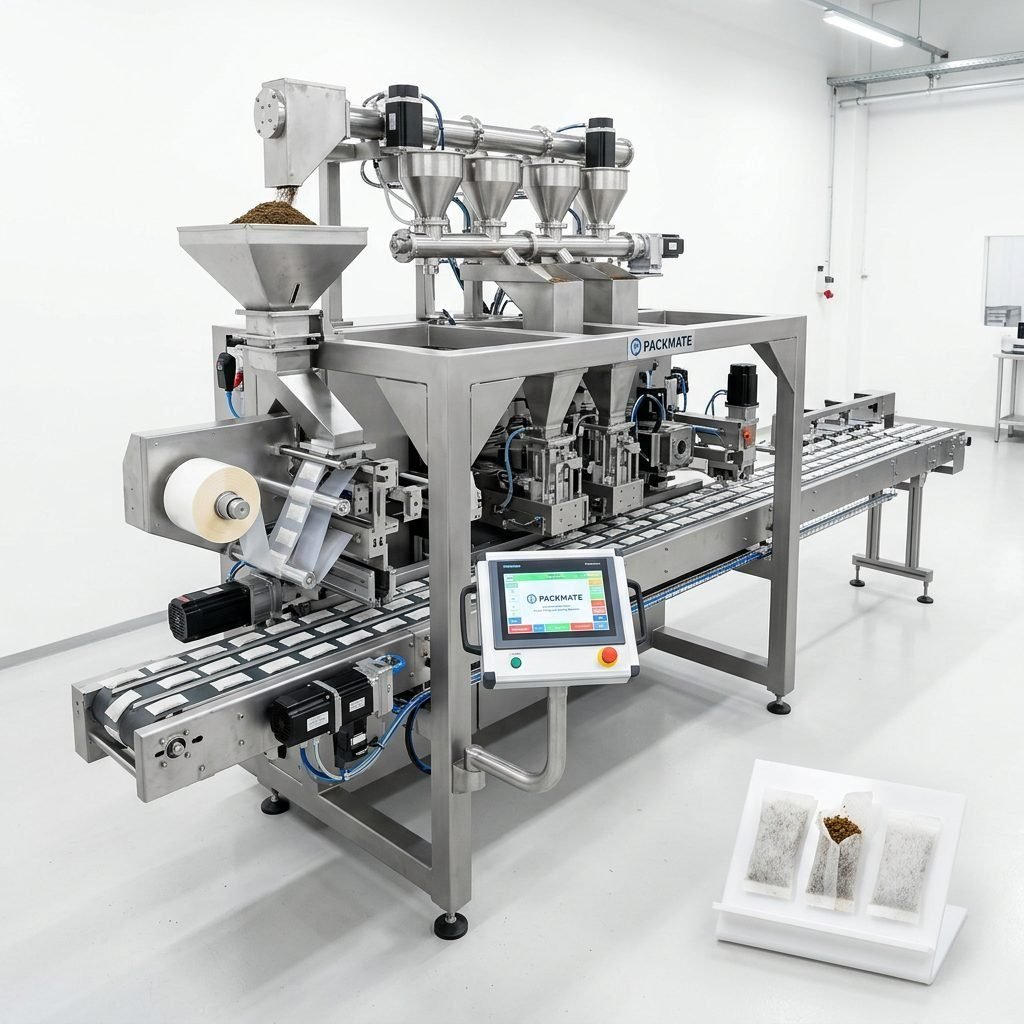
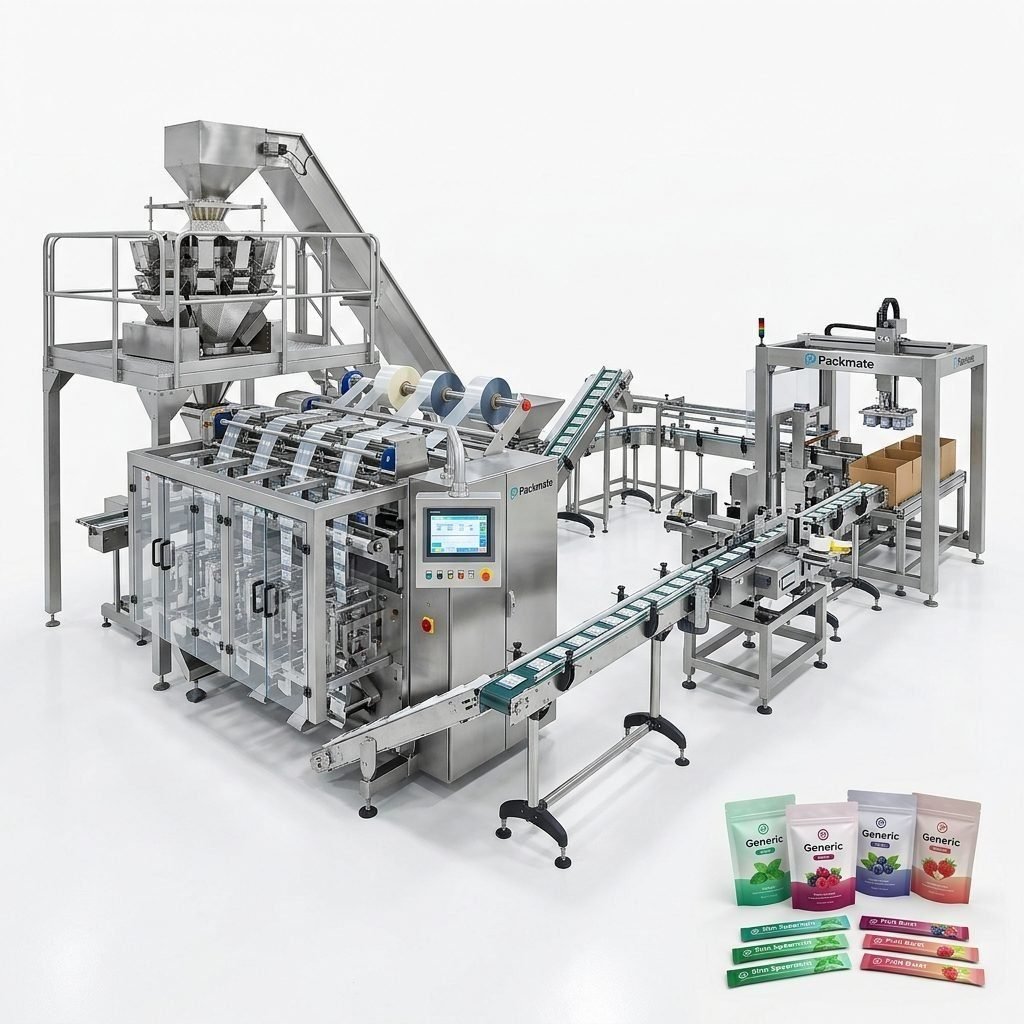
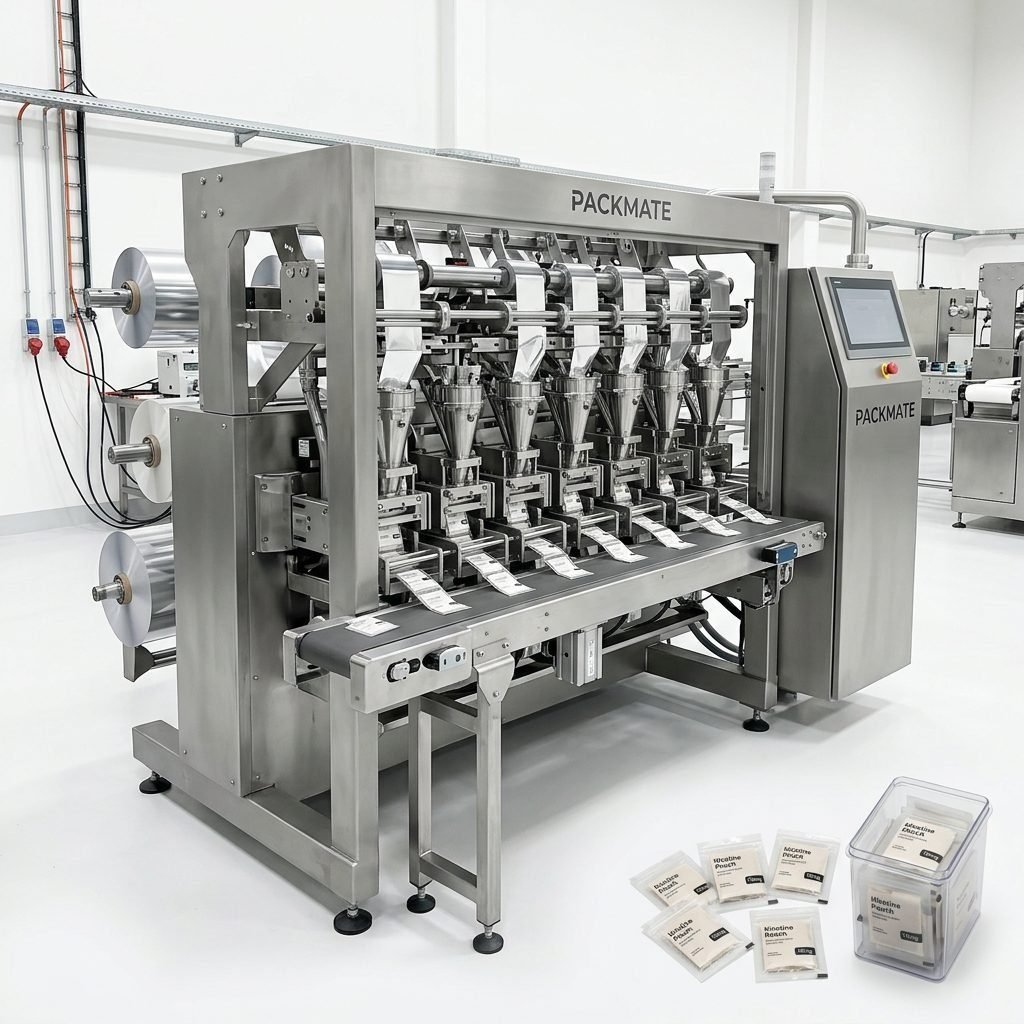
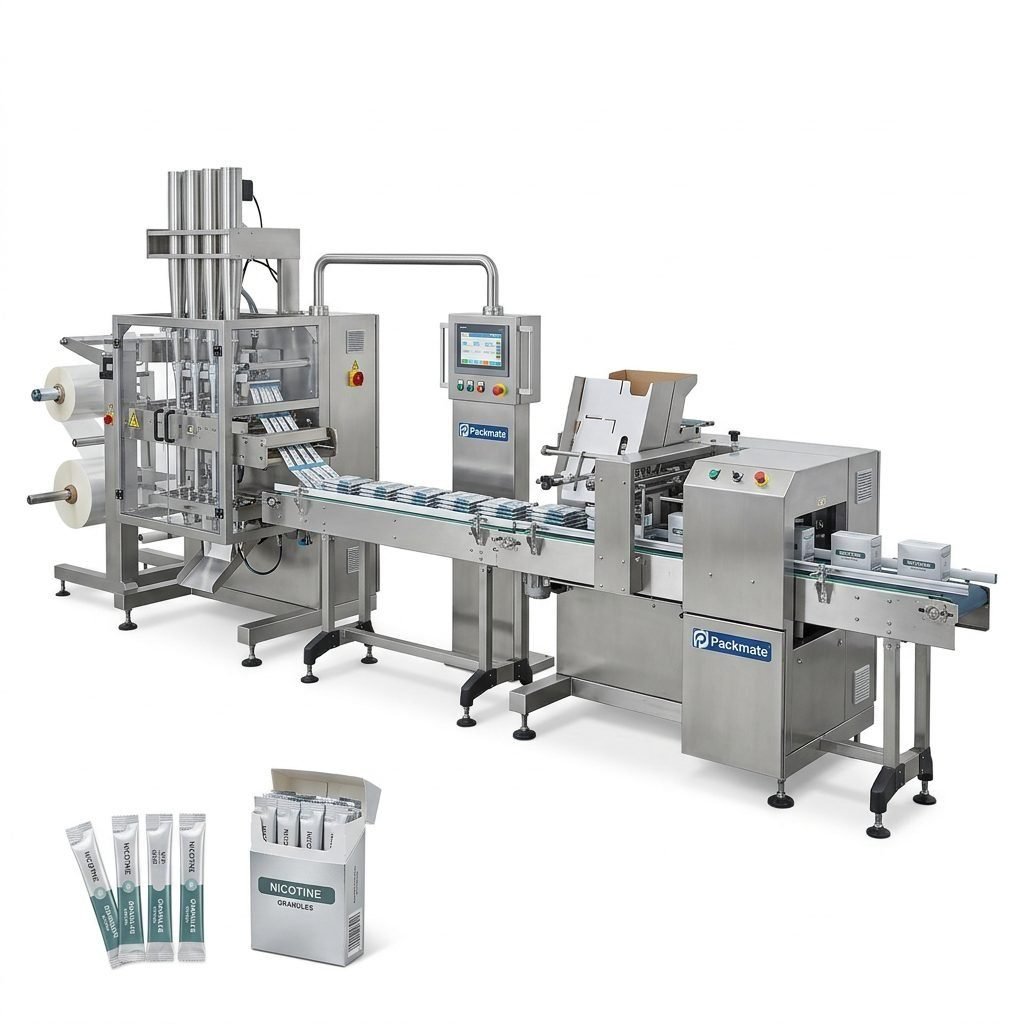
Multi-lane snus and nicotine pouch production has become the backbone of modern oral-nicotine manufacturing. High-speed portioning and packaging lines allow producers to scale output, improve consistency, and meet growing global demand. This guide walks through everything you need to evaluate when choosing the best multi-lane snus machine — from throughput and portion accuracy to automation, sanitation, and return on investment. Whether you are upgrading an existing line or building a new production facility, the following sections will help you make an informed decision.
Why Multi‑Lane Snus Machines Matter
Multi-lane packaging machines multiply the output of a single filler head by running multiple production lanes in parallel. This design is ideal for small-dose products such as snus, nicotine pouches, and other oral-dosing formats where a high unit rate is needed without sacrificing portion accuracy.
Key advantage ✅: multi-lane systems increase capacity with relatively low incremental footprint, making them cost-effective for mid- to large-scale snus production runs.
Who benefits most?
Manufacturers who need consistent portion weights, stable sealing quality, and a compact factory layout will see the most benefit. This includes contract packers, large tobacco companies, and new entrants scaling from pilot lines to commercial production.
Core Technical Criteria to Evaluate
Selecting the right multi-lane snus machine requires examining technical parameters that directly affect productivity and product quality.
1. Throughput and lane count
Throughput is commonly expressed in pouches per minute (ppm). A 4- to 12-lane configuration can dramatically change capacity; for instance, a 10-lane machine running at 100 ppm per lane yields 1,000 ppm total. Match lane count and per-lane speed to your projected demand and SKU mix to avoid over‑ or under‑investment.
2. Portioning accuracy and metering
Portioning systems — auger fillers, piston fillers, and vibratory feeders — must deliver tight weight tolerances for nicotine pouches. High-precision dosing reduces waste and regulatory risk. Consider machines with integrated inline check weighing or a compatible weighing & packaging systems for dynamic quality control.
3. Pouch and seal technology
Snus pouches require reliable sealing to prevent leakage and preserve product integrity. Evaluate heat-seal systems, finishing stations, and compatibility with different pouch materials (non-woven, cellulose, and biodegradable substrates). Machines that support diverse pouch formats provide long-term flexibility.
Tip 🔧: choose a machine that allows tool-free changeovers or quick cassette swaps to minimize downtime between SKUs.
Automation, Controls and Integration
Modern multi-lane snus machines should integrate PLC-based control, HMI touchscreens, and data logging for traceability. Key features to seek:
- Centralized HMI with recipe management for different formulations and pouch types.
- Remote access and Industry 4.0 compatibility for predictive maintenance and software updates.
- Seamless integration with upstream dosing and downstream cartoning or boxing lines — explore full filling & packaging lines if you plan a turnkey solution.
Importance of sanitary design
Tobacco and nicotine pouch lines must adhere to strict cleaning regimes. Look for open frames, hygienic covers, and stainless-steel contact parts. Quick-disassembly components reduce cleaning time and contamination risk.
Material Handling & Compatibility
A robust multi-lane machine handles diverse materials without frequent jams. Consider:
A. Powder and fiber handling
Nicotine pouches may include fine powders, granules, and extracted fibers. Machines with vibratory feeders, anti-bridging measures, and positive-pressure hoppers ensure steady flow and consistent fill weights.
B. Flexible pouch materials
Verify compatibility with non-woven substrates and bio-based films. Material suppliers often change over time; choose a machine with adjustable sealing temperature and pressure ranges.
Performance marker ⚡: stable portioning with CV (coefficient of variation) below 3% is a strong indicator of a high-quality dosing system.
Operational Considerations: Maintenance & Spare Parts
Downtime is the enemy of profitability. Before purchasing, evaluate service networks, availability of spare parts, and the manufacturer’s training programs. Packmate Snus Machine, with decades of experience, emphasizes after-sales support and factory-level spare part availability to keep lines running smoothly.
Maintenance best practices
Implement scheduled preventive maintenance, maintain a lean spare parts inventory for high‑wear items, and train local technicians for first-line troubleshooting. Remote diagnostics can speed repairs and avoid prolonged stoppages.
Quality, Safety and Compliance
Ensure the machine vendor adheres to relevant international standards, such as CE and ISO. These certifications cover safety guards, electrical systems, and quality management processes — critical when exporting products or working with regulated nicotine goods. See manufacturer credentials and certificates on the certificate page.
Designing Your Production Line Layout
The ideal line design balances throughput, ergonomic access, and sanitation. Multi-lane machines often sit between upstream dosing/weighing units and downstream cartoning or case packing. Consider conveyor buffer zones and access aisles for maintenance without interrupting production.
Layout checklist 📋: ensure clear access to hoppers, sealing heads, and control panels; allocate space for spare parts; plan for dust extraction where needed.
Cost Evaluation and Return on Investment (ROI)
Calculate ROI by comparing machine purchase and installation costs against labor savings, increased throughput, reduced waste, and quality improvements. Important inputs include:
- Initial equipment cost and installation
- Projected units per shift and yield improvements
- Labor and utility savings
- Maintenance and spare parts costs
- Regulatory compliance and potential market premiums for consistent quality
Factory upgrades that reduce changeover times and scrap rates typically pay back faster than expected. Consider supplier financing and phased upgrades to spread capital expenditure.
Why Packmate Snus Machine?
Packmate combines 30+ years of engineering know-how with modern CNC manufacturing and tailored multi-lane systems optimized for nicotine pouch production. Their factory capabilities and global turnkey solutions make them a strong partner for scaling snus lines. Learn more about Packmate and their portfolio of Snus & Nicotine Packaging Machines.
Global reach and support
With a 20,000㎡ facility and a track record supplying machines across Europe, Asia, and the Americas, Packmate offers machine customization, on-site commissioning, and spare part support to minimize downtime and optimize production performance.
Common Configurations & Modules
Typical multi-lane snus machines can be equipped with modular options:
- Multi-head portioning modules for different materials
- Integrated check weighers and metal detectors
- Inline labelling and coding stations
- Automated cartoning or pouch grouping systems — see sachet & stick pack machines for related modular solutions
Installation, Training and Commissioning
Professional installation, FAT/SAT (factory and site acceptance tests), and operator training are critical for fast ramp-up. Confirm the vendor’s commissioning package includes on-site startup, optimization runs, and training for maintenance staff.
Note 🔁: ask for production samples from the vendor and request a live demonstration at an exhibition or the factory — Packmate regularly attends global exhibitions where machines can be seen in action. See their exhibition listings.
Case Studies & Proven Results
Real-world case studies show multi-lane installations achieving high yields and reduced labor intensity. Manufacturers report lower variance in pouch weights, faster throughput per square meter, and improved packaging aesthetics that help brand acceptance in mature markets.
Checklist: Questions to Ask a Supplier
When evaluating suppliers, include these questions in your RFP:
- What is the guaranteed throughput and tolerance for portion weights?
- Which portioning technology is used and what is its demonstrated CV?
- What is included in commissioning, training and spare parts packages?
- Are there references and case studies for similar product types?
- How do you support local service and remote diagnostics?
Final Considerations Before Purchase
Align equipment choice with your five-year production plan. Overbuilding capacity can be costly, but underestimating growth leads to lost opportunities. Seek modular systems that can be upgraded with additional lanes or integrated modules to protect your capital investment.
Conclusion
Choosing the best multi-lane snus machine requires balancing throughput, portion accuracy, hygiene, and support. A well-specified multi-lane system can deliver dramatic productivity gains while maintaining high-quality pouch formation and sealing. Partnering with an experienced manufacturer that offers turnkey solutions, robust after-sales service, and proven global references will reduce risk and accelerate return on investment.
Frequently Asked Questions (FAQs)
Q1: How many lanes should my snus machine have?
A1: Start by estimating peak production needs. If you forecast 500k pouches/day, calculate lanes and per-lane speeds to meet that number with headroom for maintenance and SKU variation. Typically 6–12 lanes suit medium to large operations.
Q2: What portioning accuracy can I expect?
A2: High-quality portioning systems commonly achieve CVs below 3%. Exact performance depends on material properties and dosing technology.
Q3: How long does installation and commissioning take?
A3: Typical on-site commissioning varies from a few days for a simple retro-fit to several weeks for a full turnkey line including integration, FAT/SAT tests, and operator training.
Q4: Can I see machine demonstrations before purchase?
A4: Yes. Many manufacturers, including Packmate, offer factory demonstrations and showcase equipment at international exhibitions. Plan to review samples and request reference sites.
Q5: Where can I find more information and product catalogs?
A5: For detailed product lines and technical catalogs, visit Packmate’s pages for Snus & Nicotine Packaging Machines, Filling & Packaging Lines, and their catalog.