Choosing the best nicotine packaging machinery manufacturer in the United Arab Emirates requires more than comparing price lists. UAE buyers must balance compliance, reliability, and local business practices while securing machines that deliver consistent production, high yield, and easy maintenance. This guide walks you through practical, UAE-specific considerations — from certifications and multilingual labeling to installation during Ramadan — so you can make a confident procurement decision.
Understanding the UAE Market & Regulatory Context
The UAE is a gateway to the GCC market with strict import and public health rules. When sourcing nicotine pouch and snus packaging machines, verify that your supplier understands local regulations: customs documentation, labeling in English and Arabic, and any GCC or UAE-specific product restrictions. Work with manufacturers that can provide compliant documentation (CE/ISO test reports, material certificates) and support customs clearance.
Tip: UAE authorities value clear documentation. Ask for original certificates and machine test reports before shipment to avoid airport or port delays.
Key Machine Types & Technology to Consider
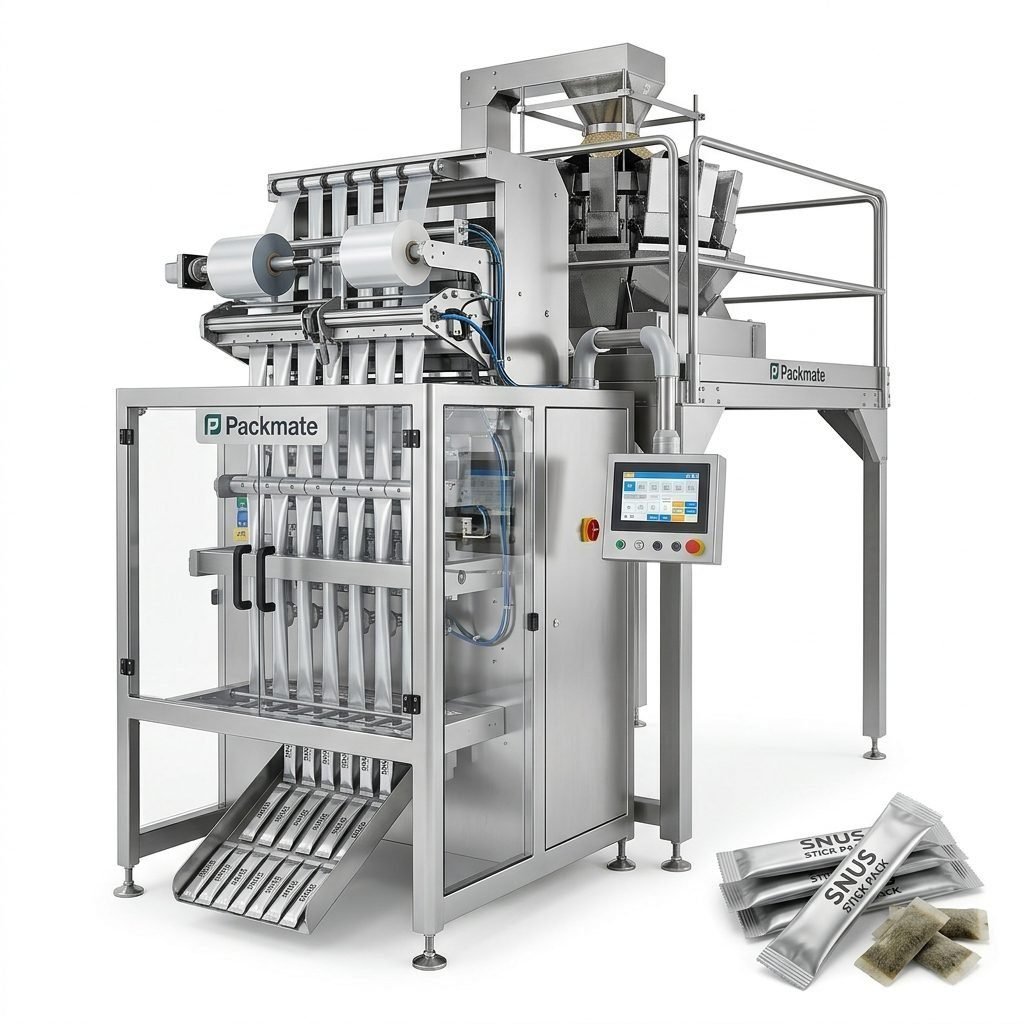
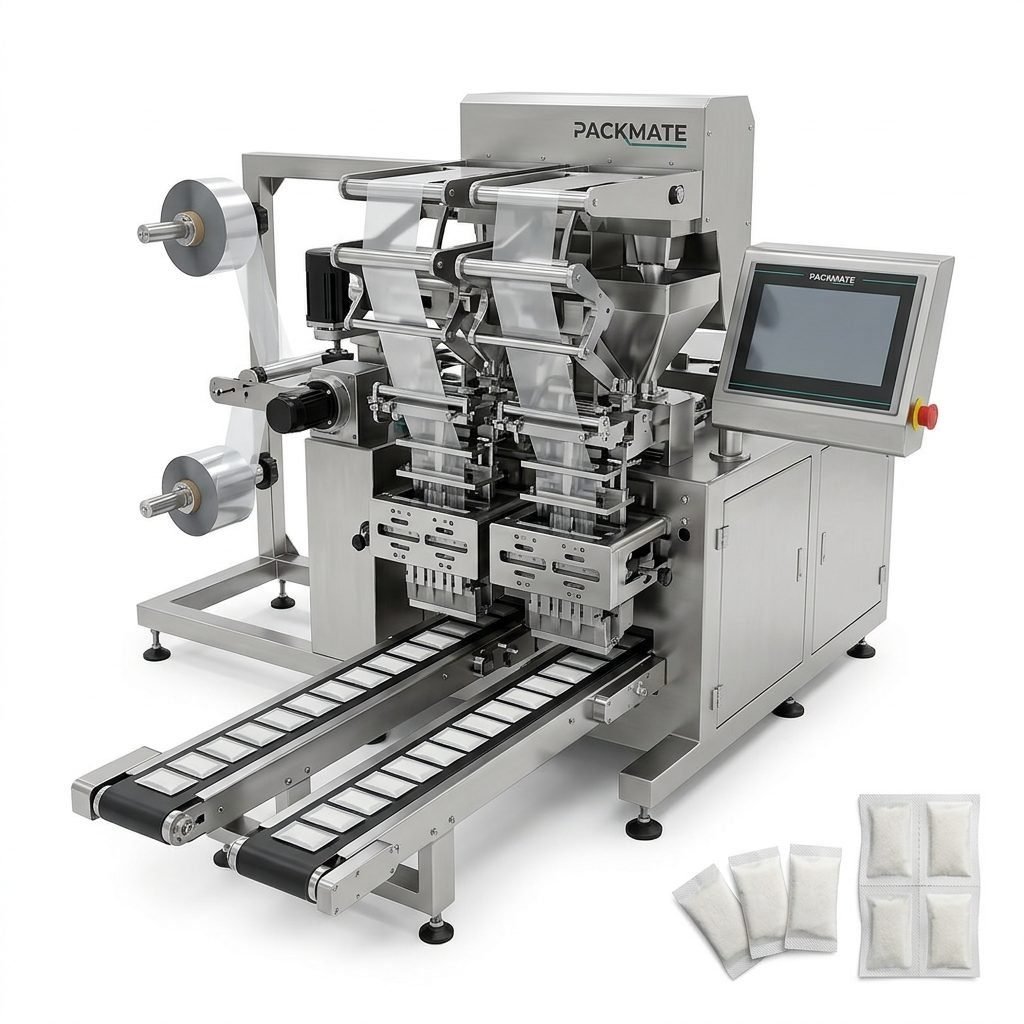
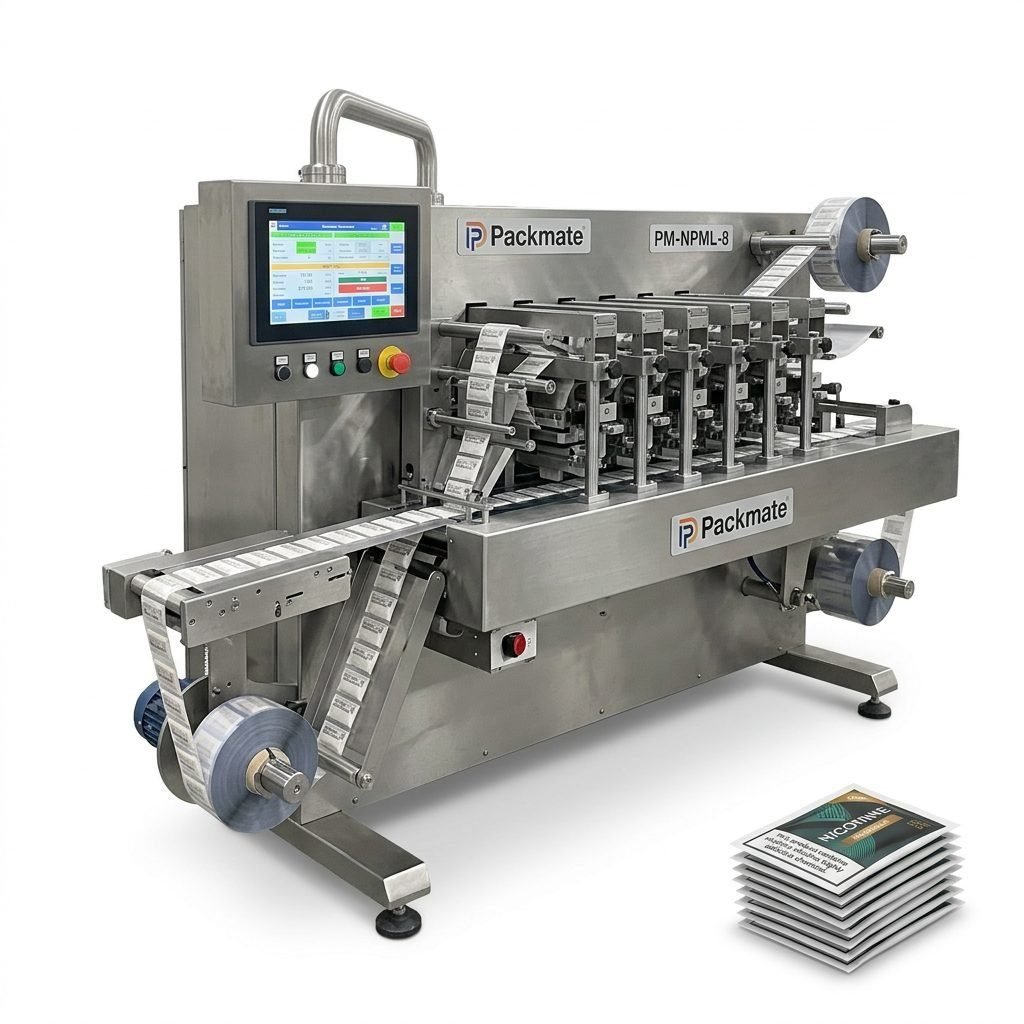
Nicotine pouch packaging spans multiple machine types. Select a manufacturer that offers a spectrum of proven solutions and can advise the best fit for your product format and output needs.
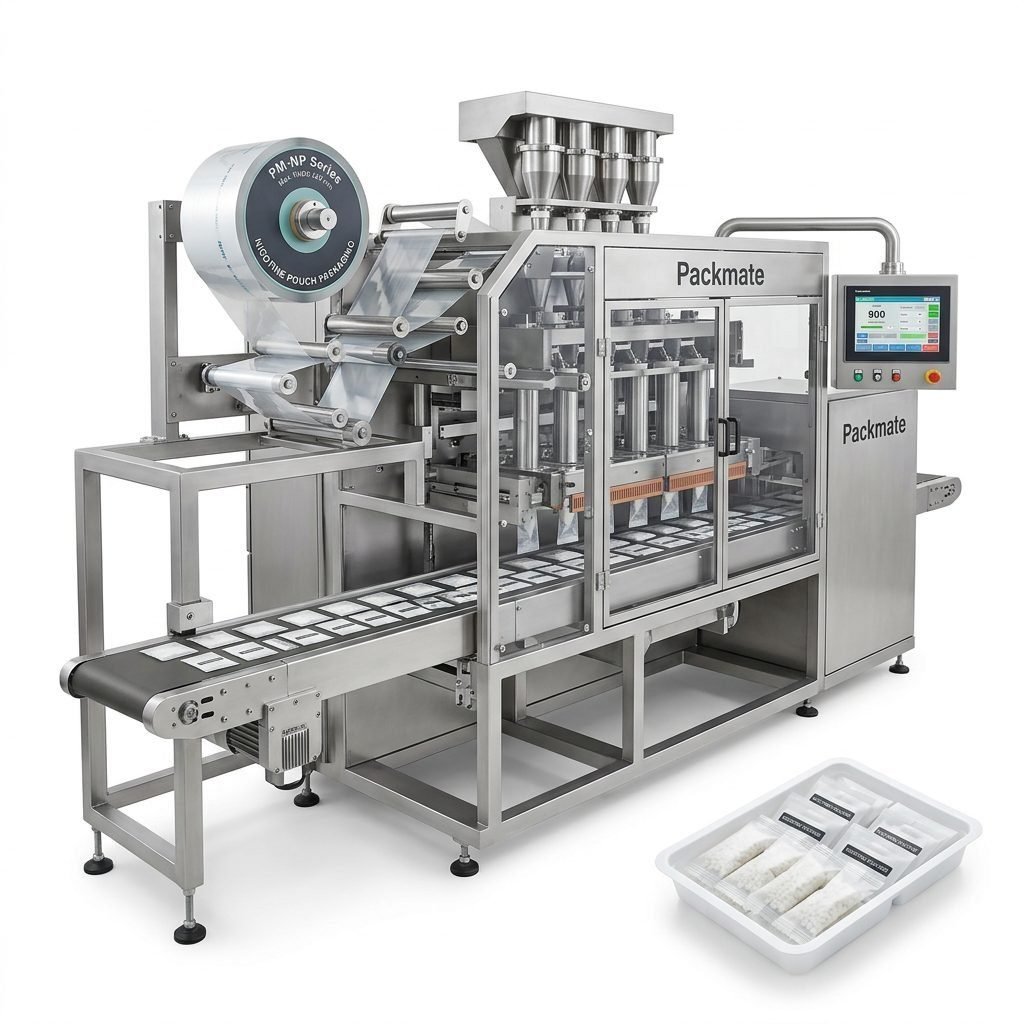
- Stick pack machines for single-dose pouches (fast, reliable sealing).
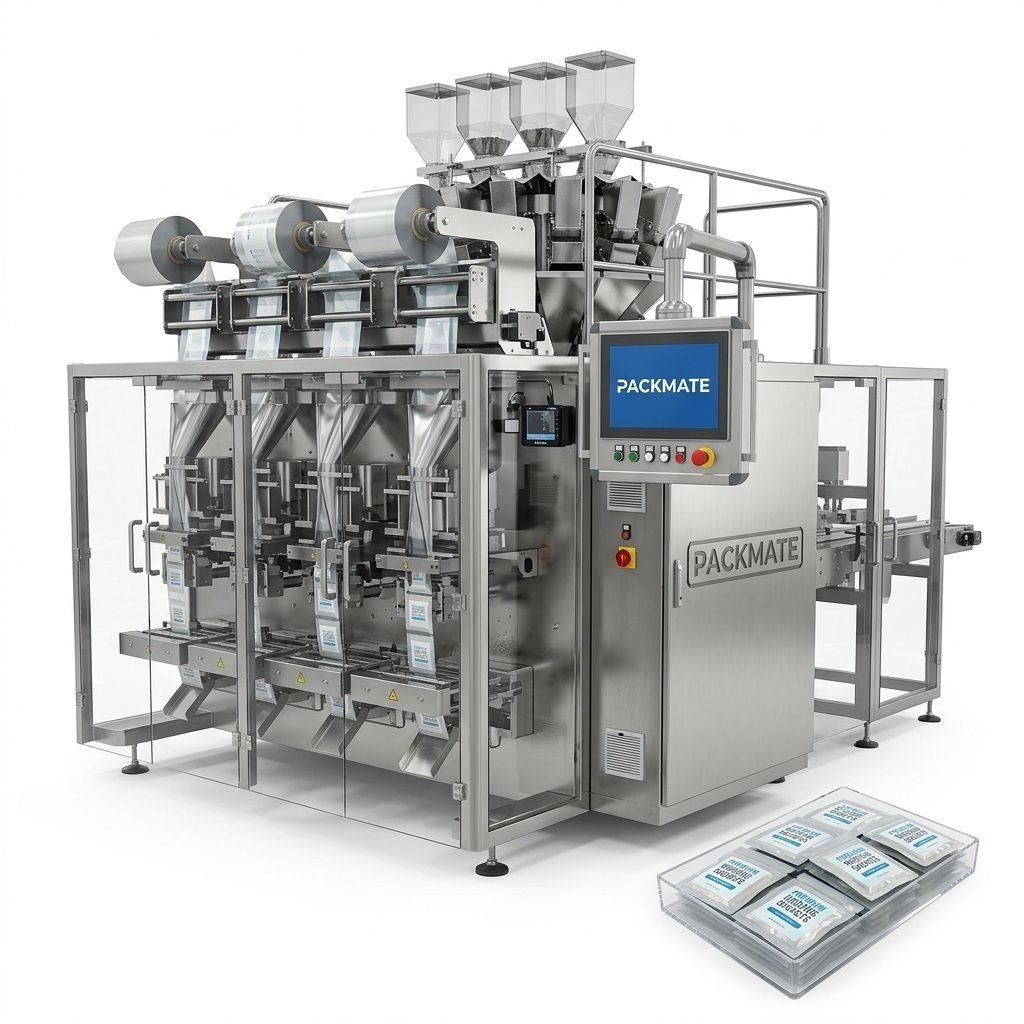
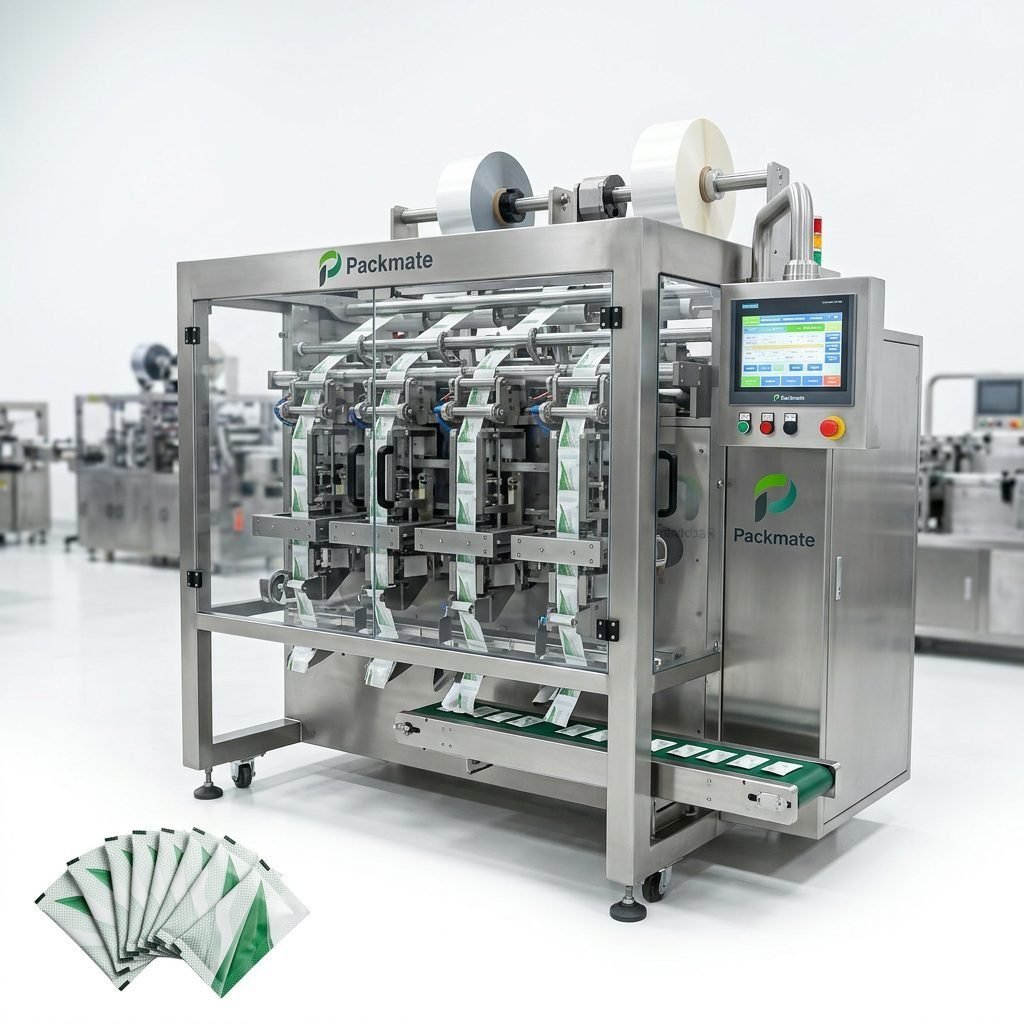
- Sachet & multi-lane systems for higher throughput and small-dose pouches — ideal for premium nicotine pouches and snus.
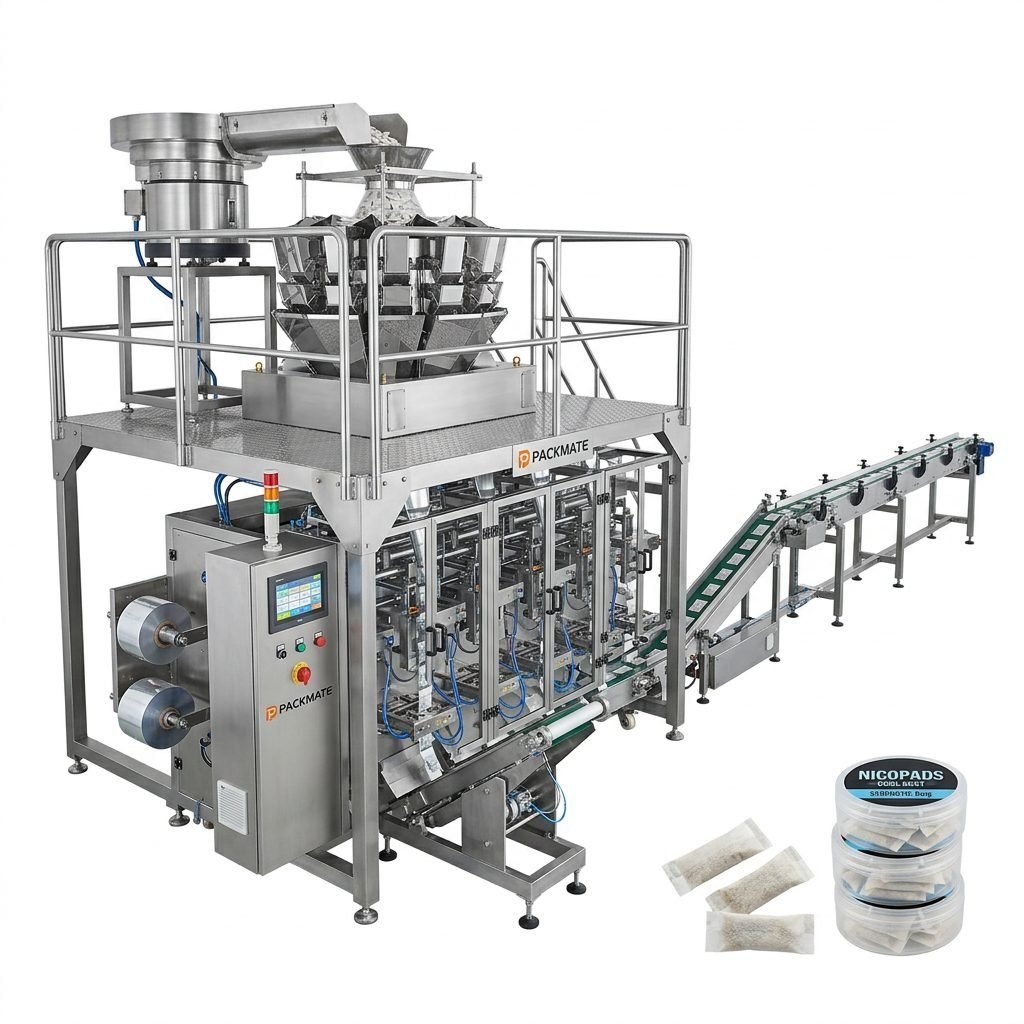
- Automated weighing & filling lines to ensure consistent dose control and reduce waste. See Weighing & Packaging Systems.
Why multi-lane matters in the UAE
For distributors serving retail chains across the Emirates and neighboring Gulf states, multi-lane machines increase production speed without compromising pouch precision — a major advantage when fulfilling large orders for importers in free zones such as Jebel Ali.
Assess Manufacturing Capability & Customization
A top-tier manufacturer demonstrates strong engineering capabilities, an organized production facility, and flexible customization options. Look for factories with CNC machining centers, precision assembly lines, and a broad model range so you can scale or adapt formats without switching vendors.
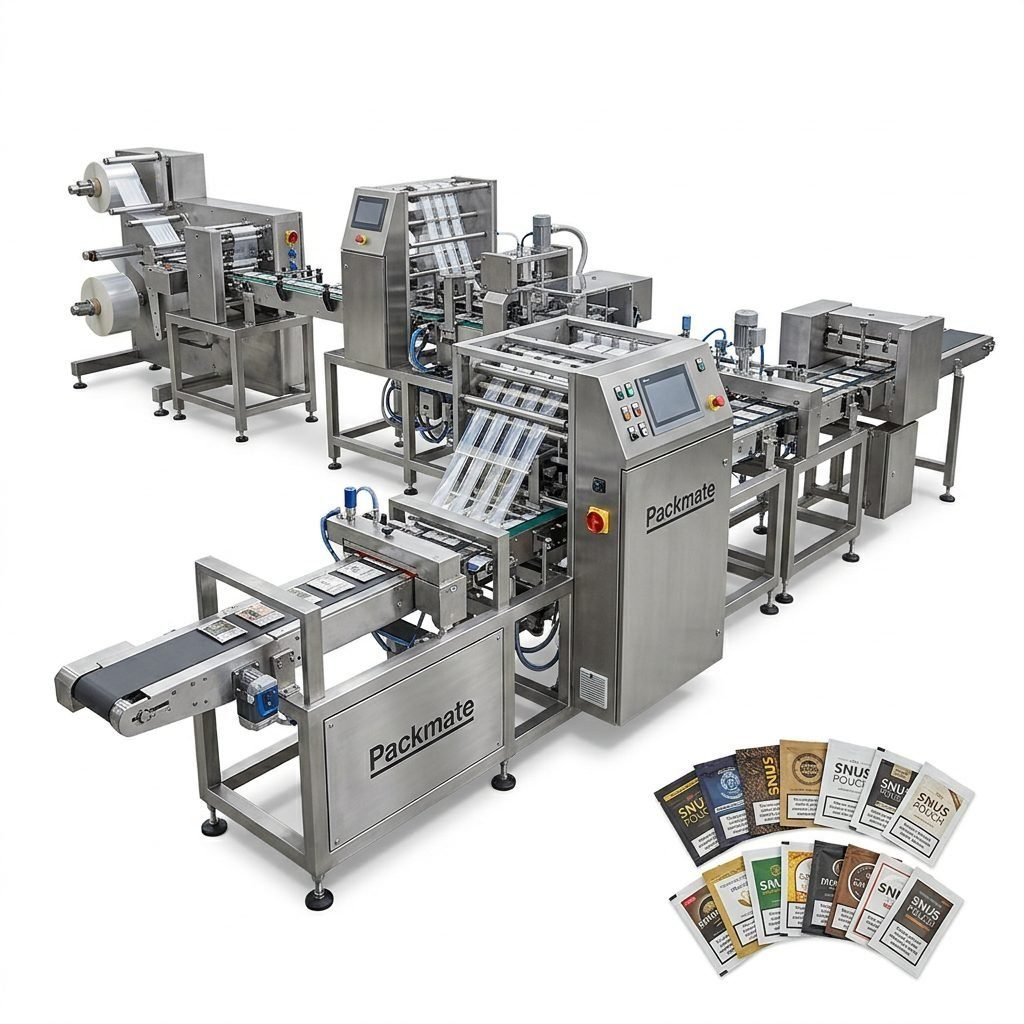
Checklist: Factory size (20,000㎡ or more indicates capacity), number of machine models, and ability to deliver turnkey lines including auxiliary equipment. Example manufacturer pages: Snus & Nicotine Packaging Machines and Sachet & Stick Pack Machines.
Quality Control, Certifications & Reliability
Certifications such as CE and ISO are basic expectations for global trade. In the UAE, products often pass through multiple inspection points; machines that come with test records, inspection reports, and documented quality procedures reduce risk.
Ask potential manufacturers for:
- Factory acceptance test (FAT) videos and reports.
- Detailed parts lists and BOM with spare part lead times.
- References from other GCC or MENA customers and machine case stories (look for Case pages).
After-Sales Support: Training, Spare Parts & Remote Assistance
In the UAE, fast and efficient support is essential. Choose a manufacturer that offers structured commissioning, operator training, spare part kits, and remote diagnostics. Consider whether they have local partners or agents in the Emirates that can expedite spare parts and technical visits.
Important: Confirm guaranteed response times and whether warranty covers on-site labor in UAE free zones and mainland.
Factory Visits, Audits & Due Diligence
Whenever possible, schedule a factory visit or virtual audit. Review assembly lines, CNC capabilities, QC protocols, and final testing. For UAE buyers, a supplier who welcomes audits is typically more reliable and transparent.
Questions to ask during audits
- How is machine calibration documented?
- Are electrical components compliant with international voltage standards and labeled clearly for UAE technicians?
- Can the supplier provide CE/ISO certificates and FAT videos for similar machines?
Total Cost of Ownership vs. Initial Price
A lower purchase price can obscure higher operating costs. Evaluate energy consumption, spare part pricing, downtime statistics, and ease of maintenance. Machines optimized for efficiency reduce long-term costs and are better suited to high-margin UAE markets.
Evaluate: MTBF (mean time between failures), local availability of spare parts, and whether the machine supports fast format changeovers to serve multiple product SKUs common in UAE retail.
Logistics, Customs & Installation in the UAE
Plan logistics carefully: shipping to free zones (JAFZA, RAKEZ) can simplify customs, while mainland delivery may need additional approvals. Coordinate with your supplier on packing standards, palletization, and freight forwarders experienced with heavy machinery.
If your supplier offers turnkey lines, confirm who handles local installation permits, crane services for unloading, and electrical hookups that comply with UAE utility requirements.
Cultural & Operational Considerations in the UAE
Successful partnerships in the Emirates are built on trust, punctual communication, and cultural awareness. Keep these local habits in mind:
- Business meetings often value relationship-building; plan initial visits and follow-ups accordingly.
- Consider Ramadan schedules and local public holidays when planning installation and training — expect reduced working hours.
- Provide Arabic labeling options and bilingual operation manuals (English & Arabic) for smoother market entry.
- Respect local environmental and public health guidance when packaging nicotine products — consult local authorities if unsure.
How to Evaluate a Manufacturer: A Practical Checklist
Use this checklist during supplier discussions to make objective comparisons:
🔧 Engineering strength: CNC machining, assembly lines, capacity to customize.
✅ Certifications: CE, ISO and FAT documentation.
📦 Spare parts & lead times: Local availability, kits included.
🌍 Global references: Cases in Europe/Asia/Americas and preferably GCC clients.
💡 Service model: Remote support, on-site commissioning and local partner presence.
Why Packmate-style Suppliers Are Worth Considering
Manufacturers with decades of experience, a wide product range, and global turnkey capabilities are ideal for UAE buyers. A supplier that provides snus & nicotine packaging expertise, many machine models, and turnkey lines reduces integration risks and accelerates market entry. Explore supplier profiles and product lines to ensure they match your production targets and compliance needs. For more information about the manufacturer background and offerings, see About Packmate.
Negotiation & Contract Essentials
When you negotiate, include clear clauses on delivery schedule, acceptance testing (FAT/SAT), warranty coverage, spare parts supply, training, and penalties for missed milestones. Clarify who is responsible for customs clearance and whether shipping to a UAE free zone is part of the quote.
Practical Tips for Smooth Commissioning in the UAE
Coordinate with local electricians and technicians ahead of arrival, ensure language support for operators, and plan commissioning to avoid national holidays. Test runs with local materials and packaging films are essential to tune adsorption, sealing temperatures, and dose accuracy in UAE humidity conditions.
⚠️ Reminder: UAE coastal humidity can affect sealing parameters. Ask suppliers for proven sealing profiles and test reports in similar climates.
Where to Find Trusted Machine Models & Product Lines
Review product pages for machine specifications, case studies, and accessory options. Useful links include the Filling & Packaging Lines and Auxiliary Packaging Equipment pages which outline complementary systems you may need.
Selecting a Partner — Final Decision Factors
In summary, prioritize: verified certifications, clear documentation, responsive after-sales service, factory capability, and GCC experience. A supplier offering turnkey solutions and flexible customization will reduce integration time and help you meet UAE market expectations faster.
Next Steps & Contact
Shortlist 2–3 vendors, request FAT videos and references, and negotiate terms that include on-site commissioning and spare parts kits. For further details about services and support, you can review supplier service pages and contact them directly via their Contact page: Contact Us.
Frequently Asked Questions
Q1: What certifications should I require for machines imported into the UAE?
Ask for CE and ISO certificates as a baseline, FAT reports, and component certificates for electrical parts. Suppliers with documented experience in GCC markets are preferable because they know local compliance nuances.
Q2: How can I ensure fast spare parts delivery in the Emirates?
Choose suppliers who maintain spare part inventories or who have authorized distributors/partners in the region. Include spare parts kits in the initial order and negotiate defined lead times in the contract.
Q3: Are virtual factory audits acceptable for selecting a supplier?
Yes—virtual audits with live video, machine demonstrations, and detailed documentation are widely accepted when physical visits are not possible. Request recorded FAT sessions and multiple reference checks.
Q4: What local customs should I consider when scheduling installation?
Be mindful of Ramadan and UAE public holidays, reduced working hours, and local labor rules. Arrange for bilingual manuals and operator training in English and Arabic to speed up commissioning.
Q5: How important is supplier experience with snus and nicotine pouch formats?
Very important — specialized suppliers provide optimized sealing, dosing, and packaging lines that protect product quality and meet regulatory expectations. Review case studies and product pages to confirm their expertise in nicotine packaging.