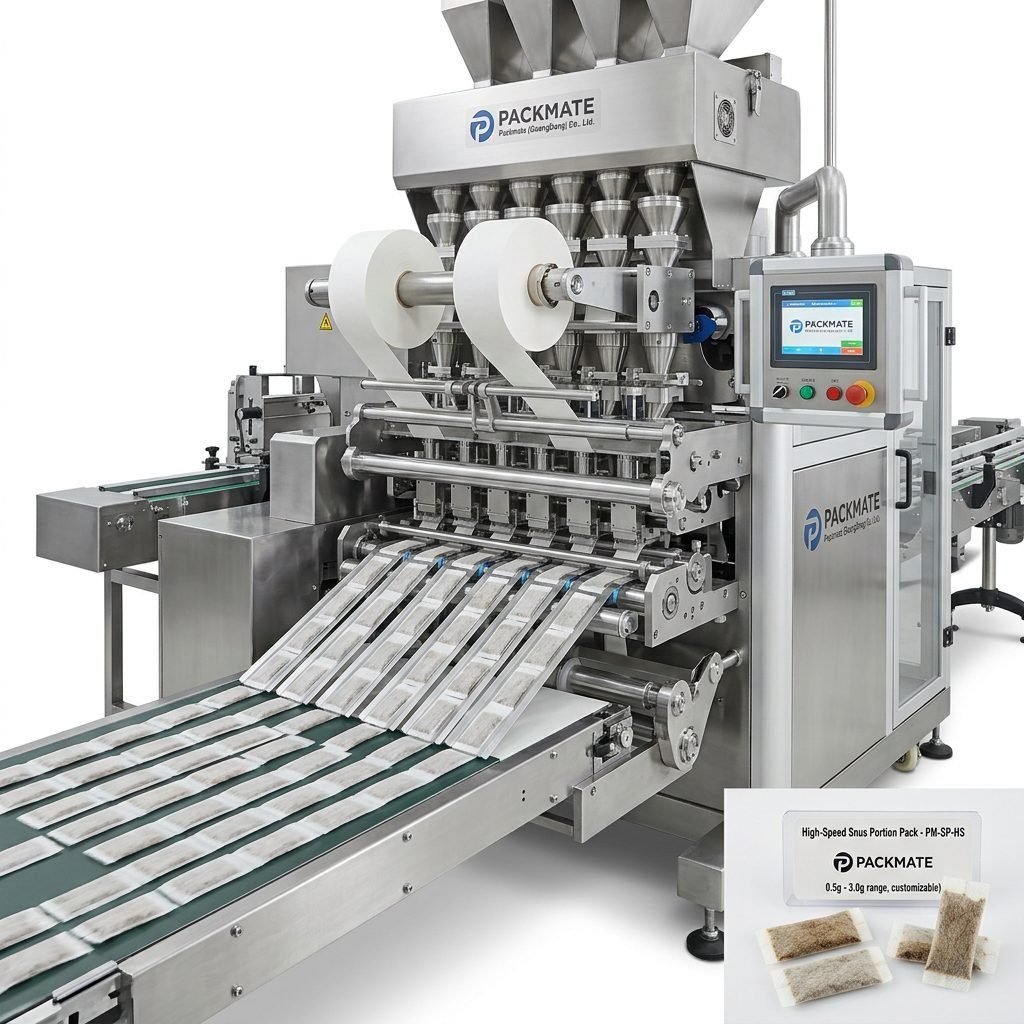
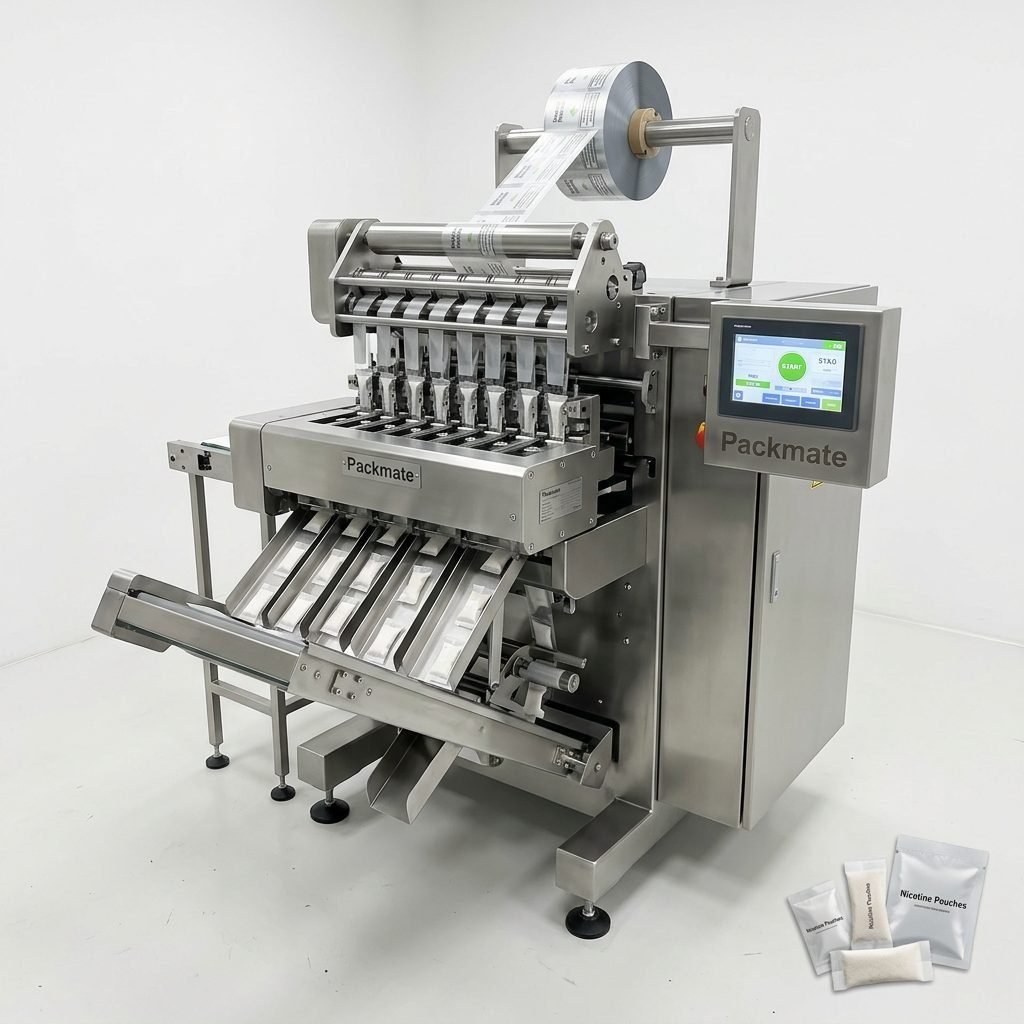
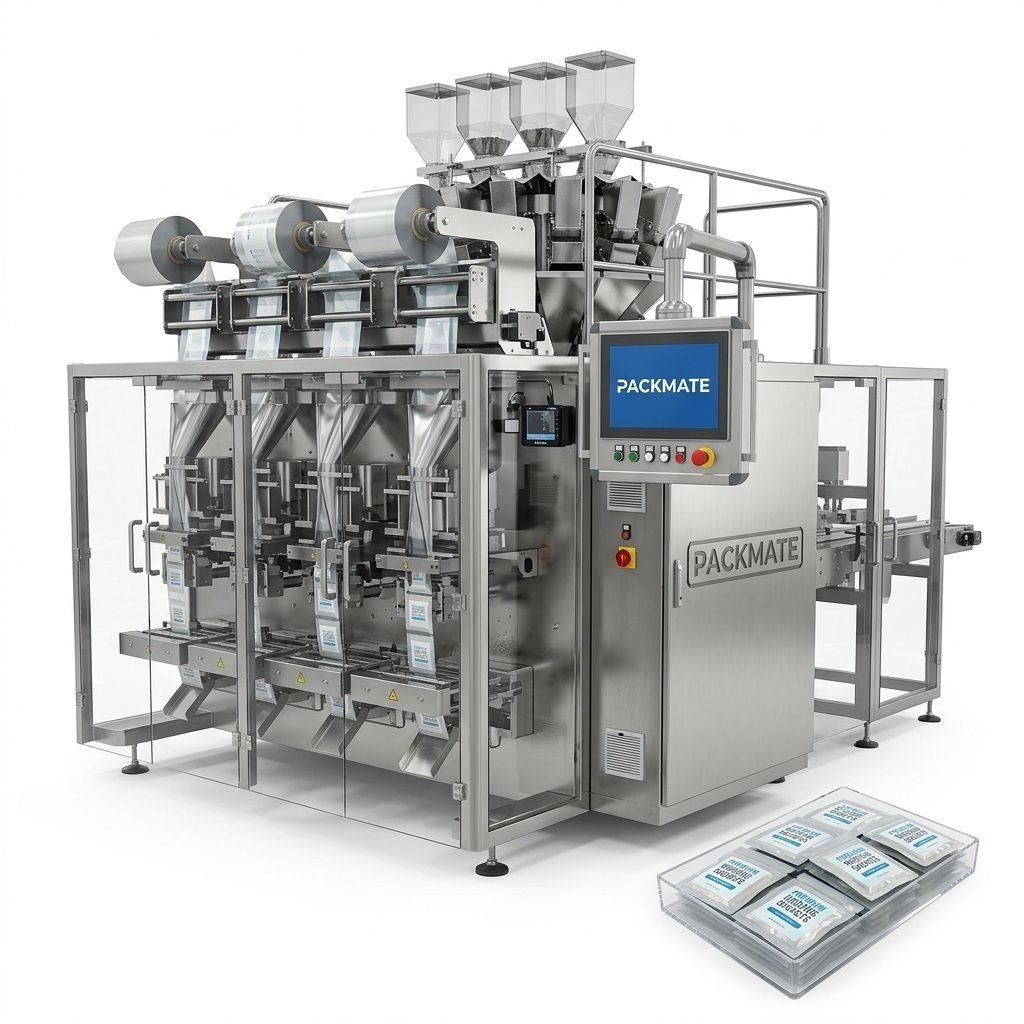
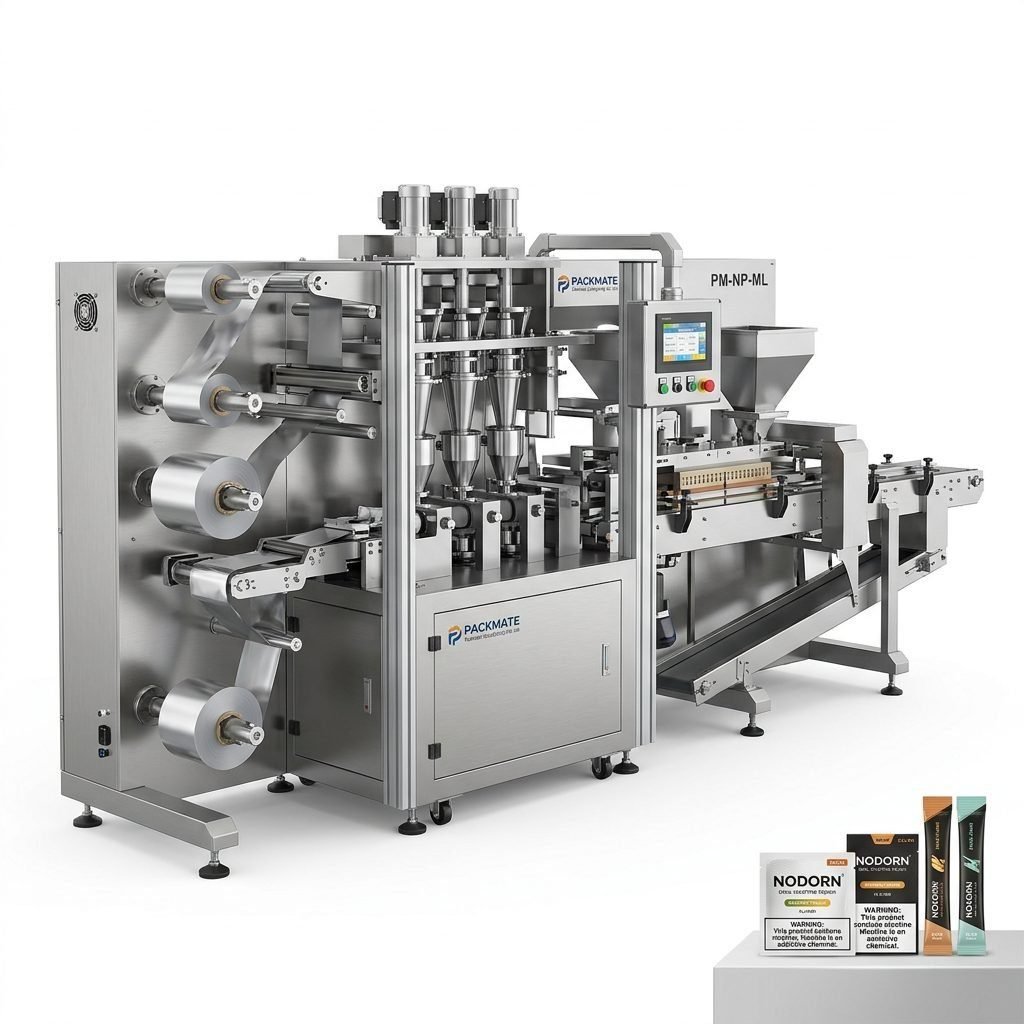
Choosing the right nicotine packaging machinery manufacturer in Angola is a critical decision for any business aiming to enter or expand within the snus and nicotine pouch market. The right partner will not only supply reliable equipment but also deliver tailored solutions, technical support, and long-term service that protect your production continuity and return on investment. This guide walks you through practical steps, evaluation criteria, and negotiation tips to ensure you select the best manufacturer for your needs.
Why the Manufacturer Choice Matters
Selecting a packaging machine supplier is more than buying a piece of equipment. Machines must meet regulatory standards, handle product specifics like pouch size and fill types, and integrate with upstream and downstream systems. A high-quality supplier ensures high uptime, predictable maintenance, and scalable solutions that match your growth. Look for partners that combine engineering depth with proven industry experience.
Quick Priority Checklist
✅ Experience: Minimum 5-10 years in snus or nicotine pouch equipment.
✅ Certifications: CE, ISO or equivalent regulatory compliance.
✅ After-sales: Local or regional support, spare parts availability.
✅ Turnkey Capacity: Ability to supply integrated production lines and custom solutions.
Evaluate Technical Experience & Certifications
Technical capacity is foundational. Prioritize manufacturers with a proven track record in snus, nicotine pouches, or small-dose multi-lane systems. Verify their certificates and adherence to international standards. Certifications such as CE and ISO indicate compliance with safety and quality systems—important for export markets and local regulatory acceptance.
What to ask about engineering capabilities
Ask about their R&D history, CNC machining centers, and quality inspection procedures. Confirm if they perform full production tests and offer factory acceptance testing (FAT). For example, manufacturers that provide complete testing reports and video demonstrations show higher transparency and confidence in machine performance.
Production Capacity & Customization Options
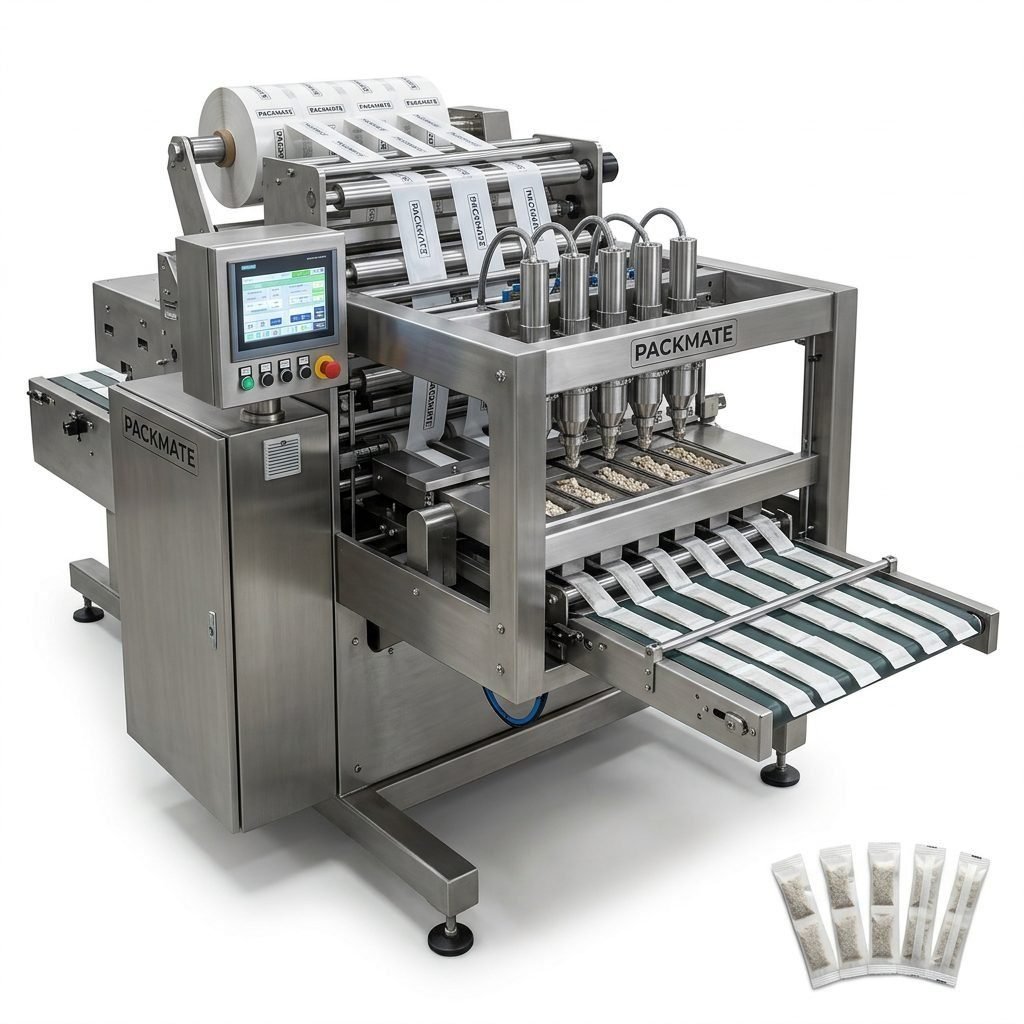
Your chosen supplier should match your capacity goals. Whether you need single-lane production for small batches or multi-lane systems for high throughput, verify the manufacturer’s model range. Look for flexible machines that can run different pouch types—snus pouches, sachets, stick packs, or other formats. Customization capabilities are essential when dealing with unique pouch sizes or special packaging materials.
Tip: Request examples of previous custom projects or model variants. Check references and photos (or video) of installed machines under production.
Machine Performance, Precision & Material Compatibility
Performance metrics to evaluate include cycle speed, accuracy, sealing quality, waste rates, and changeover time. For nicotine pouches, consistent dosing and accurate sealing are non-negotiable. Confirm material compatibility—your chosen film, laminates, foil, or mesh must be supported. Inquire about filling systems if handling powder, granules, or liquid additives.
Key technical specs to request
– Maximum cycles per minute and per lane
– Tolerances for dosing accuracy (e.g., ±X mg)
– Sealing temperature control range and consistency
– Waste and rejection handling systems
– PLC and HMI systems used (brands and remote support options)
After-sales Service, Spare Parts & Training
A strong after-sales program is essential. Confirm lead times for spare parts, warranty terms, and whether technicians can be dispatched to Angola. Remote support via video, PLC remote access, or mobile diagnostics reduces downtime. Ask whether the vendor provides operator training, maintenance manuals, and preventive maintenance plans.
🔧 Important: Clarify spare parts kits included with delivery and estimated parts lifetime for wear components such as sealing jaws, belts, and bearings.
Regulatory Compliance & Testing
Nicotine-related products are under tight regulatory scrutiny in many markets. Your packaging machinery must support labeling, batch coding, tamper evidence, and traceability. Check whether the manufacturer provides serialization modules, ink-jet or laser coders, and vision inspection systems for quality assurance.
Total Cost of Ownership (TCO) & ROI
Do not assess cost by purchase price alone. Calculate energy consumption, spare parts costs, downtime impact, and required training. A slightly higher upfront investment can pay off with lower waste, higher speeds, and fewer stoppages. Ask potential suppliers to prepare a TCO estimate and projected ROI based on your expected throughput.
Negotiation pointers
Negotiate package pricing for machines, spare parts kits, commissioning, and training. Seek a clear service level agreement (SLA) for response times and parts delivery. Consider phased payments tied to milestones like FAT, shipping, installation, and production acceptance.
Factory Visits, FAT & Installation
Whenever possible, conduct a factory visit or remote FAT. Factory acceptance tests showcase actual machine performance on your product or a close simulation. During installation, ensure the supplier provides commissioning, operator training, and initial production support to achieve target output and quality.
Case Studies & References
Ask for verifiable case studies, client references, and live project examples. Reliable manufacturers will present documented projects for nicotine pouch lines, multi-lane systems, and turnkey installations. Reviewing these cases helps you understand real-world machine performance and long-term support quality. See examples and project references at Case.
Product Range & Recommended Models
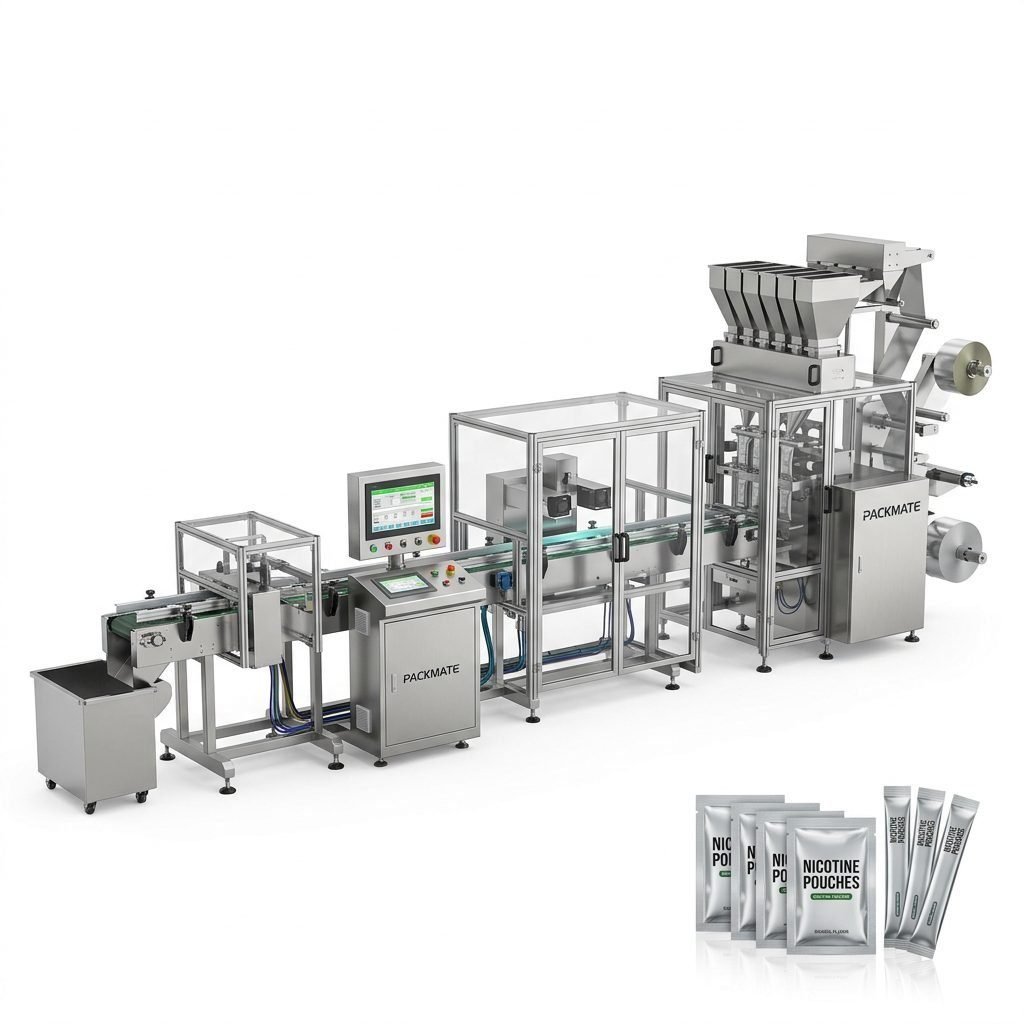
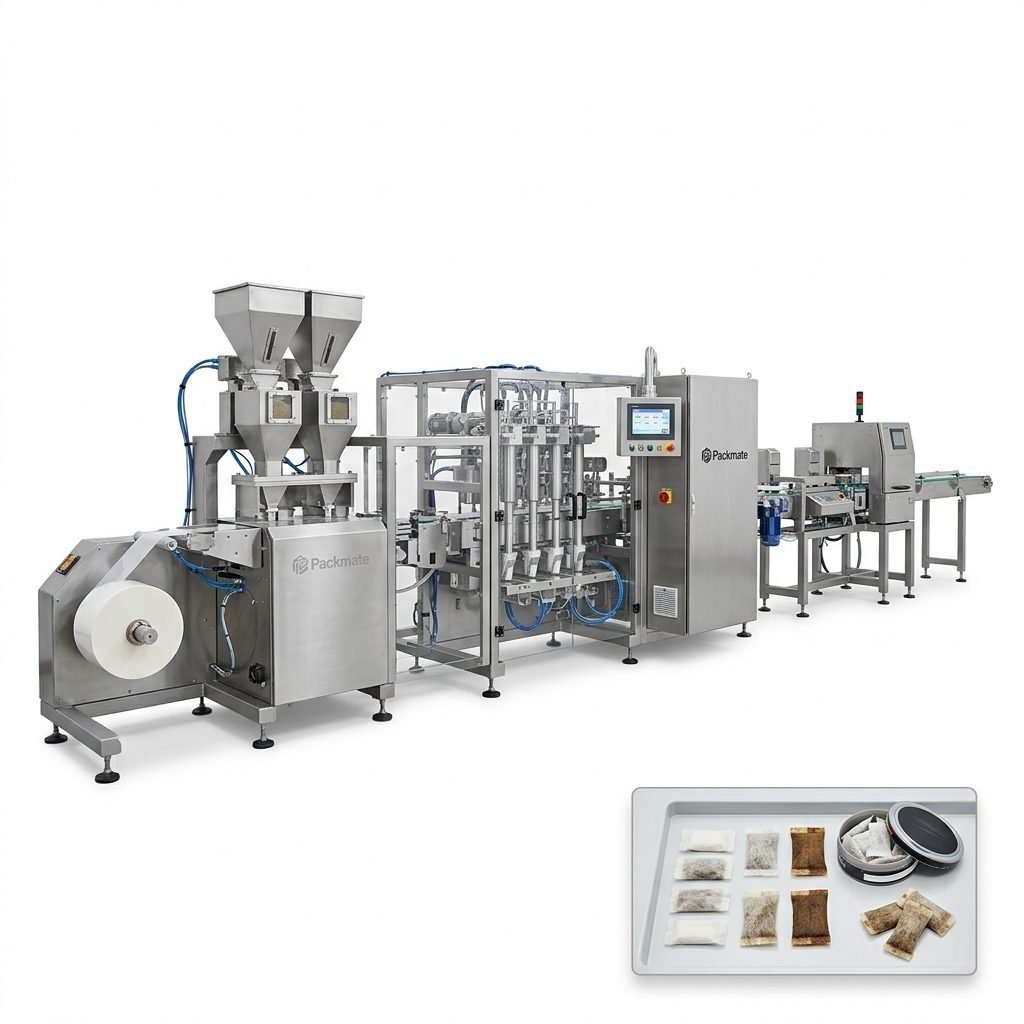
A comprehensive supplier will offer multiple machine categories. Look for specialized snus and nicotine pouch lines as well as related equipment to build a full production line:
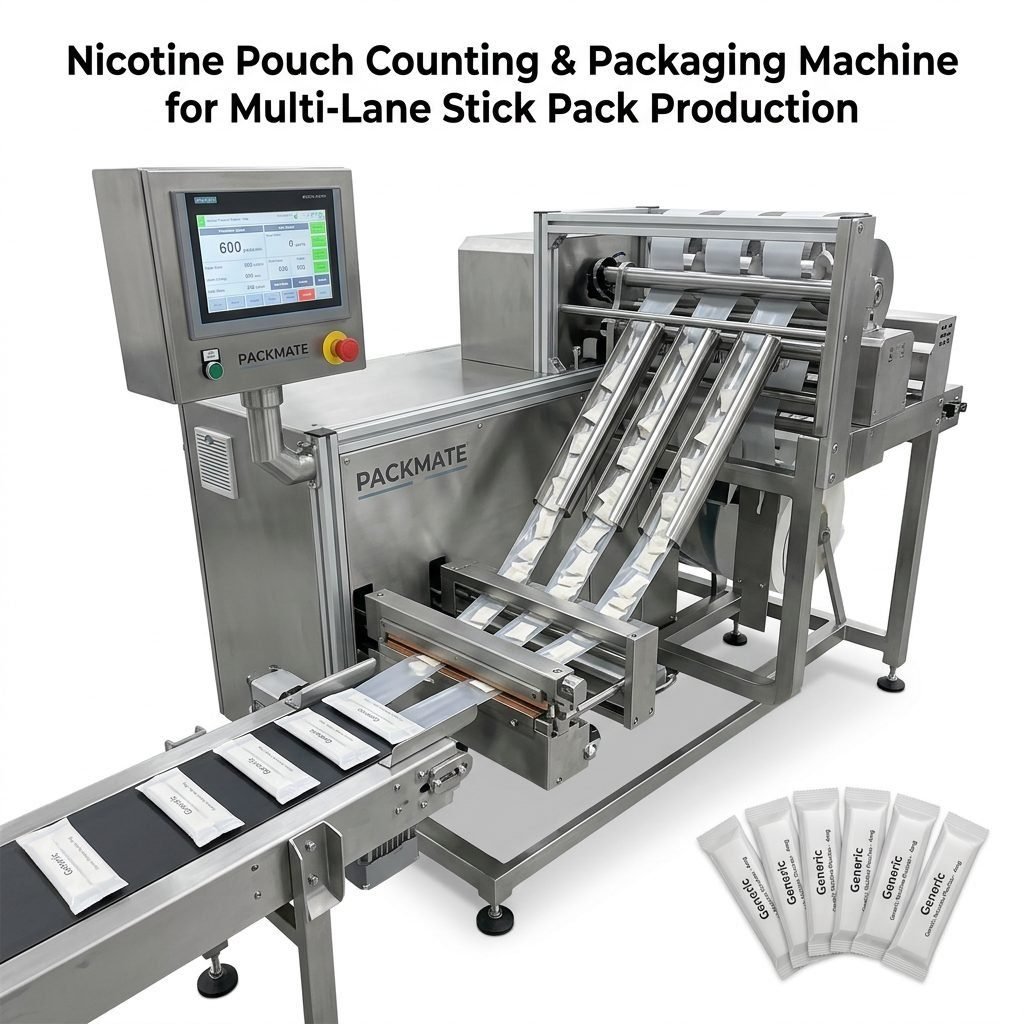
- Snus & Nicotine Packaging Machines — for pouch filling and sealing (product details).
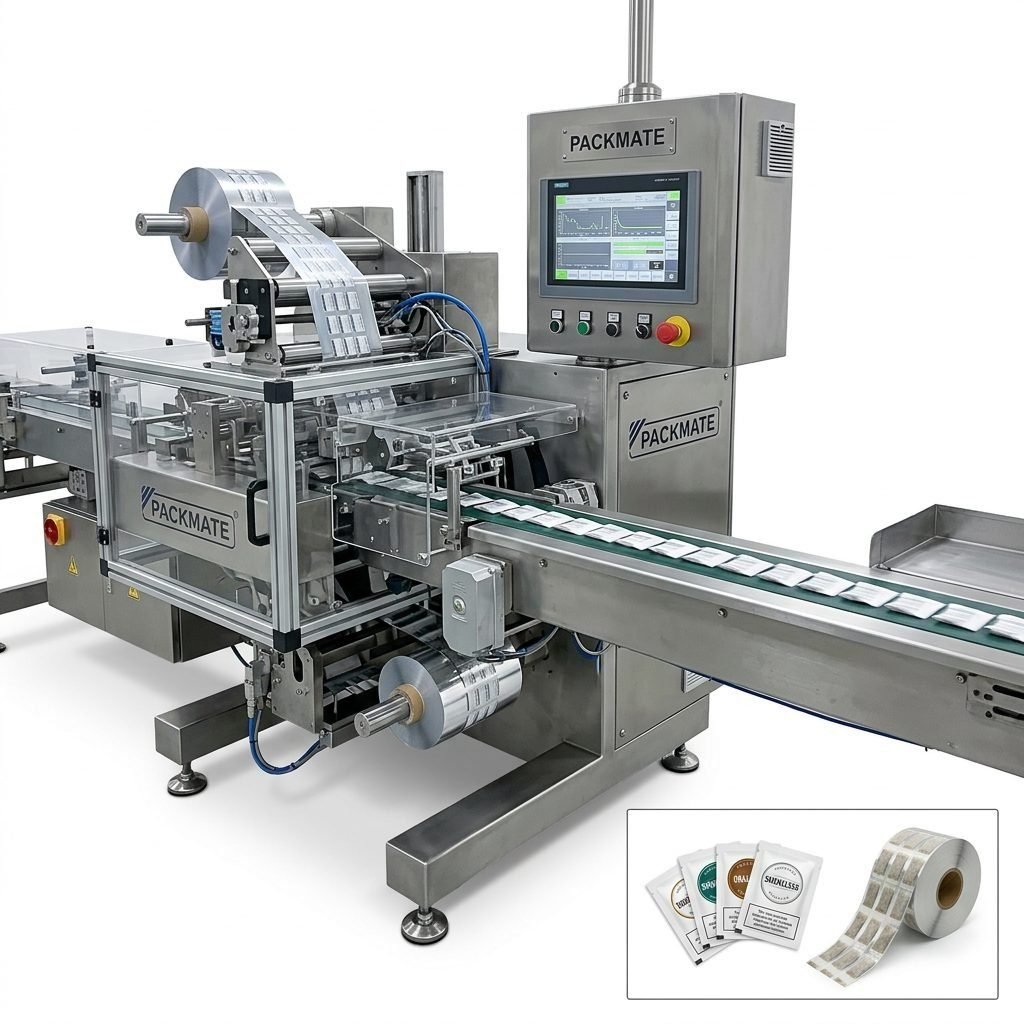
- Sachet & Stick Pack Machines — for single-dose formats and convenience packs (view models).
- Weighing, filling & auxiliary lines — for powders, granules, and liquids to create an integrated line (full lines).
Turnkey Solutions & Integration
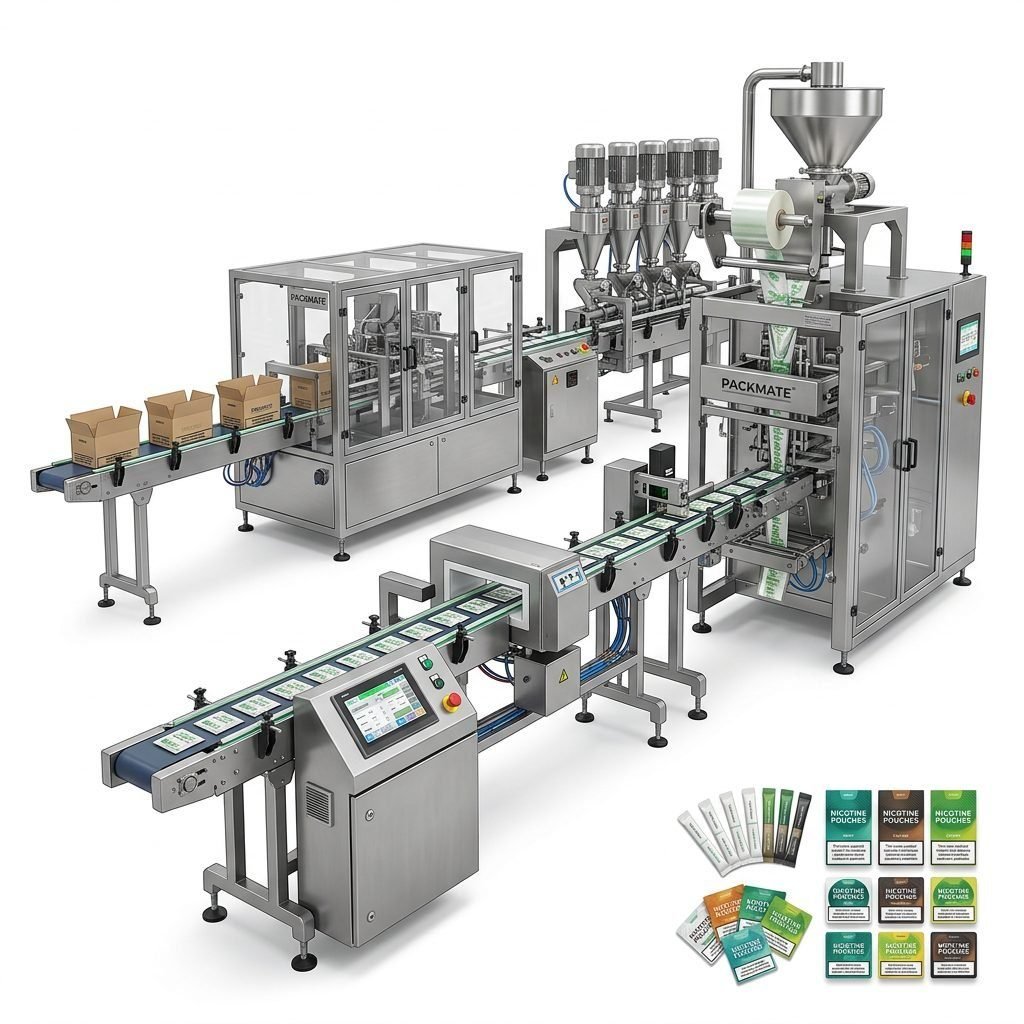
If you plan a new production site, turnkey solutions reduce complexity. A supplier offering turnkey engineering, including conveyors, metal detection, packaging, and secondary packing, simplifies project management. Confirm integration capabilities with existing plant control systems and ERP for traceability and reporting.
Local Considerations in Angola
Understand import rules, taxes, and local wiring and electrical standards. Verify shipping options and partner availability for installation in Angola. If a supplier has previous projects in Africa or specific experience exporting to Angola, it reduces logistic surprises and speeds up deployment.
📦 Logistics tip: Ask for DDP (Delivered Duty Paid) quotes and documented shipment timelines to avoid unexpected customs delays.
Communication, Documentation & Language
Clear communication reduces errors. Ensure documentation (manuals, wiring diagrams, part lists) is available in English or Portuguese as needed. Confirm who will be the day-to-day contact and how technical issues will be logged and resolved.
Making the Final Decision
Summarize proposals against your checklist: machine specs, uptime guarantees, spare parts, warranty, training, and price. Favor partners that provide transparent documentation, practical references, and clear post-sale commitments. If possible, run a small pilot order to validate performance on your product before committing to multiple machines.
Where to get started
Start by reviewing detailed product lines and contacting manufacturers for tailored quotes. You can explore comprehensive packaging categories and machine details like snus and nicotine pouch systems, sachet and stick pack machines, and full filling lines on the manufacturer’s site: see About Packmate and product pages for deeper information.
Summary & Final Checklist
Before signing a purchase agreement, ensure you have:
- Detailed machine specifications and FAT plan.
- Clear warranty and SLA terms.
- Spare parts list and lead times.
- Training and commissioning schedule.
- References and case studies (ask for onsite contacts).
Contact & Next Steps
Reach out to reputable manufacturers with a clear request for proposal (RFP). Include expected annual volumes, product specifications, preferred pouch types, and any regulatory constraints. For manufacturer details, product catalogs, and direct contact options, review product categories and contact pages such as Snus & Nicotine Packaging Machines, Sachet & Stick Pack Machines, and the Contact Us page for direct inquiries.
常见问题 (FAQs)
Q1: How long does it take to receive a custom snus packaging line?
A: Delivery times vary by complexity. Standard single machines may take 8–16 weeks; custom multi-lane turnkey lines typically require 16–32 weeks including design, FAT, and shipping.
Q2: What warranty and spare part arrangements should I expect?
A: Most reputable manufacturers offer a 12-month warranty on new equipment and provide spare parts packages. Confirm parts lead times and consider stocking critical wear parts locally.
Q3: Can machines be tested with our product before shipment?
A: Yes. Ask for a Factory Acceptance Test (FAT) where your product or a close simulation is run. Request video documentation and performance data.
Q4: Are installations and operator trainings included?
A: Many suppliers include commissioning and initial training; confirm scope, duration, and any travel costs. Remote training and support are often available as an adjunct.
Q5: How do I ensure compliance with local Angolan regulations?
A: Work with manufacturers who can provide compliance documentation, machine safety certifications, and guidance on labeling and traceability. Engage local consultants or regulatory advisors if necessary.