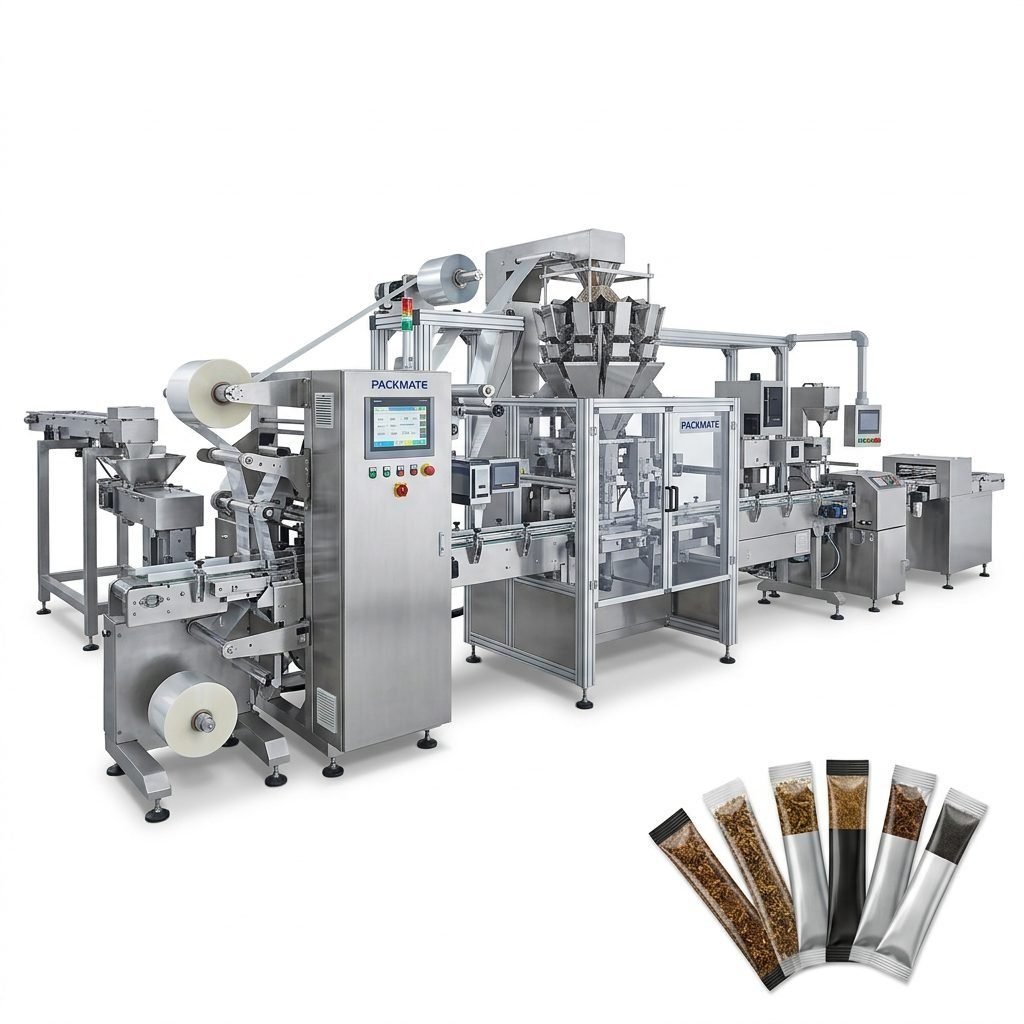
Choosing the right nicotine packaging machine supplier in The Gambia is more than a procurement decision — it’s a strategic step that affects production reliability, product quality, compliance, and supply continuity in a market with specific logistical and cultural dynamics. This guide walks you through practical buyer criteria, local considerations for Gambian customers, and a clear checklist to make a confident selection.
Why supplier selection matters in The Gambia 📦
The Gambia’s market environment presents both opportunities and constraints. Import logistics, variable climate (hot, humid coastal zones), and a small but growing interest in alternative nicotine products mean buyers must prioritize machine resilience, after-sales support, and local adaptability. A dependable supplier reduces downtime and helps maintain compliance with local regulations.
Tip: Look for suppliers who understand tropical climate challenges — corrosion resistant components and robust sealing systems are essential where humidity and heat are common.
1. Verify supplier credibility and track record ✅
A credible supplier demonstrates years of engineering experience, a stable factory footprint, and references from international customers. Check certifications (CE, ISO) and ask for production photos, factory tour videos, or case studies. For instance, a manufacturer with 30+ years of experience and a 20,000㎡ facility signals maturity and production capacity.
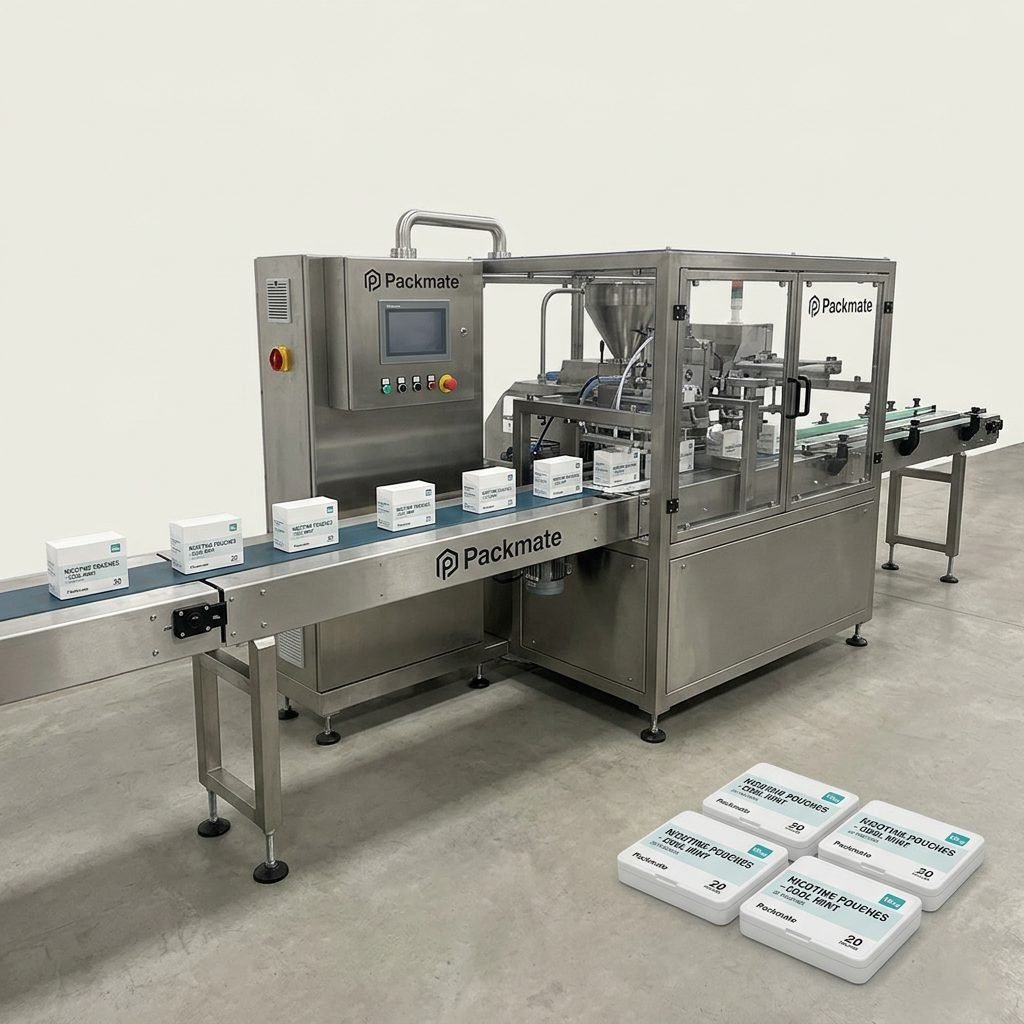
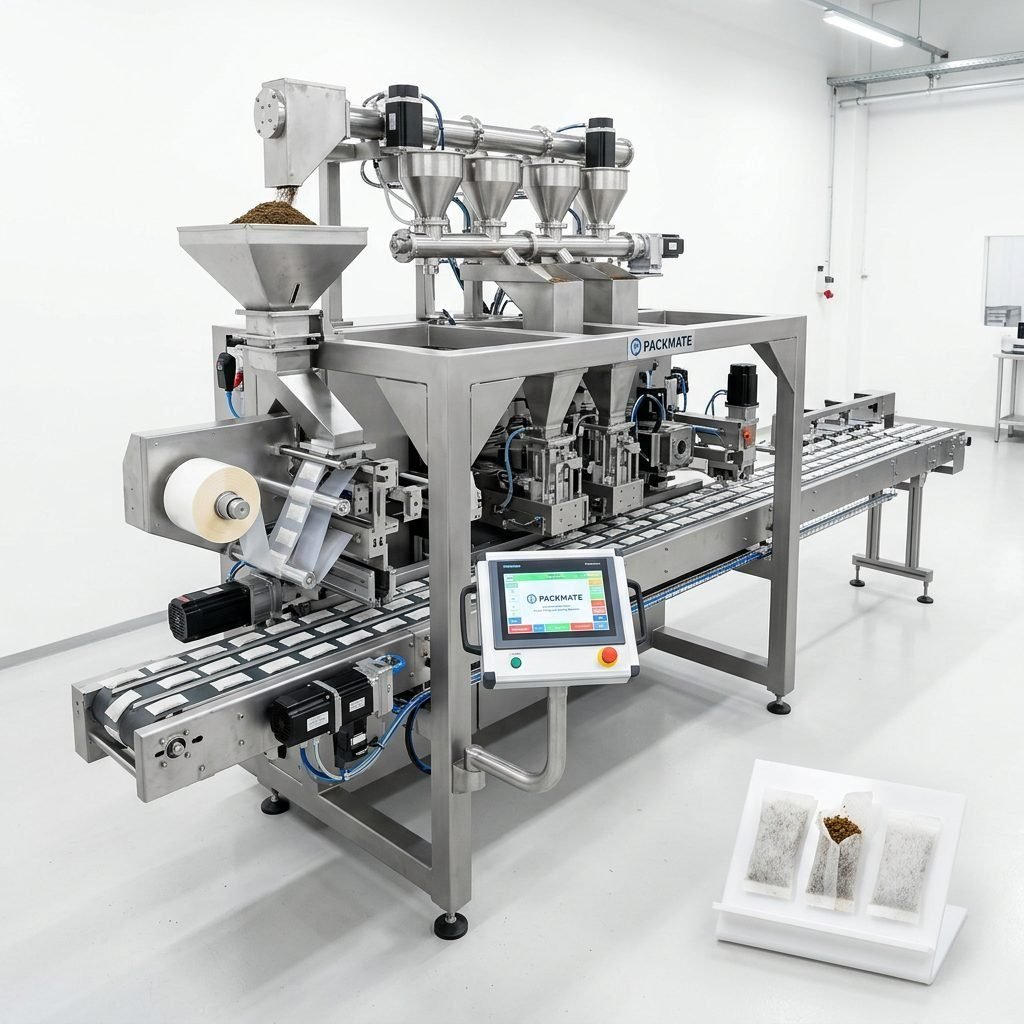
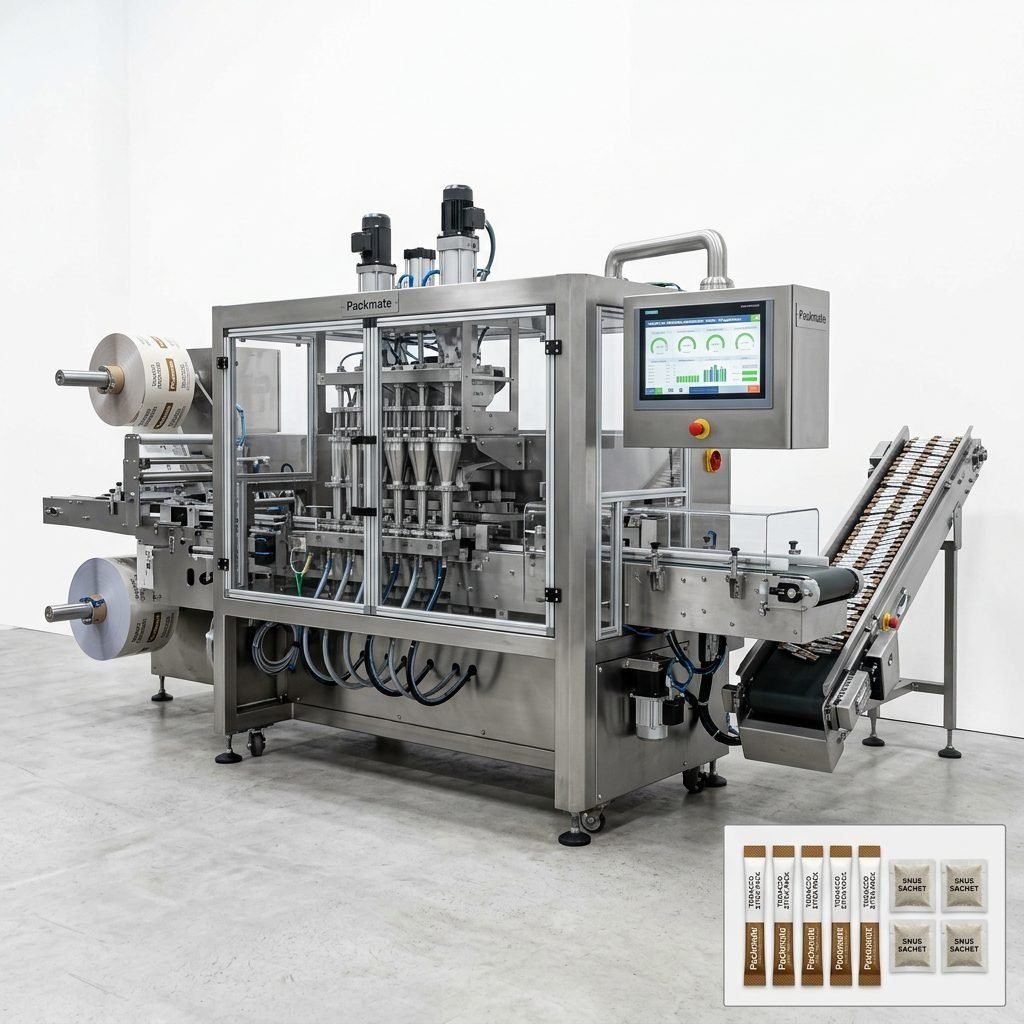
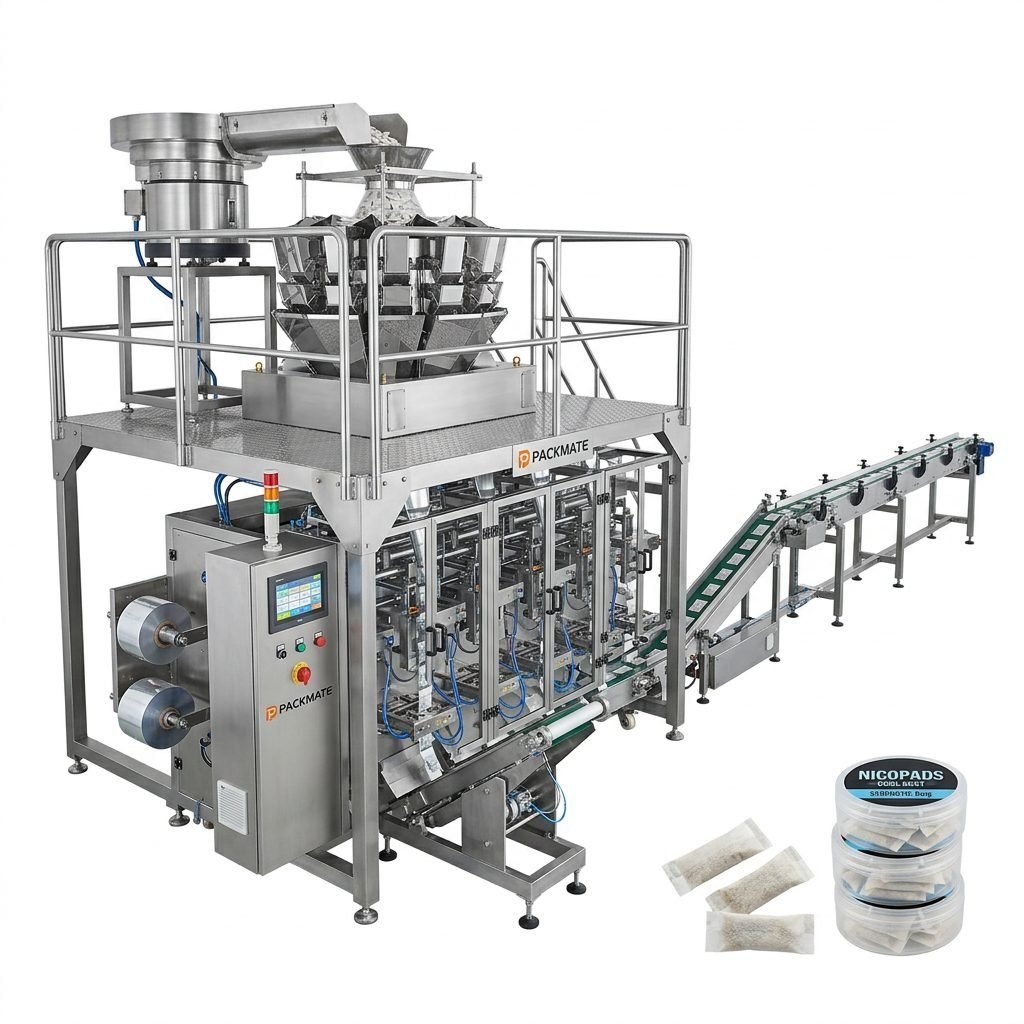
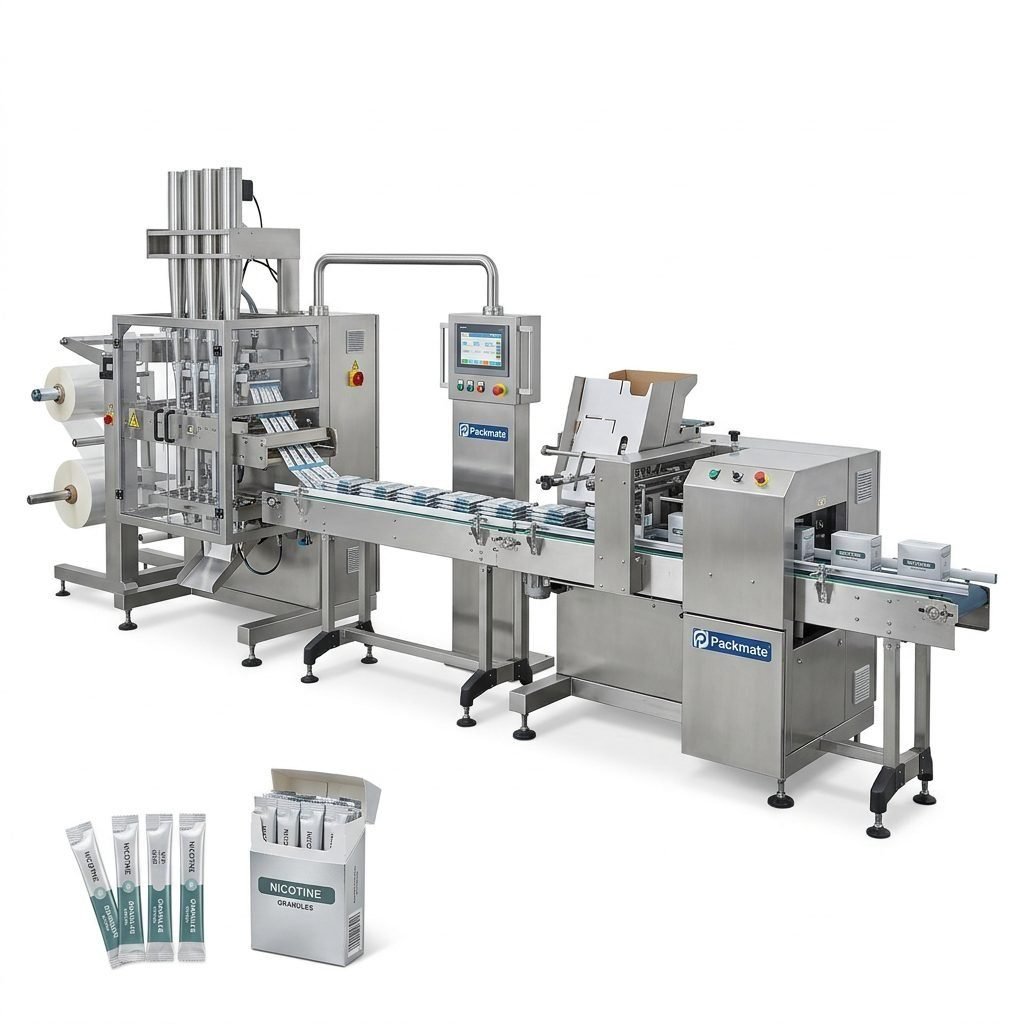
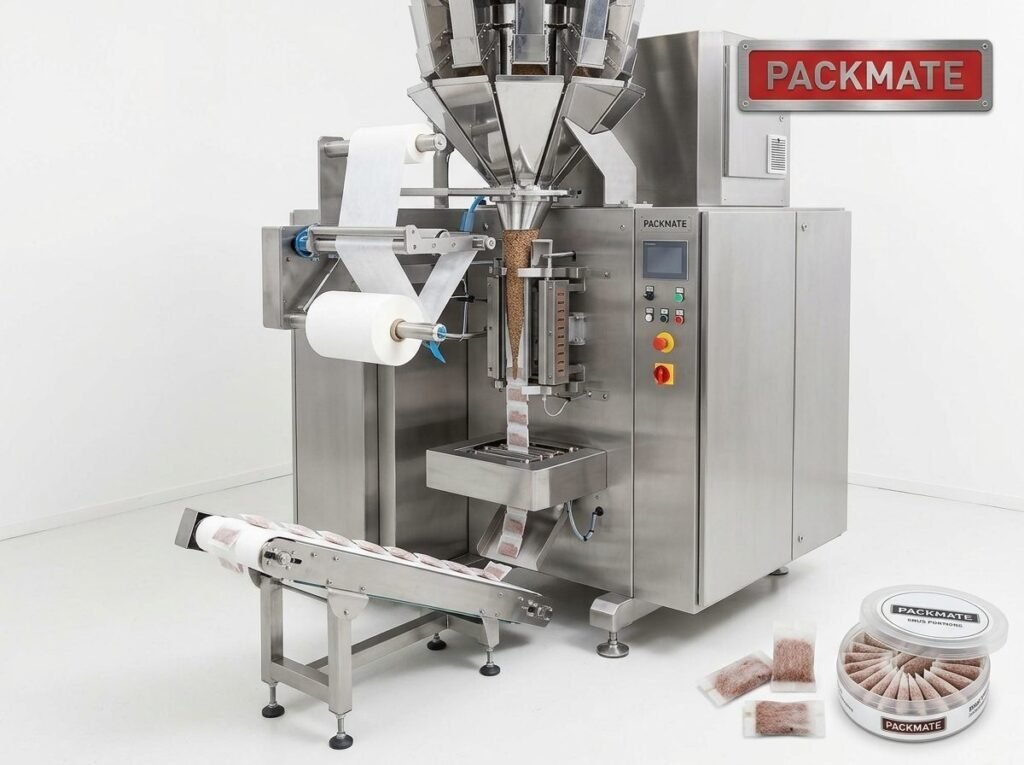
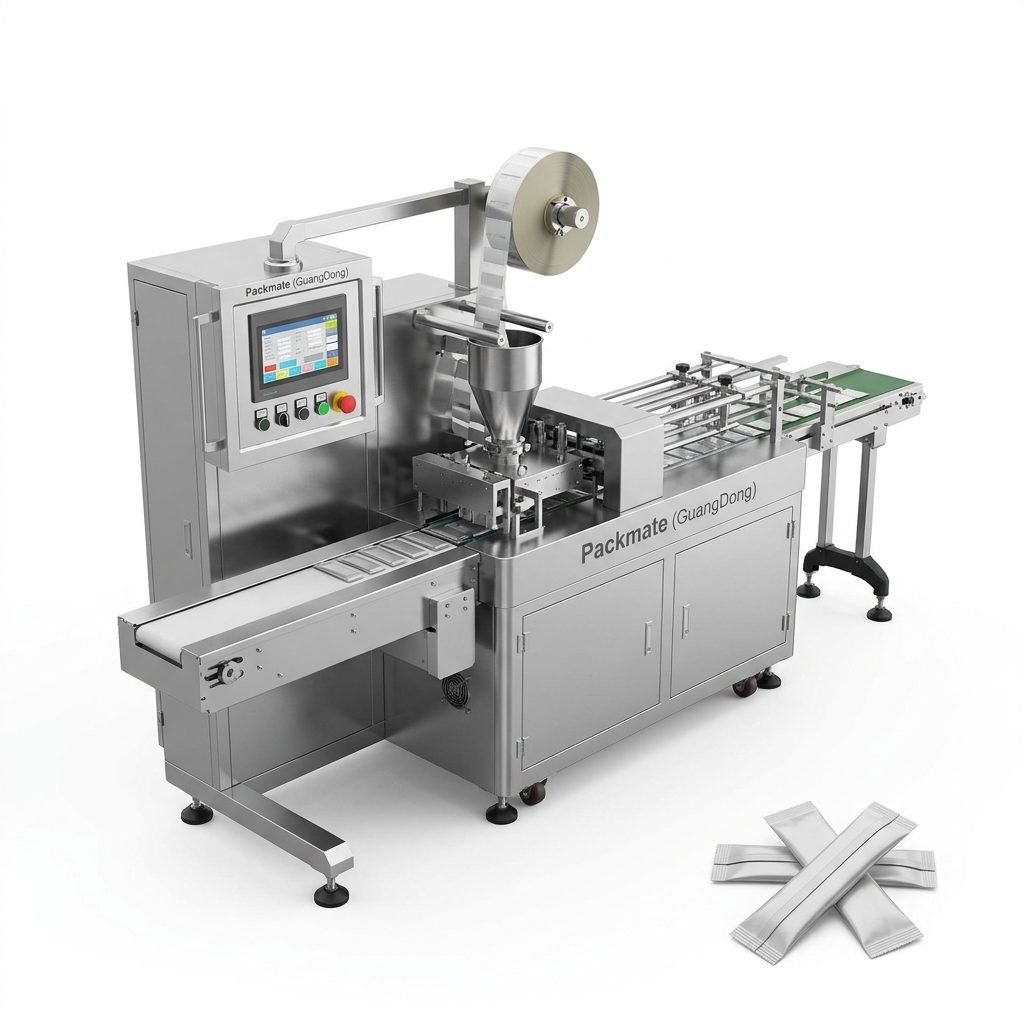
Explore machine categories and product pages to verify fit: Snus & Nicotine Packaging Machines, Bag & Pouch Packaging Machines, and Sachet & Stick Pack Machines are typical candidate product lines to review.
What to request from the supplier
- Factory profile, production capacity, and equipment photos
- CE/ISO certificates and quality inspection reports
- Customer references or a list of exported projects
- Detailed technical specifications and machine footprints
2. Performance, speed and multi-lane options ⚙️
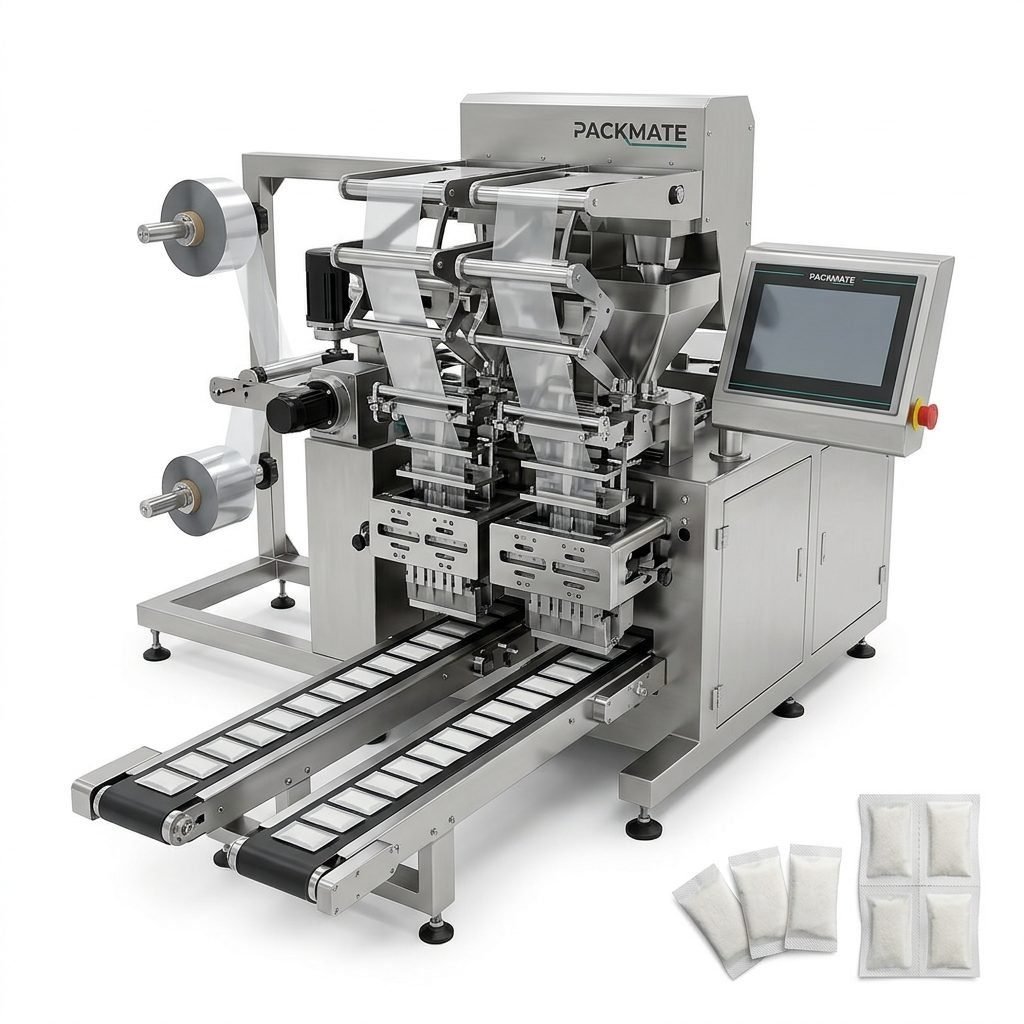
Evaluate the machine’s throughput, accuracy, and flexibility. For snus and nicotine pouches, multi-lane systems can dramatically increase output while keeping floor space efficient. Confirm that the machine supports the pouch types you need — stick pack, sachet, or multi-lane pouches — and that changeovers are straightforward.
Key metrics to compare: cycle rate (pouches per minute), dosing accuracy, film roll capacity, servo drive specifications, and machine uptime expectations under continuous operation.
3. Customization, tooling and recipe memory 🔧
Suppliers that offer customization for pouch shapes, materials, and filling types add long-term value. Ask about quick-change tooling, recipe storage in the control system, and the ability to handle different product viscosities or particle sizes. These features reduce downtime when switching SKUs.
Local note: Gambian businesses often favor suppliers who can adjust machine layouts for small to medium batches and support local branding requirements like multilingual packaging and regulatory labelling in English.
4. After-sales support, spare parts and training 📞
Fast access to spare parts and remote troubleshooting is critical. Ask the supplier for spare parts lists, lead times, and whether they keep commonly replaced items in stock for export. Training for operators and technicians — both onsite and via video — reduces the risk of operator error and prolonged downtime.
Prefer suppliers who provide: modular spare part kits, clear maintenance schedules, and a remote support portal or team. Also check if the supplier runs local workshops or attends regional exhibitions where demonstrations and training might be available.
5. Compliance, documentation and certifications 🛡️
Ensure all electrical and mechanical systems meet recognized international standards. Documentation should include CE and ISO certificates, operation manuals, electrical schematics, and calibration records. This supports customs clearance in The Gambia and ensures machines meet import requirements.
If you plan to export finished products later, verify that the packaging process and materials conform to target market regulations as well.
6. Total cost of ownership (TCO) and financing options 💰
Price is important, but focus on TCO: purchase price, installation, training, spare parts, energy consumption, and expected service intervals. Ask about warranty terms, extended service contracts, and any financing or leasing options that can ease capital expenditure.
Financial tip: compare energy efficiency and potential yield loss during changeovers — small differences in efficiency add up over thousands of production hours.
7. Logistics, installation and local adaptation for The Gambia 🚚
Understand shipping options, customs clearance, and on-site installation support. The Gambia’s ports and road networks require careful coordination for machine crating, local transport, and offloading. Confirm if the supplier offers installation supervision and commissioning in-country.
Also verify the machine’s power and air requirements against local utilities; in some Gambian facilities voltage stabilizers or dedicated compressors may be necessary.
8. Demonstrations, acceptance testing and FAT/SAT ✅
Factory Acceptance Tests (FAT) are essential. Request video or live FAT where the supplier runs your specific product recipe. After installation, a Site Acceptance Test (SAT) confirms performance in your environment. These tests protect you from unexpected performance gaps.
What to include in acceptance criteria
- Throughput at target pouch weight and format
- Sealing integrity under local humidity conditions
- Consistency of dosing and weight tolerance
- Operator training completion and SOP handover
9. References, case studies and field validation 📑
Ask for relevant case studies or customer contacts in similar climates or industries. Suppliers with global projects demonstrate adaptability. For example, review supplier case pages and product lines like Snus & Nicotine Packaging Machines and Case studies to see comparable implementations.
If possible, arrange calls with existing customers to discuss reliability, back-up part availability, and support responsiveness.
10. Visiting the factory and factory tour checklist 🏭
A factory visit verifies manufacturing standards. If travel is impractical, request a guided virtual tour. Observe machining centers, assembly lines, testing benches, and quality control procedures. Confirm whether the supplier uses advanced CNC machining and precision assembly for consistent build quality.
Factory tour checklist: CNC center, assembly area, test run room, spare parts warehouse, and final QA station.
Bringing it together: The final buyer’s checklist ✔️
Before you sign, verify these items:
- Supplier credibility: factory size, years of experience, and certifications
- Machine specifications: throughput, accuracy, and multi-lane capability
- Customization: tooling, recipe memory, and format flexibility
- After-sales: spare parts, local service options, and training
- Logistics: shipping, customs documentation, and on-site installation
- Acceptance testing: FAT and SAT with your product recipes
- TCO and warranty: energy use, spare parts pricing, and support SLA
Local cultural and market notes for Gambian buyers 🌍
The Gambia is English-speaking at the official level and has strong community networks. Business relationships and trust are important. Provide clear documentation in English, and consider local marketing preferences such as discreet, compact packaging formats and clear labeling. Understand local waste management practices and ensure packaging materials are acceptable for downstream disposal or recycling channels.
Suppliers experienced with export to Africa can help navigate customs duties, inspections, and inland logistics — an important advantage for Gambian buyers who may face longer lead times for parts and specialized services.
Where to start: trusted resources and next steps ➜
Start by shortlisting 3–4 suppliers and request:
- Formal quotations with delivery and warranty timelines
- FAT video demonstrations using your product
- Spare parts kits and long-term service agreements
- References and case studies (regional or climate-similar installations)
For more detailed product specifications and examples of snus packaging lines, visit supplier product pages such as Snus & Nicotine Packaging Machines or review project examples on the Case page.
If you need to learn more about the supplier’s history, manufacturing strength, and certifications, check the About Packmate and Certificate pages for detailed information.
Summary checklist before purchase (quick scan) 📝
Quick scan:
- Valid certifications and factory verification
- FAT proof with your product
- Spare parts & service plan
- Local installation & training commitments
- Clear warranty and TCO analysis
Frequently Asked Questions (3–5 common questions)
Q1: How long does delivery and installation usually take to The Gambia?
A1: Typical lead times vary by model and customization level. Standard machines may ship in 8–12 weeks after order confirmation; full turnkey lines with customization may require 12–20 weeks. Allow additional time for sea freight, customs clearance, and local installation. Confirm timelines in writing with milestone-based delivery terms.
Q2: What level of local support can Gambian customers expect?
A2: Support depends on the supplier’s global network. Many suppliers offer remote diagnostics, parts shipments, and periodic field service. Ask about authorized service partners in West Africa or the nearest regional service hub. Some manufacturers also provide extended training for local technicians to minimize downtime.
Q3: Are machines customizable for different pouch materials and designs?
A3: Yes. Modern snus and pouch machines support a range of films and pouch formats. Confirm tooling availability, sealing temperature ranges, and recipe memory capabilities. If you require special printing or lamination processes, ensure the supplier can integrate upstream/downstream equipment.
Q4: Where can I view product specifications and request a quote?
A4: Visit product pages such as Sachet & Stick Pack Machines, or contact the supplier directly via their Contact Us page to request quotes, FAT scheduling, and spare parts lists.
Q5: What documentation should I prepare for customs and import?
A5: Typical documentation includes commercial invoice, packing list, certificate of origin, CE/ISO certificates, and any inspection certificates. Confirm with your freight forwarder and the supplier to ensure all required paperwork is provided to avoid clearance delays.
Ready to take the next step? Reach out to suppliers for tailored quotes, FAT demonstrations with your formulations, and a clear installation plan to ensure a smooth start to production in The Gambia.