Choosing the right nicotine packaging machinery manufacturer for your Luxembourg production line is a strategic decision that influences product quality, regulatory compliance, throughput and long-term profitability. This guide walks through practical evaluation criteria, key technical specifications for snus and nicotine pouch machines, and an actionable checklist to help you select a partner that delivers reliable machines, strong service and a measurable return on investment.
Understand Your Production Requirements
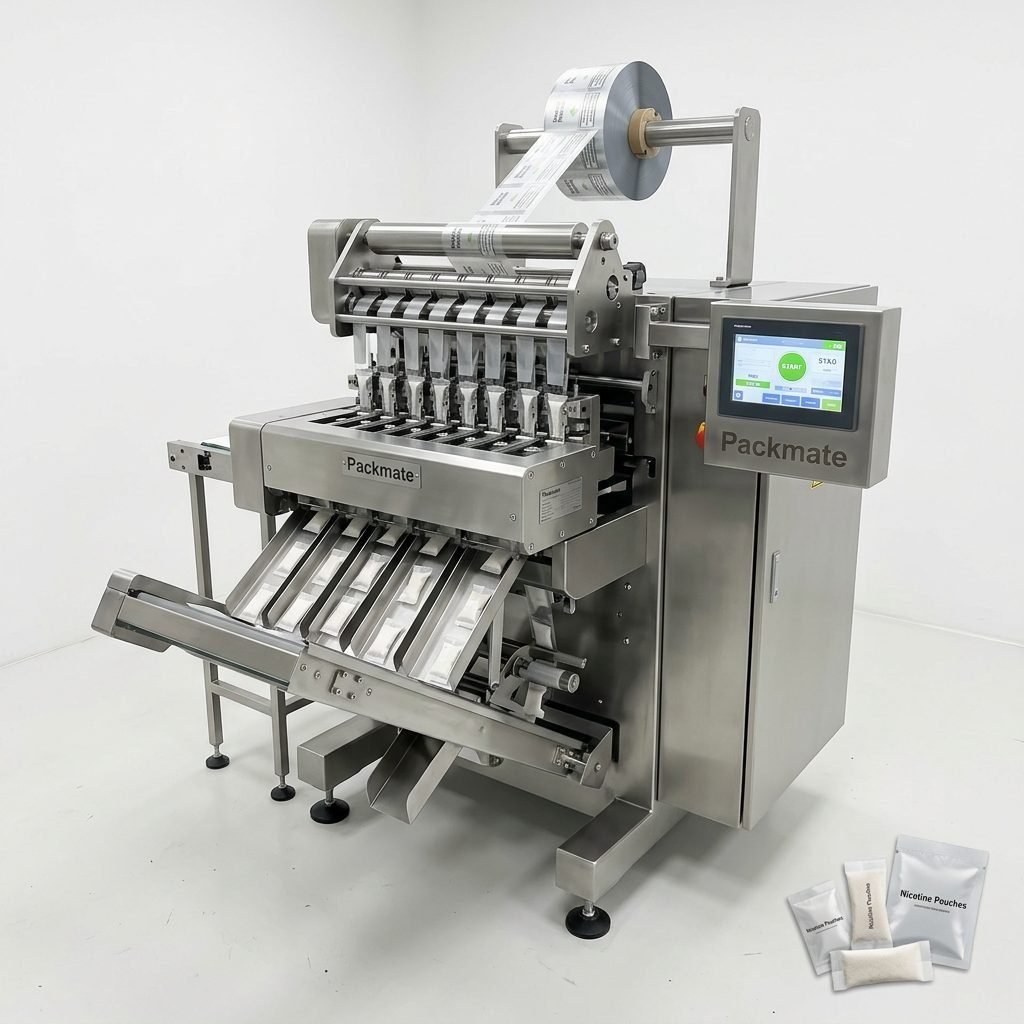
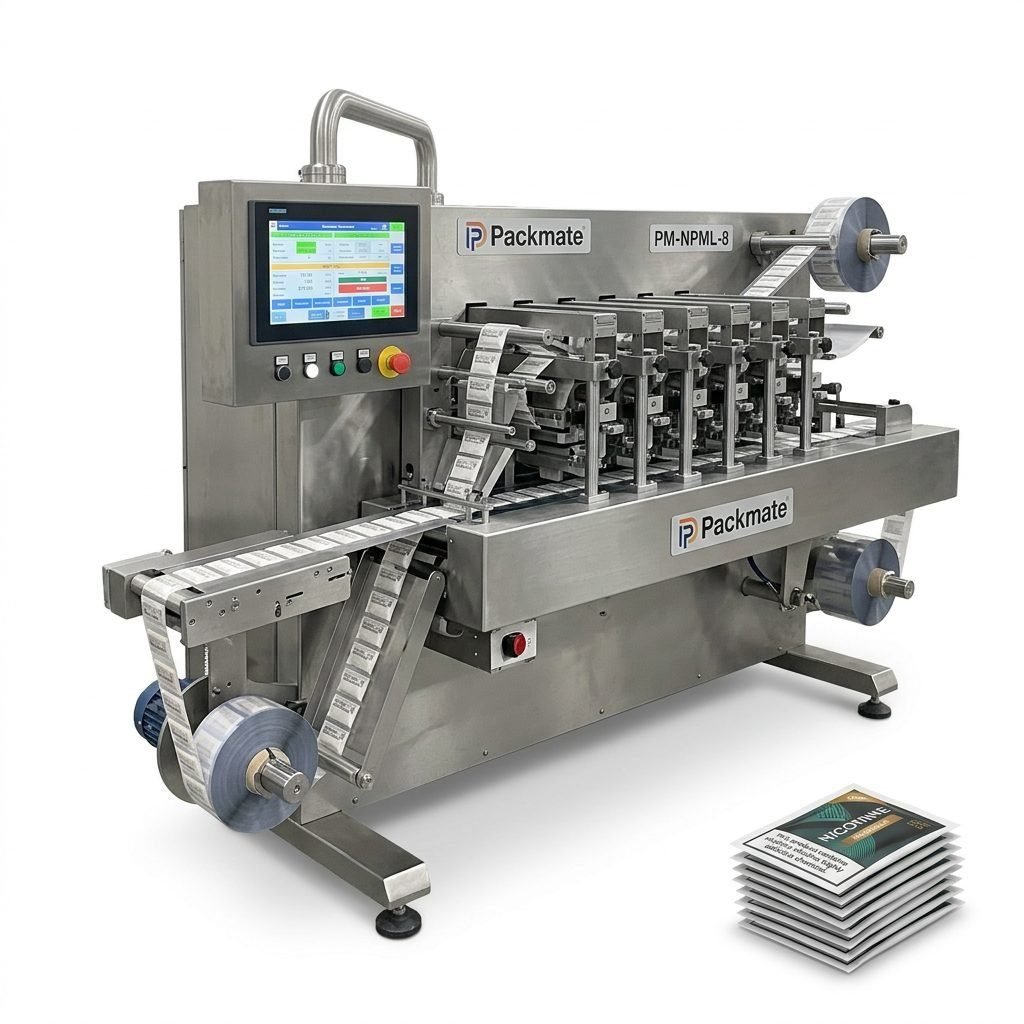
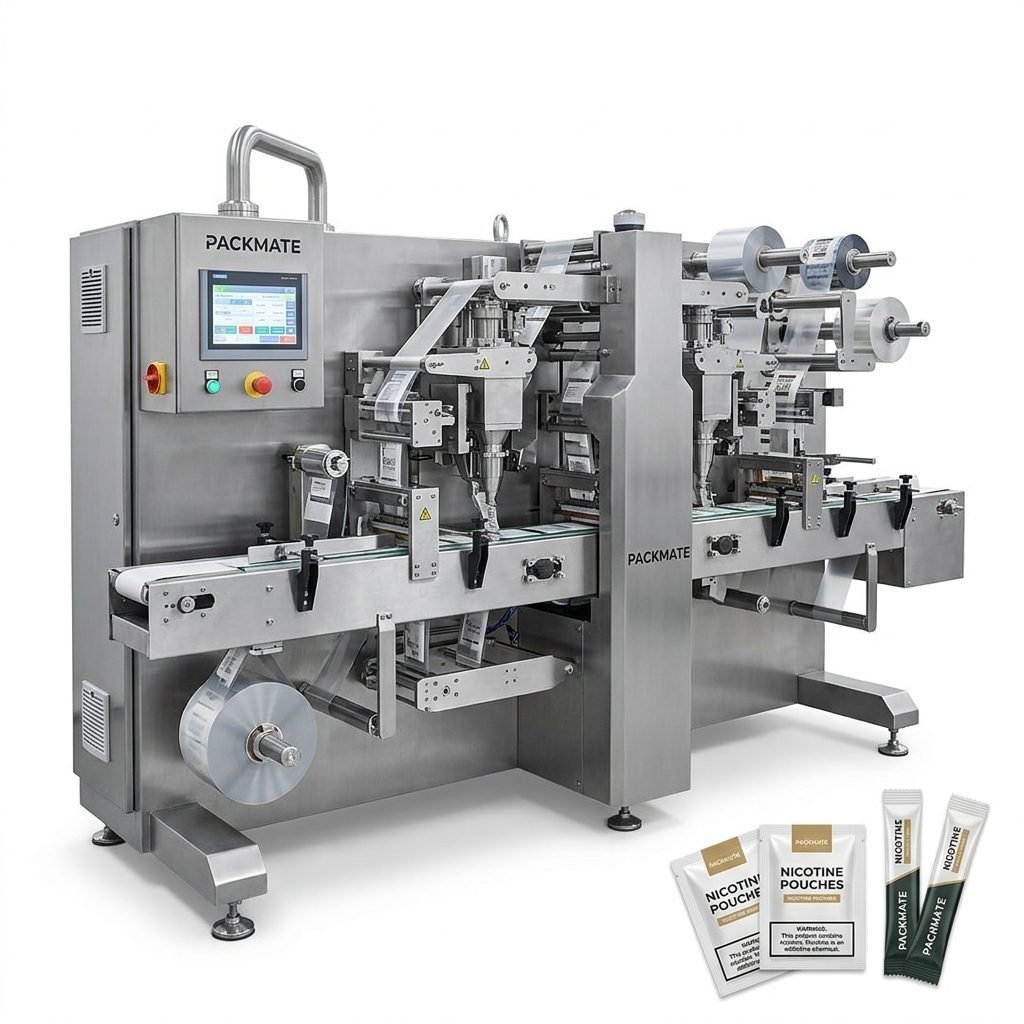
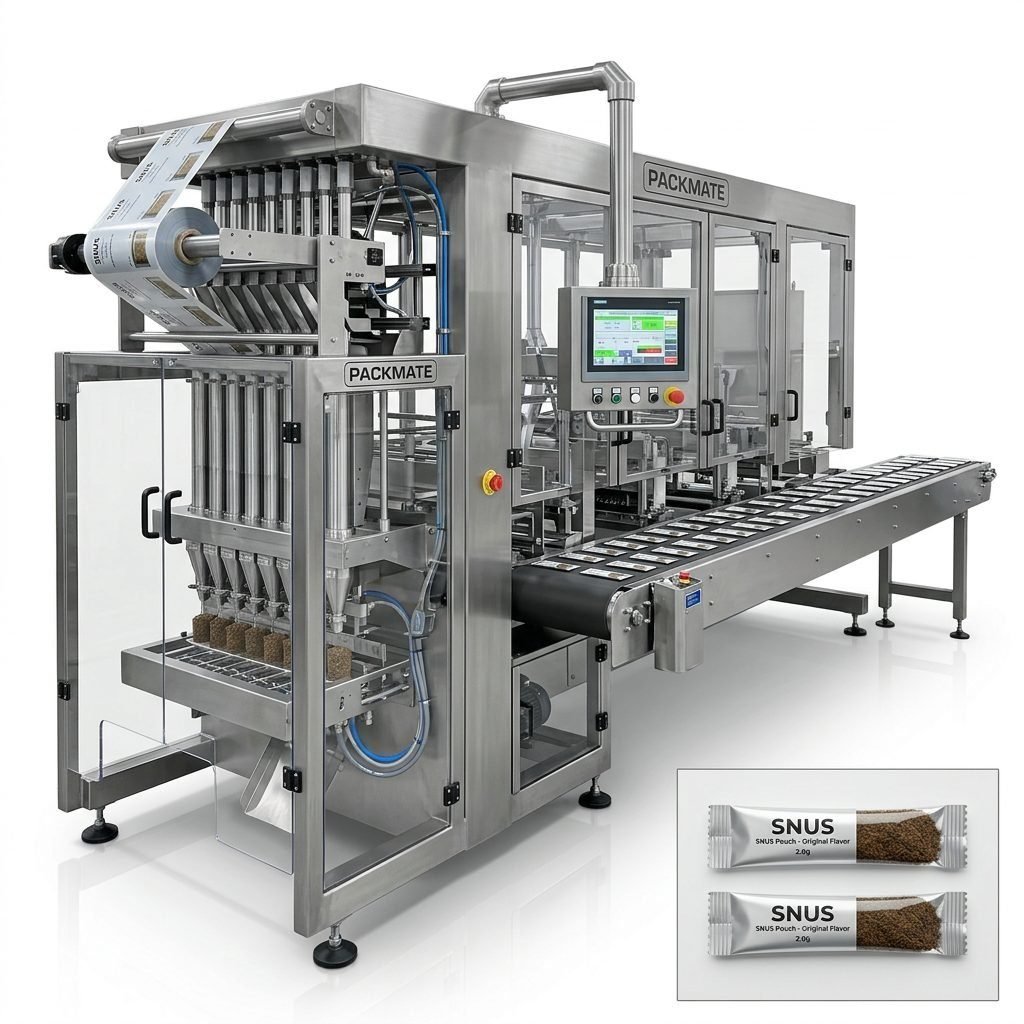
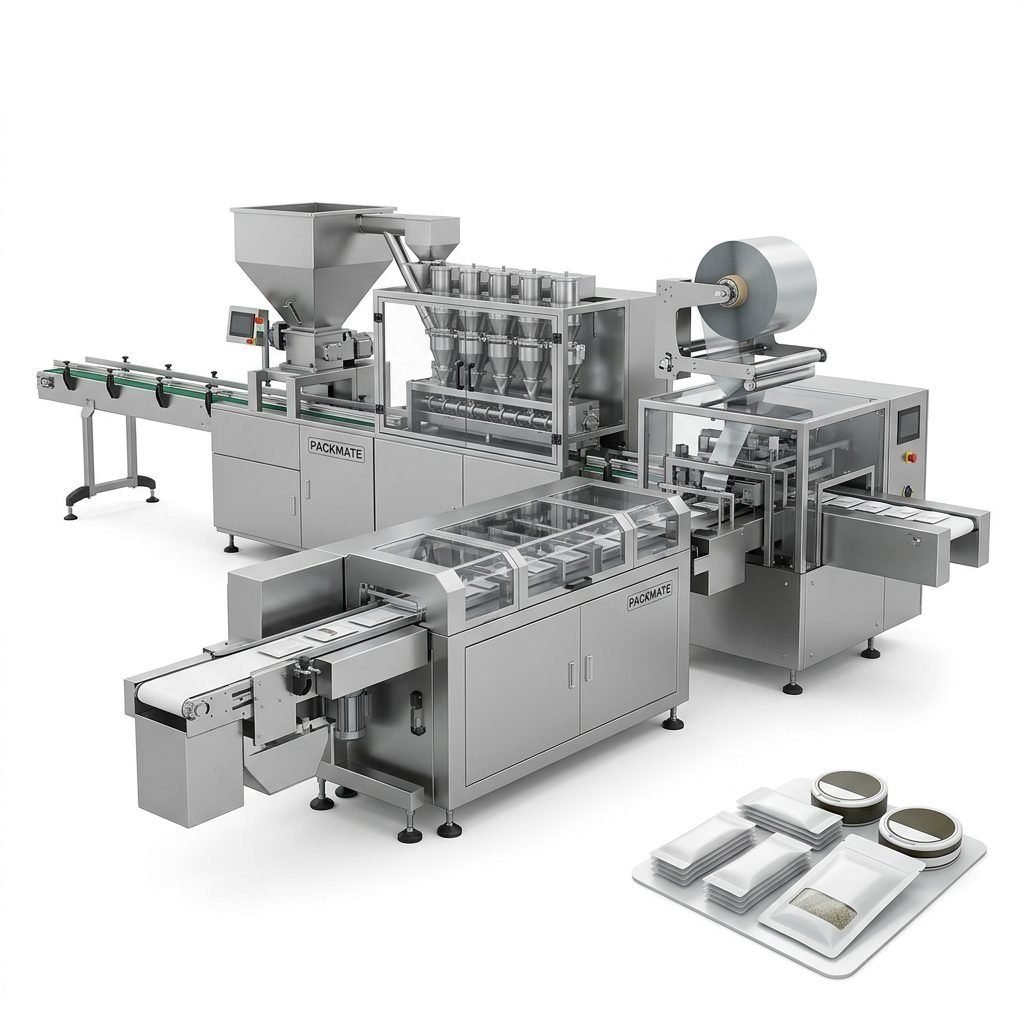
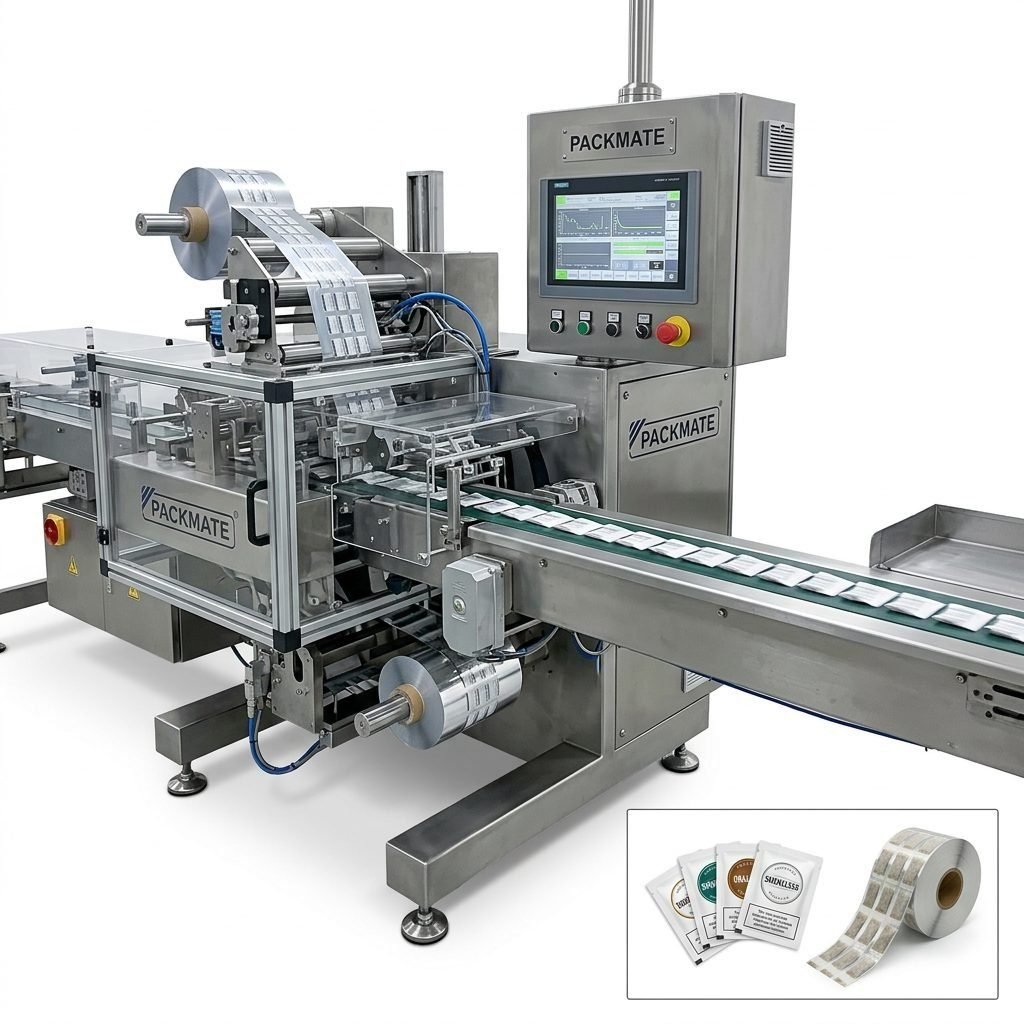
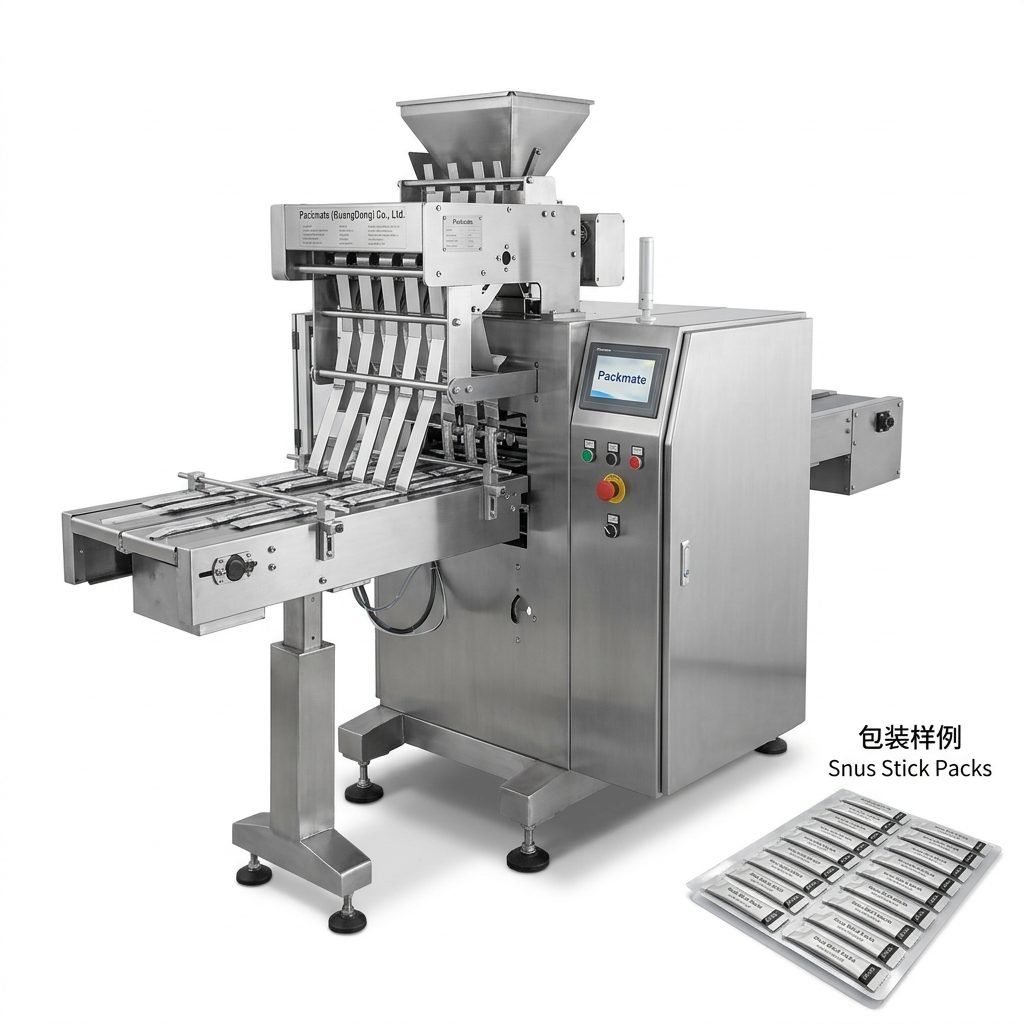
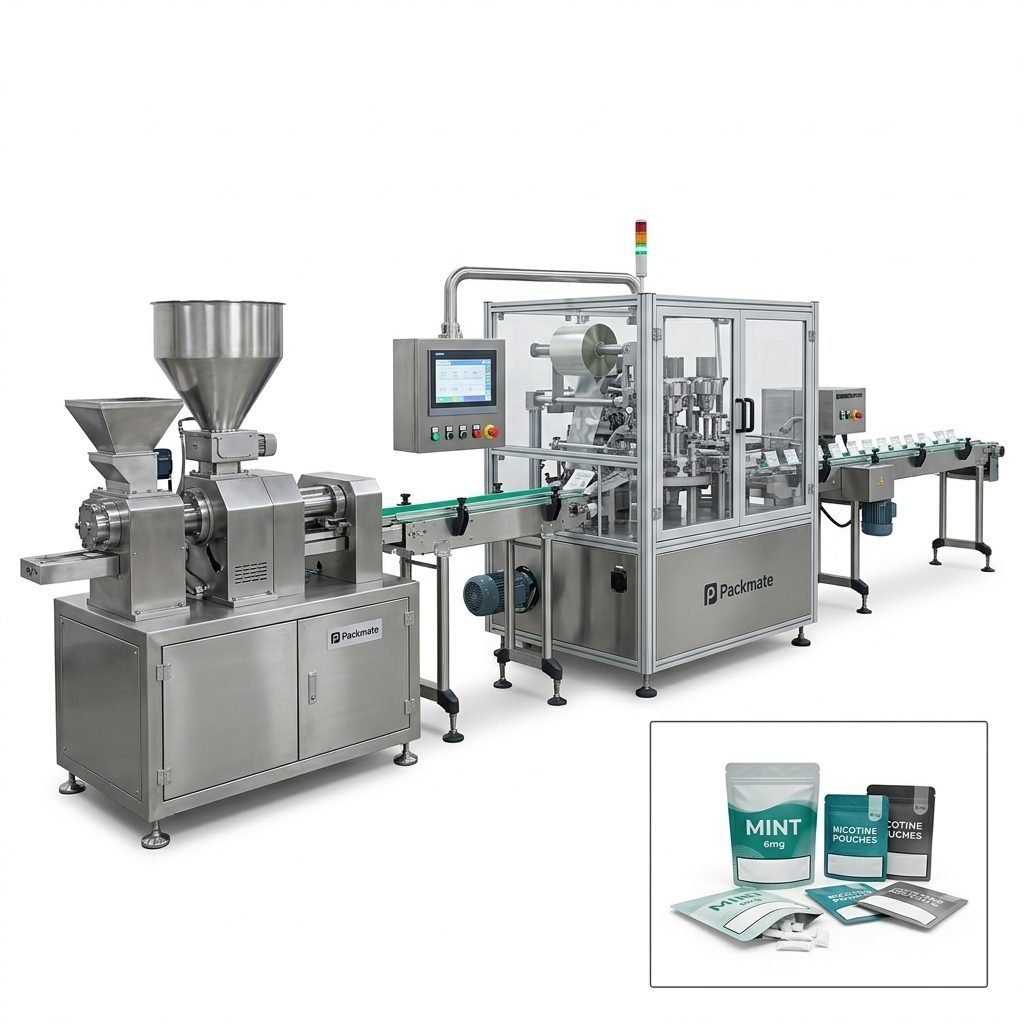
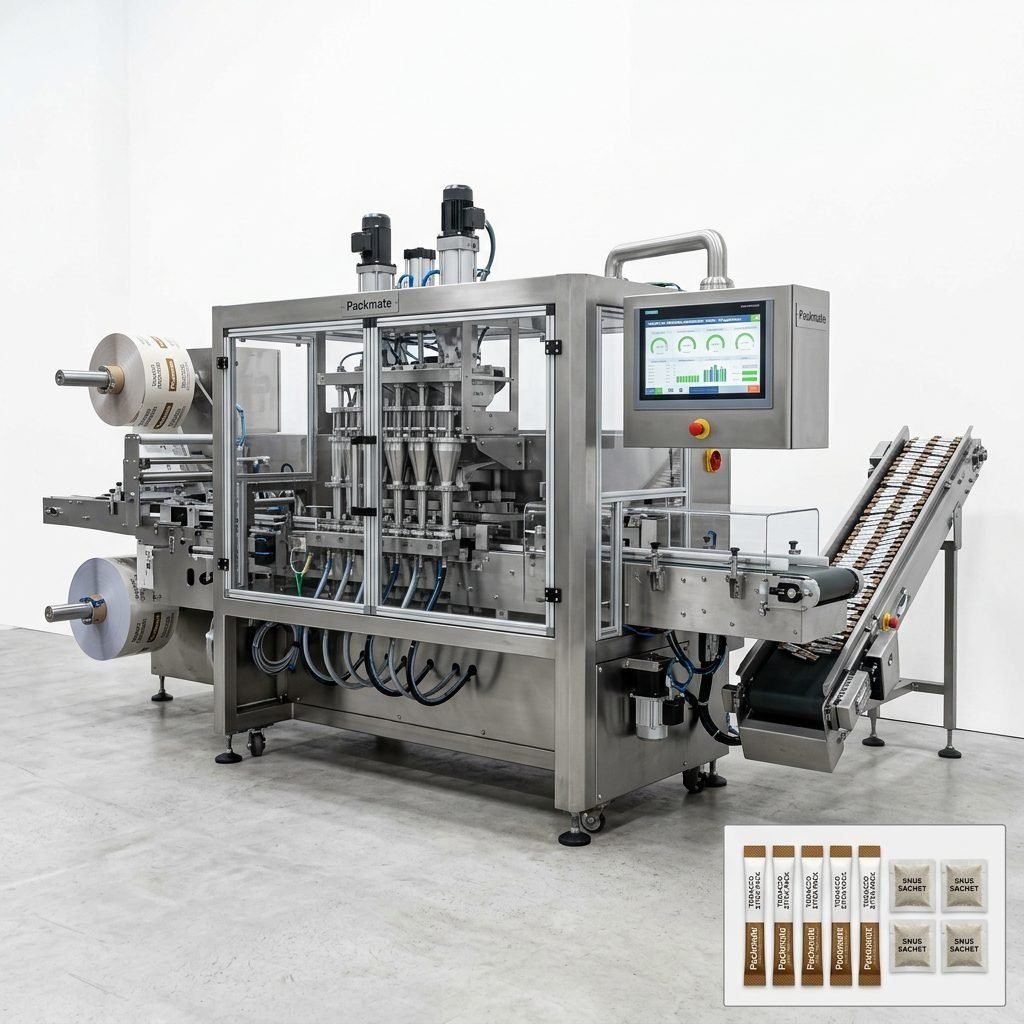
Start by defining clear production goals: daily output (units/hour), pouch formats (stick pack, sachet, multi-lane pouches), dosing precision, and packaging materials (foil, paper-laminates). These inputs determine whether you need a high-speed multi-lane system or a single-lane flexible line. Many manufacturers, like leading specialists in the field, offer tailored solutions for nicotine pouches and snus — see product examples here:
Snus & Nicotine Packaging Machines.
Capacity & Scalability
Evaluate current and projected capacity. Choose a machine that meets your present needs while allowing modular upgrades. If you anticipate volume growth, prioritize scalable multi-lane options and modular ancillary systems like automated feeders and high-speed sealers.
Key tip: Select machines with standardized modular interfaces so future expansions or format changeovers are simple and fast.
Regulatory Compliance & Certifications
For operations in Luxembourg and the EU, it is essential that equipment complies with international safety and quality standards (CE, ISO). Verify the manufacturer’s certifications and request documentation. Manufacturers with robust certification processes also tend to have higher quality control standards across manufacturing stages.
Technical Capabilities Specific to Nicotine Pouch Packaging
Nicotine pouches and snus require high dosing accuracy, gentle handling of small-dose pouches, and flexible packaging formats. Key technical features to inspect include:
- Precision dosing systems (for powders/granules) with ± small tolerance
- High-speed multi-lane filling options for small-dose pouches
- Servo-driven motion control for consistent seal quality
- Changeover simplicity between formats and pouch sizes
- Integrated quality inspection modules (weight check, seal inspection)
Automation & Integration
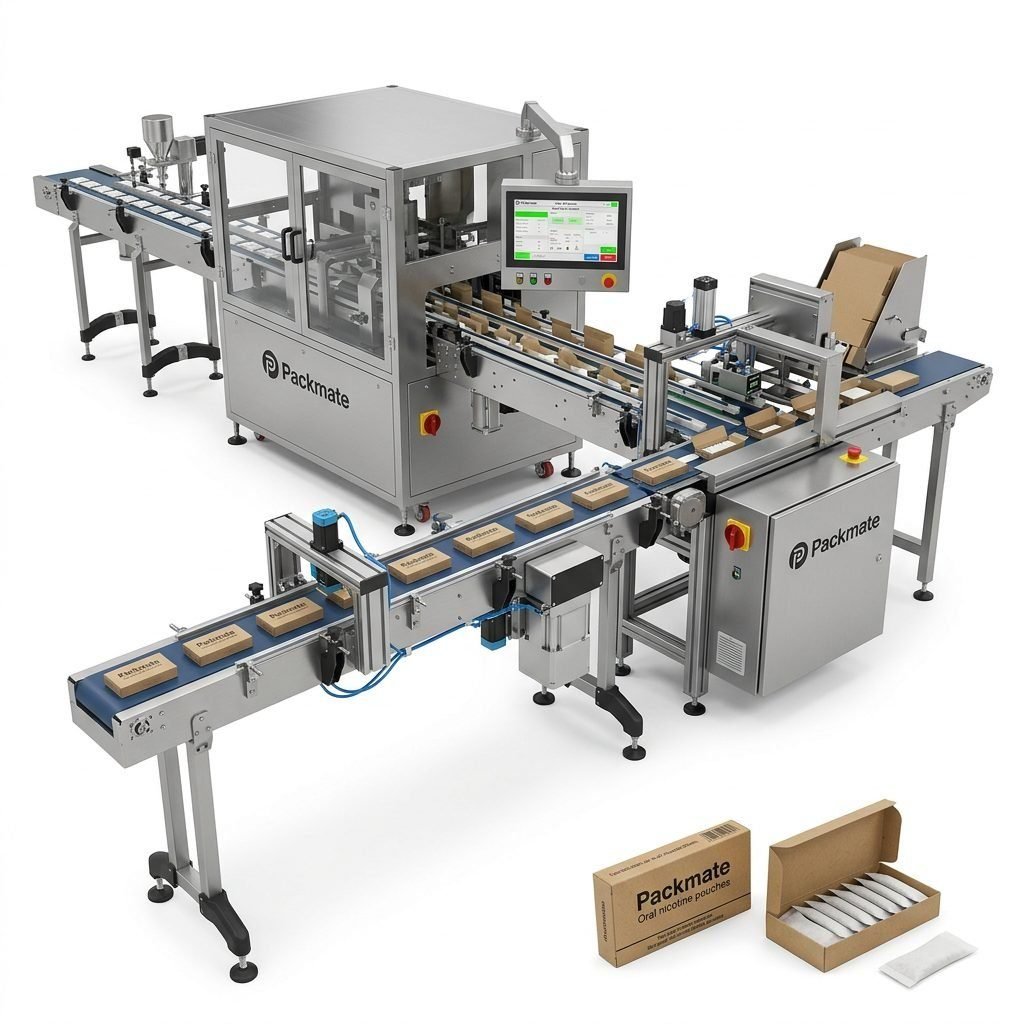
A turnkey supplier will provide not only the primary pouch machine but also upstream weighing/filling and downstream cartoning or case packing. Evaluate their integration experience with systems such as:
Weighing & Packaging Systems and
Filling & Packaging Lines.
Note: Full-line integration reduces manual handling and improves traceability — important for nicotine product quality and regulatory audits.
Manufacturer Track Record & Factory Capability
Inspect the manufacturer’s production footprint, engineering depth, and history. A manufacturer with decades of engineering experience and a well-equipped factory will typically deliver more stable machines. For example, manufacturers that operate a substantial facility with CNC machining centers and precision assembly lines demonstrate the capacity to produce consistent, high-quality machinery.
Ask for references, customer case studies and on-site photos or virtual tours. Strong manufacturers will have exhibition presence and global customers — details of prior projects or exhibitions provide real-world proof of performance:
Case,
Our Exhibition.
Quality Control & Testing Routines
Confirm the manufacturer’s test rig procedures, acceptance testing, and pre-shipment validation. Ask for documentation on run-in tests, sealing integrity checks, and reproducibility tests at the target production speeds.
After-Sales Service & Spare Parts Availability
After-sales support is critical. Determine whether the manufacturer provides:
- Local or regional technical support for Luxembourg/EU
- Fast spare parts delivery and clear parts lists
- Training programs for operators and maintenance staff
- Remote troubleshooting and software updates
- Long-term service contracts
A reliable partner often lists dedicated service offerings on their website; review their Service and Contact pages to gauge responsiveness:
Service |
Contact Us.
Service metric: Aim for guaranteed response times for critical failures and a stocked parts inventory that covers wear items for at least 12 months.
Customization, R&D & Continuous Improvement
Nicotine pouch products are evolving, and manufacturers with active R&D programs are better placed to adapt equipment for new formats. Investigate whether the vendor can:
- Develop custom tooling and fixtures
- Provide engineering for niche formats (e.g., flavored pouches, multiple sachet sizes)
- Offer pilot runs and format testing ahead of purchase
R&D Evidence
Look for a company story that shows progressive development from workshop R&D to full-scale manufacturing. A documented timeline of innovation shows commitment — for example, continued expansion into multi-lane systems and turnkey production lines indicates maturity and focus.
Total Cost of Ownership & Return on Investment
Purchase price is only one component. Consider:
- Energy consumption at rated speed
- Maintenance labor and spare parts costs
- Expected uptime and mean time between failures
- Training costs and ramp-up time to full production
- Resale value and upgrade paths
Ask the vendor for case studies or references that quantify average throughput and waste rates. Good manufacturers can often provide sample ROI calculations tailored to your batch sizes and product formats.
Pro tip: Compare TCO over a 5-year horizon rather than focusing on upfront cost alone.
Factory Acceptance Test (FAT) & Installation
A proper FAT demonstrates the machine meets agreed specifications before shipment. Ensure the manufacturer provides:
- Detailed FAT protocol with agreed acceptance criteria
- On-site installation services and commissioning at your facility
- Operator and maintenance training during commissioning
- Documentation including manuals, wiring diagrams and spare parts lists
Logistics & Lead Time
Confirm manufacturing lead times, shipping options, customs support and local installation scheduling. For Europe-based operations, a supplier with global export experience will simplify import procedures and customs clearance.
Red Flags to Watch For
Proceed cautiously if you encounter:
- No verifiable customer references or case studies
- Unclear warranty terms or absent spare parts agreements
- Lack of formal FAT or acceptance testing procedures
- No on-site training or limited technical documentation
Warning: Avoid suppliers that cannot demonstrate consistent manufacturing controls or traceable quality records.
Checklist: Questions to Ask Potential Manufacturers
Use this checklist during vendor evaluation meetings or factory visits:
- Can you provide CE and ISO certification copies?
- What are the throughput and accuracy guarantees for the proposed model?
- What is the lead time from order to shipping?
- Do you support FAT, commissioning and operator training?
- What are warranty terms and spare parts lead times?
- Can you demonstrate examples of similar nicotine pouch lines in operation?
Selecting a Trusted Partner
Choose a manufacturer with clear evidence of factory strength, documented cases and a full-service approach. Companies that evolved from early R&D workshops to mature global suppliers tend to offer reliable turnkey solutions and long-term technical support.
Final recommendation: Prioritize partners who can supply not only the primary snus/nicotine packaging machine but also integrated feeders, weighing systems and proven case studies — this reduces integration risk and shortens time to market.
Where to Learn More
For further exploration of machine families and services, check the manufacturer’s About page and product catalogs to match models to your specifications:
About Packmate |
Catalog.
Quick Summary
Choosing the best nicotine packaging machinery manufacturer in Luxembourg means balancing technical fit, factory strength, certification, integration capability and after-sales service. Focus on modular, scalable equipment, rigorous FAT procedures, and a supplier who demonstrates consistent global delivery and tailored support.
Frequently Asked Questions
Q: How important is CE certification for nicotine pouch machines in Luxembourg?
A: CE certification is essential for ensuring machine safety and legal compliance in the EU. Always request copies of CE and relevant ISO certificates before purchase.
Q: Do I need a turnkey provider for a nicotine pouch line?
A: Turnkey providers who supply filling, weighing, pouch forming and downstream case packing reduce integration risk and shorten commissioning time. If you have limited in-house engineering, turnkey is recommended.
Q: What is a reasonable lead time for custom nicotine pouch machines?
A: Lead time depends on configuration and customization; standard models may ship faster, while highly customized multi-lane systems require longer build and FAT cycles. Confirm timelines in the contract and include penalties or milestones if required.
Q: How can I verify a manufacturer’s performance claims?
A: Request FAT results, references, case studies and, if possible, facility visits or virtual demonstrations. Reliable vendors will provide real-world performance data and customer contacts.
Q: Are spare parts and service available in Europe?
A: Verify lead times for spare parts and ask about regional distributors or service partners who can respond quickly in Luxembourg and EU markets.