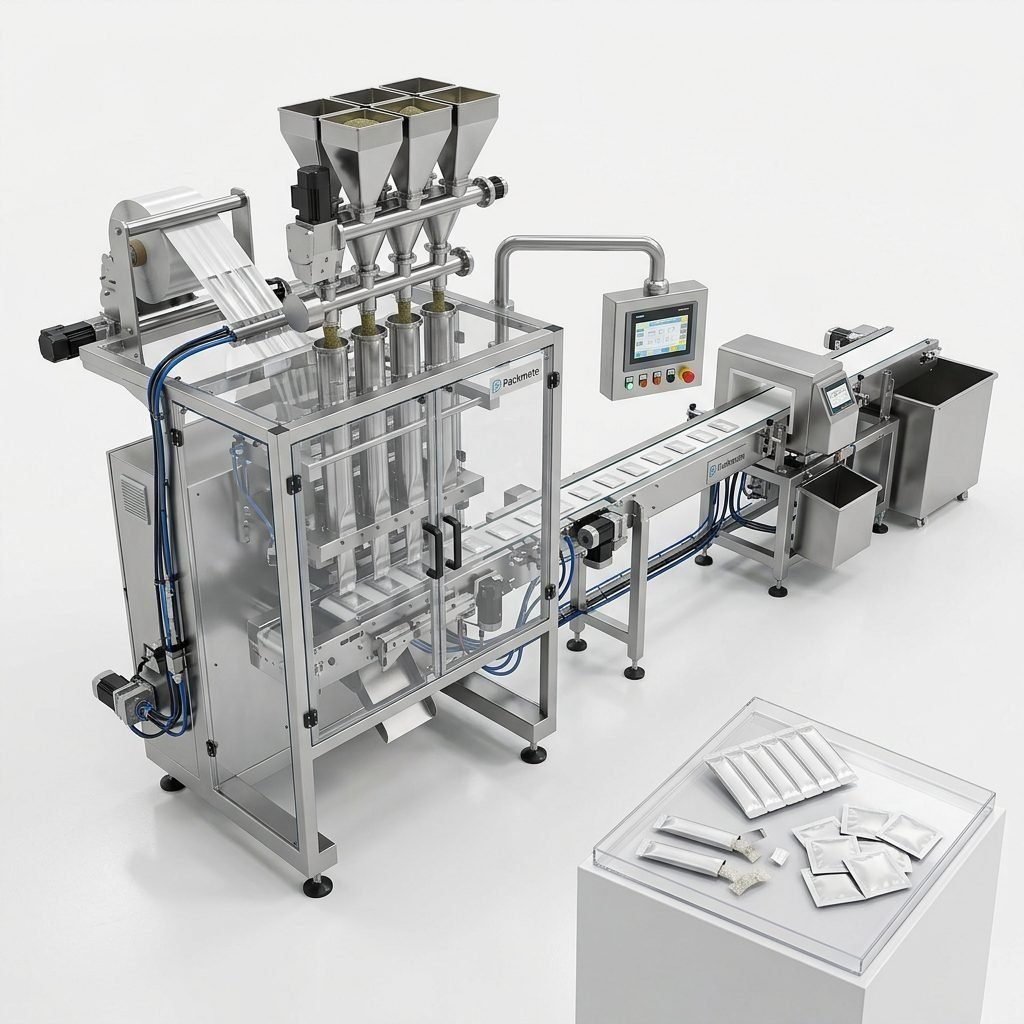
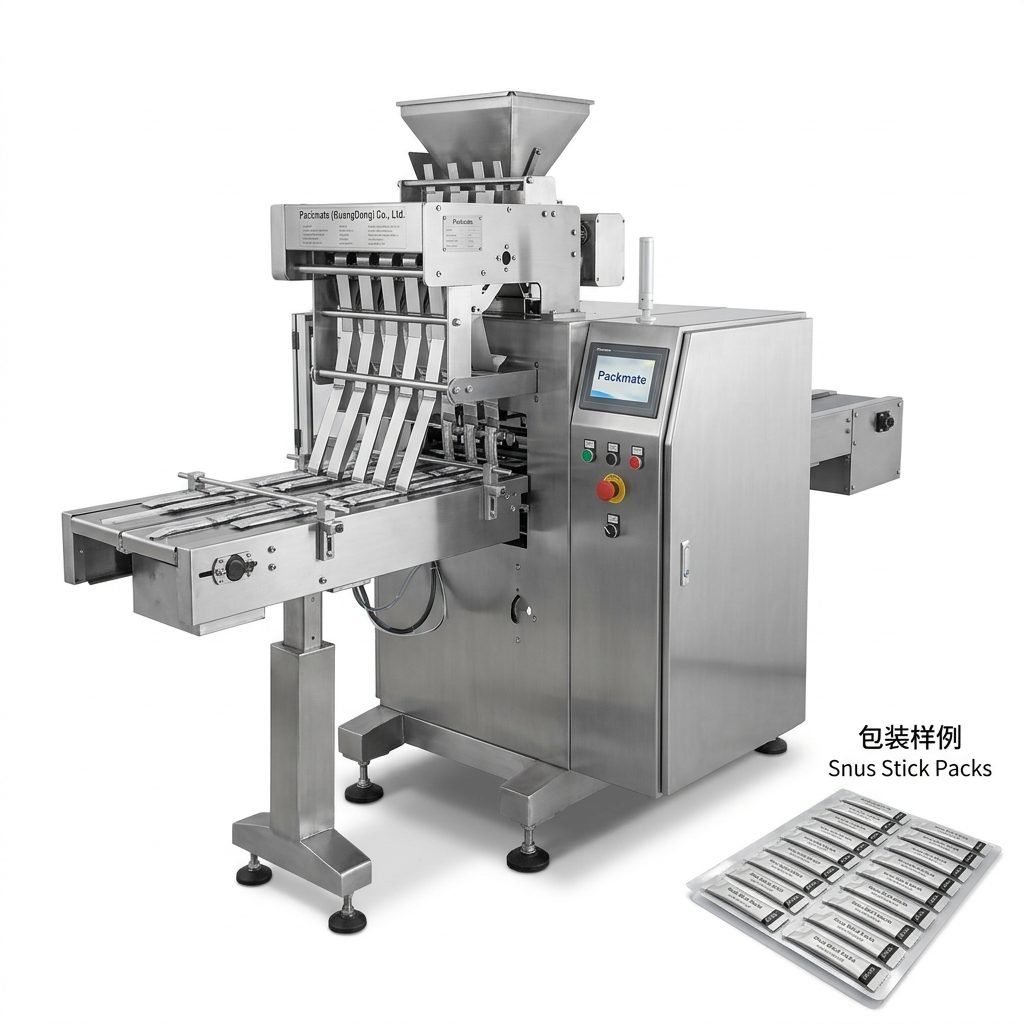
Choosing the right snus packaging machine for operation in Israel requires careful consideration of product format, local regulations, production targets, and long‑term service support. This guide walks you through the practical steps and technical criteria to select a machine that delivers reliable output, compliance, and a strong return on investment. Whether you need a compact sachet line or a high‑speed multi‑lane snus system, the right decision begins with understanding the nuances of snus and nicotine pouch packaging.
Understand the Israel Market & Regulatory Context
Israel’s regulatory environment for nicotine products is evolving. Before selecting equipment, confirm local labeling, material, and traceability requirements. Work with legal and compliance advisors to ensure your packaging solution supports necessary serialization, expiry coding, and tamper‑evidence features. Early alignment prevents costly retrofits later.
Tip: engaging a supplier who understands international standards (CE, ISO) and has export experience will speed approvals. Suppliers like About Packmate often document certifications and compliance support.
Machine Types: Match Format to Market Demand
Selecting the correct machine format is the foundation. Consider:
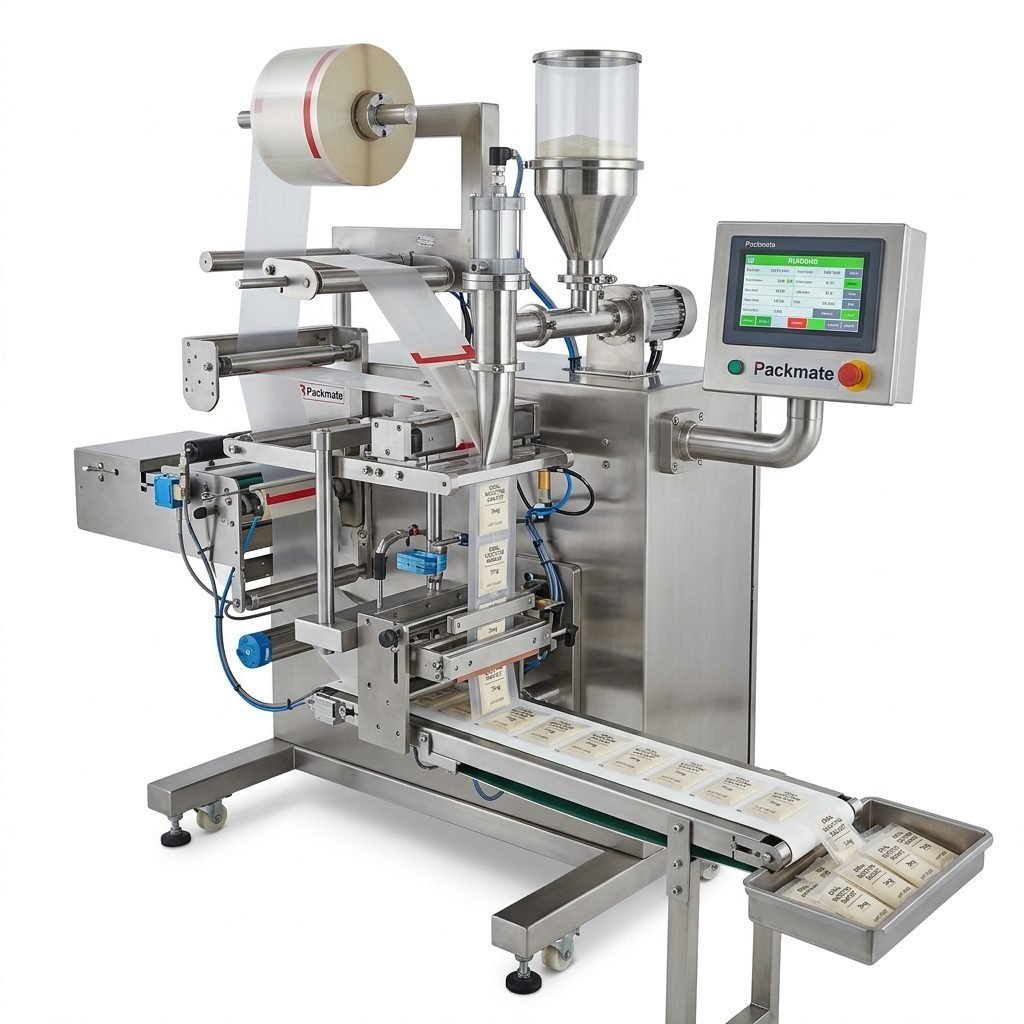
Stick Pack Machines
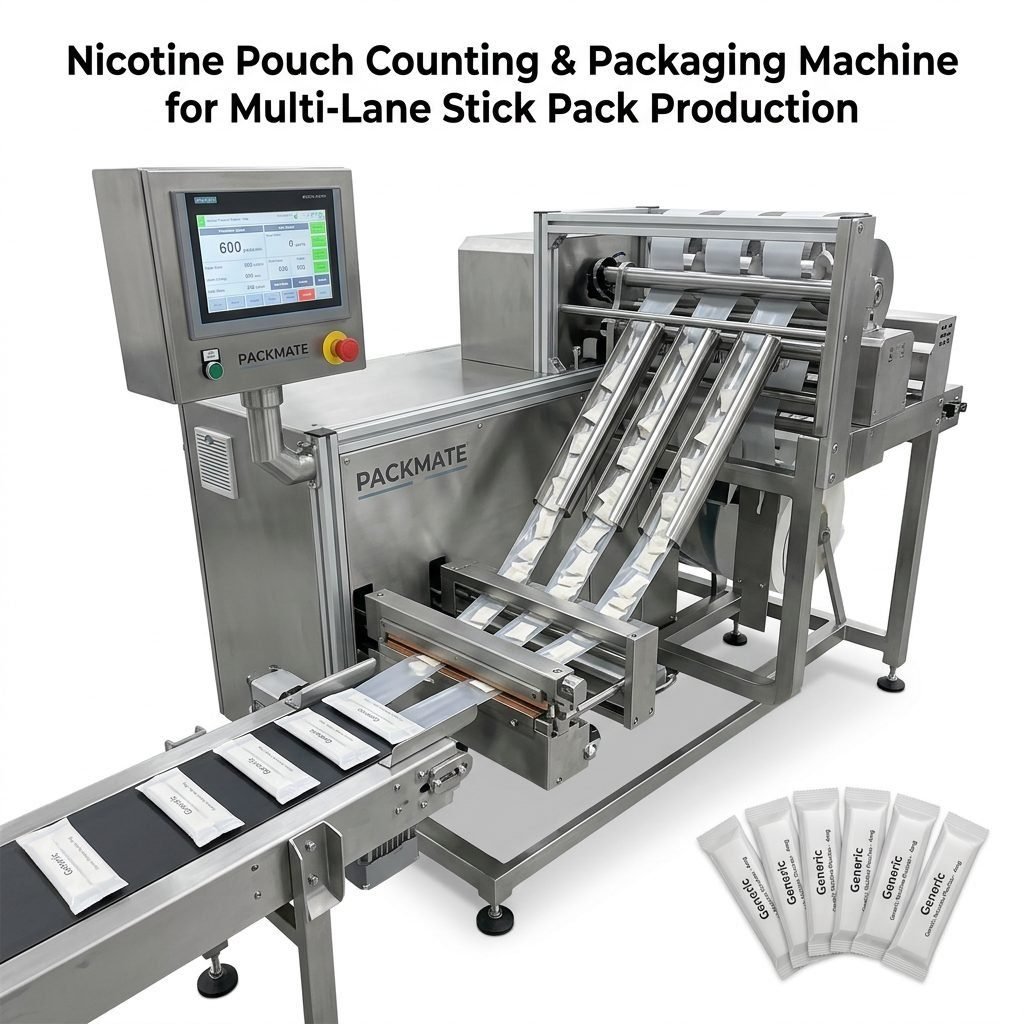
Stick packs are ideal for single‑dose nicotine portions and offer compact retail appeal. They are cost‑effective for low to medium output and are a common choice for emerging brands. See examples at Sachet & Stick Pack Machines.
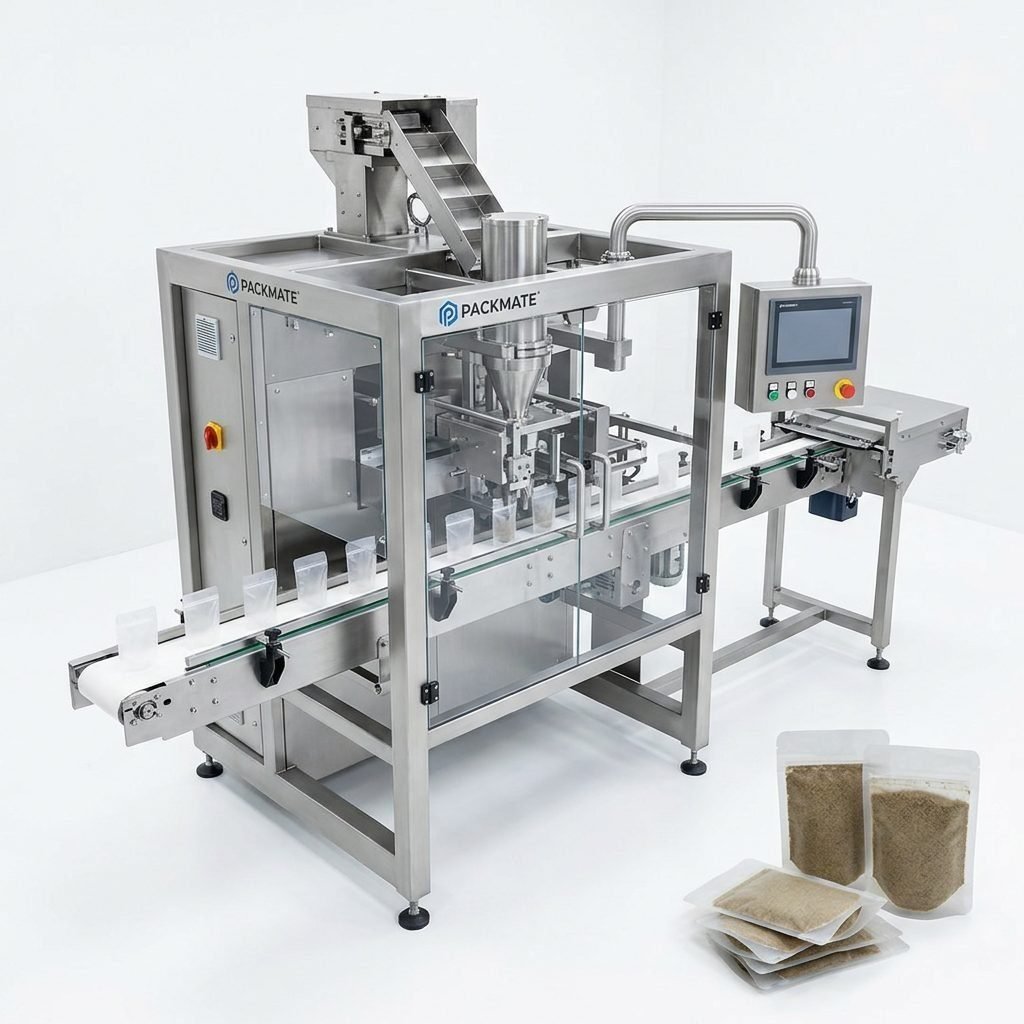
Sachet / Pouch Machines
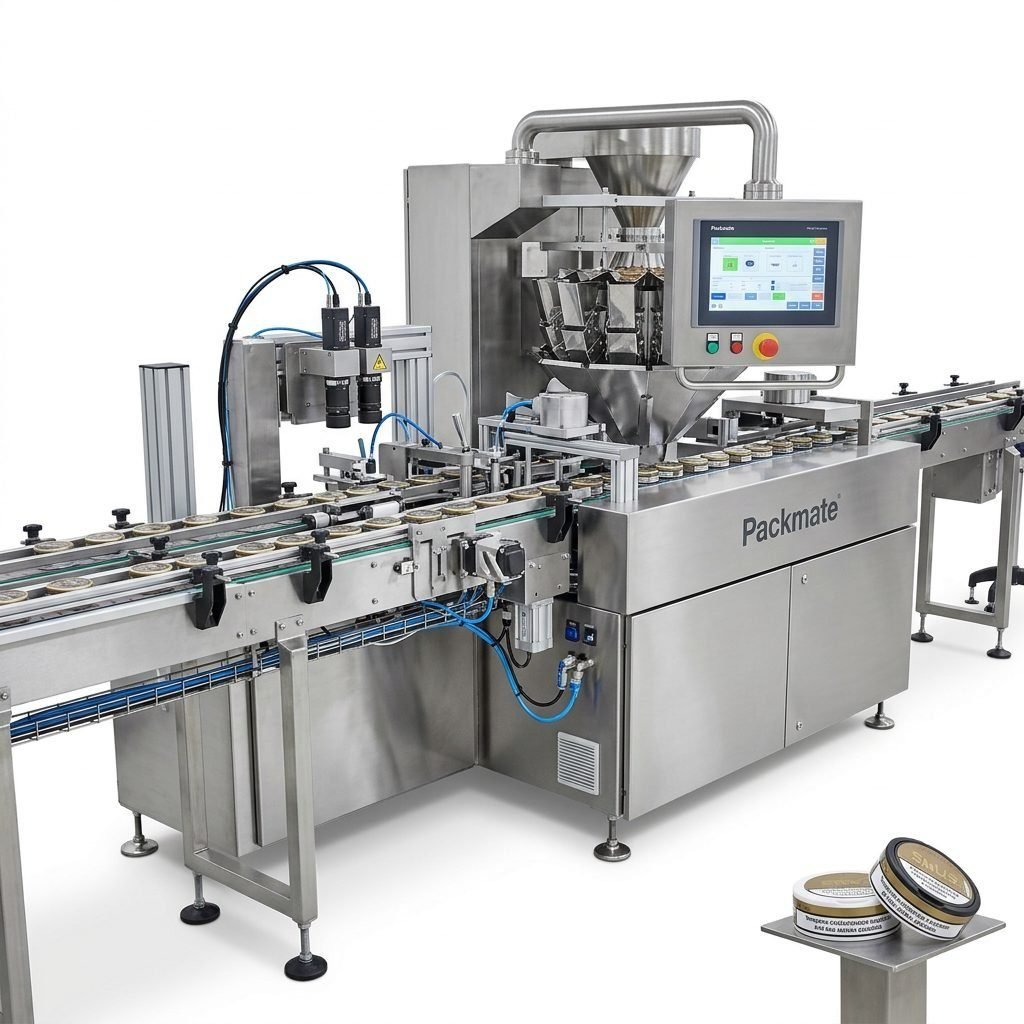
Sachet and pouch systems can produce flat pouches and more complex single‑portion snus pouches. They provide flexibility for different fill weights and are widely used for nicotine pouches and snus.
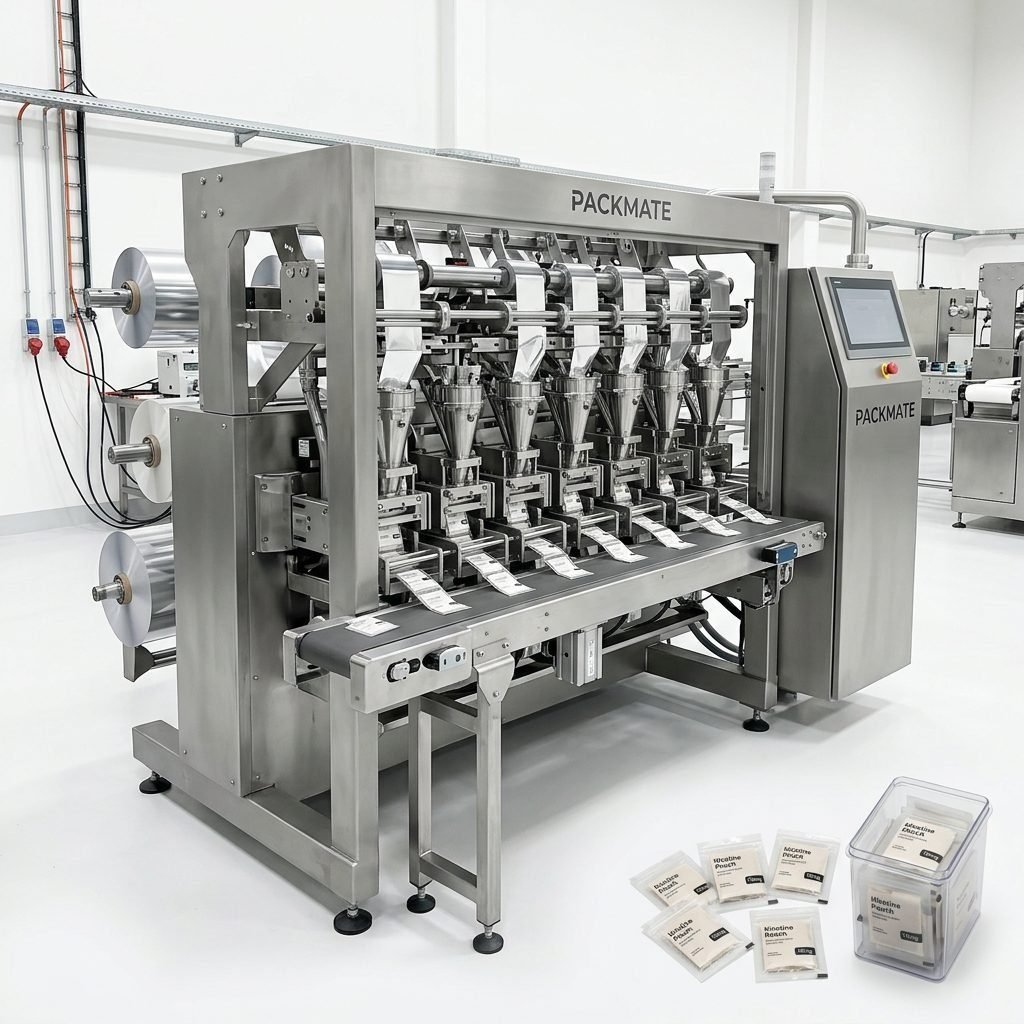
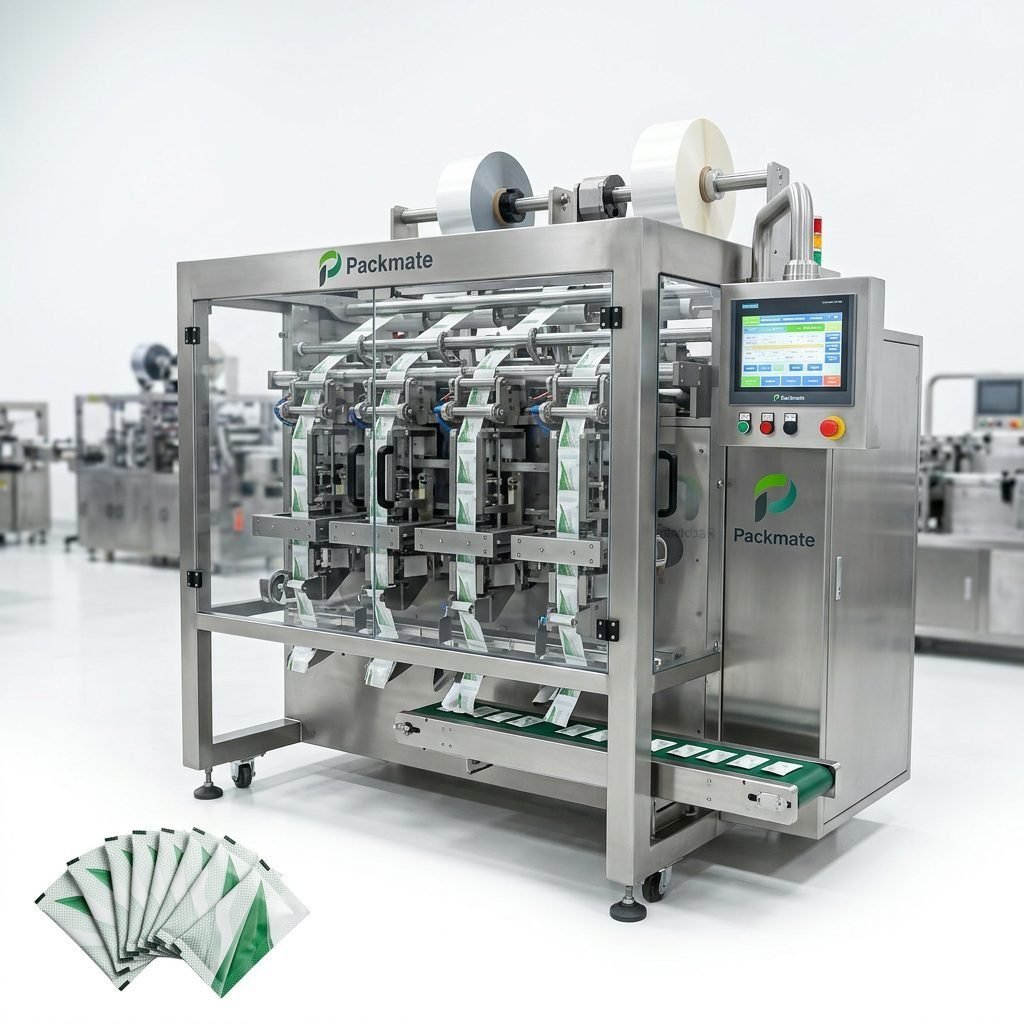
Multi‑Lane High‑Speed Systems
For scale and competitive unit cost, multi‑lane lines run several lanes simultaneously, greatly increasing throughput. These are suitable for established brands and contract manufacturers.
Key Technical Specifications to Compare
When comparing models, focus on measurable specs. Use this checklist to compare side‑by‑side:
✅ Speed (units/min or pouches/min): Confirm rated vs realistic speeds under your product conditions. Manufacturers typically list maximum speeds — expect lower real‑world throughput depending on product characteristics.
✅ Filling accuracy & dosing range: For nicotine pouches, precise dosing (± tolerance) is critical for regulatory compliance and customer trust. Check the weighing or volumetric system specifications.
✅ Changeover time: Fast, tool‑less changeovers reduce downtime when switching SKUs. If you plan multiple flavors and weights, minimize changeover complexity.
✅ Material compatibility: Ensure the machine supports your pouch film types, foil laminates, and any barrier requirements for shelf life.
Material Handling, Sealing & Hygiene
Material handling must preserve product integrity. Look for stainless steel contact parts, hygienic machine frames, and IP ratings suitable for cleaning regimes. For sealing, evaluate:
– Heat seal consistency: Proper seal profiles prevent leaks and contamination.
– Sealing head accessibility: Easy access simplifies maintenance and reduces downtime.
Automation & Integration: Toward a Turnkey Line
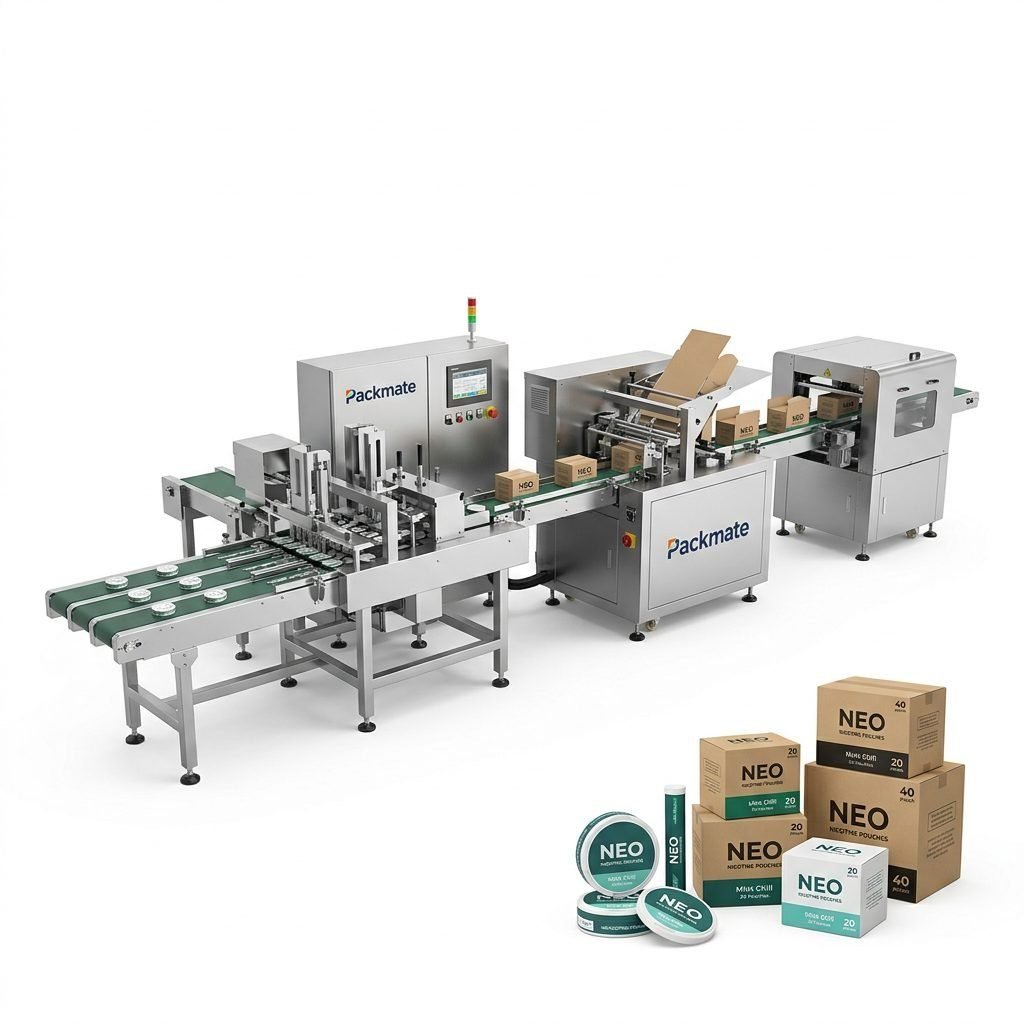
Modern snus production benefits from integrated filling, conveying, counting, and cartoning. If you plan a full‑scale line, consider suppliers who offer turnkey solutions including weighing systems and auxiliary equipment. Explore modular options such as Weighing & Packaging Systems and Filling & Packaging Lines.
Look for PLC and HMI interfaces that support recipe management, remote diagnostics, and production data logging for traceability.
Production Capacity Planning
Base capacity planning on realistic demand forecasts, not aspirational peaks. Identify:
– Desired daily/weekly units, accounting for maintenance and changeovers.
– Future scalability: Can lanes be added or machines paralleled without major rework? Multi‑lane machines or modular lines often provide the best balance of scalability and cost control.
Service, Spare Parts & Training
After‑sales service often determines long‑term uptime. Prioritize suppliers who provide:
ℹ️ Local or fast spare parts supply: reduced lead times for critical parts keeps lines running.
⚙️ Onsite and remote support options: remote diagnostics and training save travel time and cost.
When evaluating suppliers, request documentation of their service network and spare parts kits for initial stocking.
Quality Assurance & Factory Capabilities
Inspect supplier manufacturing capabilities: modern CNC machining centers, dedicated assembly lines, and quality control protocols are indicators of reliable equipment. Packmate Snus Machine, for example, highlights 30+ years of engineering and a 20,000㎡ facility with advanced CNC and assembly systems—features that often correlate with robust machine design and stable supply chains.
Ask for machine test reports, CE/ISO certificates, and case studies showing machines running similar products. See real global cases at Case.
🔍 Quick checklist (printable): speed vs actual output, dosing accuracy, material compatibility, hygiene features, changeover time, spare parts availability, and supplier service SLA.
Budgeting, ROI & Total Cost of Ownership
Purchase price is only part of the cost. Estimate TCO including spare parts, consumables, energy consumption, operator training, maintenance intervals, and expected production uptime. Calculate ROI based on realistic yields and selling price per unit. Often a slightly higher upfront investment in automation yields faster payback via labor reduction and consistent quality.
Supplier Shortlist — What to Ask
When you contact suppliers, have a standard RFP checklist ready. Important questions include:
📦 Can you provide a machine demonstration with my product? Live demos or video evidence reduce uncertainty.
📞 What are lead times for machines and critical spares? Confirm realistic delivery schedules and shipping options. For direct contact use Contact Us.
✅ Do you provide installation, commissioning, and operator training? Check included services and costs for remote or onsite commissioning.
Case Example: Selecting a Packmate Line
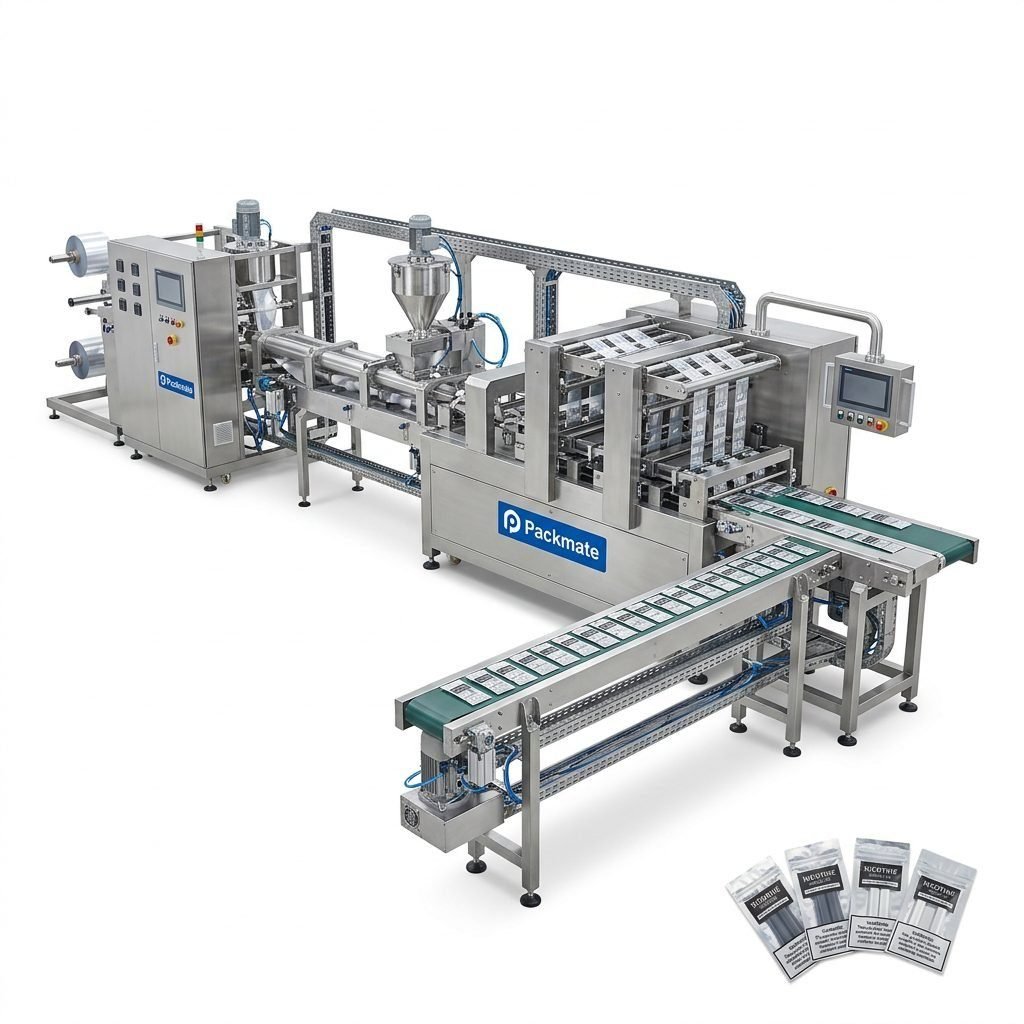
A mid‑size Israeli manufacturer wanted a high‑precision pouch line for nicotine pouches with 3 SKUs and target weekly output of 200,000 units. They chose a multi‑lane sachet solution with integrated weighing and inline cartoning. The supplier provided FAT videos, spare parts kits, and a 24‑month parts warranty. The integrated approach reduced manual handling and ensured compliance with labeling and traceability needs. Explore similar product offerings under Snus & Nicotine Packaging Machines.
Common Pitfalls & How to Avoid Them
– Underestimating integration work between upstream and downstream equipment.
– Choosing machines based solely on top speed without validating real throughput with actual product.
– Neglecting spare parts and training budget — factor these into initial procurement.
✅ Action item: request machine test runs with your actual pouch materials and nicotine content. Confirm sealing integrity, dosing accuracy, and continuous run behavior for at least 4 hours.
Why Manufacturer Experience Matters
Experienced manufacturers bring mature designs, proven components, and established quality control. A factory with a wide model range and customization capability, plus exhibition presence and international cooperation cases, signals the ability to support export customers and evolving regulatory needs. See the manufacturer profile and certifications at Certificate and broader company info at About Packmate.
Final Selection Steps
1) Prioritize must‑have technical features and compliance needs.
2) Request quotations with clear scope: machine, spare parts list, training, warranty, and service response times.
3) Validate with factory acceptance testing (FAT) and a short site acceptance run (SAT) before final payment.
Conclusion
Selecting the best snus packaging machine in Israel combines technical due diligence, regulatory awareness, and supplier reliability. Focus on practical throughput, dosing accuracy, hygienic design, and strong post‑sale support. Working with an experienced global supplier that offers turnkey solutions and documented certifications can significantly reduce risk and speed market entry.
Frequently Asked Questions
Q: How do I decide between a single‑lane and multi‑lane machine?
A: Base the decision on current demand, forecast growth, floor space, and budget. Multi‑lane systems require higher capital but deliver much lower unit costs at scale.
Q: Are machine demos with my product possible?
A: Reputable manufacturers provide FAT videos or in‑factory demos with customer product samples. Always request proof of concept before purchase.
Q: What certifications should I expect?
A: Look for CE, ISO, and documentation of electrical and safety compliance for export. Certification details are typically provided in supplier documentation and on pages like Certificate.
Q: How long is the typical lead time and spare parts delivery?
A: Lead times vary by customization and global shipping; ask for realistic schedules and initial spare parts kits. Confirm warranty and service SLAs in writing.
Q: Who can I contact for a turnkey quote and line design assistance?
A: Use the supplier’s contact channel for tailored solutions — for example, reach out via Contact Us to discuss requirements, layout, and complete line proposals.