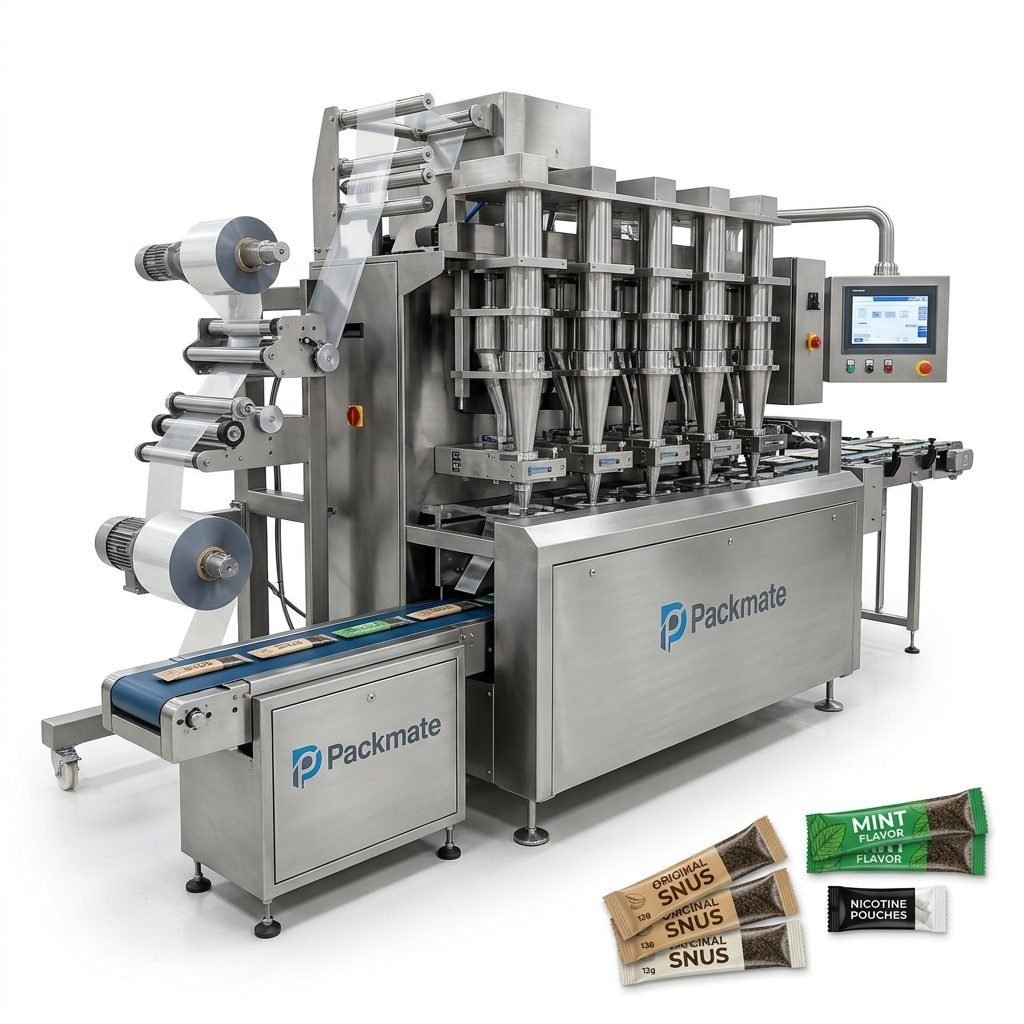
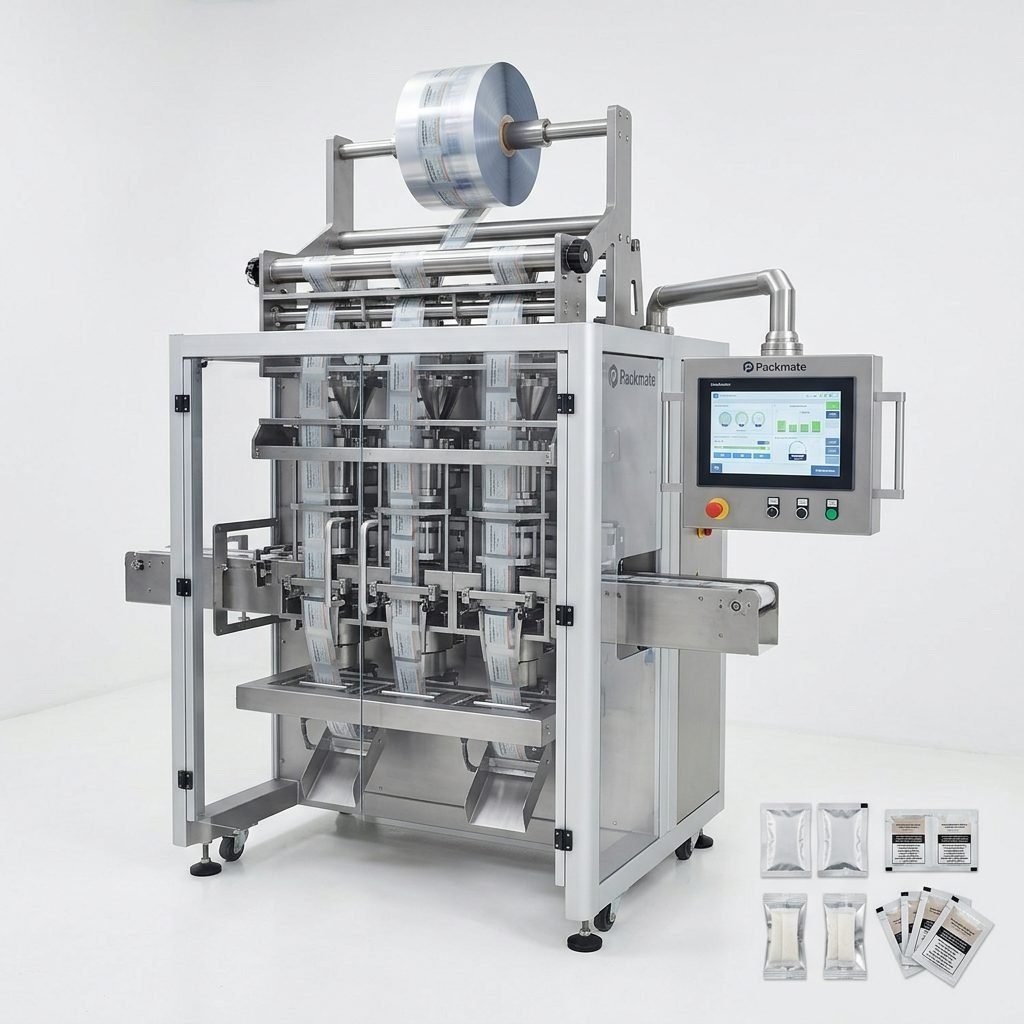
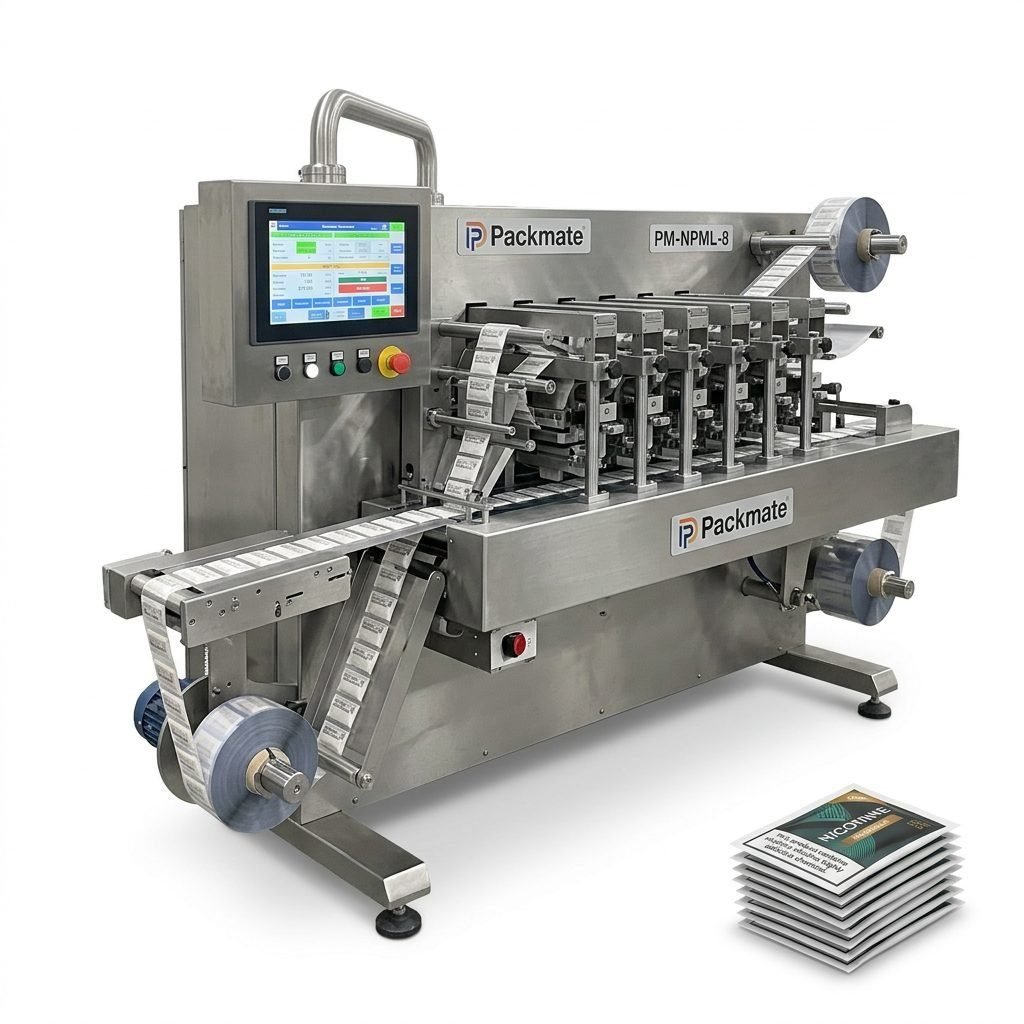
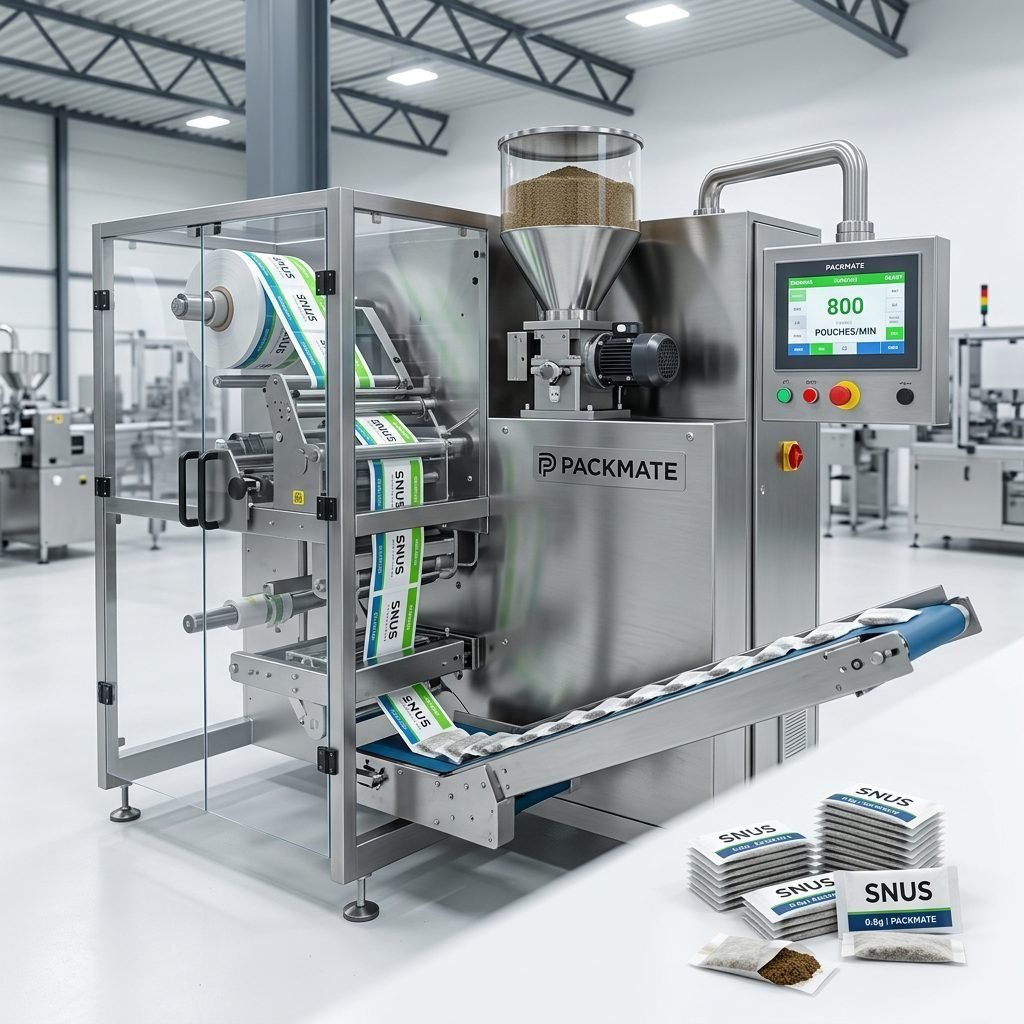
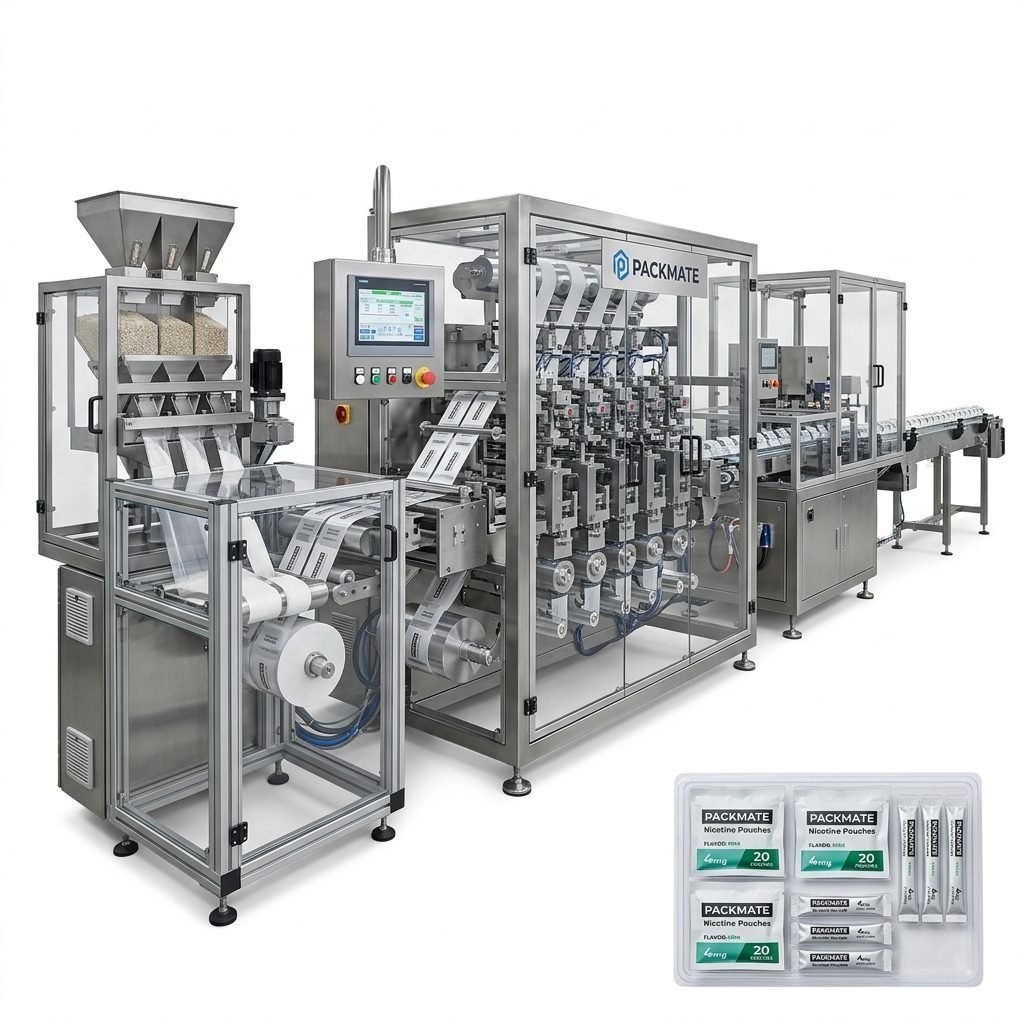
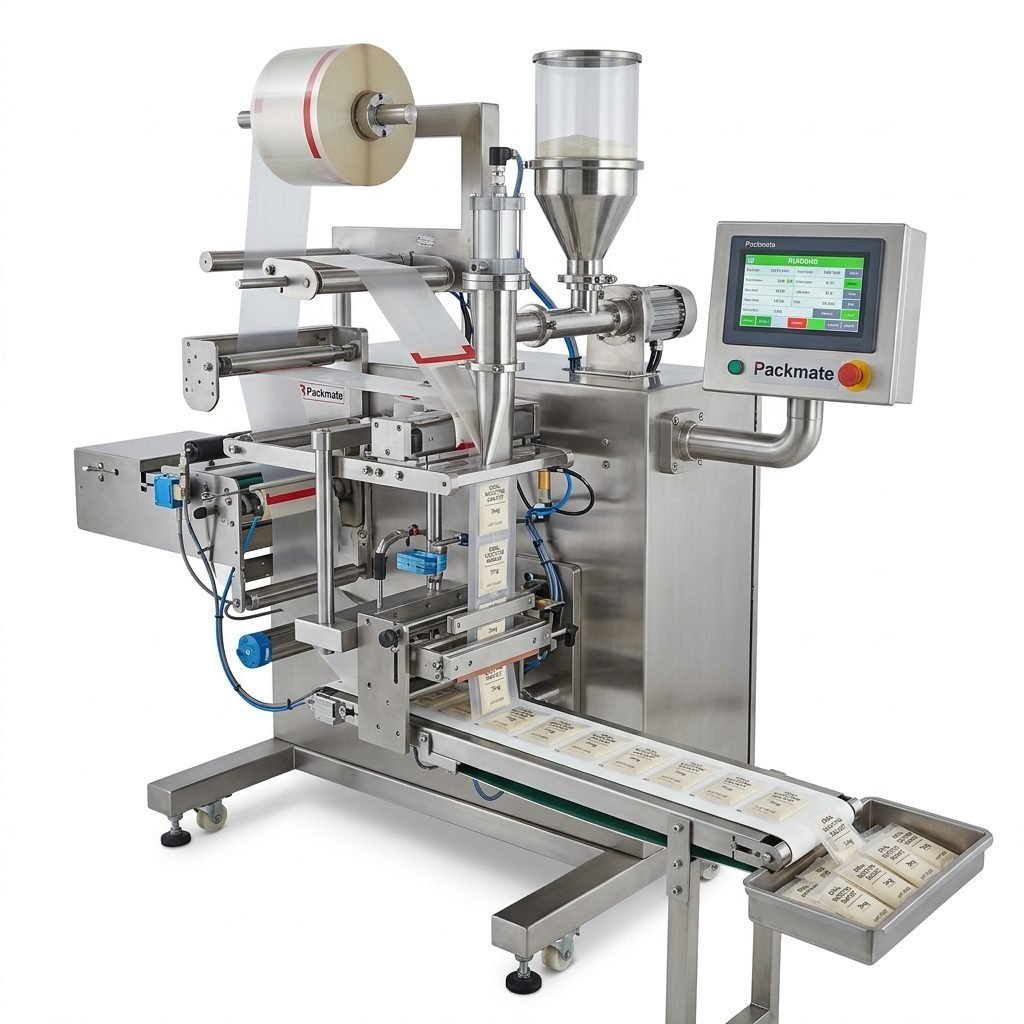
Choosing the right snus packaging machine in Asia requires more than comparing prices and specs — it means aligning machine capabilities with regional habits, regulatory landscapes, production volumes, and long-term service expectations. This guide walks Asian buyers through the practical steps, technical criteria, supplier selection tips, and post-purchase considerations so you can select a machine that delivers stable output, regulatory compliance, and a strong return on investment.
Market Snapshot: Snus & Nicotine Pouch Demand in Asia
Although snus has deep roots in Scandinavia, demand for nicotine pouches and similar products is growing in parts of Asia — notably in Southeast Asia and East Asia where urbanization and new consumer segments favor discreet, portable nicotine formats. Local preferences often lean toward varied flavors, smaller single-dose pouches, and high-quality printed packaging that conveys safety and modern branding.
Why local customs matter
In many Asian markets, packaging plays a cultural role: clear labeling in local languages, compact sizes for on-the-go users, and premium finishing for urban professionals. For export-oriented producers in Asia, machines must also support multilingual printing and flexible pouch types to satisfy both domestic consumers and international buyers.
Key Factors to Consider When Selecting a Snus Packaging Machine
Focus on these critical areas to ensure your investment fits production targets and regulatory requirements.
📌 Throughput & Scalability — Match machine speed with projected volume. Multi-lane systems are ideal for rapid scale-up; single-lane offers lower initial cost for pilot runs.
⚙️ Format Flexibility — Ensure the machine handles nicotine pouches, stick packs, sachets, and different pouch shapes without long changeover times.
🔍 Filling Accuracy — Small-dose pouches demand precise dosing; choose integrated weighing or volumetric dosing systems with low variance.
Technical Specifications to Prioritize
When reviewing datasheets, pay attention to servo-driven controls, PLC/HMI compatibility, material contact parts, cleaning access, and CIP or easy-disassembly features. For nicotine products, anti-static measures and non-reactive contact surfaces are important to protect product quality.
✅ Servo Controls for precise film feeding and pouch formation.
✅ Modular Design for adding lanes, fillers, or printers later.
✅ CE / ISO Compliance and documentation for international shipments and audits.
Common Machine Types and When to Choose Them
Different production goals call for different equipment families — understanding the tradeoffs helps you optimize CAPEX and OPEX.
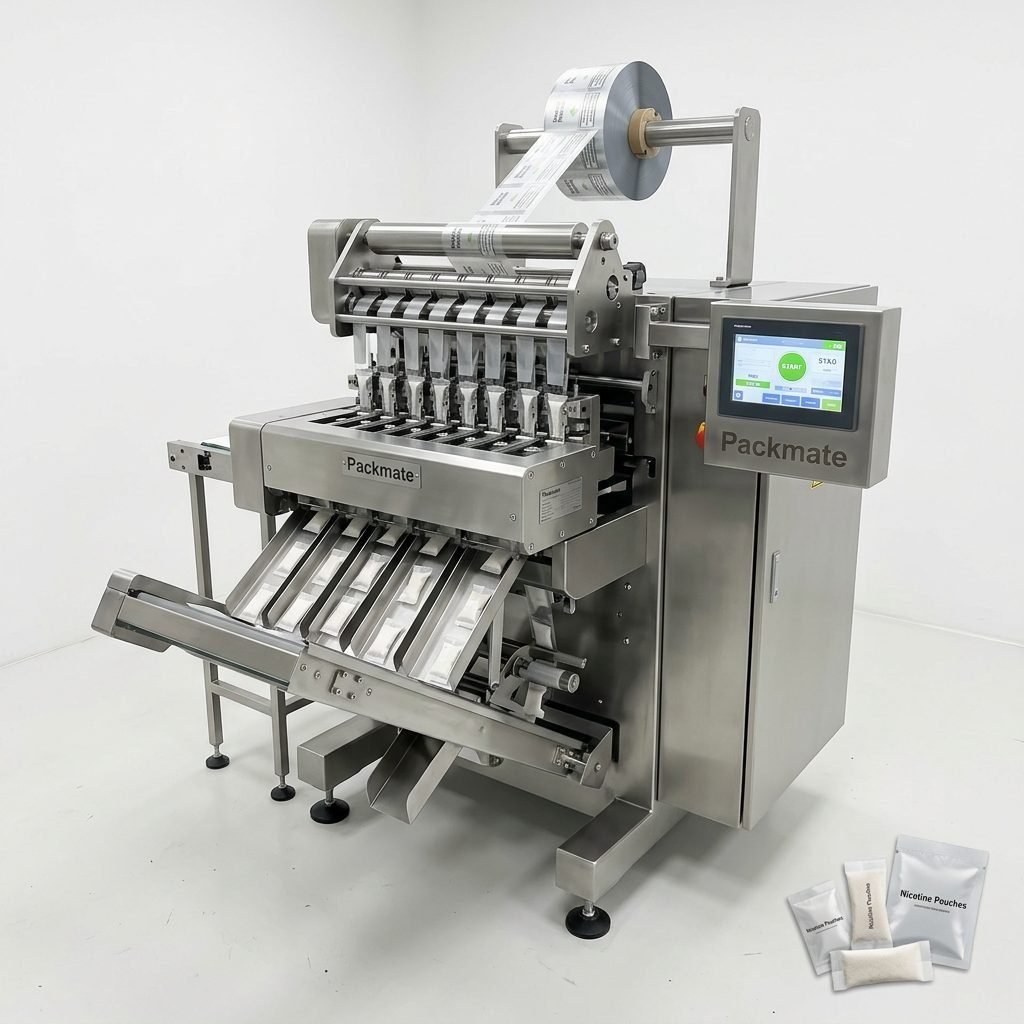
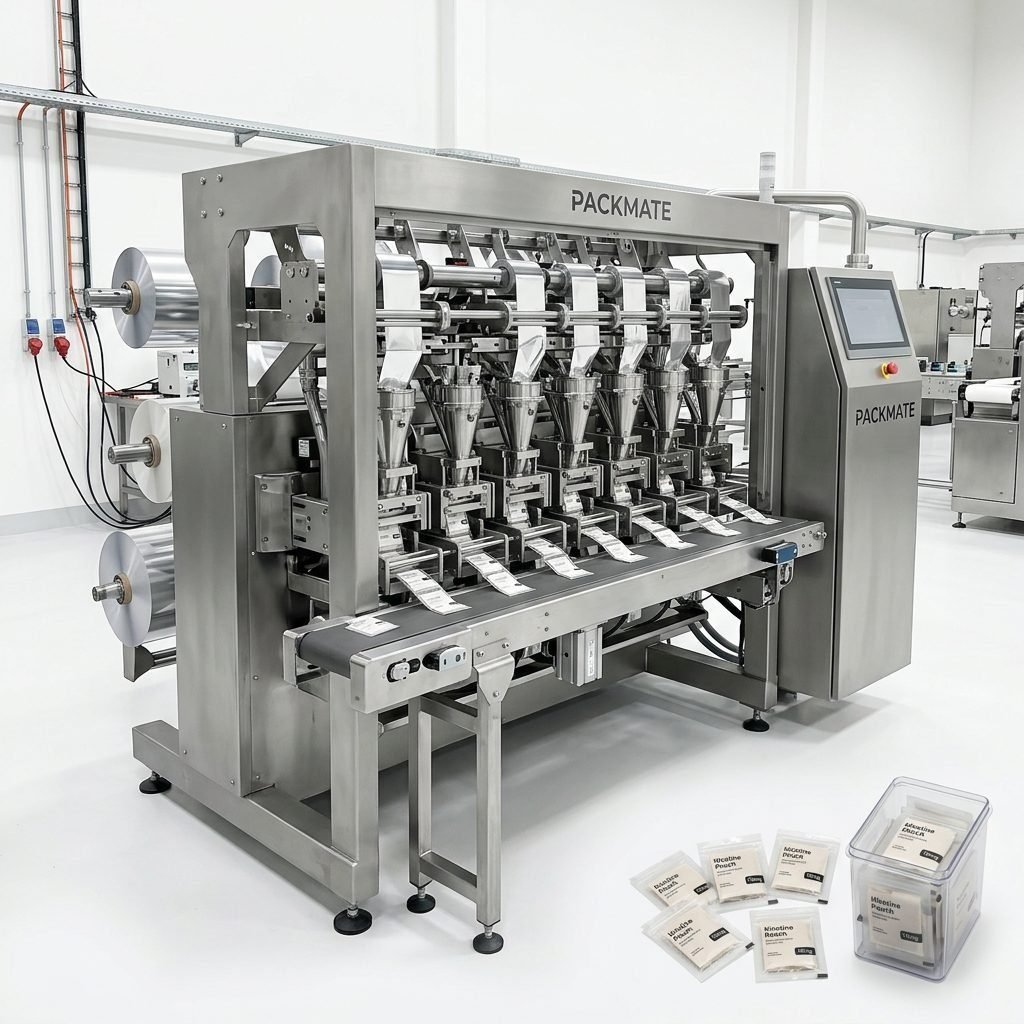
Multi-lane Vertical Form Fill Seal (VFFS) Systems
Best when you need high throughput with space efficiency. Multi-lane VFFS can produce dozens of pouches per stroke and are common for nicotine pouch lines that serve large domestic or export markets.
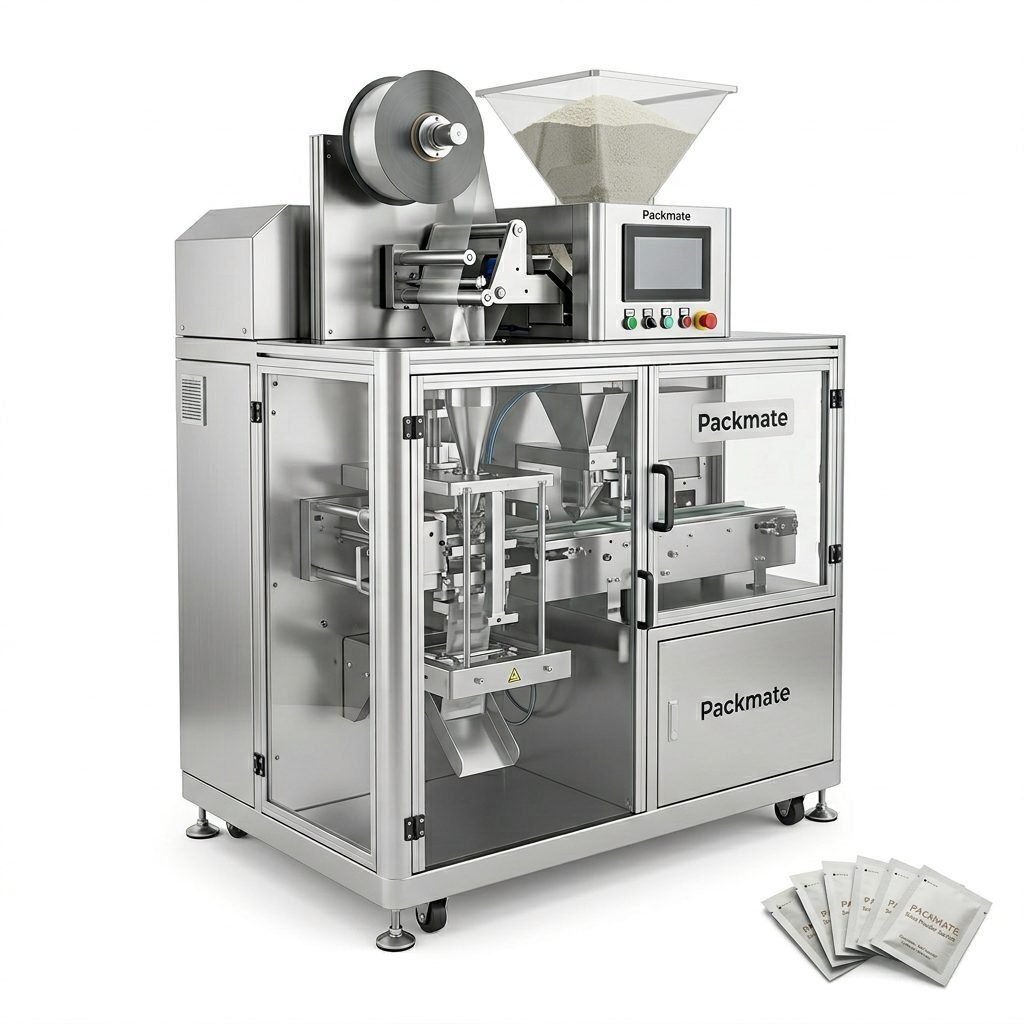
Stick Pack & Sachet Machines
Ideal for single-serve formats and products where visual branding on narrow sticks matters. These machines are cost-effective for moderate volumes and offer fast format changeovers.
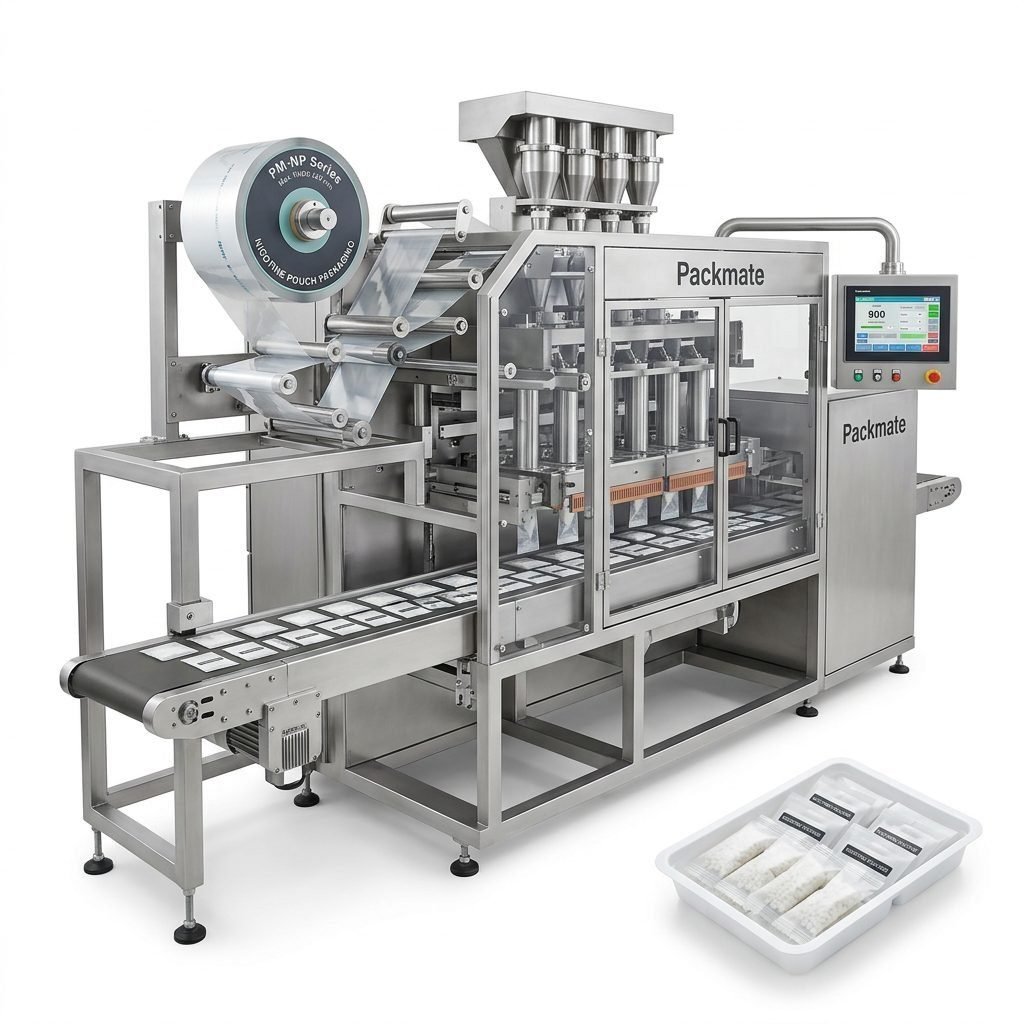
Complete Turnkey Lines
For businesses seeking end-to-end automation — from dosing and filling to secondary packing — turnkey solutions reduce integration risk and shorten time-to-market.
Selecting Suppliers in Asia: What to Ask and Verify
Supplier selection in Asia involves vetting engineering capability, factory scale, after-sales support, and export experience. Here are practical checks that separate reliable partners from transactional vendors.
📄 Factory Walkthrough & Certifications — Verify the manufacturer’s workshop, CNC capabilities and CE/ISO certificates.
🧰 Spare Parts & Local Support — Confirm parts availability and whether local engineers can be dispatched.
🔧 Installation & Commissioning — Ensure on-site commissioning is part of the contract and training is included.
Manufacturers like Packmate have factual strengths you should validate: factory scale (~20,000㎡), decades of domain experience, and a track record of custom multi-lane systems. Learn more about their product range: Snus & Nicotine Packaging Machines, or review their company profile at About Packmate.
Budgeting, ROI and Total Cost of Ownership
Consider initial CAPEX, average downtime, consumables (films, inks), energy consumption, labor, and maintenance. A lower-cost machine with frequent stoppages will erode margins faster than a higher-quality, reliable line.
Estimate ROI by modeling:
• Daily output × margin per pouch × operational days — then subtract running costs.
• Factor in service contract costs and spare parts inventory as recurring expenses.
Compliance, Labeling & Regional Regulations in Asia
Regulations vary widely across Asian countries. Some markets restrict nicotine levels, require specific warning labels, or ban certain flavors. Your chosen machine must support high-quality printing and accurate label placement to meet local mandates and enable cross-border sales.
Practical tips
Work with a legal/regulatory partner to produce compliant artwork. Include serialization or batch coding modules on the line to ensure traceability if required by local regulators.
Installation, Training and After-Sales Service
Prioritize suppliers who include onsite commissioning, operator training, and spare parts kits. Confirm warranty terms, remote diagnostics capability, and expected lead times for critical components.
For real-world case examples and references, check the manufacturer’s case studies to validate performance: Case.
How Packmate Fits Asian Manufacturers’ Needs
With over 30 years of experience and a 20,000㎡ facility, Packmate (GuangDong) Co., Ltd. offers 50+ machine models and modular turnkey solutions tailored for nicotine pouches, stick packs, and sachets. Their machines emphasize multi-lane high-throughput options, precise dosing, and export-friendly certifications.
If you need technical catalogs or detailed product lists, see Bag & Pouch Packaging Machines and Sachet & Stick Pack Machines.
Practical Pre-Purchase Checklist
✔ Confirm target throughput and choose single- vs multi-lane accordingly.
✔ Request video of machine running a similar product and independent references.
✔ Verify spare parts lead times and local technical support availability.
✔ Include acceptance criteria and performance tests in the sales contract.
✔ Plan for operator training and preventive maintenance schedules.
Final Recommendations for Asian Buyers
Select machines that balance flexibility with reliability. If your product line will expand, invest in modular multi-lane platforms that scale. Prioritize suppliers with documented factory capability, certifications, and a clear path for spare parts and technical support in your region.
ℹ️ For direct inquiries and to discuss line configuration, use the manufacturer’s contact channel: Contact Us.
🔎 Explore technical help and common questions at: FAQs.
Frequently Asked Questions
Q1: How fast can multi-lane snus machines run and what is realistic uptime?
A1: Multi-lane systems can achieve very high nominal outputs (several tens of thousands of pouches per hour), but realistic uptime depends on operator skill, maintenance regime, and quality of consumables. Plan for 85–92% practical uptime during early months.
Q2: What level of customization is possible for flavors, pouch size and printing?
A2: Modern machines support a wide range of pouch sizes and high-resolution printing. Many suppliers provide modular options for adding variable data coding, batch printing, or different dosing heads for liquids, powders, or granules.
Q3: How important is local after-sales support in Asia?
A3: Extremely important — fast access to spare parts and local technicians reduces downtime and protects margins. Confirm whether the vendor has regional partners or offers rapid remote diagnostics and spare parts kits.
Q4: Can I begin with a smaller line and scale up later?
A4: Yes. Choose modular platforms that allow adding lanes, upgrading dosing systems, or integrating automated secondary packing. This approach reduces initial investment while preserving growth options.
Q5: Where can I see machine examples and real installations?
A5: Review case studies and exhibition appearances for live demos and client references: Our Exhibition and Case.