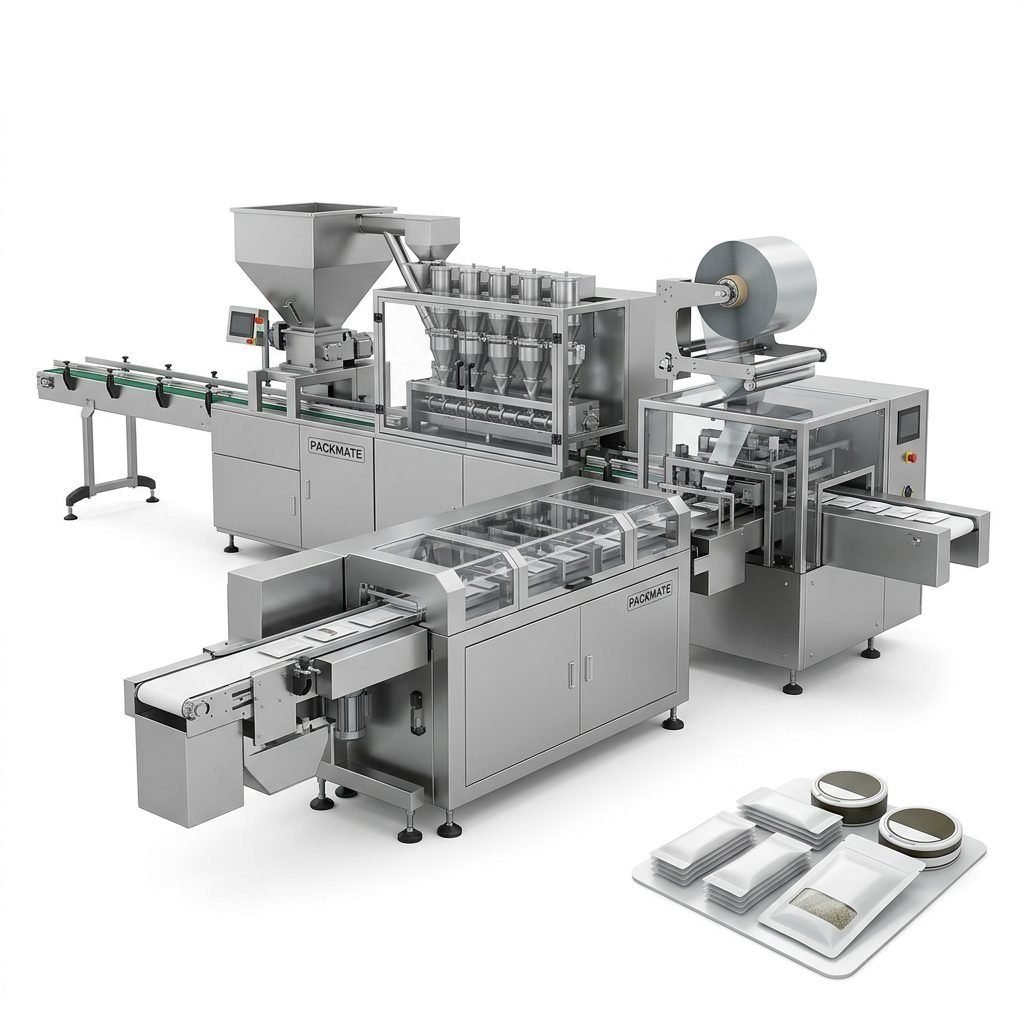
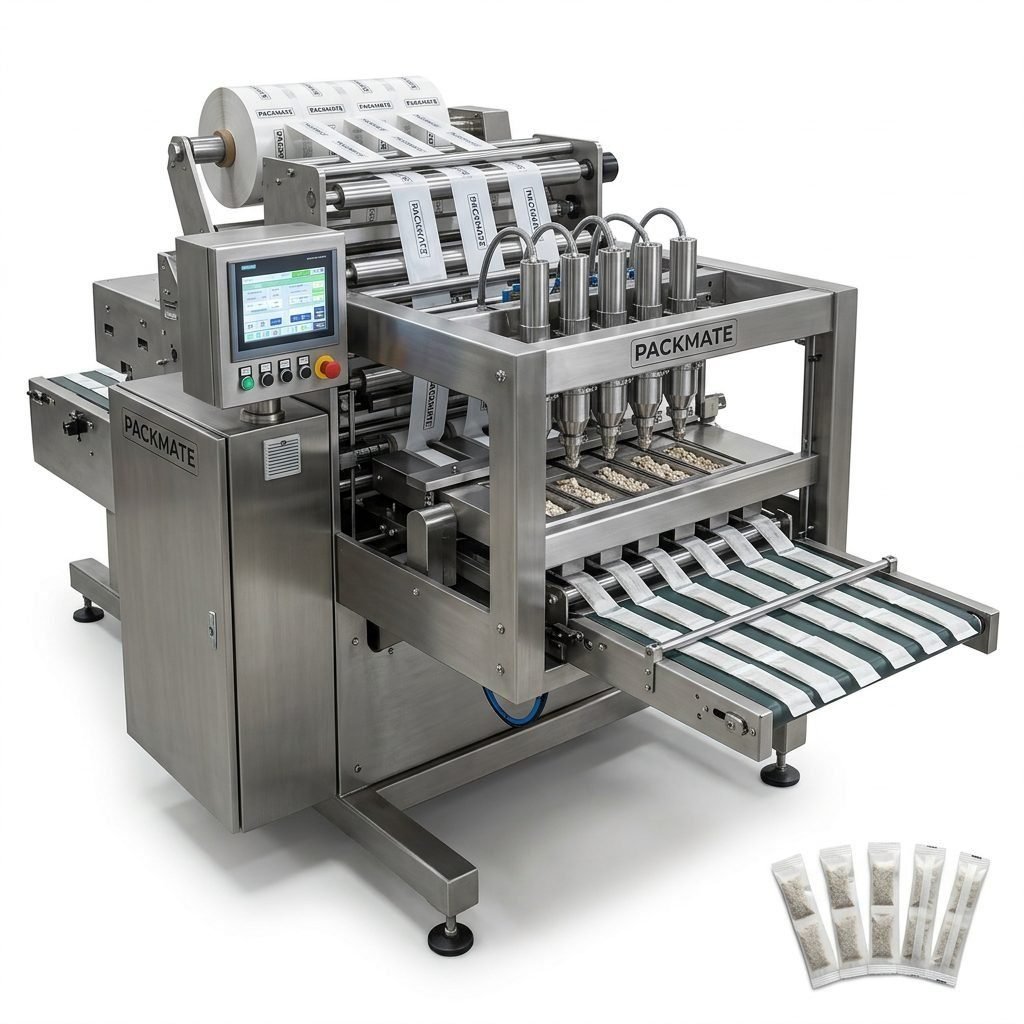
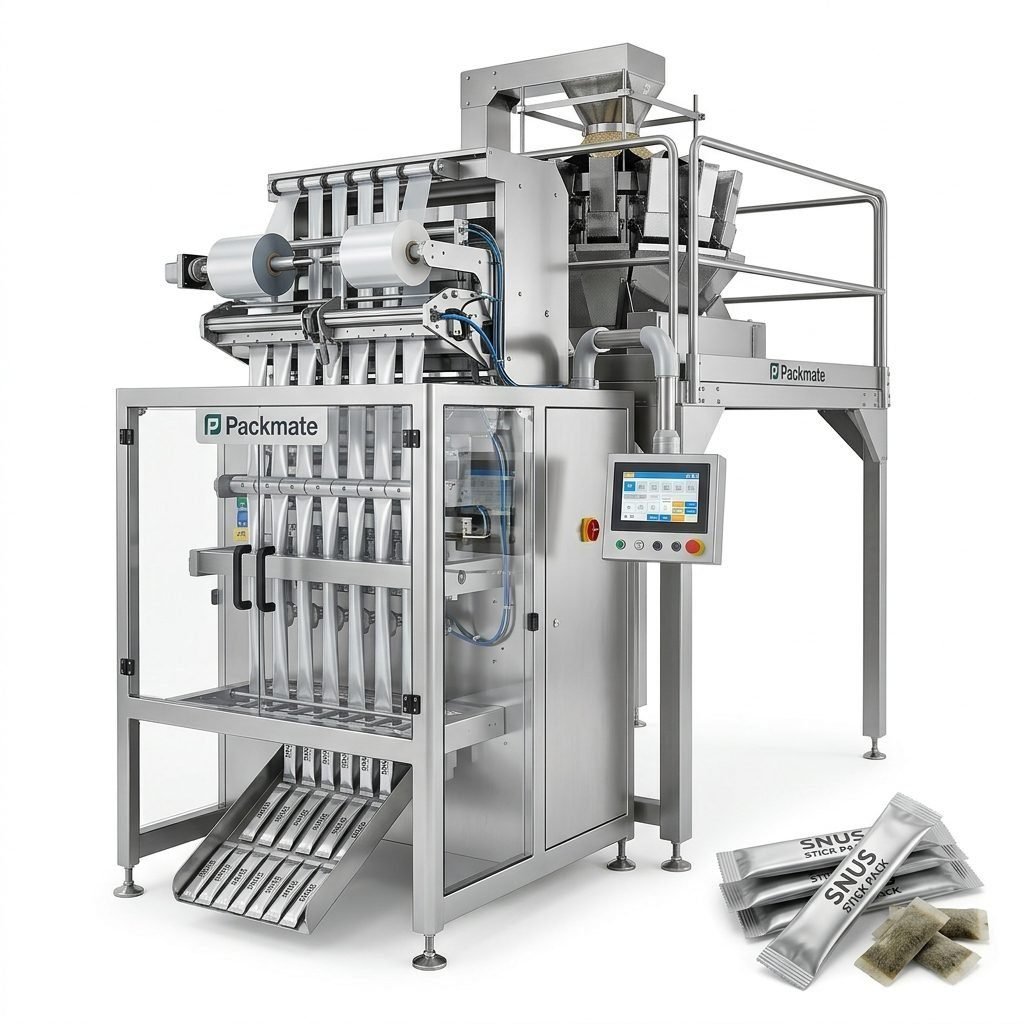
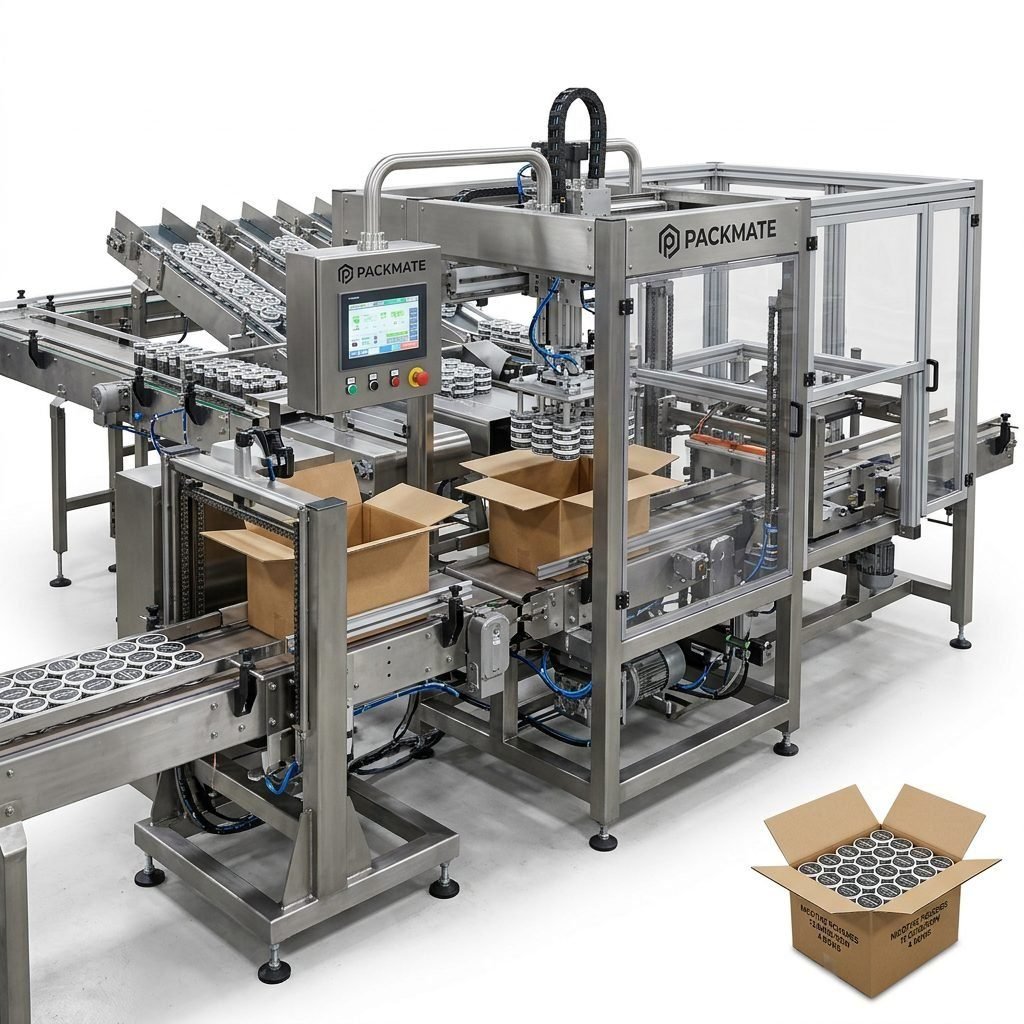
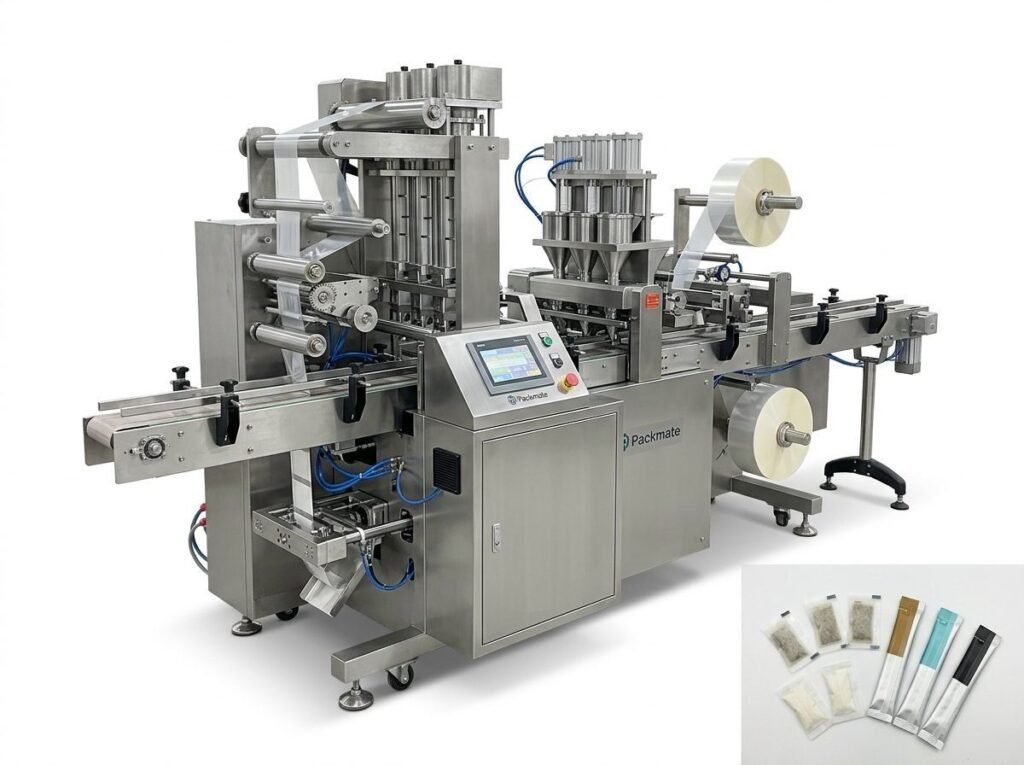
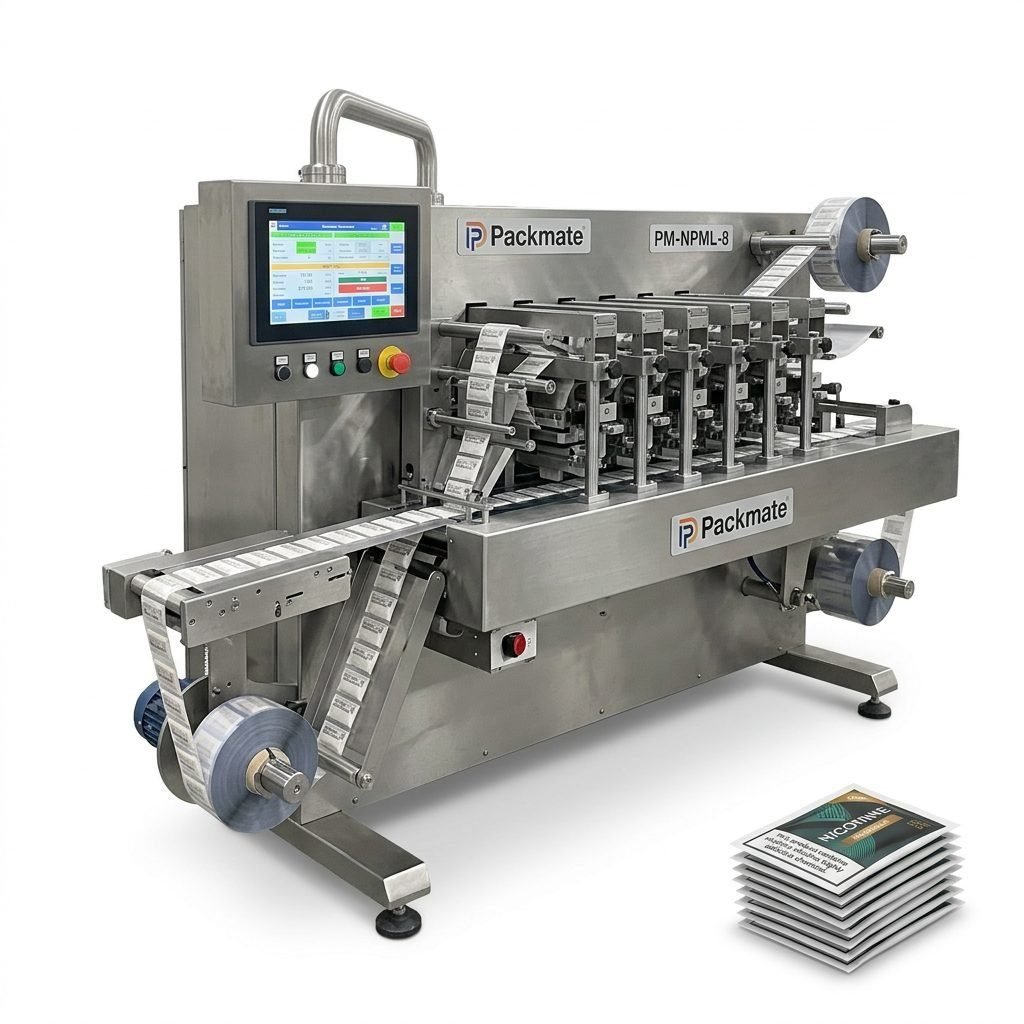
Choosing the right nicotine packaging machinery manufacturer in Algeria can transform your production line from inconsistent and costly to streamlined and profitable. This guide walks you through practical criteria, technical considerations, after-sales service expectations, and negotiation tips so you can confidently select a supplier that meets regulatory, operational, and commercial needs.
📌 Why the Manufacturer Matters for Your Nicotine Packaging
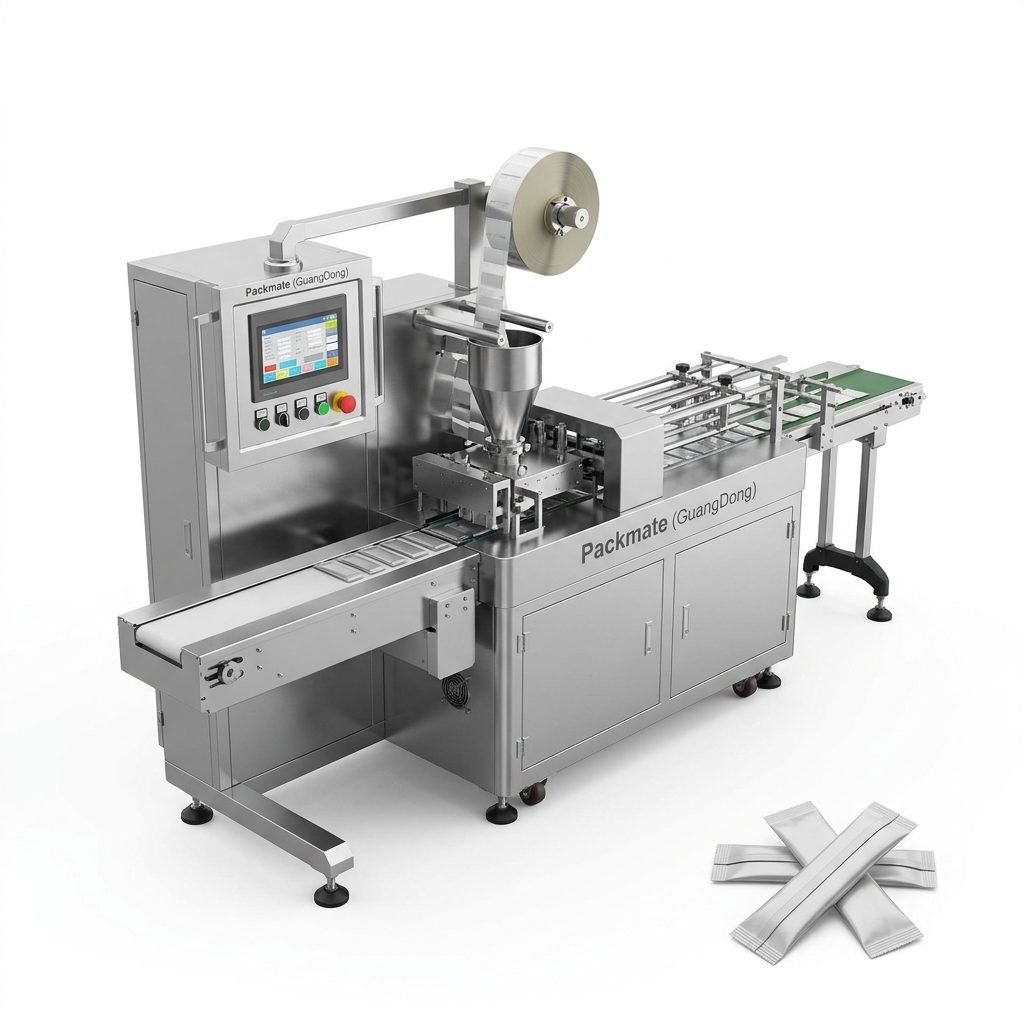
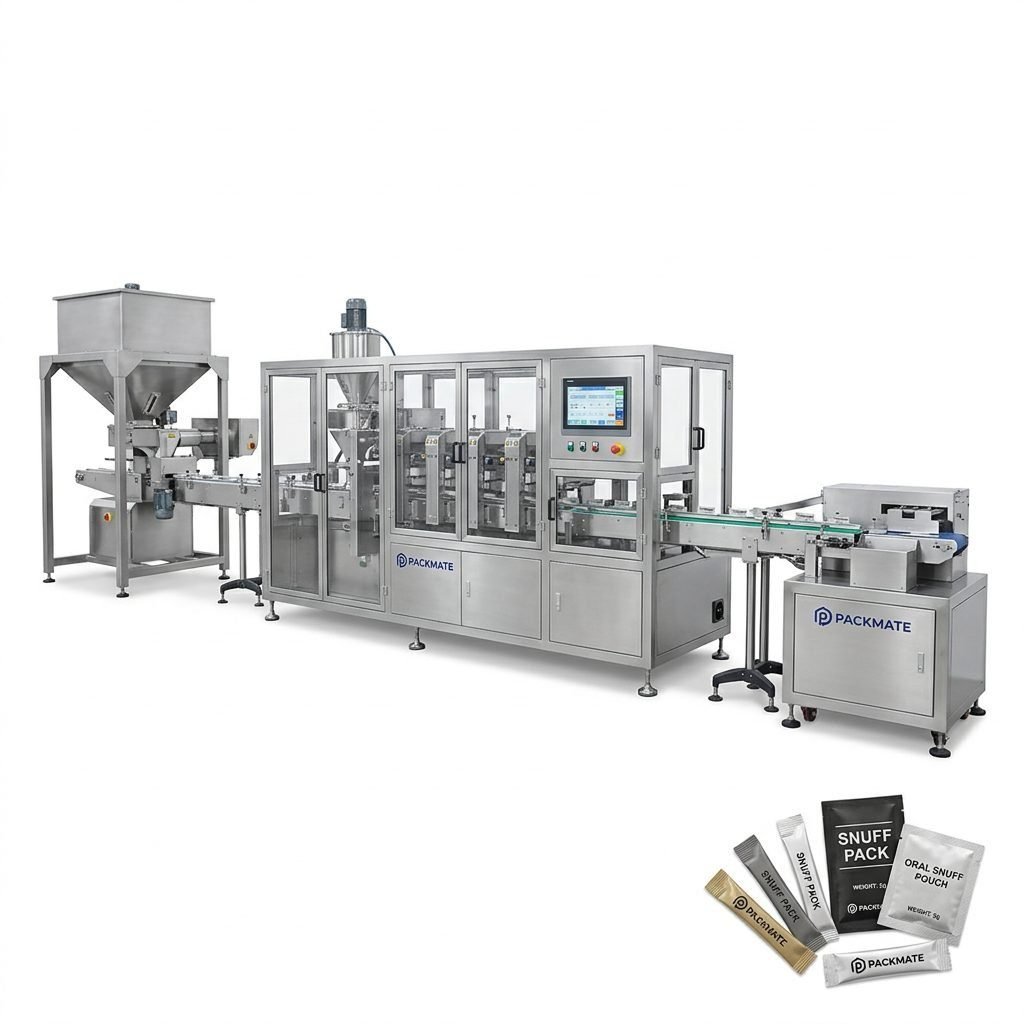
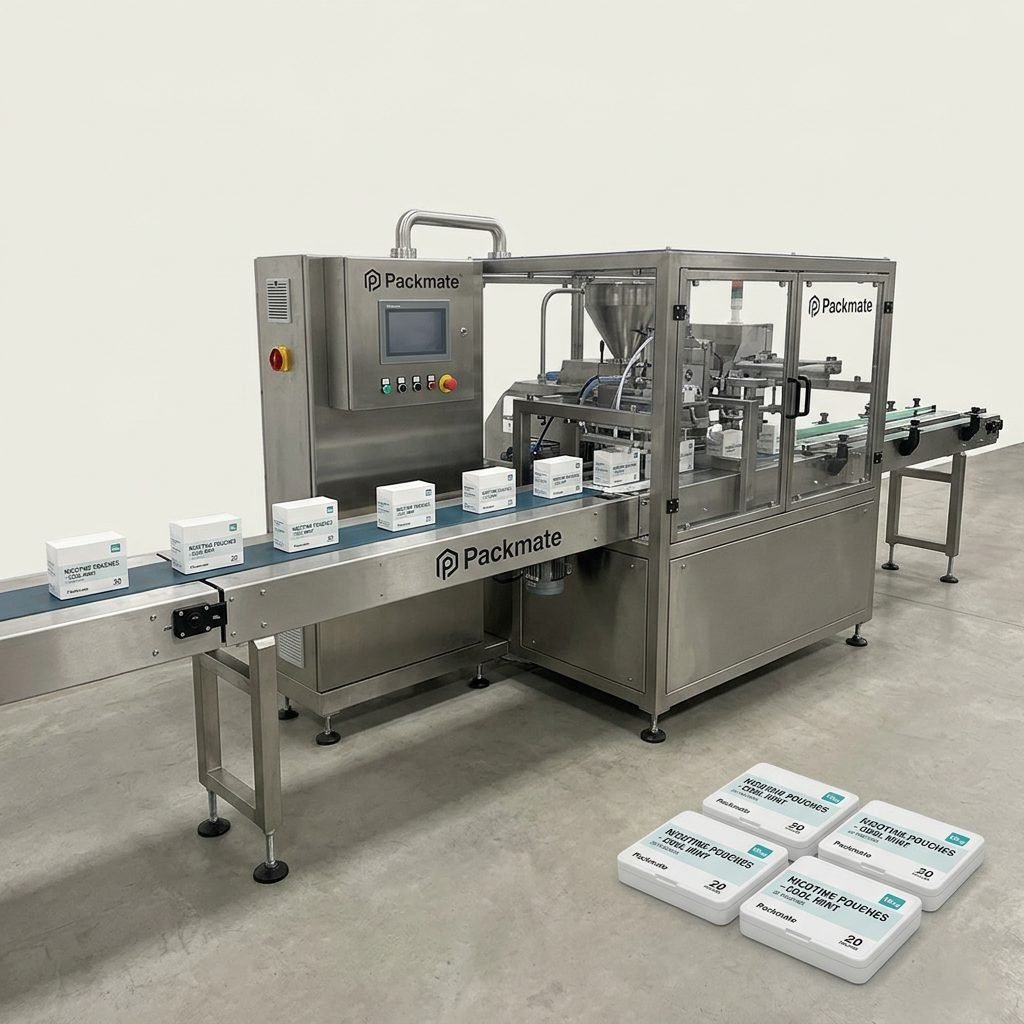
A packaging machine is more than metal and motors — it defines product consistency, compliance, and long-term operating cost. Manufacturers who understand nicotine pouch technologies (including snus and small-dose pouches) bring specialized designs such as multi-lane systems, precise dosing, and contamination control. Choosing an experienced partner reduces downtime, improves yield, and helps you scale production safely.
⚙️ Key Decision Criteria at a Glance
Use this checklist during vendor evaluation:
- Production capacity & scalability: can the line expand to multi-lane outputs?
- Technical fit: dosing accuracy, sealing quality, material compatibility.
- Compliance & certifications: CE, ISO, and local regulatory support.
- Service network & spare parts availability in Algeria or nearby regions.
- Total cost of ownership: energy use, maintenance, and uptime guarantees.
🔎 Technical Considerations: What to Inspect
When evaluating machines for nicotine pouches, pay attention to precision, hygiene, and automation level. Below are specific items to check and questions to ask your potential manufacturer.
1. Dosing & Filling Accuracy
Precise dosing ensures uniform nicotine content and regulatory compliance. Ask about the machine’s tolerance (e.g., ±X mg), the weighing or volumetric system used, and how the machine compensates for product variability (moisture, particle size).
Look for machines that offer fine adjustment mechanisms and automatic calibration routines to reduce manual intervention.
2. Multi-lane & Throughput Options
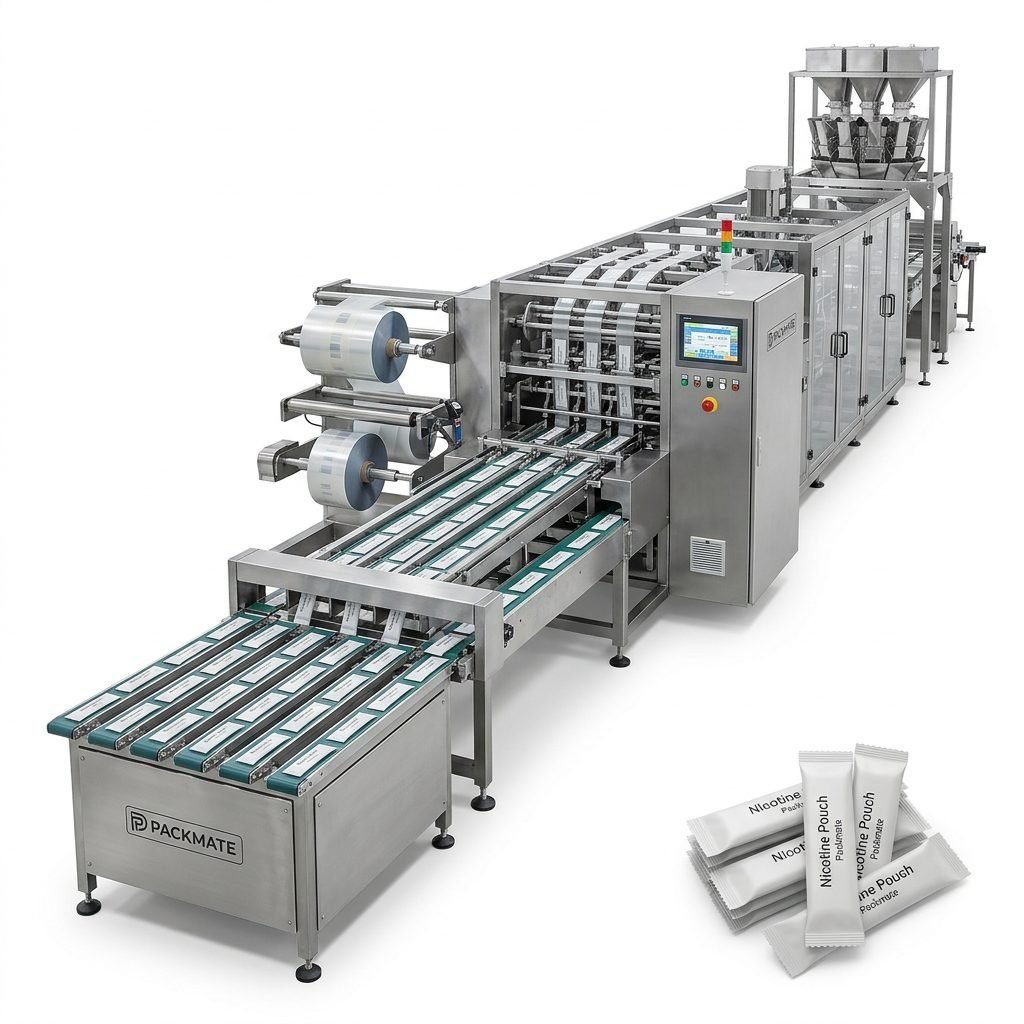
If you plan to grow production, a supplier that offers multi-lane configurations will save floor space and capital. Multi-lane machines are ideal for small-dose pouches and can increase output without multiplying machine footprints. Confirm lane synchronization, changeover time, and how the system handles lane blockage or rejects.
3. Materials & Sealing Technology
Choose a machine compatible with the specific packaging material (laminated films, paper foils, barrier films). Assess the sealing system — heat-seal, ultrasonic, or cold-seal — and evaluate seal strength tests. Reliable sealing prevents leaks and product degradation, which is critical for nicotine stability and shelf life.
Pro tip: request a machine demo or a video of production with your material. Seeing the machine in action will reveal details that spec sheets can’t.
🏭 Manufacturer Capabilities & Factory Strength
Evaluate the manufacturer’s engineering experience, factory size, and manufacturing practices. A well-equipped facility with CNC machining centers and precision assembly lines ensures component quality and consistent machine performance. For reference, look for manufacturers with documented experience in snus or nicotine pouch lines and a history of turnkey solutions.
If you want to explore product ranges and machine types, check these categories: Snus & Nicotine Packaging Machines, Sachet & Stick Pack Machines, and Bag & Pouch Packaging Machines.
🛠 Service, Spare Parts & Local Support
After-sales service is as important as the purchase. Verify the manufacturer’s service network, spare parts lead times, and training offerings. Ideally, choose a supplier who provides:
- Local or regional technical support (or rapid remote diagnostics).
- Clear spare parts catalogs and stocking plans.
- Operator & maintenance training programs and documentation in English or your preferred language.
Warranty & Performance Guarantees
Negotiate warranty terms that cover major components and ensure uptime commitments. A reputable manufacturer will offer performance tests (e.g., acceptance test report) before shipment and clear warranty conditions for on-site repairs or replacement parts.
💡 Practical Procurement Checklist
Use this procurement checklist when comparing quotes:
- Detailed specification sheet including throughput, power consumption, and footprint.
- Video or live demo with your materials and target format.
- Breakdown of included accessories, tooling, and spare parts package.
- Installation, testing, and commissioning plan in Algeria (or nearest port).
- Training scope for operators and maintenance staff.
- After-sales SLA, warranty, and typical MTTR (mean time to repair).
💬 Negotiation & Commercial Tips
Price is only one part of the deal. To get the most value:
- Ask for lifecycle cost estimates (energy, spare parts, consumables).
- Request performance acceptance criteria and penalty clauses for missed KPIs.
- Negotiate inclusive installation and operator training as part of the package.
- Consider phased payments tied to factory acceptance test (FAT) and site acceptance test (SAT).
📁 Documentation & Regulatory Support
Ensure the manufacturer supplies complete documentation: electrical schematics, mechanical drawings, spare parts lists, user manuals, and certificates (CE, ISO). If you require local regulatory approvals or product traceability reports, discuss these early to avoid shipment delays.
🔗 Additional Resources & Vendor Examples
Many specialized manufacturers provide modular solutions and full lines for snus and nicotine pouch production. For inspiration and to compare technical approaches, review product pages such as:
- Snus & Nicotine Packaging Machines — focused product lines for pouch filling and forming.
- Weighing & Packaging Systems — integrated dosing and packaging combinations.
- About Packmate — company background and manufacturing capacity.
🔍 Factory Visits & FAT (Factory Acceptance Test)
Whenever possible, perform a factory visit or at least request a documented FAT. A FAT should include:
- Running the machine with your product format and materials.
- Measurement of throughput, dosing precision, and seal integrity.
- Verification of safety guards, sensors, and HMI functions.
- Spare parts and training plan confirmation.
If a physical visit is not feasible, insist on a live video FAT with your QA or engineering team observing key tests.
✅ Final Selection: Making the Choice
After gathering quotes and technical evidence, score vendors on these weighted criteria: technical fit, after-sales service, total cost of ownership, delivery & lead time, and references/case studies. A supplier that scores high on engineering depth and provides clear commissioning and training plans typically delivers the best long-term value.
📞 Next Steps & Contact
If you need a starting point to evaluate machine models and turnkey solutions, review product categories such as Filling & Packaging Lines or contact the manufacturer for customized layouts and quotations. For case studies and exhibition details, their Case and Our Exhibition pages can give real-world insight into deployed solutions.
Frequently Asked Questions
Q1: What certifications should I expect from a nicotine packaging machine supplier?
A: Look for CE and ISO certifications as baseline quality and safety indicators. Also request conformity declarations for electrical and machine safety. If you export products, verify documentation that supports international regulatory audits.
Q2: How do I validate dosing accuracy before purchase?
A: Request sample production runs at FAT using your exact product and packaging materials. Ask the manufacturer to provide measurement data for dosing variance and repeatability under typical operating speeds.
Q3: Is it better to buy a single machine or a turnkey production line?
A: If you need quick market entry, a turnkey line reduces integration risk. For phased growth, modular machines with straightforward integration allow you to scale capacity. Balance initial investment with time-to-market requirements.
Q4: How important is local spare parts inventory?
A: Very important. Long lead times for critical spares increase downtime. Ensure your supplier can support expedited shipments to Algeria or recommend stocking plans based on failure modes and consumables.
Q5: Where can I find more product details and support?
A: Visit the manufacturer’s product and service pages for technical catalogs, certificates, and contact information. For example, a comprehensive hub for products and services is available on their Service and Contact Us pages.