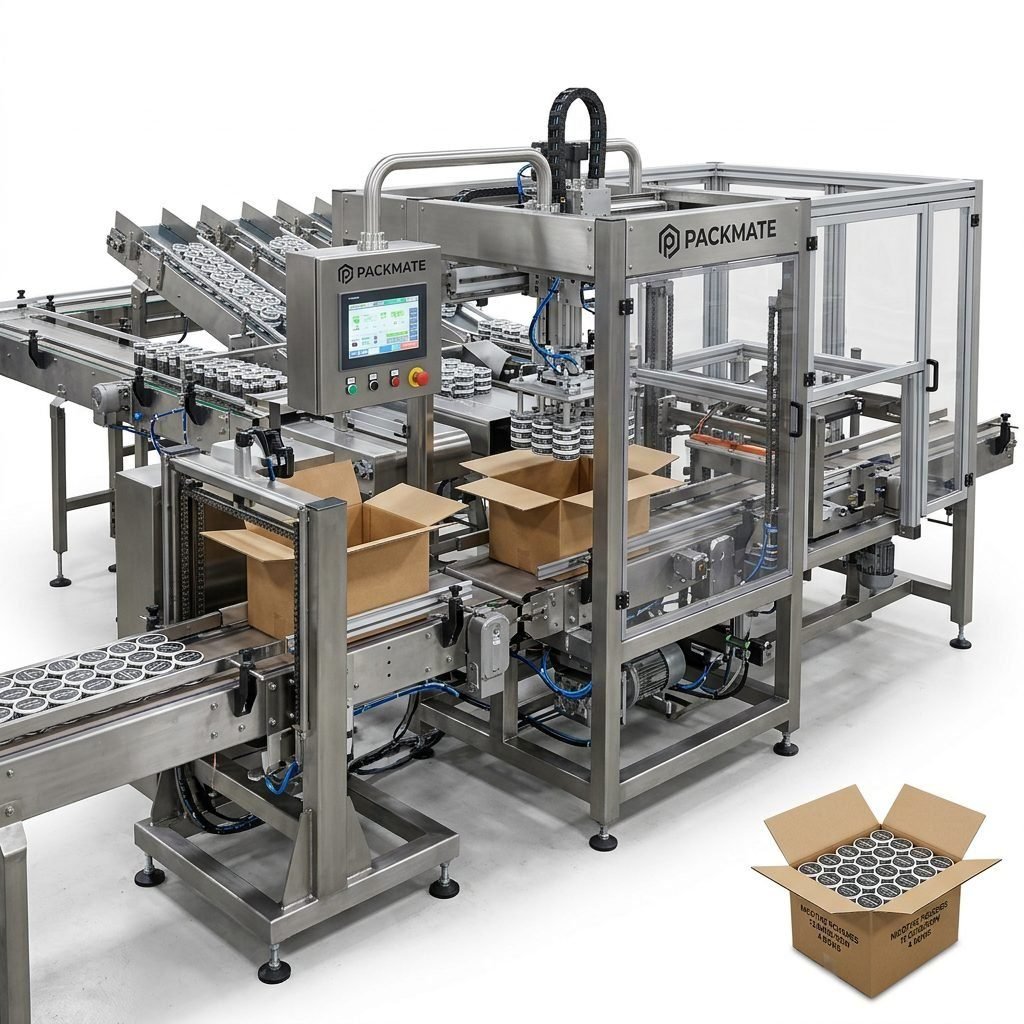
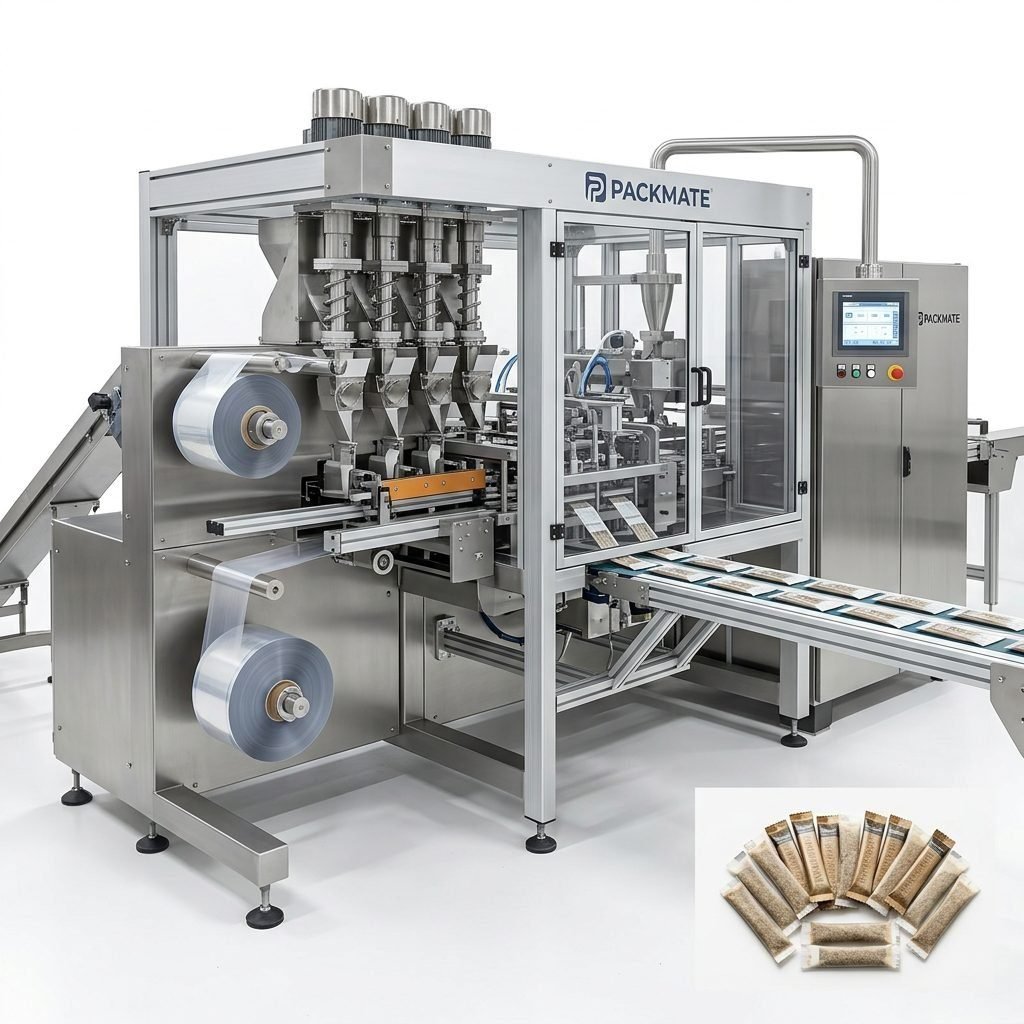
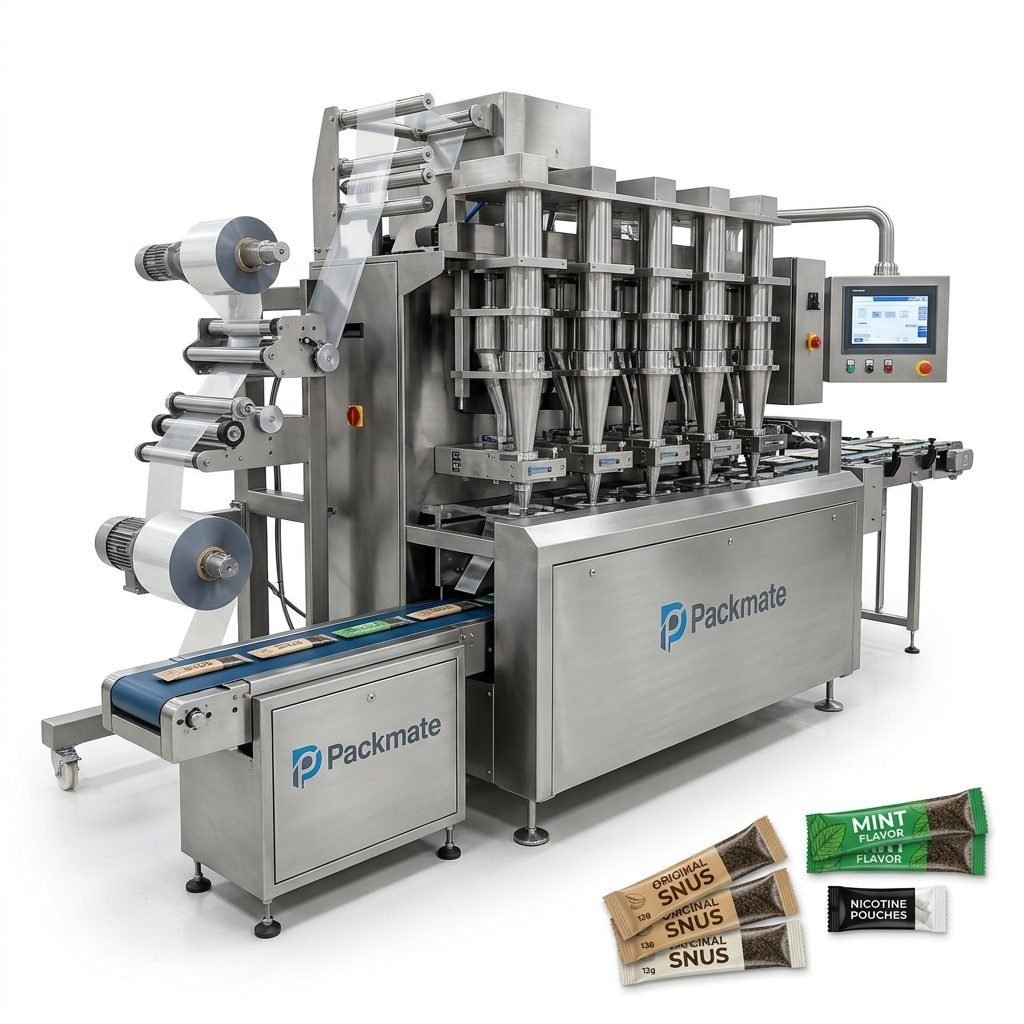
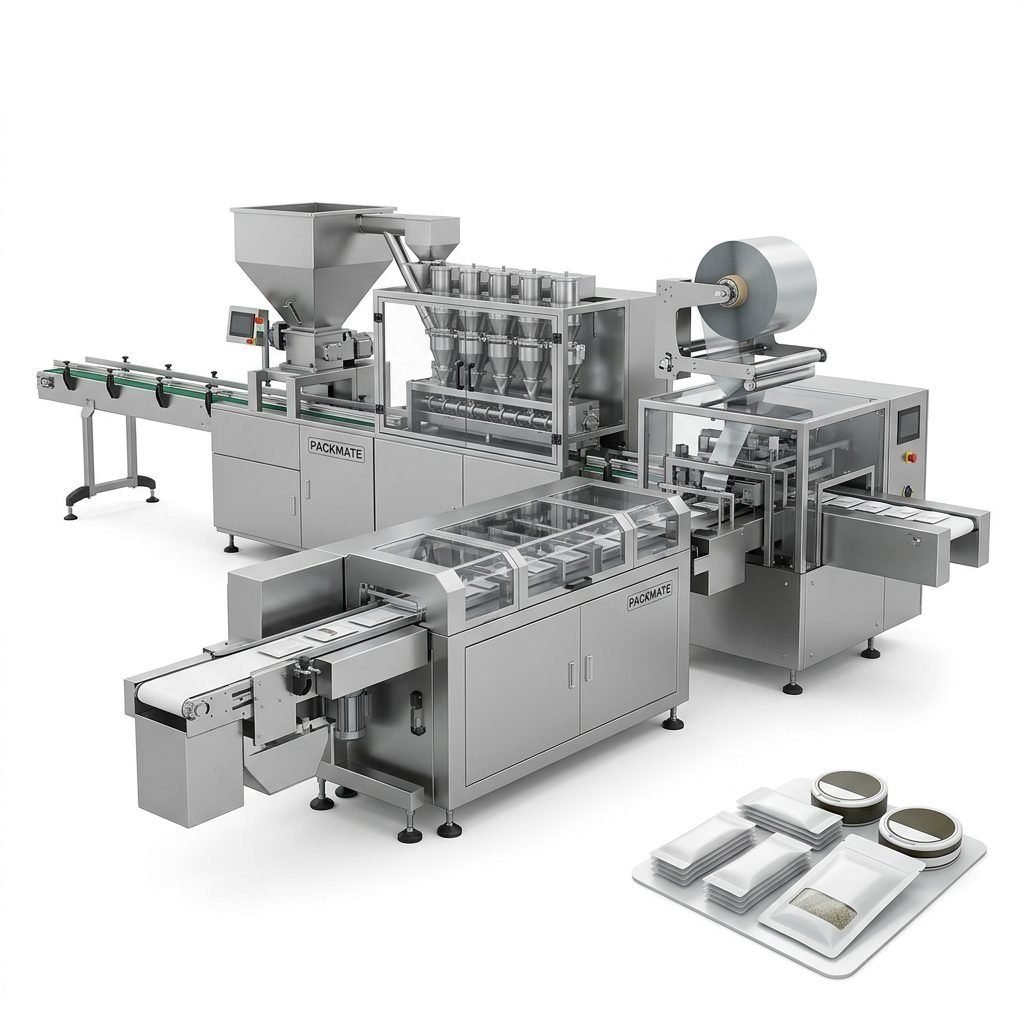
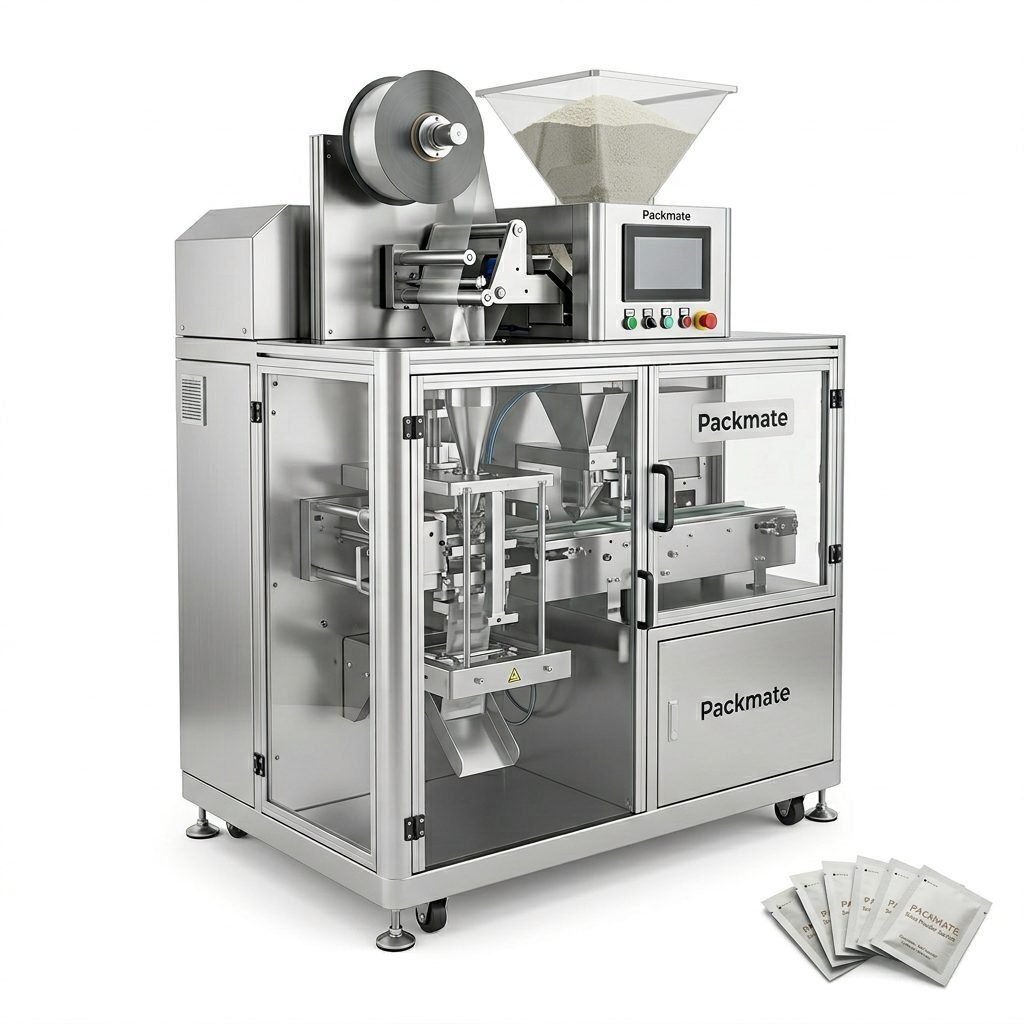
Choosing the right nicotine packaging machine manufacturer in Djibouti is a critical step for any business aiming to enter or expand in the nicotine pouch and snus market. This guide walks you through practical selection criteria, local considerations unique to Djibouti, and a step-by-step checklist to ensure you partner with a reliable supplier who can deliver compliant, efficient, and scalable packaging solutions.
Understanding the Djibouti Market and Local Considerations
Djibouti occupies a strategic position in the Horn of Africa with a busy international port that serves regional trade flows. When selecting a nicotine packaging machine manufacturer, take into account local logistics, customs procedures, and cultural norms. Djibouti is predominantly Muslim and public attitudes toward nicotine products can differ from other markets; many businesses focus on B2B distribution, tax-free transit trade, or exports to neighboring countries such as Ethiopia. Ensure your product positioning respects local customs and complies with import regulations.
⚠️ Local regulatory compliance: Investigate Djibouti’s import documentation for nicotine products and packaging machinery. Obtain clear guidance on duties, necessary permits, and labelling rules before placing an order.
Why manufacturer choice matters
The right manufacturer will deliver not just equipment but also engineering support, spare parts availability, and long-term service. For nicotine pouch production, precision, stability, and contamination control are essential. Machines must meet strict hygiene and reliability standards, and the vendor should provide documented performance data, references, and international certifications like CE and ISO.
Key Technical Criteria to Evaluate
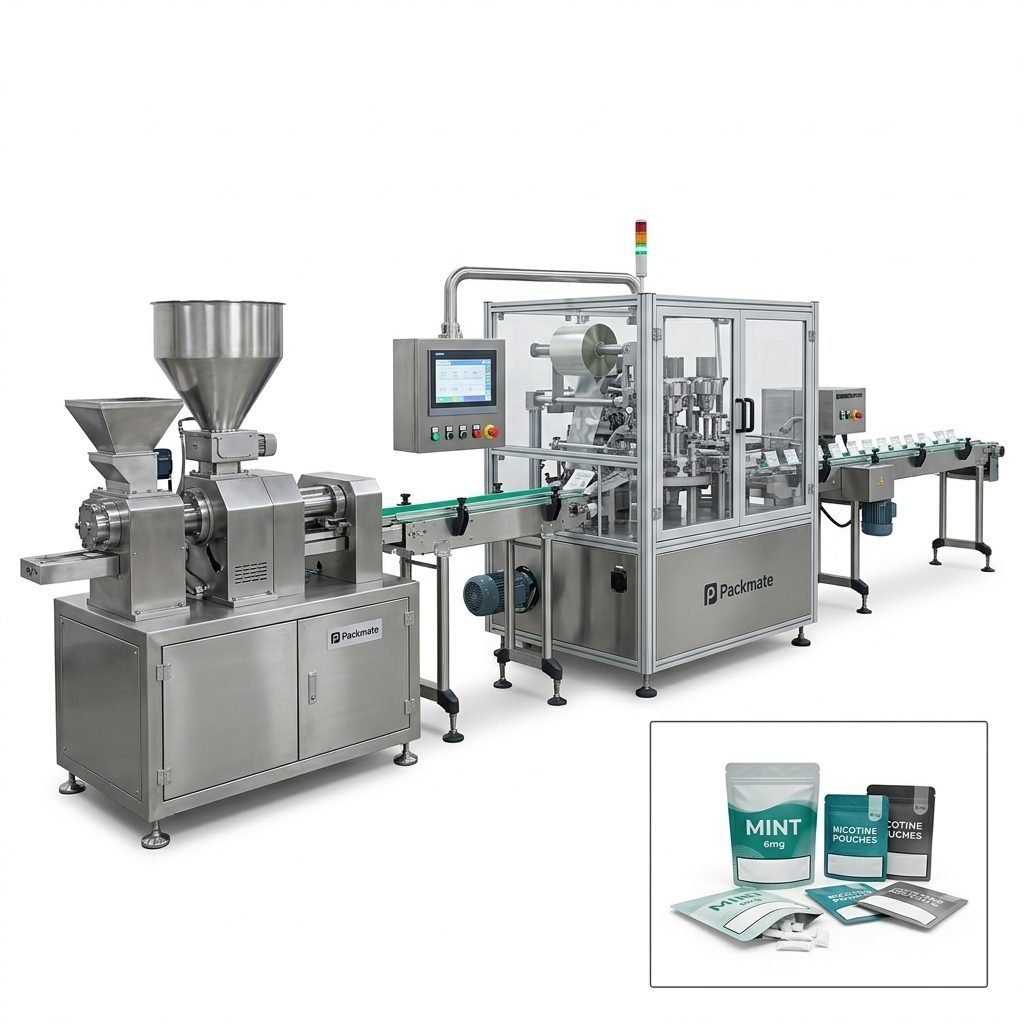
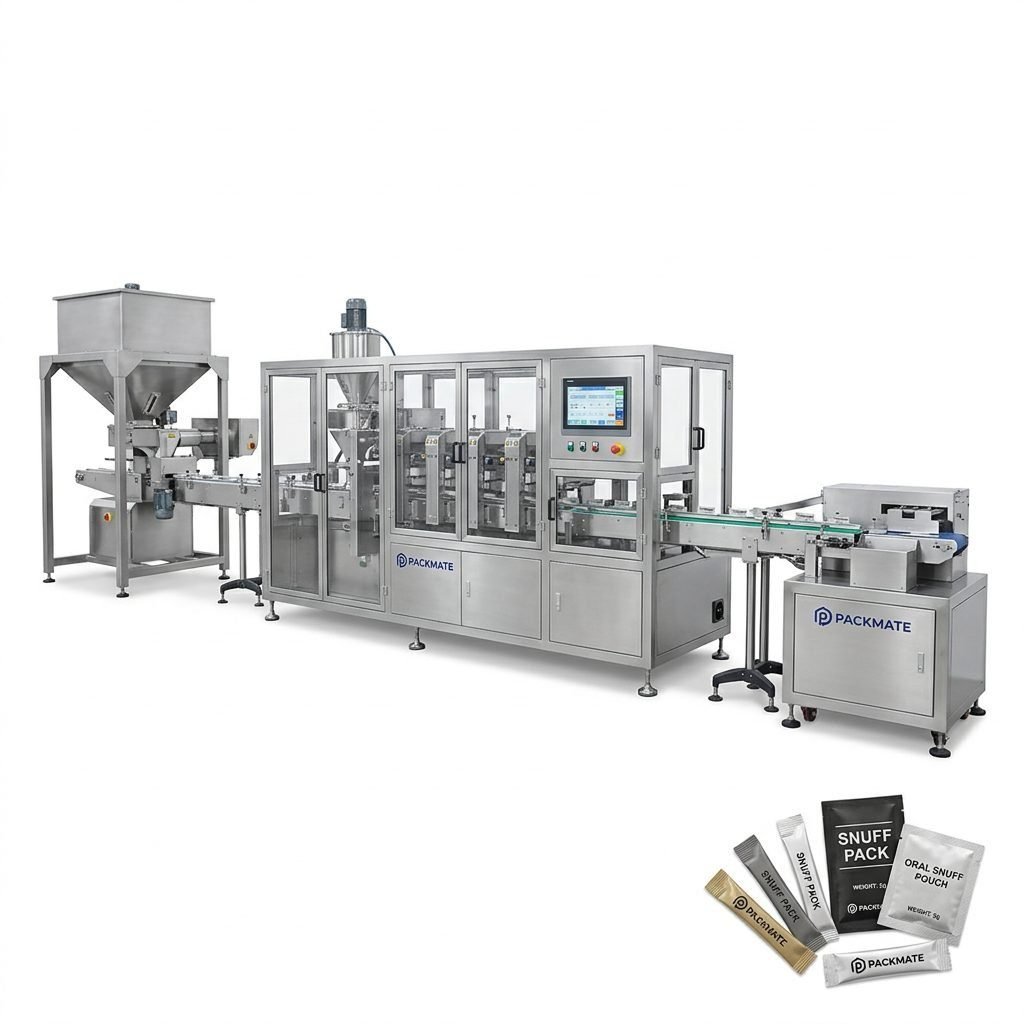
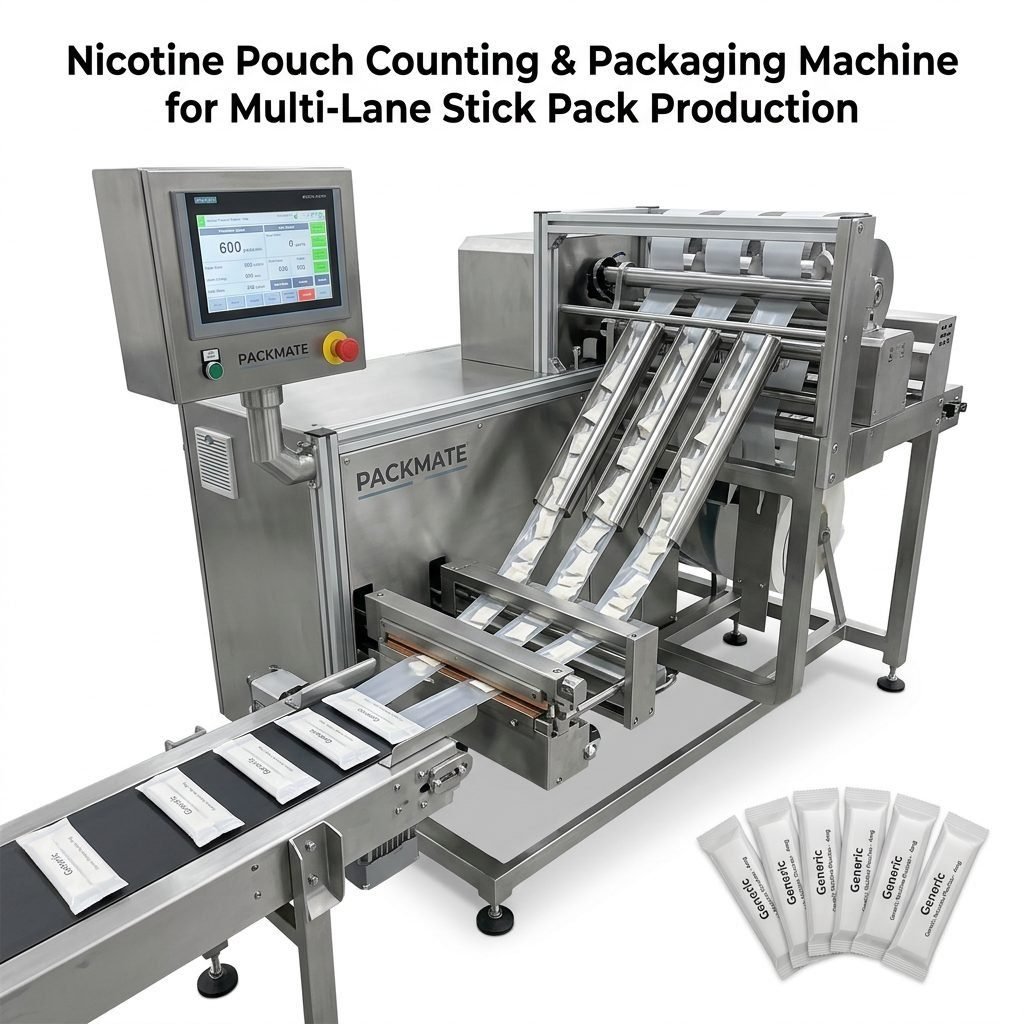
When comparing manufacturers, evaluate machines across several technical areas: throughput, pouch type compatibility (stick pack, sachet, multi-lane), dosing accuracy for low-dose nicotine pouches, material flexibility (film types, laminates), and ease of format changeover. A competent supplier will provide machine specifications and testing reports for materials similar to your product.
✅ Throughput & accuracy: Confirm the machine’s actual tested speed for your pouch size and target weight tolerance. Small-dose nicotine pouches demand high-precision weighing and filling systems.
Production Flexibility and Scalability
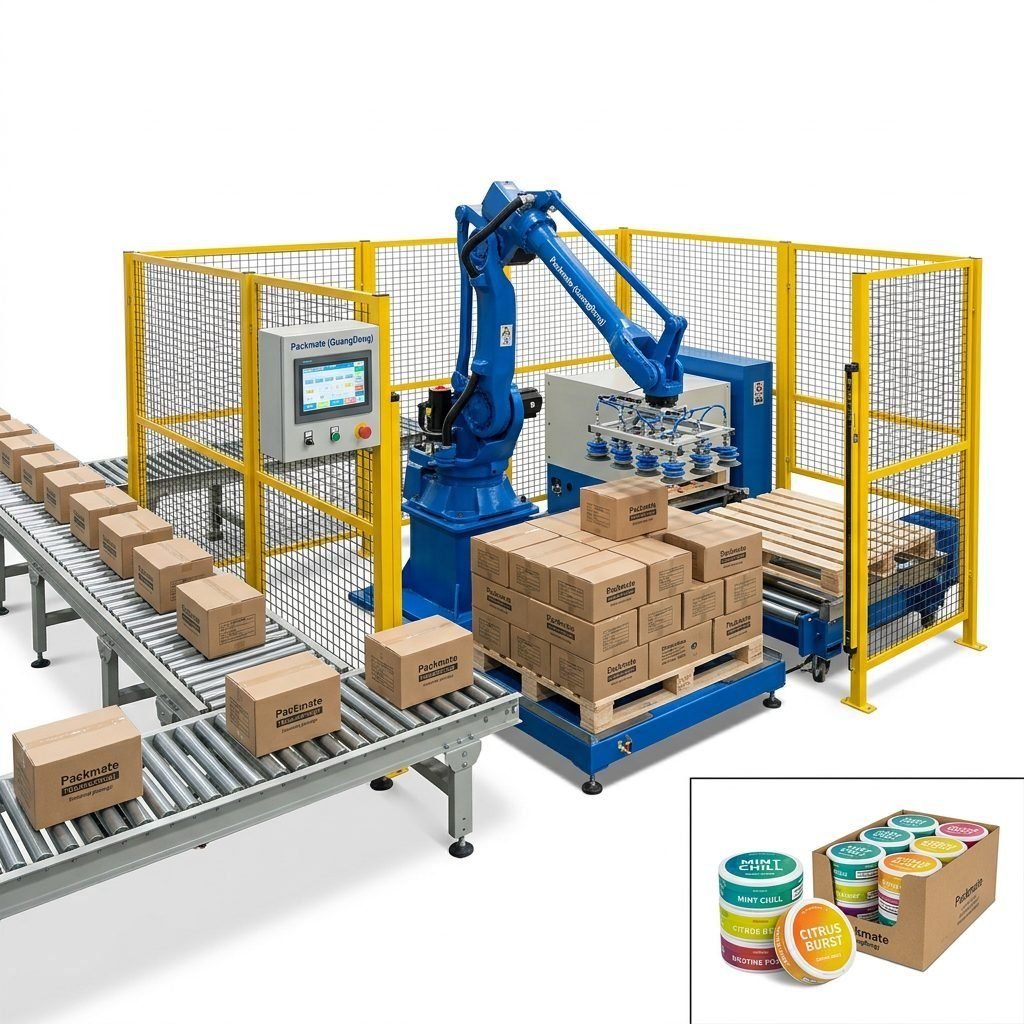
Choose a manufacturer who offers scalable lines and modular solutions. Multi-lane packaging systems can dramatically increase capacity without a linear increase in floor space. Ask about the ability to upgrade from single-lane to multi-lane systems, or to add inline weighing, metal detection, printing, or cartoning modules.
Manufacturer Credentials and Factory Strength
Trustworthy vendors provide transparent factory details: production area, machining capabilities, testing protocols, and quality control systems. Look for companies with decades of engineering experience and documented case studies of nicotine pouch lines. For example, vendors that operate large factory floors with CNC machining centers and precision assembly lines are better positioned to deliver high-quality machines and spare parts continuity.
ℹ️ Certifications matter: Verify CE, ISO, and other relevant certificates. Certificates show the manufacturer adheres to international safety and quality standards essential for global trade.
Service, Support and After-Sales Policies
Strong after-sales service is crucial, especially when operating in regions with limited local technical resources. Ensure the manufacturer offers installation supervision, operator training, preventive maintenance plans, and a reliable spare parts supply chain. Fast response times for remote troubleshooting and clear warranty terms reduce downtime risk.
🔧 Local support & spare parts: Ask whether the supplier has local partners or a documented shipping process to deliver spare parts quickly to Djibouti’s port. Consider stocking critical consumables onsite.
Questions to Ask Potential Suppliers
A focused questionnaire will quickly reveal competence: request the factory address, production capacity, client references (preferably for nicotine pouch lines), on-site testing videos, electrical and PLC specifications, and a breakdown of optional modules. Confirm lead times for standard models and for customized solutions.
Useful questions include:
• What is the machine’s tested output for my pouch size and weight?
• Can you provide references or case studies of similar nicotine pouch installations?
• What warranty and post-sale support do you provide to international clients?
• Do you offer training in English/French/Arabic for Djibouti teams?
• How do you handle spare parts shipment to the Port of Djibouti?
Evaluating Total Cost of Ownership (TCO)
Beyond the machine price, TCO includes installation, commissioning, spare parts, consumables, energy consumption, downtime risk, and expected lifespan. Choose a supplier who can provide realistic OEE (Overall Equipment Effectiveness) metrics based on existing installations. Machines that reduce product changeover time and minimize waste often save more over 3–5 years than the cheapest initial bid.
📈 Ask for OEE reports: Request documented OEE or production run data to understand realistic yields and downtime patterns.
Logistics: Shipping, Customs and Local Delivery in Djibouti
Djibouti’s Port is a major regional hub, but heavy industrial equipment still needs special handling. Confirm the manufacturer’s experience exporting to Djibouti and request a detailed shipping quotation that includes crating, inland transport, and port handling. Ensure the supplier provides proper export documentation, OEM certificates, and packing lists to smooth customs clearance.
Consider incoterms carefully—FOB, CIF, DDP each allocate responsibility differently. For first-time buyers in Djibouti, CIF (Cost, Insurance, Freight) to Doraleh or Djibouti port may simplify logistics, but confirm insurance coverage and transit risk management.
Cultural & Language Considerations When Negotiating
In Djibouti, French and Arabic are widely used in business, and English is common for technical negotiations. Respectful communication, punctuality, and clarity on contractual terms are valued. If you are a foreign buyer, request bilingual manuals and training, and consider hiring a translator for commissioning to avoid misunderstandings.
Local workforce training
Insist the supplier includes hands-on operator training and maintenance workshops. Machines shipped without local training increase the risk of improper use and premature wear. On-site training tailored for your production team significantly improves uptime and product quality.
Why Packmate-Style Suppliers Are Worth Considering
Experienced manufacturers with decades of machine-building history typically offer mature product lines, tested multi-lane snus packaging systems, and full turnkey solutions. Companies that provide end-to-end support — from filling and weighing to sealing and cartoning — can shorten your ramp-up time and simplify single-vendor responsibility.
If you want to review detailed product options, consider pages like Snus & Nicotine Packaging Machines, their About Packmate profile, and real-world Case studies to assess performance claims.
Sample Selection Checklist
Use this checklist to objectively compare manufacturers:
• Factory & machining capacity confirmed?
• CE / ISO certificates provided?
• Tested production speeds for your pouch format?
• Precision weighing and dosing performance documented?
• Spare parts & consumables lead time acceptable?
• On-site installation, commissioning, and training offered?
• References or site visits available?
• Transparent warranty and service contract?
✅ Tip: Ask for video demonstrations of your targeted pouch format running on the exact machine model and request sample packs for inspection before shipment.
Negotiation Tips & Payment Terms
Negotiate clear milestones: design approval, FAT (Factory Acceptance Test), shipping, and SAT (Site Acceptance Test). Common international payment terms include 30% deposit, 70% before shipment, or letters of credit for higher-value projects. Ensure the contract covers scope, spare parts list, tooling, training, and acceptance criteria for performance.
Installation & Commissioning Roadmap
A typical project timeline includes technical specification finalization, manufacturing, FAT, packing & shipping, customs clearance in Djibouti, installation, commissioning, and operator training. Expect a multi-week window for shipping and customs clearance; schedule experienced technicians to align with the arrival date.
Final Selection Checklist Before Signing
Before signing, confirm: detailed machine specifications, spare parts list, delivery timeline, warranty period, training schedule, FAT acceptance criteria, and a contact for fast-response service. Validate that the supplier can ship necessary documentation for customs and provide technical support during installation in Djibouti.
📞 Practical next step: Contact the manufacturer’s sales and service team with your product specs and request a customized quote and FAT schedule. For product details and service options see Contact Us and Service.
Summary: Making a Confident Decision
Choosing the best nicotine packaging machine manufacturer in Djibouti requires alignment across technical capability, certifications, real-world performance, service readiness, and logistical competence. Prioritize suppliers who can prove experience with nicotine pouch lines, offer robust after-sales service, and support your team in Djibouti with documentation and bilingual training. A well-chosen partner reduces risk, shortens your market entry time, and protects product quality.
Further Reading & Resources
Explore product categories and technical resources to refine your requirements: Sachet & Stick Pack Machines, Filling & Packaging Lines, and Certificate information for compliance references.
Frequently Asked Questions (FAQs)
Q1: How long does it take to receive and commission a nicotine pouch packaging line in Djibouti?
A1: Typical lead times vary by customization level, but expect manufacturing and FAT to take 8–16 weeks, shipping and customs another 2–6 weeks, and on-site commissioning 1–3 weeks depending on complexity and trainer availability.
Q2: What certifications should I insist on when buying a packaging machine abroad?
A2: Insist on CE and ISO certificates as a minimum. Also request electrical safety reports, material compliance documents, and FAT records demonstrating machine performance with your product.
Q3: Can manufacturers train local staff in French or Arabic for Djibouti operations?
A3: Many experienced manufacturers provide multilingual training (English/French/Arabic) or can arrange translators. Confirm language availability during contract negotiations.
Q4: What spare parts should I stock locally to minimize downtime?
A4: Stock critical items like sealing jaws, belts, sensors, and spare nozzles. Obtain a recommended spare parts list from the supplier and plan for at least 3–6 months’ lead time for specialty parts.
Q5: How can I verify a manufacturer’s claims before purchase?
A5: Request a Factory Acceptance Test (FAT), live video of the machine running your product, client references, and documented performance data. If possible, visit the factory or a reference installation.