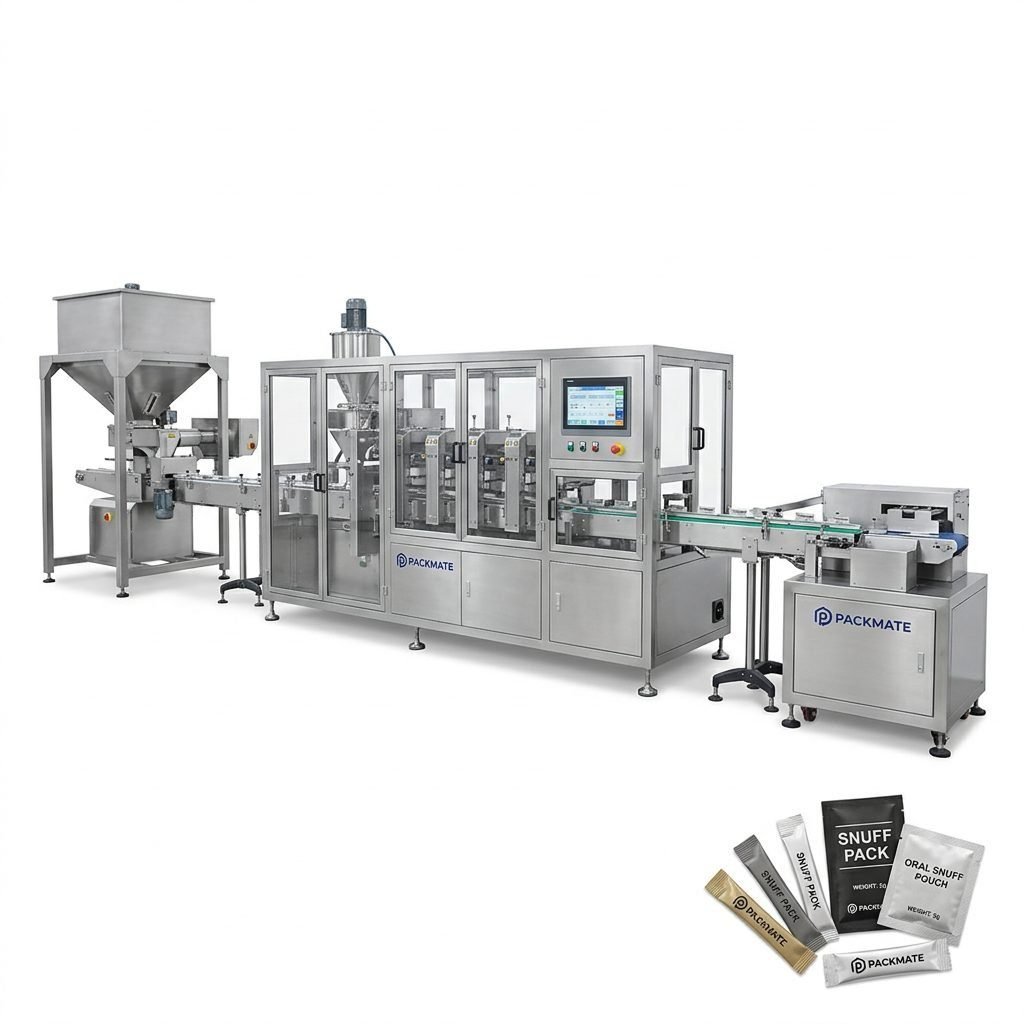
Choosing the right nicotine packaging machinery for production in Nepal requires a careful balance of efficiency, regulatory compliance, and long-term cost-effectiveness. This guide walks packaging professionals and plant managers through practical steps, technical criteria, and supplier considerations to help you select machines that deliver consistent output, maintain product safety, and scale with market demand.
Understand Your Product and Production Goals
Before reviewing machine specifications, clarify the core attributes of your product: pouch type (snus, nicotine pouch), dosage size, whether there are multiple flavors or variants, and the desired daily throughput. Your answers determine the machine family you should focus on. For example, multi-lane stick pack or sachet systems suit high-speed lines, while single-lane pouch machines offer flexibility for small-batch or premium products.
Key decision factors:
⚙️ Product format: snus pouch, nicotine pouch, sachet, stick pack.
📦 Output target: units per minute/hour/day.
♻️ Flexibility: ability to change dose, lane count, and packaging film quickly.
Match Machine Type to Application
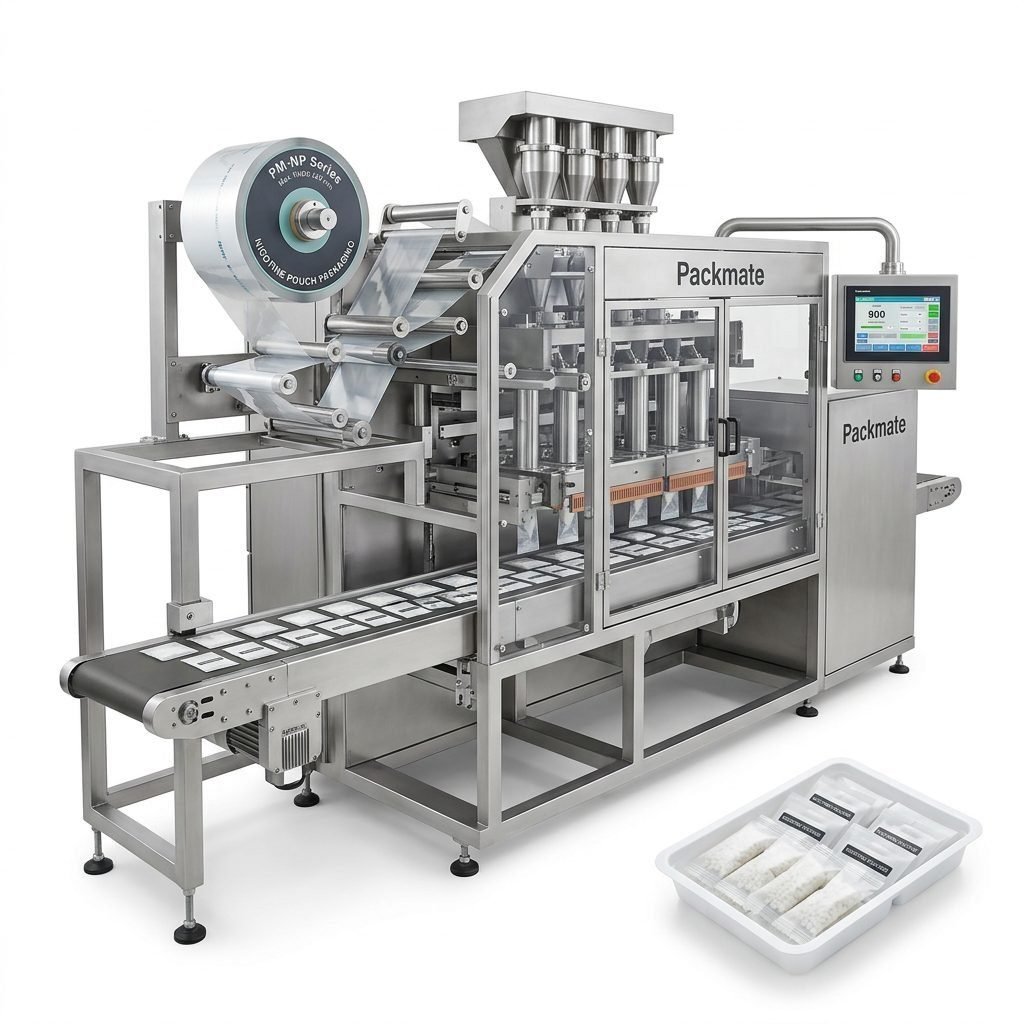
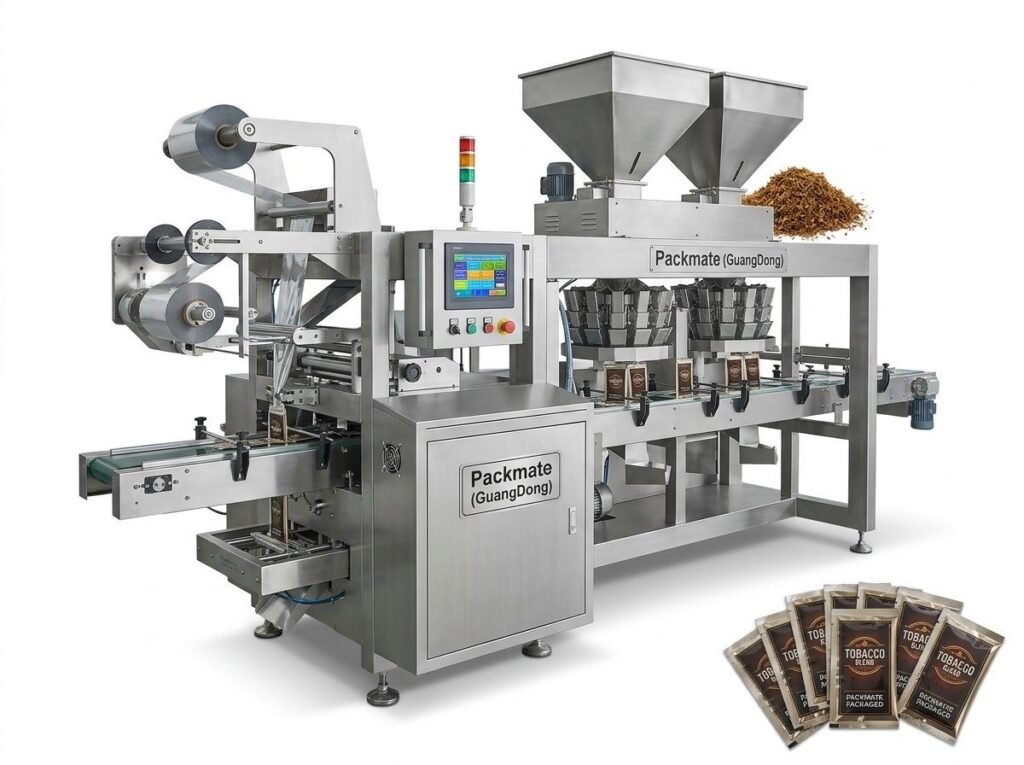
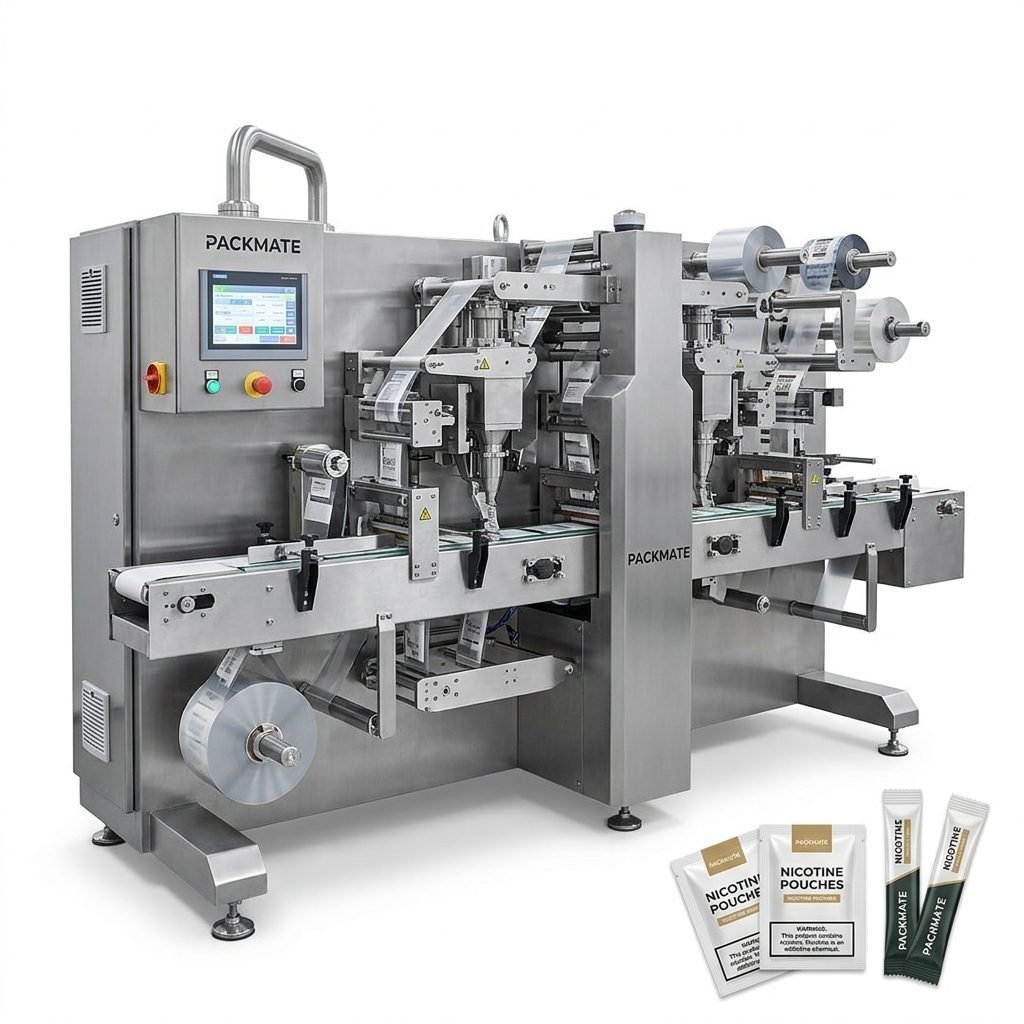
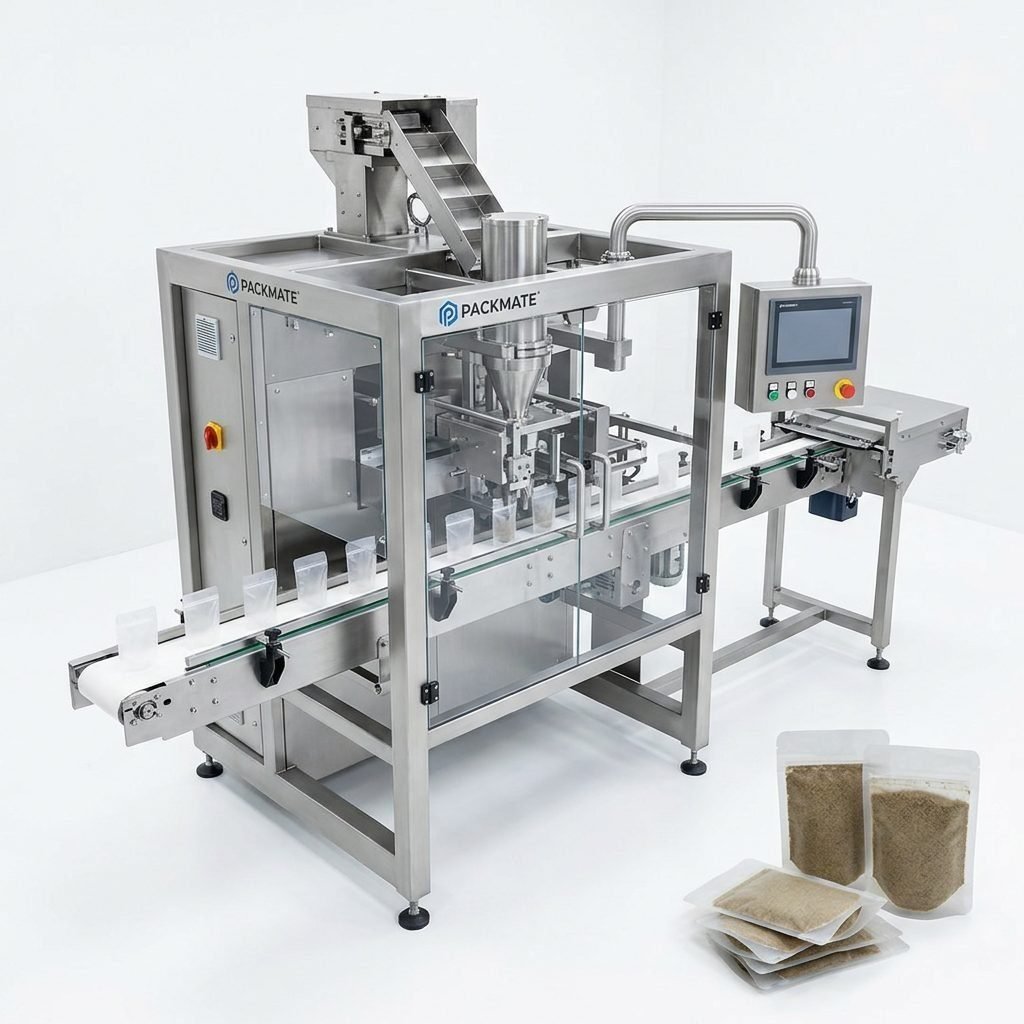
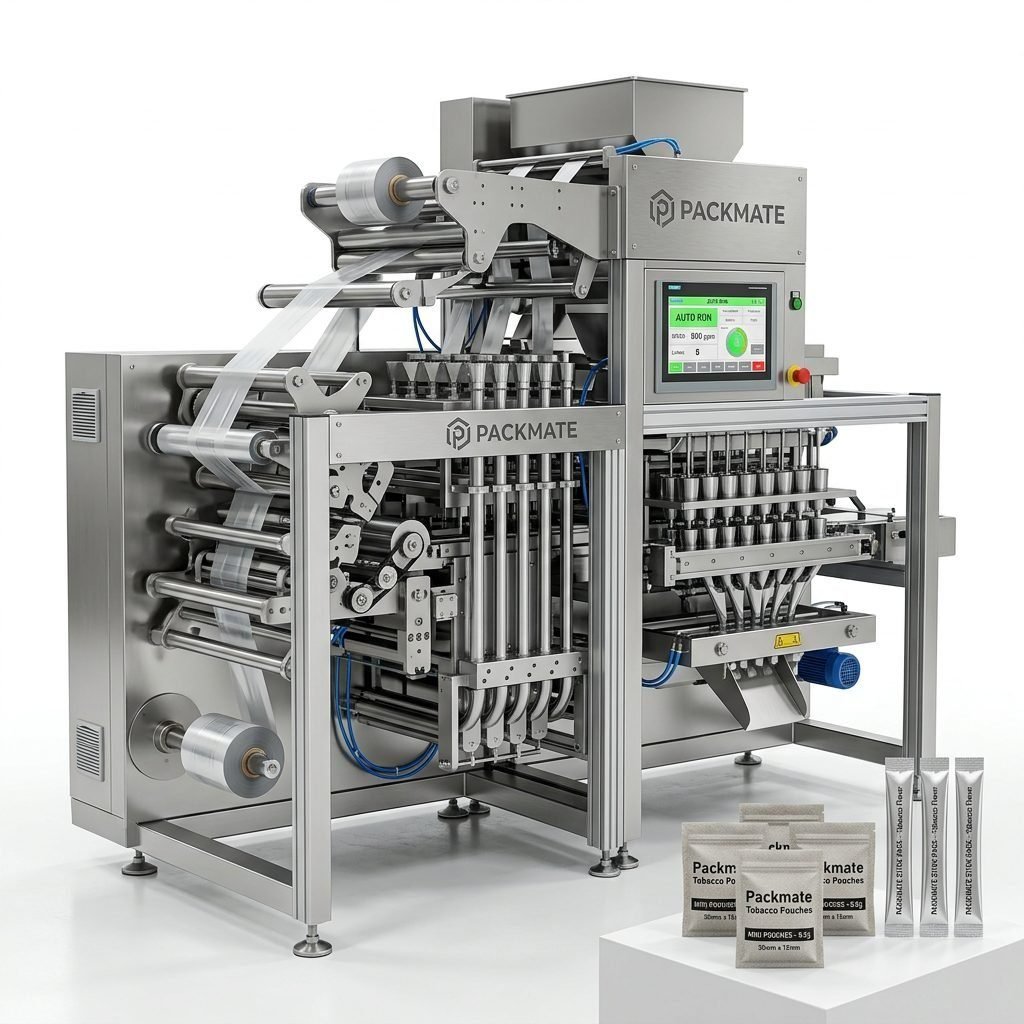
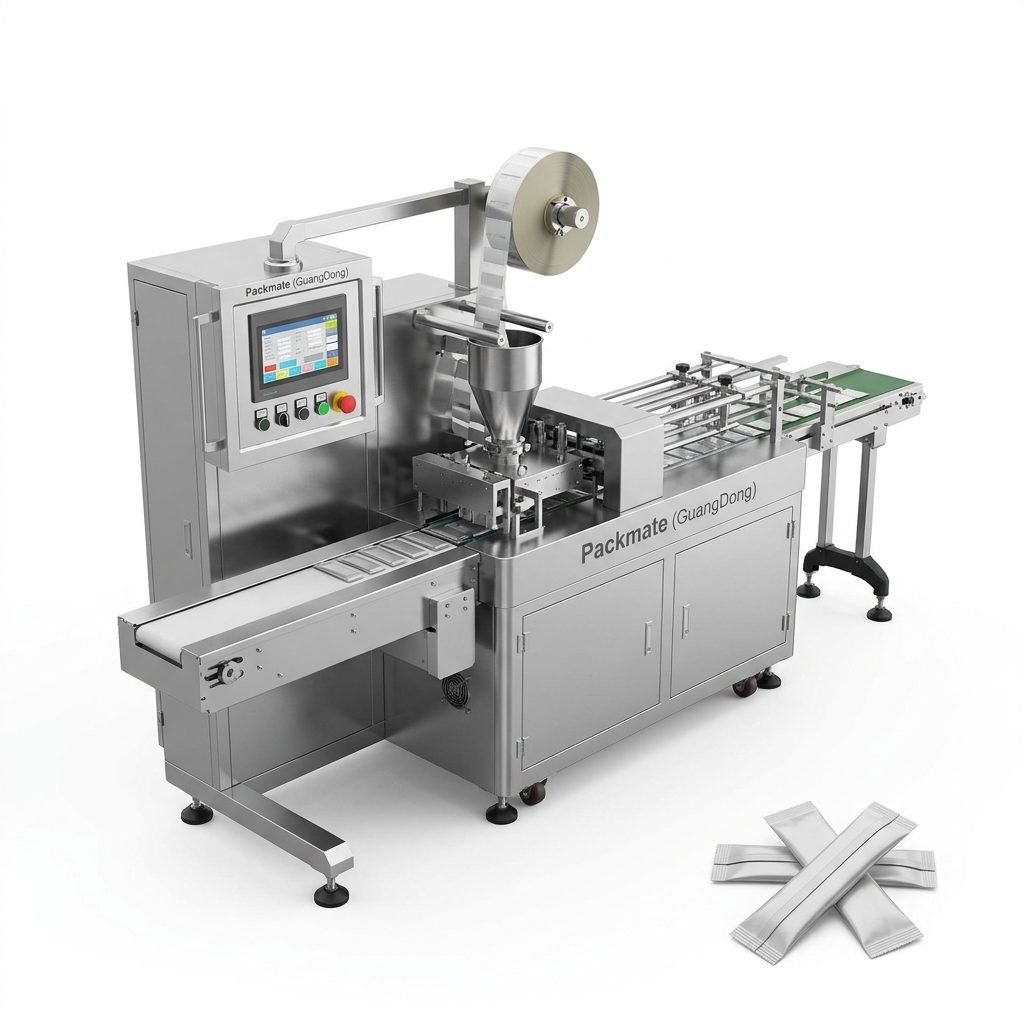
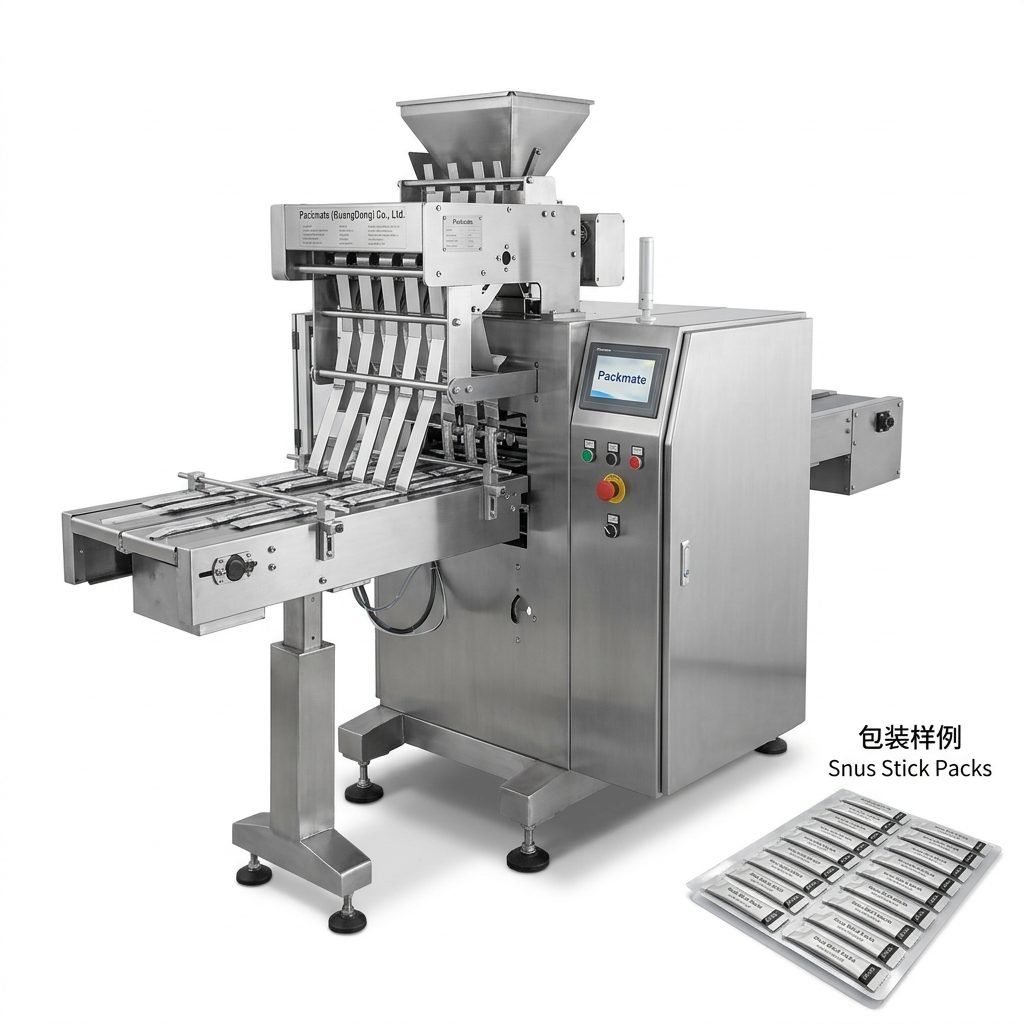
Different machines are designed for specific formats and production scales. When considering equipment, check the vendor’s portfolio and case studies to identify proven solutions for nicotine products. For compact, precision pouches, look for dedicated snus and nicotine packaging machines; for higher throughput and multi-lane production, consider stick pack or sachet & stick pack lines.
If you want to explore product-specific lines, see the manufacturer’s product pages such as Snus & Nicotine Packaging Machines or Sachet & Stick Pack Machines for examples of systems tailored to nicotine pouches.
Single-lane vs Multi-lane Systems
Single-lane machines excel at small batches, low tooling complexity, and frequent format changes. Multi-lane systems dramatically increase throughput but require precise synchronization and more rigorous maintenance. If you plan to scale quickly in Nepal’s growing market, investing in a multi-lane platform might deliver better long-term ROI.
Essential Technical Specifications to Evaluate
Evaluating machines solely by speed is a mistake. Focus on specifications that affect yield, safety, and operating costs: accuracy of dosing, sealing quality, changeover time, film utilization, and maintenance intervals. Confirm the machine’s compatibility with your raw materials and the degree of automation for upstream and downstream integration.
Technical checklist (must-check):
- Accuracy of weighing/filling (mg-level for nicotine pouches)
- Sealing temperature control and seal inspection options
- Film tracking and waste reduction features
- HMI with recipe storage and rapid format change
- Cleanability and CIP-friendly design for hygiene
Dosing Accuracy and Regulatory Safety
Nicotine dosing must be consistent and traceable. Prioritize machines with high-precision dosing modules and integration with in-line weighing or vision inspection systems. Traceability and batch records are essential to meet regulatory oversight — ensure the machine can log production parameters and integrate with your MES or SCADA.
Build Quality, Local Support, and Compliance
Buying a machine is a long-term relationship. Choose a supplier with strong engineering resources, a reliable spare parts supply chain, and adherence to international certifications like CE and ISO. Manufacturers with a proven history in snus and nicotine lines offer design features specific to these products, reducing commissioning time and troubleshooting risks.
Packmate Snus Machine, for example, highlights over 30 years of experience and a large factory footprint, factors that often translate to robust quality control and global service capabilities. Explore the company background at About Packmate.
Spare Parts and On-site Support in Nepal
Verify the supplier’s ability to ship spare parts quickly to Nepal or maintain a local stock through distributors. Ask about remote diagnostics, technician training, and service contracts. Shorter service response times minimize downtime and protect margins.
Automation, Integration and Turnkey Solutions
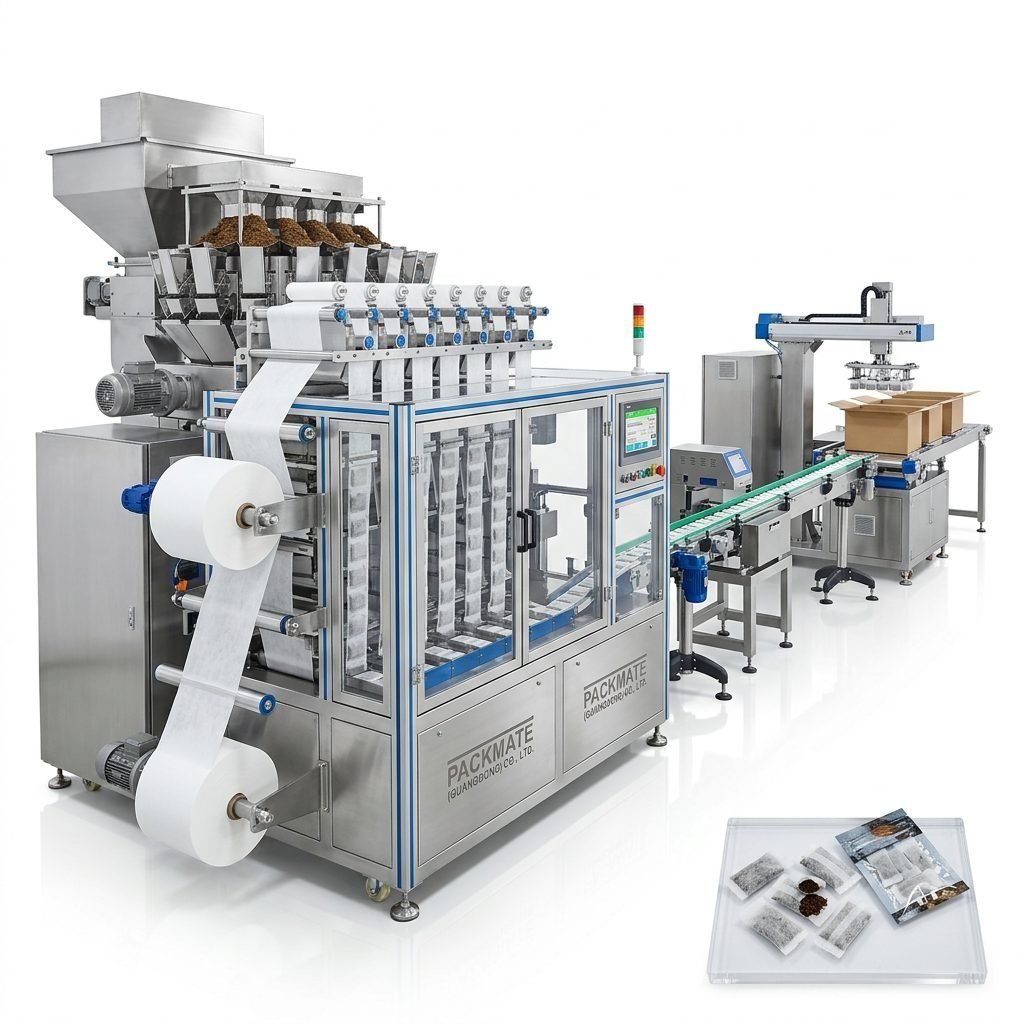
For efficient production, machines should fit into a larger automated line: upstream dosing/weighing and downstream cartoning, case packing, and palletizing. Turnkey solutions reduce integration risk and often come with testing and validation protocols. If you need integrated components, review systems like weighing & packaging, filling lines, and auxiliary equipment to ensure smooth communication between units.
See relevant systems such as Weighing & Packaging Systems and Filling & Packaging Lines for examples of compatible modules.
Control Systems and Data Management
Modern packaging lines should offer PLC controls with recipe management, fault diagnostics, and data export. Ensure the HMI is intuitive and supports remote access for faster troubleshooting. Data capture supports quality audits and regulatory inspections — a key advantage when operating in regulated product categories.
Operational metrics to request from suppliers:
- Expected uptime (%) under normal maintenance
- Mean time between failures (MTBF)
- Typical changeover time between product recipes
- Energy consumption per 1,000 pouches
Material Compatibility and Packaging Film Considerations
Nicotine pouches often require barrier films or laminated materials. Confirm the machine’s sealing systems are suitable for your chosen films, and that the unwinding/re-winding systems minimize wrinkles and tension variation. Film waste reduction features can significantly lower operating costs over time.
Ask your supplier about recommended film specifications and whether they can provide trial runs or lab testing to validate seal integrity and shelf-life performance before purchase.
Hygiene and Cleaning Requirements
Because nicotine products are consumed close to the mouth, hygiene is paramount. Machines should feature stainless steel contact parts, minimal crevices, and easy access for cleaning. If you produce multiple SKUs, design for quick disassembly and sanitation to reduce cross-contamination risk.
Energy & Lifecycle Cost Analysis
When selecting equipment, compare not only the purchase price but also operating costs: energy, maintenance, spare parts, and expected service intervals. A slightly higher upfront cost can be justified by lower energy consumption, higher uptime, and better parts availability.
Total Cost of Ownership factors:
- Purchase price vs expected life (years)
- Parts replacement frequency and cost
- Energy consumption and utility costs
- Labor requirements and training expenses
Factory Footprint and Layout Planning
Plan your factory layout with material flow in mind: raw ingredients in, packaged pouches out. Leave space for film storage, spares, and maintenance access. Suppliers often provide layout drawings for planning; engage early to avoid costly rework.
Safety and Ergonomics
Ensure guarding, emergency stops, and lockout mechanisms meet local safety codes and operator ergonomics are optimized to reduce fatigue. Training programs reduce human error and production losses.
Factory Acceptance Testing and Commissioning
Require FAT (Factory Acceptance Test) before shipping and an on-site SAT (Site Acceptance Test) to verify performance with your products. FAT reduces surprises during installation and ensures the machine meets agreed KPIs.
Ask for case references or videos of similar lines in operation; many reputable manufacturers publish cases demonstrating their systems in real production environments. See examples in the Case section.
Selecting a Trusted Supplier and After-sales Service
Choose vendors with proven experience in snus and nicotine pouch machinery. Evaluate their global footprint, certifications, and willingness to provide training, spare parts, and long-term support. A strong relationship with the supplier reduces risk and improves uptime.
If you need a turnkey partner with a broad product range, consider suppliers that offer auxiliary packaging equipment and integrated filling and packaging lines. Review their service offerings and contact options on pages like Service and Contact Us.
Negotiation Tips
Negotiate acceptance criteria, warranty duration, spare parts kits, and training hours into the contract. Consider performance-based payment milestones tied to FAT and SAT completion.
Contract essentials:
- Warranty terms and exclusions
- Delivery and installation timelines
- Training and documentation deliverables
- Spare parts list and lead times
Local Regulations and Compliance in Nepal
Understand Nepal’s regulatory stance on nicotine products, labeling requirements, and packaging waste rules. Machines should support the documentation and traceability needed for audits and inspections. Work with legal or regulatory consultants to align production and packaging practices.
Environmental Considerations
Consider recyclable films and waste minimization technologies. Some modern lines offer film-saving modes and reduced energy footprints — features that help meet sustainability goals and reduce running costs.
Making the Final Decision
Compile a weighted decision matrix that includes throughput, accuracy, TCO, supplier capability, spare parts access, and compliance readiness. Pilot runs or on-site demonstrations are invaluable. Prioritize machines that deliver consistent dosing, robust sealing, and easy maintenance.
If you want to review full product catalogs, many suppliers provide detailed brochures and catalogs online; see the Catalog for detailed specifications and options.
Summary of Practical Steps
1) Define product specs and throughput targets. 2) Shortlist machine families (single-lane, multi-lane, stick pack, sachet). 3) Verify dosing accuracy, sealing quality, and film compatibility. 4) Check supplier credentials, FAT/SAT policies, and after-sales support. 5) Negotiate contract terms covering warranty, spares, and training.
Pro tip: Request a sample production run using your actual materials. This single step can reveal critical issues with dosing, sealing, or film handling before you commit to purchase.
Next Steps and Resources
Engage with manufacturers who specialize in nicotine packaging solutions and can present case studies and references. For specialized snus machinery and automated lines, explore product pages and contact vendors that demonstrate long-term experience in the field.
Useful links to review further include product categories and company resources like Snus & Nicotine Packaging Machines, Auxiliary Packaging Equipment, and the manufacturer’s exhibition and certificate pages for proof of capability: Our Exhibition, Certificate.
Selecting the best nicotine packaging machinery for Nepal is a strategic decision that affects product quality, compliance, and profitability. By aligning technical requirements with supplier capabilities, planning for integration, and validating performance through FAT/SAT and trials, you can build a reliable production line that supports growth and regulatory demands.
Frequently Asked Questions:
Q: What machine type is best for starting a small nicotine pouch line in Nepal?
A: For small-scale production, a single-lane snus/nicotine pouch machine provides flexibility and lower initial investment. Prioritize dosing accuracy and easy format changeover.
Q: How important is multi-lane equipment for scaling up?
A: Multi-lane systems significantly increase throughput and reduce per-unit costs once you achieve consistent production volumes, but they require higher upfront investment and stricter maintenance.
Q: What certifications should I check for a packaging machine supplier?
A: Look for CE and ISO certifications, documented FAT/SAT procedures, and references for snus/nicotine projects. These indicate adherence to international standards and reliable quality control.
Q: Can packaging machines handle different film materials and reduce waste?
A: Many modern machines include film tension control, accurate film tracking, and minimal overlap sealing to reduce waste. Confirm compatibility with your selected barrier or laminated films during trials.
Q: How can I ensure fast service and spare parts availability in Nepal?
A: Negotiate spare parts kits, documented lead times, and explore suppliers with distributors or warehouses in the region. Remote diagnostics and training reduce dependency on long supply chains.