If you’re planning to buy a snus packaging machine in Ghana, this guide walks you through everything from local market considerations to machine specifications, installation, and after-sales support. Ghana’s humid climate, English-language business environment, and growing interest in tobacco alternatives mean you need a machine that’s reliable, serviceable, and compliant with regulations. Read on for a practical, step-by-step approach to choosing the best snus packaging solution for your operation.
1. Know Ghana’s Market & Local Habits ⚖️
Ghanaian consumers and regulators shape how snus and nicotine pouches should be packaged and labeled. English is the official business language, so packaging must include clear English labels. In many urban centers (Accra, Kumasi, Takoradi) modern retail packaging sells better — resealable sachets and single-dose pouches are popular. Consider local preferences for small-dose, discreet pouches and clear health warnings in English. Also factor in trading channels: supermarkets, kiosks, and duty-free stores each have different shelf and display needs.
📌 Tip: Keep labeling legible in English and include local import or tax codes where required. Durable packaging helps in Ghana’s humid coastal regions.
2. Key Machine Types & Which One Suits You 🔧
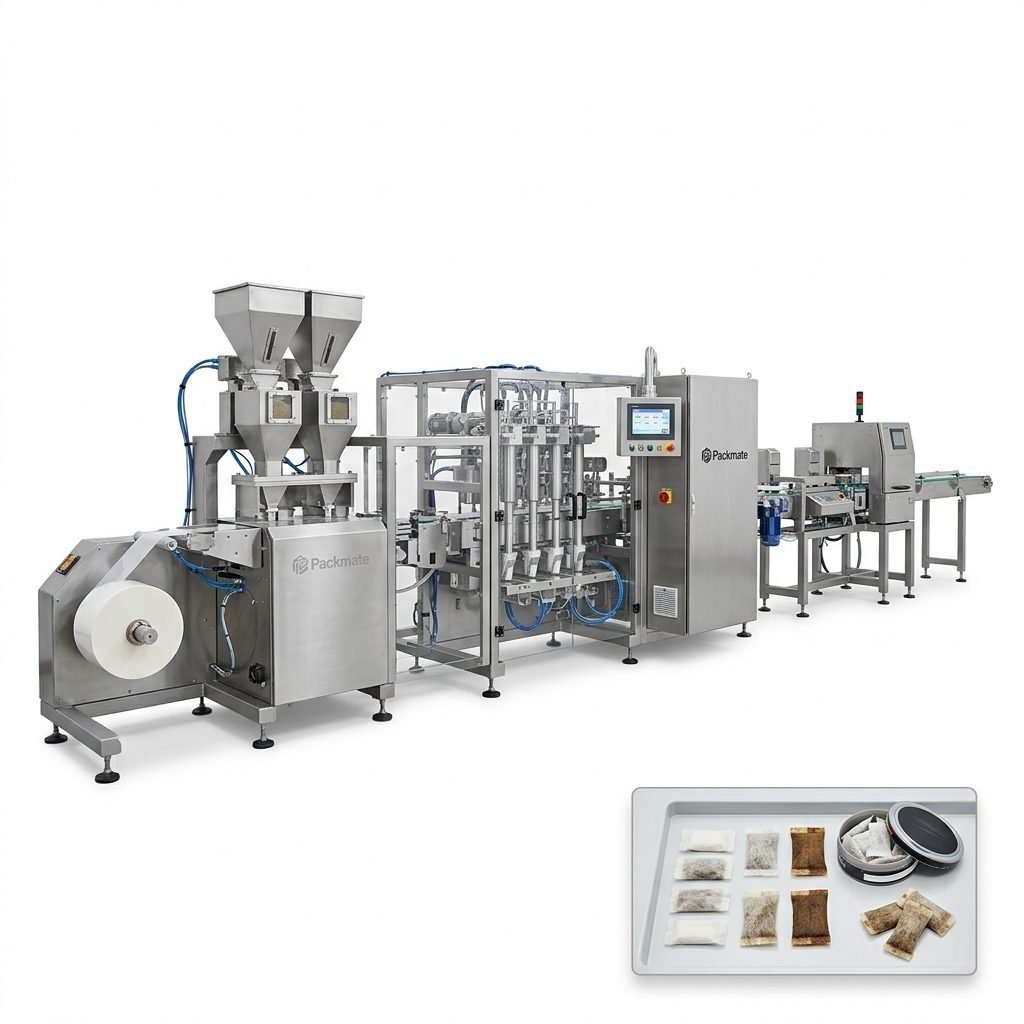
There are several packaging formats for snus and nicotine pouches — the right one depends on product form, throughput needs, and budget. Main options:
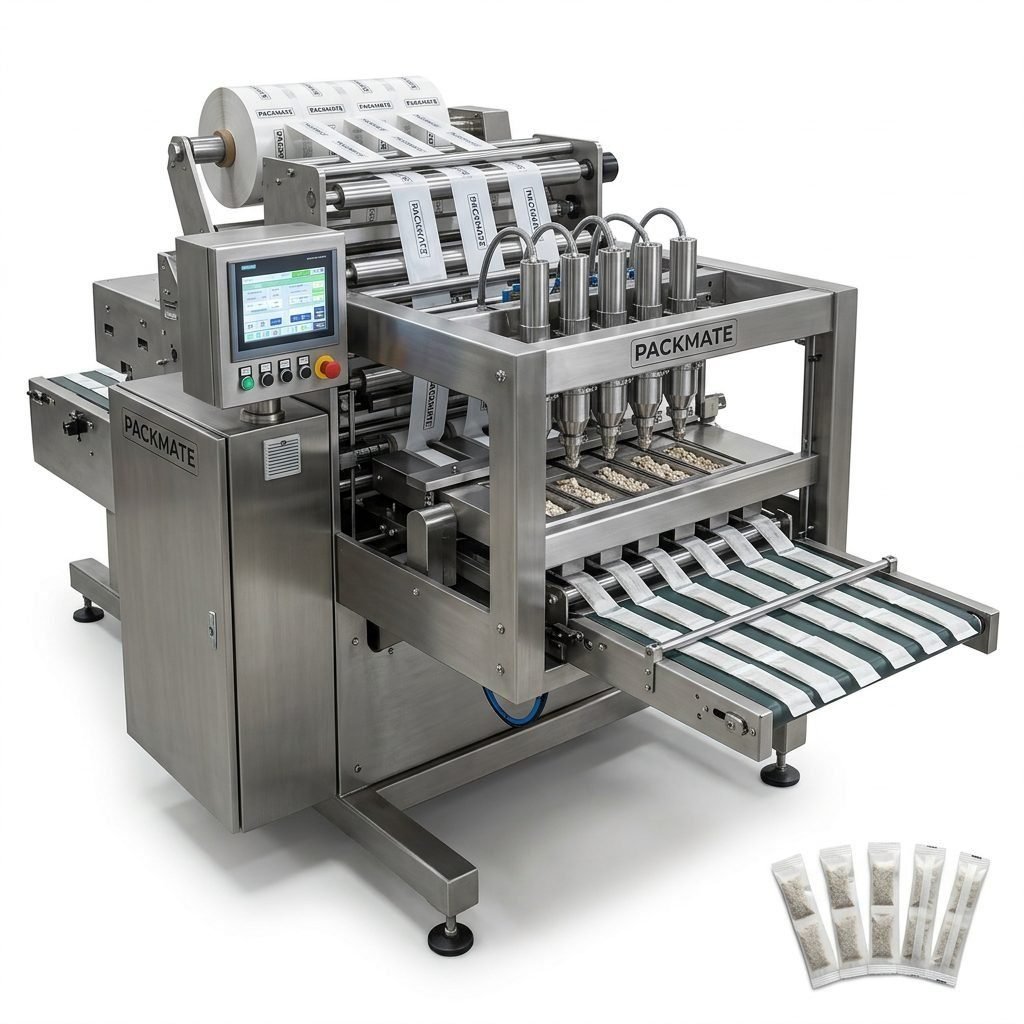
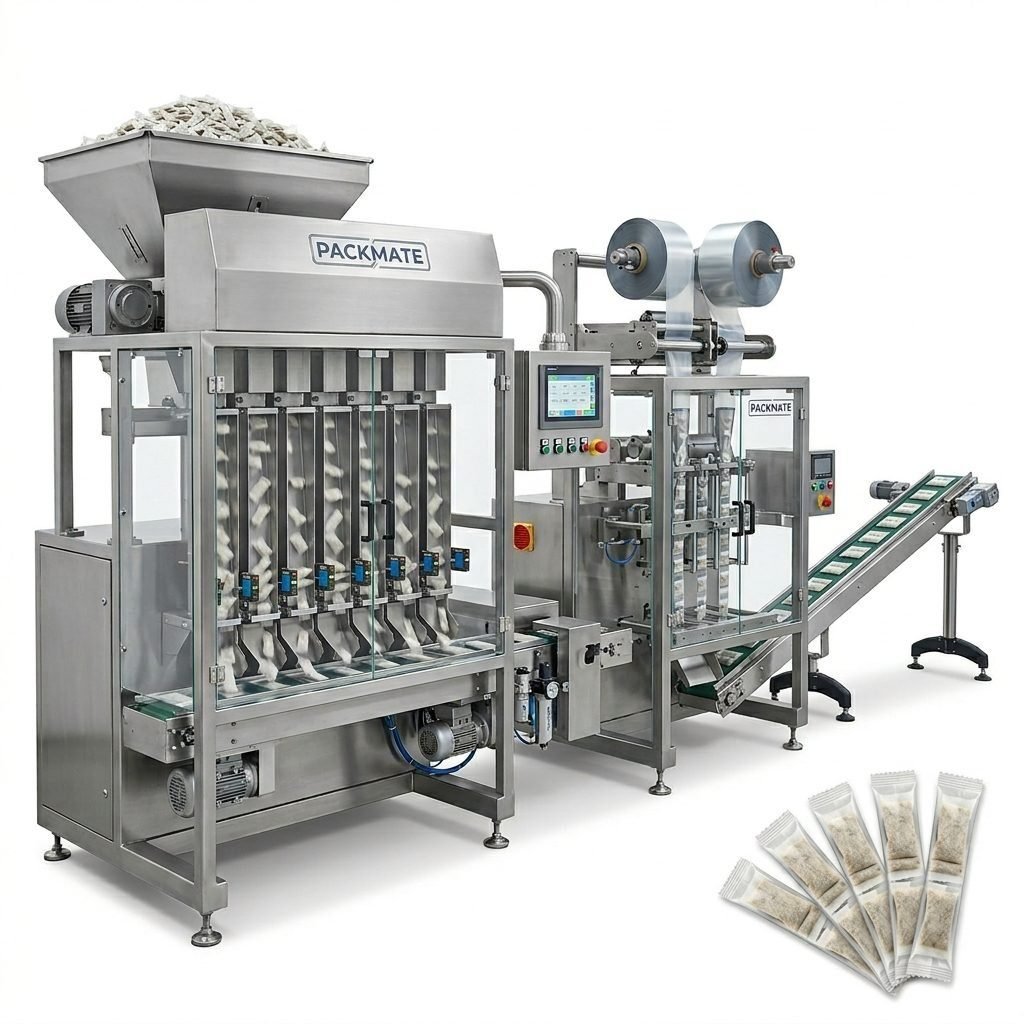
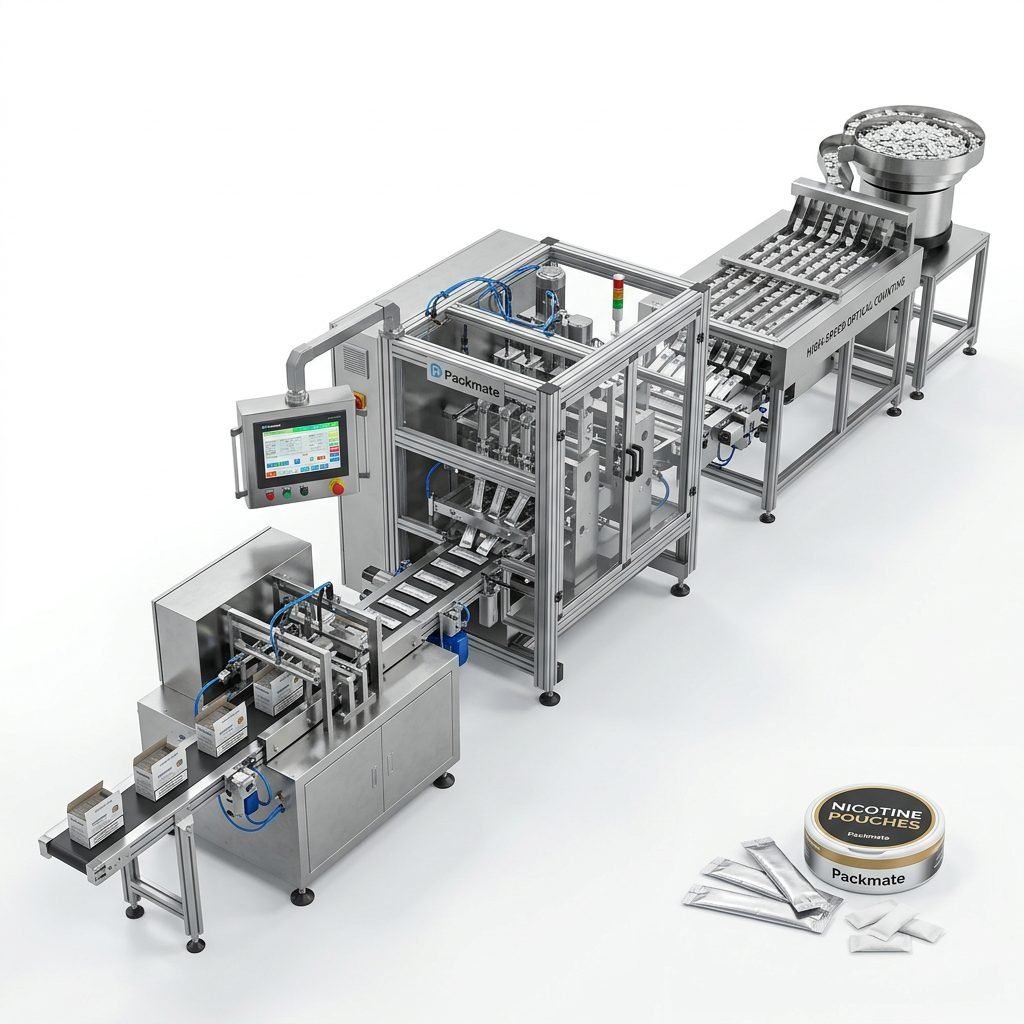
⚙️ Stick pack machines — Good for single-dose, tubular stick packaging. Great if you plan sachets with elongated shape and need medium throughput.
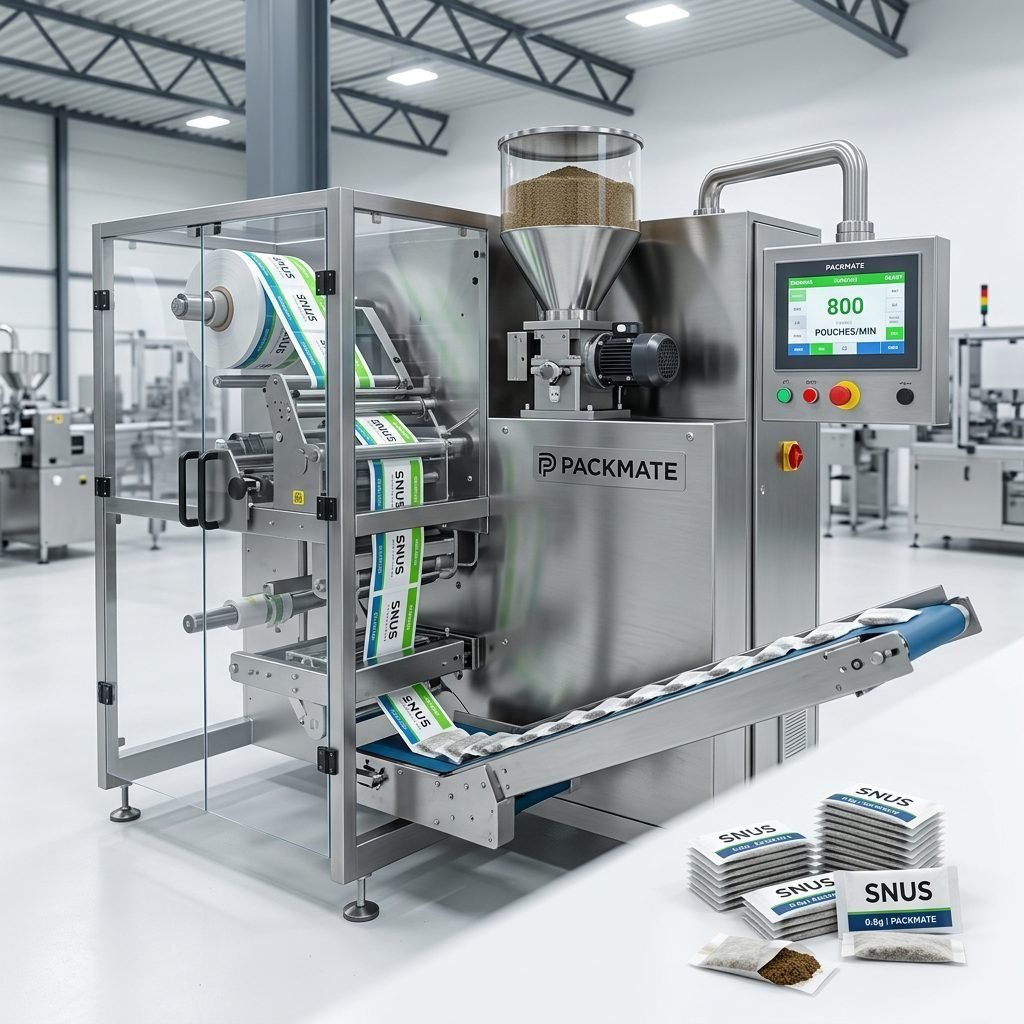
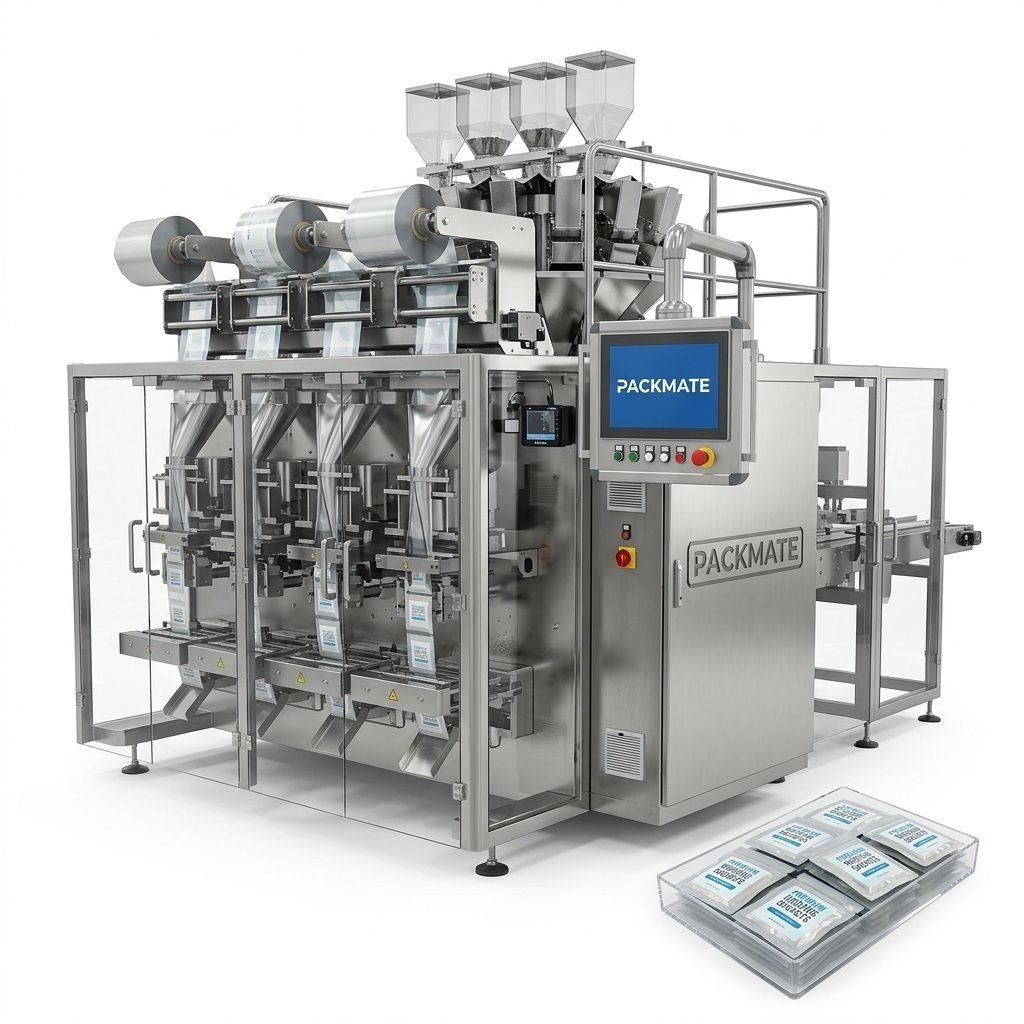
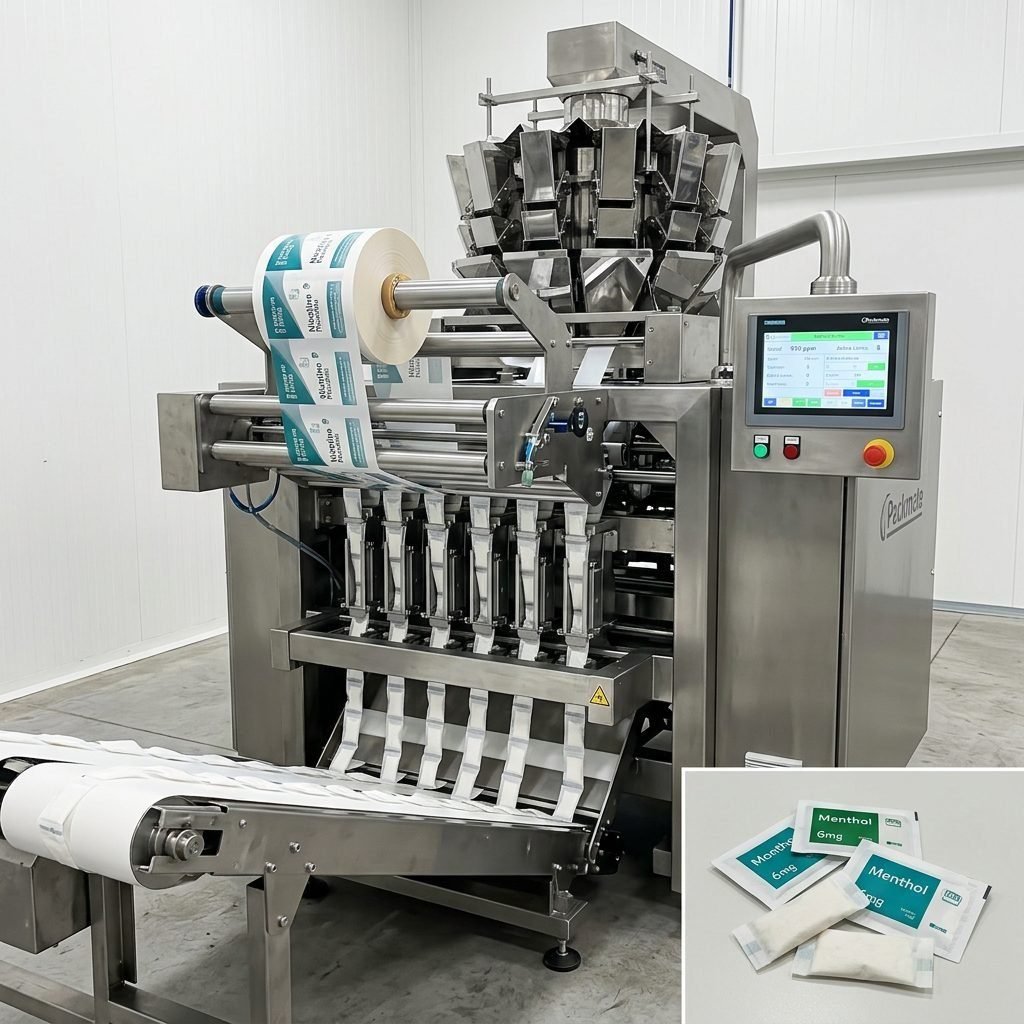
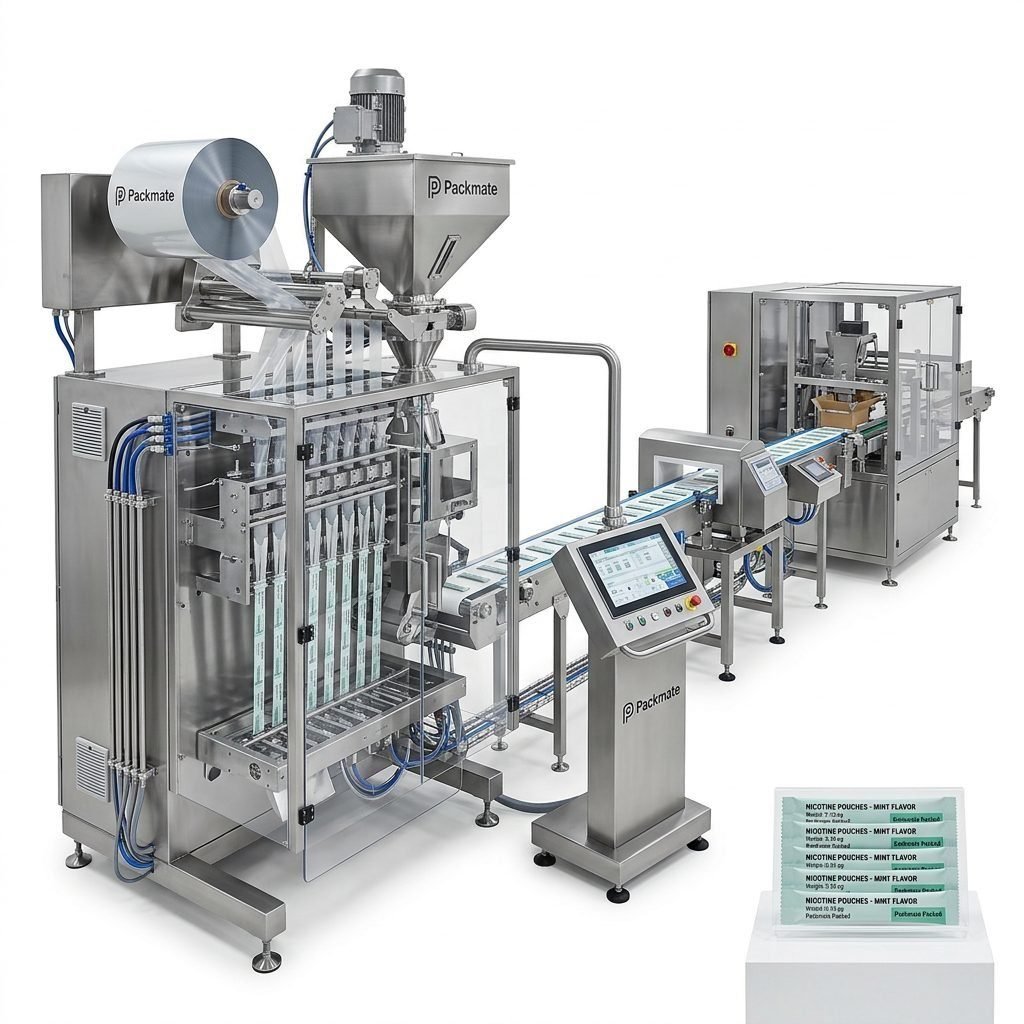
⚙️ Sachet & multi-lane machines — Ideal for small pouches and high capacity. Multi-lane systems drastically increase output per footprint, useful for scaling production for Ghana and West Africa markets.
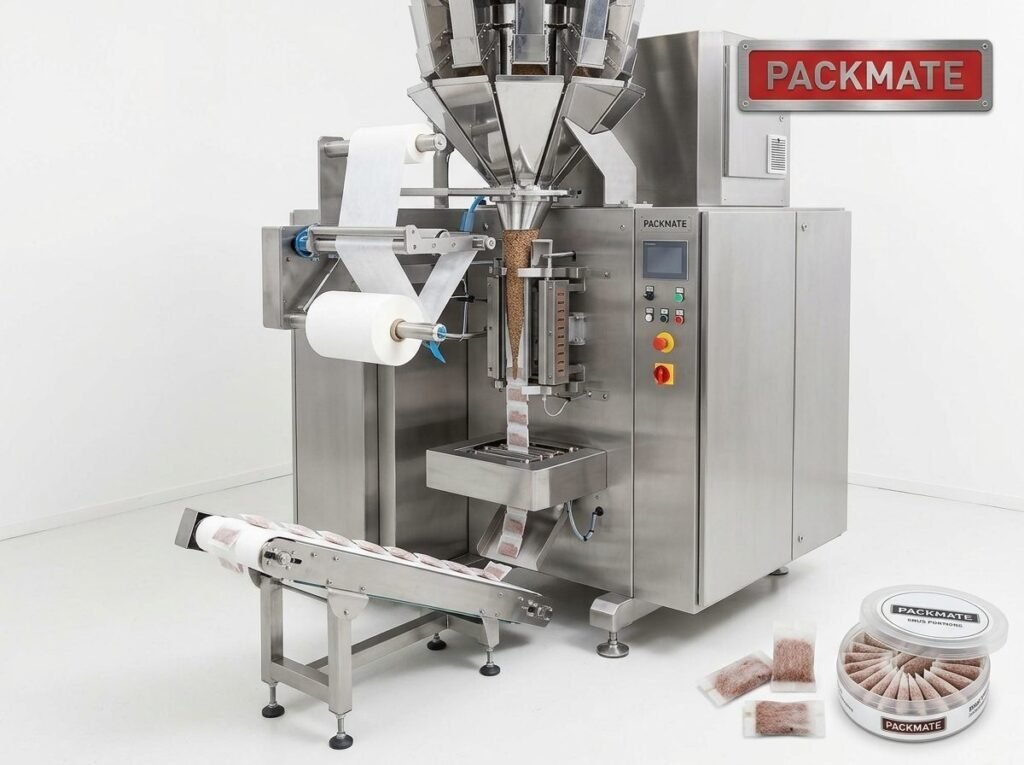
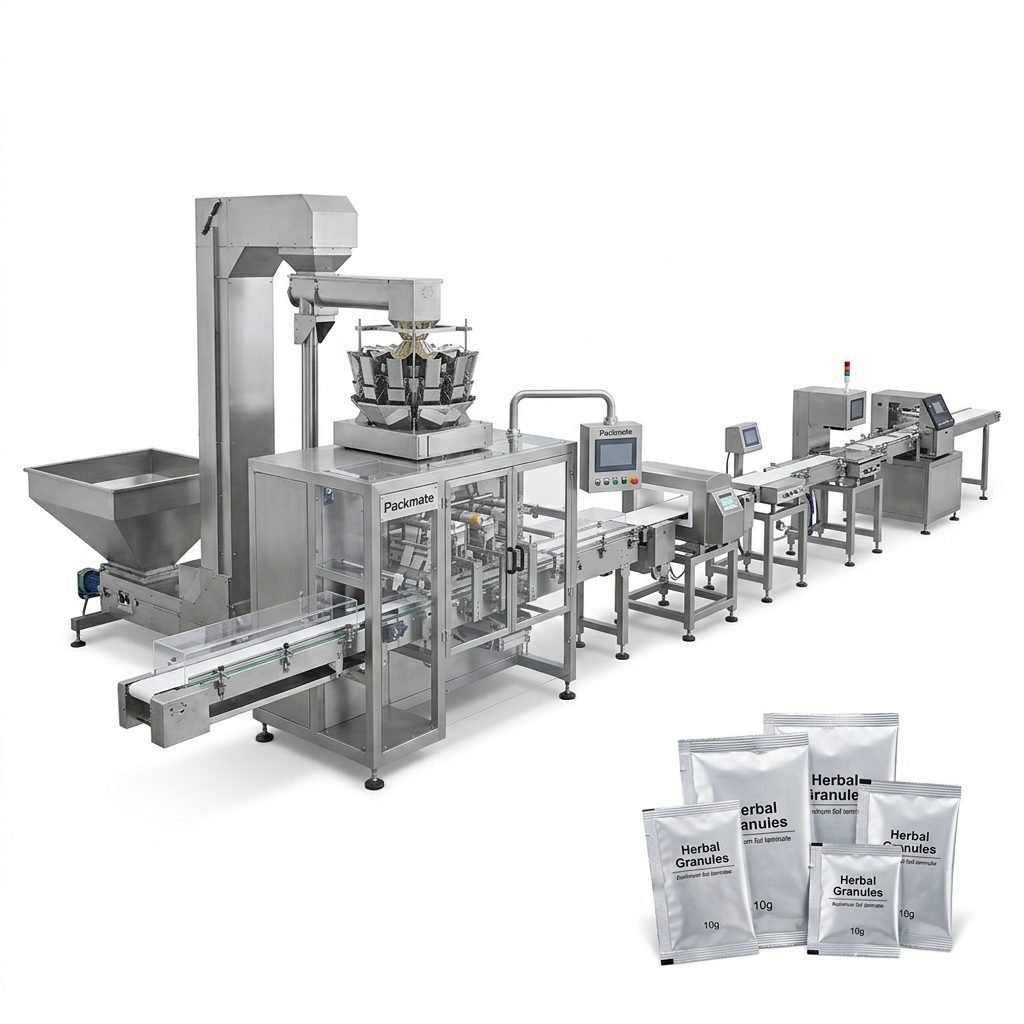
⚙️ Pouch & bag packaging machines — Best for resealable family packs or display pouches. Useful if you diversify into related products like tea or herbal mixes.
If you want to explore machine models and specifications, check manufacturers that specialize in snus packaging such as Snus & Nicotine Packaging Machines or broader equipment options like Bag & Pouch Packaging Machines.
3. Technical Specs to Prioritize
When evaluating machines, focus on specifications that affect final product quality and operational stability:
📌 Throughput — Measured in pouches per minute. Match machine speed to your sales forecasts; overbuying capacity increases upfront cost, underbuying limits growth.
📌 Multi-lane capability — For small-dose pouches, multi-lane machines dramatically reduce cost per piece.
📌 Materials & hygiene — Choose stainless steel (SUS304 or SUS316) contact parts for corrosion resistance in humid environments.
📌 Controls — Servo-driven systems and PLC controls offer higher accuracy and easier recipe changes. Look for touchscreen HMI and remote diagnostics.
📌 Filling accuracy — Important for nicotine pouch dosing. Check weighing & dosing systems and variance stats.
⚠️ Note: Machines with CE and ISO certifications provide better assurance for safety and international compliance. See manufacturer credentials at About Packmate.
4. Environmental & Power Considerations in Ghana
Ghana’s tropical climate means heat and high humidity, which can affect packaging film performance and machine electronics. Plan for climate control in the packaging room and choose machines with protective enclosures for electronics.
🔌 Power supply: Ghana uses 230V, 50Hz. Check whether your chosen equipment needs three-phase power and confirm site electrical infrastructure. Power stability can vary; consider voltage stabilizers or UPS for sensitive controls.
💨 Humidity control: Use dehumidifiers or air-conditioned rooms to avoid moisture-related sealing failures and to protect stored roll stock.
5. Regulatory & Labeling Checklist for Ghana
Complying with local regulations reduces delays at customs and avoids fines. Key items to verify:
• Product ingredient and nicotine content labeling in English.
• Health warnings and age restrictions — confirm with Ghana Standards Authority or local agencies.
• Import documentation and HS codes — ensure your supplier helps prepare compliant paperwork to speed customs clearance.
6. After-Sales Support & Spare Parts in West Africa
Excellent after-sales support is critical, especially when the supplier is overseas. Ask potential suppliers about:
✅ Local partners or agents in Africa who can provide on-site service.
✅ Availability and delivery time for critical spare parts (belts, sensors, sealing bars).
✅ Remote troubleshooting and software update capabilities. Many modern suppliers include remote diagnostics on PLC/HMI systems.
Packmate offers global turnkey solutions and often participates in international exhibitions — review real-world cases and references at Case and their Our Exhibition page to confirm experience with export customers.
7. Installation, Commissioning & Training
A smooth installation is as important as the machine itself. Make sure your supplier includes:
• Clear mechanical and electrical installation drawings.
• Commissioning support either in-person or via remote engineers.
• Operator and maintenance training in English. Request documentation, spare parts lists, and basic troubleshooting guides.
🔧 Service Advice: Insist on at least one week of on-site training after commissioning; this reduces operator errors and improves uptime.
8. Calculating ROI & Total Cost of Ownership
Beyond the purchase price, evaluate:
• Installation and shipping (including customs) costs — heavy machinery and complex lines have higher freight and clearance expenses.
• Spare parts, routine maintenance, and electricity consumption.
• Downtime impact — higher automation reduces labor but increases dependency on quick technical support.
A detailed ROI model should include expected output, yield (good pouches produced), material costs (films, seals), labor, and overhead. Request sample running data from the manufacturer to verify claimed speeds and accuracy.
9. How to Choose a Trusted Manufacturer
Look for vendors with:
• Proven industry experience and specialization in snus or nicotine pouch lines. Packmate, for example, highlights decades of R&D and a wide product range — view product categories like Sachet & Stick Pack Machines and Weighing & Packaging Systems.
• Factory tour references, certifications (CE/ISO), and international exhibition presence. Check certificates at Certificate.
• Clear warranty terms and export experience to West Africa.
10. Practical Buying Steps for Ghana Buyers
1. Define your product formats (single-dose, resealable packs, multi-dose).
2. Estimate required throughput and budget.
3. Request proposals and sample videos from 2–3 suppliers. Ask for references in Africa.
4. Verify electrical and site requirements in Ghana (voltage, power lines).
5. Confirm delivery, customs documentation, installation, and training. Use the supplier’s Service and Contact pages such as Service and Contact Us.
✅ Final pointer: Insist on running your specific product (same pouch material and filling) at the manufacturer or in a demo before purchase to confirm sealing quality and dosing accuracy.
Summary & Next Steps
Choosing the right snus packaging machine for Ghana requires matching packaging format, throughput, and environmental resilience with reliable after-sales support. Prioritize stainless contacts, servo controls, CE/ISO compliance, and a supplier who understands export and post-sale service. Visit supplier catalogs and case studies to shortlist machines, and arrange demonstrations with your product to confirm performance.
Frequently Asked Questions
Q1: What machine type is best for small-dose nicotine pouches in Ghana?
A1: Multi-lane sachet or stick-pack systems are typically most efficient for small-dose pouches, delivering high output per footprint.
Q2: How do I handle humidity and sealing issues?
A2: Use air-conditioned or dehumidified packaging rooms, choose stainless contact parts, and test sealing films under local climate conditions before full production.
Q3: What certifications should I look for?
A3: CE and ISO are useful signals of compliance and quality. Also verify traceable factory information, case studies, and export experience to Africa.
Q4: How can I ensure fast spare parts delivery in Ghana?
A4: Ask the supplier about recommended local partners, stock lists for critical spares, and express shipping options. Negotiate an initial spare parts kit with your order.
Q5: Who do I contact to get machine quotes and demonstrations?
A5: Contact the manufacturer or authorized distributor directly through their contact page to request quotes, demo videos, and sample runs (for example, see Catalog and Contact Us).