Choosing the right snus packaging machine supplier in Southeast Asia can determine the speed, cost-efficiency, and regulatory compliance of your nicotine pouch production. This guide walks you through practical, region-specific considerations — from supplier capabilities and machine types to installation, climate resilience, and after-sales support — so you can select a partner that meets your production goals and local market needs.
Understand Your Production Needs First
Before reaching out to suppliers, define your target output, pouch formats, and downstream processes. Ask:
✓ Daily and hourly production targets (pieces/hour).
✓ Pouch types: portion snus, nicotine pouches, sachets, stick packs, or multi-lane pouches.
✓ Integration needs: weighing, dosing systems, secondary packaging, serialization.
Evaluate Supplier Technical Capabilities
Technical competence is the backbone of a reliable snus packaging line. Look for suppliers with documented experience in nicotine pouch solutions and a broad model range that aligns with your specifications.
Proven machine portfolio
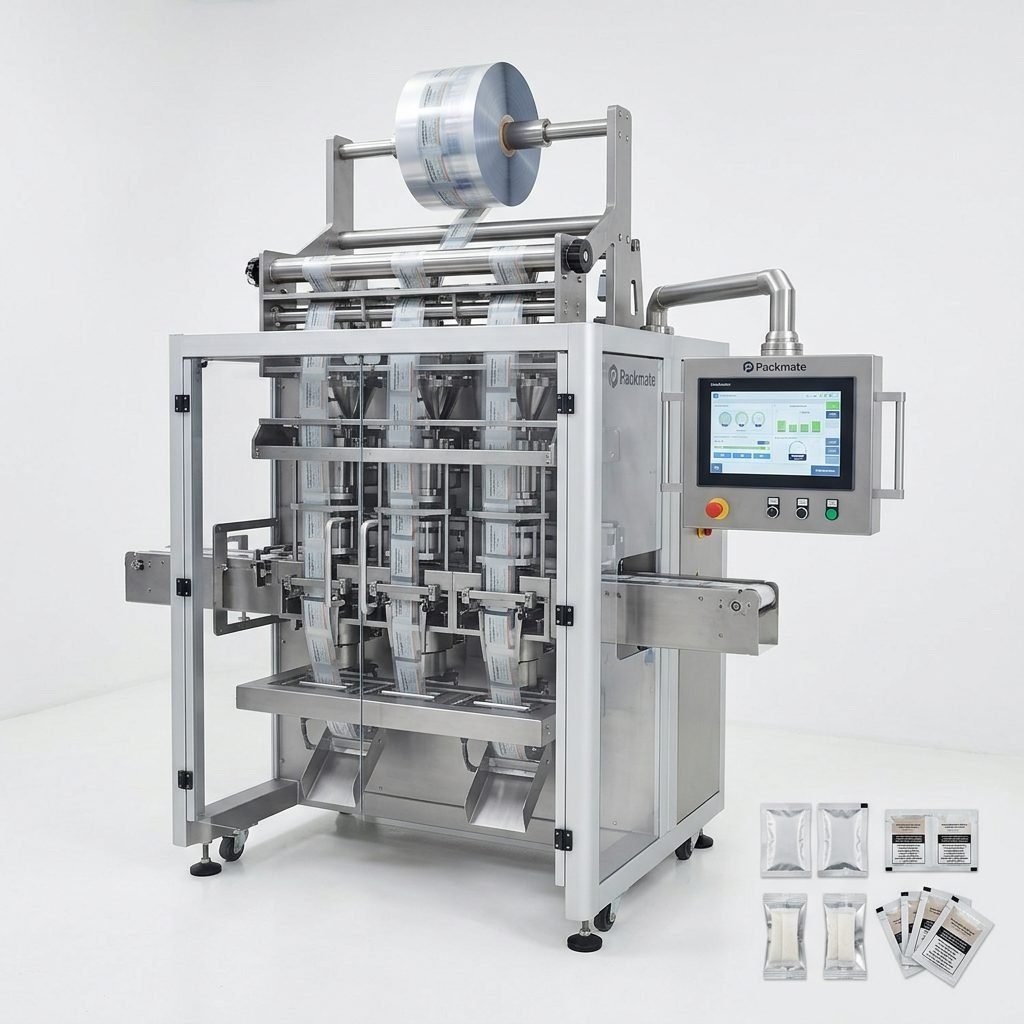
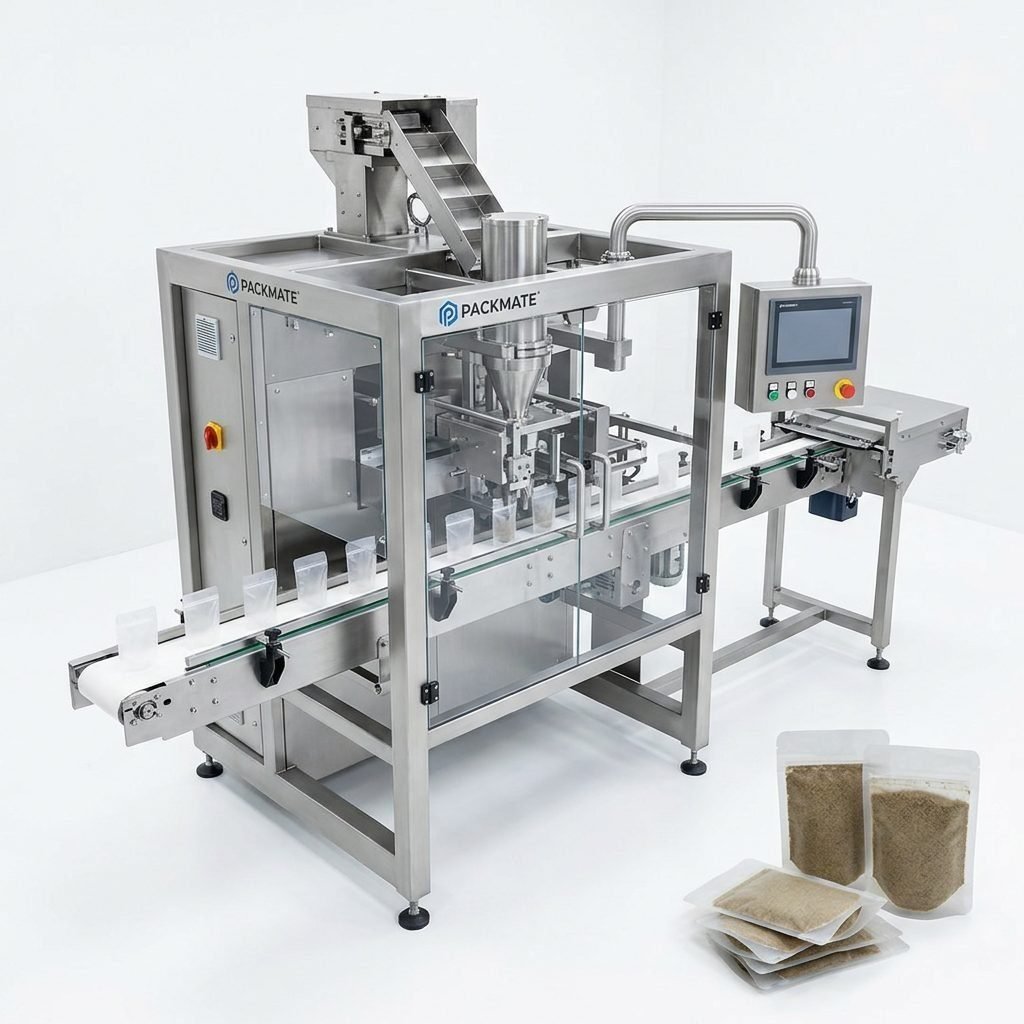
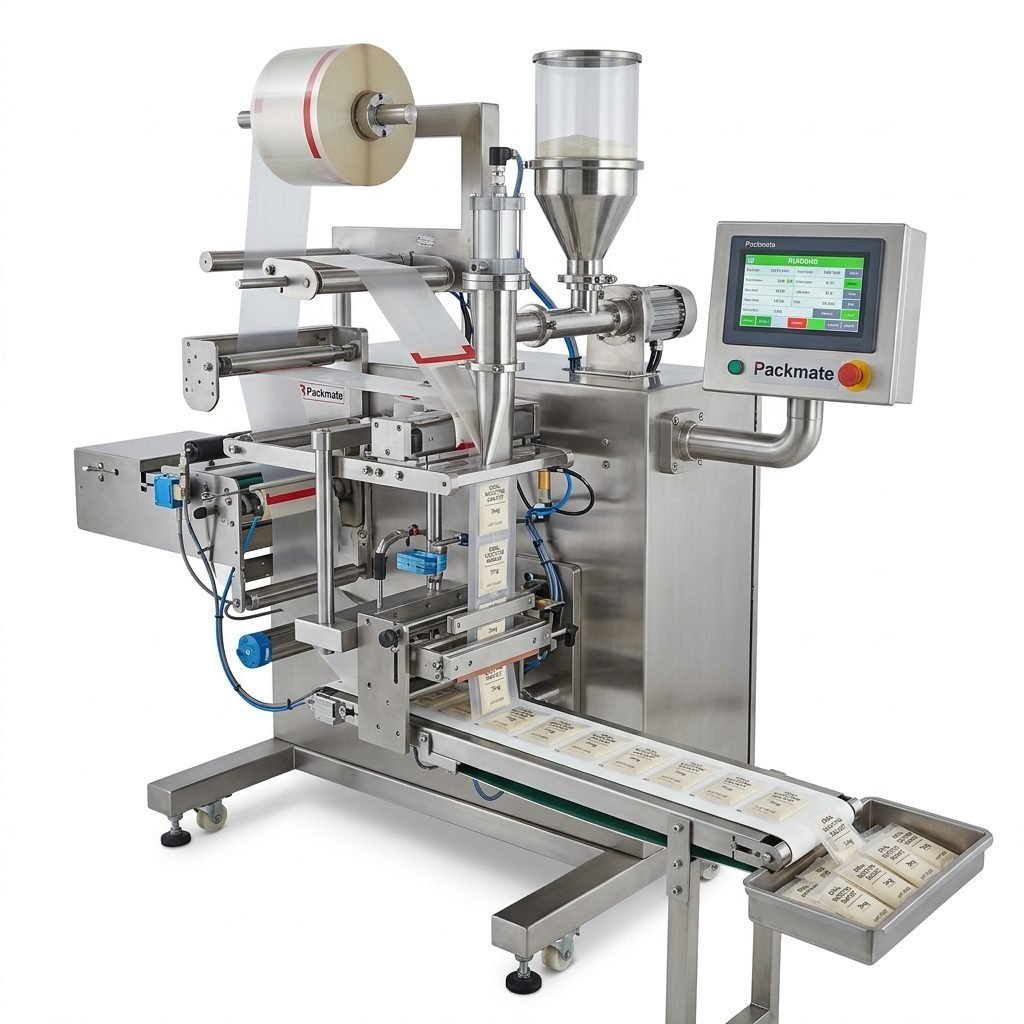
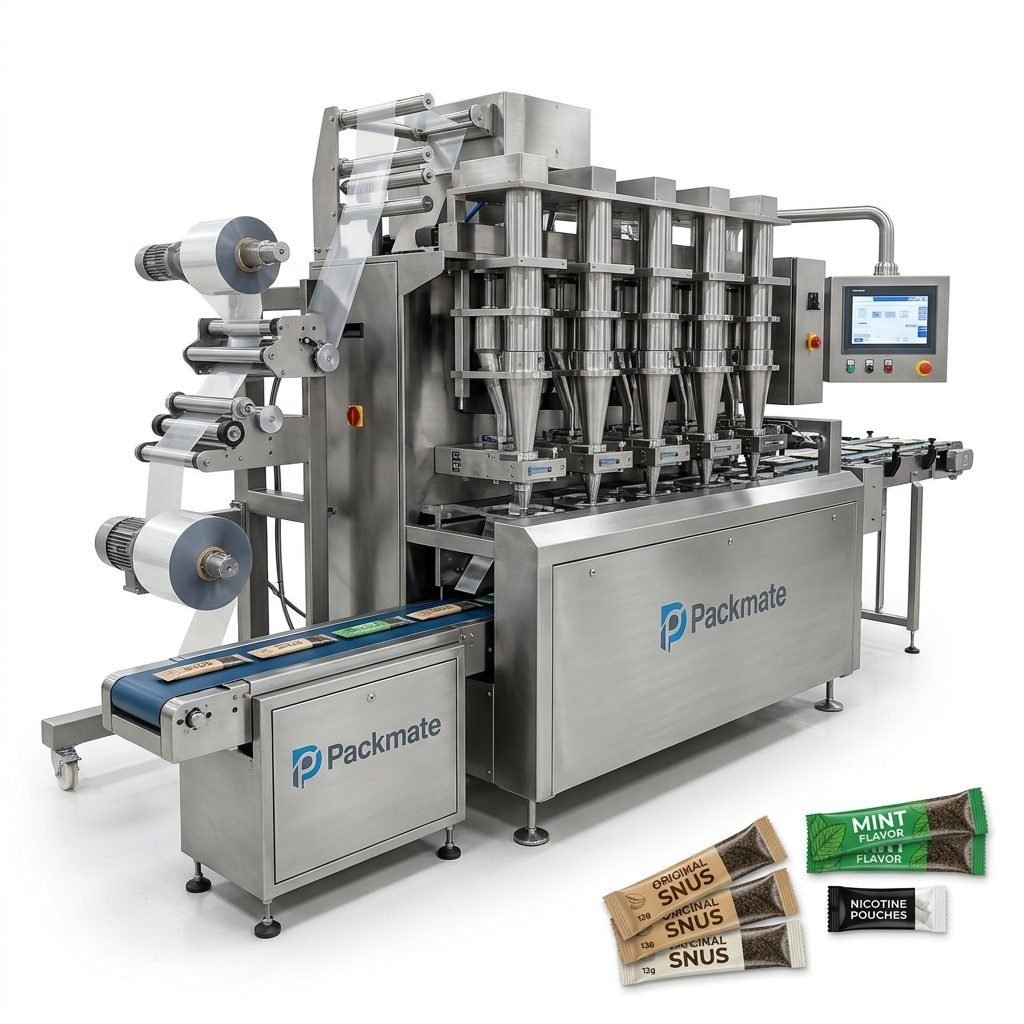
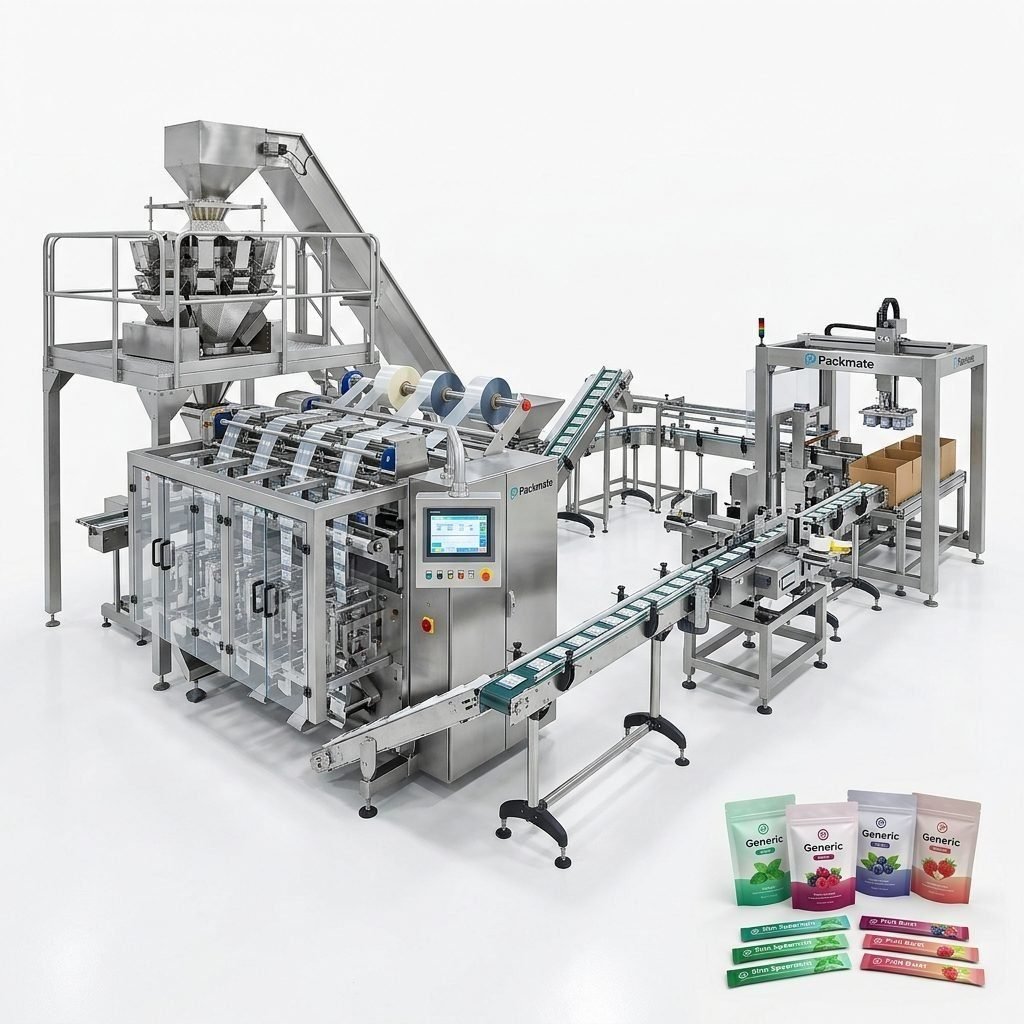
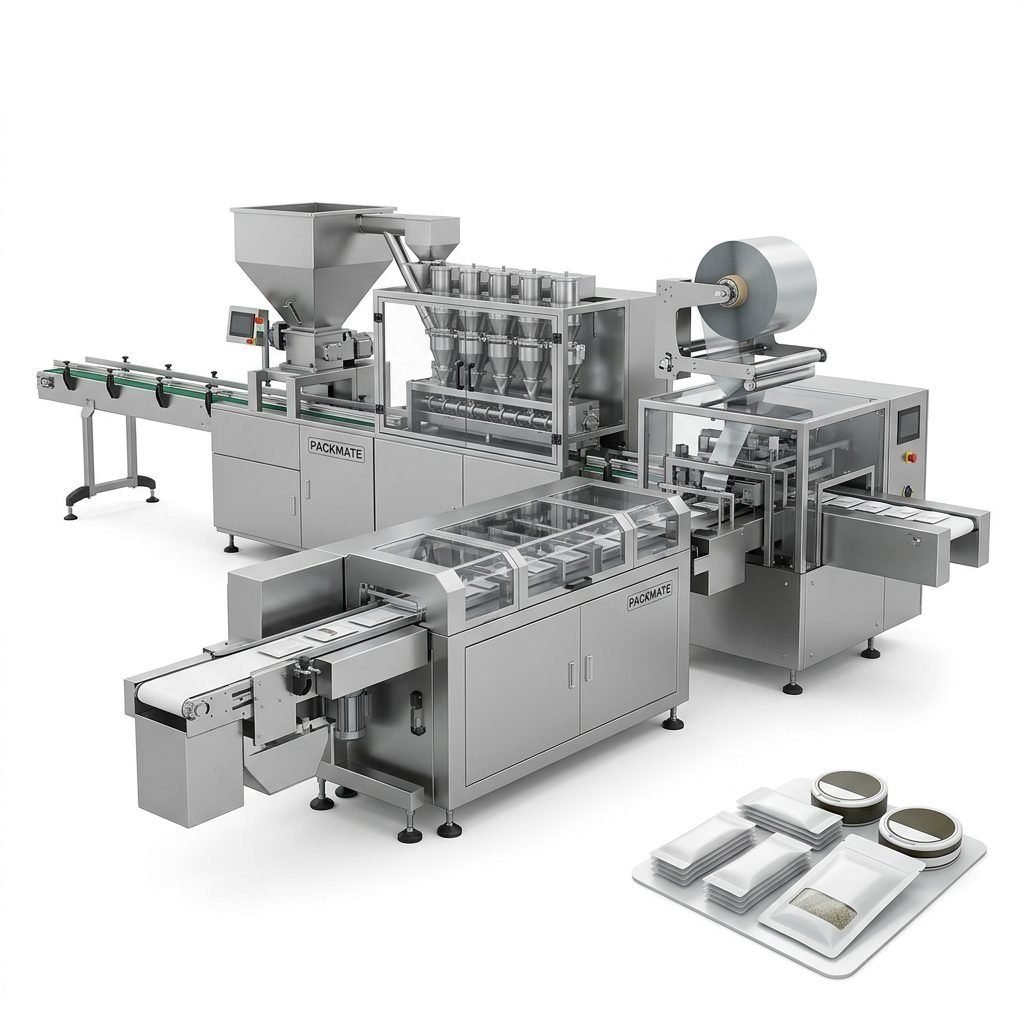
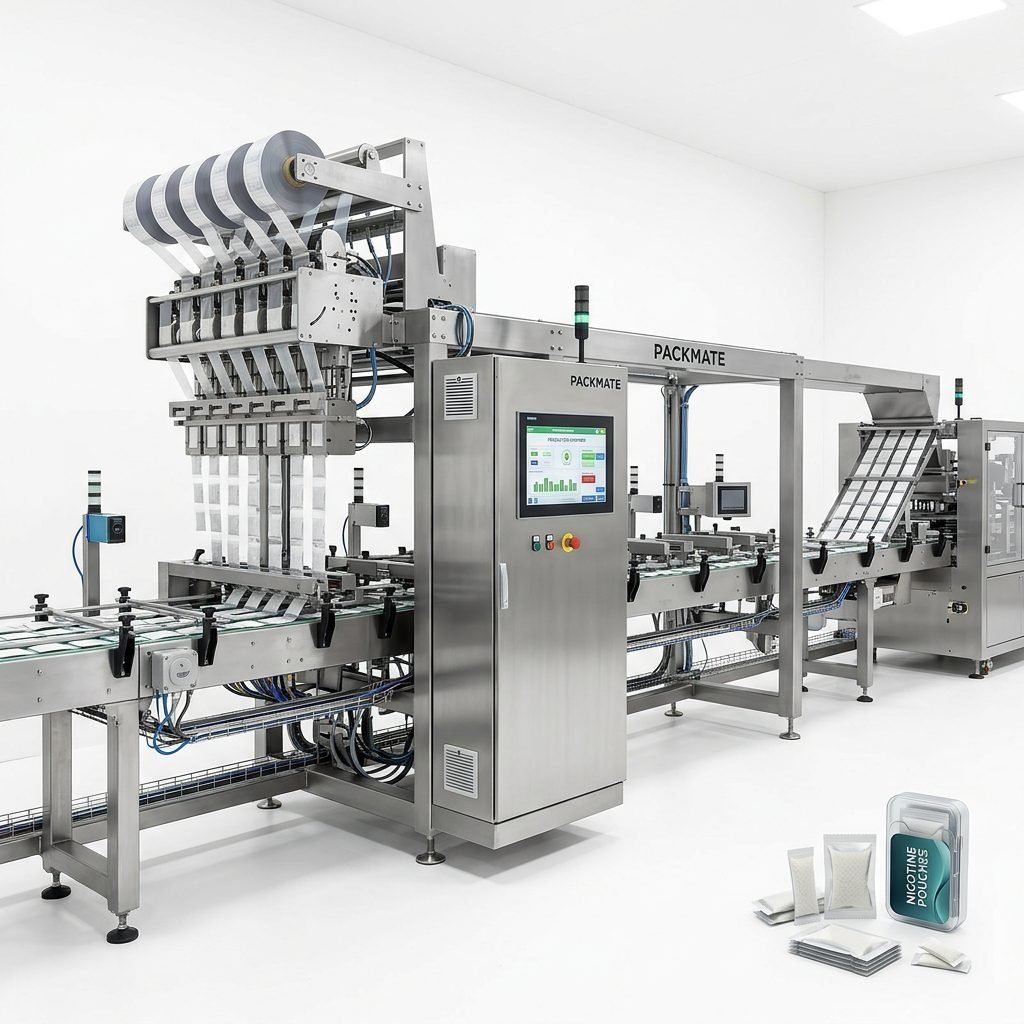
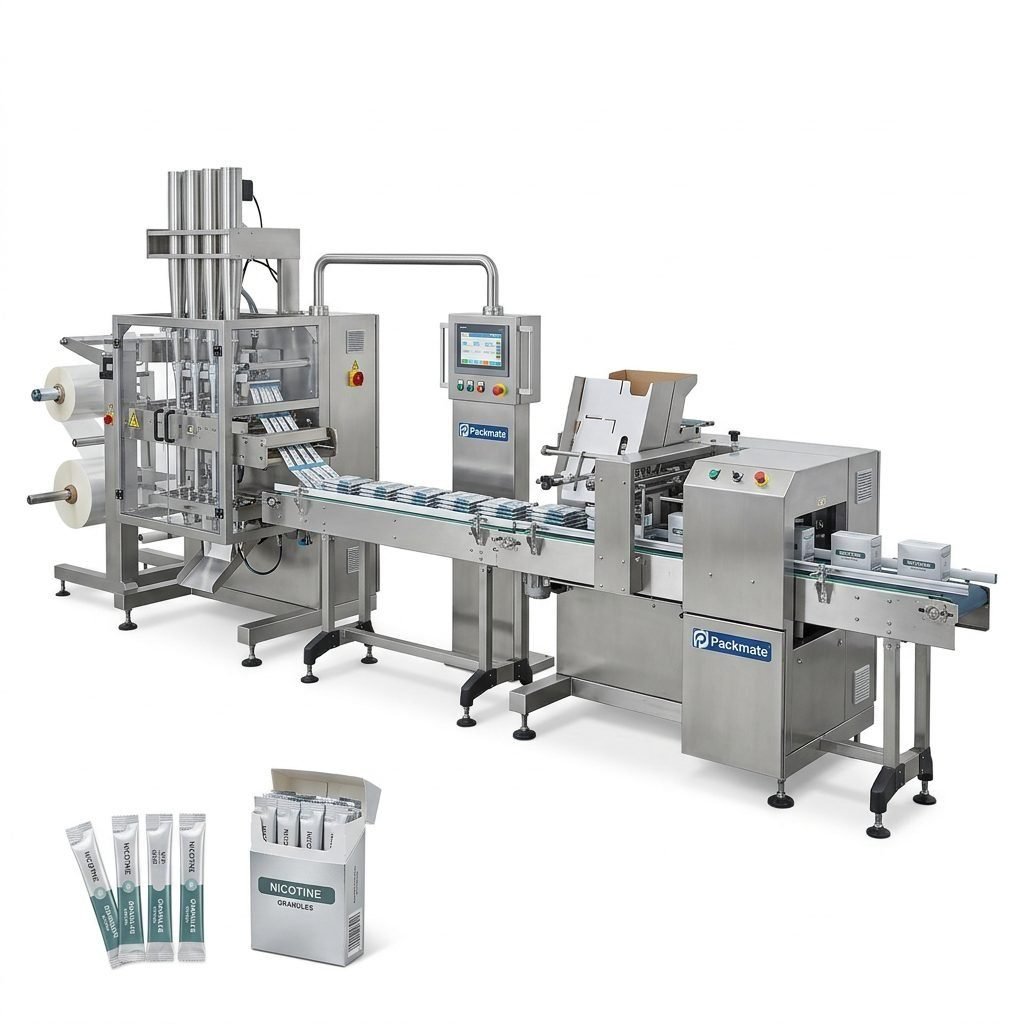
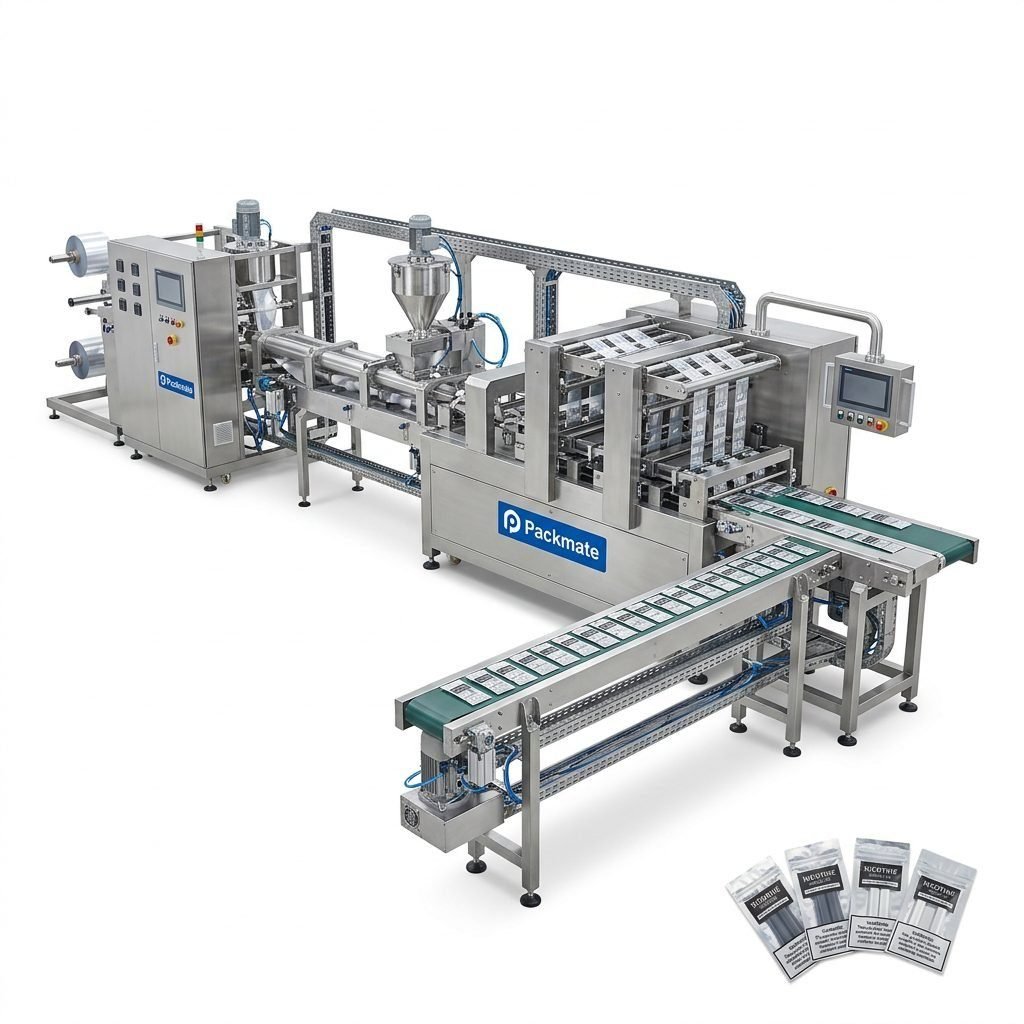
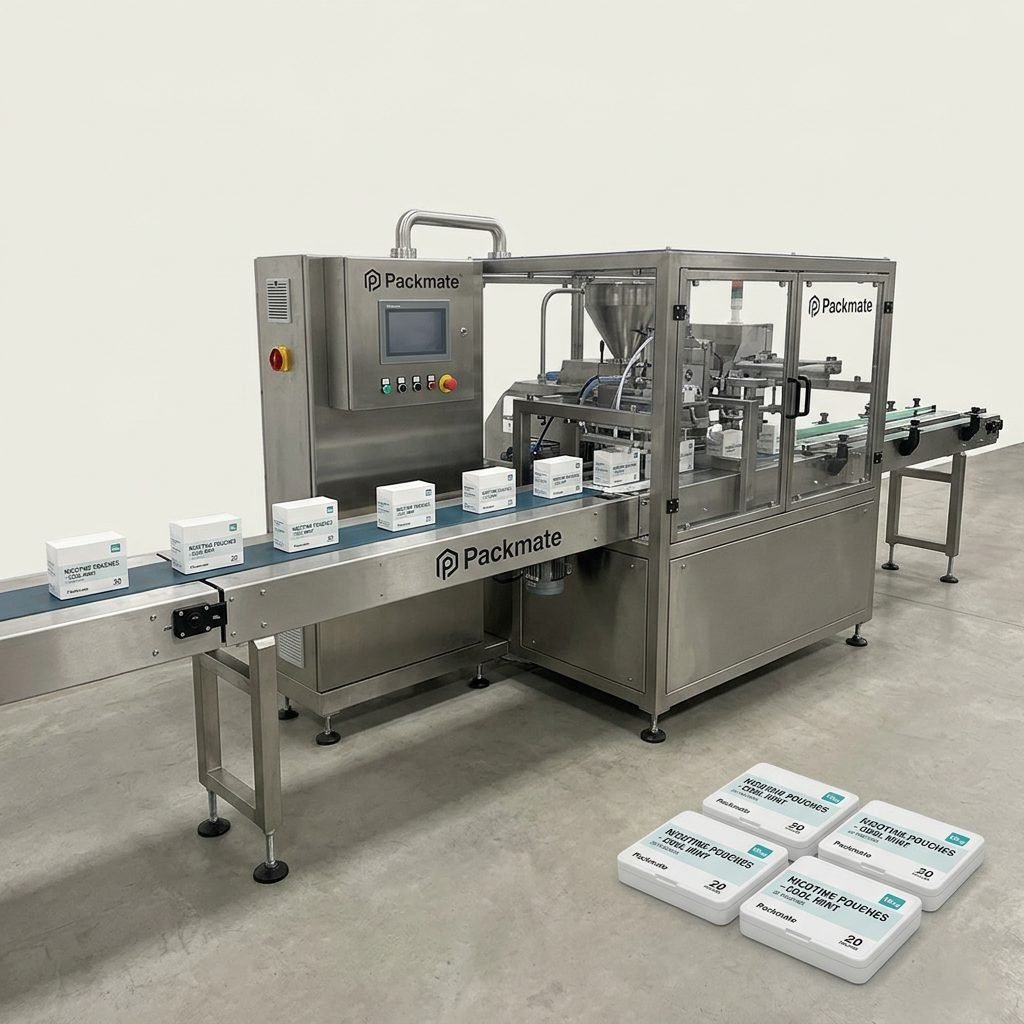
A supplier should offer multiple model variants: single-lane precision machines for small-batch artisanal brands, and high-speed multi-lane systems for large-scale production. Suppliers like Packmate provide specialized snus and nicotine packaging machines along with stick pack and sachet lines — check their product pages to confirm fit and options.
Engineering and manufacturing strength
Assess factory scale (e.g., a 20,000㎡ plant), precision machining centers, and assembly capacity. Such infrastructure supports timely delivery, custom engineering, and consistent quality control.
🔍 Tip: Request factory photos or virtual tours where possible to validate production capability and workshop organization.
Quality, Certifications, and Compliance
International certifications (for example CE and ISO) are essential for export and local compliance. For the nicotine market especially, safety, electrical and machinery certifications signal adherence to global standards.
Regulatory readiness in Southeast Asia
Southeast Asian countries have diverse customs and regulatory landscapes. Your supplier should be familiar with export documentation and be able to advise on import duties, local testing requirements, and labeling norms prevalent in countries like Thailand, Indonesia, Philippines, Vietnam, and Malaysia.
Customization, Flexibility and Automation Options
Many Southeast Asian producers prefer machines that adapt to evolving product lines: flexible format changeovers, modular add-ons (weighing, dosing, multi-lane conversion), and PLC-controlled automation help future-proof your investment.
⚠️ Important: Confirm the supplier’s ability to deliver toolkits for rapid format changes and spare parts kits that are compatible with local service teams.
After-Sales Service, Training and Spare Parts
In Southeast Asia, proximity and fast response can make or break production uptime. Insist on clear SLAs for spare parts, remote diagnostic capability, and options for on-site commissioning and operator training.
Remote support and local partners
A supplier with regional partners, local technicians, or well-organized remote troubleshooting will shorten downtime in case of faults. Check whether the supplier offers training modules in English or local languages used in your country.
Pricing, Total Cost of Ownership, and Financing
Purchase price is only one part of the equation. Compare lifecycle costs including energy consumption, spare parts, preventive maintenance, and potential upgrade costs. Ask about financing, leasing options, and warranty durations.
Logistics, Installation and Local Conditions
When selecting a supplier, factor in logistics: sea freight timelines, local customs clearance, and packaging for long shipments. Southeast Asia’s tropical climate requires machines resilient to humidity and temperature fluctuations — corrosion resistance, proper sealing, and climate-adapted electronics matter.
🔧 Practical note: Confirm whether the supplier provides condensation control options, IP-rated components, and protective coatings suitable for coastal or high-humidity regions.
Cultural & Market Considerations in Southeast Asia
Southeast Asian manufacturing culture values long-term relationships, trust, and clear communication. Many buyers prefer suppliers who can visit sites, provide face-to-face training, and remain available during local business hours. Consider suppliers who demonstrate cultural awareness and flexibility during negotiations.
Local workforce and operator skill levels
Design your procurement plan around the skill level of available operators. If local teams are less familiar with advanced PLC or HMI systems, choose a supplier that offers simplified control options, robust training, and clear multilingual manuals.
Reference Checks and Case Studies
Ask the supplier for recent case studies and references in your region. Seeing installations in Southeast Asia or similar markets proves the supplier can handle local logistics, compliance, and environment-specific challenges. Explore documented cases to understand real-world uptime and maintenance experience.
For instance, supplier portfolios that include worldwide turnkey solutions and exhibition participation often indicate strong global delivery capability — review their case pages and exhibition presence to validate claims.
Negotiation and Contract Essentials
When negotiating, specify acceptance tests, FAT/SAT procedures, lead times, spare parts lists, warranty terms, and performance guarantees in the contract. Confirm penalty clauses for late delivery and detailed scope for installation and training.
✓ Important contract items: delivery Incoterms, acceptance criteria (speed, accuracy), spare parts lead time, and technical documentation language.
Why Packmate Could Be a Strong Candidate
Packmate Snus Machine is a specialized manufacturer focused on snus and nicotine pouch solutions. With over 30 years of engineering experience, a 20,000㎡ manufacturing facility, and a wide range of 50+ machine models, Packmate offers both high-precision single-lane and multi-lane packaging lines suitable for Southeast Asian producers.
Their equipment family covers snus & nicotine packaging machines, sachet & stick pack machines, weighing & packaging systems, and auxiliary equipment — providing a one-stop source for integrated lines. Learn more about their product range and capabilities on the Snus & Nicotine Packaging Machines page or view their broader product categories for system integration.
Useful links for deeper research:
Decision Checklist: Quick Buyer’s Scorecard
1. Production capability matches your targets? Yes / No
2. Local support and spare parts logistics confirmed? Yes / No
3. Compliance and certifications available (CE/ISO)? Yes / No
4. Total cost of ownership and financing options clarified? Yes / No
5. Reference installations and FAT reports provided? Yes / No
Final Steps Before Purchase
Arrange a Factory Acceptance Test (FAT) or remote demonstration. Validate that the machine performs under real product conditions (product feed, humidity, pouch material). Confirm lead times for delivery and spare parts, and schedule on-site training at installation.
Onboarding your local team
Set up a training plan that includes preventive maintenance, hygiene best practices for tobacco/nicotine handling, and basic troubleshooting. For many Southeast Asian teams, on-site practical training combined with clear visual manuals increases retention and reduces operator errors.
Conclusion
Selecting the best snus packaging machine supplier in Southeast Asia requires evaluating production fit, engineering capability, climate resilience, regional support, and compliance credentials. Prioritize suppliers with an established track record in nicotine packaging, meaningful after-sales support, and transparent documentation to ensure smooth commissioning and long-term uptime.
Common Questions
Q1: How do I verify a supplier’s reliability?
Request factory tours (virtual or in-person), client references in similar regions, FAT reports, and review international certifications such as CE and ISO.
Q2: What machine features are essential for tropical climates?
Look for IP-rated electrical components, corrosion-resistant materials, effective cooling or ventilation, and designs that limit moisture ingress into sensitive areas.
Q3: Can suppliers integrate weighing and dosing systems?
Yes. Many suppliers offer integrated weighing & packaging systems and modular auxiliary equipment. Confirm compatibility and calibration for nicotine pouch dosing accuracy.
Q4: How important is local spare parts availability?
Critical. Quick access to spare parts reduces downtime. Verify lead times and whether the supplier keeps regional stock or partners with local distributors.
Q5: Where can I see real examples and contacts?
Explore supplier case studies, exhibition records, and contact pages to arrange demonstrations. For Packmate, view their case pages and contact details to request tailored proposals and demonstrations.